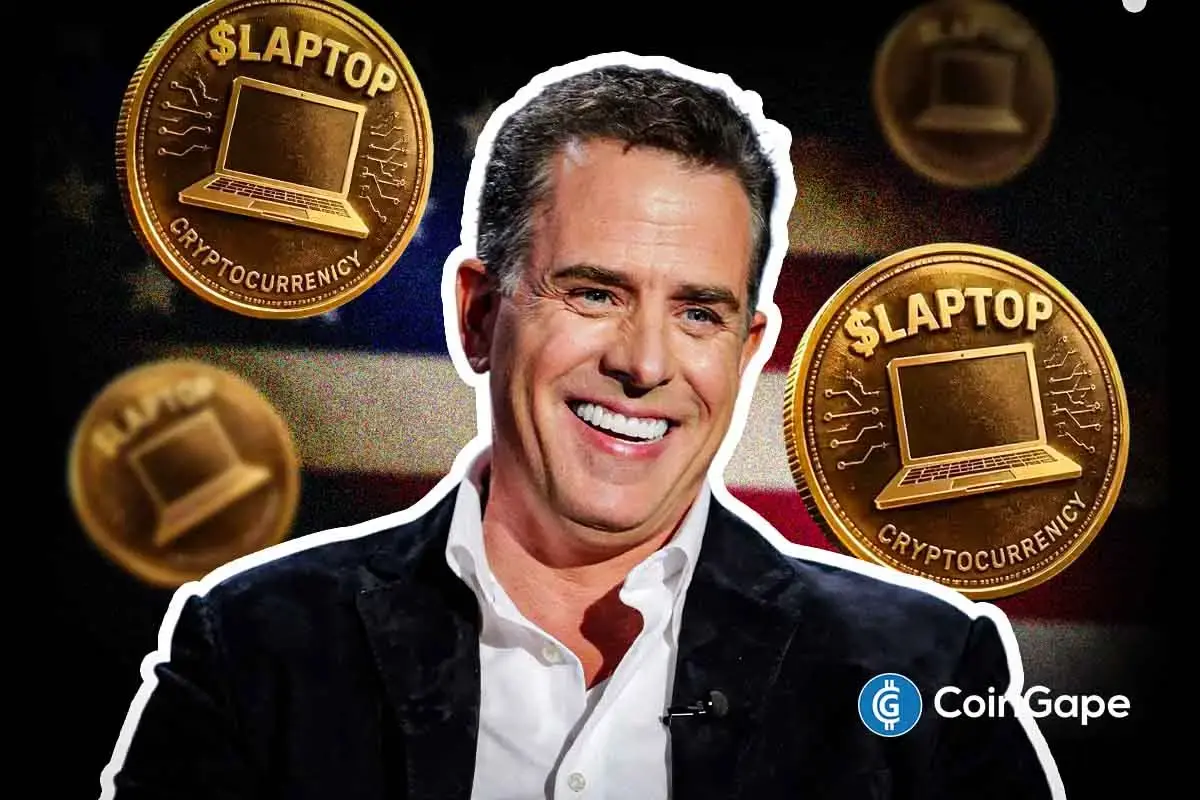
The launch of the LAPTOP meme coin by Hunter Biden has ignited a firestorm of controversy within the decentralized finance (DeFi) sector, drawing sharp criticism from market analysts, crypto commentators, and political observers alike. Following its official debut on September 9, 2026, the project has come under intense scrutiny primarily due to its tokenomics, which stipulate that 30% of the total token supply remains under the direct control of the project’s founders. This centralized allocation has prompted widespread allegations of potential "rugpull" mechanics, a term used to describe a scenario where developers abandon a project and drain liquidity, leaving investors with worthless assets.
Chronology of the Launch and Market Reaction
The lead-up to the LAPTOP token launch was marked by high-profile social media activity, with Hunter Biden utilizing his platform to position the asset not as a traditional financial investment, but as a symbolic political statement. According to his public statements, the token is intended to represent themes of resilience, recovery, and redemption. However, the market’s reception has been far from the intended narrative.
On September 8, one day prior to the token’s launch, prominent figures began questioning the transparency of the project. Tony Edward, host of the "Thinking Crypto" podcast, became a vocal critic of the token’s architecture. Edward argued that for any meme coin to be categorized as "ethical," it must meet specific industry standards, including full disclosure of all insider-held wallets, the total volume of tokens held by the project team, and the completion of independent audits by reputable third-party firms. Without these safeguards, Edward asserted, the project bears the hallmarks of a classic exit scam or rugpull.
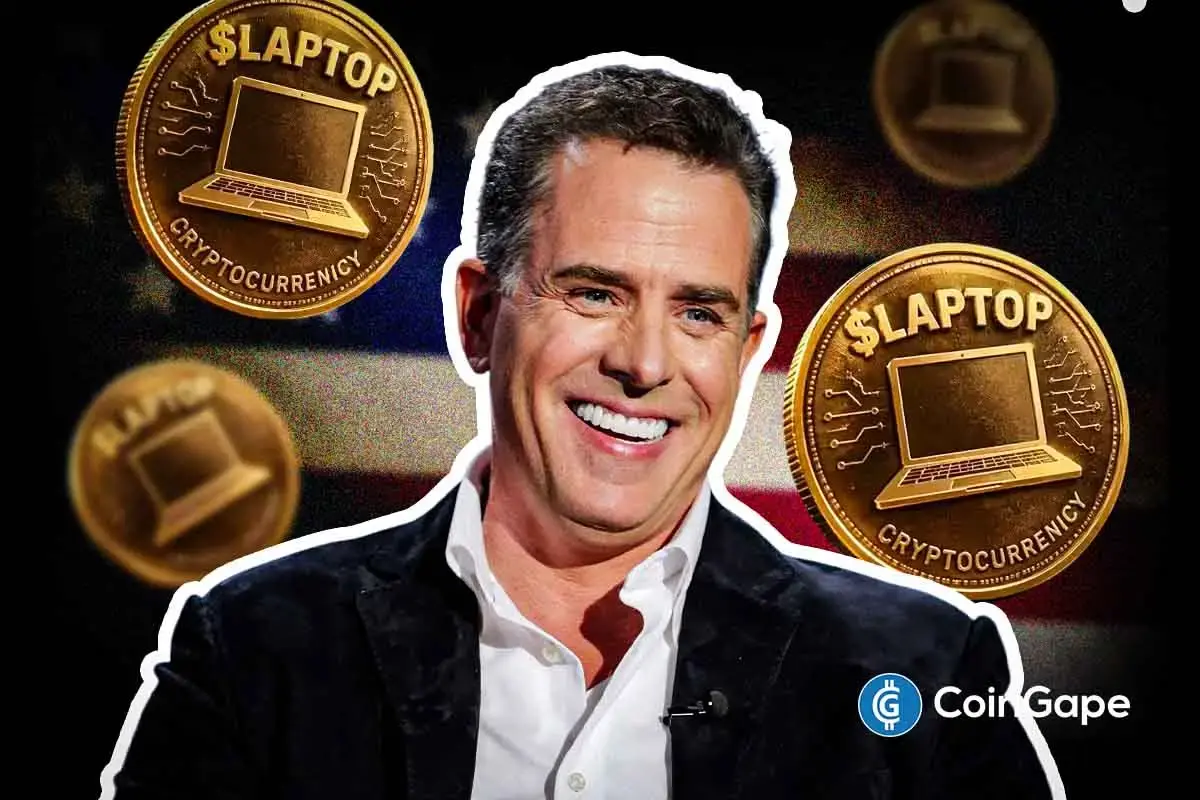
The criticism intensified on September 9 when the token launched on the Base blockchain. Market observers noted that the 30% insider allocation was hardcoded into the contract, leading to fears that the founders could manipulate the market or dump their holdings at the expense of retail participants.
Tokenomics and Founder Defenses
In response to the growing backlash regarding the 30% allocation, Hunter Biden and his development team issued statements clarifying the intended use of these funds. According to the project’s whitepaper and supplementary social media posts, the tokens held in the 30% allocation are not meant for personal profit. Instead, the team claims these tokens are tied to "preprogrammed results."
Biden stated that the fate of these tokens is contingent upon specific, yet-to-be-defined public events. If certain conditions are met, the tokens are scheduled to be burned—permanently removed from circulation—thereby reducing the total supply and theoretically increasing the scarcity of the remaining tokens. In the event that these specific triggers do not occur, the tokens are earmarked for donation to charitable organizations.
Despite these assurances, skepticism remains high. Biden further distanced himself from the financial performance of the asset, explicitly advising potential participants that they should not expect him or his team to provide price support or to intervene in market dynamics to increase the token’s value. This "disclaimer-first" approach is common in the meme coin sector, yet critics argue that it does not absolve the developers of the responsibility to provide transparent, audited infrastructure.

The Broader Landscape of Political Meme Coins
The emergence of the LAPTOP coin is the latest in a growing trend of politically themed digital assets. The cryptocurrency market has seen a surge in tokens tied to political figures, including TRUMP, MELANIA, and various others associated with celebrity figures like Kanye West and Andrew Tate. These tokens often experience high volatility and are frequently criticized for their lack of utility and susceptibility to pump-and-dump cycles.
Data compiled by independent crypto research tools suggests that this sector is fraught with financial risk. According to figures cited during the ongoing debate, holders of the TRUMP meme coin have seen a collective loss estimated at approximately $3.8 billion across nearly one million unique wallets. This massive wealth destruction has served as a cautionary tale for the crypto community, fueling the aggressive stance taken by critics against the LAPTOP project.
Regulatory and Ethical Implications
The debate surrounding the LAPTOP token highlights the ongoing tension between the decentralized nature of blockchain technology and the need for investor protection. Critics like conservative commentator Nick Sortor have been particularly vocal, urging potential investors to treat the project with extreme caution. Sortor’s public exchange with Biden underscored the polarized nature of the project; while Biden characterized the criticism as being rooted in "PTSD" from previous failed political meme coins, his detractors view his dismissive attitude as a red flag.
From an analytical perspective, the primary concern remains the lack of transparency. In the absence of an independent third-party audit, investors are forced to rely solely on the word of the developers. In the decentralized finance space, "code is law," and when the code allows for a large percentage of the supply to be controlled by a small group of individuals, the risk of market manipulation is mathematically inherent.

Analysis of Potential Risks
The risks associated with the LAPTOP token can be categorized into three main pillars:
- Liquidity Risk: With 30% of the supply under insider control, the project faces the potential for massive sell-offs if the developers choose to liquidate their positions. This could cause a collapse in the token’s price, effectively wiping out retail liquidity.
- Regulatory Risk: While meme coins currently operate in a gray area, the intersection of political figures and digital asset issuance may eventually draw the attention of regulatory bodies like the SEC or the CFTC. If the tokens are deemed to be unregistered securities, the project could face legal intervention.
- Reputational Risk: For the developers, the failure or perceived failure of the project—regardless of the original intent—could lead to significant legal and public relations consequences. The use of a high-profile name in the branding of a volatile asset inevitably invites intense scrutiny.
Future Outlook and Community Engagement
Despite the controversy, the project has actively sought to gain a foothold by targeting holders of competing tokens. By announcing an airdrop of 20% of the LAPTOP supply to existing TRUMP token holders, the team is attempting to capture a specific demographic of crypto users—those who are already engaged in the "political meme coin" economy.
This strategy suggests a broader trend in digital marketing, where projects attempt to "poach" communities from rival assets. However, whether this will lead to long-term adoption or further volatility remains to be seen. As the debate continues, the onus is on the project developers to prove the sustainability of their model through transparent actions rather than defensive social media posts.
Conclusion
The controversy surrounding the LAPTOP meme coin serves as a microcosm of the current state of the cryptocurrency market. It pits the promise of decentralized innovation against the reality of market manipulation and the lack of consumer safeguards. While Hunter Biden maintains that the project is a symbolic expression of his personal history and political views, the crypto community’s demand for audits and wallet disclosures highlights a growing maturity in investor expectations.

As of now, the project remains in its infancy. Investors and observers are keeping a close watch on the blockchain ledger, waiting to see if the "preprogrammed" actions regarding the 30% insider allocation will materialize as promised or if the project will succumb to the same fate as its predecessors. For the wider crypto ecosystem, the LAPTOP saga reinforces the critical importance of performing deep due diligence before allocating capital to high-risk, speculative digital assets. In a sector where transparency is the only effective shield against exploitation, the call for accountability—as voiced by industry experts like Tony Edward—is likely to become the new standard for any project claiming to be "ethical."