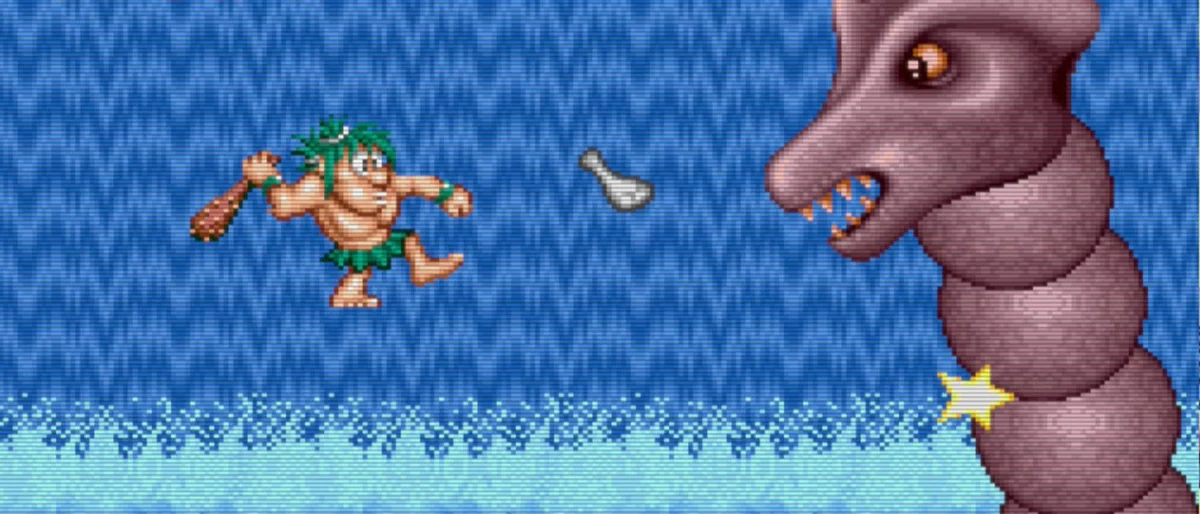
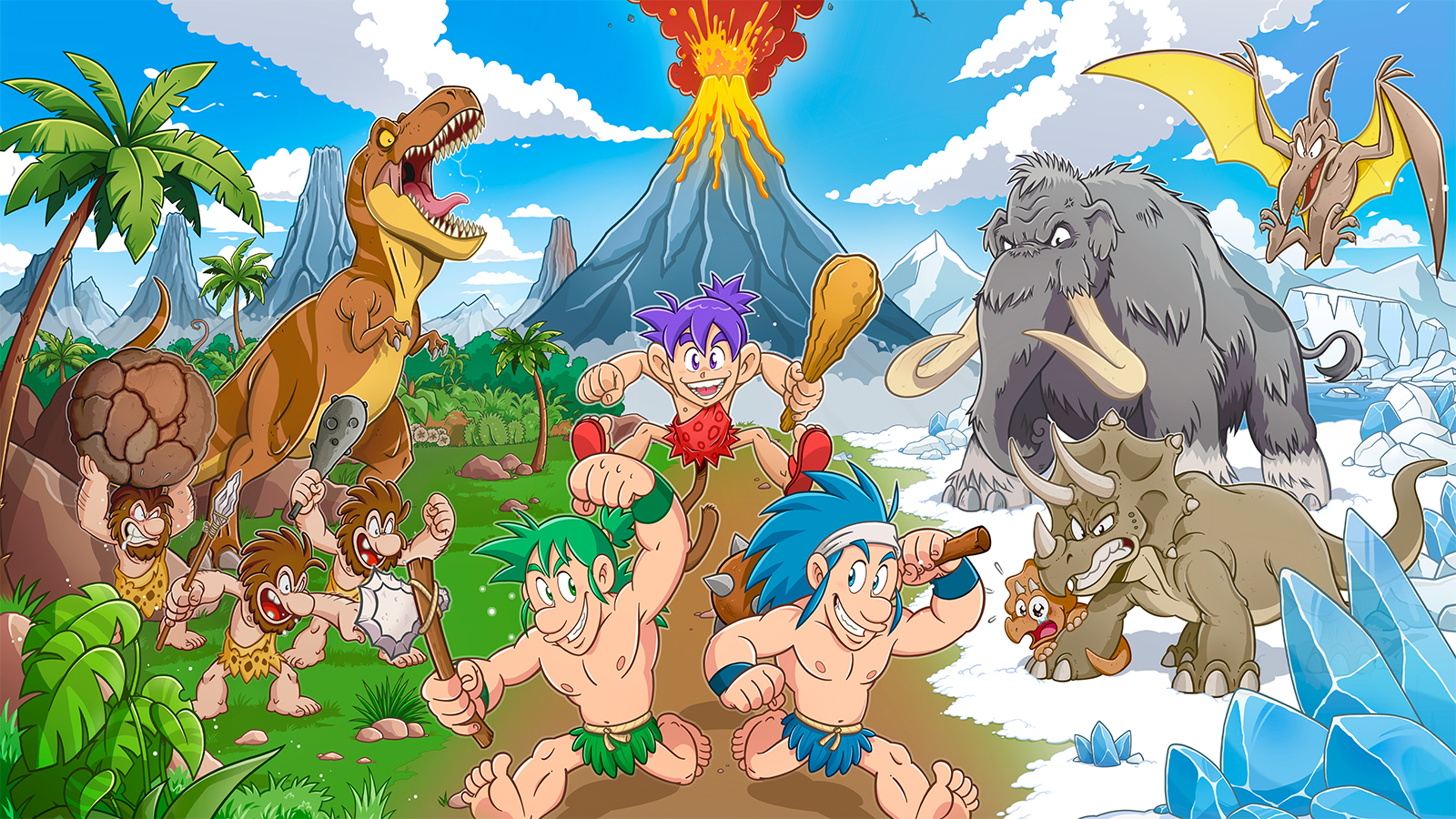
The landscape of modern video game preservation continues to expand as publishers dig deep into the archives of 16-bit history, unearthing titles that defined an era of vibrant, arcade-inspired pixel art. Published by Red Art Games and developed via dedicated emulation at Red Art Studios, the newly announced Joe & Mac Retro Collection brings three classic titles from developer Data East back into the spotlight. Set for a digital release on October 29, 2026, followed by physical editions in 2027, the compilation bundles together three distinct prehistoric platformers: the original arcade conversion Joe & Mac: Caveman Ninja, its console-focused spin-off Congo’s Caper, and the expansive sequel Joe & Mac 2: Lost in the Tropics, which was originally marketed as Joe & Mac 3 in Japan. Priced at $19.99 / £19.99 for digital storefronts, the collection will be available across a broad spectrum of contemporary hardware, including the Nintendo Switch, upcoming successor platforms such as the Nintendo Switch 2, PlayStation 5, Xbox Series X/S, and PC.

A Chronological Evolution of Prehistoric Platforming
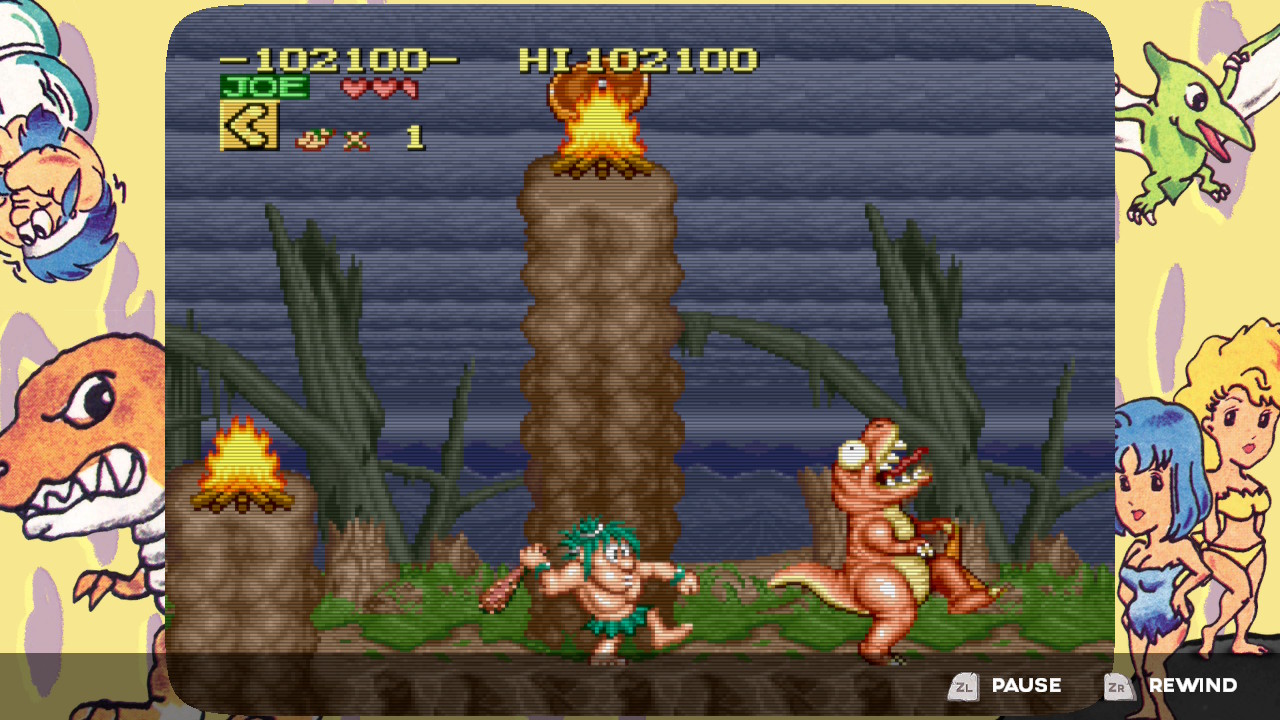
To fully understand the significance of the Joe & Mac Retro Collection, one must examine the trajectory of Data East’s output during the golden age of the Super Nintendo Entertainment System (SNES) and the preceding arcade boom of the early 1990s. The franchise began in the arcades with the release of the original Joe & Mac: Caveman Ninja. As a straightforward arcade conversion, the first title established the series’ core aesthetic: bold, saturated colors that pushed the limits of CRT displays, oversized and expressive dinosaur adversaries, and slapstick cooperative multiplayer. Players controlled the titular cavemen, Joe and Mac, as they fought their way through colorful prehistoric stages utilizing weapons like boomerangs, stone axes, and elemental projectiles. Despite its charm, the original game bore the classic hallmarks of arcade design, including sudden difficulty spikes, off-screen enemy respawns, and unforgiving checkpoint structures.
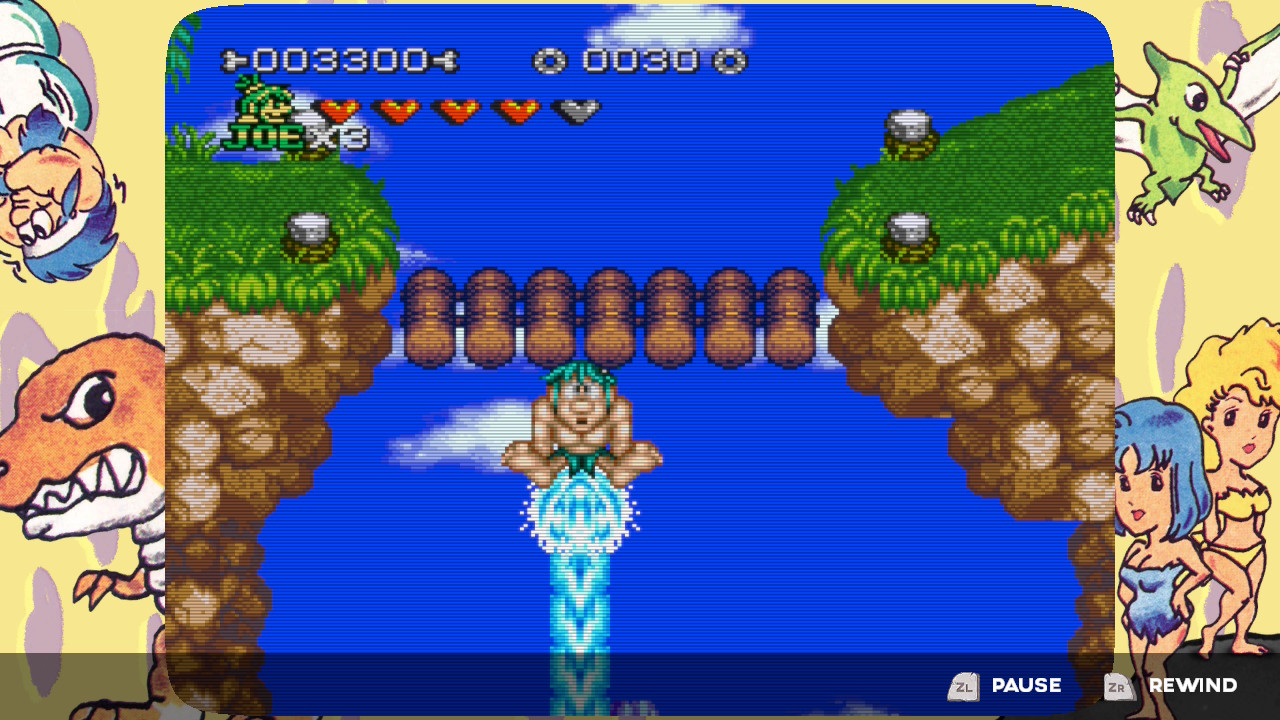
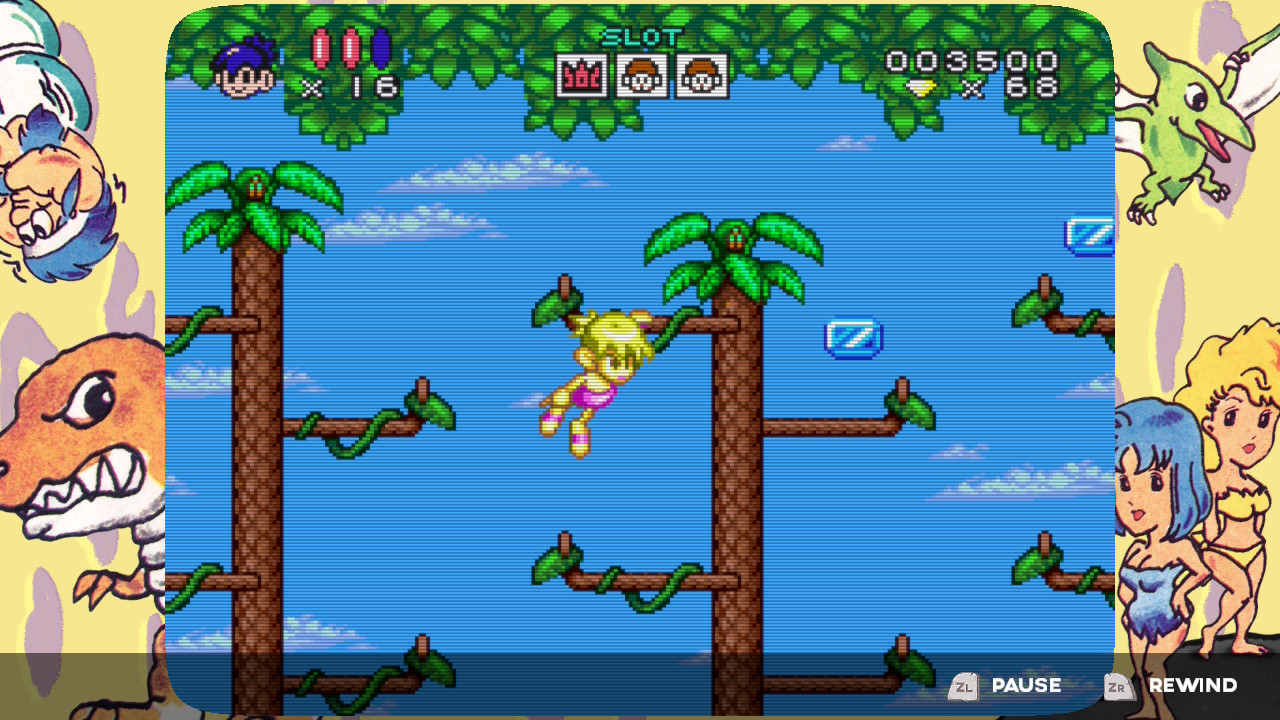
The formula evolved significantly with the release of Congo’s Caper. Diverging from the strictly linear arcade blueprint of its predecessor, Congo’s Caper shifted the design philosophy closer to contemporary console platformers of the early 1990s, drawing stylistic and mechanical comparisons to titles like Sonic the Hedgehog and Kid Chameleon. The game introduced a heavier emphasis on vertical exploration, hidden rooms, collectible items, and environmental traversal mechanics such as rapidly growing climbable vines. This allowed players to choose between a straightforward playthrough or a more methodical search for hidden secrets tucked away off the main route.
The trilogy reached its zenith on home consoles with Joe & Mac 2: Lost in the Tropics. Expanding heavily upon the mechanics established in the first two games, Lost in the Tropics incorporated an overworld map that allowed players to select their progression paths. Furthermore, the game introduced novel management and economic systems: players collected stone currency within stages to build and upgrade a prehistoric camp, purchase items, and interact with non-player characters. This blend of action-platforming, light exploration, and resource management represented Data East’s most ambitious attempt to scale up the franchise for the home console market, cementing its legacy as a cult classic of the 16-bit era.
Modern Conveniences and Preservation Standards
The modern re-release trend spearheaded by companies like Red Art Games relies heavily on supplemental features to bridge the gap between historical software and contemporary player expectations. The Joe & Mac Retro Collection incorporates standard-setting quality-of-life enhancements designed to mitigate the inherent frustrations of 1990s game design. Players gain access to a rewind feature, allowing instantaneous recovery from mistimed jumps or sudden hazards, alongside comprehensive save-state functionality that eliminates the necessity of completing entire campaigns in a single sitting.
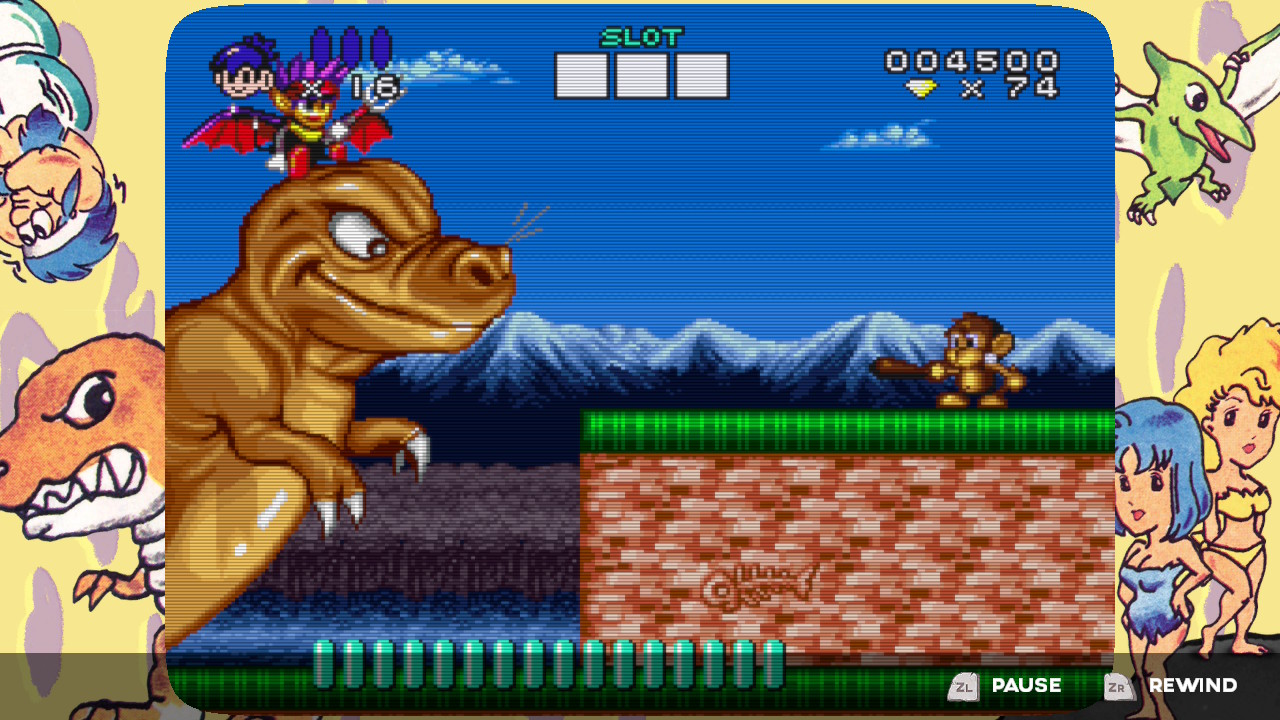
To honor the visual identity of the original hardware, the package includes customizable CRT screen filters and digital picture frames designed to replicate the warm scanlines and geometric constraints of vintage cathode-ray tube televisions. Additionally, the collection serves as a comprehensive archival artifact by including both Western releases and their respective Japanese counterpart editions. Most notably, the inclusion of the uncensored Japanese version of Caveman Ninja offers researchers and enthusiasts a direct look at the localized alterations and censorship practices common during the international publishing pipelines of the early 1990s.
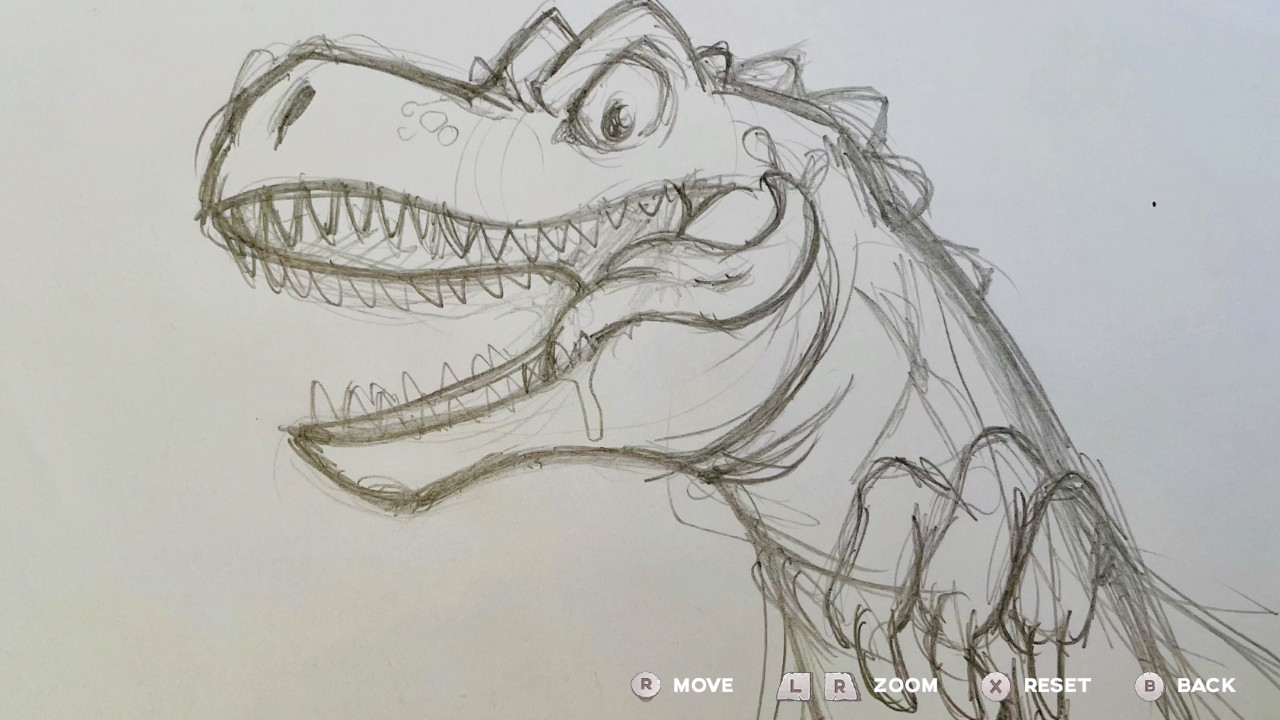
Furthermore, the compilation features a digital museum space functioning as a virtual unboxing experience. Players can inspect high-resolution scans of original SNES packaging, physical cartridges, and instruction manuals alongside a concept art gallery containing character sketches and early developmental drafts. While industry peers such as Digital Eclipse have set high benchmarks for historical curation by embedding extensive, documentary-style developer interviews and oral histories into their retro releases—as seen in recent packages like Toy Story: Retro Roundup!—Red Art Games focuses primarily on the raw assets, letting the original design work and supplemental sketches speak for themselves.
Industry Reception and Strategic Implications
Early assessments of the Joe & Mac Retro Collection suggest that while the titular first game serves primarily as a nostalgic entry point, the true value of the compilation lies in the sustained mechanical depth and inventiveness of its sequels. Congo’s Caper and Lost in the Tropics offer significantly more varied gameplay loops, ensuring that the package retains long-term playability for modern audiences rather than relying entirely on fleeting novelty.
The inclusion of a dedicated Boss Rush mode across all three titles further extends the longevity of the collection, allowing players to bypass standard level geometry and engage directly with the exaggerated, character-rich encounters that defined Data East’s artistic output. From T-Rexes spitting their prehistoric meals to triceratops demolishing icy barricades piece by piece, the game’s animation remains a masterclass in expressive 16-bit sprite design.
Market Implications for Retro Compilations
The release of the Joe & Mac Retro Collection highlights a broader, sustained economic and cultural shift within the video game industry toward systematic digital and physical preservation. As contemporary hardware transitions through generational cycles—signified by the simultaneous cross-platform availability of titles on current systems and upcoming hardware like the Switch 2—publishers recognize a steady demand for curated retro libraries.
Priced competitively at $19.99 / £19.99, compilations of this scale occupy a critical middle ground in the modern games market. They provide independent and mid-tier publishers with a sustainable revenue stream while safeguarding codebases that might otherwise succumb to software rot or the prohibitive costs of secondary-market physical collection. By pairing emulation accuracy with consumer-friendly accessibility tools like rewind and save states, publishers ensure that historical artifacts remain viable entertainment products for generations born decades after the closure of the 16-bit console wars.