
The global transition toward decentralized finance (DeFi) has reached a critical juncture as Bitget Wallet, the non-custodial gateway within the Bitget ecosystem, announces a suite of expanded features aimed at bridging the gap between centralized convenience and decentralized security. As regulatory scrutiny intensifies on centralized exchanges worldwide, the demand for sophisticated, self-custody solutions has surged, positioning Bitget Wallet as a primary competitor in the Web3 infrastructure space. By integrating advanced trading tools, multi-chain interoperability, and user-centric incentive programs, the platform seeks to lower the barrier to entry for the next wave of retail and institutional crypto participants.
The Strategic Evolution of Bitget Wallet
Originally known as BitKeep before its acquisition and subsequent rebranding by the Bitget exchange in early 2023, Bitget Wallet has evolved from a simple storage solution into a comprehensive "Web3 Trading Wallet." This evolution is characterized by a "platform-as-a-service" approach, where users can access almost every facet of the blockchain ecosystem—including swaps, NFT marketplaces, DApp browsers, and futures trading—without ever relinquishing control of their private keys.
The rebranding was supported by a $30 million investment from Bitget, which facilitated a total overhaul of the wallet’s security framework and user interface. Today, the wallet serves over 15 million users globally, supported by a $100 million Bitget Protection Fund designed to provide an extra layer of security against potential cyber threats. This hybrid model, leveraging the capital and reputation of a major exchange while maintaining the technical independence of a non-custodial wallet, represents a significant trend in the digital asset industry.
Technical Specifications and Multi-Chain Interoperability
One of the most significant hurdles for Web3 adoption is the fragmentation of blockchain networks. Bitget Wallet addresses this by providing native support for over 130 distinct blockchains. This includes major Layer 1 networks such as Bitcoin, Ethereum, Solana, and Ripple (XRP), as well as prominent Layer 2 solutions and EVM-compatible chains like BNB Chain, Arbitrum, and Polygon.
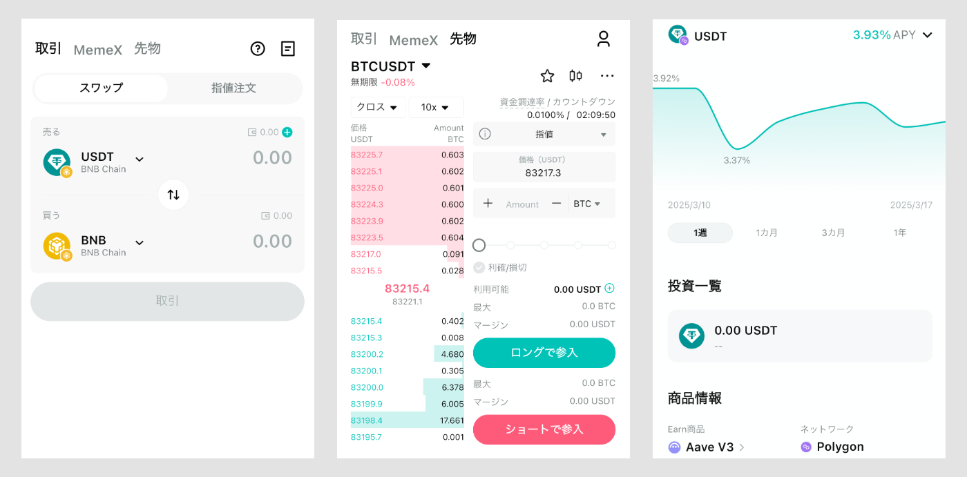
The platform’s internal "Swap" function acts as a sophisticated liquidity aggregator, drawing from over 100 decentralized exchanges (DEXs) to ensure users receive the most competitive pricing with minimal slippage. Unlike traditional wallets that require users to manually switch networks and find external bridges, Bitget Wallet automates the cross-chain process, allowing for seamless asset transfers between disparate ecosystems.
Supporting Data: Network Coverage and Trading Volume
Recent industry data suggests that multi-chain wallets see 40% higher retention rates than single-chain alternatives. Bitget Wallet’s support for 130+ chains places it in the top tier of non-custodial solutions. Furthermore, the wallet’s integrated futures trading platform offers over 100 trading pairs with leverage options up to 125x, a feature rarely seen in decentralized environments, which typically struggle with the high-speed requirements of derivative markets.
Solving the Gas Fee Dilemma: The GetGas Innovation
A recurring pain point for cryptocurrency users is the "gas fee" requirement—the necessity of holding a native token (such as ETH or SOL) to pay for transaction fees on a specific network. New users often find themselves in a "catch-22" where they have assets on a chain but cannot move them because they lack the native gas token.
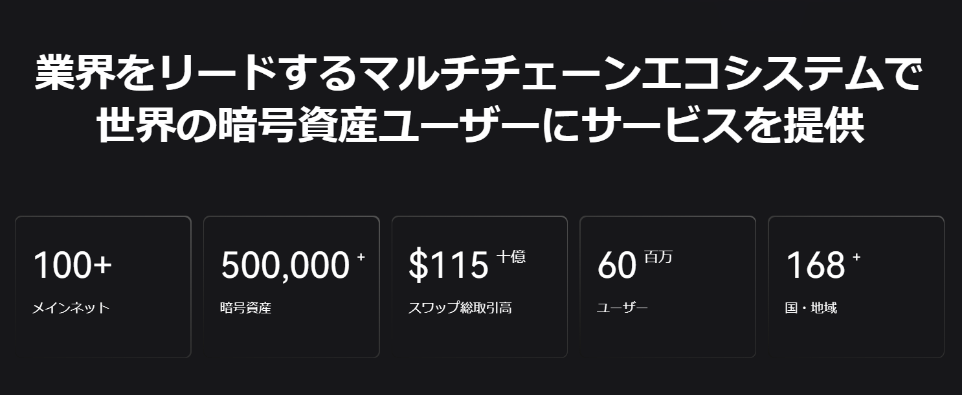
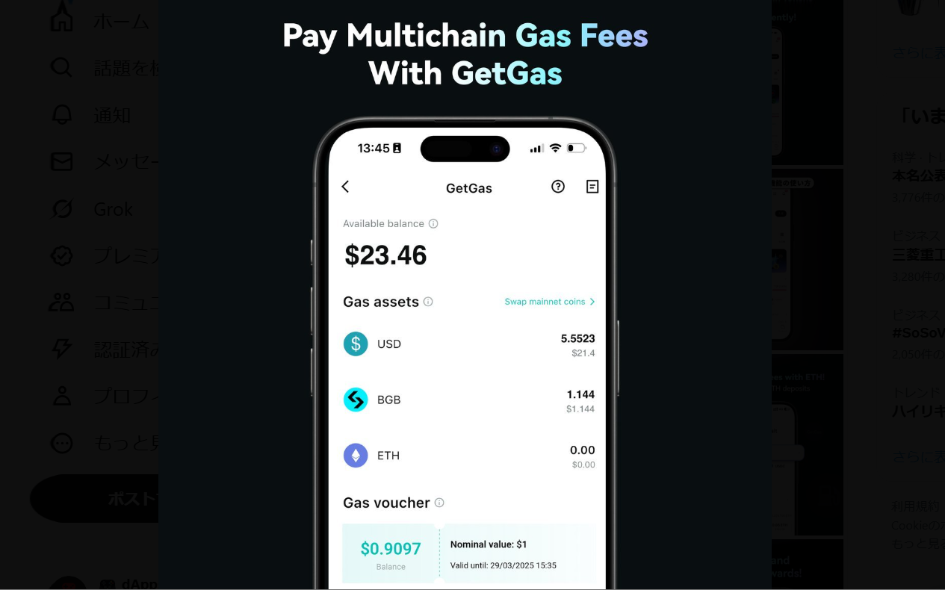
Bitget Wallet has introduced a proprietary feature known as "GetGas" to solve this logistical bottleneck. The GetGas function allows users to pay for transaction fees on more than 10 networks without needing the native token in advance. Instead, the fee can be deducted from other stablecoins or assets within the wallet. This innovation significantly streamlines the user experience, particularly for those exploring decentralized applications (DApps) or participating in airdrop campaigns across multiple chains.
Security Protocols in the Self-Custody Era
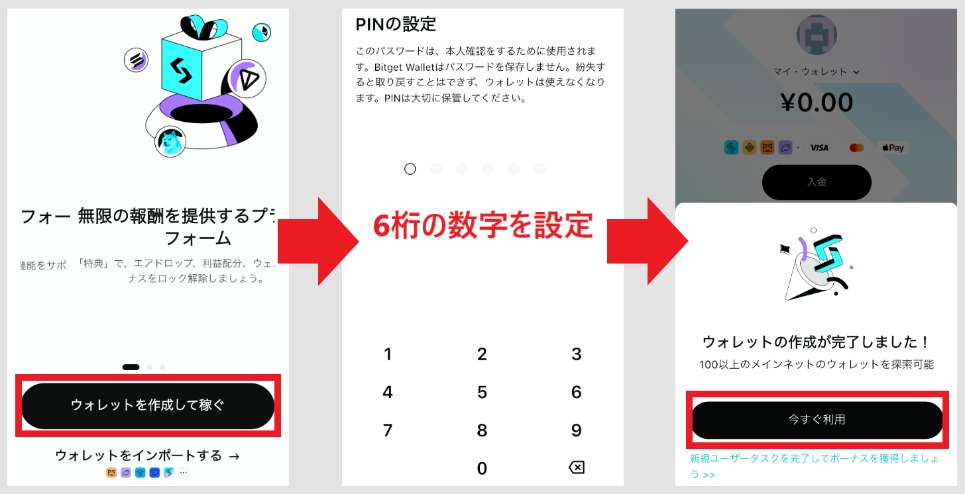
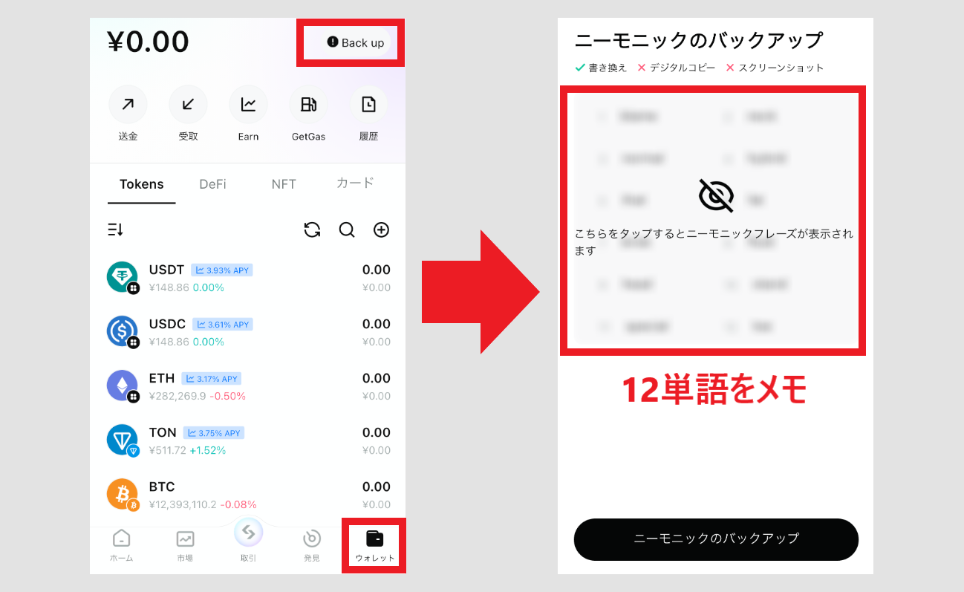
As a self-custody (non-custodial) wallet, Bitget Wallet adheres to the "not your keys, not your coins" philosophy. Upon creation, the wallet generates a 12-word mnemonic seed phrase that is stored exclusively on the user’s device. Bitget Wallet employees and servers never have access to this information, ensuring that even in the event of a corporate-level breach, user funds remain secure.
The platform has also integrated advanced security features, including:
- MPC (Multi-Party Computation) Technology: Distributing private key shares to eliminate a single point of failure.
- Hardware Wallet Support: Compatibility with devices like Ledger for users requiring "cold storage" levels of security.
- DApp Security Audits: An integrated scanning tool that warns users if they are interacting with a potentially malicious smart contract.
Strategic Incentives and the Refer2Earn Program
To accelerate growth and incentivize the migration from centralized platforms, Bitget Wallet has launched several promotional campaigns. Central to this strategy is the "Refer2Earn" initiative. New users who register using a referral code—such as the currently active "Yknq8K"—are eligible for specific benefits designed to reduce their initial operational costs.
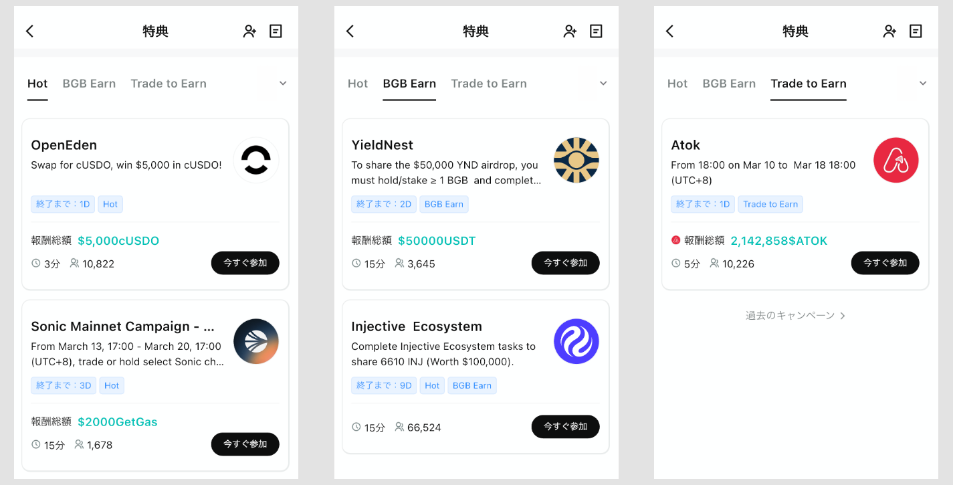
Specifically, the platform is offering a 5 USDT gas voucher for new users who enter the referral code within seven days of creating their wallet. This voucher can be used to offset transaction fees, effectively providing "free" initial trades or transfers. By subsidizing the cost of on-chain activity, Bitget Wallet aims to convert casual observers into active participants within the DeFi ecosystem.
Timeline of Key Developments
The trajectory of Bitget Wallet reflects the broader maturation of the Web3 sector:
- May 2018: Launch of BitKeep, focusing on the Asian market.
- March 2023: Bitget acquires a controlling stake in BitKeep for $30 million.
- August 2023: Official rebranding to Bitget Wallet and integration of the $100M User Protection Fund.
- January 2024: Introduction of the "Smart Money" tracking feature, allowing users to follow high-performing on-chain wallets.
- March 2025: Current expansion phase focusing on GetGas cross-chain efficiency and the Refer2Earn global rollout.
Broader Impact and Industry Implications
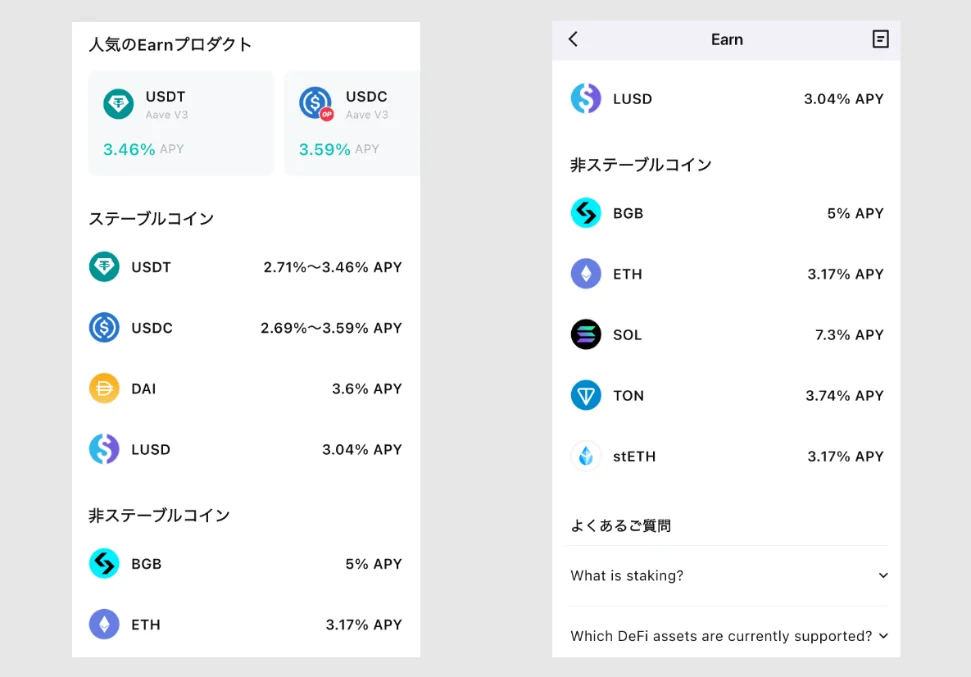
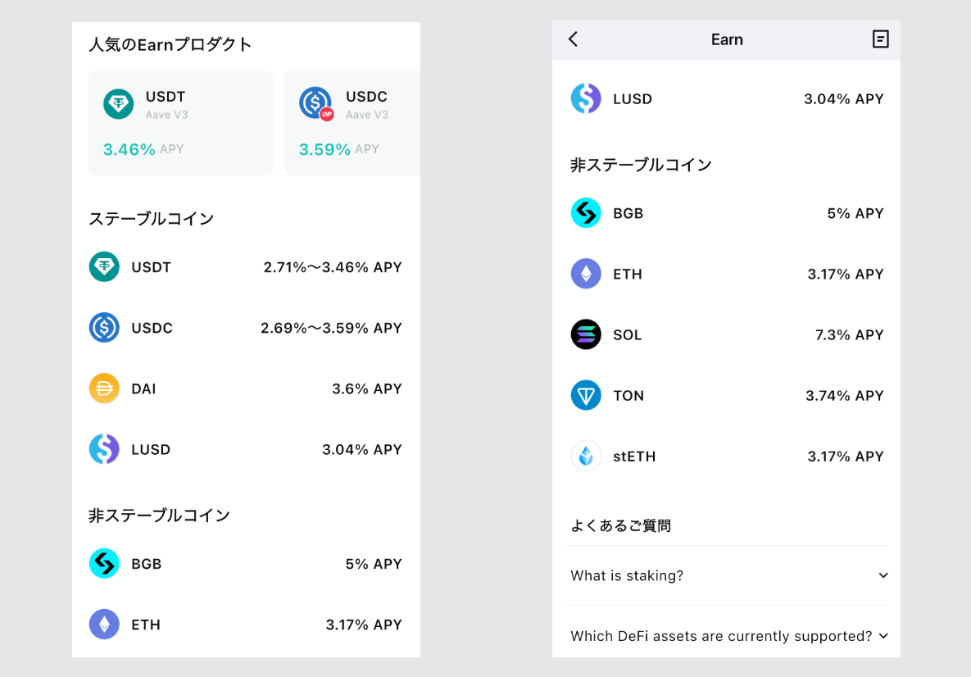
The rise of comprehensive tools like Bitget Wallet signals a shift in how retail investors interact with digital assets. Traditionally, users were forced to choose between the ease of use of a Centralized Exchange (CEX) and the security of a Decentralized Wallet. Bitget Wallet’s integration of futures, swaps, and staking (via protocols like Aave and Lido) directly within the wallet interface suggests that the distinction between CEX and DEX is blurring.
Market analysts suggest that this "super-app" approach to Web3 is necessary for mass adoption. By providing a single interface for 130 chains and a library of over 250,000 DApps, Bitget Wallet reduces the cognitive load on users who previously had to manage multiple extensions and accounts.
Furthermore, the lack of mandatory Know Your Customer (KYC) requirements for the wallet’s core functions appeals to the privacy-conscious demographic that originally drove the creation of Bitcoin. While centralized exchanges face increasing pressure to implement strict identity verification, non-custodial wallets remain a sanctuary for permissionless innovation, provided they can maintain robust security standards.
Official Responses and Market Outlook
While Bitget Wallet operates as an independent technical entity, its synergy with the Bitget exchange provides a unique competitive advantage. In recent statements regarding the wallet’s direction, leadership emphasized that the goal is not merely to store assets but to provide a "comprehensive ecosystem where wealth can be managed, grown, and protected."
Industry observers note that Bitget’s aggressive expansion into the wallet space is a defensive and offensive maneuver against competitors like MetaMask (ConsenSys) and the OKX Wallet. As the "gatekeeper" to Web3, the wallet that manages a user’s keys essentially manages their entire digital identity and financial activity.
Looking forward, Bitget Wallet is expected to continue its integration of Artificial Intelligence (AI) to assist users in identifying market trends and optimizing gas fees. With the ongoing bull cycle in the cryptocurrency market, the platform’s ability to handle high traffic while maintaining low-latency swaps will be the ultimate test of its infrastructure. For now, the combination of high-leverage trading, multi-chain support, and aggressive referral incentives has established Bitget Wallet as a formidable force in the decentralized landscape.
