
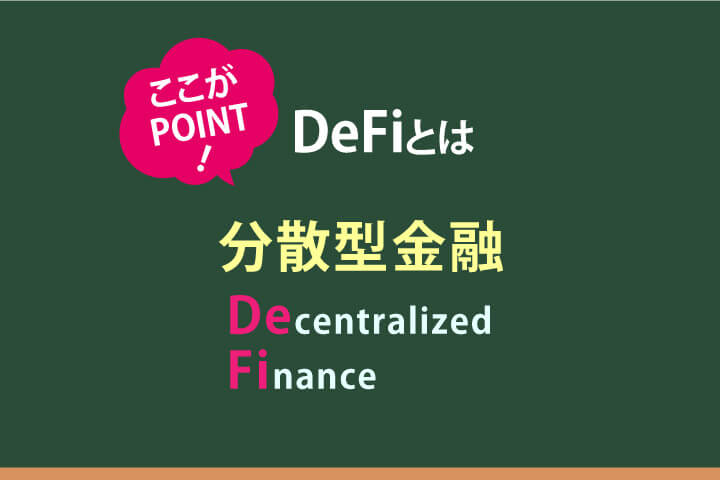
Decentralized Finance, commonly referred to as DeFi, has emerged as a transformative force within the global financial landscape, fundamentally altering how capital is managed, exchanged, and deployed. Built primarily on blockchain technology, DeFi represents an ambitious effort to recreate traditional financial systems—such as banking, lending, and insurance—without the need for centralized intermediaries like commercial banks, brokerages, or clearinghouses. By leveraging smart contracts on programmable blockchains such as Ethereum, Solana, and Binance Smart Chain, DeFi protocols offer a "trustless" environment where transactions are governed by code rather than human oversight. This shift toward a Web3-based financial model promises greater transparency, reduced costs, and a level of accessibility previously unattainable for the world’s unbanked populations.
The Core Mechanisms of Decentralized Finance
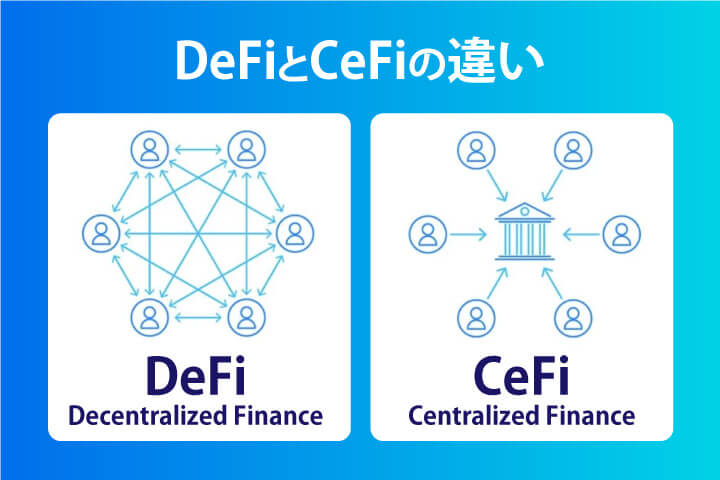
At the heart of the DeFi movement is the concept of disintermediation. In the traditional financial model, known as Centralized Finance (CeFi), institutions act as gatekeepers. When a consumer sends a cross-border payment or applies for a loan, they rely on a chain of banks and credit agencies to verify their identity, validate the transaction, and secure the funds. This process is often slow, expensive, and prone to censorship or administrative error. DeFi replaces these human-led institutions with automated protocols known as smart contracts.
These smart contracts are self-executing agreements with the terms of the contract directly written into lines of code. When specific conditions are met, the contract executes the transaction automatically and records it on a public ledger. This ensures that the history of all transactions is immutable and transparent to any observer. The primary functions currently available in the DeFi ecosystem include decentralized exchanges (DEXs), lending and borrowing platforms, yield farming, and the issuance of stablecoins—digital assets pegged to the value of fiat currencies like the U.S. dollar to mitigate volatility.

A Chronological Evolution of the DeFi Ecosystem
The journey of DeFi began long before the term entered the mainstream lexicon. While Bitcoin introduced the world to decentralized peer-to-peer payments in 2009, it lacked the programmability required for complex financial services. The launch of Ethereum in 2015 was the true catalyst, providing a platform where developers could build decentralized applications (dApps).
In 2017, the launch of MakerDAO and its stablecoin, DAI, proved that complex financial instruments could exist without a central bank. However, it was the "DeFi Summer" of 2020 that saw the sector’s explosive growth. During this period, protocols like Compound began offering "liquidity mining" rewards, incentivizing users to provide capital to the ecosystem. This led to a surge in Total Value Locked (TVL)—a metric used to measure the total amount of assets held within DeFi protocols.
The years 2021 and 2022 marked a period of both extreme innovation and significant volatility. The rise of Automated Market Makers (AMMs) like Uniswap revolutionized trading by allowing users to swap assets without a traditional order book. Conversely, the collapse of certain algorithmic stablecoins and the bankruptcy of centralized entities like FTX in late 2022 underscored the importance of true decentralization. While centralized platforms failed due to human mismanagement, DeFi protocols continued to function exactly as their code intended, reinforcing the argument for transparent, on-chain finance.
Supporting Data: Market Growth and Global Adoption
The scale of the DeFi market has reached significant milestones over the past five years. According to industry data from platforms like DeFi Llama, the Total Value Locked in DeFi protocols peaked at over $175 billion in late 2021. Even during market contractions, the TVL has maintained a multi-billion dollar baseline, indicating a persistent demand for decentralized services.
Geographically, DeFi adoption is highest in regions where traditional banking infrastructure is either underdeveloped or unstable. Data from Chainalysis indicates that Central and Southern Asia, as well as parts of Africa, lead the world in P2P transaction volume. For the 1.4 billion unbanked adults worldwide, DeFi offers a pathway to financial services requiring nothing more than a smartphone and an internet connection. In countries experiencing hyperinflation, DeFi protocols provide access to dollar-pegged stablecoins, allowing citizens to preserve their purchasing power in a way that local banks cannot.
Key Features and Advantages Over Traditional Banking
The transition from CeFi to DeFi offers several distinct advantages that are driving institutional and retail interest:

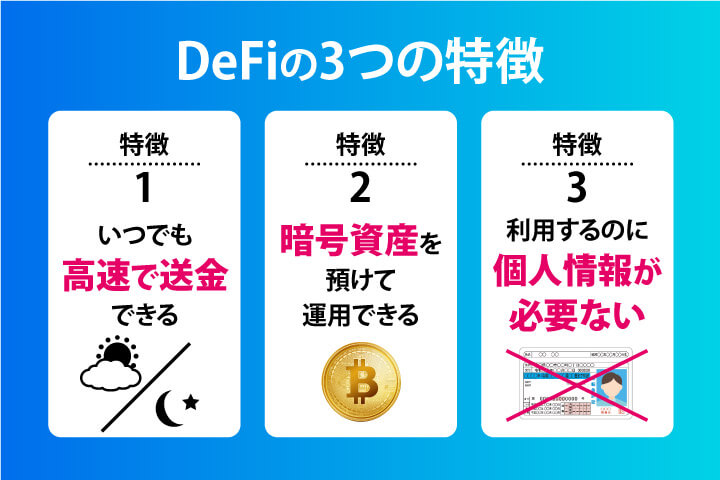
- 24/7 Global Accessibility: Unlike traditional stock markets or banks that operate on business hours and observe holidays, DeFi protocols are operational 24 hours a day, 365 days a year. This allows for instantaneous settlement of transactions across time zones.
- Permissionless Participation: Traditional banking requires extensive documentation, credit checks, and physical presence. In contrast, DeFi is permissionless. Anyone with a digital wallet can interact with these protocols, regardless of their credit history or geographic location.
- Transparency and Auditability: Every transaction on a DeFi protocol is recorded on a public blockchain. This allows for real-time auditing of a protocol’s reserves and transaction history, providing a level of transparency that is impossible in the "black box" of traditional corporate accounting.
- Efficiency and Lower Costs: By removing the "middleman," DeFi reduces the fees associated with currency exchange, lending, and remittances. Overseas transfers that might take a week and cost 5-10% in fees via traditional banks can be completed in minutes for a fraction of the cost using DeFi.
Notable Projects and Market Leaders
Several projects have established themselves as the "blue chips" of the DeFi world, often categorized by their Total Value Locked and historical resilience.
- Uniswap: As the leading decentralized exchange, Uniswap utilizes an AMM model to allow users to trade tokens directly from their wallets. It remains the standard for decentralized liquidity.
- Curve Finance: Specializing in stablecoin swaps, Curve offers low-slippage trading for assets that are meant to have the same value. It is a critical piece of infrastructure for maintaining the stability of the broader ecosystem.
- PancakeSwap: Operating primarily on the BNB Chain, PancakeSwap offers a high-speed, low-cost alternative to Ethereum-based DEXs, making it popular for retail users sensitive to transaction (gas) fees.
- Aave: A leader in the lending and borrowing space, Aave allows users to earn interest on their deposits and borrow against their collateral in a completely automated fashion.
Navigating Risks: Security, Volatility, and Self-Responsibility
Despite its potential, the DeFi sector is not without significant risks. The most prominent challenge is security. Because the system relies on code, any vulnerability in a smart contract can be exploited by hackers. "Rug pulls," where developers abandon a project and flee with investor funds, and flash loan attacks remain persistent threats.
Furthermore, the "self-responsibility" model of DeFi means there is no "forgot password" button or customer support hotline. If a user loses their private keys or sends funds to the wrong wallet address, those assets are typically lost forever. Price volatility also remains a concern; while yield farming can offer high returns (sometimes exceeding 100% APR in early-stage projects), the underlying tokens can lose value just as quickly, leading to "impermanent loss" for liquidity providers.
Regulatory Responses and Future Implications
Governments and financial regulators are increasingly focusing on the DeFi space. The challenge for regulators lies in the fact that DeFi protocols often have no central headquarters or legal entity to subpoena. In the United States, the SEC has signaled a desire to bring DeFi platforms under existing securities laws, while the European Union’s Markets in Crypto-Assets (MiCA) regulation seeks to create a comprehensive framework for digital assets.

Industry analysts suggest that the future of finance will likely be a hybrid model. Traditional banks are already exploring "Institutional DeFi," where they use blockchain technology to settle internal transactions while maintaining regulatory compliance through Know Your Customer (KYC) protocols.
The Broader Impact on Global Economy
The long-term implications of DeFi extend beyond simple trading and lending. It represents a shift toward a "modular" financial system where different protocols can be stacked like "money legos" to create entirely new financial products. This innovation could democratize access to sophisticated investment strategies that were previously reserved for hedge funds and high-net-worth individuals.
As the technology matures and user interfaces become more intuitive, the barrier to entry for the average consumer will continue to fall. The integration of DeFi into GameFi (gaming finance) and SocialFi (social media finance) suggests that decentralized economic systems will eventually be embedded into almost every aspect of digital life. While the path forward will undoubtedly be marked by regulatory hurdles and technical challenges, the fundamental shift toward a more open, transparent, and efficient financial system appears irreversible. DeFi is no longer just an experiment for tech enthusiasts; it is the blueprint for the next generation of global economic infrastructure.
