The rapid evolution of the Web3 ecosystem has ushered in a new era of digital ownership and decentralized finance, yet this progress is mirrored by an increasingly sophisticated landscape of cybercrime and social engineering. As blockchain technology shifts the burden of security from centralized institutions to the individual user, the mantra of "self-responsibility" has become the foundational pillar of the industry. However, for many participants, the transition from the protected environment of Web2 to the permissionless reality of Web3 remains a precarious journey fraught with the risk of asset theft, phishing, and smart contract exploitation. Industry experts and security analysts emphasize that understanding the technical nuances of wallet management and transaction authorization is no longer optional but a prerequisite for participation in the digital economy.

The Paradigm of Self-Responsibility in a Decentralized World
In traditional banking systems, a central authority acts as a gatekeeper, offering fraud protection, transaction reversals, and identity verification. Web3 fundamentally removes these safety nets. In a decentralized environment, users interact directly with smart contracts via non-custodial wallets. While this grants unprecedented autonomy, it also means that a single mistake—such as signing a malicious transaction or revealing a seed phrase—can result in the irreversible loss of funds.
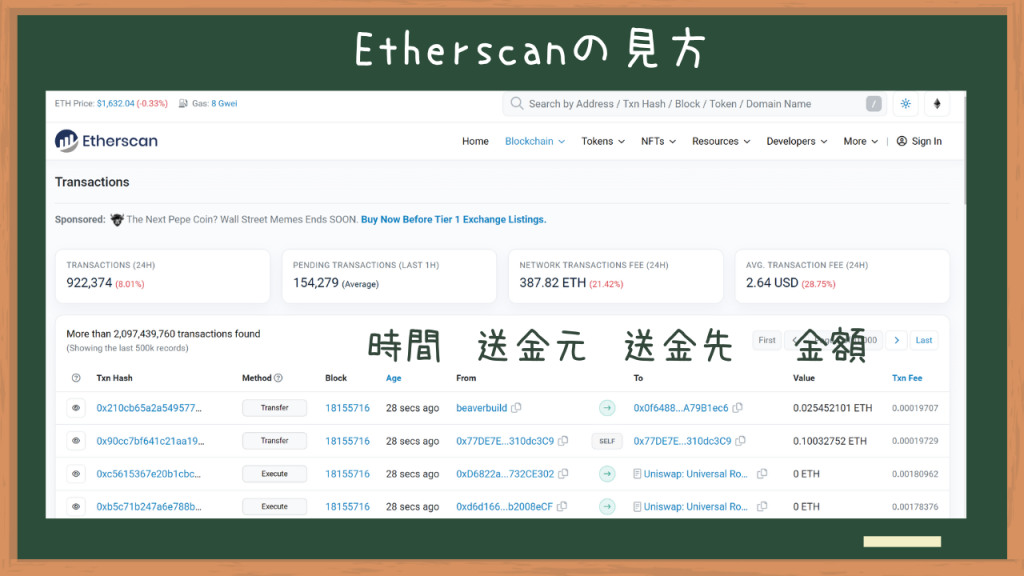
The public nature of the blockchain further complicates the security landscape. Tools such as Etherscan and BSCScan allow anyone to view the transaction history and balance of any wallet address. While this transparency is vital for auditing and trust, it also provides a roadmap for malicious actors. Scammers frequently monitor block explorers to identify active wallets or "whales" (high-net-worth individuals), subsequently targeting them with tailored phishing attacks or "airdropped" malicious tokens designed to trigger exploitative smart contracts upon interaction.

Anatomy of a Web3 Scam: A Chronological Overview
The lifecycle of a Web3 security breach often begins long before a transaction is signed. Cybercriminals utilize a multi-stage approach to bypass the skepticism of modern users.
Phase 1: Social Engineering and Lead Generation
The process typically starts on social platforms such as Discord, Telegram, or X (formerly Twitter). Scammers deploy automated bots to send Direct Messages (DMs) or tag users in posts claiming they have won a "whitelist" spot, a high-value airdrop, or an exclusive NFT. These messages are designed to create a sense of urgency and FOMO (Fear Of Missing Out), prompting the user to act quickly without performing due diligence.

Phase 2: The Phishing Gateway
Users are directed to a "spoofed" website that meticulously mimics the interface of a legitimate project, such as OpenSea, Blur, or a popular DeFi protocol. These sites often use "typosquatting"—registering domains that are nearly identical to the original (e.g., "openseea.io" instead of "opensea.io"). Once on the site, the user is prompted to "Connect Wallet" to claim their prize.
Phase 3: The Malicious Signature
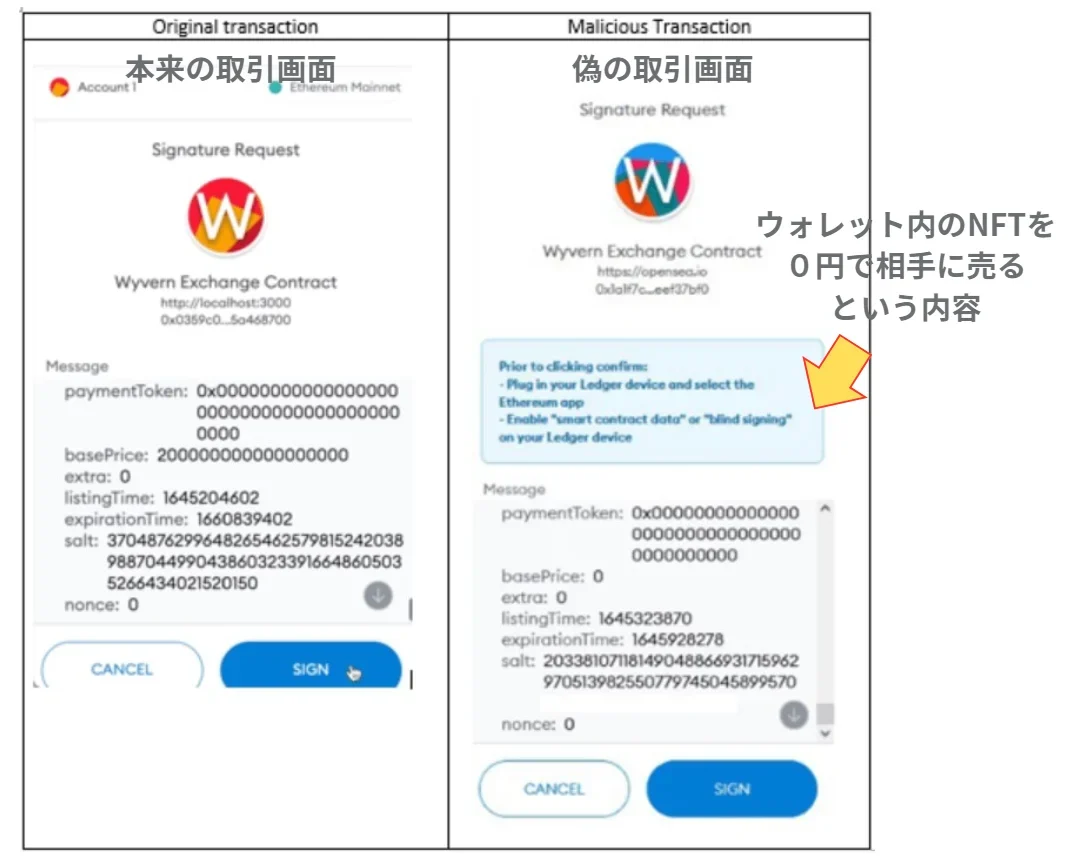
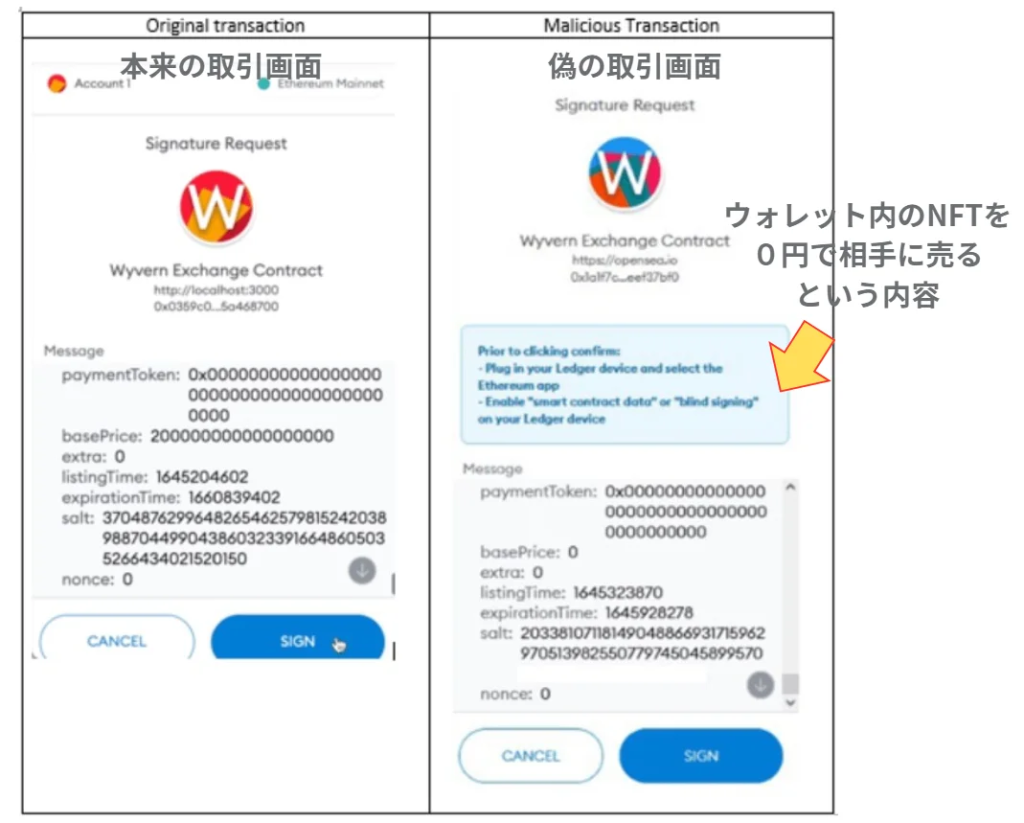
This is the critical juncture where the theft occurs. Instead of a simple login, the fake site presents a transaction request. To the untrained eye, this may look like a standard "Sign" or "Approve" request. In reality, the user is often granting the scammer’s smart contract an "Unlimited Allowance" to spend a specific token (like USDT or ETH) from their wallet. Once the user signs this transaction, the scammer gains the legal "permission" on the blockchain to drain the assets at any time.

Technical Defense Mechanisms: The Role of Revoking and Security Extensions
To combat these threats, the industry has developed specialized tools and protocols. One of the most critical, yet underutilized, functions is the "Revoke" mechanism.
Understanding Token Approvals
When a user interacts with a legitimate DeFi protocol, they must "approve" the protocol to move tokens on their behalf. For convenience, many protocols request "unlimited" approval so the user doesn’t have to pay gas fees for every single trade. However, if that protocol is later hacked, or if the user accidentally granted this permission to a scam site, their funds remain at risk indefinitely.

The Revocation Process
"Revoking" is the act of resetting these permissions to zero. Security experts recommend that users regularly audit their approvals using services integrated into block explorers. The process involves:
- Navigating to the "Token Approval" section of a block explorer (e.g., Etherscan’s "More" menu).
- Connecting a Web3 wallet to the interface.
- Identifying unrecognized or high-risk contracts.
- Clicking "Revoke" and confirming the transaction.
It is important to note that revoking is an on-chain transaction that requires a small amount of "gas" (network fees), meaning users must maintain a small balance of the network’s native token to secure their wallet.
Proactive Protection Tools
Beyond manual audits, browser extensions like "Kekkai" or "Pocket Universe" have emerged as essential layers of defense. These tools act as a firewall, intercepting wallet requests and simulating the transaction before the user signs it. They provide a clear, human-readable summary of what the transaction will do—such as "This transaction will move all your Bored Ape NFTs to an unknown address"—effectively neutralizing the ambiguity that scammers rely on.
Supporting Data: The Scale of the Threat
The necessity for these security measures is underscored by staggering industry data. According to reports from blockchain analytics firm Chainalysis, crypto-related scams and hacks resulted in the theft of approximately $3.8 billion in 2022. While 2023 saw a decline in the total value stolen due to improved market conditions and better security practices, the frequency of "approval phishing" attacks increased.
A study by the FBI’s Internet Crime Complaint Center (IC3) noted that investment fraud involving cryptocurrency reached record highs in recent years, with social engineering on platforms like Discord being a primary entry point. The data suggests that while the technical security of the blockchains themselves (like Ethereum or Bitcoin) remains robust, the "human layer" remains the most vulnerable point of failure.

Industry and Regulatory Responses
The prevalence of these scams has forced major platforms to take action. Discord has implemented more stringent bot-detection algorithms and has encouraged server moderators to disable DMs by default for community members. Wallet providers like MetaMask have overhauled their user interfaces to make "Set Approval For All" warnings more prominent and easier to understand for non-technical users.
Regulators, including the Securities and Exchange Commission (SEC) in the United States and the Financial Conduct Authority (FCA) in the UK, have issued repeated warnings regarding the risks of decentralized finance. Their focus has largely been on investor education, emphasizing that in the world of Web3, there is no "customer service" line to call once a transaction has been confirmed on the ledger.

Broader Impact on Mass Adoption
The "security tax" currently imposed on Web3 users—the need to constantly audit approvals, use multiple hardware wallets, and decipher complex hexadecimal signatures—remains one of the most significant barriers to mass adoption. For blockchain technology to reach the next billion users, the industry must move toward "Account Abstraction" and other technologies that allow for social recovery and programmable security rules, reducing the catastrophic impact of a single lost key or signed message.
Until these technical improvements become standard, education remains the most effective tool. The transition from the "walled gardens" of Web2 to the open frontiers of Web3 requires a fundamental shift in user psychology. The convenience of "one-click" interactions must be replaced by a culture of verification.
Conclusion: A Checklist for the Modern Web3 User
To navigate this landscape safely, users are encouraged to adopt a "Zero Trust" policy. This includes:
- Disabling DMs: Turning off direct messages on Discord and X to avoid automated scam outreach.
- Using Hardware Wallets: Storing long-term assets in "cold storage" devices that are not connected to the internet.
- Verification of Links: Always accessing protocols through official documentation or bookmarked links rather than search engine results or social media tags.
- Regular Audits: Monthly checks of token approvals and revoking any permissions that are no longer necessary.
- Transaction Simulation: Utilizing security extensions to preview the outcome of any signature request.
As the Web3 ecosystem continues to mature, the battle between innovators and exploiters will persist. The resilience of the decentralized future depends not only on the strength of its code but on the informed vigilance of its participants. In the digital age, the price of sovereignty is eternal vigilance.