Bokura no Saga, often referred to in English as Our Saga, represents a significant milestone in the evolution of mobile gaming by bridging the gap between traditional real-time strategy (RTS) mechanics and the burgeoning Web3 ecosystem. Originally a popular title within the Nico Nico app ecosystem, the game has been reimagined for a new era, integrating blockchain technology to provide players with true ownership of assets, a sustainable "Play to Earn" (P2E) model, and a decentralized economy. Developed for both iOS and Android platforms, the title is currently slated for a full-scale release in 2025, following a series of strategic demonstrations at major industry events such as the Tokyo Game Show.
As part of its pre-launch marketing and community-building strategy, the developers have introduced an incentive-based invitation system. Players utilizing the invitation code A1AAMY are eligible for specific in-game bonuses and rewards, a move designed to accelerate user acquisition and foster a robust social layer within the game’s infrastructure. This strategy underscores the project’s commitment to a community-centric growth model, which is essential for the longevity of decentralized gaming environments.
The Architectural Foundation: Oasys and ADIL Chain
The technical backbone of Bokura no Saga is built upon a dual-chain architecture, leveraging the Oasys blockchain—specifically the MCHverse—and the ADIL Chain. Oasys has gained prominence in the blockchain industry for its "Zero Gas Fee" architecture for users and its high-speed transaction processing, making it an ideal choice for a high-frequency interaction genre like RTS. By utilizing the MCHverse, Bokura no Saga taps into a pre-existing community of blockchain gamers and a proven infrastructure for Non-Fungible Token (NFT) interoperability.
The integration of the ADIL Chain further enhances the game’s scalability and security. This multi-chain approach ensures that the game’s primary utility token, the Saga Token, and its various NFT assets can be managed with minimal friction. The use of these specific blockchains indicates a strategic preference for ecosystems that prioritize the gaming experience over speculative trading, a shift that is increasingly defining the second generation of Web3 gaming.
Core Gameplay Mechanics: A Three-Pillar System
Bokura no Saga maintains the core appeal of its predecessor while introducing layers of strategic depth facilitated by blockchain technology. The gameplay loop is centered around three primary pillars: City Development, Quests and Exploration, and Inter-Player Warfare.
1. Species Selection and Early Strategy
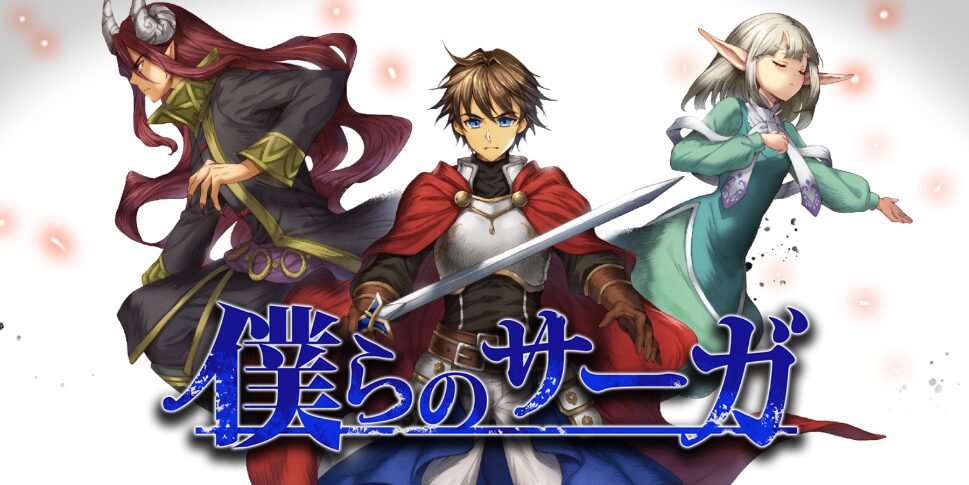
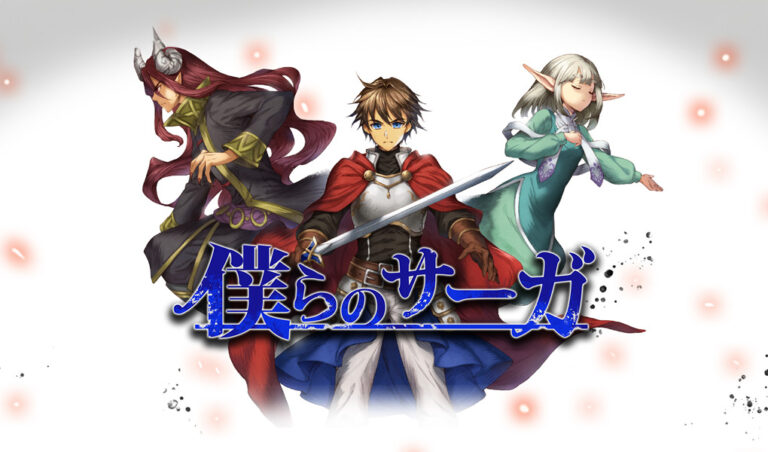
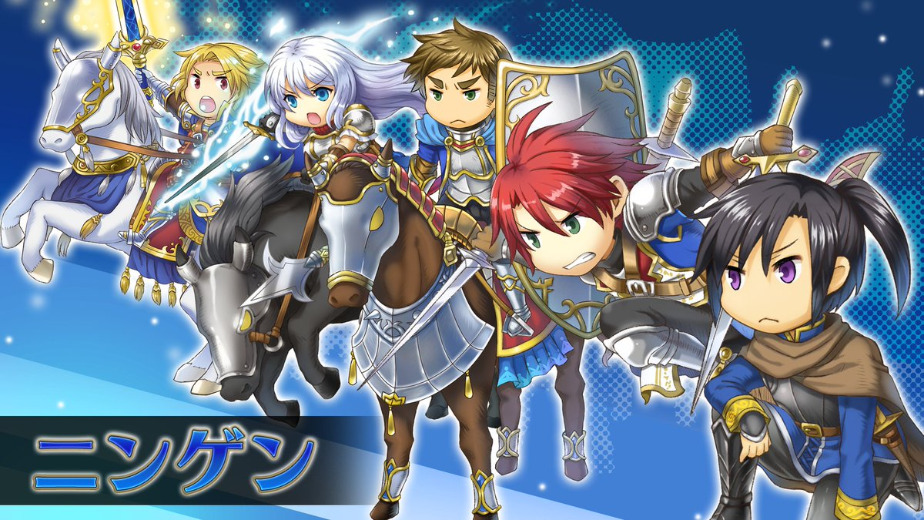
Upon entering the world of Bokura no Saga, players must select from three distinct species. This choice is not merely aesthetic; it dictates the initial trajectory of a player’s strategy. Each species possesses unique characteristics that influence resource gathering efficiency, unit strengths, and defensive capabilities. By diversifying the species, the developers ensure a rock-paper-scissors dynamic in large-scale combat, preventing a single dominant strategy from monopolizing the competitive landscape.
2. City Development and Land NFTs
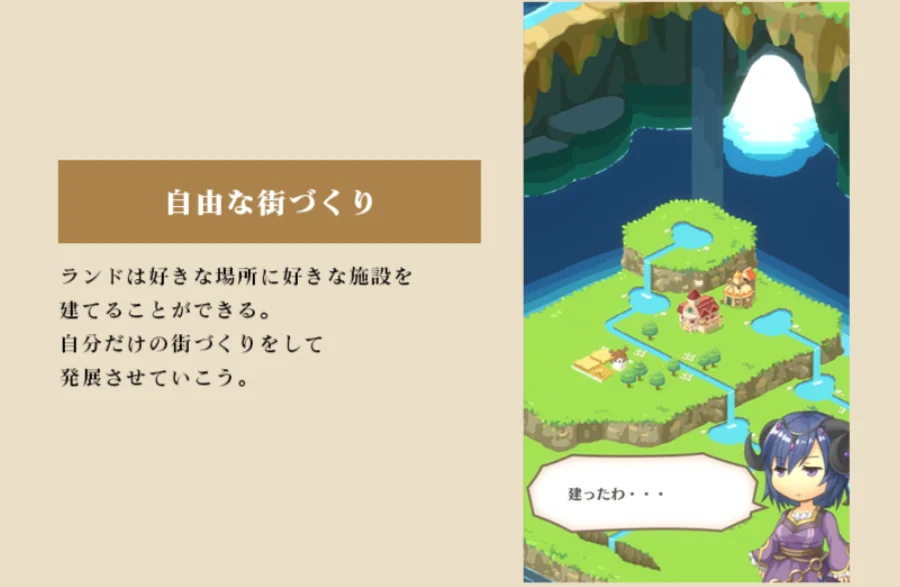
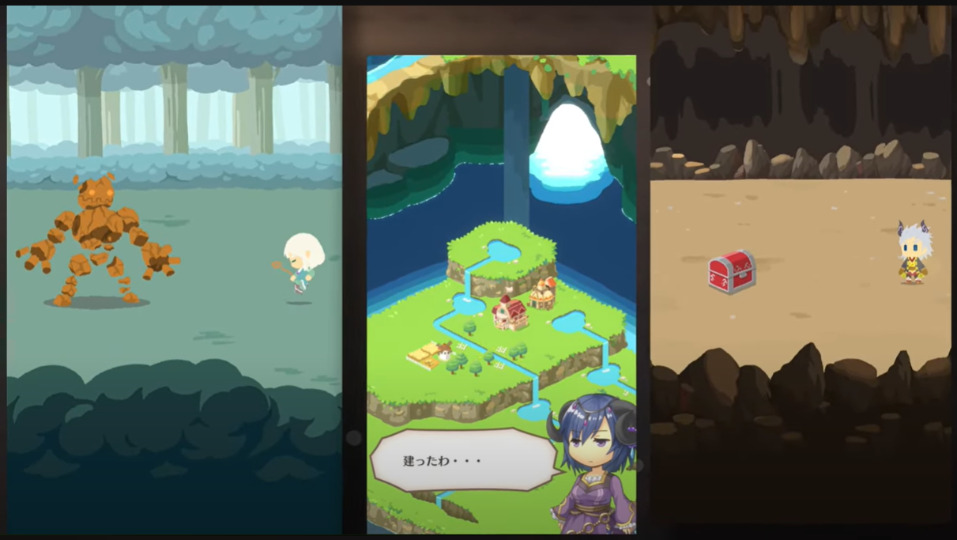
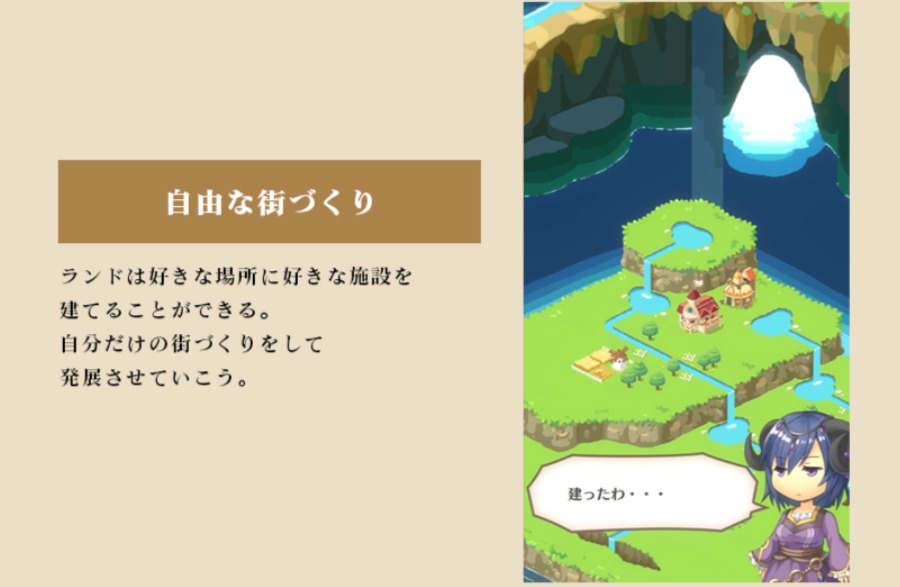
The "Land" system serves as the foundational element of the game’s economy. Players are tasked with building facilities, managing resources, and upgrading their headquarters to unlock more advanced units and technologies.
- C-Rank Land: These are accessible to free-to-play players. While they allow for basic gameplay and development, they are subject to seasonal resets.
- High-Rank Land NFTs: These are permanent assets owned by the player. High-rank land provides significant advantages, such as the ability to establish guilds and maintain progress across multiple seasons. The scarcity of these NFT plots creates a secondary market where players can trade or lease their digital real estate.
3. Quests and Treasure Hunts
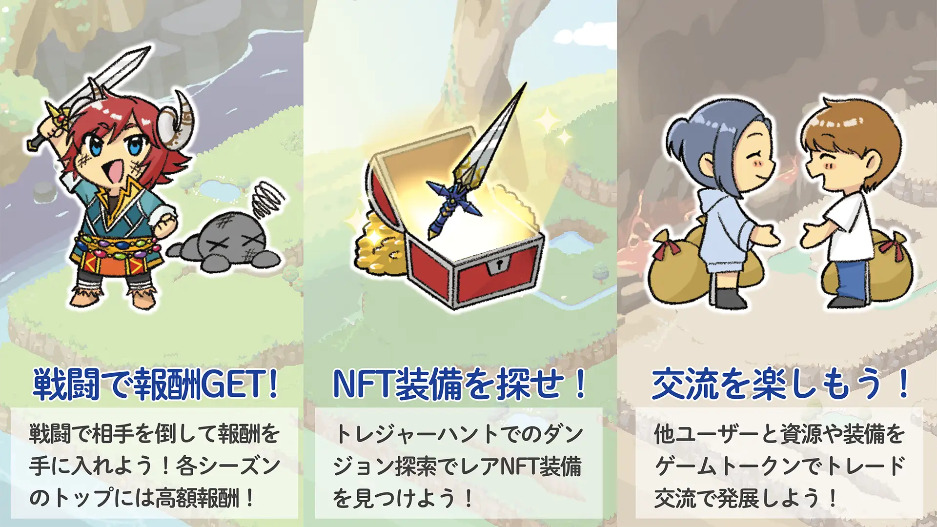
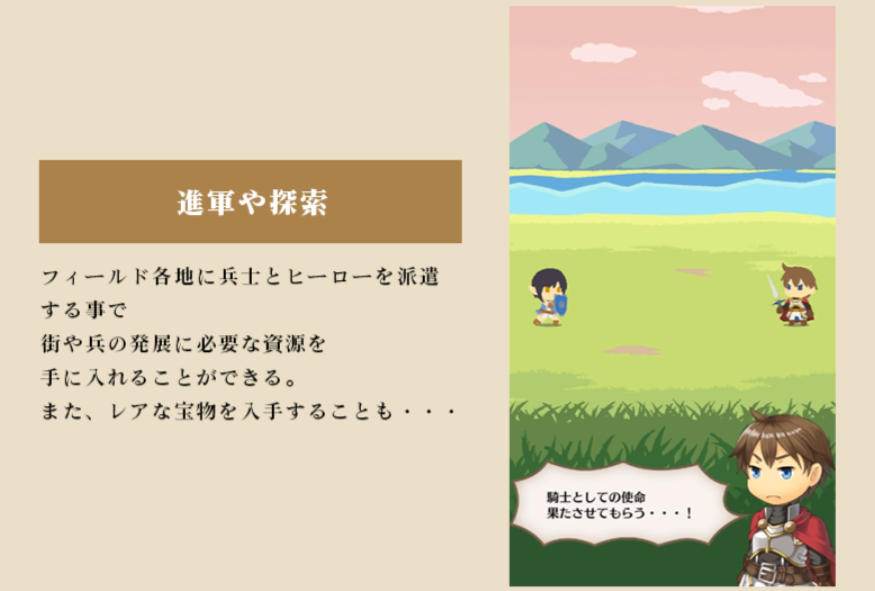
To gather the resources necessary for city expansion, players must dispatch their "Heroes" and troops on quests. The "Treasure Hunt" mechanic is particularly noteworthy in the Web3 context. During exploration, players can discover rare items and equipment. While these items start as standard in-game assets, players have the option to consume "Orbs" to transform them into NFTs. This "NFT-ization" process allows players to move items to external marketplaces, effectively turning their in-game achievements into real-world value.
Seasonal Structure and the Tokenomic Model
Bokura no Saga operates on a seasonal span of approximately three months (one "quarter"). This structure is designed to keep the competitive environment fresh and provide recurring opportunities for new players to enter the rankings. At the end of each season, top-performing players and guilds are rewarded with Saga Tokens and rare NFTs based on their contributions and standing.
One of the most ambitious aspects of the project is its revenue-sharing model. The developers have stated an intention to distribute up to 50% of the game’s revenue back into the ecosystem in the form of cryptocurrency rewards. This approach aims to solve the sustainability issues that plagued early "Play to Earn" titles, which often relied on a constant influx of new capital to remain viable. By tying rewards to actual game revenue—generated through item sales, land transactions, and other services—Bokura no Saga seeks to create a more balanced and durable economic cycle.
Chronology of Development and Future Roadmap
The journey of Bokura no Saga from a legacy mobile app to a Web3 powerhouse follows a clear timeline of technological adaptation:
- Pre-2023: The original version of the game enjoyed a successful run on the Nico Nico app platform.
- September 2023: The original service was terminated following the closure of the Nico Nico app infrastructure, prompting the transition to a standalone Web3 model.
- Late 2023: The project was officially announced as a Web3 remake. It gained significant attention at the Tokyo Game Show, where the developers showcased the new graphics and blockchain integration.
- 2024: This year focuses on alpha and beta testing. The developers are refining the balance between the "Demon King Army" and the "Hero Army" mechanics.
- 2025: The scheduled window for the global release on iOS and Android. Post-launch plans include the expansion of the "Metaverse" elements, where players can open digital shops within their city fields to engage in peer-to-peer commerce.
The Endgame: Demon King Army vs. Hero Army
The seasonal climax of Bokura no Saga features a unique asymmetrical warfare event known as the "Demon King Army vs. Hero Army" battle. In this scenario, the game world is typically divided into eight "Hero Nations" standing against one "Demon King Nation."
- The Hero Nations: Players in these nations must coordinate across borders to mount a collective defense and eventually an offensive against the Demon King.
- The Demon King Nation: While outnumbered, this side possesses overwhelming individual power and defensive fortifications.
Winning this final conflict yields the season’s largest reward pool. If the Demon King side wins, the rewards are concentrated among a smaller group of players, leading to massive individual payouts. If the Hero side wins, the rewards are distributed more broadly across the allied nations. This mechanic encourages high-level diplomacy and social engineering, as players must decide whether to remain loyal to their allies or seek personal gain through subversion.
Broader Impact and Industry Implications
The revival of Bokura no Saga as a blockchain title is indicative of a broader trend within the Japanese gaming industry: the "Web3 Remake." Established intellectual properties (IPs) are increasingly being viewed as the perfect candidates for blockchain integration because they come with a pre-existing fan base and proven gameplay loops.
By removing the "gas fee" barrier through the Oasys network and focusing on a genre (RTS) that naturally encourages long-term engagement and asset accumulation, Bokura no Saga is positioned to be a case study in how to successfully transition a traditional gaming audience to Web3. The emphasis on "living within the game," as suggested by the developers’ vision for a metaverse-style economy, moves the needle away from the "extractive" nature of early blockchain games toward a more "contributive" model.
Conclusion and Outlook
Bokura no Saga stands at the intersection of nostalgia and innovation. For returning players, it offers a modernized version of a beloved strategy game with enhanced visuals and new social features. For the Web3 community, it provides a sophisticated RTS experience with a deep, revenue-backed economy and genuine asset ownership.
As the project moves toward its 2025 release, the focus will remain on balancing the competitive needs of "whales" (large-scale NFT owners) with the accessibility required for "minnows" (free-to-play or low-spend players). If the 50% revenue distribution model proves successful, it could set a new standard for the industry, proving that blockchain games can be both fun to play and economically viable in the long term. With its robust seasonal structure, intricate guild diplomacy, and the high-stakes drama of the Demon King battles, Bokura no Saga is a title that demands the attention of both hardcore strategists and blockchain enthusiasts alike.