The rapid expansion of decentralized finance (DeFi) and non-fungible tokens (NFTs) has fundamentally transformed the digital asset landscape, unlocking unprecedented opportunities for global investors, collectors, and developers. However, this decentralized revolution has simultaneously introduced sophisticated security vulnerabilities that threaten the safety of digital portfolios worldwide. Among the most pervasive and insidious threats facing blockchain users is the exploitation of token approvals—commonly referred to in the ecosystem as "Approve." When malicious actors manipulate these smart contract permissions, they gain unauthorized access to users’ wallets, often draining valuable assets in a matter of seconds. To counter these threats, security experts and developers increasingly emphasize the critical necessity of understanding, managing, and revoking dangerous allowances using specialized tools like Revoke.cash.
The Anatomy of an NFT and DeFi Phishing Incident
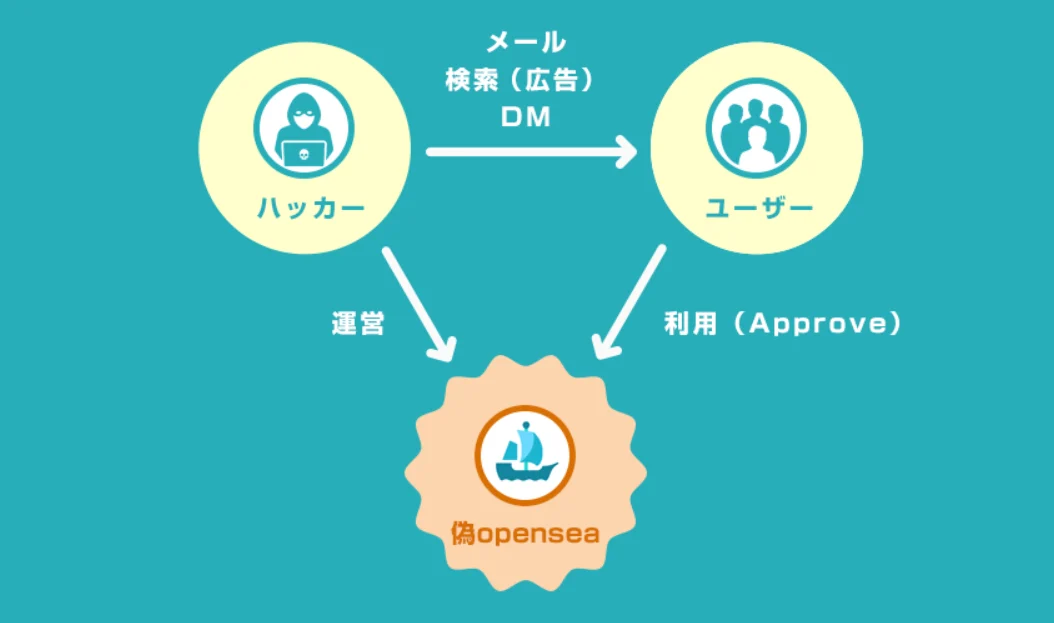
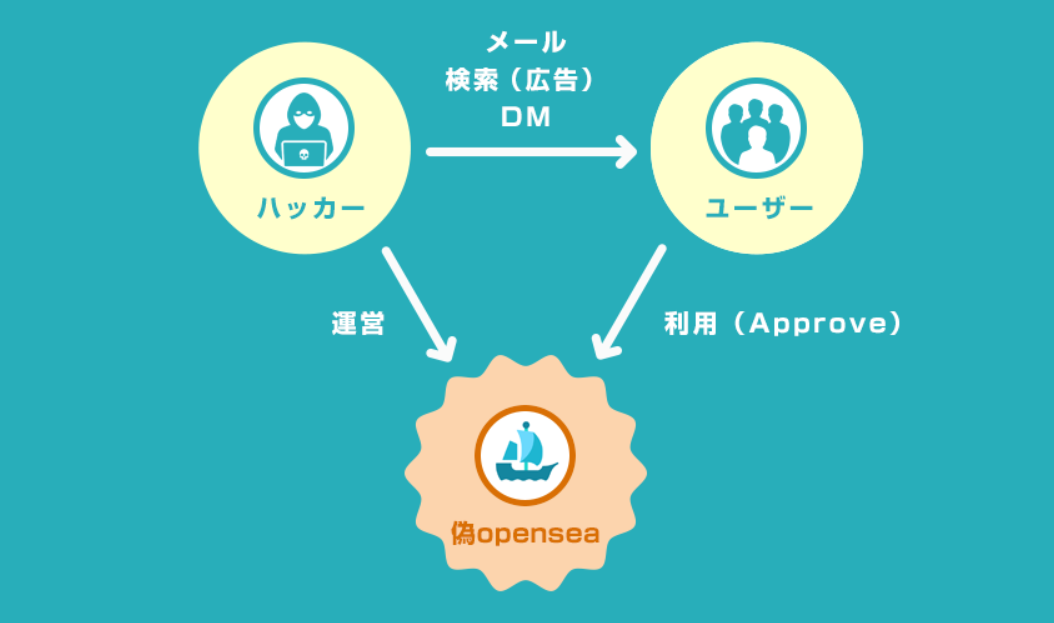
The mechanics of blockchain exploits often rely heavily on social engineering and psychological manipulation rather than direct breaches of core cryptographic protocols. In a typical scenario, malicious actors deploy deceptive tactics—such as fraudulent direct messages (DMs) on Discord, compromised official social media accounts, or malicious search engine advertisements—to lure unsuspecting victims to phishing websites. These fraudulent portals often mimic reputable platforms, such as major NFT marketplaces like OpenSea, creating a false sense of security.
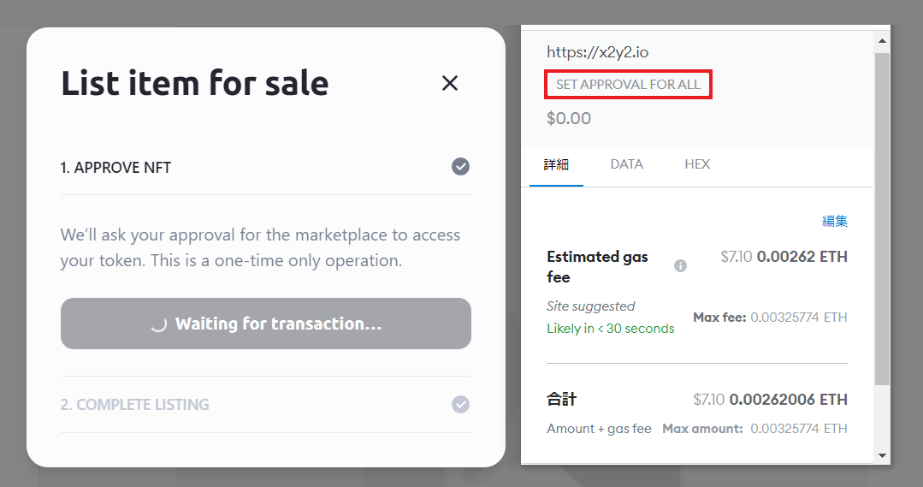
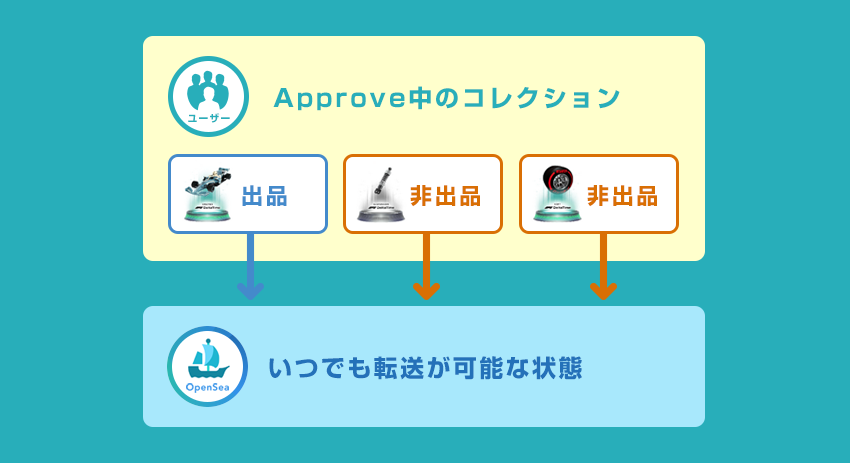
Once a user connects their Web3 wallet to a malicious decentralized application (dApp), the trap is sprung. Instead of executing a harmless transaction, the dApp prompts the user to sign an "Approve" transaction. Many users mistakenly believe that signing this transaction merely permits the platform to interact with a specific NFT during a trade. In reality, a malicious approval often grants the attacker unlimited spending rights over the victim’s entire collection of a specific token standard. By exploiting this authorization, bad actors can quietly sweep wallets clean of valuable digital assets without triggering additional transaction prompts, leaving victims with little recourse once the transaction is finalized on the blockchain.

Understanding Token Approvals and the Risks of Unlimited Allowances
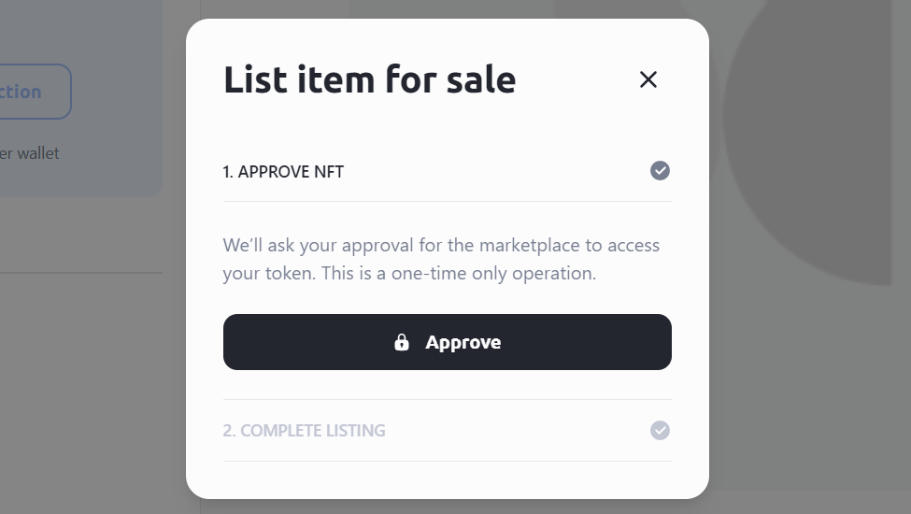
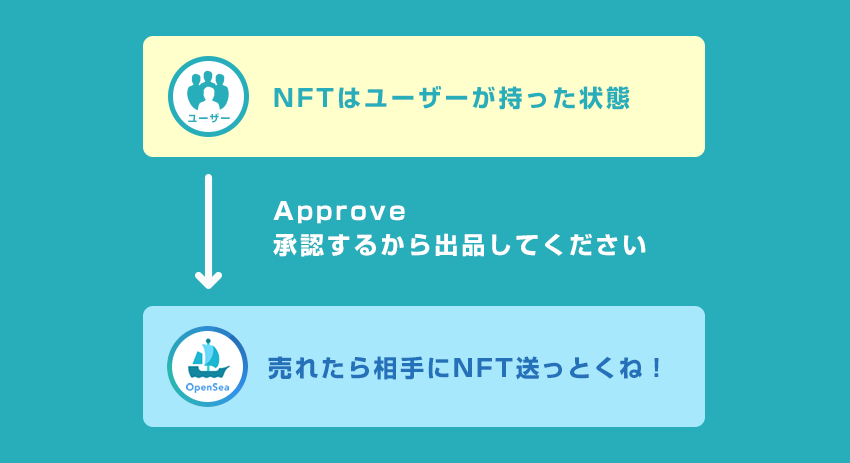
To fully grasp why token approvals represent such a significant security vector, one must understand how smart contracts operate on blockchain networks like Ethereum. When a user interacts with a decentralized exchange (DEX) or an NFT marketplace, smart contracts often require permission to move tokens on the user’s behalf to facilitate trades efficiently. This mechanism is known as an "Approve" or allowance function.
While essential for the seamless functioning of DeFi protocols, traditional approval mechanisms carry inherent risks because they are often designed for convenience rather than strict security. By default, many applications request unlimited spending allowances to spare users the friction and gas fees of approving transactions repeatedly for every single trade. Consequently, if a user grants unlimited approval to a compromised or malicious smart contract, that contract retains perpetual access to the designated assets.
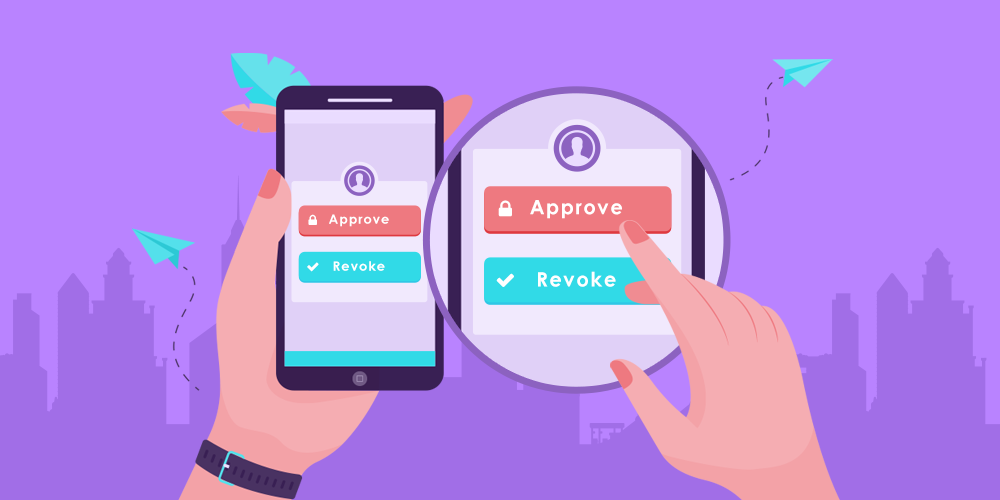
Security audits consistently reveal that many victims of major exploits were entirely unaware that an approval granted months prior could still be weaponized. Because blockchain transactions are immutable, simply disconnecting a wallet from a malicious site does not revoke the underlying smart contract permissions. Security professionals stress that actively auditing and purging old approvals is a mandatory hygiene practice for anyone participating in the Web3 ecosystem.
The Solution: Revoking Permissions with Revoke.cash
Mitigating the risks associated with dangerous token approvals requires proactive reputation management and regular audits of wallet permissions. When users discover active allowances linked to suspicious or obsolete dApps, the most effective defense is to revoke those permissions entirely. While advanced users can sometimes interact directly with blockchain explorers like Etherscan to revoke allowances, dedicated tools have emerged to streamline this process securely and efficiently.
Revoke.cash has become an industry-standard platform designed specifically to help users monitor and cancel active token approvals across multiple blockchain networks. The platform allows wallet holders to connect securely, scan their addresses for all active allowances, and revoke unnecessary permissions with just a few clicks. By cutting off smart contracts from accessing funds, users can effectively neutralize ongoing threats and prevent unauthorized asset transfers, even if their private keys or wallet credentials have been previously exposed in minor data leaks.
Using Revoke.cash involves a straightforward process:
- Navigate to the official website (ensuring the URL is meticulously verified to avoid phishing duplicates).
- Connect your Web3 wallet (such as MetaMask, Coinbase Wallet, or WalletConnect).
- Review the comprehensive list of active token approvals and spending caps associated with your address.
- Identify suspicious, unknown, or outdated allowances.
- Execute the "Revoke" transaction for each targeted permission, which requires a minor gas fee to update the blockchain state.
Advanced Security Measures and Domain Verification
As cybercriminals continuously refine their tactics, leveraging tools like Revoke.cash is only part of a comprehensive security strategy. Phishing campaigns frequently employ advanced techniques, including malicious search engine optimization (SEO) and lookalike domain names, to trick users into visiting fake versions of security dashboards.
To protect against these sophisticated vectors, users must exercise extreme caution when interacting with links found via search engines or social media direct messages. Always bookmark official application URLs, double-check domain spellings, and utilize built-in browser warnings or domain scanner tools to verify the legitimacy of any Web3 platform before connecting a wallet. Furthermore, hardware wallets should be utilized for long-term storage, adding an essential layer of physical confirmation that prevents unauthorized transactions from executing automatically.
Broader Implications for the Blockchain Ecosystem
The ongoing challenge of token approval exploits highlights a fundamental tension in the blockchain industry between user experience (UX) and robust security. While simplifying onboarding processes is crucial for mainstream adoption, the current paradigm of unlimited allowances creates an environment where a single careless signature can result in catastrophic financial loss.
Industry leaders, wallet developers, and protocol architects are actively working on systemic improvements to address these vulnerabilities. Emerging account abstraction standards, native spending limits within wallet interfaces, and automated warning systems are gradually reshaping how permissions are handled. However, until these structural enhancements become universal, individual vigilance remains the primary defense against sophisticated Web3 predators.
Ultimately, safeguarding digital assets in the decentralized economy requires a proactive mindset. By regularly auditing wallet permissions, utilizing dedicated revocation platforms like Revoke.cash, and maintaining strict skepticism toward unsolicited communications, investors can significantly reduce their exposure to risk and navigate the blockchain landscape with confidence.