The landscape of digital asset derivatives and foreign exchange (FX) trading platforms has undergone significant transformation, marked by tighter regulatory frameworks, technological advancements, and heightened competition among global exchanges. As retail and institutional participation in cryptocurrency markets deepens, traders increasingly seek platforms that offer high leverage, robust security, and competitive fee structures. This comprehensive report examines the current state of crypto derivatives exchanges, analyzing key market players such as Hyperliquid, Zoomex, BTCC, and FXGT, while evaluating the broader implications for traders navigating this evolving ecosystem.

The Evolution of Crypto Derivatives and Leverage Trading
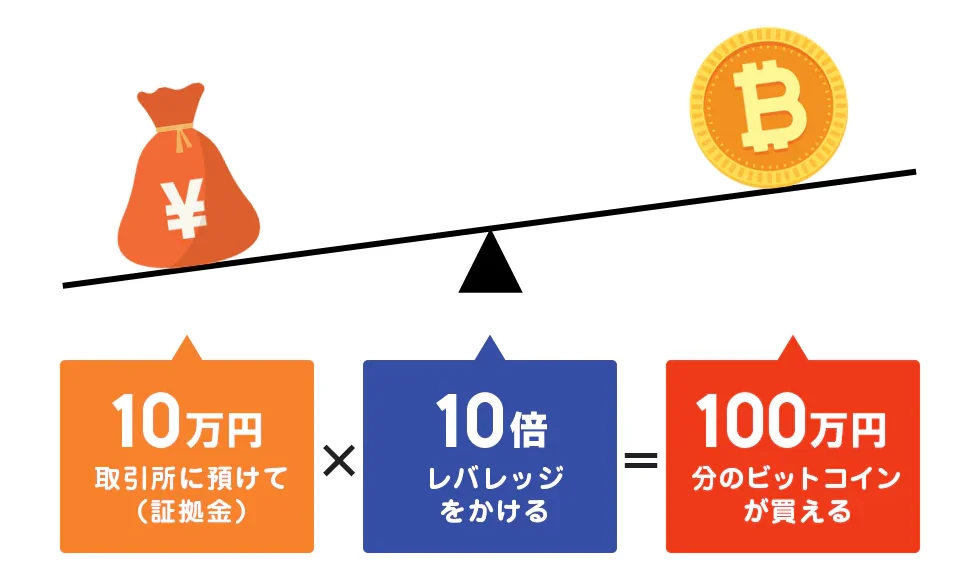
Over the past several years, cryptocurrency derivatives trading has matured from a niche sector dominated by speculative retail investors into a sophisticated financial market segment. Modern platforms now routinely offer leverage reaching up to 100x, 500x, or even 1,000x on select instruments. While high leverage amplifies potential returns, it simultaneously introduces substantial financial risk, prompting regulatory bodies worldwide to implement stricter oversight and compliance mandates.

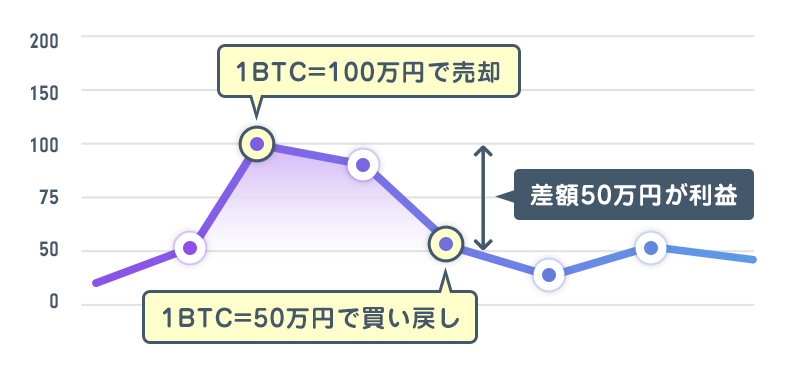
Historically, centralized exchanges (CEXs) served as the primary venue for margin and futures trading. However, the emergence of decentralized exchanges (DEXs) with advanced order book models has shifted market dynamics. Traders can now execute complex strategies—including hedging, short selling, and cross-margin trading—with greater transparency and reduced counterparty risk. Despite these technological improvements, risk management remains paramount, as excessive leverage continues to be a primary catalyst for market liquidations during periods of high volatility.
Comparative Analysis of Leading Trading Platforms

To navigate the complex environment of digital asset derivatives, traders must evaluate platforms based on liquidity, fee schedules, regulatory compliance, and supported trading pairs. Below is a detailed analysis of the industry’s leading exchanges for 2026.
Hyperliquid
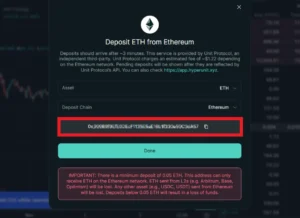
Hyperliquid has established itself as a prominent decentralized exchange (DEX) specializing in high-performance derivatives trading. Operating on its native Hyperliquid Chain, the platform bridges the gap between decentralized custody and the speed traditionally associated with centralized exchanges.
Key specifications for Hyperliquid include:

- Asset Name: Hyperliquid
- Underlying Settlement: Hyperliquid Chain
- Supported Trading Pairs: HYPE, BTC, and over 200 additional assets
- Maximum Leverage: Up to 40x
- Trading Fees: Maker fees around 0.015%; Taker fees around 0.045%
- KYC Requirement: Not required
- Japanese Language Support: Available
Unlike traditional DEXs that suffer from latency and high gas fees during periods of network congestion, Hyperliquid utilizes a purpose-built layer-1 architecture capable of processing high-frequency trades efficiently. The absence of mandatory Know Your Customer (KYC) procedures appeals to privacy-conscious traders, though users must exercise diligence regarding self-custody and risk management.
Zoomex

Zoomex operates as a versatile derivatives exchange catering to an international clientele. Known for its robust multi-signature cold storage solutions and user-friendly interface, Zoomex bridges the gap between institutional-grade security and retail accessibility.
Key specifications for Zoomex include:

- Asset Name: Zoomex
- Headquarters: Singapore
- Leadership: Amos.Z
- Trading Fees: Maker 0.02%; Taker 0.06%; Spot 0.1%
- Deposit and Withdrawal: Multi-cryptocurrency support with rapid processing times
- Supported Trading Pairs: BTC, ETH, BNB, MATIC, XRP, SUSHI, LINK, SAND, UNI, and others
- Maximum Leverage: Up to 150x
- KYC Requirement: Optional for standard tiers (up to 10 BTC/day); mandatory for higher limits
- Japanese Language Support: Available
Zoomex has gained traction by offering generous welcome bonuses, deposit promotions, and gamified trading events such as "TO THE MOON." By combining competitive fee tiers with robust asset protection protocols, Zoomex provides a secure environment for both novice and experienced derivatives traders.
BTCC

Founded in 2011, BTCC is one of the longest-standing and most resilient cryptocurrency exchanges in the industry. With a proven track record of operational security, BTCC has adapted to changing market conditions by offering comprehensive derivatives products, including tokenized spot and futures contracts.
Key specifications for BTCC include:

- Asset Name: BTCC
- Headquarters: Cayman Islands
- Leadership: Bobby Lee
- Supported Trading Pairs: Over 460 instruments
- Product Offerings: Spot trading, crypto-margined futures, coin-margined futures, and tokenized stocks
- Maximum Leverage: Up to 500x
- Trading Fees: Maker fees ranging from 0.015% to 0.055%; Taker fees ranging from 0.2% to 0.3%
- KYC Requirement: Tiered verification system with streamlined withdrawal processes
- Japanese Language Support: Available
BTCC’s longevity is a testament to its commitment to risk management and regulatory compliance. The exchange offers up to 500x leverage on select products, alongside comprehensive demo trading environments that allow beginners to practice strategies without risking real capital. Frequent promotional campaigns, deposit bonuses, and zero-fee initiatives further enhance its market appeal.
FXGT

FXGT bridges the gap between traditional foreign exchange (Forex) markets and cryptocurrency derivatives, operating as a hybrid broker that accommodates multi-asset trading strategies.
Key specifications for FXGT include:

- Asset Name: FXGT
- Headquarters: Seychelles and regulated jurisdictions
- Supported Trading Pairs: BTC, ETH, LTC, XRP, BCH, ADA, XLM, DOT, DOG, SHIB, and various FX majors and minors
- Maximum Leverage: Up to 1,000x
- Trading Fees: Dynamic spread-based structure
- KYC Requirement: Mandatory
- Japanese Language Support: Available
FXGT stands out by offering exceptionally high leverage—up to 1,000x on specific instruments—allowing traders to maximize capital efficiency. The platform provides access to MetaTrader 5 (MT5), a widely recognized trading terminal equipped with advanced charting tools, automated trading advisors (EAs), and robust analytical capabilities.
Regulatory Landscape and Compliance Trends
The regulatory environment for crypto derivatives and FX platforms has become increasingly stringent. Regulatory authorities across major global jurisdictions are enforcing stricter anti-money laundering (AML) and KYC protocols to protect retail investors and maintain market integrity.
While decentralized exchanges like Hyperliquid continue to offer permissionless access without mandatory identity verification, centralized counterparts such as BTCC, Zoomex, and FXGT employ tiered compliance models. These models balance user privacy with regulatory adherence, allowing lower-tier trading with minimal friction while requiring full verification for higher transaction volumes.

Traders are advised to monitor jurisdictional updates closely, as regulatory shifts can directly impact platform availability, deposit methods, and leverage limits. Utilizing platforms with transparent operational histories and robust security reserves is essential for mitigating systemic risk.
Conclusion and Strategic Recommendations

Selecting the appropriate trading platform depends on an individual trader’s risk tolerance, preferred assets, and experience level. Decentralized platforms like Hyperliquid offer self-custody and privacy, making them ideal for users comfortable with Web3 infrastructure. Conversely, established centralized exchanges like BTCC and Zoomex provide user-friendly interfaces, deep liquidity pools, and structured customer support. Hybrid brokers like FXGT cater to traders seeking exposure to both traditional forex and digital assets under a unified account structure.
As the digital asset market continues to mature, prioritizing platform security, understanding fee structures, and practicing disciplined risk management remain the foundational pillars of successful derivatives trading.