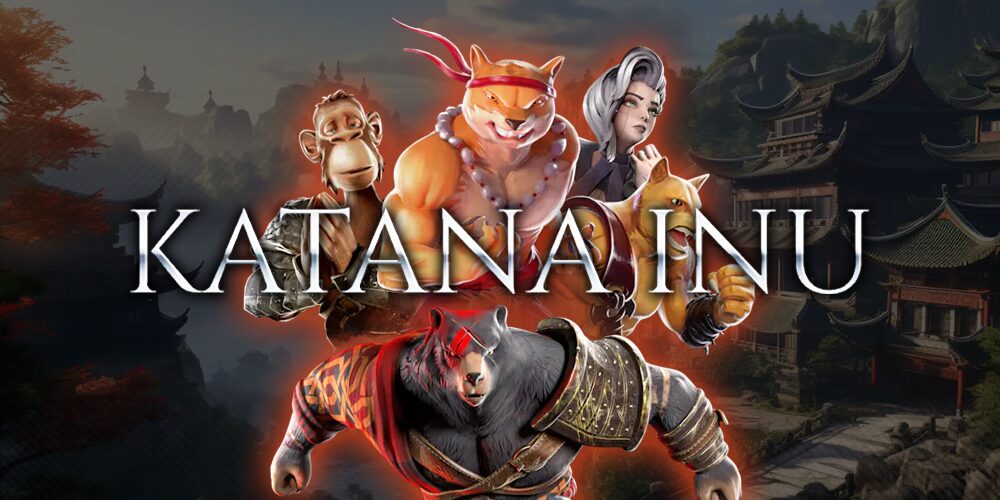
Katana Inu has emerged as a prominent force within the blockchain gaming and decentralized finance sectors, combining fast-paced player-versus-player (PvP) action with advanced Web3 mechanics. As the landscape of GameFi and play-to-earn ecosystems continues to evolve, Katana Inu has positioned itself at the forefront of this digital transformation by offering high-fidelity graphics, cross-chain interoperability, and robust utility for its native token, $KATA. Designed primarily for Windows PC users, the platform bridges the gap between traditional AAA gaming experiences and decentralized economies, attracting a growing base of global players and crypto enthusiasts alike.
Overview and Core Specifications of Katana Inu
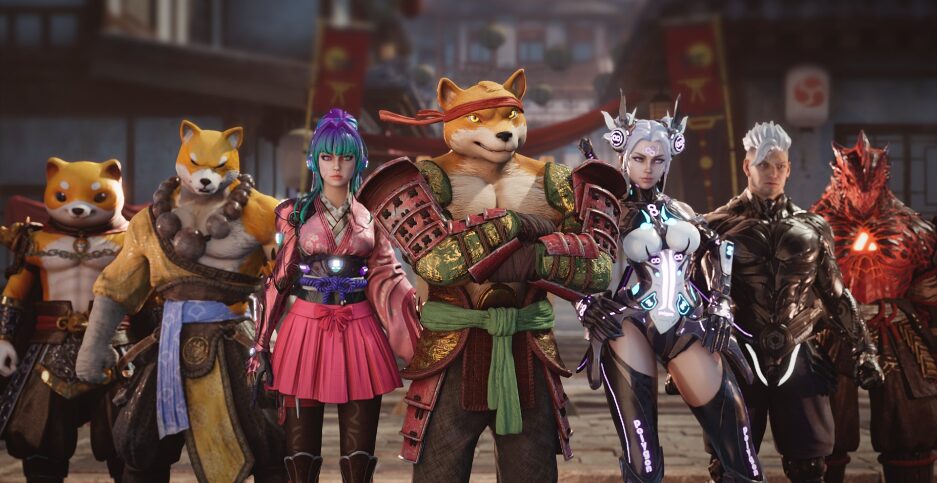
Katana Inu operates as a cutting-edge third-person PvP action game that emphasizes skill-based combat, strategic gameplay, and digital asset ownership. Developed with high-end graphics engines, the project aims to deliver an immersive gaming environment that rivals conventional PC titles while integrating blockchain infrastructure seamlessly.
The project supports multiple blockchain networks, including Sui, Solana, Polygon, Beam, Avalanche, and Immutable zkEVM. This multi-chain strategy ensures broad accessibility, low transaction fees, and high scalability. The native utility token, $KATA, serves as the economic backbone of the ecosystem, facilitating in-game purchases, NFT minting, staking mechanisms, and governance participation.
Since its initial alpha and beta phases, Katana Inu has continuously refined its core features based on community feedback, focusing heavily on balancing competitive gameplay with sustainable tokenomics. Players can access the game directly through official client portals, utilizing streamlined onboarding processes designed to reduce technical friction for traditional gamers entering the Web3 space.
Chronology and Development Milestones
The development of Katana Inu reflects the broader maturation of the blockchain gaming industry over recent years. Following initial conceptualization and early-stage prototyping, the project achieved critical development milestones leading up to its public rollout.
During its early testing phases, the development team prioritized core combat mechanics, server stability, and the integration of decentralized marketplaces. By leveraging high-performance networks, Katana Inu addressed common scalability issues that plagued earlier generations of blockchain games, such as network congestion and prohibitive gas fees.
The introduction of cross-chain capabilities marked a significant turning point for the project, allowing users to interact with the ecosystem across various networks without sacrificing performance or security. Subsequent updates brought enhanced character customization options, expanded map designs, and competitive tournament structures, further solidifying the platform’s market presence. Strategic partnerships with major exchanges, including MEXC, provided essential liquidity and broader market access for the $KATA token, supporting the project’s long-term expansion goals.
Multi-Chain Infrastructure and Zero-Gas Transactions
A critical component of Katana Inu’s architecture is its integration with advanced layer-1 and layer-2 scaling solutions, most notably Immutable zkEVM. By utilizing zero-knowledge rollups, the platform ensures that players can execute transactions, trade NFTs, and participate in marketplace activities with virtually zero gas fees and high throughput.
This technical foundation addresses one of the most persistent barriers to entry in blockchain gaming: the high cost and complexity of on-chain interactions. In traditional GameFi ecosystems, users often face exorbitant transaction fees during peak network activity, which can diminish rewards and deter casual players. Katana Inu’s multi-chain approach—incorporating Sui, Solana, Polygon, Beam, Avalanche, and Immutable zkEVM—mitigates these risks by distributing network load and offering users optimized routing for their specific asset management needs.
Furthermore, the integration of secure wallet solutions and streamlined onboarding tools enables players to engage with decentralized marketplaces without requiring advanced technical knowledge of blockchain mechanics. This focus on user experience is expected to accelerate mainstream adoption by bridging the gap between traditional gamers and Web3 economies.
Tokenomics and Economic Sustainability
The economic model of Katana Inu is structured around the $KATA token and a deflationary NFT utility framework. Unlike early play-to-earn models that suffered from hyperinflation and unsustainable token emissions, Katana Inu implements balanced tokenomics designed to reward active participation while maintaining long-term value stability.
The $KATA token is utilized for multiple functions within the ecosystem, including purchasing exclusive NFTs, participating in governance votes, and accessing premium marketplace features. A portion of transaction fees generated within the marketplace is systematically re-invested into the ecosystem or allocated toward token buybacks and burn mechanisms, helping to control circulating supply over time.
Additionally, players can stake their $KATA tokens or platform NFTs to earn passive rewards, participate in exclusive events, and unlock specialized in-game advantages. This multi-layered utility model encourages user retention and aligns the interests of players, investors, and developers toward the sustainable growth of the ecosystem.
NFT Integration and Digital Ownership
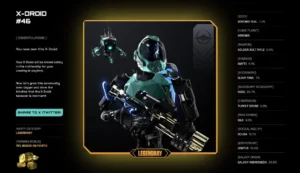
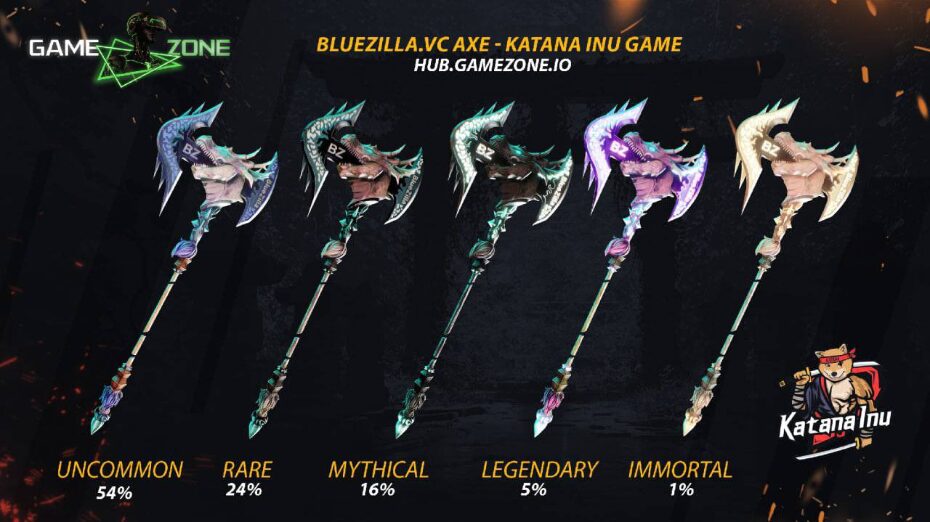
Digital asset ownership is a central pillar of the Katana Inu experience. The platform features a comprehensive marketplace where players can buy, sell, and trade a wide variety of in-game assets, including weapons, character skins, and cosmetic items, all represented as NFTs.
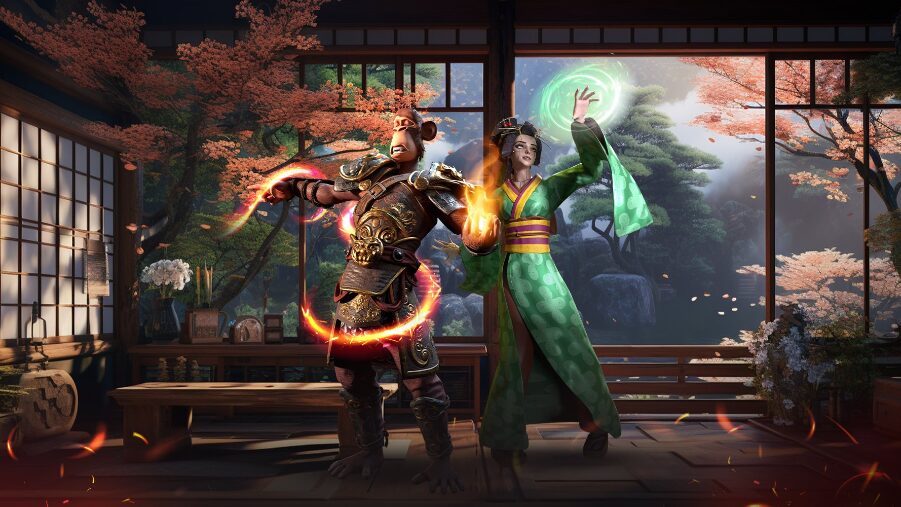
A notable feature of the platform is its "Forge NFT" system, which allows users to combine existing assets or upgrade their digital collectibles into rarer, higher-tier items. This crafting mechanic adds depth to the gameplay, giving players tangible goals beyond standard competitive matches. Moreover, Katana Inu has integrated high-profile partnerships and collaborations with established NFT communities, such as Bored Ape Yacht Club (BAYC), enabling cross-project utility and brand recognition within the virtual world.
By ensuring true interoperability and verifiable ownership of digital items, Katana Inu empowers players to retain full control over their in-game achievements and economic investments. This ownership model contrasts sharply with traditional gaming models, where players invest time and money into virtual goods without the ability to trade or monetize them outside closed ecosystems.
Community Engagement and Ecosystem Expansion
Community-driven development remains a core focus for Katana Inu. The project maintains an active presence across major social media and communication channels, including X (formerly Twitter) and Telegram, where developers share regular updates, roadmap milestones, and community event announcements.
To foster engagement, Katana Inu frequently hosts competitive tournaments, community giveaways, and special minting events. These initiatives not only reward loyal players but also attract new participants to the ecosystem. The integration of Telegram-based minigames and interactive guides further simplifies user acquisition, allowing community members to learn about gameplay mechanics and token utilities directly through messaging platforms.
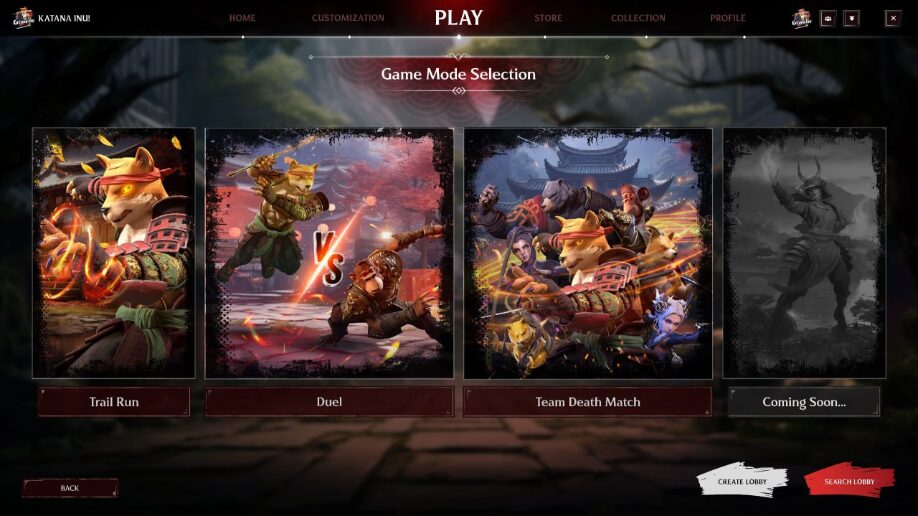
As the platform continues to scale, the development team plans to introduce additional game modes, expanded map pools, and enhanced cross-platform capabilities, ensuring that Katana Inu remains competitive within the rapidly changing landscape of interactive entertainment and decentralized technology.
Broader Market Implications and Future Outlook
The expansion of Katana Inu highlights a broader trend within the gaming industry: the convergence of high-performance PC gaming and decentralized financial infrastructure. By prioritizing gameplay quality first and integrating blockchain elements as a secondary enhancer of the user experience, the project addresses historical criticisms leveled against early GameFi titles that prioritized financial speculation over entertainment value.
The success of multi-chain integration models, such as those utilized by Katana Inu, suggests that future blockchain games will increasingly rely on interoperability to reduce friction and attract diverse user bases. As regulatory frameworks surrounding digital assets continue to mature, platforms that emphasize transparent tokenomics, robust security, and genuine utility are well-positioned to achieve sustainable growth.
In summary, Katana Inu represents a significant evolution in the intersection of competitive gaming and Web3 technology. Through its commitment to high-end graphics, skill-based PvP mechanics, zero-gas transactions, and robust token utility, the project establishes a scalable blueprint for the future of digital asset ownership and interactive entertainment.