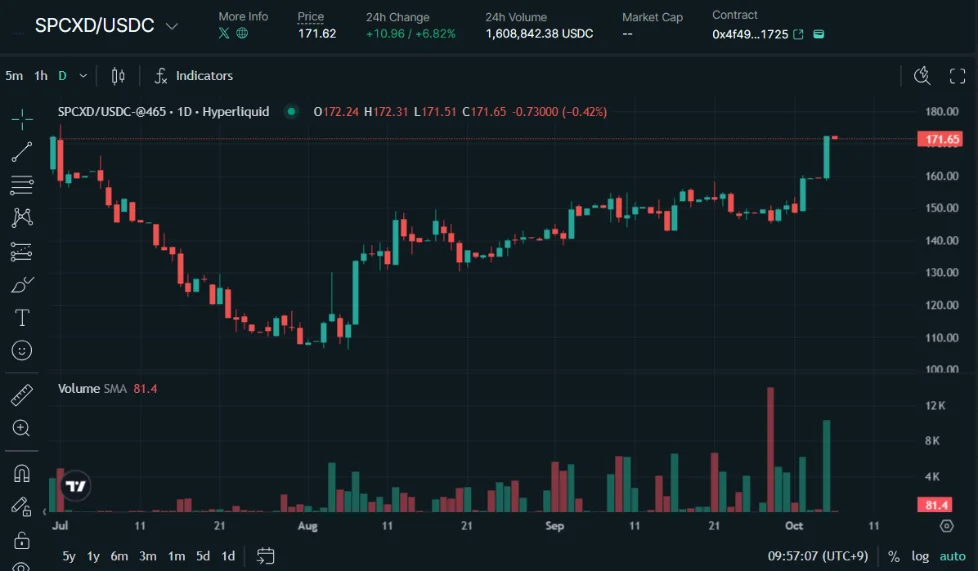
The impending Initial Public Offering (IPO) of SpaceX has rapidly evolved from corporate speculation into one of the most heavily anticipated financial milestones of the decade. As market participants scour official prospectus filings and regulatory disclosures, predictive markets such as Polymarket, Kalshi, and decentralized derivatives exchanges like Forge Global and Hyperliquid have emerged as vital barometers for investor sentiment. These platforms are capturing real-time valuation metrics, trading volumes, and forward-looking expectations, offering a transparent window into how institutional and retail investors view the aerospace giant’s impending entry into public equity markets.

Comprehensive Timeline of the SpaceX IPO Process
The mechanics of the SpaceX public offering have moved swiftly following initial confidential submissions to the United States Securities and Exchange Commission (SEC) earlier in the year. The regulatory review process reached a critical juncture with the public filing of the prospectus, outlining an ambitious timeline for the summer market debut. According to the regulatory schedule, roadshows and institutional presentations commenced shortly thereafter, leading toward final pricing and the official listing on a major U.S. stock exchange.
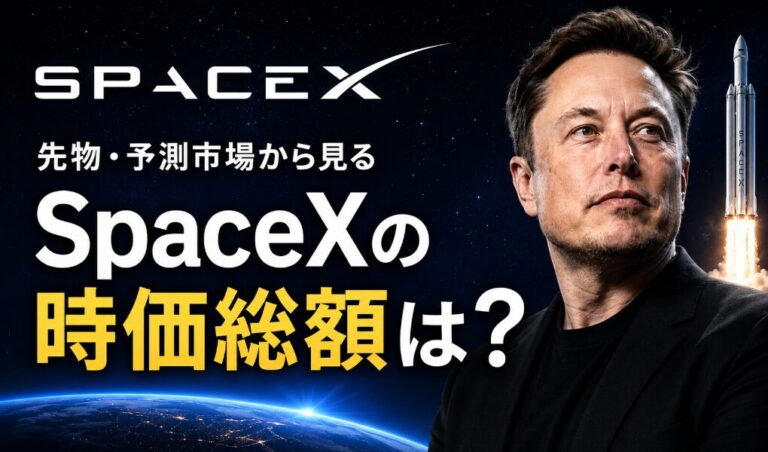
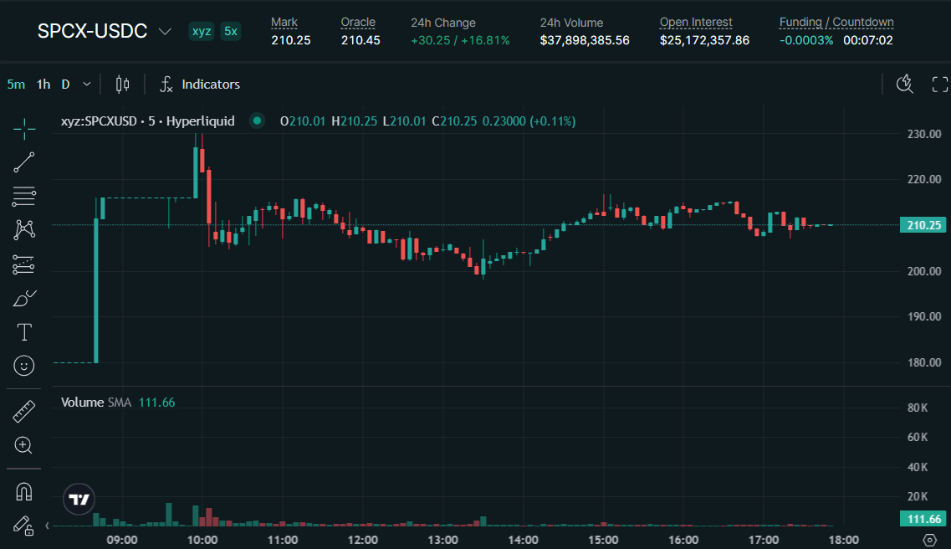
This milestone represents a monumental shift for Elon Musk’s aerospace enterprise, transitioning a traditionally private corporate structure into a publicly traded powerhouse. Market analysts note that the scale of the offering is unprecedented, prompting intense scrutiny from institutional investors, hedge funds, and retail traders alike. Platforms such as Hyperliquid have facilitated round-the-clock perpetual futures trading tied to the valuation metrics, allowing participants to hedge positions and express directional views long before the opening bell rings on exchange day.
Financial Fundamentals: Starlink’s Ascendance and xAI Integration

At the core of the market’s fascination with the SpaceX IPO is the underlying financial health of the enterprise. According to the recently released prospectus, SpaceX generated approximately $18.5 billion in total revenue for the preceding fiscal year, underscoring the formidable commercial engine driving the company forward.
A significant driver of this revenue is Starlink, the satellite internet constellation division, which recorded robust operating income exceeding $4.4 billion. This performance highlights Starlink’s transition from a capital-intensive infrastructure project into a highly profitable, cash-generating utility. Conversely, the prospectus also detailed the financial integration of xAI, noting an operating loss of approximately $6.4 billion associated with artificial intelligence development initiatives. While AI-related infrastructure investments require substantial capital expenditure, market analysts view these expenditures as strategic positioning designed to capture long-term synergies across autonomous systems, data processing, and orbital communications.
Predictive Markets and Valuation Estimates: A Comparative Analysis
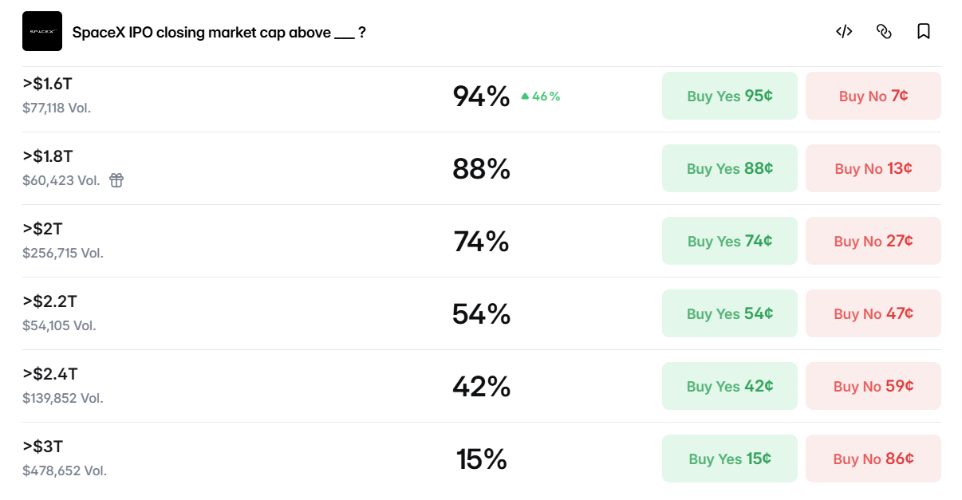
Prediction markets have played an indispensable role in shaping public expectations surrounding the IPO. Polymarket, operating via decentralized smart contracts, has seen tens of millions of dollars in trading volume dedicated to the final market capitalization of SpaceX upon its public debut. Current prediction contracts indicate a strong consensus leaning toward a valuation threshold between $1.5 trillion and $2.0 trillion, with some aggressive tranches pricing the company near the upper limit of $1.75 trillion.
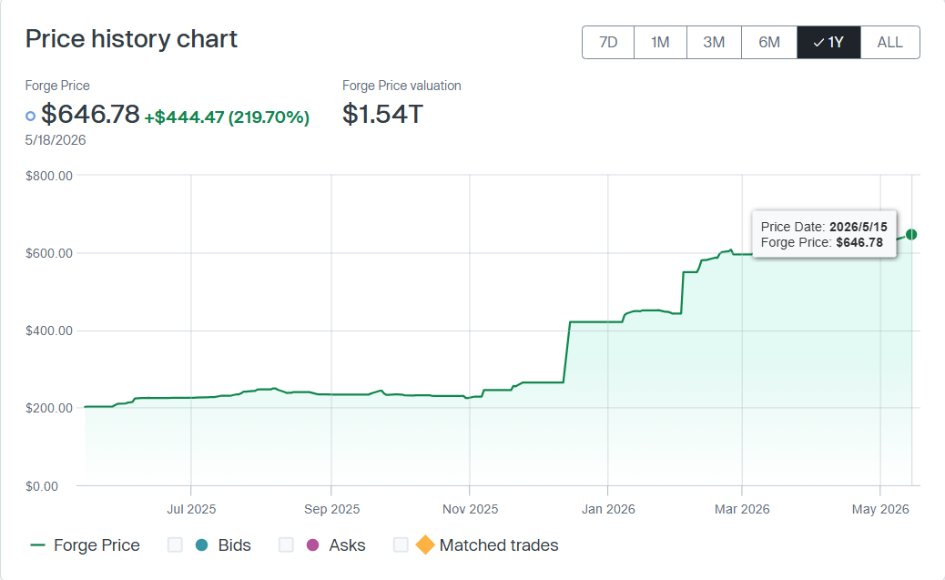
In comparison, private secondary market platforms such as Forge Global and decentralized derivatives venues like Hyperliquid offer distinct pricing mechanisms. Forge Global, which facilitates transactions in pre-IPO private shares, has tracked implied valuations that reflect strong institutional demand. Meanwhile, Hyperliquid’s perpetual markets have allowed traders to lock in leveraged positions based on continuous price discovery. The divergence between these platforms highlights the varying liquidity constraints and risk appetites across retail and institutional segments, yet all point toward a historic valuation that would instantly position SpaceX among the most valuable publicly traded entities globally.
Institutional Interest and Mega-Round Speculation
The institutional appetite for the SpaceX IPO is nothing short of historic. Reports from major financial institutions indicate that asset management giants, including BlackRock, have considered substantial investments ranging between $5 billion and $10 billion. Such commitments reflect a broader trend of institutional capital flowing into category-defining technology assets.
Market observers note that Elon Musk’s governance structure remains a central point of interest. The prospectus confirms that Musk will retain voting control post-IPO through dual-class share structures, ensuring that long-term strategic vision remains aligned with the founder’s original mandate. While governance advocates occasionally scrutinize dual-class setups, institutional investors have largely demonstrated a willingness to accommodate these terms in exchange for exposure to SpaceX’s unmatched growth trajectory.
Broader Economic Implications and Industry Impact
The impending public debut of SpaceX carries profound implications for the broader technology and aerospace sectors. By establishing a public benchmark valuation near $1.75 trillion, SpaceX sets a new pricing standard for private-to-public transitions in capital-intensive industries. Furthermore, the integration of Starlink’s revenue-generating prowess with xAI’s technological roadmap signals a convergence of aerospace, telecommunications, and artificial intelligence that will likely inspire subsequent market entrants.
As the official listing date approaches, regulatory bodies, institutional participants, and decentralized prediction markets will continue to monitor every operational update. Whether the final market capitalization settles at the conservative end of estimates or shatters previous records, the SpaceX IPO stands as a watershed moment for modern capital markets, bridging the gap between speculative forecasting and tangible corporate valuation.