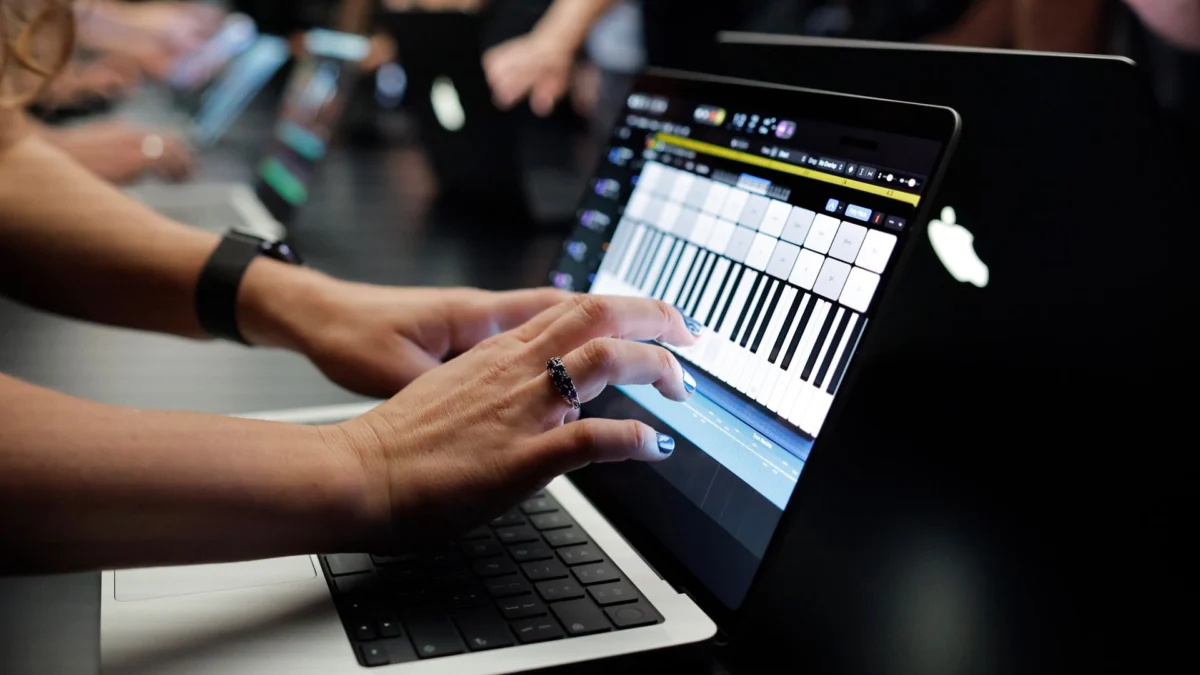
In a definitive pivot from one of the company’s most famous hardware philosophies, Apple Inc. officially unveiled the first-ever touchscreen MacBook Pro during a high-profile product showcase in Los Angeles. Titled the MacBook Pro with PROLED XDR Display, the newly announced laptop introduces direct touch input to Apple’s professional notebook line for the first time in the company’s history. The launch marks a profound strategic reversal from co-founder Steve Jobs’ vehement rejection of vertical touchscreens in 2010, signaling a new era of cross-ecosystem continuity for creative professionals, developers, and power users.
Available immediately for pre-order starting at $2,899, the device blends advanced display technology with supplemental touch capabilities. While the announcement has sent ripples through the consumer electronics industry, early hands-on evaluations indicate that Apple has deliberately avoided positioning the Mac as a touch-first operating system, opting instead to treat the vertical interface as a refined, secondary input method designed to enhance existing workflows.
Background and Context: Overturning the Jobs Doctrine
To understand the magnitude of Apple’s latest release, industry analysts must look back to a quarterly earnings call in October 2010, when former CEO Steve Jobs famously dismissed the viability of touchscreens on desktop and laptop computers.
"It doesn’t work," Jobs stated at the time. "Touch surfaces don’t want to be vertical. After a short period of time you start to fatigue, and after an extended period of time your arm wants to fall off. It doesn’t work, it’s ergonomically terrible."
For more than a decade, Apple adhered strictly to this architectural boundary. While competitors in the Windows ecosystem—such as Microsoft with its Surface lineup, Dell, and HP—rapidly adopted touch-enabled displays on clamshell laptops and convertibles, Apple maintained a strict division. macOS was designed exclusively for keyboard, trackpad, and mouse interaction, while iPadOS catered entirely to touch and stylus inputs on tablet form factors.
Industry watchers have long speculated on when, or if, Apple would bridge this divide. The advent of Apple Silicon—specifically the unification of architecture across iPad and Mac chips—gradually eroded the technical barriers preventing a cross-pollination of input methods. The debut of the MacBook Pro with PROLED XDR Display confirms that Apple’s engineering teams have found a hardware and software balance that satisfies the company’s rigorous ergonomic and functional standards.
Chronology of the Los Angeles Launch Event
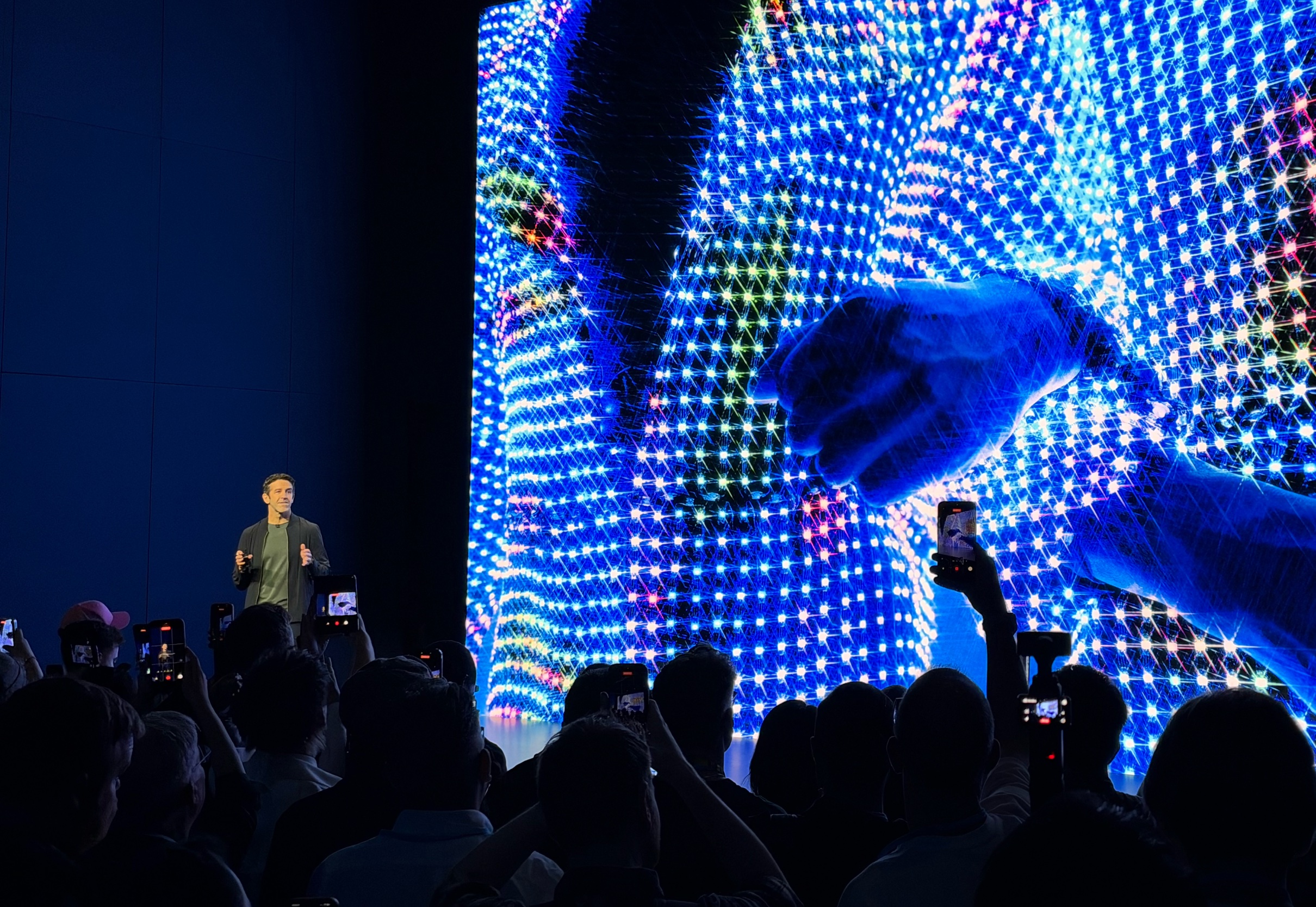
The product reveal took place before an auditorium of journalists, developers, and industry figures in Los Angeles, hosted by Apple executives including John Ternus. The sequence of announcements unfolded across a tightly scripted morning session:
- The Opening Reveal: Ternus introduced the new MacBook Pro hardware tier, focusing initially on the return of the iconic, illuminated Apple logo—a crowd-pleasing aesthetic callback that generated significant applause within the venue.
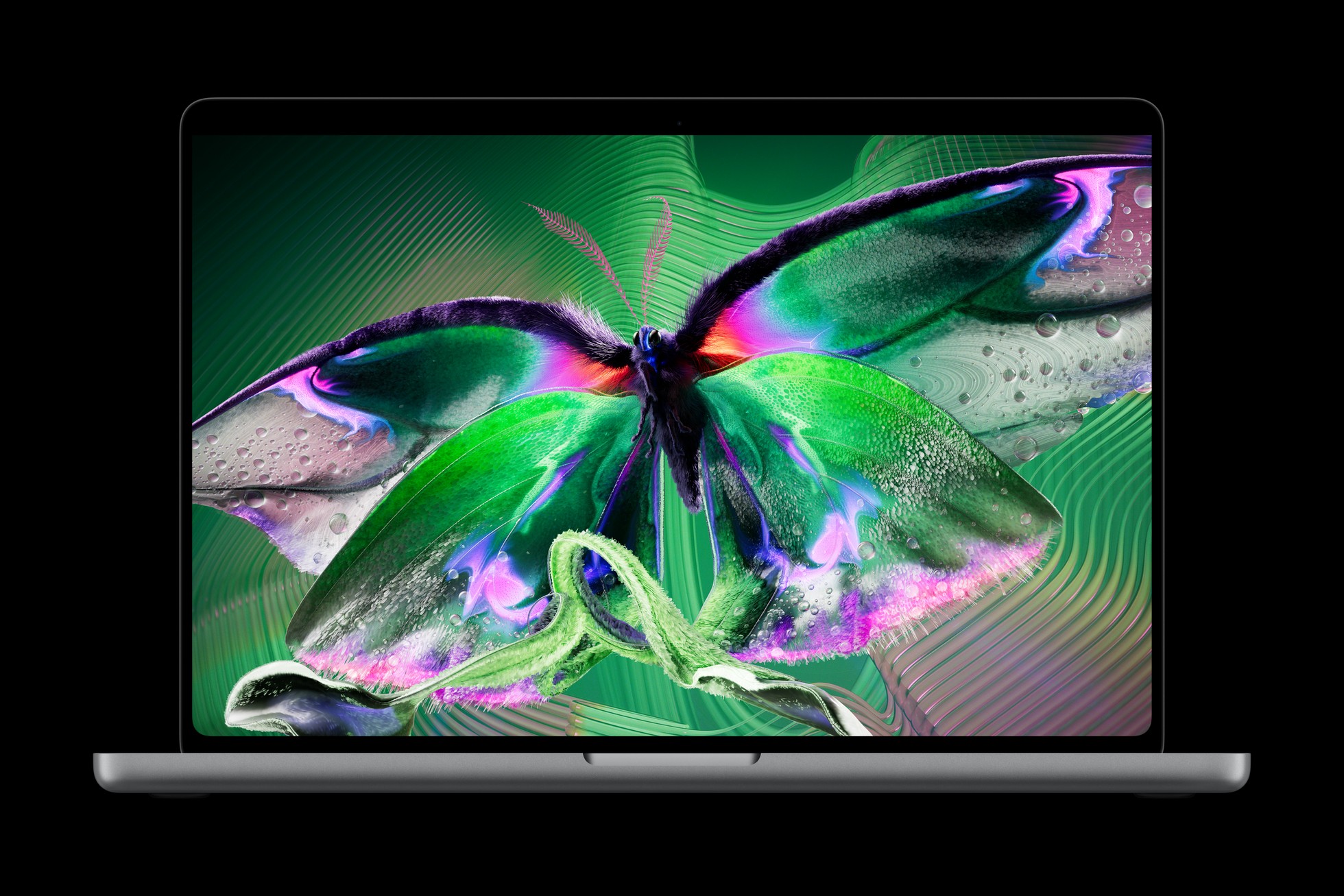
- Display Innovation: Apple detailed the technical specifications of the new PROLED XDR Display, emphasizing its high dynamic range, superior peak brightness, and color accuracy tailored for professional grading and digital content creation.
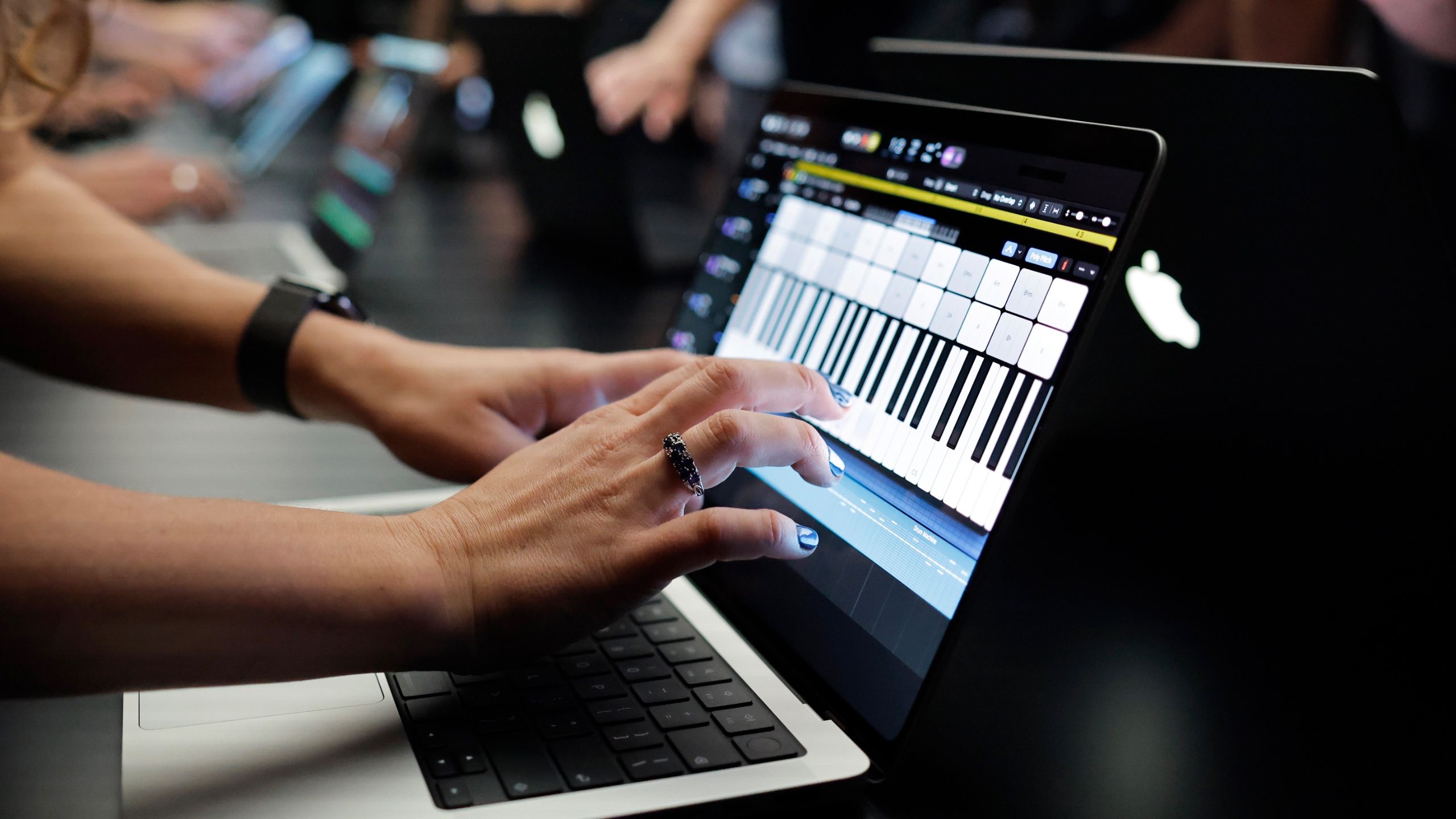
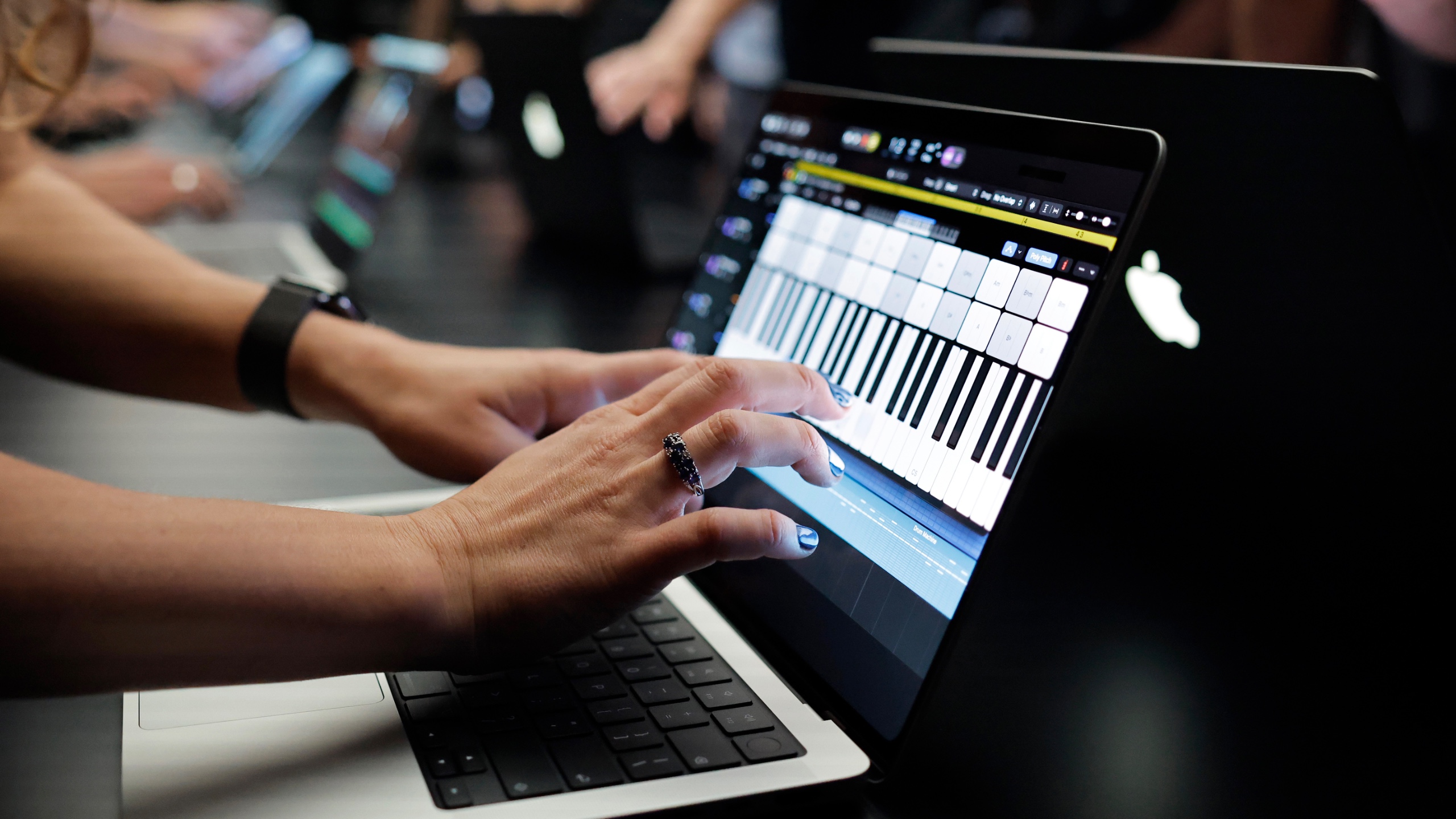
- The Touch Integration: Rather than leading with touch as a revolutionary paradigm shift, presenters introduced it as an integrated auxiliary feature. The demonstration illustrated targeted use cases, such as timeline scrubbing in Final Cut Pro and virtual instrument manipulation in Logic Pro.
- Hands-On Sessions: Following the keynote, attendees were given access to dedicated testing stations to evaluate the responsiveness, ergonomics, and structural stability of the hinge mechanism under physical touch loads.
Hardware Engineering and Software Adaptations
Integrating a digitizer layer into a high-resolution professional notebook display presents distinct engineering challenges, particularly regarding structural rigidity and panel thickness. Apple engineers addressed these concerns by reinforcing the display hinge mechanism to minimize screen wobble and physical rebound when a user applies pressure to the vertical glass surface.
Despite these reinforcements, early hands-on testers have noted that minor screen deflection remains inevitable when interacting with the upper portions of the panel, reaffirming the physical limitations cited by Steve Jobs fifteen years prior. Consequently, Apple has engineered macOS to ensure that touch interaction remains supplemental rather than mandatory.
From a software perspective, macOS has been adapted with subtle, context-aware interface modifications. For instance, when a user’s finger approaches or makes contact with window management elements—such as close, minimize, and maximize buttons—the targets dynamically expand to reduce input error. Furthermore, testing confirmed negligible latency across native applications, allowing for seamless execution of pinch-to-zoom gestures in photo editing suites and precise parameter adjustments in audio production software.
Market Positioning and Pricing Strategy
Priced at a starting threshold of $2,899, the MacBook Pro with PROLED XDR Display occupies the upper echelon of Apple’s professional computer lineup. By retaining traditional naming conventions while avoiding experimental marketing monikers like "MacBook Ultra," Apple has signaled that the device is a natural evolution of the existing Pro workflow rather than an entirely unproven device category.
The marketing strategy relies heavily on the branding of the "PROLED XDR" panel, placing primary emphasis on visual fidelity, brightness, and color gamut rather than the inclusion of touch. This conservative approach appears calculated to reassure traditional professionals who rely heavily on precision trackpads and mechanical keyboards, ensuring they do not feel alienated by a forced shift toward touch-centric computing.
Implications for the Creative Industry and Competitors
The release of a touchscreen MacBook Pro carries significant implications for the broader personal computer market:
- Validation of Hybrid Workflows: Software developers for professional creative suites—including Adobe, Blackmagic Design, and Avid—will likely accelerate the optimization of their software ecosystems to take advantage of multi-input hardware on macOS.
- Pressure on Windows Competitors: While Windows laptops have featured touchscreens for years, Apple’s entry into this space with a meticulously engineered panel and refined UI adjustments raises the design standard for premium productivity machines.
- Ecosystem Convergence: The blurring line between iPadOS and macOS touch capabilities may pave the way for deeper integration between Apple’s tablet and desktop operating systems, offering developers a more unified platform for cross-device application deployment.
As pre-orders roll out globally, the broader market will soon determine whether creative professionals embrace vertical touch input as an indispensable tool or treat it as a niche utility. For now, Apple has successfully crossed a philosophical Rubicon, proving that even the most deeply entrenched corporate dogma can evolve in the face of advancing technology and shifting user demands.