Katana Inu, an advanced PC-based player-versus-player (PvP) battle arena game operating within the Web3 sector, has announced a series of significant expansions across multiple prominent blockchain networks. Designed to bridge the gap between traditional high-performance video gaming and decentralized finance (DeFi), Katana Inu combines fast-paced, action-oriented gameplay with robust non-fungible token (NFT) ownership models. The project supports major ecosystems including Sui, Immutable zkEVM, Solana, Polygon, Beam, and Avalanche, positioning itself as a versatile cross-chain gaming platform tailored for modern digital asset enthusiasts.
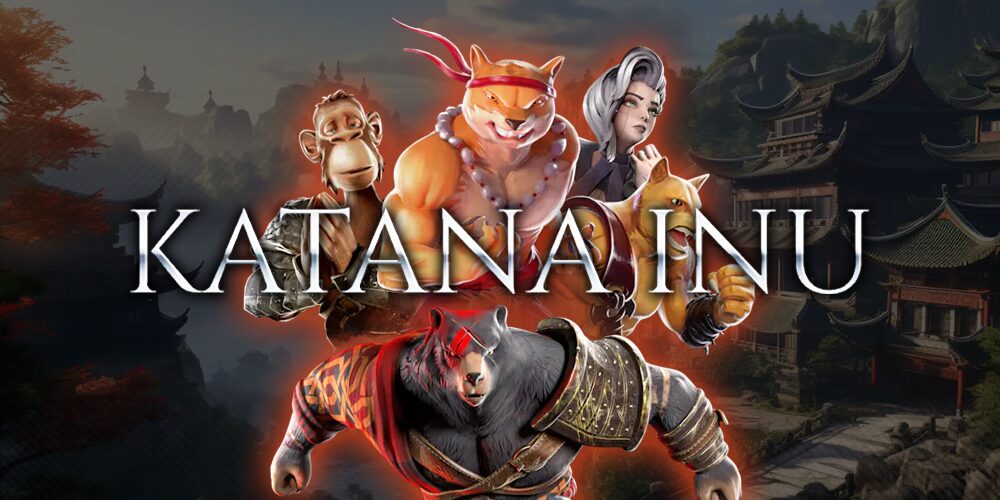
Core Gameplay and Technical Architecture
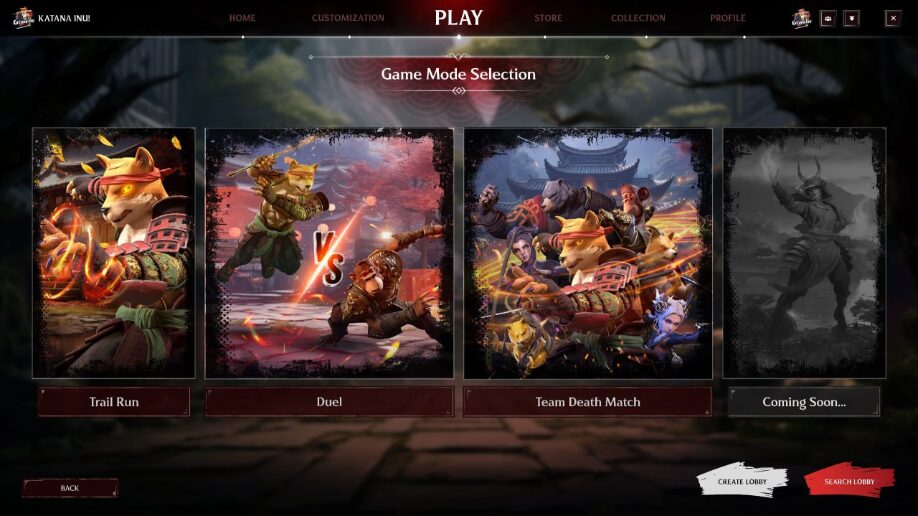
At its operational core, Katana Inu delivers a high-speed, action-packed combat environment where matches cap at a maximum duration of 60 minutes. Players engage in tactical skirmishes while managing digital assets directly tied to decentralized marketplaces. The game leverages third-person shooter (TPS) perspectives and hack-and-slash mechanics, providing deep mechanical engagement paired with visually striking graphics.
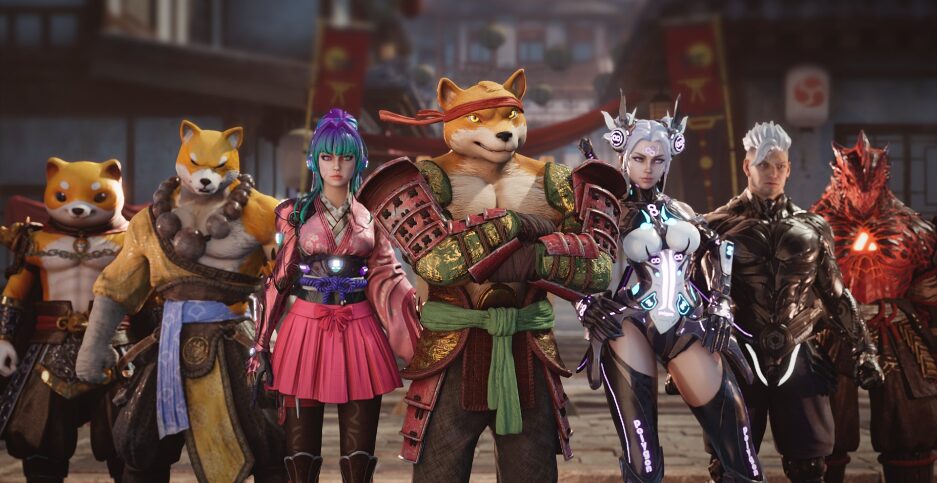
Unlike early iterations of blockchain gaming that prioritized tokenomics over entertainment value, Katana Inu has structured its development around delivering a genuinely compelling gaming experience. The integration of high-definition rendering, complex character customization, and responsive combat controls ensures that players remain invested regardless of the underlying financial incentives. The PC client, accessible via Windows, serves as the primary gateway for users seeking to participate in competitive ranked matches and high-stakes tournament play.
Multi-Chain Strategy and Accessibility
A foundational pillar of Katana Inu’s long-term strategy is its multi-chain deployment, which significantly lowers the barrier to entry for mainstream gamers. By integrating with high-throughput and low-fee networks such as Immutable zkEVM and Solana, the platform eliminates the friction traditionally associated with blockchain transactions, such as exorbitant gas fees and network congestion.
Furthermore, the integration of account abstraction technologies and simplified onboarding processes allows users to engage with the ecosystem without requiring extensive technical knowledge of cryptocurrency wallets. Players can utilize standard login credentials via Google integration while maintaining self-custody of their in-game assets. This hybrid approach successfully reconciles the security demands of decentralized applications with the user-friendly interface expected by contemporary gamers.
Economic Model and the $KATA Token
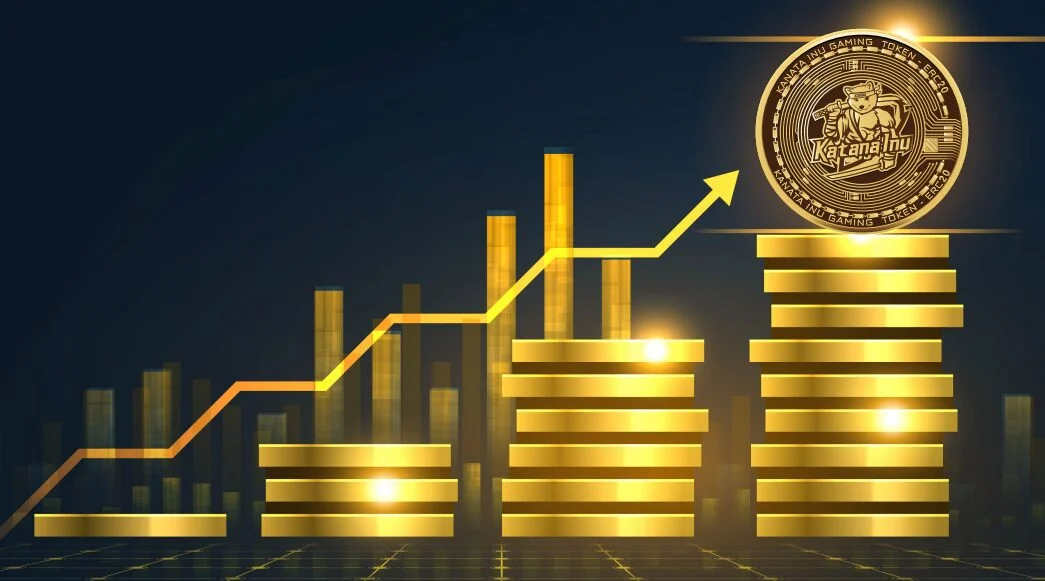
The economic framework of Katana Inu revolves around its native utility token, $KATA, which serves as the primary medium of exchange across the platform’s internal marketplace and ecosystem features. $KATA holders gain access to exclusive governance rights, marketplace discounts, and specialized staking mechanisms designed to reward long-term participation.
The utility token is integrated directly into the minting and trading of in-game NFTs, including weapon skins, character avatars, and rare cosmetic items. By staking $KATA or participating in competitive gameplay tournaments, users can generate sustainable yields and acquire high-value digital assets. The token is actively traded on prominent centralized exchanges such as MEXC, providing robust liquidity and price discovery for global participants.
NFT Integration and Asset Ownership
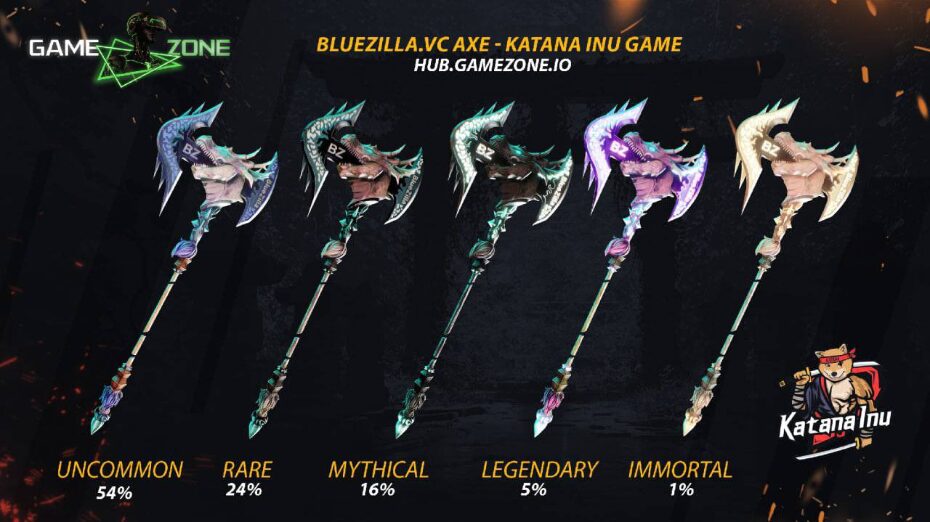
Katana Inu places a heavy emphasis on true digital ownership through its comprehensive NFT infrastructure. In-game assets, ranging from mythical weapons to exclusive character avatars, are minted as verifiable NFTs, allowing players to trade, sell, or lease their items across decentralized marketplaces.
The project introduces innovative mechanics such as "Forge NFT," enabling users to upgrade and combine existing assets to create higher-tier collectibles. This mechanism adds a layer of strategic depth to inventory management, encouraging active participation within the secondary market. By treating in-game items as portable, interoperable assets, Katana Inu empowers players to retain full control over the value they generate through time and skill investment.
Telegram Integration and Social Expansion
In line with its broader accessibility goals, Katana Inu has expanded its presence into messaging platforms, notably through Telegram-based mini-apps. This strategic move allows users to interact with simplified versions of the ecosystem, manage their assets, and participate in community-driven events directly from their mobile devices.
The integration with Telegram reflects a growing industry trend toward social-fi and hyper-casual Web3 engagement. By meeting users where they already spend time, Katana Inu successfully bridges the gap between casual mobile interactions and hardcore PC gaming, broadening its user acquisition funnel on a global scale.
Market Implications and Future Outlook
The continuous evolution of Katana Inu highlights a broader paradigm shift within the blockchain gaming industry. As developers transition away from unsustainable play-to-earn (P2E) models toward skill-based, entertainment-first frameworks, projects that successfully merge AAA-quality production with decentralized economies are poised to capture significant market share.
Industry analysts note that Katana Inu’s emphasis on multi-chain interoperability, combined with rigorous asset security and transparent tokenomics, provides a resilient foundation for sustainable growth. While macroeconomic conditions within the broader digital asset market continue to fluctuate, the demand for high-utility gaming tokens and interoperable NFTs remains robust.
As Katana Inu rolls out subsequent phases of its roadmap—including expanded tournament structures, enhanced cross-chain bridges, and deeper community governance initiatives—the project stands as a notable case study in the maturation of Web3 entertainment. Stakeholders and participants are encouraged to monitor official announcements via the platform’s verified channels and community portals to stay informed on upcoming developments.