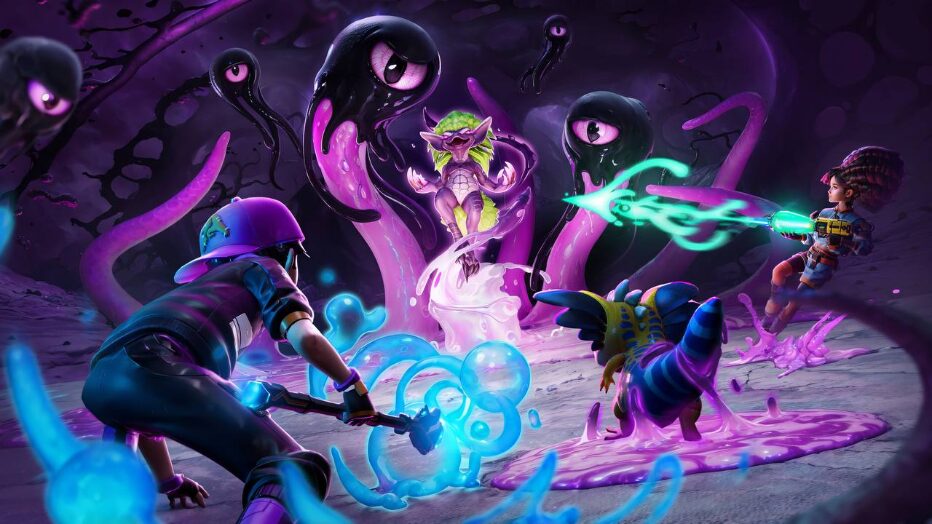
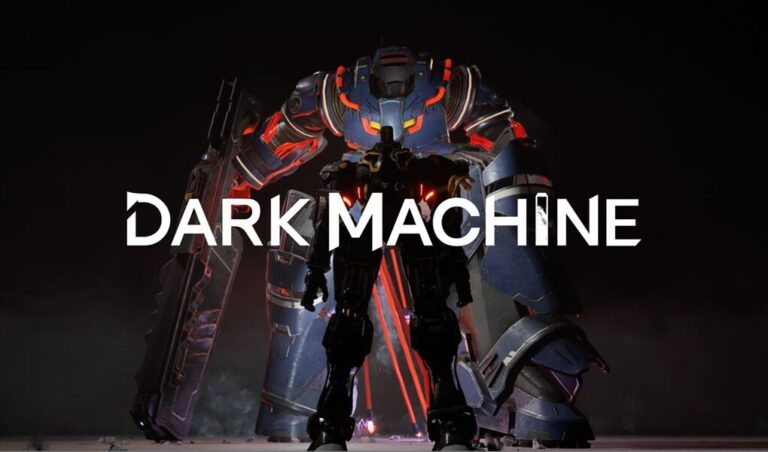
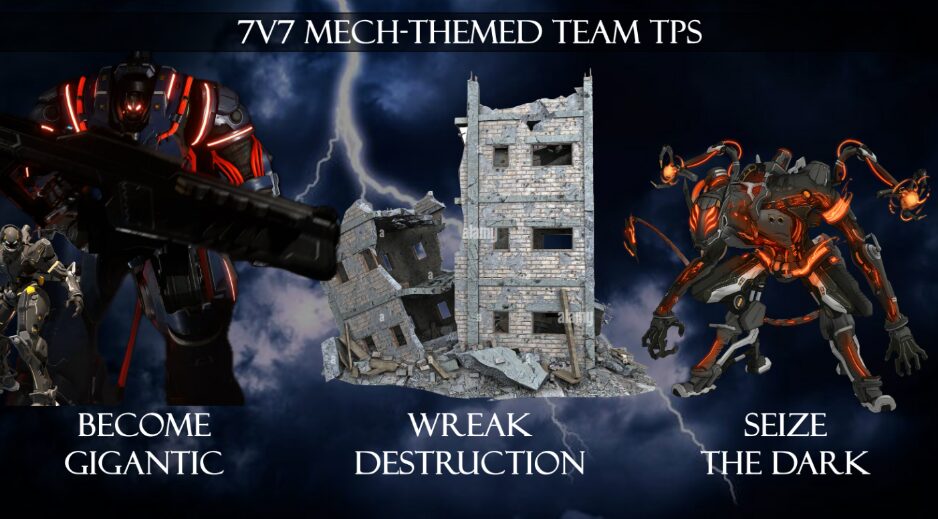
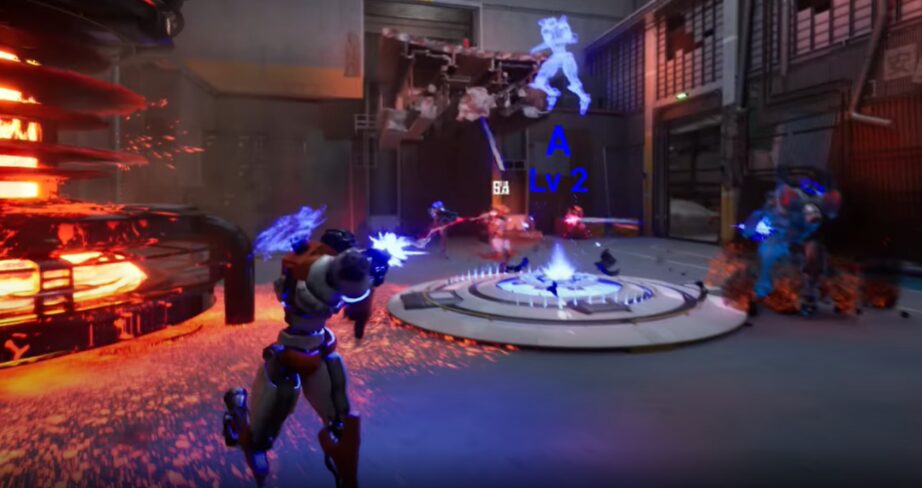
The intersection of traditional video game development and blockchain infrastructure has reached a significant milestone with the expansion of Dark Machine, an ambitious third-person shooter (TPS) designed to bridge the gap between high-octane competitive action and decentralized asset ownership. Built across prominent networks including Immutable zkEVM and Sui, Dark Machine represents a concerted effort by developers to merge the mechanical precision and fluid performance of mainstream esports titles with the verifiable ownership models enabled by distributed ledger technology. As the digital asset and blockchain gaming sectors mature, projects aiming for cross-platform availability—spanning personal computers, iOS, and Android devices—are increasingly focusing on user-friendly onboarding mechanisms to attract mainstream players who may otherwise be deterred by complex cryptocurrency mechanics.
Architectural Framework and Cross-Chain Integration
At its technical core, Dark Machine leverages advanced networking and rendering techniques to deliver responsive combat mechanics typical of modern AAA titles. The project’s multi-chain strategy utilizes Immutable zkEVM for scalable, gas-free NFT interactions alongside Sui for high-throughput transactions. This dual-network approach addresses historical bottlenecks in blockchain gaming, where high gas fees and network congestion frequently hampered user experience during peak trading hours.
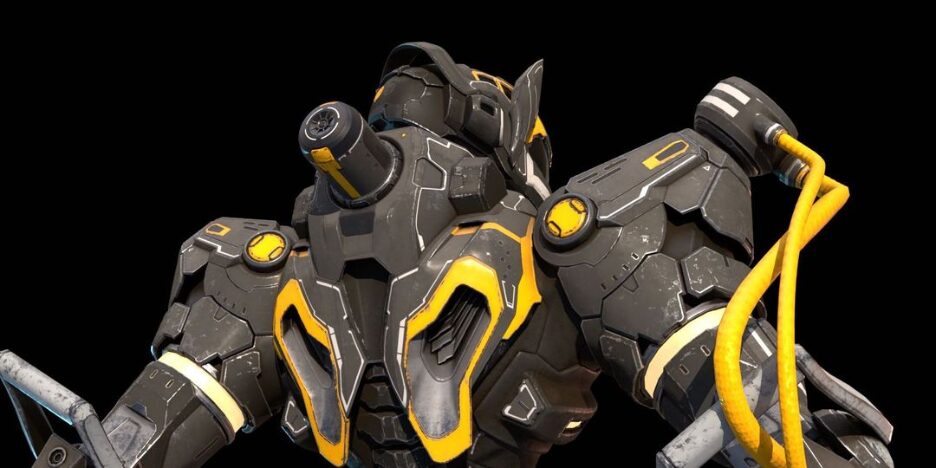
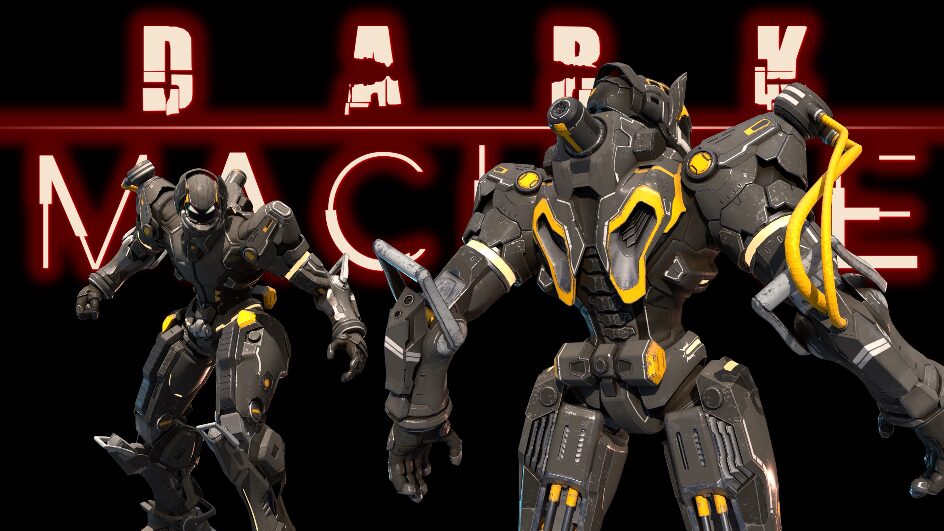
The integration of Immutable Passport further simplifies player entry by allowing users to authenticate via familiar Web2 credentials such as Google and Apple ID. By removing the immediate friction of managing standalone crypto wallets and seed phrases during initial setup, the developers have established a frictionless pipeline from traditional gaming demographics to Web3 ecosystems. According to recent technical documentation released by the development team, this architecture ensures that players retain full custody of their in-game assets—ranging from custom mechs to rare cosmetics—while maintaining zero-knowledge proof security standards.
Economic Model and the $MXNA Token
The economic engine driving Dark Machine is centered around its native utility token, $MXNA, alongside the DEMAX secondary token structure. Designed to incentivize active participation and competitive achievement, the tokenomics model rewards players based on skill expression, tournament performance, and ecosystem contribution.
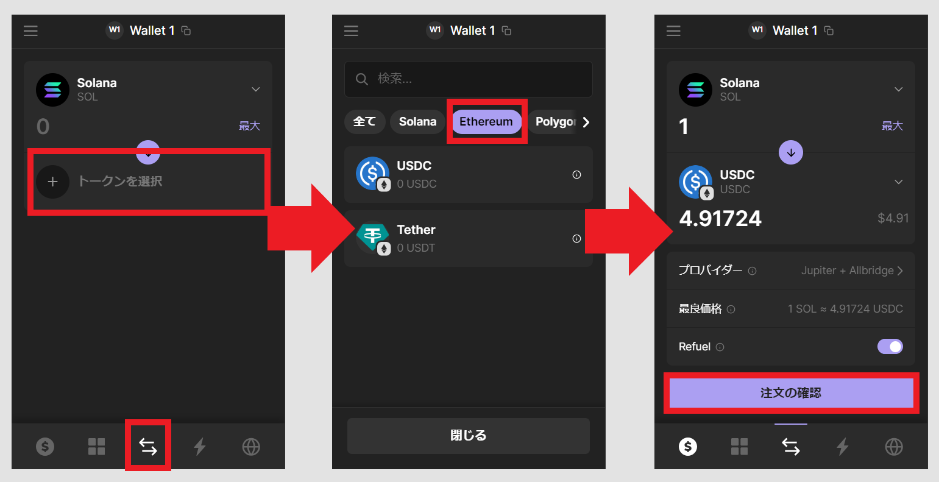
Unlike early-generation play-to-earn models that faced criticism for unsustainable inflationary pressures, Dark Machine implements a balanced economic framework. The utility token facilitates marketplace transactions, governance participation, and exclusive access to high-tier competitive brackets. Furthermore, strategic partnerships with prominent crypto launchpads and decentralized exchanges—including integration capabilities via Bitget Wallet—have streamlined liquidity access for global participants. Analysts note that tying token utility directly to competitive ranking and seasonal progression creates a more resilient economic loop, discouraging pure speculative farming while rewarding dedicated gameplay.

Esports Infrastructure and Industry Partnerships
A cornerstone of Dark Machine’s long-term strategy is its comprehensive esports integration. To cement its position within the competitive gaming landscape, the project has forged strategic alliances with leading gaming guilds and infrastructure providers, including META-X. These partnerships are designed to support structured tournament formats, professional team sponsorships, and global broadcast integration across platforms like YouTube and Twitch.

Recent competitive trials have demonstrated the scalability of the game’s infrastructure, attracting attention from prominent Web3 gaming guilds such as Yield Guild Games (YGG). By establishing formal pathways for esports organizations to participate in seasonal leagues, Dark Machine aims to replicate the broadcast-friendly nature of traditional tactical shooters. Industry observers suggest that the involvement of seasoned veterans from established game development studios—such as former contributors to major titles under Cygames and other AAA publishers—provides the project with vital production value that bridges the gap between indie blockchain titles and industry standards.
Market Implications and Future Outlook
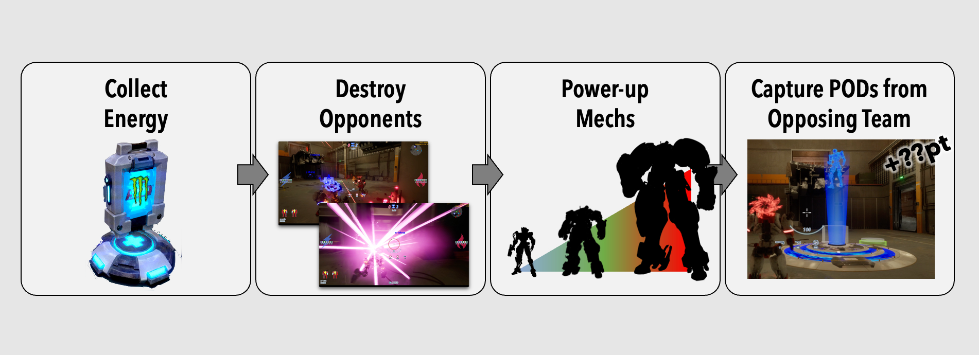
The broader implications of Dark Machine’s development extend beyond individual player experiences, offering a potential blueprint for future Web3 game developers. By prioritizing core gameplay mechanics, responsive controls, and high-fidelity graphics before introducing economic layers, the project addresses the primary critique leveled against early blockchain games: that financial incentives were prioritized over entertainment value.
As the rollout continues across mobile and desktop platforms, the effectiveness of the game’s cross-chain interoperability and zero-gas onboarding will be closely monitored by industry analysts. If successful, Dark Machine could accelerate the transition of traditional gamers into decentralized ecosystems, proving that blockchain integration can enhance rather than overshadow competitive multiplayer gaming. The project roadmap outlines continuous content updates, expanded tournament circuits, and deeper integration with decentralized autonomous organization (DAO) governance structures, positioning Dark Machine as a benchmark for the next generation of interactive digital entertainment.