The rapid expansion of the Web3 ecosystem, characterized by decentralized finance (DeFi), non-fungible tokens (NFTs), and decentralized autonomous organizations (DAOs), has introduced unprecedented opportunities for users to interact with blockchain-based protocols. However, this shift toward a permissionless financial landscape has also brought significant security risks, primarily centered on the mechanism of token approvals. As users engage with various decentralized applications (dApps), they frequently grant "infinite" or broad spending permissions to smart contracts. If these contracts are compromised or malicious, the results can be catastrophic, leading to the unauthorized drainage of entire wallets.

The fundamental issue lies in how Ethereum-based networks—and other EVM-compatible chains—handle smart contract interactions. When a user interacts with a platform like Uniswap, OpenSea, or a staking protocol, they must first "approve" the smart contract to spend their tokens on their behalf. This technical necessity is often misunderstood by retail users, who may overlook the extent of the permissions they are granting. In many cases, these approvals are set to an unlimited amount to save on gas fees for future transactions, effectively leaving the wallet’s assets permanently exposed to the smart contract’s authority.

The Anatomy of a Token Approval Scam
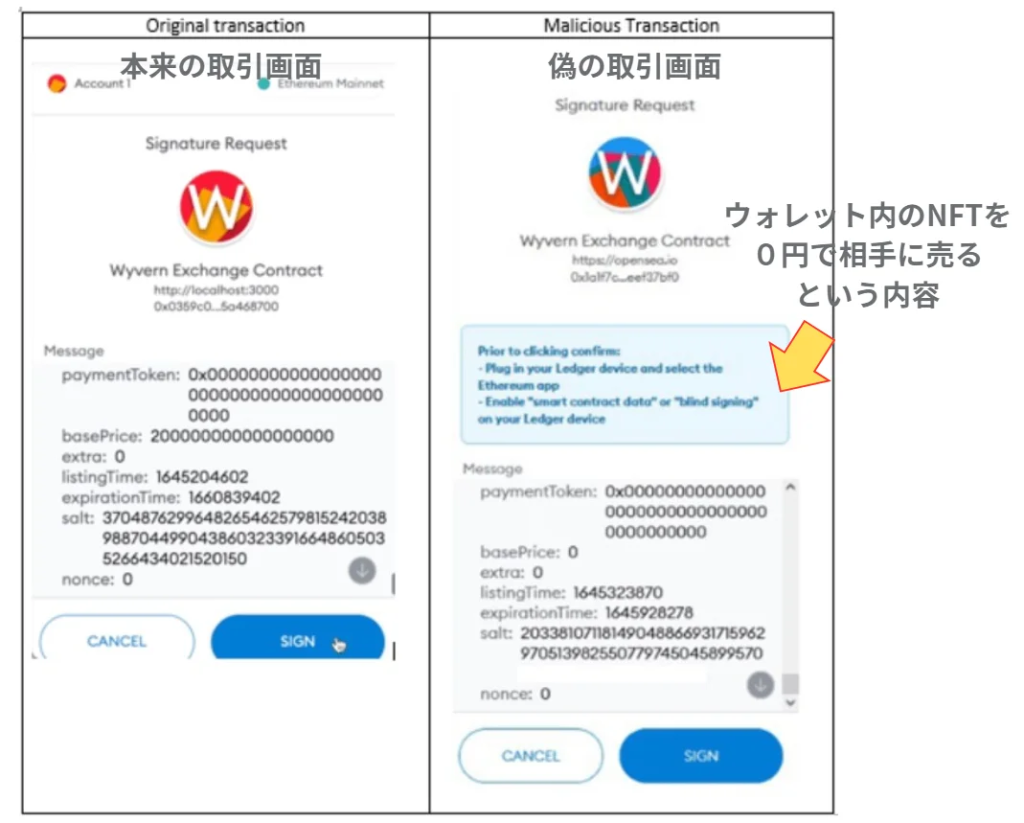
Token approval exploits are among the most prevalent attack vectors in the current Web3 landscape. Unlike traditional phishing, which aims to steal a private key or seed phrase, an approval scam tricks the user into signing a malicious transaction that grants an attacker the right to transfer the user’s tokens.

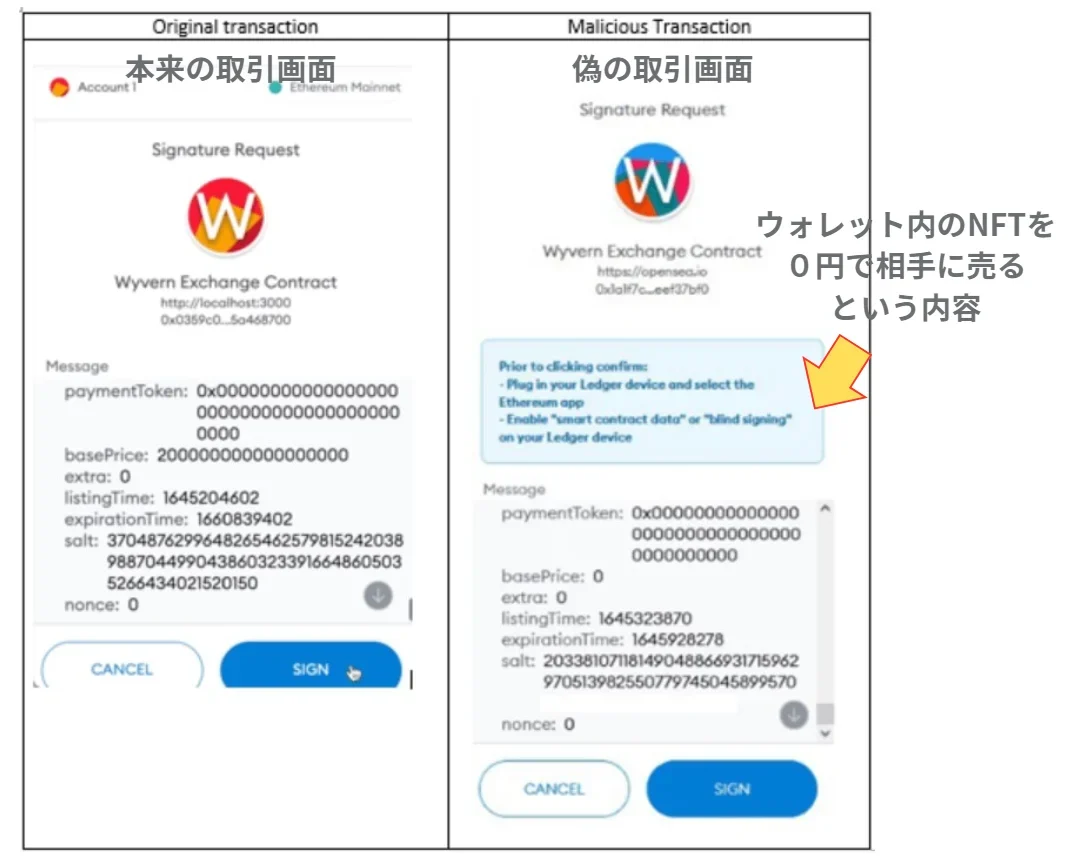
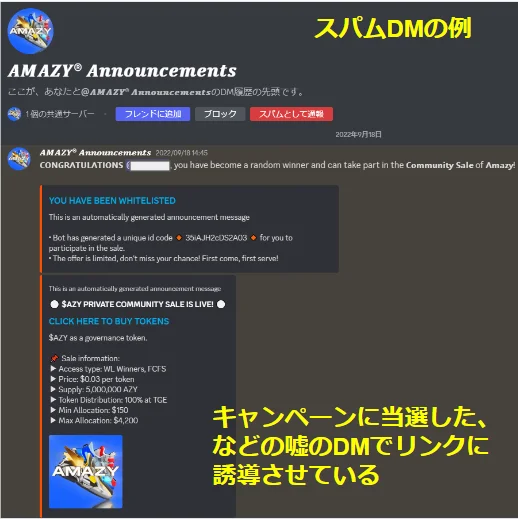
The chronology of a typical attack usually follows a predictable pattern. First, the attacker lures the victim through social media, Discord, or a compromised website, often under the guise of an "exclusive NFT mint" or a "high-yield staking opportunity." The victim is then directed to a fraudulent website that prompts them to connect their digital wallet—such as MetaMask or Trust Wallet. Once connected, the site triggers a request to "Approve" a transaction. If the user confirms this request, they have essentially provided the attacker with a "blank check" to withdraw their specified tokens from their wallet at any time, without further authorization.

Data from blockchain security firms indicates that millions of dollars are lost annually to these "blind signing" events. Because the transaction itself is technically valid according to the blockchain protocol, these assets are often impossible to recover once they have been transferred to the attacker’s address.
Mitigating Risks Through Revocation
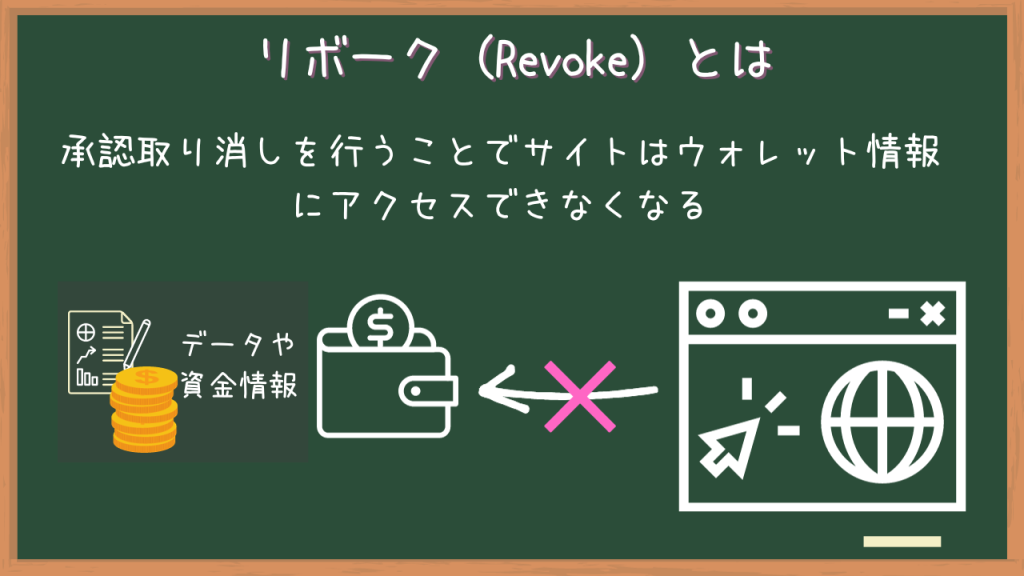
The most effective defense against token approval exploits is the proactive management of these permissions, commonly referred to as "Revoking." Revoking a token approval is the process of updating the smart contract’s record to set the allowance for a specific token back to zero. This effectively severs the link between the user’s wallet and the dApp, rendering any previously granted permissions useless.

Industry experts and security professionals strongly advise that users regularly audit their wallet approvals, especially after interacting with lesser-known platforms or participating in high-risk activities like free NFT airdrops. The process of revocation has become increasingly streamlined, with several reputable tools available to help users manage these settings.
Step-by-Step Guide to Revoking Permissions
To maintain a secure digital footprint, users should follow these standardized steps to audit and revoke dangerous approvals:
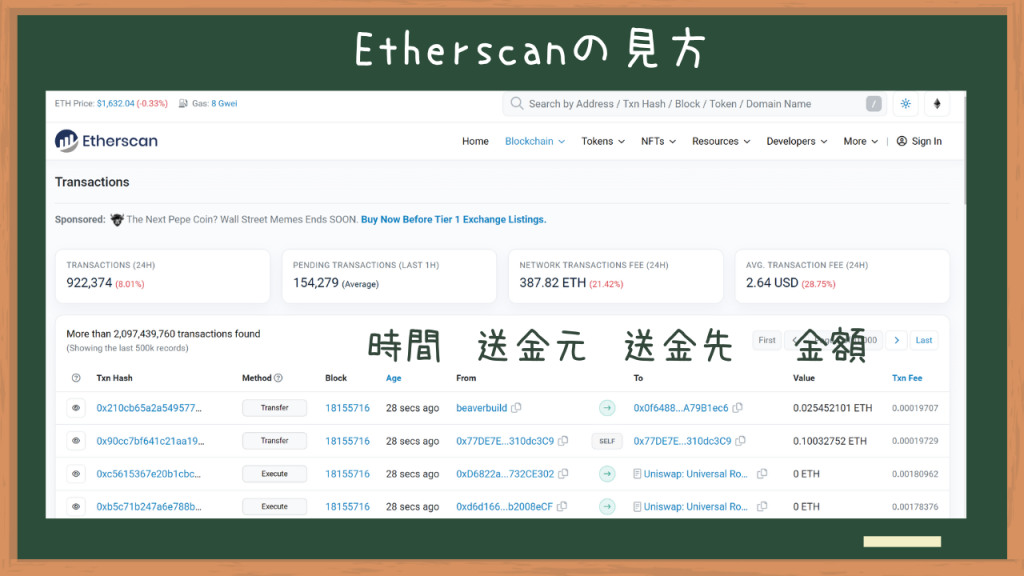
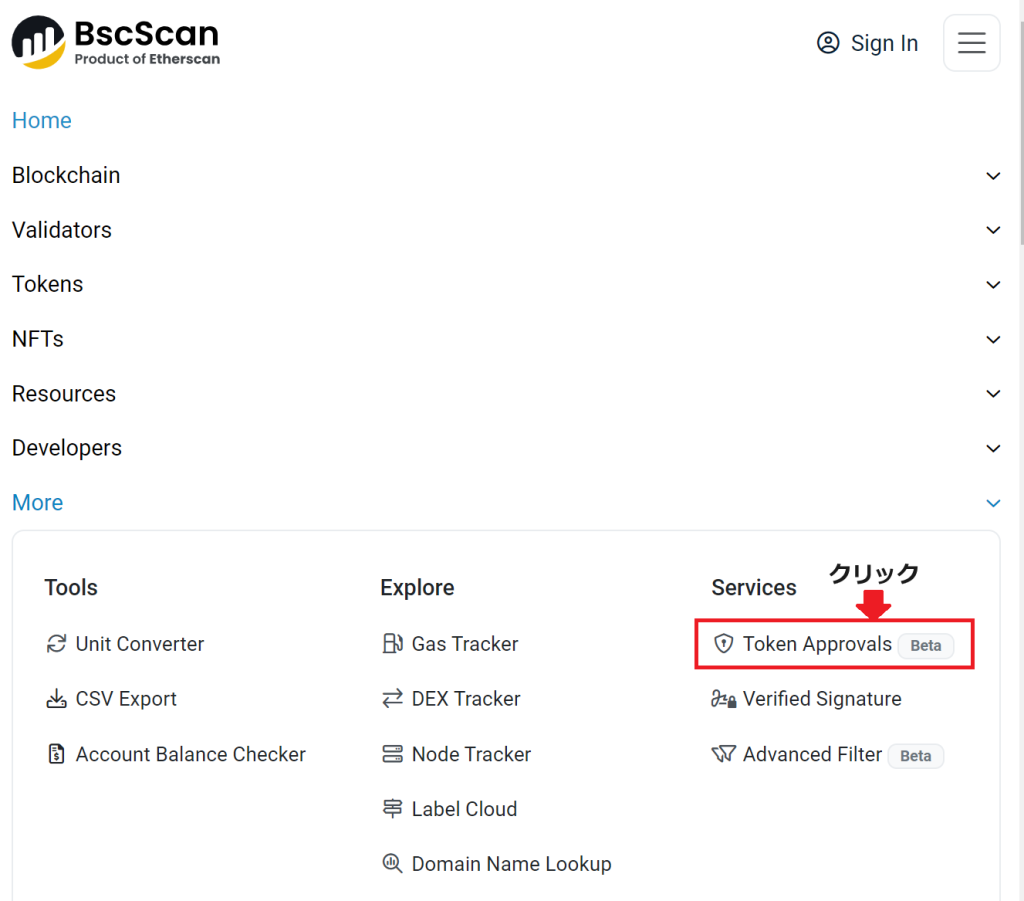
- Access a Trusted Revocation Tool: Navigate to a reliable dashboard such as Etherscan (for Ethereum), BscScan (for BNB Chain), or specialized services like Revoke.cash. These platforms provide a centralized interface to view all active approvals tied to your wallet address.
- Connect Your Wallet: Ensure you are using the official URL of the security service. Connect your wallet using the same account you wish to audit. Avoid clicking suspicious links; always bookmark these security tools to prevent falling victim to phishing clones.
- Audit Active Approvals: Once connected, the dashboard will display a list of all tokens that have been approved for spending, the address of the spender (the smart contract), and the amount allowed. Look for any unknown or suspicious contracts, or contracts that hold "infinite" allowance.
- Execute the Revoke Function: Select the specific approval you wish to remove and click the "Revoke" button. This will trigger a transaction in your wallet that you must sign. Note that this action requires a small amount of gas (network fees) because it is a write-action on the blockchain.
- Verify the Transaction: After signing the transaction, monitor the blockchain explorer to ensure the status changes to "Success." Once confirmed, the previously granted permission is officially nullified.
Broader Implications for Web3 Security
The rise of these exploits has sparked a broader conversation about the necessity of better user interface (UI) design in Web3 wallets. Currently, most wallet interfaces do not clearly explain the implications of a "Token Approval" transaction, often displaying complex hex code rather than readable human language. This lack of transparency is a critical failure in the user experience that developers are now rushing to address.

Furthermore, there is a growing trend toward "kiosk" or "security-first" browser extensions, such as Kekkai or similar tools, which act as a firewall for blockchain transactions. These tools analyze the requested transaction before the user signs it and provide warnings if the interaction appears malicious or attempts to move an unusually high volume of assets.
Expert Recommendations and Future Outlook
Security researchers emphasize that "prevention is better than cure." The most robust security posture involves a multi-layered approach:
- Use Secondary Wallets: Never connect your primary "cold storage" or high-value wallet to new or untrusted sites. Utilize a "burner" wallet with minimal funds for experimental or high-risk interactions.
- Regular Audits: Treat your wallet like a bank account. Just as you would monitor your bank statements for unauthorized charges, you should periodically use Etherscan or Revoke.cash to audit your smart contract permissions.
- Stay Informed: The landscape of Web3 threats is constantly evolving. Phishing tactics are becoming more sophisticated, often mimicking the branding of legitimate protocols to gain trust.
The responsibility for security currently rests heavily on the individual user. While infrastructure projects and wallet developers are working toward more intuitive security features, the "self-custody" nature of Web3 means that the user is the final line of defense. By understanding the mechanics of token approvals and maintaining a disciplined approach to managing wallet permissions, participants in the Web3 ecosystem can significantly reduce their exposure to malicious actors and ensure the long-term safety of their digital assets. As the industry matures, the adoption of standardized security practices will be essential for the mainstream integration of blockchain technology.