The global cryptocurrency market has entered a pivotal phase characterized by a transition from defensive postures to a cautious yet firm bullish recovery. Throughout the past week, market participants have focused on a critical question: is the recent upward momentum sustainable, or is it a temporary reprieve driven by speculative fervor? This period of price discovery has been defined by a significant shift in the "quality" of buying activity, moving away from high-leverage derivative plays toward spot-driven accumulation led by institutional entities and exchange-traded fund (ETF) participants. As Bitcoin navigated through volatile price brackets, the underlying data suggested a strengthening foundation, though one that remains susceptible to broader macroeconomic shifts and geopolitical uncertainties.
Weekly Price Action and Market Chronology
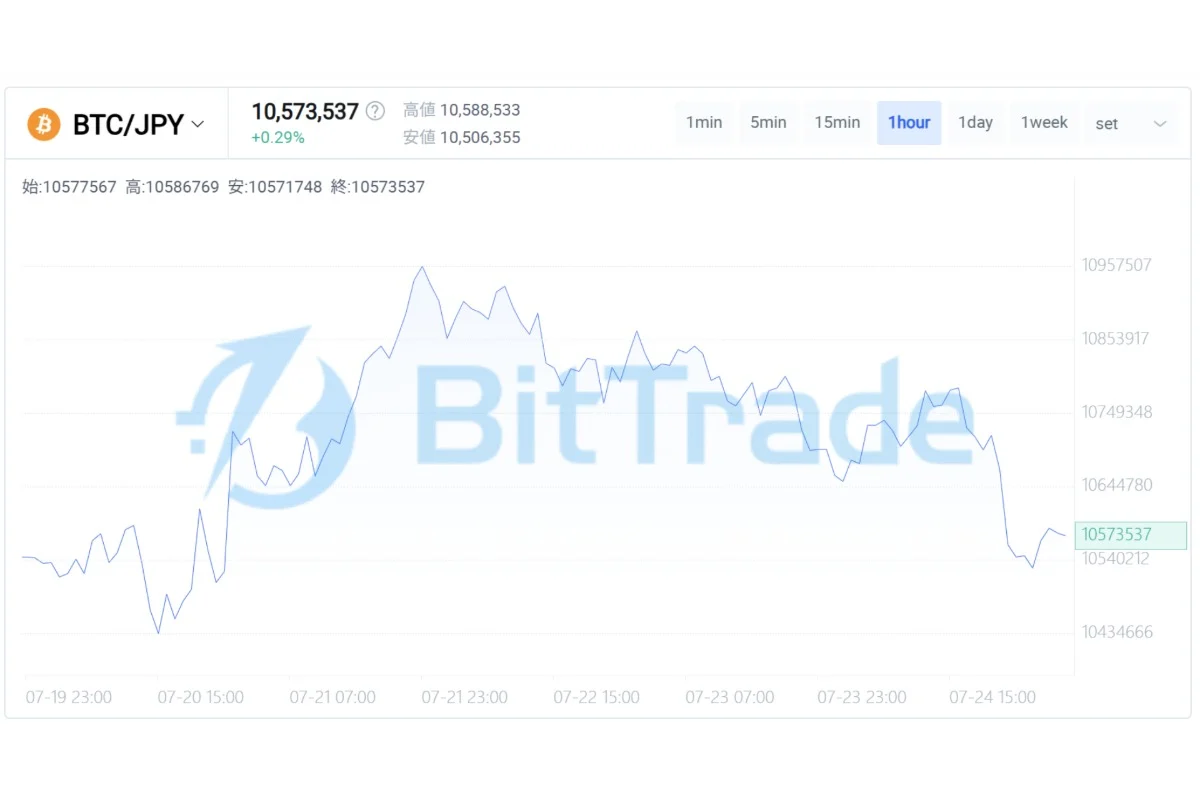
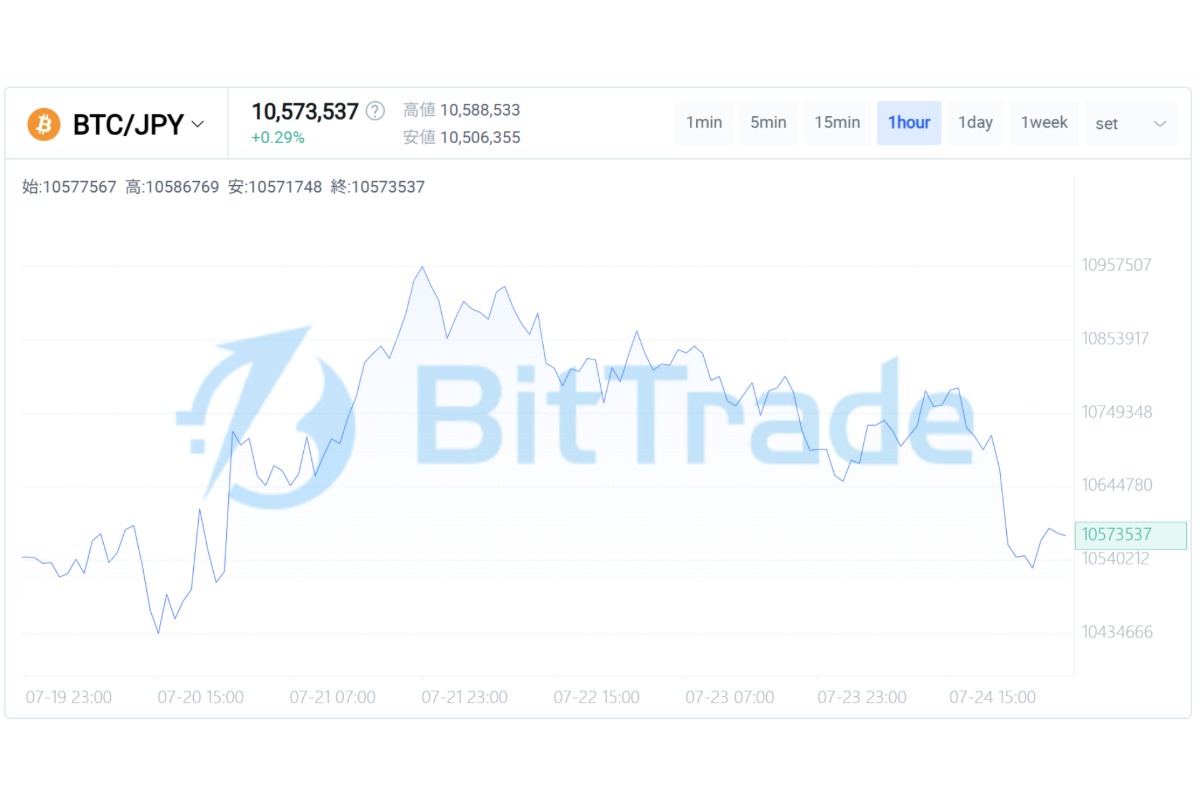
The week commenced with Bitcoin (BTC) trading in a relatively stable range between $64,000 and $65,000, roughly equivalent to 10.4 million to 10.6 million yen. This initial consolidation phase followed a period of intense selling pressure in late June, where concerns over government-led liquidations and miner capitulation had dampened investor sentiment. However, as the week progressed, a surge in buy-side pressure propelled the asset toward a local high near the $68,000 mark (approximately 10.9 million yen).
This rally was not without its hurdles. Upon approaching the $68,000 resistance level, the market encountered a wave of profit-taking. Short-term holders, many of whom had entered the market during the June lows, utilized the price spike to realize gains, leading to a healthy corrective phase. By the latter half of the week, Bitcoin had stabilized around the $66,000 level (10.7 million yen). Unlike previous rallies characterized by "blow-off tops," this movement appeared more measured, reflecting a market that is absorbing sell orders rather than collapsing under them.
The Institutional Engine: Spot ETF Inflows and Whale Accumulation
The primary catalyst for the current recovery remains the consistent inflow of capital into U.S.-based spot Bitcoin ETFs. Data from the past several trading sessions indicates a renewed appetite among institutional investors, with BlackRock’s IBIT and Fidelity’s FBTC leading the charge. These inflows represent "sticky" capital—investments made with a longer-term horizon compared to the transient nature of retail day trading.
The significance of these ETF flows extends beyond mere price support. They represent a fundamental change in market structure. When ETFs purchase Bitcoin to back their shares, that Bitcoin is typically moved into cold storage, effectively removing it from the active circulating supply. This "supply shock" is further evidenced by a notable increase in "whale" accumulation. Large-scale investors, or whales, have been observed increasing their holdings throughout the $64,000 to $67,000 range, signaling a high level of confidence in the asset’s medium-to-long-term value proposition.
Furthermore, exchange metrics show a continuous outflow of Bitcoin from centralized platforms to private wallets. Historically, high exchange outflows are a precursor to bullish cycles, as they indicate that investors are moving their assets into long-term holding positions (HODLing) rather than keeping them on exchanges for immediate sale. This reduction in liquid supply creates a scenario where even modest increases in demand can result in significant upward price volatility.
Shifting Market Dynamics: From Derivatives to Spot Demand
For much of 2024, the Bitcoin market was heavily influenced by the perpetual futures and options markets. While derivatives provide necessary liquidity, they also introduce extreme volatility through "long squeezes" and "short covers." The BitTrade Market Weekly analysis highlights that the "quality of the buy" in the current environment is markedly different from previous months.
The current rally is increasingly driven by spot market demand. When price appreciation is led by spot buying—actual purchases of the underlying asset—the market becomes less prone to the cascading liquidations often seen in leverage-heavy environments. While open interest in the futures market remains high, the delta between spot prices and futures premiums suggests that the market is not yet overextended. However, analysts warn that if spot demand begins to wane while leverage continues to build, the risk of a sharp, liquidation-driven correction increases. The current phase is therefore a test of whether the spot buyers can continue to absorb the sell-side pressure from both profit-takers and institutional hedgers.
Macroeconomic Context and Geopolitical Influence
The cryptocurrency market does not operate in a vacuum, and the past week has seen a complex interplay between digital assets and traditional financial markets. U.S. equities, particularly in the AI and technology sectors, have shown remarkable resilience, reaching record highs. This "risk-on" sentiment in the S&P 500 and Nasdaq has provided a favorable backdrop for Bitcoin, which continues to trade with a high correlation to tech stocks.
However, a "mixed wind" is blowing from the macroeconomic front. Two primary concerns have emerged:
- Geopolitical Tensions and Energy Costs: Escalating conflicts in the Middle East have put upward pressure on crude oil prices. Higher energy costs are a significant driver of inflation. If oil prices remain elevated for an extended period, it could complicate the Federal Reserve’s path toward interest rate cuts.
- Monetary Policy Uncertainty: The market is currently pricing in a high probability of a rate cut by the Federal Reserve in the coming months. However, if inflationary pressures resurface due to energy costs or robust labor data, the "higher-for-longer" interest rate narrative could return. A stronger U.S. Dollar and rising Treasury yields typically act as headwinds for non-yielding assets like Bitcoin.
It is essential for investors to recognize that while Bitcoin is often touted as "digital gold," it has not yet fully transitioned into a safe-haven asset in the traditional sense. During moments of extreme geopolitical panic, Bitcoin often sells off alongside other risk assets as investors dash for the liquidity of the U.S. Dollar. The current recovery is a test of Bitcoin’s ability to decouple from these traditional stressors.
Regulatory Progress and the CLARITY Act
A significant pillar of the medium-term bullish sentiment is the evolving regulatory landscape in the United States. Discussions surrounding the "CLARITY" legislative frameworks and other digital asset bills have provided institutional investors with a sense of structural security. The push for clearer guidelines regarding stablecoins, custody, and market oversight is seen as a necessary precursor for the next wave of institutional adoption, including pension funds and sovereign wealth funds.
While these legislative developments are slow-moving, their psychological impact on the market cannot be understated. They move Bitcoin further away from the "fringes" of finance and into the mainstream regulatory fold. This institutionalization reduces the perceived "tail risk" of a total regulatory crackdown, thereby lowering the risk premium required by large-scale allocators.
Behavioral Finance: The Risk of Recency Bias
As the market sentiment shifts from "fear" to "optimism," behavioral biases come into play. Investors are often prone to "recency bias," a cognitive shortcut where they project recent price trends indefinitely into the future. After several days of green candles, the prevailing sentiment often shifts to an assumption that the price will continue to rise without interruption.
The BitTrade analysis cautions against this euphoria. Historical data shows that even during the strongest bull markets, Bitcoin frequently undergoes 10% to 20% corrections to "flush out" late-stage leverage. The current sentiment is not yet at the "extreme greed" level seen at the all-time highs, but it is moving toward a stage where caution is warranted. The market is no longer recovering from a state of despair; it is now actively testing the resolve of the bulls.
Future Outlook: Key Indicators for the Coming Week
As we look toward the next trading week, three primary factors will determine whether Bitcoin can break through the $70,000 threshold and establish a new support base:
- Breadth of ETF Inflows: It is crucial to observe whether demand is concentrated solely in BlackRock’s offerings or if it is spreading across the wider suite of Bitcoin ETFs. A broader base of institutional participation indicates a healthier market.
- Spot vs. Leverage Balance: Monitoring the funding rates in the perpetual futures market will be vital. If funding rates skyrocket while the price remains stagnant, it suggests the market is becoming "top-heavy" with leverage, increasing the likelihood of a correction.
- Absorption of Resistance: The $67,000 to $70,000 range contains a significant amount of "overhead supply"—investors who bought near the previous peaks and are looking to exit at break-even. The ability of the market to absorb this selling pressure without a deep retracement will be the ultimate sign of strength.
In conclusion, the Bitcoin market is currently characterized by a "high-quality" recovery. The transition from speculative, derivatives-led price action to institutional, spot-led accumulation provides a more stable foundation for future growth. However, the path forward remains intertwined with global macroeconomic health and the continued appetite for risk in a high-interest-rate environment. Investors are advised to remain vigilant, focusing on the underlying liquidity flows rather than short-term price fluctuations. The coming week will be a definitive test of whether this bullish momentum has the stamina to reach new heights or if the market requires a deeper period of consolidation before the next leg up.