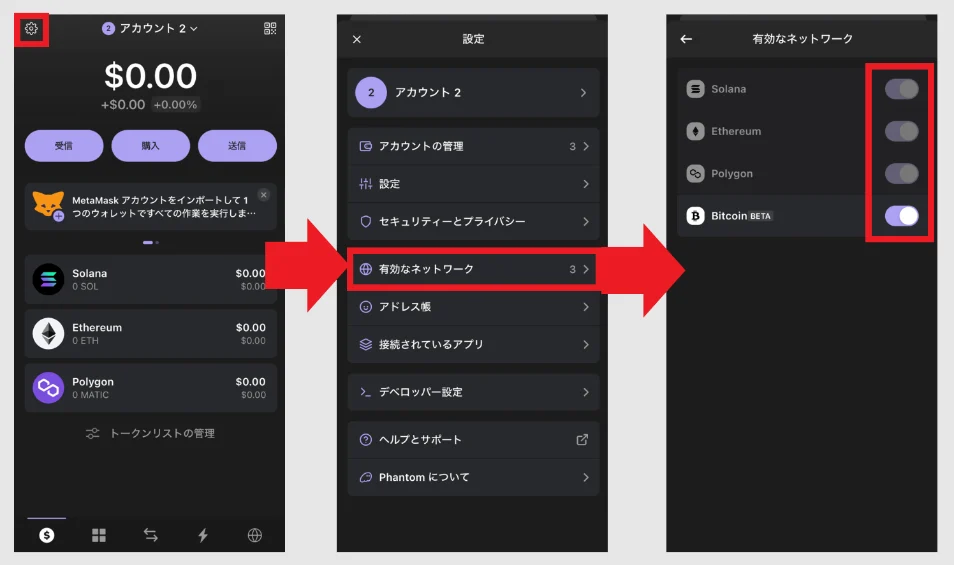
The landscape of decentralized finance (DeFi) and non-fungible tokens (NFTs) has undergone a significant transformation since the inception of self-custody wallets. Among the most prominent tools in this sector is Phantom Wallet, a non-custodial digital asset manager that has evolved from a Solana-centric interface into a robust multi-chain powerhouse. As the digital asset market continues to mature, understanding the technical nuances, security protocols, and integrated features of such wallets is essential for both retail and institutional participants. This report provides an exhaustive analysis of Phantom Wallet’s capabilities, its strategic expansion into Ethereum and Polygon ecosystems, and a detailed guide on its operational mechanics.
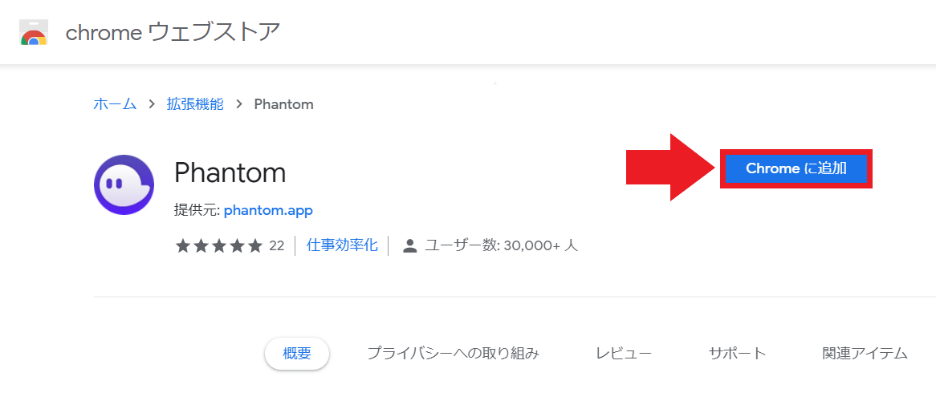
The Evolution of Phantom: From Solana Specialist to Multi-Chain Powerhouse
Launched in early 2021, Phantom initially served as the primary gateway to the Solana blockchain. At the time, the Solana ecosystem was experiencing rapid growth due to its high throughput and low transaction costs, yet it lacked a user-friendly wallet interface comparable to Ethereum’s MetaMask. Phantom filled this void, offering a sleek, intuitive UI that simplified complex blockchain interactions.
By late 2022 and throughout 2023, the development team at Phantom shifted toward a multi-chain strategy. Recognizing that the future of Web3 is fragmented across various Layer 1 and Layer 2 solutions, Phantom integrated support for Ethereum and Polygon. This transition allowed users to manage assets across the three most active ecosystems for NFTs and DeFi within a single interface. This move significantly reduced the friction associated with switching between different wallet extensions, positioning Phantom as a direct competitor to established players in the Ethereum space.
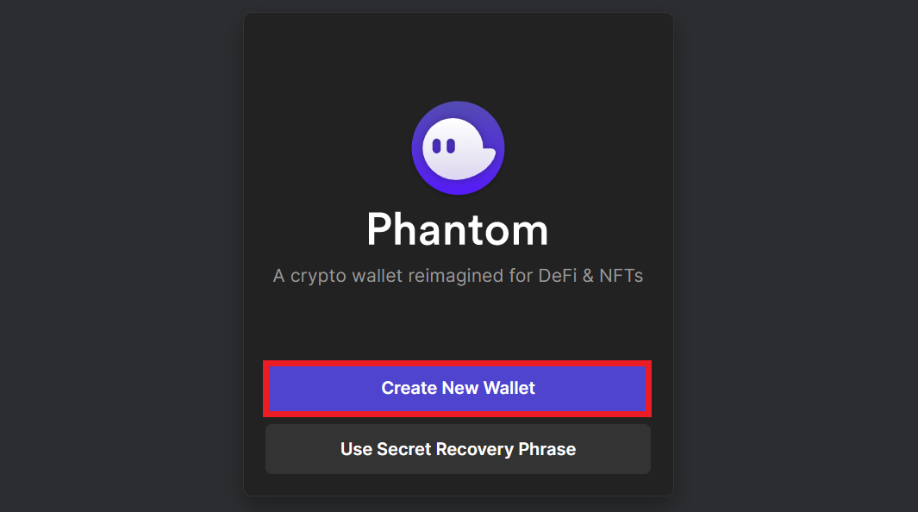
Security and Self-Custody: Establishing a New Wallet
The foundational principle of Phantom is self-custody, meaning users have total control over their private keys and, by extension, their funds. This eliminates the counterparty risk associated with centralized exchanges but places the burden of security entirely on the user.
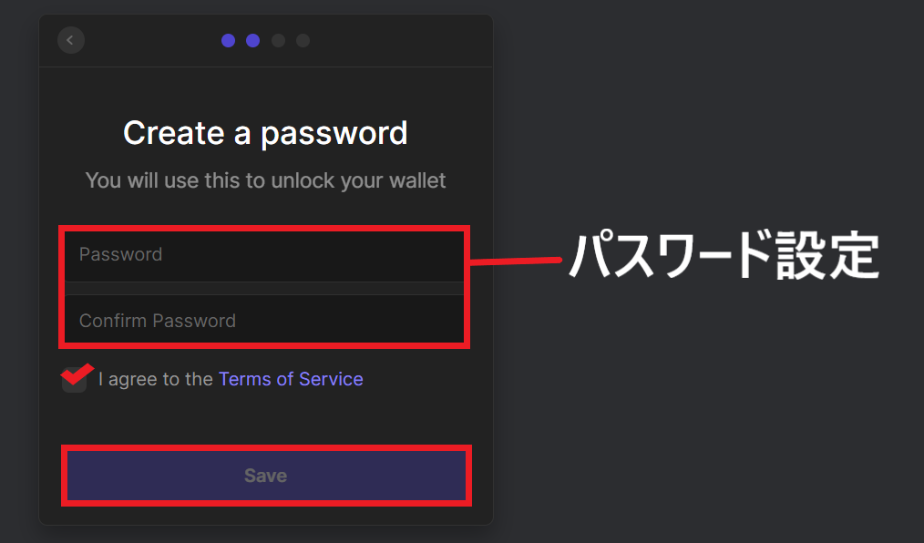
Initial Setup and the Recovery Phrase
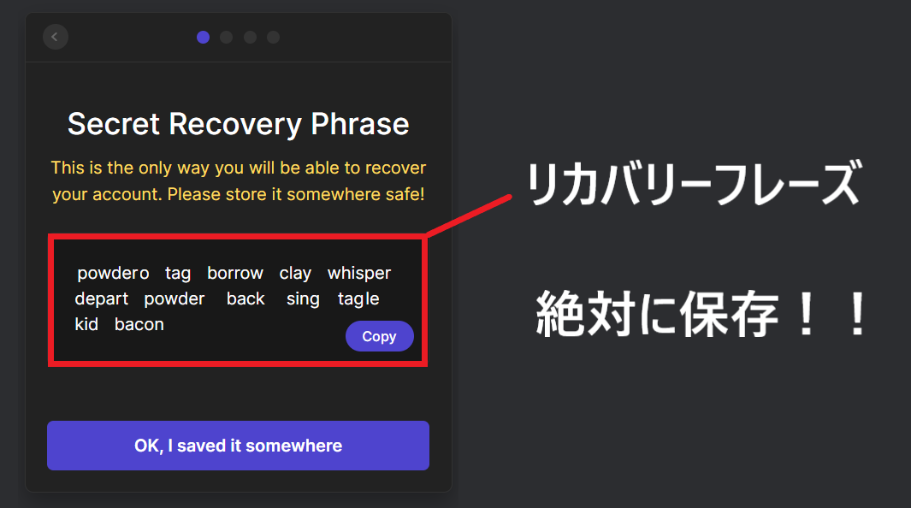
When creating a new wallet, Phantom generates a 12-word "Secret Recovery Phrase." This phrase is the master key to the account. From a technical standpoint, this phrase is a human-readable representation of the wallet’s private key. If a user loses access to their device, this phrase is the only way to recover funds. Conversely, if a third party gains access to this phrase, they have full control over the assets.
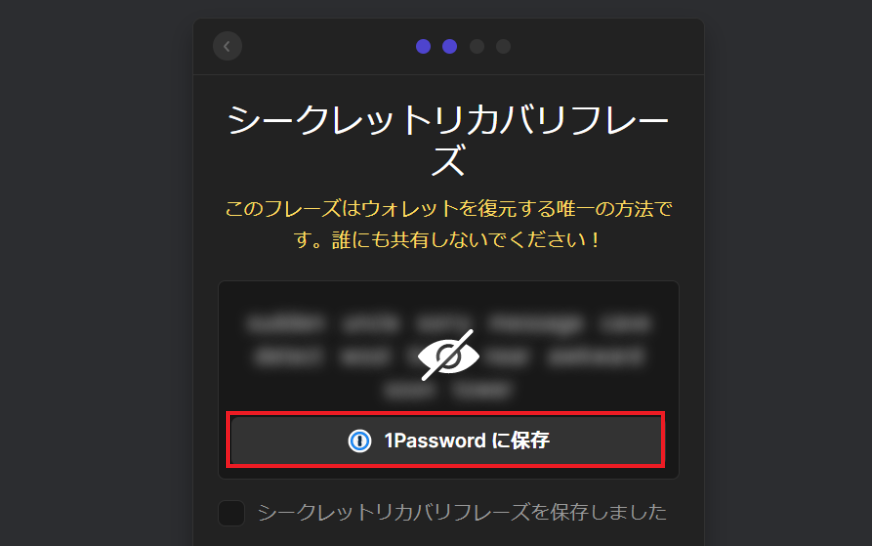
A notable feature in Phantom’s security suite is its integration with 1Password. This partnership allows users to store their recovery phrases and private keys within an encrypted password manager, mitigating the risks associated with physical theft or accidental loss of paper backups.
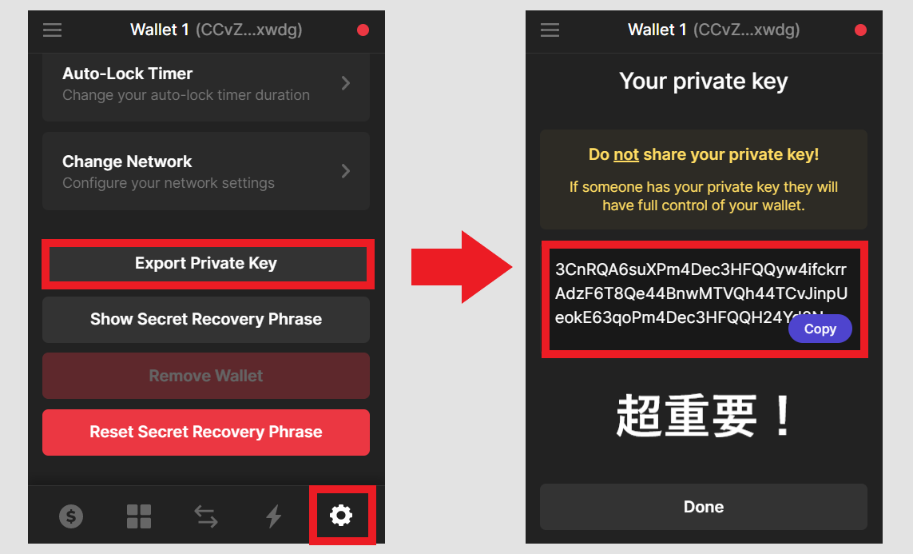
Password Protection and Biometrics
Beyond the recovery phrase, the wallet is protected by a user-defined password for daily access on browser extensions. On mobile platforms (iOS and Android), Phantom utilizes biometric authentication, such as FaceID or fingerprint scanning, to sign transactions. This multi-layered approach ensures that even if a device is compromised, the assets remain protected by secondary authentication barriers.
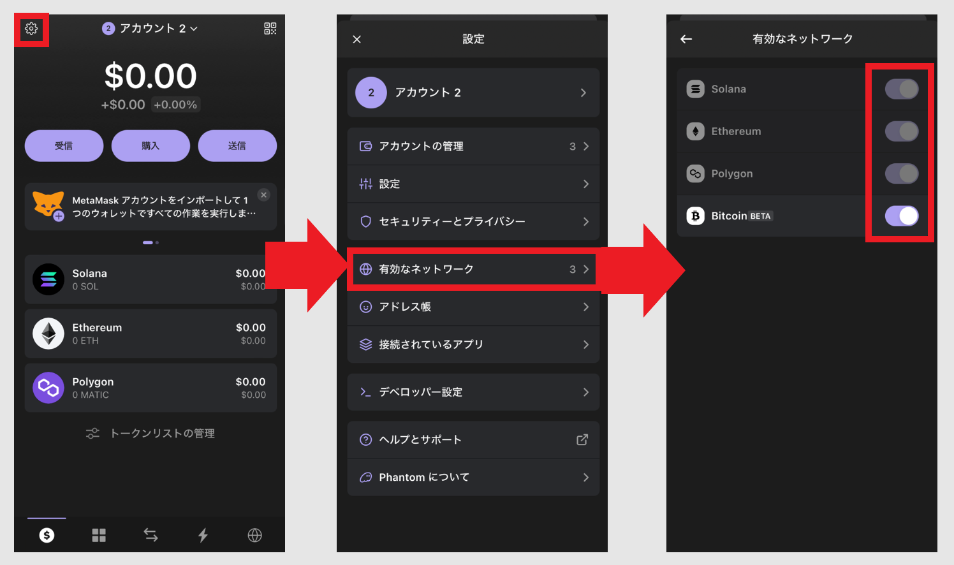
Advanced Asset Management: Staking, Swapping, and Bridging
Phantom has integrated several core DeFi functionalities directly into its interface, allowing users to perform complex financial operations without navigating to external decentralized applications (dApps).
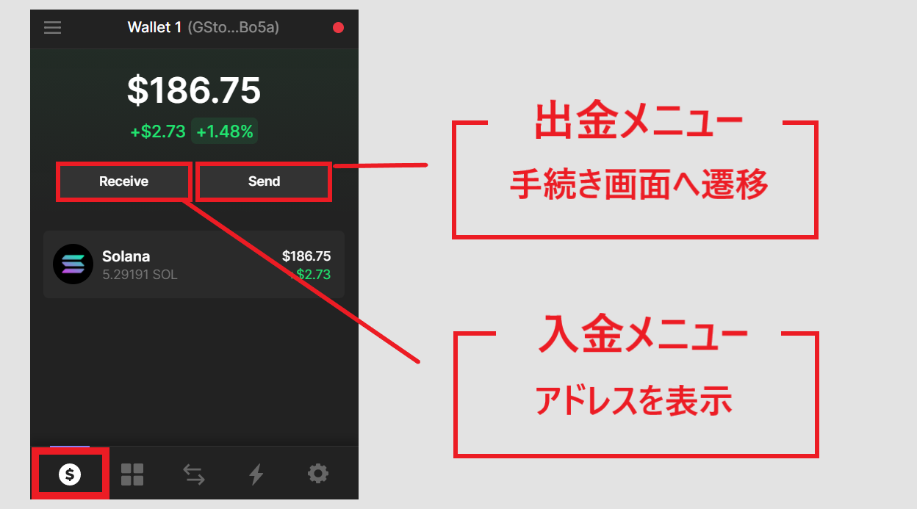
SOL Staking and Liquid Staking
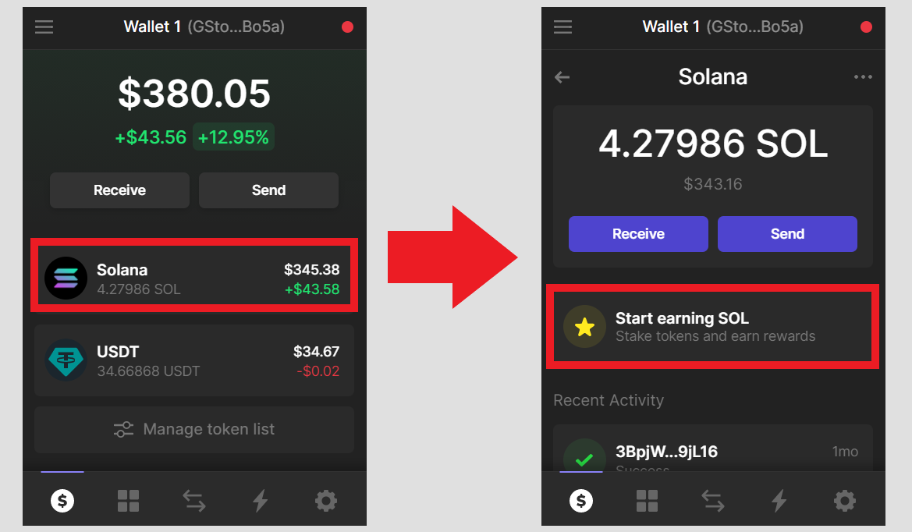
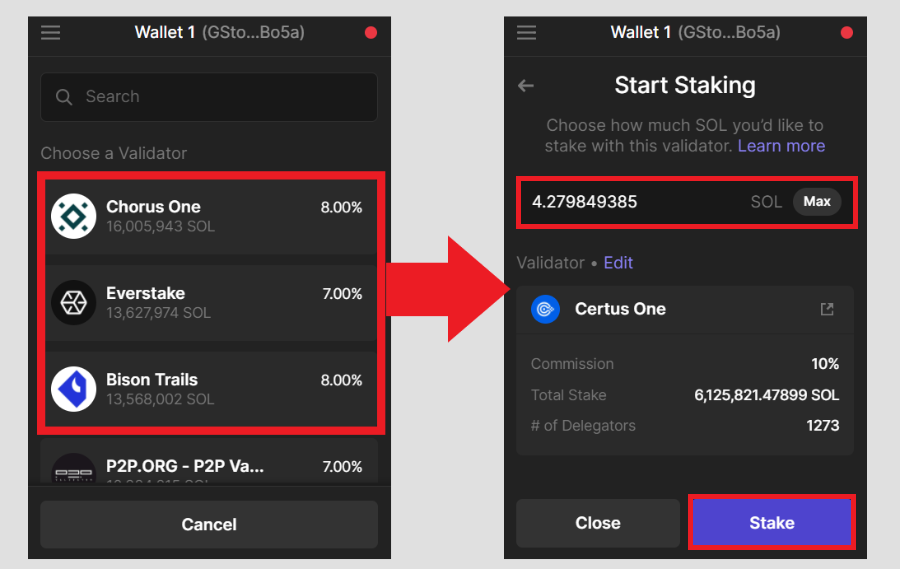
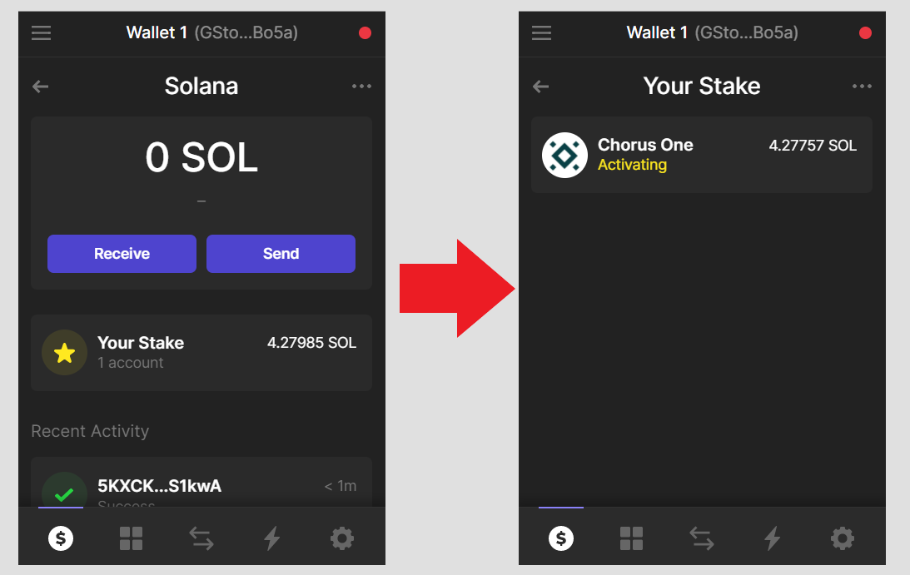
Staking is a critical component of Proof-of-Stake (PoS) networks like Solana. Phantom allows users to stake their SOL tokens directly within the wallet to earn inflationary rewards. Users can select from a list of validators, each with different commission rates and performance metrics.
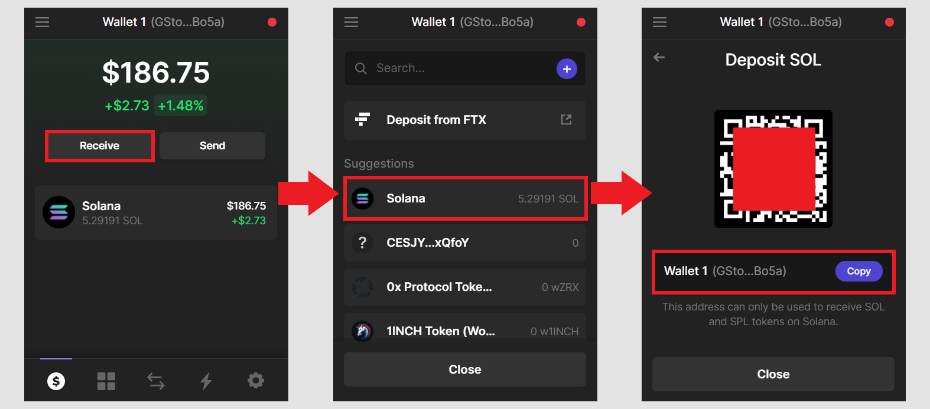
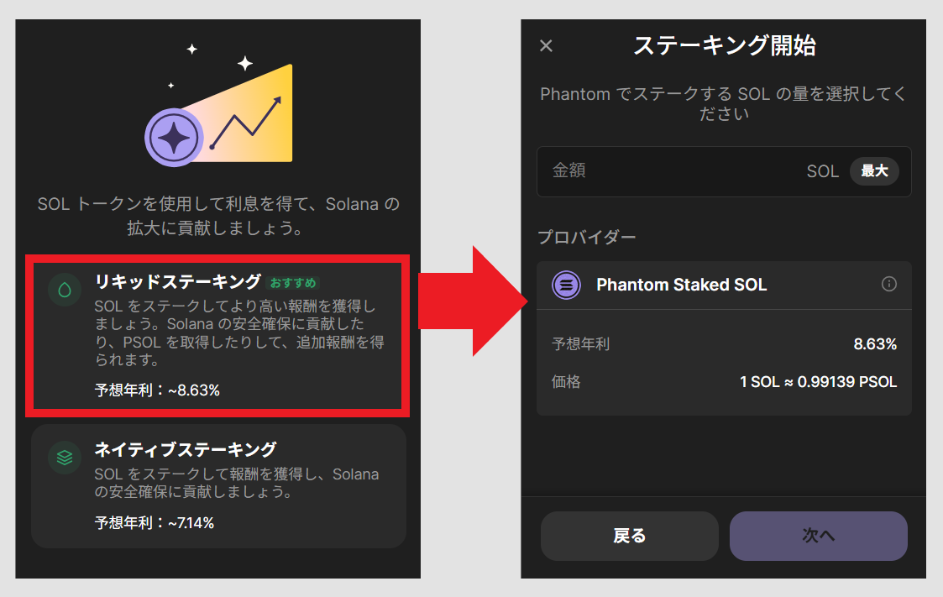
Furthermore, Phantom supports Liquid Staking Tokens (LSTs), specifically its native LST known as PSOL. Unlike traditional staking, where tokens are locked and illiquid, liquid staking provides users with a derivative token (PSOL) representing their staked position. This allows users to earn staking rewards while simultaneously using the derivative token in other DeFi protocols, such as lending markets or liquidity pools.
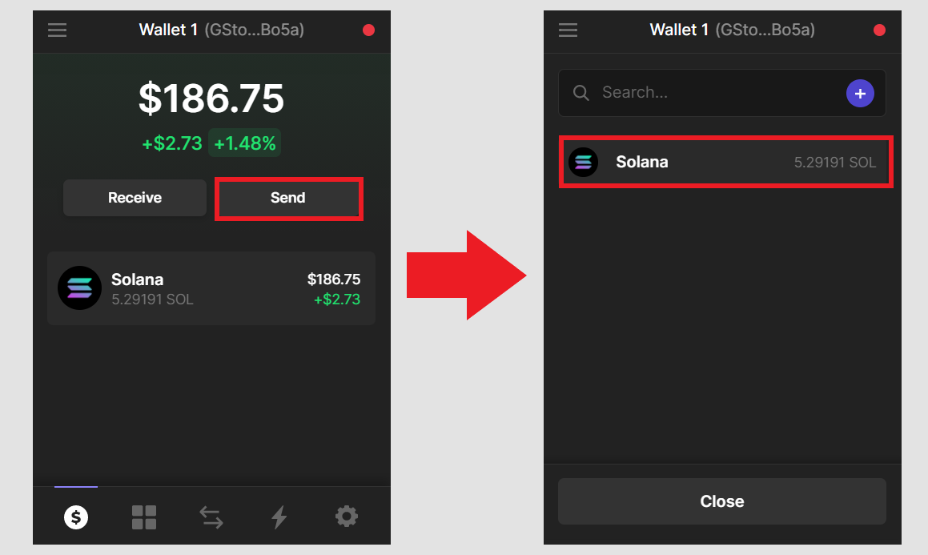
In-Wallet Swaps
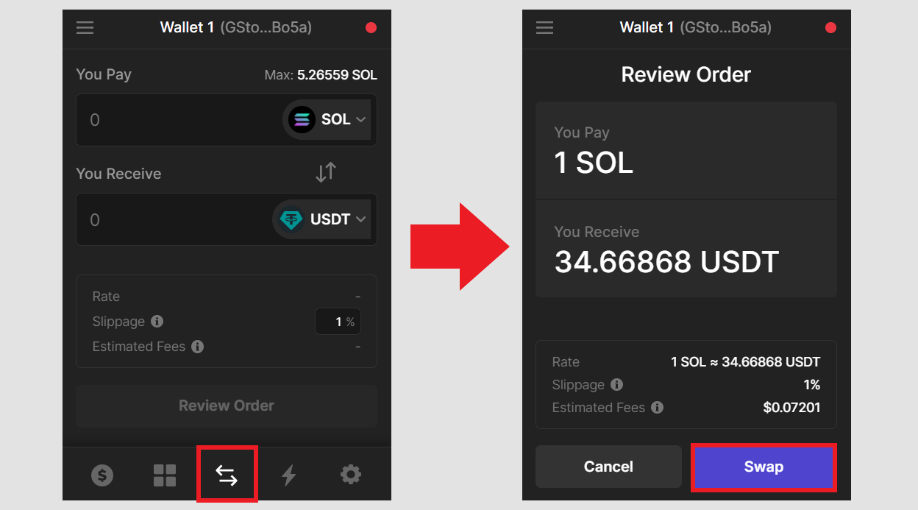
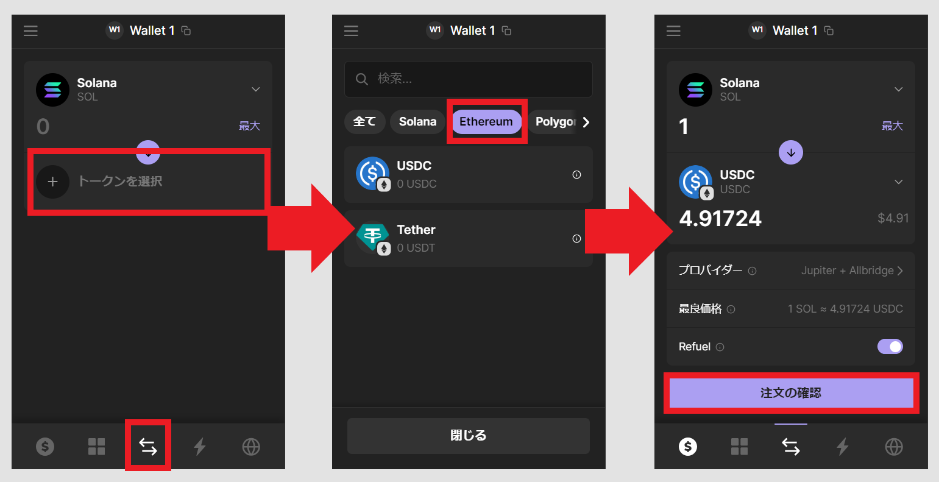
The "Swap" feature utilizes decentralized exchange (DEX) aggregators to find the best possible price for asset pairs across various liquidity sources. By integrating this into the wallet, Phantom provides a simplified experience for users who wish to trade tokens without manually connecting to platforms like Jupiter or Raydium. The interface provides real-time data on slippage, exchange rates, and estimated transaction fees.
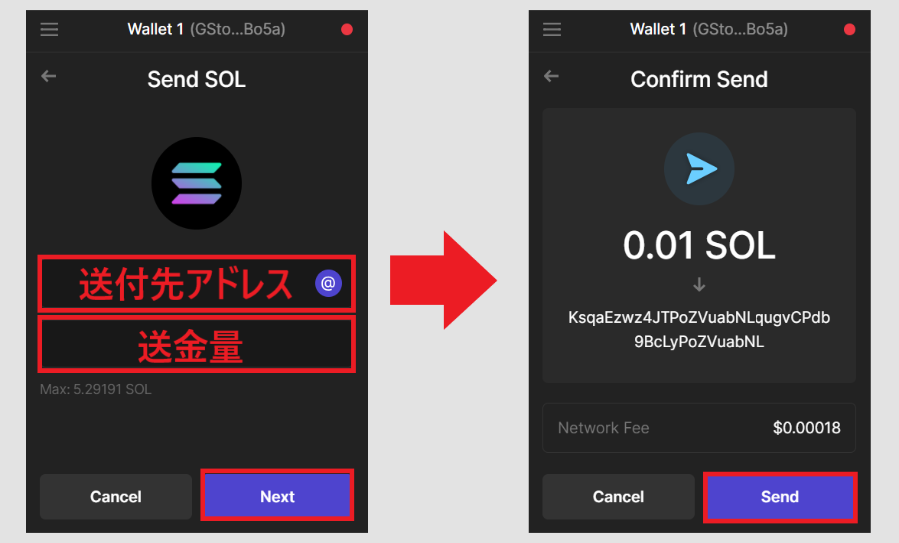
Cross-Chain Bridging
One of the most significant technical hurdles for crypto users is moving assets between different blockchains. Phantom’s "Bridge" feature facilitates the movement of tokens between Solana, Ethereum, and Polygon. This is achieved through integrations with cross-chain messaging protocols, allowing users to migrate their capital to where it is most productive without needing to use centralized intermediaries.
The NFT Frontier: Direct Marketplace Integration and Spam Mitigation
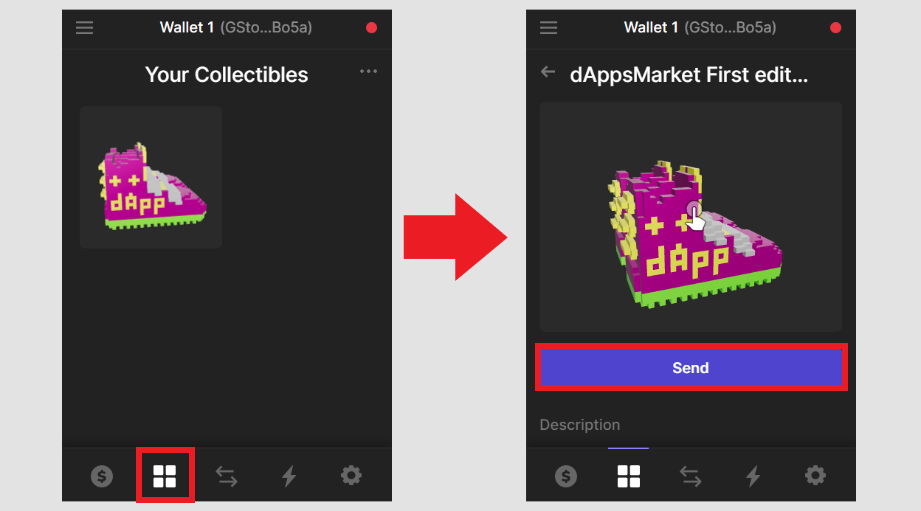
Phantom’s approach to NFTs has been a primary driver of its adoption. The wallet provides a highly visual gallery for digital collectibles, supporting various media formats including images, GIFs, and videos.
Magic Eden Integration
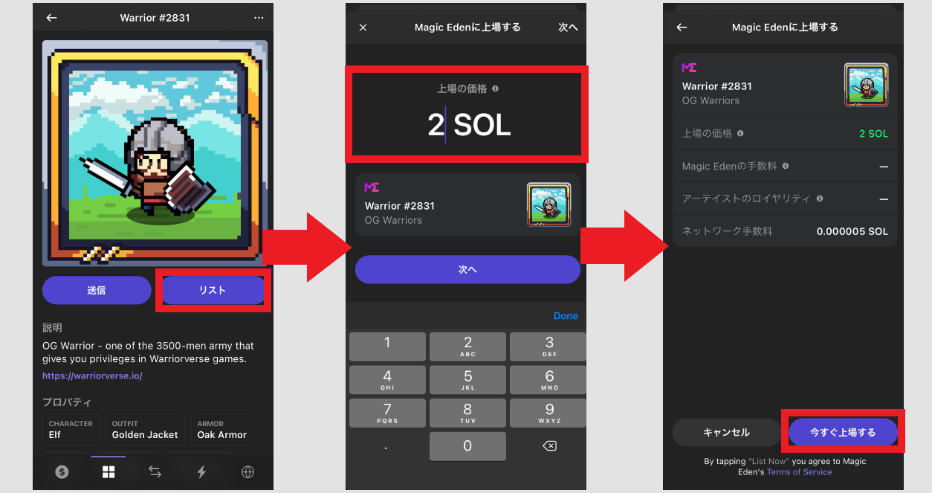
In a strategic partnership with Magic Eden, the leading NFT marketplace on Solana, Phantom allows users to list their NFTs for sale directly from the wallet interface. This integration streamlines the selling process, as users no longer need to navigate to the Magic Eden website, connect their wallet, and search for their collection. The "List for Sale" feature includes tools for setting floor prices and viewing collection-wide statistics.
NFT Minting
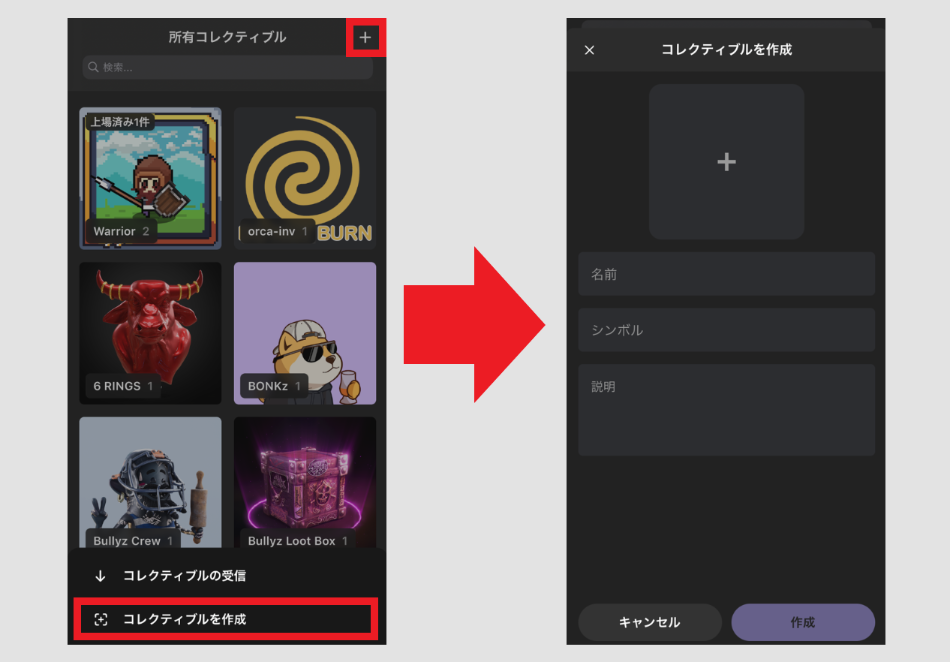
Phantom also facilitates the creation of NFTs. Users can upload media files, add metadata (names and descriptions), and mint them as tokens on the blockchain. This democratizes the creation process, allowing individuals to tokenize digital assets with minimal technical expertise.
Combatting Spam: The Burn Feature
A common issue in the Solana ecosystem is "dusting" attacks, where malicious actors send unsolicited NFTs to thousands of wallets. These NFTs often contain links to phishing sites. Phantom addressed this by implementing a "Burn" feature. Users can select unwanted or fraudulent NFTs and "burn" them, effectively removing them from the blockchain. As a reward for cleaning up the network, users receive a small amount of SOL, which is reclaimed from the "rent" deposit required to store the NFT data on-chain.
Expanding the DeFi Horizon: Perpetuals and Prediction Markets
To cater to more advanced traders, Phantom has incorporated features traditionally reserved for sophisticated trading platforms.
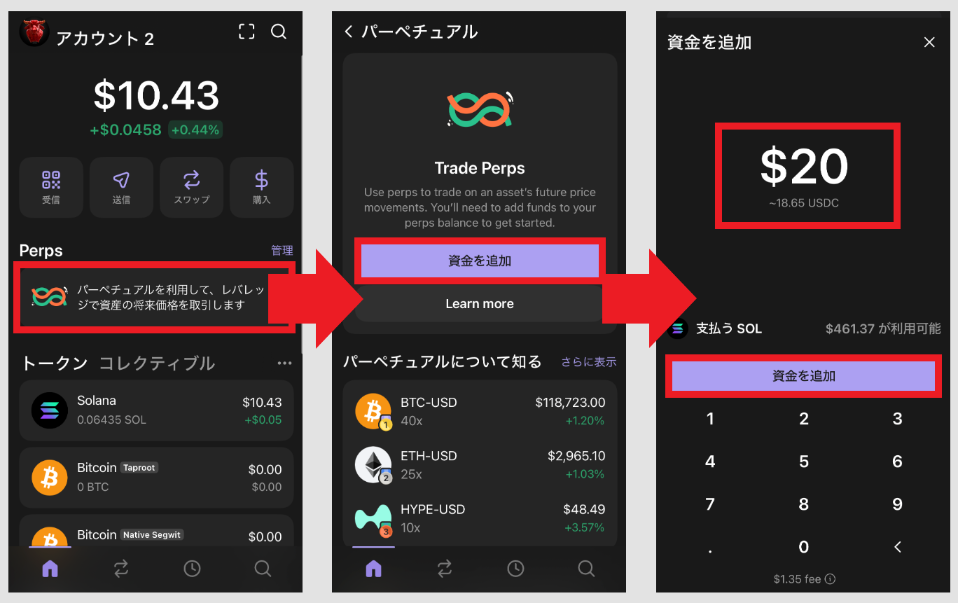
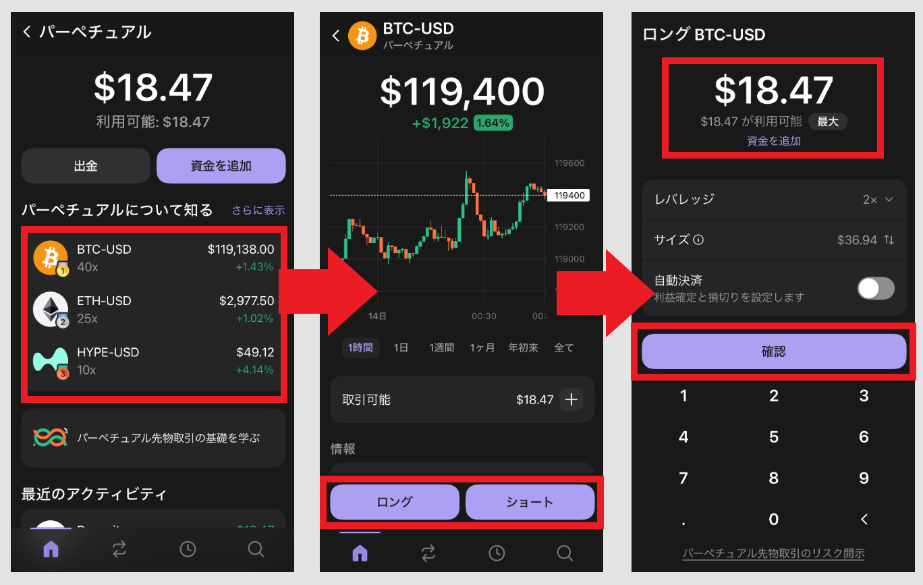
Perpetuals Trading via Hyperliquid
Through an integration with Hyperliquid, Phantom supports perpetual futures trading. Users can take long or short positions on major assets like Bitcoin (BTC) and Ethereum (ETH) with up to 40x leverage. This feature operates on a decentralized order book, providing the transparency of on-chain mechanics with the speed of a centralized exchange. Users must provide collateral (typically SOL or stablecoins) to open these positions, and the wallet provides clear data on liquidation prices and unrealized profit/loss.
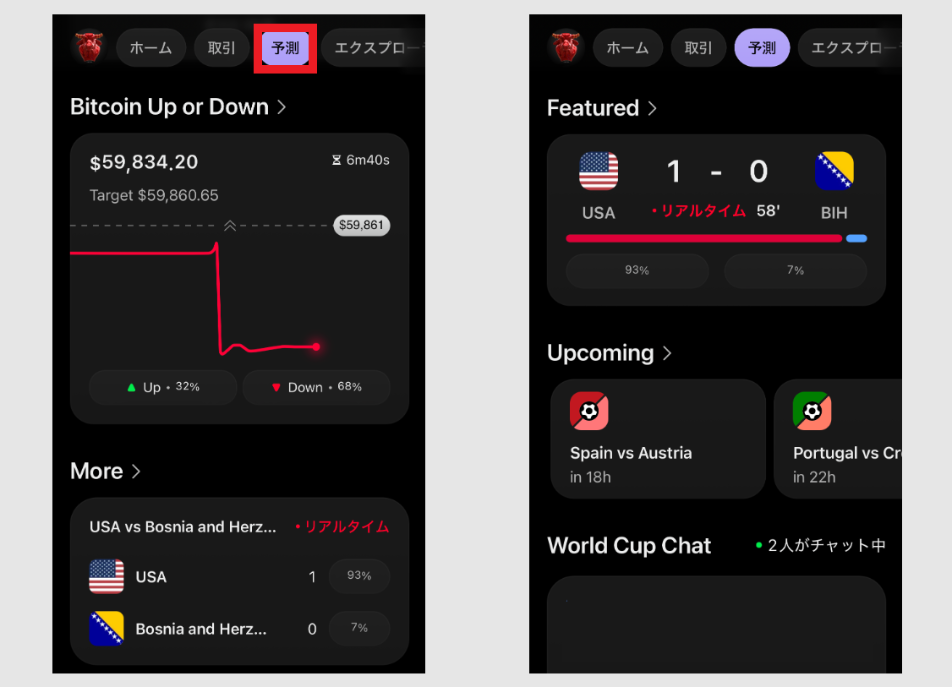
Prediction Markets
The wallet has also integrated access to prediction markets, where users can bet on the outcome of real-world events, such as elections, sports results, or economic indicators. While participation in these markets may be subject to regional jurisdictional restrictions, the integration demonstrates Phantom’s goal of becoming a comprehensive financial dashboard.
Security Maintenance: The Revoke Function
A critical yet often overlooked aspect of blockchain safety is managing dApp permissions. When a user interacts with a DeFi protocol, they often grant that protocol "approval" to spend their tokens. If the protocol is later compromised, the attacker could theoretically drain the user’s wallet.
Phantom’s "Revoke" feature allows users to view all active permissions they have granted to various dApps. Users can periodically review this list and disconnect from services they no longer use or those they deem suspicious. This "security hygiene" is vital for long-term asset protection in the volatile Web3 environment.
Chronology of Key Developments
To understand Phantom’s current market position, it is helpful to view its development timeline:

- April 2021: Phantom launches its browser extension for Solana, quickly becoming the ecosystem’s preferred wallet.
- January 2022: Phantom raises $109 million in Series B funding led by Paradigm, achieving a "unicorn" valuation of $1.2 billion.
- February 2022: The mobile app launches on iOS, followed shortly by an Android release, significantly expanding the user base.
- May 2023: Phantom officially rolls out multi-chain support for Ethereum and Polygon, marking its transition into a general-purpose Web3 wallet.
- Late 2023 – 2024: Integration of advanced features like perpetuals trading, liquid staking, and the "Burn" mechanism for spam NFTs.
Impact and Implications for the Crypto Ecosystem
The rise of Phantom Wallet has broader implications for the cryptocurrency industry. By prioritizing user experience (UX) without compromising the core tenets of decentralization, Phantom has lowered the barrier to entry for millions of users. Its multi-chain expansion signals a move toward "chain abstraction," where the average user no longer needs to worry about which specific blockchain they are using; instead, they focus on the assets and applications themselves.
Furthermore, Phantom’s proactive approach to security—such as transaction previews that warn users of potential malicious outcomes before they sign—sets a new standard for wallet providers. As the industry faces ongoing scrutiny regarding hacks and scams, the role of the wallet as a "protective layer" becomes increasingly paramount.
In conclusion, Phantom Wallet represents the next generation of digital asset management. Its combination of multi-chain versatility, integrated DeFi tools, and robust security features makes it an indispensable tool for navigating the complexities of the modern blockchain landscape. Whether for simple token transfers, high-stakes perpetuals trading, or NFT collection management, Phantom provides a centralized hub for the decentralized world. As the boundaries between different blockchain networks continue to blur, Phantom’s role as a cross-chain navigator is likely to expand, further cementing its position as a cornerstone of the Web3 infrastructure.