The landscape of decentralized gaming has reached a pivotal milestone with the maturation of Illuvium, a premier decentralized gaming studio that has successfully bridged the gap between high-fidelity traditional gaming and blockchain-based economic models. As an interoperable blockchain game (IBG) ecosystem, Illuvium offers a sophisticated blend of open-world exploration, strategic auto-battler combat, and industrial land management, all underpinned by the Ethereum blockchain. By utilizing the Immutable X layer-2 scaling solution, the project has effectively eliminated the traditional barriers of entry for mainstream gamers, specifically the high gas fees and slow transaction speeds that historically plagued the Web3 sector. This comprehensive integration of diverse gameplay genres into a singular, cohesive narrative and economic universe represents a significant evolution in the "Play-to-Earn" philosophy, transitioning toward a more sustainable "Play-and-Earn" model that prioritizes player engagement and high production values.
The Core Pillars of the Illuvium Universe
The Illuvium ecosystem is not a singular title but a tripartite collection of games that share a unified asset pool, primarily centered around creatures known as Illuvials. These creatures are represented as Non-Fungible Tokens (NFTs) that players can capture, trade, and utilize across different game modes. The three primary components—Illuvium: Overworld, Illuvium: Arena, and Illuvium: Zero—each cater to different player archetypes while maintaining a symbiotic relationship within the game’s economy.
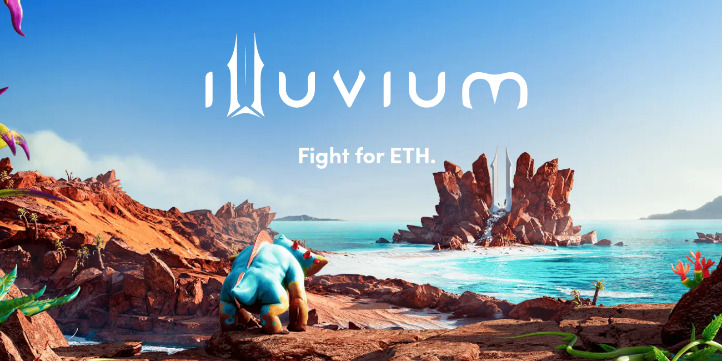
Illuvium: Overworld serves as the flagship RPG experience. In this mode, players take on the role of a survivor on a shattered alien planet, exploring diverse biomes to find and capture Illuvials. The gameplay involves traversing 3D environments using advanced movement mechanics such as jetpacks and gravity boots, while collecting resources and tracking rare creatures. The "capture" mechanic is central to the experience; players must defeat Illuvials in combat and then use "Shards"—the ecosystem’s equivalent of capture devices—to secure them. The quality of the Shard determines the success rate, creating a direct link between in-game resource management and the acquisition of valuable NFT assets.
Illuvium: Arena provides the competitive backbone of the project. It is a strategic auto-battler where players deploy their collected Illuvials on a grid-based battlefield. Drawing heavy inspiration from titles like Teamfight Tactics (TFT) and Auto Chess, the Arena requires deep knowledge of synergies, positioning, and elemental counters. Each Illuvial possesses unique attributes and classes, and the strategic layer is deepened by the "Fusion" system, which allows players to merge three identical, max-level Illuvials into a more powerful, evolved form. This mechanic not only provides a progression path for players but also acts as a deflationary pressure on the NFT supply.
Illuvium: Zero rounds out the ecosystem as a mobile and desktop industrial simulation game. Players manage land plots, which are themselves NFTs, to extract resources and generate "Fuel." This Fuel is a critical utility token required for travel and capture in the Overworld, as well as for crafting items in the Arena. By linking land ownership to the core gameplay loop of the RPG, the developers have created a closed-loop economy where landholders and active players are mutually dependent, fostering a robust internal marketplace.

Technical Specifications and Strategic Synergies
The strategic depth of Illuvium is rooted in its complex system of elemental affinities and character classes. There are five primary affinities: Water, Fire, Earth, Air, and Nature. Beyond these base elements, the game features composite affinities—such as "Frost" (Air + Water) or "Inferno" (Fire + Fire)—which grant specialized bonuses and resistances. Similarly, the class system includes Fighters, Guardians, Rogues, Psions, and Empaths. When players build a team, they must account for "Synergies," which are activated when multiple creatures of the same affinity or class are present on the field.
Supporting data suggests that the most successful players in the competitive Arena spend significant time optimizing these synergies. In the current meta, hybrid builds that balance defensive "Guardian" traits with high-damage "Inferno" affinities have shown a higher win rate in high-tier ranked play. This complexity ensures that the game remains a skill-based endeavor rather than a "pay-to-win" environment, as the tactical placement of units often outweighs the raw power of individual rare NFTs.
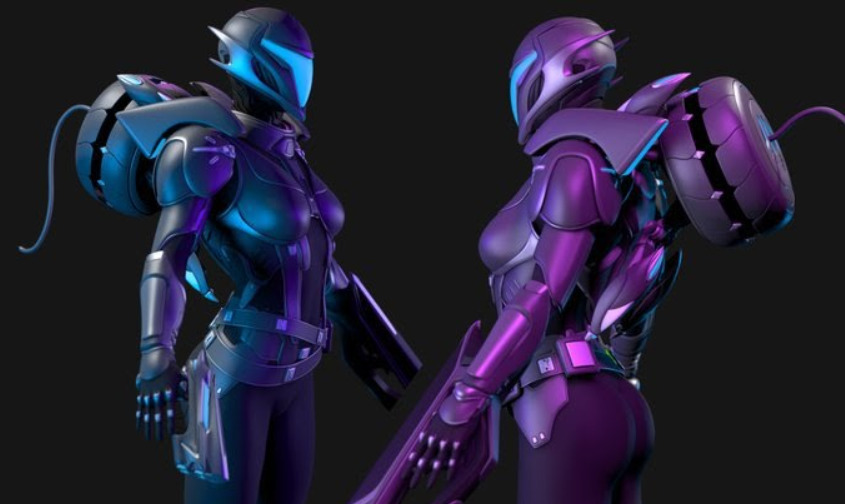
The player character also plays an active role in combat. Unlike many monster-collection games where the protagonist remains on the sidelines, players in Illuvium can equip armor and weapons crafted from the ores and gemstones mined within the Overworld. These items allow the player character to join the fray, providing additional buffs or damage to their team. This integration of the player avatar into the combat grid further distinguishes Illuvium from its contemporaries in the auto-battler genre.
Chronology of Development and Economic Milestones
The journey of Illuvium began in late 2020, led by co-founders Kieran Warwick, Aaron Warwick, and Grant Warwick. The project quickly gained traction due to its "AAA" ambitions, contrasting with the pixelated or simplistic graphics common in early blockchain games.
- 2021-2022: The project successfully raised millions in seed funding and conducted one of the most successful Land Sales in history, generating over $72 million in revenue despite a broader market downturn. This period also saw the launch of the $ILV staking platform, which allowed early supporters to earn rewards and participate in governance.
- 2023-2024: The team focused on Private Beta testing for the Arena and Overworld. Feedback from these sessions led to a total overhaul of the movement system in the Overworld and a rebalancing of the 100+ Illuvials planned for "Set 1."
- 2025-Early 2026: The ecosystem moved into its Open Beta phase, transitioning to the "Mainnet" on Immutable X. This era was defined by the integration of the "IlluviDex," a decentralized exchange specifically designed for the Illuvium ecosystem, allowing for near-instant, gas-free trading of game assets.
- July 2026: The current update marks the implementation of the "Season 3" reward structure and the introduction of "Set 2" Illuvials. This update has expanded the total number of unique creatures to over 150 and introduced the "Gauntlet" mode, a high-stakes PVE challenge where players can earn rare cosmetic skins and blueprints.
The $ILV Token and Decentralized Governance
At the heart of the project is the $ILV token. Unlike many other gaming tokens, $ILV is not used as an in-game currency for small transactions; instead, those are handled by $sILV2 (a synthetic version) or ETH. The $ILV token serves three primary functions: governance, staking, and revenue distribution.
The Illuvium DAO (Decentralized Autonomous Organization) allows token holders to vote on "Illuvium Configuration Proposals" (ICPs) and "Illuvium Improvement Proposals" (IIPs). This democratic approach has been instrumental in shaping the game’s development, with the community voting on everything from the frequency of new Illuvial releases to the specifics of the revenue distribution model.

A unique feature of the Illuvium economy is "Vault Revenue Distribution." All revenue generated within the game—from land sales, fuel purchases, and marketplace fees—is used by the DAO to purchase $ILV from the open market, which is then distributed to stakers. This creates a direct correlation between the game’s commercial success and the value returned to the token-holding community. Recent financial reports from the DAO indicate that this "yield" mechanism has remained a primary driver for long-term retention among the project’s "whales" and institutional backers.
Broader Impact and Industry Implications
The success of Illuvium has significant implications for the broader gaming industry. By proving that a blockchain game can compete with traditional titles in terms of graphical fidelity and gameplay depth, Illuvium has challenged the skepticism often directed at Web3 technologies. The project’s use of Unreal Engine 5 has set a visual standard that few other decentralized projects have been able to match.
Industry analysts suggest that Illuvium’s "interoperable" model—where an asset bought in one game is useful in two others—could become the blueprint for future metaverse developments. "The ability to take a creature you captured in a mobile sim and use it to win a high-stakes tournament in a PC auto-battler is the ‘holy grail’ of digital ownership," noted one lead analyst at a major digital assets firm.
Furthermore, the project’s commitment to a "free-to-play" entry point has been lauded as a vital move for mass adoption. New players can start in a "Tier 0" zone in the Overworld, capturing non-NFT versions of Illuvials to learn the mechanics without any upfront investment. This "on-ramp" strategy has successfully converted a significant percentage of traditional gamers into the NFT ecosystem, as they eventually seek to capture rare, tradable versions of the creatures they have grown to enjoy.
Future Outlook
As of mid-2026, the Illuvium team is looking toward the mobile release of the Overworld and the expansion of the "Illuvium Beyond" collectible card game. The roadmap also includes plans for a "Creator Program" to incentivize streamers and content creators to build communities around the Arena’s competitive scene.
While the blockchain gaming sector remains volatile, Illuvium’s robust infrastructure, high production values, and complex internal economy provide a strong foundation for continued growth. The upcoming "World Championship" tournament, boasting a prize pool funded by the DAO’s treasury, is expected to draw record-breaking viewership, further cementing Illuvium’s status as a leader in the next generation of digital entertainment. The project stands as a testament to the potential of decentralized technology to not just change how games are funded, but how they are played and valued by a global audience.