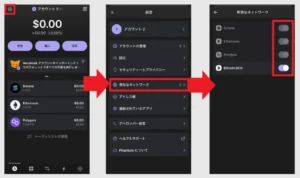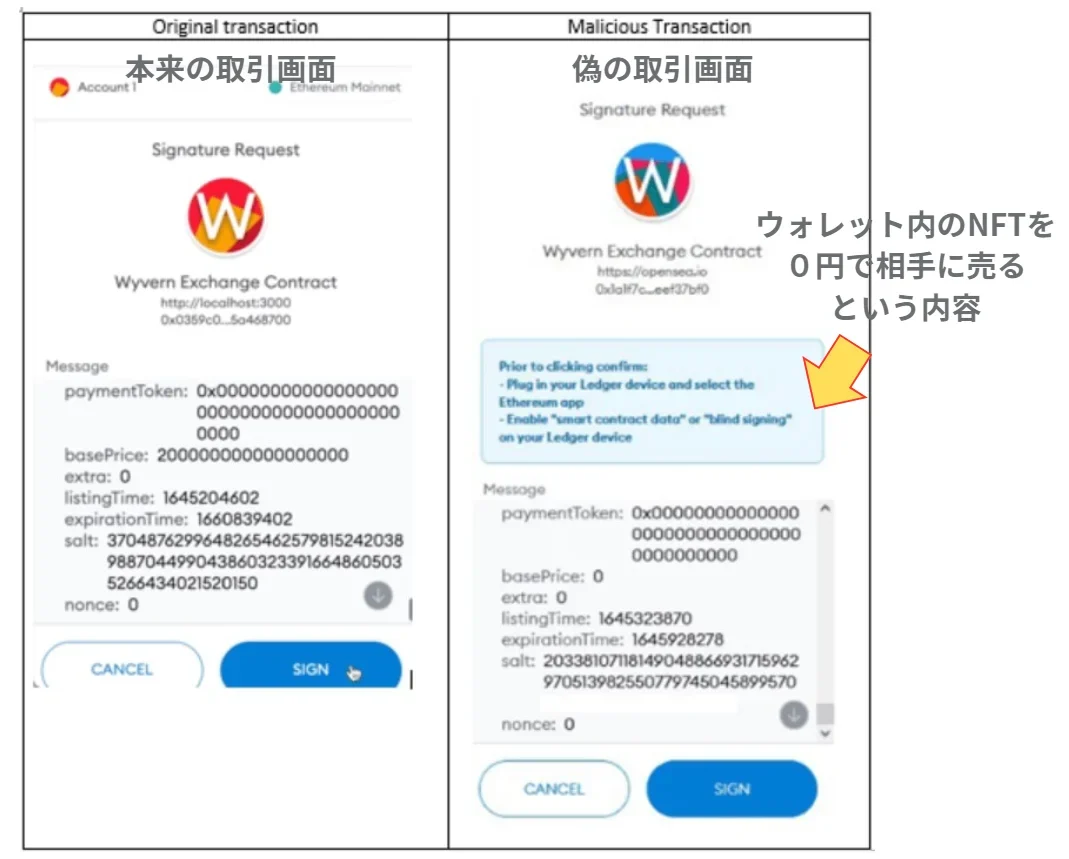
The rapid evolution of the Web3 landscape has introduced a paradigm shift in how individuals interact with digital value, moving away from centralized intermediaries toward a model of self-sovereign ownership. However, this transition to a decentralized internet has simultaneously birthed a sophisticated underworld of cybercrime, where the burden of security rests entirely on the end-user. In an ecosystem governed by the principle of "code is law," the lack of traditional safety nets—such as bank-mediated fraud protection or reversible transactions—means that a single lapse in judgment can lead to the permanent loss of assets. As the total value locked in decentralized finance (DeFi) and non-fungible tokens (NFTs) continues to fluctuate, the necessity for robust security literacy has moved from a niche requirement to a fundamental necessity for all market participants.

The Architecture of Self-Responsibility in a Decentralized World
Web3 is defined by its lack of a central authority. While this decentralization offers unprecedented freedom and privacy, it fundamentally alters the security landscape. In traditional finance, institutions act as custodians, verifying identities and providing a buffer against unauthorized access. In contrast, Web3 operates on blockchain technology, where transactions are immutable and pseudonymous. The "self-responsibility" doctrine of Web3 implies that users are their own banks.
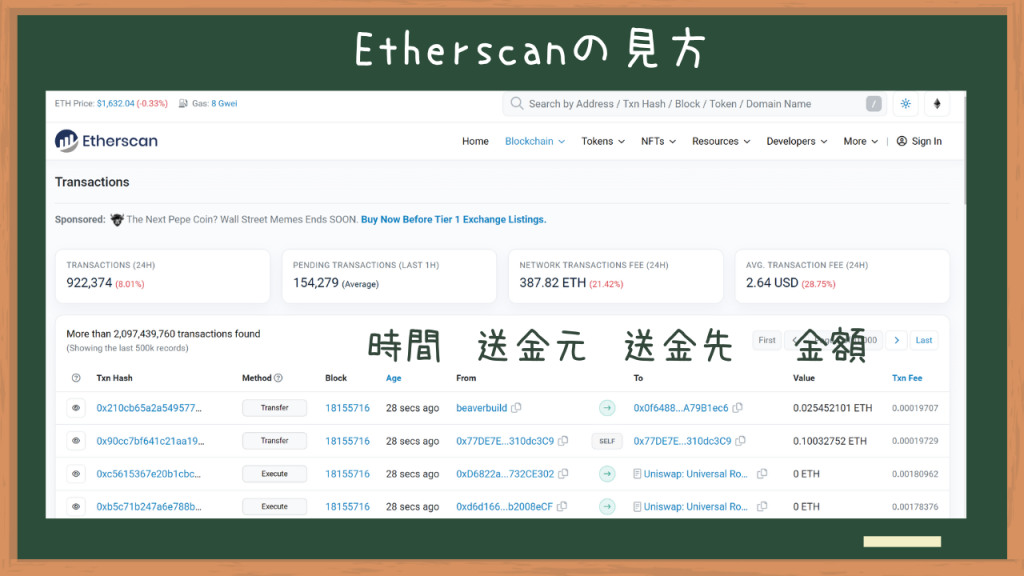
One of the most significant risks in this environment is the inherent transparency of the blockchain. Tools such as Etherscan, BscScan, and Solscan allow anyone to view the transaction history and asset holdings of any public wallet address. While this transparency is vital for auditing and trust in decentralized protocols, it also provides a roadmap for malicious actors. Scammers frequently use these block explorers to identify "whales"—users with high-value holdings—and target them with sophisticated phishing campaigns or malicious token airdrops. By monitoring real-time activity on the Ethereum or Polygon networks, attackers can time their interventions to coincide with a user’s active participation in a new project or minting event.

Chronology of Modern Web3 Exploits and Social Engineering
The lifecycle of a Web3 scam typically follows a structured path of social engineering, technical deception, and eventual asset drainage. Understanding this chronology is essential for identifying threats before they escalate.
- The Initial Contact: Most exploits begin on social platforms such as Discord or X (formerly Twitter). Attackers often compromise the accounts of project founders or community moderators to post "emergency" announcements or "limited-time" minting opportunities.
- The Bait: Users receive direct messages (DMs) or are tagged in posts claiming they have won a giveaway or are eligible for an exclusive airdrop. These messages are designed to create a sense of urgency (FOMO), prompting the user to act quickly without verifying the source.
- The Phishing Gateway: The user is directed to a fraudulent website that perfectly mimics an official platform, such as OpenSea, Blur, or MetaMask. These sites often use "typosquatting," where the URL is nearly identical to the original (e.g.,
opensea.iovs.opensea.net-secure.app). - The Malicious Approval: Once the wallet is connected to the fake site, the user is prompted to sign a transaction. Crucially, this is often not a simple transfer but an "Approval" transaction. By signing, the user inadvertently grants the attacker’s smart contract permission to spend a specific token or NFT on their behalf.
- The Drain: With the approval secured, the attacker executes a function to transfer the assets from the victim’s wallet to their own, often within seconds of the signature.
Supporting Data: The Rising Cost of Insecurity
Market analysis from cybersecurity firms highlights the staggering scale of these threats. According to reports from Chainalysis and Immunefi, cryptocurrency losses due to hacks and scams in 2023 totaled approximately $1.7 billion. While this represented a decrease from the record-breaking $3.8 billion lost in 2022—largely due to a decline in major DeFi protocol exploits—individual phishing attacks remain a persistent and growing threat.

Data suggests that "Approval" exploits are among the most common methods for draining individual wallets. Many users do not realize that when they interact with a legitimate DeFi protocol like Uniswap, they often grant "unlimited" approval to move a specific token to facilitate trading. If that protocol is later compromised, or if a user accidentally grants that same unlimited approval to a malicious site, their entire balance of that token is at risk.
Critical Preventative Measures: The Revoke Protocol
To mitigate the risk of approval-based exploits, security experts emphasize the "Revoke" protocol. Revoking is the process of cancelling the permissions previously granted to a smart contract. This is an essential "digital hygiene" practice that should be performed regularly, especially after interacting with new or unverified platforms.

Step-by-Step Guide to Revoking Permissions
The process of revoking is standardized across most EVM-compatible (Ethereum Virtual Machine) chains. Users can utilize block explorers or dedicated security platforms to manage these permissions:
- Access the Token Approval Tool: On Etherscan (for Ethereum) or BscScan (for Binance Smart Chain), users should navigate to the "More" menu and select "Token Approvals."
- Connect the Wallet: The user must connect their Web3 wallet (such as MetaMask) to the site. This allows the tool to read the active permissions associated with that specific address.
- Review Active Approvals: The tool will display a list of all smart contracts that have permission to spend tokens from the wallet, including the "Allowance" (the amount they are allowed to spend).
- Execute the Revoke: For any suspicious or unnecessary entries, the user clicks "Revoke." This action requires a transaction on the blockchain, meaning a small "gas fee" must be paid in the network’s native currency (e.g., ETH or BNB).
- Verification: Once the transaction is confirmed, the smart contract no longer has access to the user’s assets, effectively closing the vulnerability.
The Role of Specialized Security Extensions
In response to the complexity of blockchain transactions, a new category of "Security Layers" has emerged. Tools such as the KEKKAI extension or Revoke.cash browser plugins act as an intermediary between the user’s wallet and the dApp (decentralized application).

These extensions analyze a transaction before the user signs it, providing a "clear language" summary of what the transaction will actually do. For instance, if a transaction is attempting to drain all NFTs or request an unlimited approval for a high-value token, the extension will trigger a high-risk warning. This adds a critical layer of defense against phishing sites that attempt to hide malicious code within seemingly benign "Sign" requests.
Official Responses and the Regulatory Landscape
Regulatory bodies worldwide are increasingly focusing on consumer protection within the Web3 space. The European Union’s Markets in Crypto-Assets (MiCA) regulation and ongoing discussions within the U.S. Securities and Exchange Commission (SEC) are exploring ways to hold platform providers more accountable for security standards.
However, industry leaders argue that while regulation can target centralized exchanges, it cannot easily govern decentralized protocols. Therefore, the official stance from many blockchain foundations (such as the Ethereum Foundation) remains focused on education. They advocate for a "Zero Trust" approach: never click DMs, always verify URLs through multiple independent sources, and use hardware wallets (cold storage) for any assets intended for long-term holding. Hardware wallets like Ledger or Trezor keep private keys offline, ensuring that even if a computer is compromised by malware, the assets cannot be moved without physical confirmation from the user.
Broader Impact and the Path to Mass Adoption
The current "wild west" state of Web3 security is frequently cited as the primary barrier to mass adoption. For the average consumer, the risk of losing their life savings due to a single accidental click is an unacceptable trade-off for the benefits of decentralization.

The industry is currently at a crossroads. For Web3 to reach its next billion users, the user experience (UX) must evolve to make security intuitive rather than manual. Concepts like "Account Abstraction" (ERC-4337) are being developed to allow for more flexible security rules, such as daily spending limits, social recovery of lost keys, and the ability to "pause" a wallet.
Until these technologies become the standard, the burden of security remains a personal responsibility. The mantra for the modern Web3 participant must be one of constant vigilance: verify every link, question every "exclusive" offer, and maintain a rigorous schedule of revoking permissions. In the digital frontier of the decentralized web, education is the only true shield against the evolving tactics of cyber adversaries.