The transition from the traditional internet to Web3—a decentralized ecosystem built on blockchain technology—represents a paradigm shift in how digital value is managed and owned. However, this new frontier of "sovereign ownership" brings with it a stark reality: the total removal of centralized safety nets. In the world of Web3, the individual is solely responsible for the security of their assets. There is no "forgot password" link for a seed phrase, and no centralized bank to reverse a fraudulent transaction. As the adoption of Decentralized Finance (DeFi) and Non-Fungible Tokens (NFTs) continues to grow, so too does the sophistication of cybercriminals. Protecting one’s digital footprint requires a combination of technical tools, rigorous habits, and a fundamental understanding of how blockchain transparency can be weaponized against users.
The Transparency Paradox: Public Ledgers as a Target List
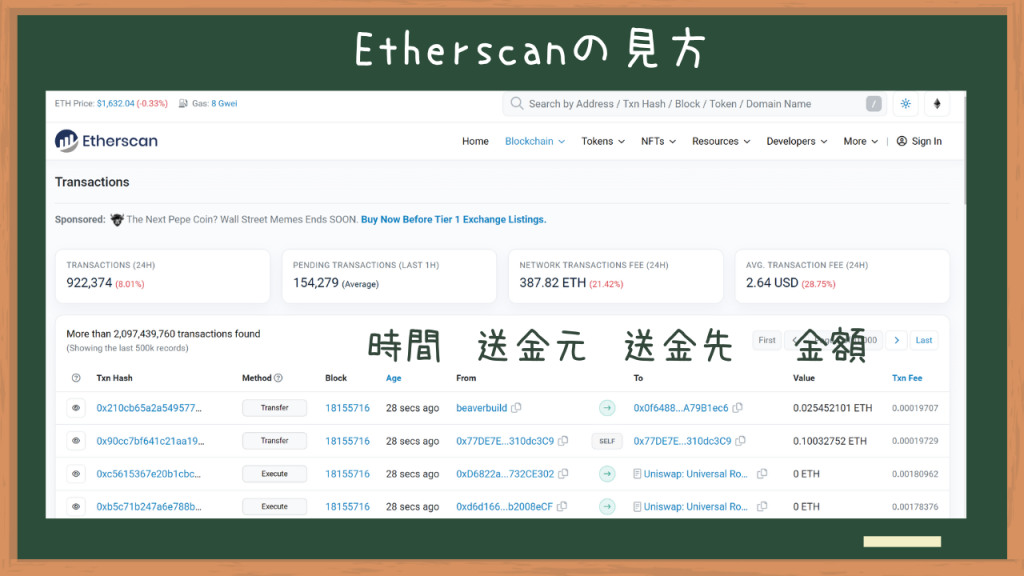
One of the defining features of blockchain technology is its radical transparency. Every transaction, wallet balance, and smart contract interaction is recorded on a public ledger, such as the Ethereum blockchain. Tools like Etherscan allow anyone to input a wallet address and view its entire history. While this transparency is a cornerstone of decentralization and trustless verification, it creates a unique security vulnerability.
In a traditional banking environment, a person’s net worth and transaction history are private, accessible only to the individual and the financial institution. In Web3, once a user’s wallet address is known—often through social media interactions or public NFT holdings—malicious actors can monitor that wallet in real-time. Scammers utilize automated bots to scan for "high-value targets"—wallets containing significant amounts of Ether (ETH), stablecoins, or blue-chip NFTs. By observing a user’s patterns, attackers can tailor phishing attempts or "airdrop" malicious tokens into the wallet, hoping the user will interact with them and inadvertently trigger a drainer script. This visibility necessitates a "security-first" mindset where users must assume they are being watched by opportunistic actors.

The Anatomy of Social Engineering: The DM and Tagging Crisis
Social engineering remains the most effective tool in the hacker’s arsenal. In the Web3 space, platforms like Discord and X (formerly Twitter) serve as the primary hubs for community engagement and project announcements. Unfortunately, they are also the primary hunting grounds for scammers.
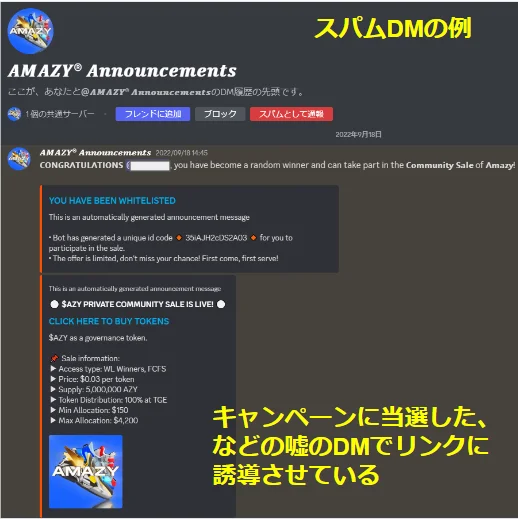
The most common vector for these attacks is the unsolicited Direct Message (DM). Scammers often impersonate project founders, "support" staff, or automated bots, claiming that the user has won a whitelist spot, an airdrop, or is eligible for a high-yield investment opportunity. These messages almost always contain a link to a "minting" site or a "claim" portal. These sites are designed to look identical to official project pages but are embedded with malicious smart contracts.

Industry experts and project developers have repeatedly issued statements clarifying a fundamental rule of Web3: official projects will almost never initiate a DM to offer a prize or request sensitive information. The prevailing advice for users is to disable DMs on Discord across all crypto-related servers and to treat any "urgent" or "high-reward" notification with extreme skepticism. The psychological pressure of "Fear Of Missing Out" (FOMO) is the primary engine of these scams, and maintaining emotional discipline is as critical as any technical security measure.
Phishing and the Danger of Malicious "Approvals"
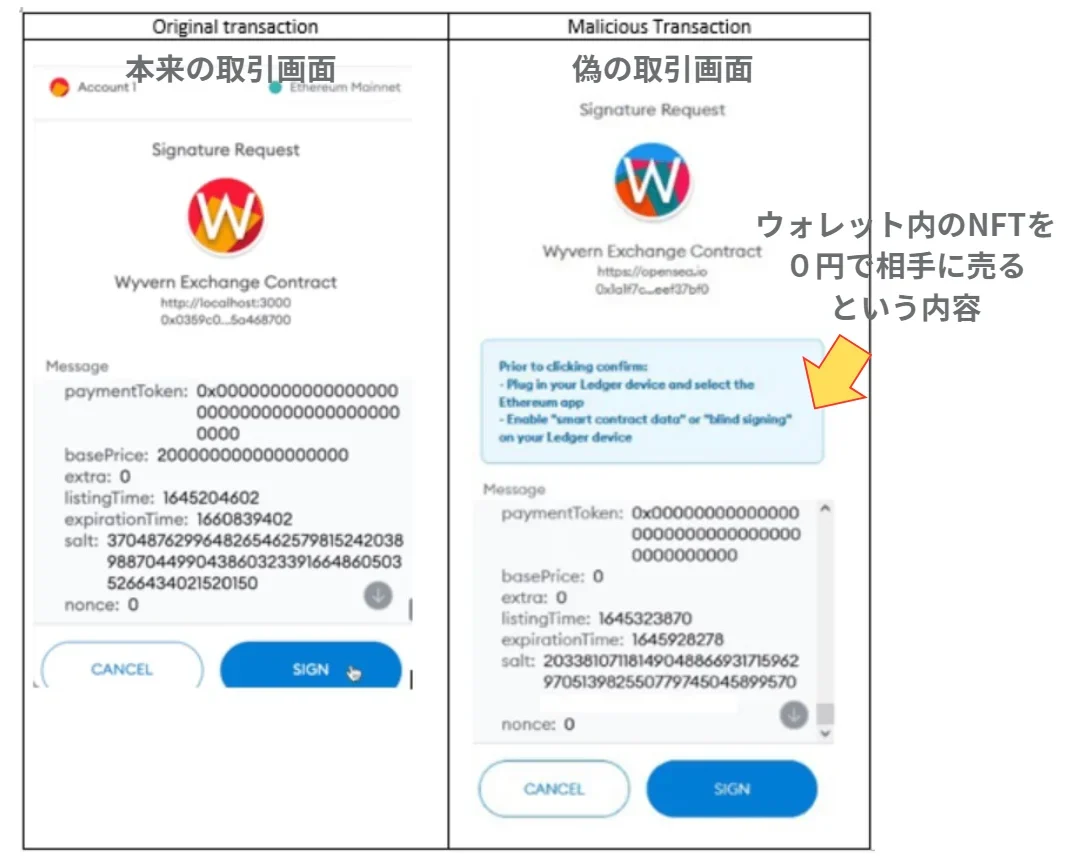
Technical exploits in Web3 often revolve around the "Approval" mechanism of smart contracts. When a user interacts with a legitimate Decentralized Exchange (DEX) like Uniswap or an NFT marketplace like OpenSea, they must grant the platform permission to "spend" or move their tokens. Malicious sites, or "drainers," trick users into signing a transaction that grants the attacker’s contract unlimited permission to transfer all assets from the user’s wallet.

These phishing sites are often promoted through compromised social media accounts of high-profile individuals or projects. A user might see a tweet from a trusted influencer claiming a "surprise mint" is live. They click the link, connect their wallet, and sign a transaction that looks like a standard minting fee. In reality, they have signed a "SetApprovalForAll" transaction, giving the scammer total control over their assets. Within seconds, the wallet is emptied.
To combat this, the Web3 community has developed security-focused browser extensions. Tools like Kekkai or Pocket Universe act as a firewall for the wallet. When a user is asked to sign a transaction, these extensions simulate the outcome before the user confirms. If a transaction would result in the loss of all NFTs or a transfer of funds to a known malicious address, the extension provides a red-flag warning. Integrating these "pre-sign" simulation tools is now considered a mandatory step for any active Web3 participant.

The Critical Necessity of "Revoking" Permissions
Many users are unaware that "Approvals" given to a smart contract remain active indefinitely unless they are manually cancelled. Even if a site was legitimate at the time of use, it could be compromised later, or the user may have accidentally interacted with a malicious contract that they didn’t realize was dangerous at the time.
"Revoking" is the process of cancelling these permissions. Blockchain explorers like Etherscan and BSCScan offer "Token Approval" tools where users can connect their wallets to see every contract that currently has permission to move their funds. If a user sees a contract they do not recognize, or one associated with a project they no longer use, they should "Revoke" that permission immediately.
The process of revoking is a transaction in itself, meaning it requires a small amount of "gas" (network fees) to process. While this cost can be a deterrent for some, it is a negligible price to pay for the security of the remaining assets in the wallet. Security professionals recommend a "monthly hygiene" routine where users audit their token approvals and clear out unnecessary permissions.
A Chronology of Increasing Complexity in Web3 Crimes
The evolution of Web3 security threats has followed a clear timeline of increasing sophistication.

- 2020-2021 (The Seed Phrase Era): Most scams involved "ice phishing," where scammers simply asked for the user’s 12-word seed phrase under the guise of "restoring" a wallet.
- 2021-2022 (The Discord Hijack Era): Hackers began targeting the moderators of Discord servers to post fake links. Users trusted these links because they came from an "official" channel.
- 2022-2023 (The Smart Contract Drainer Era): Attacks moved toward sophisticated "drainer" scripts that use obfuscated code to hide the fact that the user is signing away their entire wallet balance.
- 2024 and Beyond (AI and Deepfakes): The current frontier involves AI-generated deepfakes of project founders in video calls or voice notes to build trust before deploying a phishing link.
Data from blockchain analytics firms like Chainalysis and TRM Labs indicates that while the total volume of funds stolen in hacks fluctuates with market conditions, the number of individual phishing victims remains high. In 2023 alone, hundreds of millions of dollars were lost to "wallet drainers" utilized by organized cybercriminal groups. These groups often operate "Drainer-as-a-Service" (DaaS) models, where they provide the malicious code to low-level scammers in exchange for a percentage of the stolen loot.
Analysis: The Future of Web3 Security and User Responsibility
The decentralized nature of Web3 is its greatest strength, offering censorship resistance and financial autonomy. However, it is also its greatest weakness regarding consumer protection. In the traditional financial world, the burden of security is shared between the bank and the user. In Web3, the burden is 100% on the user.
This "Self-Responsibility" model creates a high barrier to entry for the general public. For Web3 to achieve mainstream adoption, security must become more intuitive. We are seeing a move toward "Account Abstraction" (ERC-4337), which allows for smarter wallets that can have "social recovery" features (allowing friends to help recover a wallet) or daily spending limits. These technical upgrades aim to bring the user experience of Web3 closer to that of traditional banking without sacrificing decentralization.
Until these technologies are universal, education remains the most potent defense. Understanding the mechanics of Etherscan, maintaining "wallet hygiene" via revoking permissions, and utilizing security extensions are not just optional extras—they are the fundamental requirements for survival in the digital economy. The "Wild West" of the internet is being tamed not by centralized authorities, but by a community of users who prioritize vigilance over convenience. As the ecosystem matures, those who master these security protocols will be the ones who successfully navigate the transition to a decentralized future.