The landscape of blockchain gaming is witnessing a significant shift as classic intellectual properties transition into the decentralized era. Bokura no Saga, a title once celebrated within the Nico Nico App ecosystem, is undergoing a comprehensive Web3 transformation, reimagining the Real-Time Strategy (RTS) genre for a new generation of players. This remake, scheduled for a full-scale rollout through 2024 and 2025, integrates non-fungible tokens (NFTs), seasonal competitive structures, and a unique revenue-sharing model designed to foster long-term ecosystem sustainability. Developed to run on the Oasys (MCHverse) and ADIL Chain infrastructures, Bokura no Saga aims to bridge the gap between traditional gaming depth and the economic possibilities of Web3.
The Strategic Foundation: Gameplay and Race Dynamics
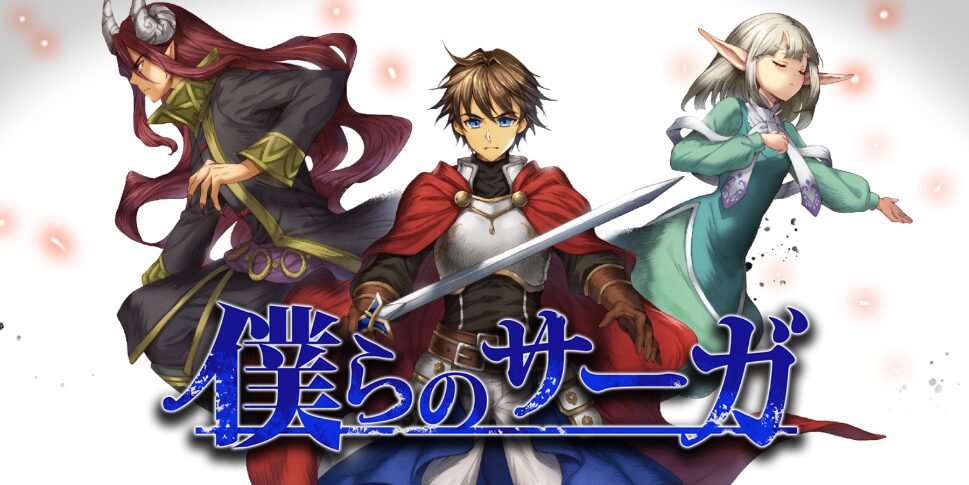
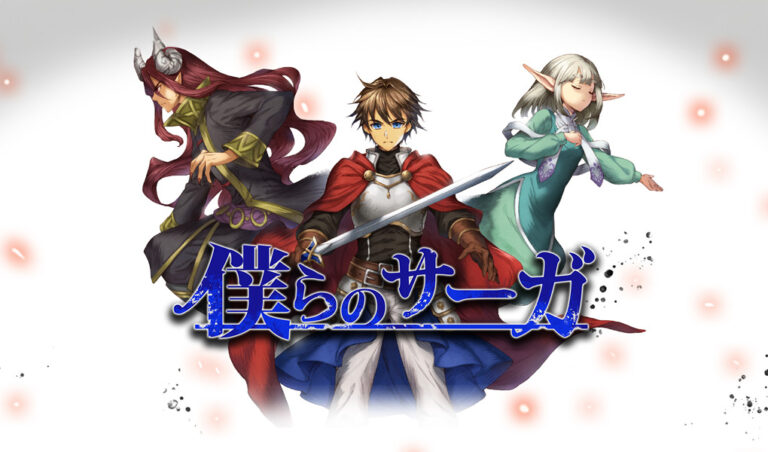
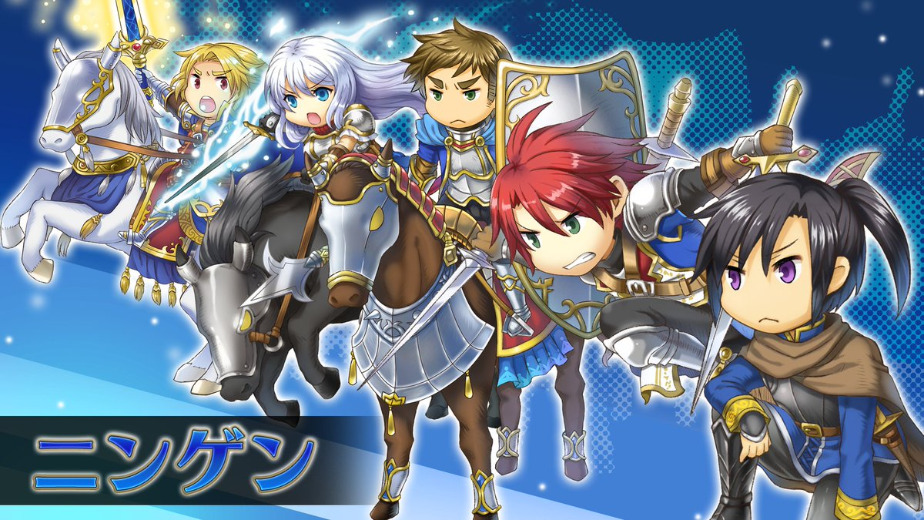
At its core, Bokura no Saga is a Battle Royale RTS that emphasizes city development, resource management, and large-scale tactical warfare. Upon entering the game, players are required to make a foundational choice by selecting one of three distinct races. This choice is not merely cosmetic; it dictates the initial "Hekki" (Hero) characters available to the player and influences the specific strategic advantages they carry into the field.
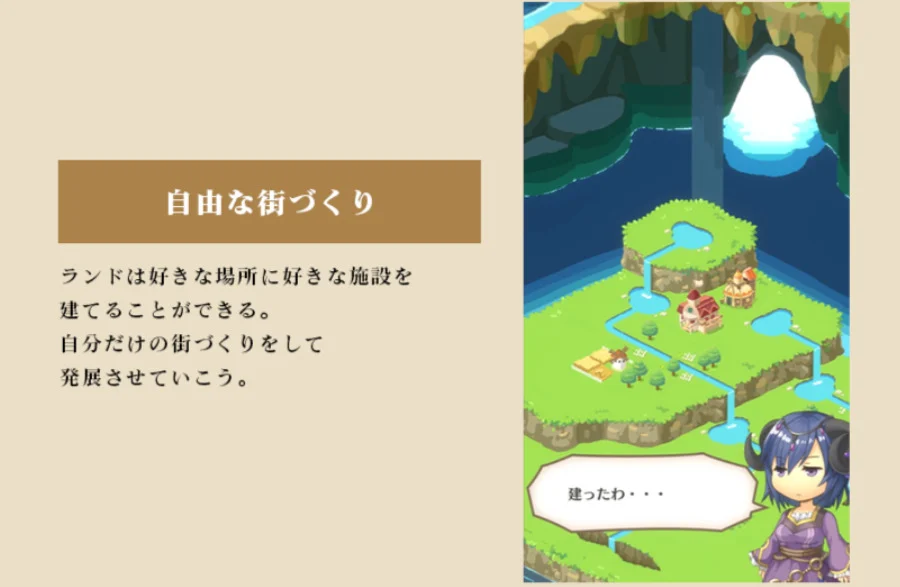
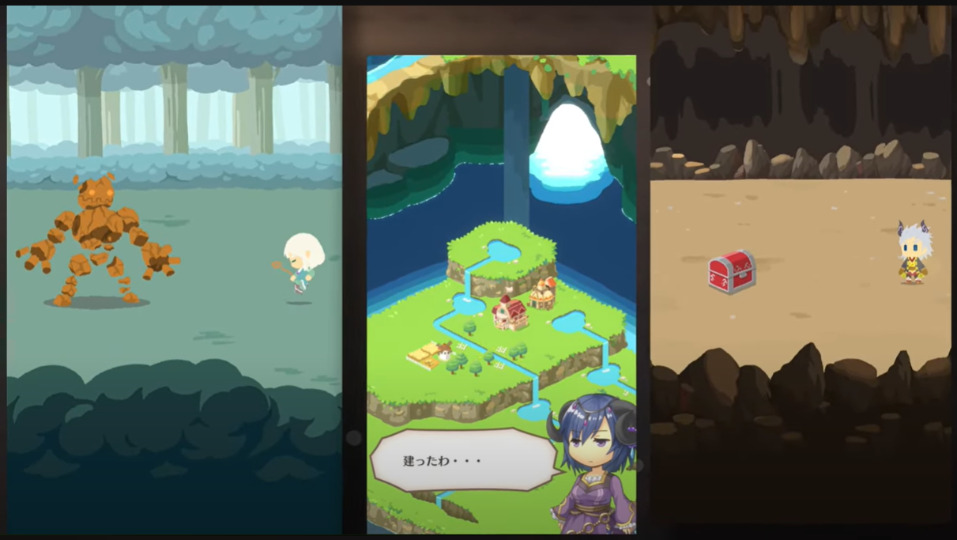
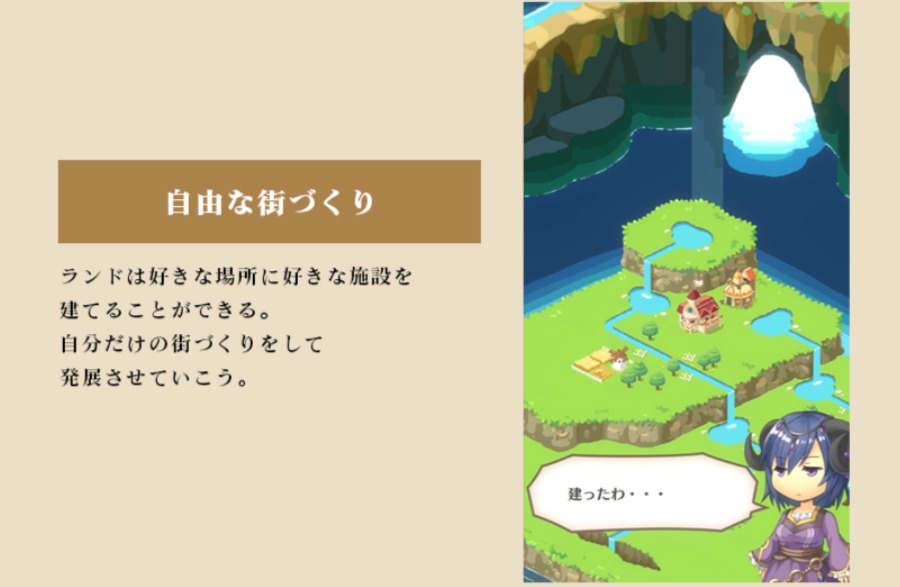
The gameplay loop is divided into several critical phases. First, players must establish their "Land," which serves as the primary base of operations. While the game offers a "C-Rank" land for free to ensure accessibility for non-paying users, these plots are limited in their construction capacity and do not persist across seasons in the same way higher-tier NFT lands do. On this land, players construct facilities to generate resources, train soldiers, and upgrade their heroes.
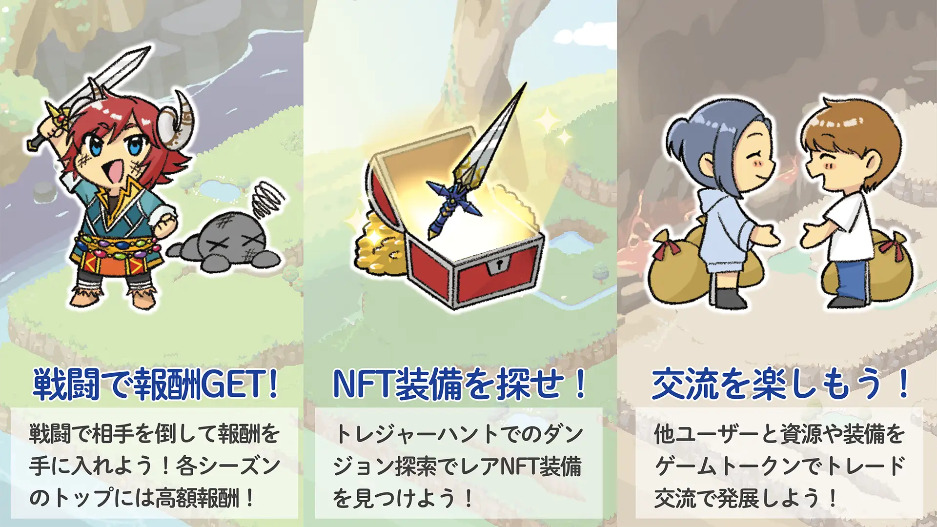
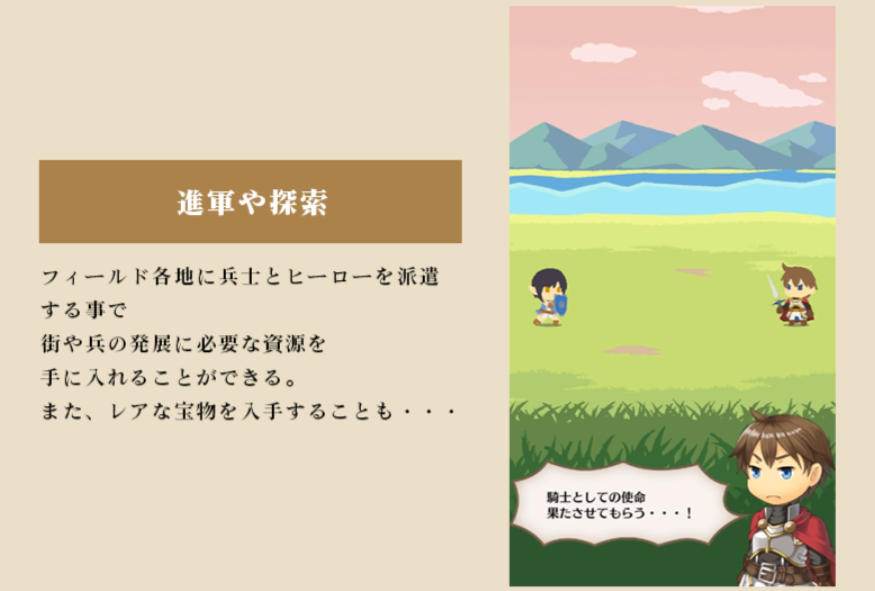
The second phase involves "Expeditions and Exploration." By dispatching units into the surrounding fields, players can recover vital resources required for city expansion. This phase also introduces the "Treasure Hunt" mechanic, where players can discover rare equipment. In the Web3 version, these items can often be converted into NFTs using in-game currency (Orbs), allowing players to retain value even after a competitive season concludes.
The Web3 Remake: From Nico Nico Legacy to Blockchain Innovation
The history of Bokura no Saga is deeply rooted in the Japanese social gaming scene. The original version was a popular fixture on the Nico Nico App platform, a service that officially terminated in September 2023. While the closure of the platform marked the end of many titles, the developers of Bokura no Saga saw an opportunity to utilize blockchain technology to provide players with true ownership of their in-game assets—a feature that was impossible under the previous centralized model.
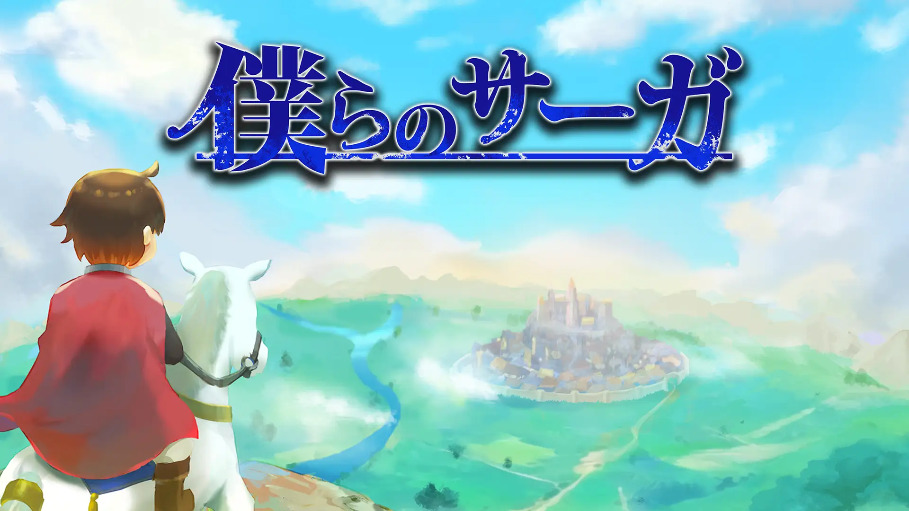
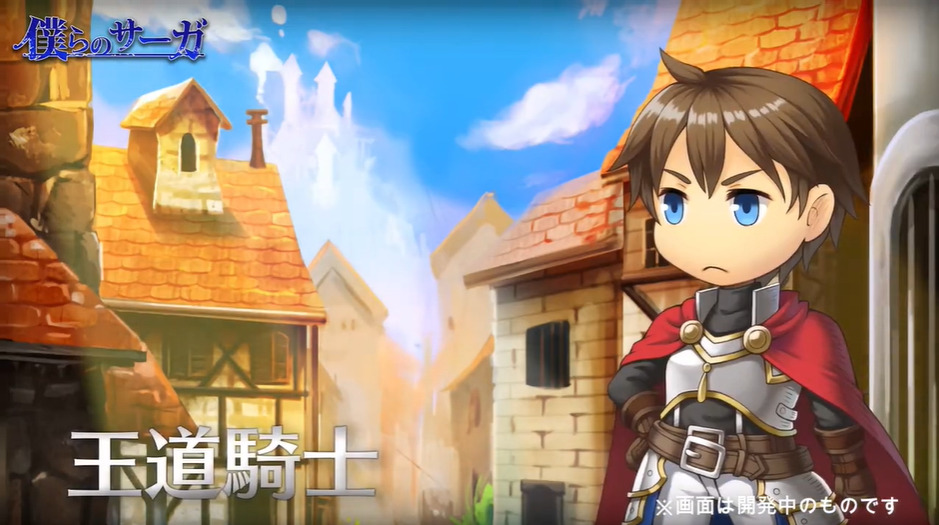
The transition to Web3 introduces several layers of modernization. Beyond the integration of wallet connectivity and NFT assets, the remake features enhanced character designs, newly recorded voice acting for major heroes, and a streamlined user interface optimized for iOS and Android devices. This "Remake plus Web3" strategy leverages a pre-existing fan base while attracting crypto-native players looking for high-quality RTS experiences that go beyond simple "click-to-earn" mechanics.
NFT Integration and the Digital Land Economy
The economic engine of Bokura no Saga revolves around its NFT system, which includes Land, Equipment, and Heroes. Land NFTs are the most significant assets within the ecosystem. Ownership of high-tier Land NFTs provides several advantages:
- Guild Formation: Only owners of specific high-rank lands can establish and lead guilds.
- Asset Persistence: Unlike free land, NFT land allows players to maintain their base’s progress and strategic positioning across multiple three-month competitive cycles.
- Marketplace Trading: Players can trade their developed lands and rare equipment on external and internal marketplaces, creating a secondary economy.
The "NFT-ization" process is another standout feature. Players who obtain rare items through standard gameplay or "Gacha" mechanics can spend "Orbs" to mint these items into NFTs. This mechanic ensures that "free-to-play" players have a clear path toward participating in the "play-and-earn" economy if they invest enough time and strategy into the game.
Seasonal Structures and the "Demon King" Endgame
Bokura no Saga operates on a seasonal timeline, with each "span" lasting approximately three months. This structure prevents the power creep often seen in traditional RTS games, as it allows for a reset of the competitive landscape while rewarding the top performers of the previous cycle.
The climax of each season is the "National War," a massive conflict that often culminates in an asymmetrical battle known as the "Demon King vs. Hero Army." In this scenario, a single powerful nation (the Demon King faction) may face off against an alliance of eight other nations (the Hero faction).
- The Demon King Faction: If they successfully defend their position against the overwhelming odds, they receive the lion’s share of the season’s rewards.
- The Hero Army: Cooperation is essential. If the alliance manages to topple the Demon King, the rewards are distributed among the participating nations based on their contribution.
This high-stakes social dynamic encourages diplomacy, betrayal, and complex guild management, elevating the game from a simple base-builder to a sophisticated political simulator.
Technical Infrastructure: Oasys and ADIL Chain
To ensure a seamless mobile experience, Bokura no Saga utilizes the Oasys blockchain, specifically the MCHverse "Layer 2" (Verse) sidechain. Oasys is designed specifically for the gaming industry, offering a "gasless" experience for users. This is a critical technical requirement for an RTS game, where players may need to perform dozens of micro-transactions (such as upgrading a building or sending a scout) daily. By removing the friction of transaction fees, Bokura no Saga maintains the "flow" of traditional gaming while securing assets on the blockchain.
Additionally, the game incorporates the ADIL Chain, further diversifying its technical foundation and ensuring high throughput during peak combat periods, such as the end-of-season National Wars.
A New Model for Sustainability: The 50% Revenue Share
One of the most radical departures from the traditional gaming business model is the developers’ commitment to revenue sharing. According to official documentation, approximately 50% of the game’s sales revenue is slated for distribution back into the player ecosystem.
Rather than relying on a volatile, proprietary "farmable" token that often leads to inflationary death spirals, Bokura no Saga aims to distribute rewards in established cryptocurrencies or through a "Saga Token" backed by actual game revenue. This model focuses on "Play to Earn" in its truest sense—rewarding those who contribute to the game’s competitive vigor and social community. Rewards are primarily distributed to:
- Top-ranking players at the end of each three-month season.
- Victors of the National Wars.
- Active guild contributors and land developers.
Chronology and Future Roadmap
The development of Bokura no Saga has followed a transparent timeline, building momentum through community engagement and technical milestones:
- September 2023: Original Nico Nico App version terminates, and the Web3 remake is officially greenlit.
- November 2023: The first gameplay trailers and opening sequences are revealed, showcasing the new voice acting and graphical upgrades.
- Q1 2024: Initiation of community building and the release of invitation codes (such as A1AAMY) to provide early-access bonuses to the first wave of "Lords."
- 2024 – Early 2025: Open Beta phases and stress testing of the Oasys/MCHverse integration.
- 2025: Full official release on iOS and Android, marking the beginning of the first "Genesis Season."
Beyond the core RTS gameplay, the developers have expressed a long-term vision for a "Metaverse" expansion. This includes plans for players to open digital "shops" within their land to conduct economic activities with other players, effectively turning the game world into a self-sustaining digital society.
Market Implications and Professional Analysis
Bokura no Saga represents a growing trend in the Web3 space: the "Resurrection Remake." By taking a game that already had a proven fun factor and a dedicated community and adding a layer of digital ownership, the developers mitigate the highest risk in game development—the lack of player interest.
The decision to avoid a "token-first" launch and instead focus on gameplay depth and revenue sharing suggests a pivot toward "Web2.5." This approach prioritizes the user experience (UX) and game balance over speculative asset flipping. If successful, Bokura no Saga could serve as a blueprint for other shuttered Web2 titles looking for a second life in the decentralized world.
The inclusion of asymmetrical warfare (8 vs. 1) and a heavy emphasis on seasonal resets addresses the primary criticism of blockchain games: that they become "pay-to-win" environments where early whales dominate forever. In Bokura no Saga, the seasonal reset and the need for diplomatic alliances ensure that strategy and social coordination remain as valuable as the NFTs a player holds.
As the project moves toward its 2025 launch, the focus will remain on the stability of the MCHverse integration and the ability of the developers to maintain a fair competitive balance. For enthusiasts of the RTS genre and blockchain early adopters alike, Bokura no Saga offers a rare combination of nostalgic charm and forward-thinking economic design. Players interested in securing their place in the upcoming seasons are encouraged to utilize official channels and invitation codes to begin their journey as a Lord in this evolving digital saga.