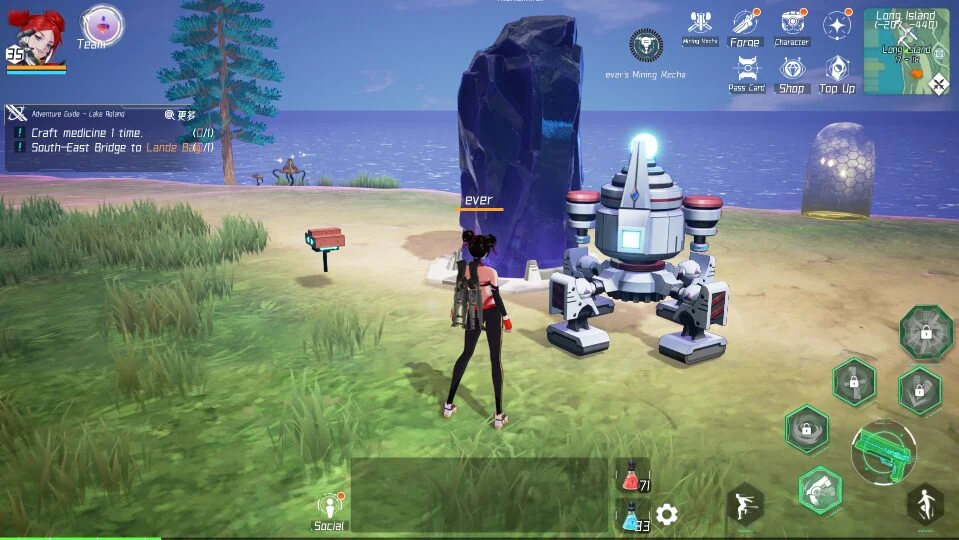
MetaCene stands at the vanguard of next-generation blockchain entertainment, representing a fully realized, AAA-quality massively multiplayer online role-playing game (MMORPG) built for Windows PC and Android mobile platforms. Designed to bridge the historical gap between traditional Web2 gaming sensibilities and decentralized Web3 ecosystems, MetaCene integrates deep Player-versus-Player (PvP), Player-versus-Environment (PvE), and Guild-versus-Guild (GvG) mechanics within a persistent virtual world. By combining high-fidelity graphics, robust player-driven economies, and decentralized governance, the project seeks to redefine what blockchain-integrated gaming can achieve on a global scale.
Core Game Overview and Production Quality
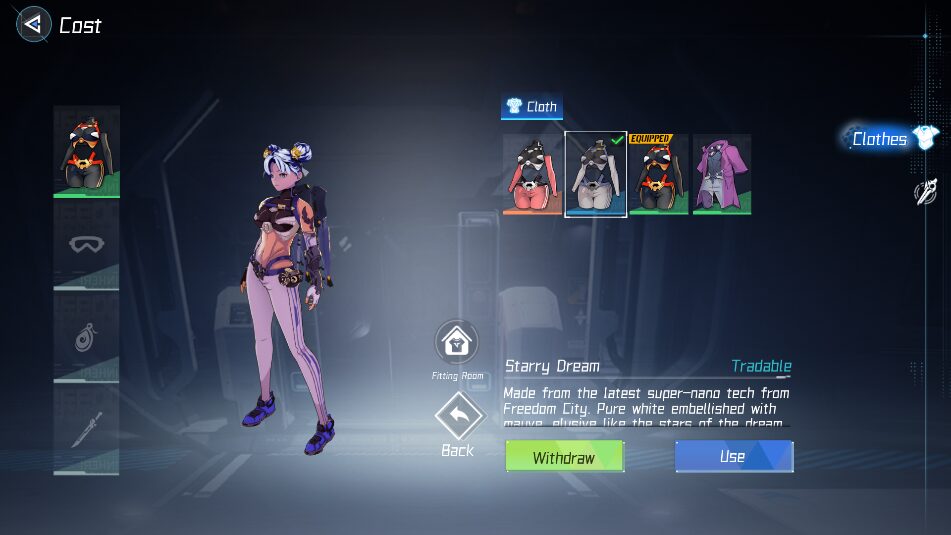
At its core, MetaCene is an expansive post-apocalyptic MMORPG that delivers uncompromising visual fidelity and mechanical depth. Developed with cutting-edge engine technology, the game rivals traditional AAA titles in its scope, offering detailed character models, sprawling open environments, and dynamic lighting systems. Unlike many early-generation blockchain games that prioritized token economics over core gameplay loops, MetaCene was built from the ground up to prioritize an engaging, highly immersive player experience.
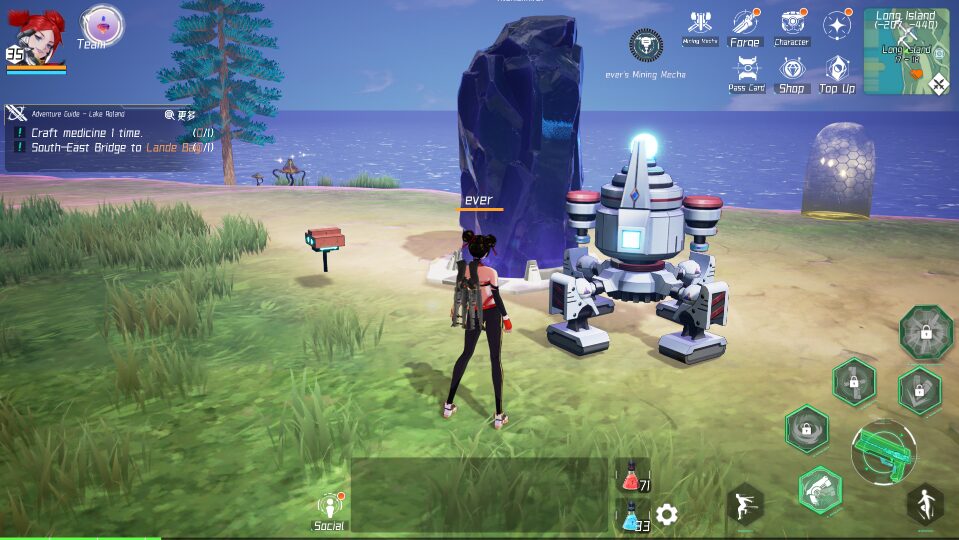
The game’s universe is set in a harsh, evolving post-apocalyptic future where survivors must navigate treacherous landscapes, manage scarce resources, and forge alliances to dominate territory. Players can engage in dynamic combat encounters, explore uncharted territories, and participate in complex crafting systems. The integration of blockchain elements—such as non-fungible tokens (NFTs) and dual-token economics—is handled seamlessly, ensuring that digital asset ownership enhances rather than encumbers the core role-playing experience.
Gameplay Mechanics and Persistent World Design
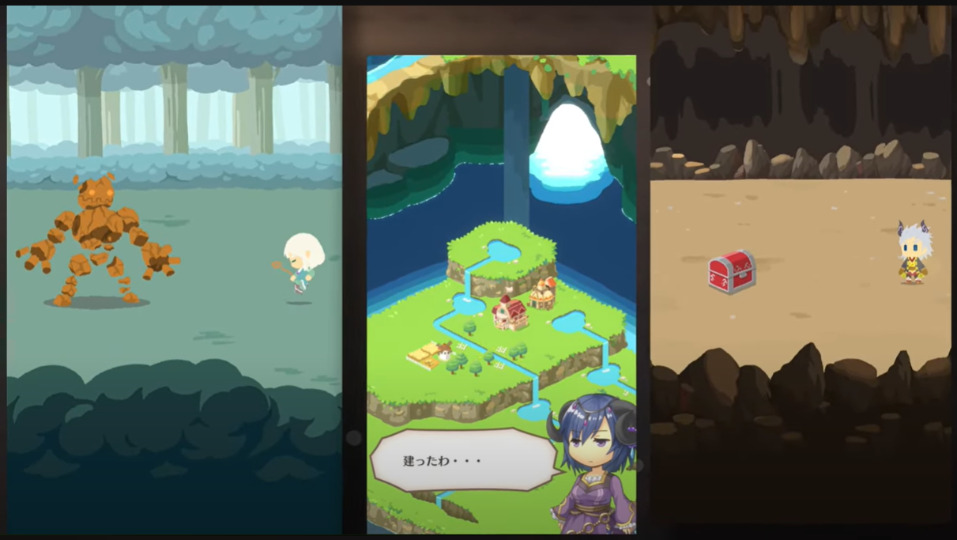
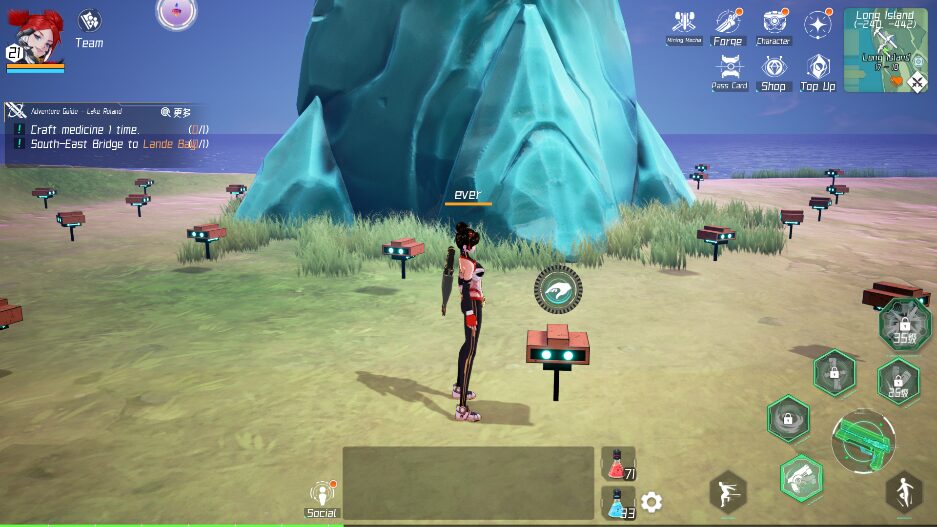
MetaCene’s gameplay loop is anchored by a combination of rigorous PvE content, high-stakes PvP arenas, and large-scale faction warfare. Players enter a living, breathing digital ecosystem where actions have lasting consequences. The title features expansive open-world exploration, dynamic world events, and intricate dungeon crawls that require tactical cooperation among party members.
In addition to traditional cooperative play, MetaCene introduces high-risk, high-reward PvP systems. Certain zones within the game world permit full-loot PvP encounters, where defeated players risk losing a portion of their inventory and equipment. This mechanic introduces genuine tension and strategic depth, rewarding skilled combatants and organized guilds while punishing careless navigation. Conversely, safe zones and protected hubs allow casual players to engage with the economy and social features without the constant threat of hostile engagement.
Guild mechanics play a pivotal role in shaping the game’s sociopolitical landscape. Players can form alliances, construct fortresses, and contend for territorial control. These territorial wars dictate resource distribution and economic dominance across the server, creating a thriving, player-driven political structure reminiscent of classic PC MMORPGs but elevated by decentralized transparency.
User-Generated Content (UGC) and Decentralized Governance
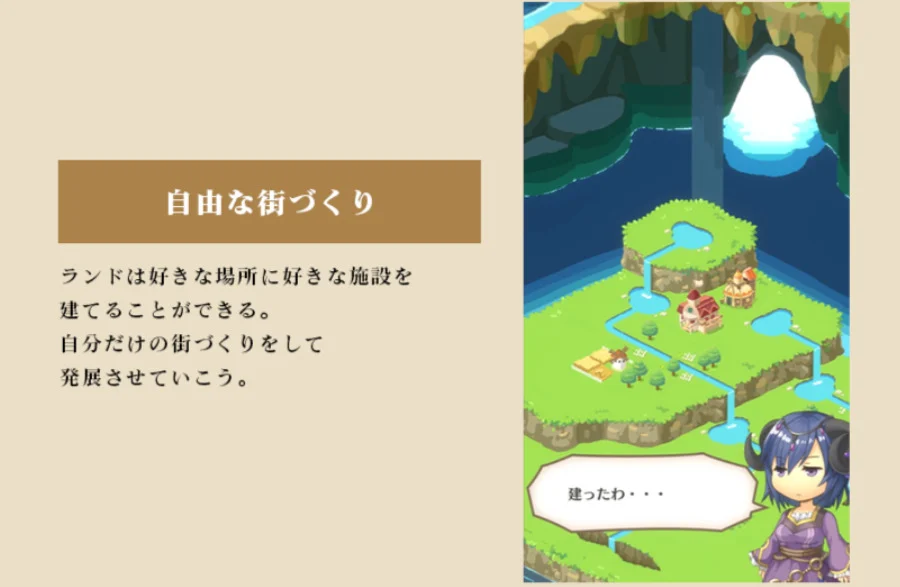
A defining characteristic of MetaCene’s long-term vision is its commitment to user-generated content (UGC). The platform empowers players to move beyond traditional consumer roles, allowing them to create, modify, and monetize their own digital assets, land plots, and gameplay experiences. This sandbox approach ensures that the game world remains dynamic and constantly evolving, driven by the creativity of its community rather than solely by centralized developers.
Governance within MetaCene is managed through decentralized autonomous organization (DAO) structures. Players who hold governance tokens and specialized VIP passes are granted voting power over key developmental milestones, economic adjustments, and rule modifications. This participatory model ensures that the community maintains a vested interest in the platform’s evolution, fostering a high degree of transparency and trust between the development studio and its player base.
Tokenomics and Economic Infrastructure
MetaCene employs a sophisticated dual-token economic model designed to ensure long-term sustainability and value accrual. The primary utility token, $MAK, serves as the overarching governance and utility asset across the ecosystem, facilitating high-value marketplace transactions, governance voting, and elite asset acquisition.
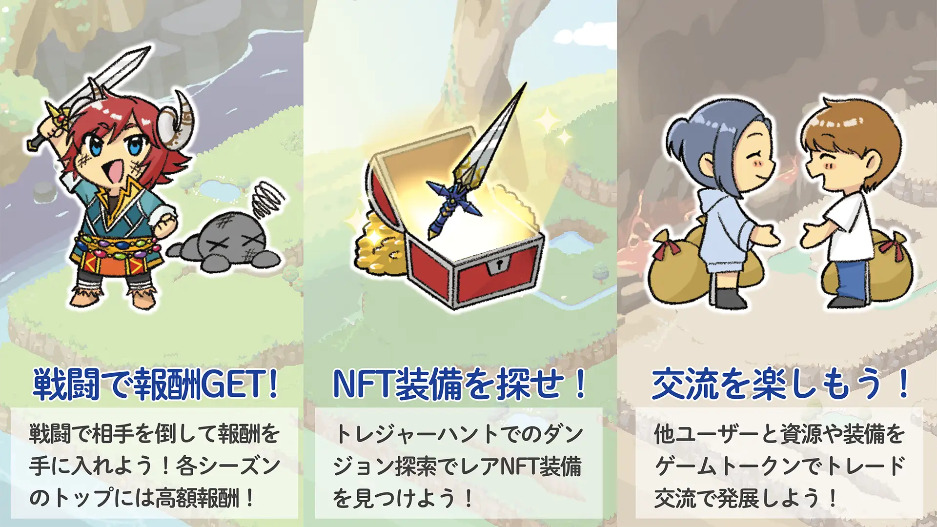
Alongside $MAK, the game utilizes specialized in-game utility currencies, namely Luminite and Radianite. Luminite functions primarily as a soft currency utilized for daily operational expenses, basic repairs, and general marketplace trades within the game world. Radianite, on the other hand, is tied directly to the play-to-earn (P2E) reward structures, incentivizing active participation in competitive events, territory control, and resource extraction. Both currencies can be bridged and exchanged, creating a fluid economy that balances inflationary pressures with deflationary sinks.
To facilitate seamless transactions, MetaCene has established strategic integrations with prominent digital asset custodians, most notably Bitget Wallet. This partnership enables players to manage their digital assets securely within the game’s native environment, streamlining token swaps, NFT purchases, and cross-chain transfers without exposing users to unnecessary operational friction.
Financial backing and Strategic Partnerships
The rapid development and expansion of MetaCene have been heavily supported by significant venture capital investment and high-profile industry partnerships. In various funding rounds, the project successfully secured capital from leading blockchain venture firms and gaming funds, most notably Mantle and Animoca Brands. This substantial financial backing has provided the development team with the resources necessary to scale infrastructure, conduct rigorous testing phases, and execute comprehensive marketing campaigns across global markets.
These strategic alliances extend beyond mere financial investment. Collaborations with established layer networks and gaming incubators have positioned MetaCene as a flagship title within the modern Web3 gaming sector. The institutional validation provided by these partnerships has bolstered market confidence, attracting both traditional gamers and crypto-native participants to the ecosystem.

Roadmap and Future Outlook
Looking ahead, MetaCene’s development roadmap outlines an aggressive schedule of expansion, feature rollouts, and platform migrations. Following successful closed alpha and beta testing phases—which saw enthusiastic participation from global gaming communities—the team is focused on optimizing server performance, expanding cross-platform compatibility, and introducing new gameplay expansions.
Future updates will include the deployment of advanced land-ownership mechanics, expanded UGC toolsets, and enhanced cross-chain interoperability. By continuously refining its core loops and listening closely to community feedback, MetaCene aims to cement its status as a premier destination for next-generation blockchain entertainment, bridging the divide between traditional MMORPG enthusiasts and the evolving landscape of decentralized digital economies.