The rapid evolution of the Web3 landscape has introduced a paradigm shift in how individuals interact with digital value, moving away from centralized intermediaries toward a model defined by self-sovereignty and decentralization. However, this transition to a "trustless" environment brings with it a significant burden of personal responsibility. As the blockchain industry matures, the prevalence of sophisticated phishing attacks, malicious smart contracts, and social engineering schemes has reached critical levels, necessitating a comprehensive understanding of security protocols for any participant in the decentralized economy. Unlike traditional banking systems, where fraudulent transactions can often be reversed or insured, the immutable nature of the blockchain means that once assets are transferred or permissions are granted to a malicious actor, the loss is frequently permanent.

The Paradigm of Self-Responsibility in Decentralized Systems
At the core of Web3 is the concept of non-custodial ownership. Users interact with decentralized applications (dApps) through digital wallets, which serve as both a gateway and a vault for cryptocurrencies and Non-Fungible Tokens (NFTs). In this ecosystem, the user acts as their own bank. This elimination of the middleman removes "single points of failure" common in centralized databases but shifts the entire security perimeter to the individual.
The transparency of the blockchain, while a cornerstone of its integrity, also serves as a double-edged sword. Every transaction, balance, and interaction is recorded on a public ledger. Platforms such as Etherscan or BSCScan allow anyone to input a wallet address and view its entire history, including the value of its holdings. For malicious actors, these block explorers serve as a directory for high-value targets. By monitoring on-chain activity, scammers can identify wallets that are frequently active or hold rare assets, subsequently targeting those users through various social media channels and decentralized communication platforms.

The Anatomy of Modern Web3 Scams
Security experts categorize the majority of Web3 threats into three primary vectors: social engineering, phishing through spoofed interfaces, and malicious contract approvals.
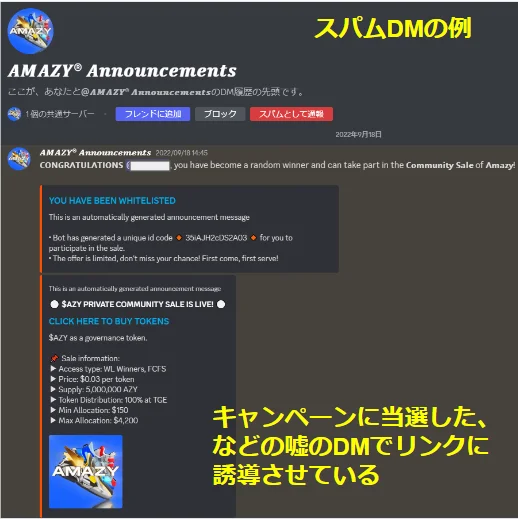
Social engineering remains the most common entry point for attackers. In the Web3 context, this often manifests as Direct Messages (DMs) on platforms like Discord and X (formerly Twitter). Scammers frequently impersonate project founders, customer support representatives, or automated "bot" notifications. A common tactic involves informing a user they have won a "whitelist" spot or a high-value airdrop, creating a sense of urgency (FOMO) that encourages the victim to click a link without performing due diligence.

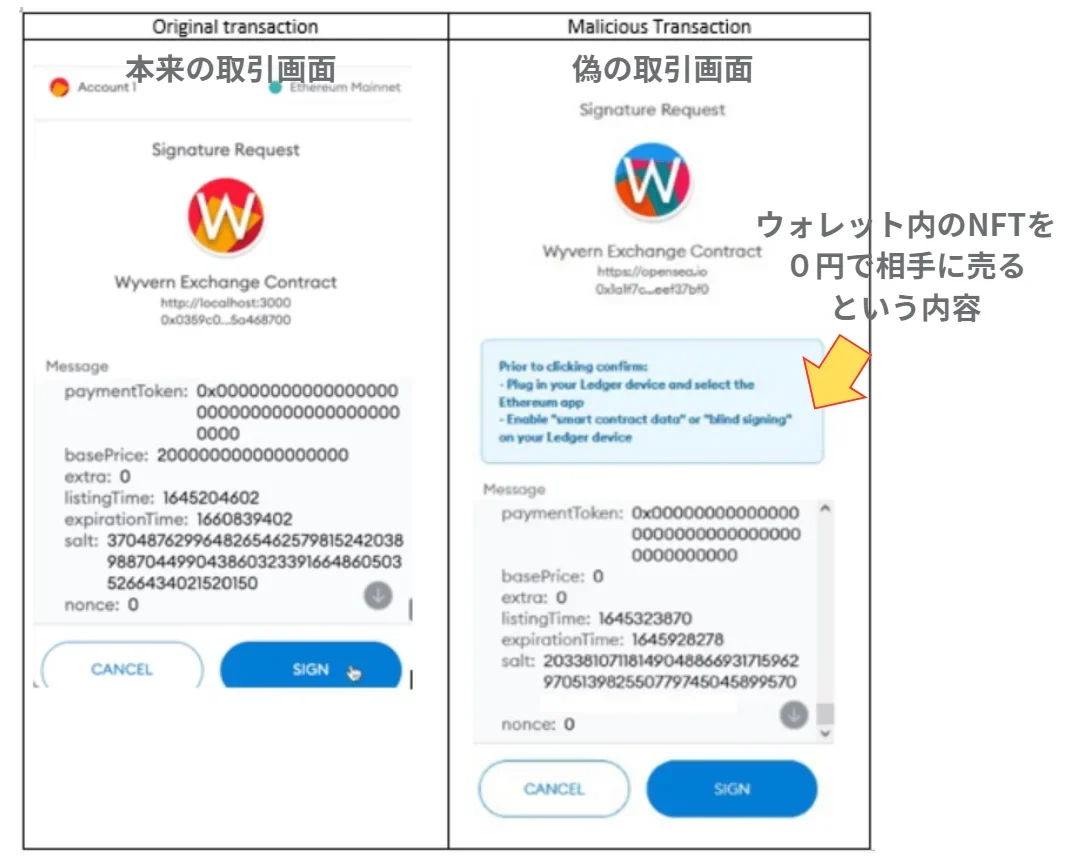
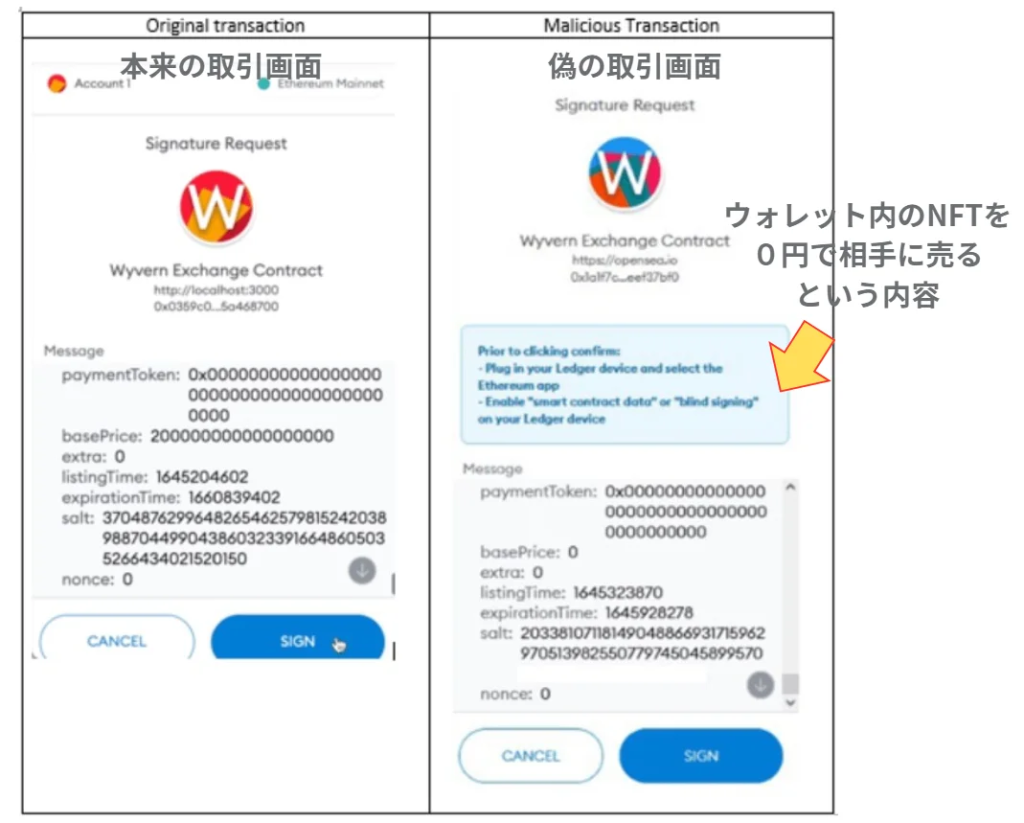
Phishing sites represent the second major threat. These are meticulously crafted websites that mirror the appearance of legitimate platforms such as OpenSea, Blur, or MetaMask. When a user connects their wallet to these "spoofed" sites, they are often prompted to sign a transaction. While the interface may claim the user is "logging in" or "verifying their identity," the underlying code is actually requesting an "Approval" for the attacker to spend the user’s tokens.
The most technical and dangerous threat involves the exploitation of token approvals. When interacting with legitimate DeFi protocols, users must grant the smart contract permission to move a specific amount of tokens. Malicious developers create "drainer" contracts that request "unlimited" approval for all assets in a wallet. Once signed, the attacker can withdraw the wallet’s contents at any time, even days or weeks after the initial interaction.

Chronology of a Vulnerability: From Interaction to Asset Loss
The lifecycle of a typical Web3 security breach follows a predictable but devastating timeline:
- Target Identification: The attacker uses on-chain data to identify active wallets.
- Initial Contact: The attacker reaches out via Discord or X, often tagging the user in a "congratulations" post or sending a fake system alert.
- The Bait: The user is directed to a fraudulent website that looks identical to a trusted dApp.
- The Signature Request: The user is asked to "Connect Wallet" and then "Sign" a transaction. At this stage, many users do not read the technical details of the transaction pop-up in their wallet extension.
- The Drain: Once the signature is captured, the malicious contract executes a transfer. In many cases, the script is automated to instantly move all high-value NFTs and liquid tokens to a "mixer" or a secondary burner wallet to obfuscate the trail.
Technical Defensive Measures and the Revoke Protocol
To combat these threats, security researchers emphasize a multi-layered defense strategy. The first line of defense is the restriction of communication channels. Leading security practitioners recommend that users disable DMs on Discord across all Web3-related servers. Official projects almost never initiate contact via private messages; any "official" news is typically broadcast in read-only announcement channels.

When a user suspects they have interacted with a malicious site, or if they wish to practice "security hygiene," the most critical tool at their disposal is the "Revoke" function. Revoking permissions essentially cancels the "allowance" previously granted to a smart contract.
The process of revoking permissions is a standardized technical procedure:
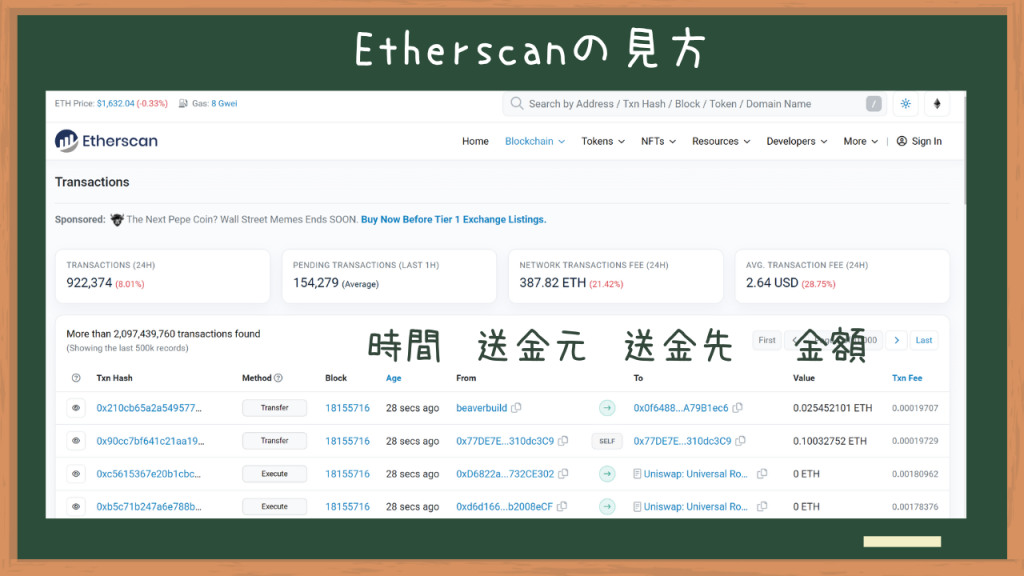
- Access a Block Explorer: Users should navigate to the "Token Approval" tool on the relevant blockchain explorer (e.g., Etherscan for Ethereum, BSCScan for BNB Chain).
- Web3 Connection: The user connects their wallet to the explorer’s interface.
- Review Approvals: The tool displays a list of all smart contracts that have permission to move the user’s assets, along with the "allowance" amount (often listed as "Unlimited").
- Execute Revoke: The user selects the suspicious or unnecessary contract and clicks "Revoke." This requires a small "gas fee" as it is an on-chain transaction that updates the blockchain state to reflect that the permission is no longer valid.
The Role of Security Extensions and Transaction Simulation
As the sophistication of "drainers" increases, manual checking is often insufficient. This has led to the rise of transaction simulation tools and security extensions, such as Kekkai or Rabby Wallet. These tools act as a firewall between the dApp and the user’s wallet.
When a transaction is initiated, these extensions simulate the outcome before the user signs. If the simulation shows that the transaction will result in all assets being sent to an unknown address, the extension triggers a high-risk warning. These tools also check the age and reputation of the website domain, flagging sites that were created within the last 24 hours—a common hallmark of phishing campaigns.

Analysis of the Broader Impact on Web3 Adoption
The current state of Web3 security represents one of the most significant barriers to mass adoption. For the average consumer, the risk of losing their entire net worth due to a single misclicked link is an unacceptable trade-off for the benefits of decentralization.
Industry analysts suggest that the "self-responsibility" model must eventually be augmented by "account abstraction" and "social recovery" wallets. These technologies allow for more complex security rules, such as daily spending limits or the ability to freeze a wallet using a set of trusted "guardians." Until these technologies become the standard, the burden of security remains firmly on the user.
From a regulatory perspective, the inability to easily track and recover stolen digital assets has led to increased pressure on centralized exchanges (CEXs) to implement more stringent "Know Your Customer" (KYC) and Anti-Money Laundering (AML) protocols. When assets are stolen, they often eventually flow toward a CEX to be converted into fiat currency. Exchanges are increasingly collaborating with on-chain analytics firms like Chainalysis to "flag" and "freeze" stolen funds, though this process is often too slow to prevent the initial loss.
Conclusion: Cultivating a Security-First Mindset
Navigating the Web3 ecosystem requires a fundamental shift in digital behavior. In the traditional Web2 world, users are conditioned to trust interfaces and rely on service providers for security. In Web3, the default stance must be one of "verify, then trust."
The essential security checklist for any digital asset holder includes:
- Hardware Wallets: Storing the majority of assets in a "cold" wallet that is not connected to the internet.
- Verification: Always cross-referencing links from official project documentation or "linktree" profiles rather than social media posts.
- Limited Approvals: Only granting permission for the specific amount of tokens needed for a transaction, rather than "unlimited" amounts.
- Regular Audits: Periodically using revoke tools to clean up old permissions from protocols that are no longer in use.
As the decentralized web continues to expand, those who prioritize security education and utilize the available defensive tools will be the ones best positioned to benefit from the innovations of the blockchain era. The "world of self-responsibility" is one of immense opportunity, but only for those who treat their digital security with the gravity it deserves.