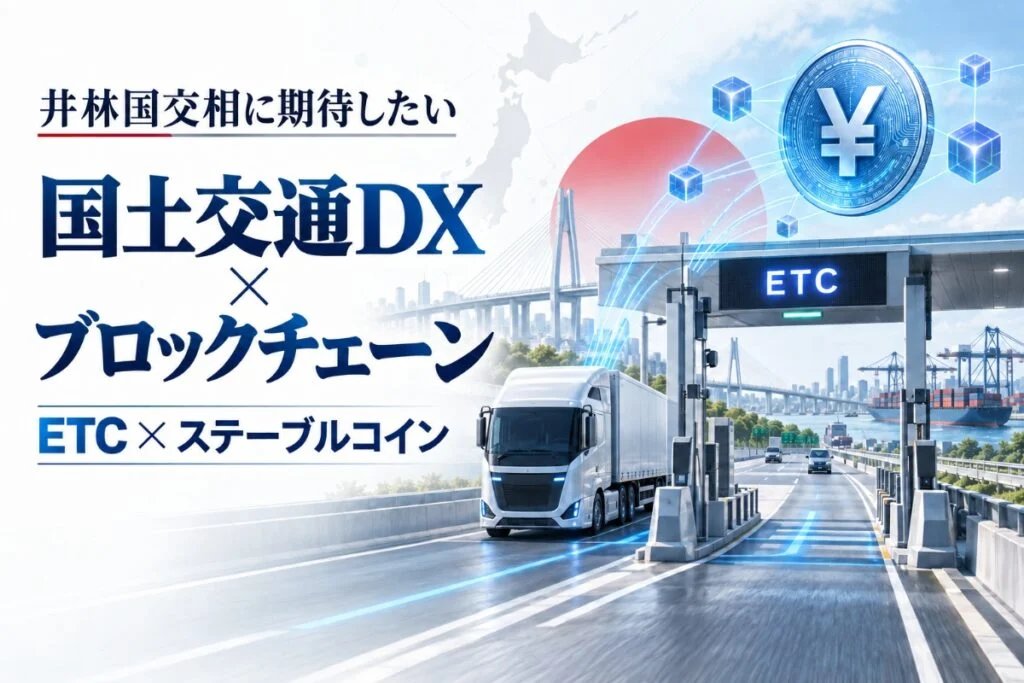
Japan’s transportation and logistics sectors are undergoing a profound digital transformation (DX), driven by the convergence of Electronic Toll Collection (ETC) systems, blockchain technology, and stablecoins such as JPYC. As the Ministry of Land, Infrastructure, Transport and Tourism (MLIT) accelerates its push toward next-generation infrastructure management, public and private stakeholders are increasingly adopting decentralized technologies to optimize administrative processes, enhance supply chain traceability, and streamline cross-industry settlement procedures. This strategic integration marks a pivotal milestone in the modernization of Japan’s national infrastructure, promising unprecedented levels of operational efficiency and economic transparency.
The Evolution of Infrastructure DX and Blockchain Integration in Japan
The modernization of Japan’s transportation corridors has long been a priority for national policymakers. In recent years, MLIT has placed significant emphasis on leveraging digital tools to address systemic challenges, including labor shortages, aging infrastructure, and the necessity for real-time data collection. Within this broader modernization agenda, the integration of blockchain technology and stablecoins has emerged as a cornerstone for secure, instantaneous, and friction-free financial transactions across toll roads, freight logistics, and smart city environments.
Industry associations, most notably the Blockchain Collaborative Consortium (BCCC), have played an instrumental role in bridging the gap between traditional civil engineering frameworks and decentralized financial networks. Established in 2016, the BCCC has spent nearly a decade advocating for blockchain standardization, regulatory compliance, and cross-sector implementation. By advising MLIT and various municipal governments, the BCCC has helped shape the regulatory and technical foundation that allows stablecoins to interact seamlessly with legacy transportation systems.
Chronology of Infrastructure DX and Payment Modernization
The convergence of transportation infrastructure and blockchain payment mechanisms did not happen overnight. It is the result of a carefully orchestrated timeline spanning policy formulation, technological testing, and incremental deployment.
In the early stages of Japan’s digital transformation, infrastructure management relied primarily on centralized database systems operated by government agencies and regional toll road operators. However, the rigidity of these systems often created bottlenecks in cross-border logistics, supply chain auditing, and micro-transaction settlements.
The turning point arrived with the widespread adoption of ETC systems on national expressways, which digitized toll collection and vehicle identification. Building upon this digital foundation, stakeholders began exploring ways to merge ETC data streams with programmable money, specifically stablecoins pegged to the Japanese yen (such as JPYC). This integration enabled automated toll deductions, real-time logistics tracking, and instantaneous micro-payments for commercial fleet operators.
By 2024, institutional collaborations between MLIT, regional authorities, and private fintech firms intensified. Pilot programs were launched to test the interoperability of stablecoins within highway toll booths and commercial freight networks. These trials demonstrated that blockchain-based settlements could reduce administrative overhead by up to 30%, while virtually eliminating reconciliation errors associated with traditional banking channels.
Supporting Data and Technological Architecture
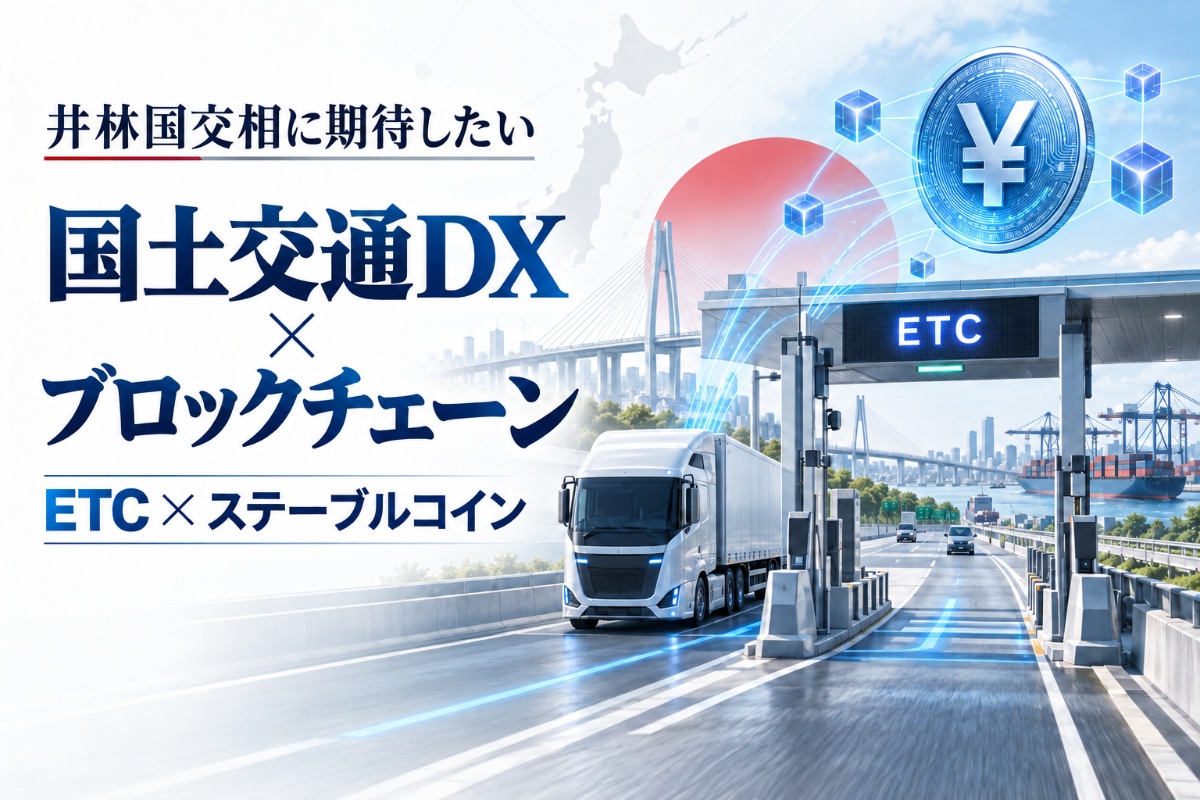
The implementation of stablecoin-powered ETC systems relies on a sophisticated technological architecture designed to handle high transaction volumes with minimal latency. According to technical data released by participating logistics research groups, the integration of JPYC with highway toll infrastructure offers several measurable advantages:
- Settlement Speed: Traditional credit card or corporate billing cycles often take days or weeks to clear. Stablecoin integration reduces settlement times to seconds, providing immediate liquidity for transport operators.
- Administrative Cost Reduction: By automating toll deductions and invoice reconciliations through smart contracts, transport companies report a 25% to 40% reduction in back-office administrative labor.
- Data Transparency and Security: Blockchain-based ledgers ensure that every transaction is immutable, cryptographically secured, and traceable in real time, significantly reducing the risk of fraudulent claims or unauthorized toll evasion.
- Interoperability with National Digital Initiatives: The new payment framework aligns with broader national initiatives, including the "i-Construction 2.0" framework, 3D geospatial mapping platforms like PLATEAU, and the digitization of building information modeling (BIM).
Statements and Reactions from Related Parties
Industry leaders and government officials have expressed strong optimism regarding the long-term implications of infrastructure DX. In recent policy briefings, representatives from the BCCC emphasized that stablecoins are no longer experimental novelties but practical instruments for enterprise-grade financial management.
"The integration of stablecoins into our national transportation arteries represents a fundamental shift in how we conceptualize infrastructure utility," noted a senior BCCC digital currency researcher. "By merging the high-speed data capabilities of modern highways with programmable digital currencies, we are creating a self-sustaining economic ecosystem that benefits both commercial operators and public administrators."
Logistics industry associations have similarly welcomed the initiative, highlighting the relief it brings to an industry grappling with severe labor shortages and rising fuel costs. Fleet operators can now manage toll expenses, vehicle maintenance, and fuel purchases through unified digital wallets, eliminating the need for drivers to carry physical cash or corporate credit cards.
Broader Impact and Economic Implications
The ripple effects of this technological integration extend far beyond the toll booth. By embedding stablecoin payment mechanics into civil infrastructure, Japan is establishing a global benchmark for smart city development and logistics optimization.
From an economic perspective, the shift reduces friction in the multi-trillion-yen logistics sector, which accounts for a substantial portion of Japan’s gross domestic product. Enhanced supply chain visibility allows enterprises to optimize delivery routes, reduce carbon emissions, and manage inventory with pinpoint accuracy. Furthermore, the adoption of eFTI (electronic freight transport information) standards, mirroring similar regulations in the European Union, ensures that Japanese logistics networks remain competitive on the global stage.
As public-private partnerships continue to mature, the lessons learned from Japan’s ETC-stablecoin integration will likely serve as a blueprint for other nations seeking to modernize their aging infrastructure. By embracing decentralization without sacrificing regulatory oversight, Japan is successfully constructing a resilient, future-proof transportation economy that bridges the gap between physical engineering and digital innovation.