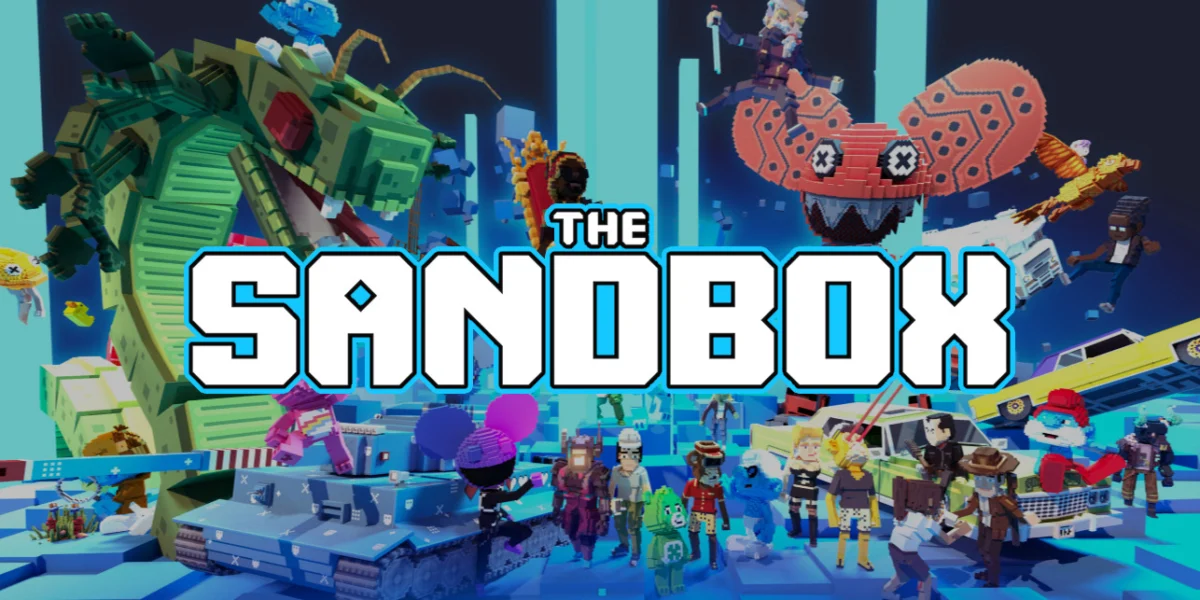
The digital landscape of virtual worlds has undergone a massive transformation over the past several years, with decentralized metaverse platforms leading the charge into a new era of interactive entertainment. Among these pioneers, The Sandbox has solidified its position as a dominant force in the Web3 ecosystem. By blending user-generated content (UGC), non-fungible tokens (NFTs), and strategic intellectual property (IP) partnerships, the platform has redefined how brands, creators, and consumers interact within virtual economies. This comprehensive overview examines the trajectory of The Sandbox, analyzing its technological milestones, land economy, monetization models, and the broader implications of virtual real estate development.
The Rise of Decentralized Virtual Worlds
The concept of the metaverse has evolved from a science fiction trope into a multi-billion-dollar industry driven by blockchain technology. The Sandbox operates as a virtual decentralized gaming platform built on the Ethereum blockchain, where users can create, own, and monetize their gaming experiences and digital assets. Unlike traditional gaming ecosystems where developers retain total control over virtual goods, decentralized platforms empower players by granting them true digital ownership through NFTs.

At the core of this economy is LAND—the digital real estate within The Sandbox universe—and SAND, the native utility token that facilitates all transactions and interactions on the platform. With millions of registered users and a vast network of global brands establishing a presence in the virtual space, the platform continues to bridge the gap between traditional Web2 entertainment and the decentralized Web3 frontier.
Chronology and Development Milestones
The journey of The Sandbox from a traditional 2D mobile game to a 3D decentralized metaverse is marked by strategic development phases and aggressive market expansion.
Initially launched as a mobile title by Pixowl in 2011, the franchise achieved significant success with over 40 million downloads, establishing a strong foundation for user-generated content. In 2018, Animoca Brands acquired Pixowl with the vision of transitioning the popular intellectual property into the blockchain space, introducing full 3D voxel-based creation tools.
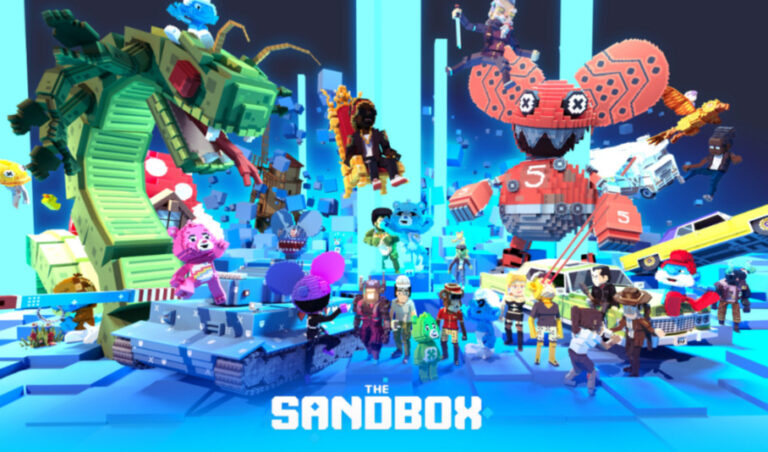
By late 2021, the platform achieved a major milestone by opening its first major public alpha event, allowing users to experience the metaverse firsthand. This launch was supported by significant virtual land sales, drawing massive participation from global investors, celebrities, and major entertainment brands. Throughout subsequent years, the platform rolled out continuous upgrades, including enhanced builder tools, improved graphics capabilities, and streamlined onboarding processes for mainstream users.
Understanding the Digital Real Estate Economy
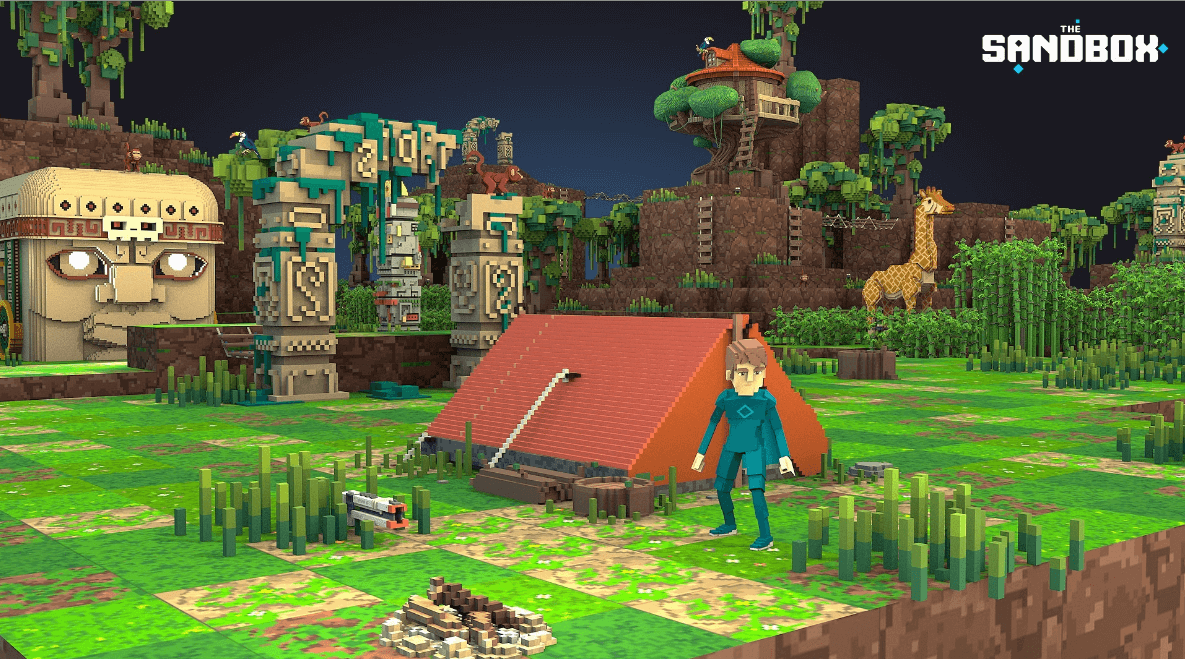
Virtual real estate has emerged as one of the most intriguing asset classes within the blockchain ecosystem. In The Sandbox, the metaverse is mapped out as a finite grid composed of distinct parcels of LAND. Each LAND represents a unique, non-fungible token on the Ethereum blockchain, guaranteeing scarcity and verifiable ownership for buyers.
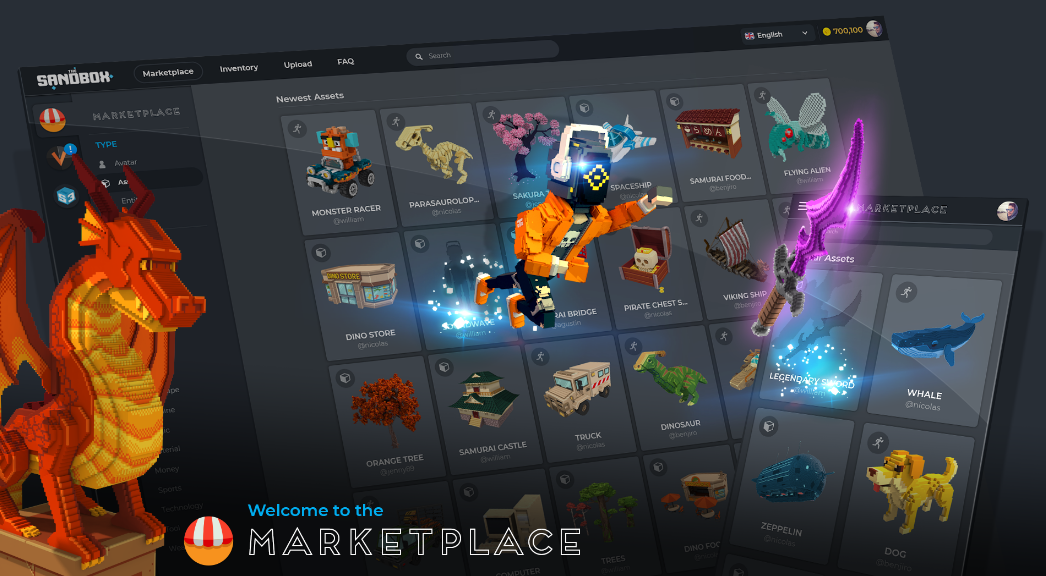
Creators and brands utilize these parcels to construct immersive gaming experiences, virtual museums, interactive art galleries, and social hubs. The scarcity of LAND, combined with the growing demand from corporate entities seeking to establish a virtual footprint, has historically driven significant market interest. Furthermore, the integration of user-friendly creation software, such as VoxEdit and the Game Maker, empowers individuals with zero coding experience to design complex 3D assets and publish interactive games without technical barriers.
Strategic IP Integration and Corporate Adoption
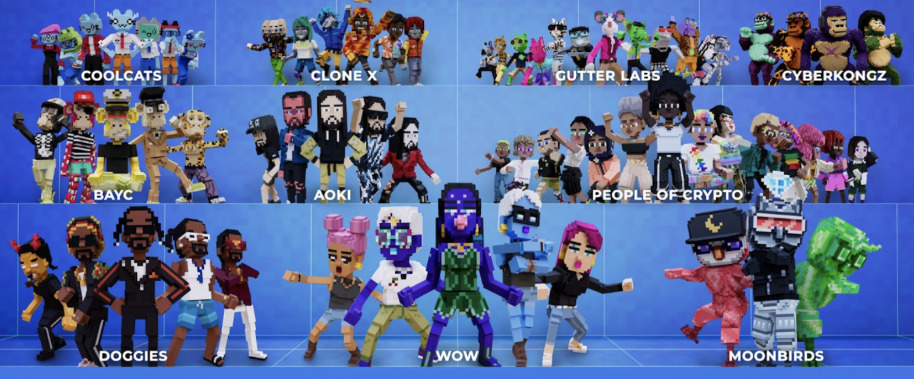
One of the primary catalysts for The Sandbox’s growth is its aggressive acquisition of high-profile intellectual properties. Major global brands, musical artists, film studios, and sports franchises have secured virtual plots to engage with audiences in innovative ways.
Recent expansions include high-profile collaborations with automotive racing giants, iconic entertainment franchises, and global lifestyle brands. These partnerships extend beyond simple marketing stunts; they serve as functional spaces where fans can attend virtual concerts, purchase digital merchandise, and participate in exclusive community events. By embedding well-known IPs into a decentralized framework, The Sandbox has successfully lowered the barrier to entry for mainstream consumers who might otherwise be hesitant to adopt blockchain technology.
Industry leaders, including co-founder Sebastien Borget, have consistently emphasized the importance of regulatory compliance and sustainable growth. As the platform scales toward future iterations, the focus remains on delivering high-quality user experiences that rival traditional Web2 gaming environments while preserving the core tenets of decentralization and player ownership.
Tokenomics and Utility of the SAND Token
The SAND token functions as the lifeblood of The Sandbox ecosystem, serving multiple vital purposes across the platform. Built on the Ethereum blockchain, SAND operates as an ERC-20 utility token utilized for executing transactions, purchasing LAND, acquiring equipment, and participating in governance decisions.
Holders of SAND can engage in staking mechanisms, allowing them to earn passive rewards while contributing to the security and stability of the network. Additionally, platform governance grants token holders the ability to vote on key developments, ecosystem funding proposals, and future roadmap updates. This decentralized autonomous organization (DAO) structure ensures that the community retains influence over the direction of the metaverse.
As trading volumes and platform adoption fluctuate with broader macroeconomic and crypto-market trends, liquidity providers and exchanges—such as Coincheck and Bybit—continue to offer streamlined pathways for users to acquire and manage their digital assets.
Market Implications and Future Outlook
The integration of blockchain technology into gaming and virtual entertainment represents a fundamental shift in digital asset management. While regulatory landscapes surrounding cryptocurrencies and NFTs continue to evolve globally, platforms like The Sandbox demonstrate the tangible utility of decentralized systems.
The ability to trade virtual assets seamlessly on secondary marketplaces like OpenSea provides an unprecedented level of liquidity for digital creators. However, challenges remain, particularly regarding mass-market adoption, user interface optimization, and long-term economic sustainability.
Ultimately, The Sandbox exemplifies the intersection of creativity, community-driven governance, and decentralized finance. As virtual worlds become increasingly sophisticated, the foundations laid by these early metaverse pioneers will likely influence the next generation of digital interaction, commerce, and entertainment.