The landscape of modern animation is experiencing a profound philosophical divide, anchored on one side by the accelerating integration of generative artificial intelligence and hyper-polished computer-generated imagery, and on the other by a passionate resurgence of traditional, handcrafted artistry. This tension found a striking cultural intersection this weekend with the global theatrical release of Laika’s sixth feature film, Wildwood, and the broadcast debut of a meticulously crafted stop-motion opening sequence for The Simpsons’ long-running Halloween franchise, Treehouse of Horror XXXVII.
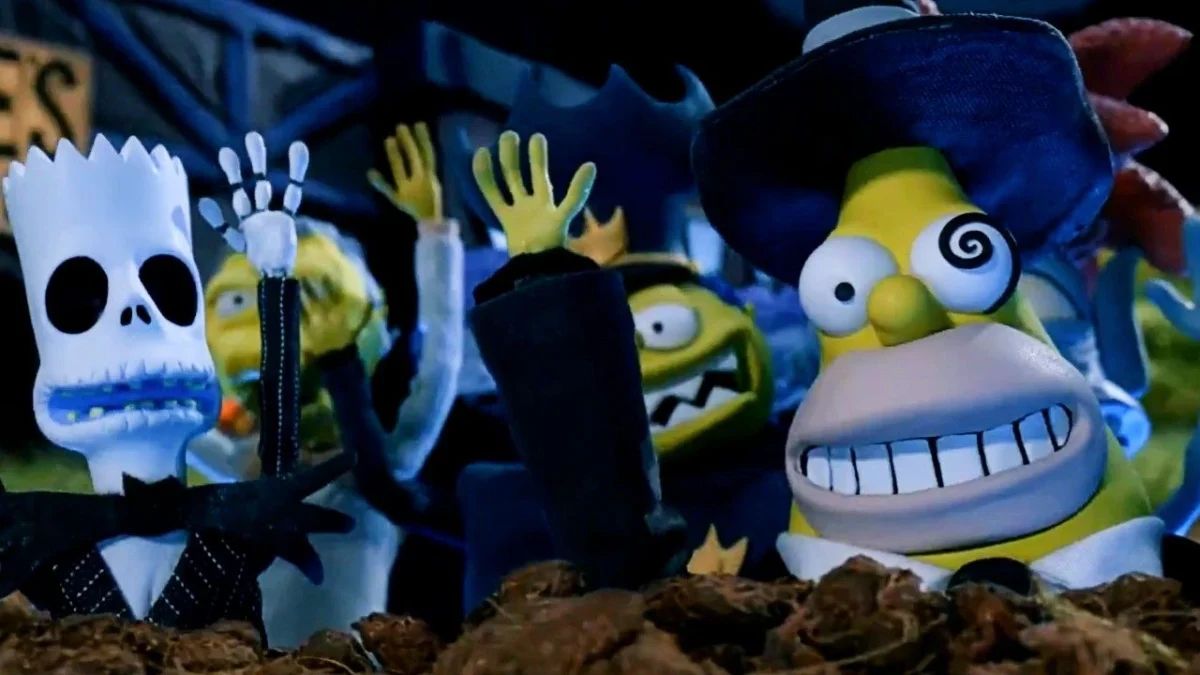
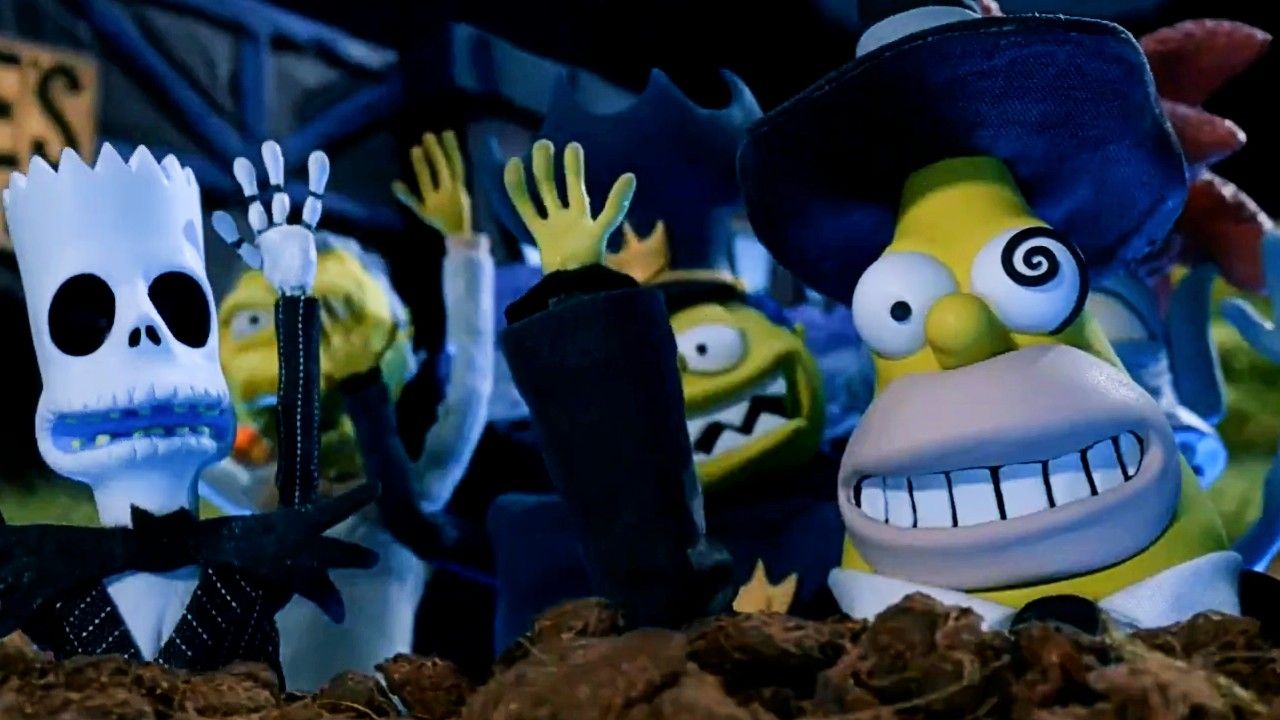
Produced by Burbank-based Stoopid Buddy Stoodios, the latest installment of the animated sitcom’s non-canon Halloween special delivered a loving, frame-by-frame homage to Henry Selick’s 1993 classic, The Nightmare Before Christmas. The sequence reimagines the iconic residents of Springfield through the dark, whimsical aesthetic of Tim Burton’s legendary holiday-horror crossover. Bart Simpson steps into the pinstripes of Jack Skellington, Marge Simpson assumes the role of the stitched-together ragdoll Sally, Homer Simpson embodies the two-faced Mayor of Halloween Town, Santa’s Little Helper flies as the spectral ghost dog Zero, and Ned Flanders is transformed into a bug-infested Oogie Boogie. The sequence culminates in a custom lyrical parody of the film’s signature musical number, "This Is Halloween," officially reframed as "Simpsons Halloween."
The broadcast of this specialized opening comes at a critical juncture for the animation industry. As technology companies push toward automated rendering tools and streamlined digital pipelines, the deliberate preservation of physical media—puppets, physical sets, and manual frame manipulation—has transitioned from an antiquated production method into a defiant artistic statement.
Chronology and Historical Context of the Halloween Specials
Since its inception in 1990, The Simpsons’ Treehouse of Horror subseries has operated outside the established continuity of Matt Groening’s fictional universe. This structural freedom has historically allowed the creative team to subvert the show’s standard narrative constraints, resulting in gruesome demises, apocalyptic scenarios, and satirical parodies of classic horror and science fiction literature. In the opening sequence of Treehouse of Horror XXXVII, Lisa Simpson explicitly highlights this continuity break while dressed as a witch, singing directly to the audience that the Halloween episodes exist outside official canon.
This narrative flexibility has consistently afforded the production team opportunities to experiment with diverse visual formats. Over the past three decades, Treehouse of Horror openers have featured guest animators ranging from indie auteurs like Bill Plympton to anime and digital artists, utilizing the standalone format as a canvas for stylistic innovation.
The decision to execute the latest tribute using physical stop-motion rather than digital simulation places the production in a lineage that traces directly back to the release of The Nightmare Before Christmas in October 1993. Directed by Henry Selick and produced by Tim Burton, the 1993 film challenged the prevailing industry consensus that stop-motion animation was commercially unviable for feature-length mainstream cinema. By proving that tactile, puppet-based animation could achieve box-office success and cultural longevity, The Nightmare Before Christmas laid the institutional groundwork for modern stop-motion powerhouses, most notably Laika, which was founded in 2005 and subsequently launched the acclaimed 2009 feature Coraline.
Stoopid Buddy Stoodios and the Handcrafted Production Methodology
The realization of the Simpsons homage was spearheaded by Stoopid Buddy Stoodios, an animation production company co-founded by Seth Green, Matthew Senreich, John Harvatine IV, and Eric Towner. The studio is widely recognized for its mastery of physical media, particularly through its work on the long-running adult stop-motion sketch series Robot Chicken, which utilizes retro toys, action figures, and custom-built miniature sets to execute pop-culture parodies.
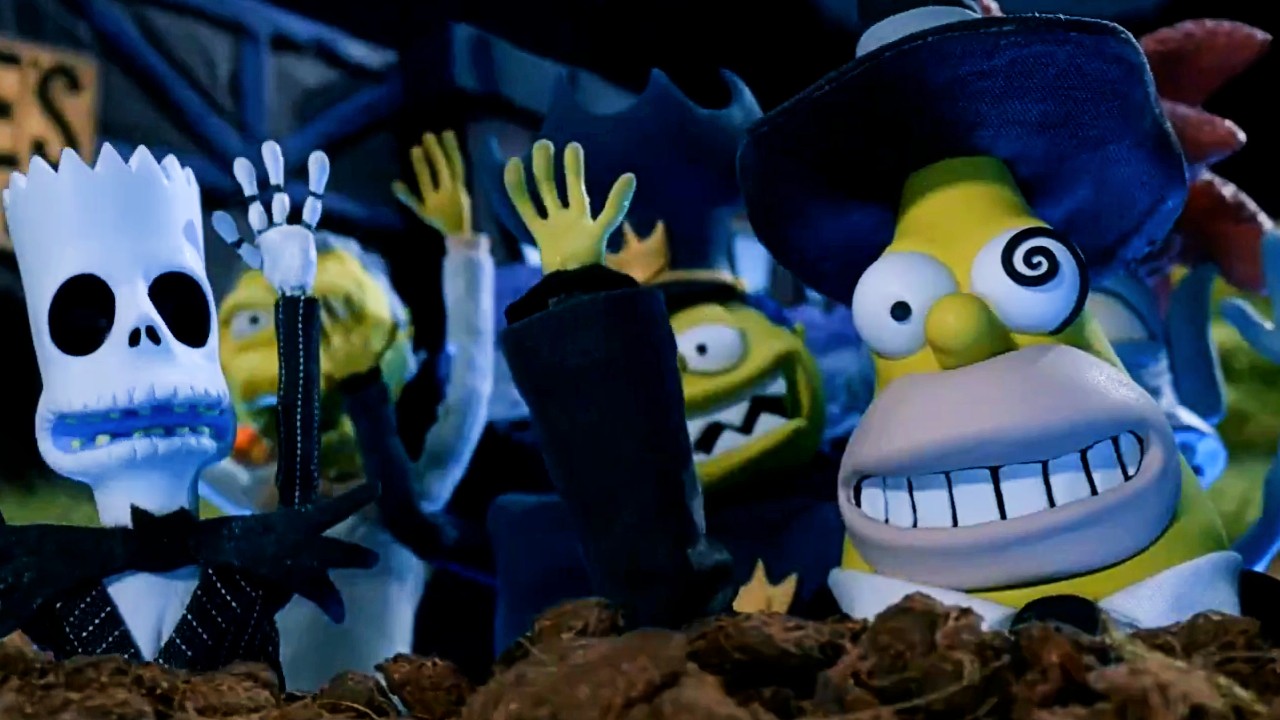
Rather than relying on modern technological shortcuts—such as high-resolution 3D printing for facial replacements and structural elements, which have become standard practice in contemporary stop-motion features—the production team at Stoopid Buddy Stoodios chose a deliberately analog approach.
According to statements from studio co-founder John Harvatine IV to industry publication Animation World Network, the creative team prioritized traditional craftsmanship at every stage of development. "We kind of just did old school the whole way, from sculpting by hand," Harvatine noted, emphasizing the studio’s commitment to tangible textures over digital perfection.
This sentiment was reinforced by sculptor Jim McKenzie, who worked on the project and spoke with Entertainment Weekly regarding the philosophical weight of physical artistry in the contemporary media landscape. "I think in a time of AI, to be involved with something that’s truly handmade, it’s very special these days," McKenzie stated.
The production process required animators to manipulate physical silicone, clay, fabric, and armature-based puppets across meticulously constructed miniature replicas of Springfield landmarks, capturing subtle imperfections, thumbprints, and material textures that distinguish physical filmmaking from computerized interpolation.
Broader Industry Implications and the Counter-Movement Against AI
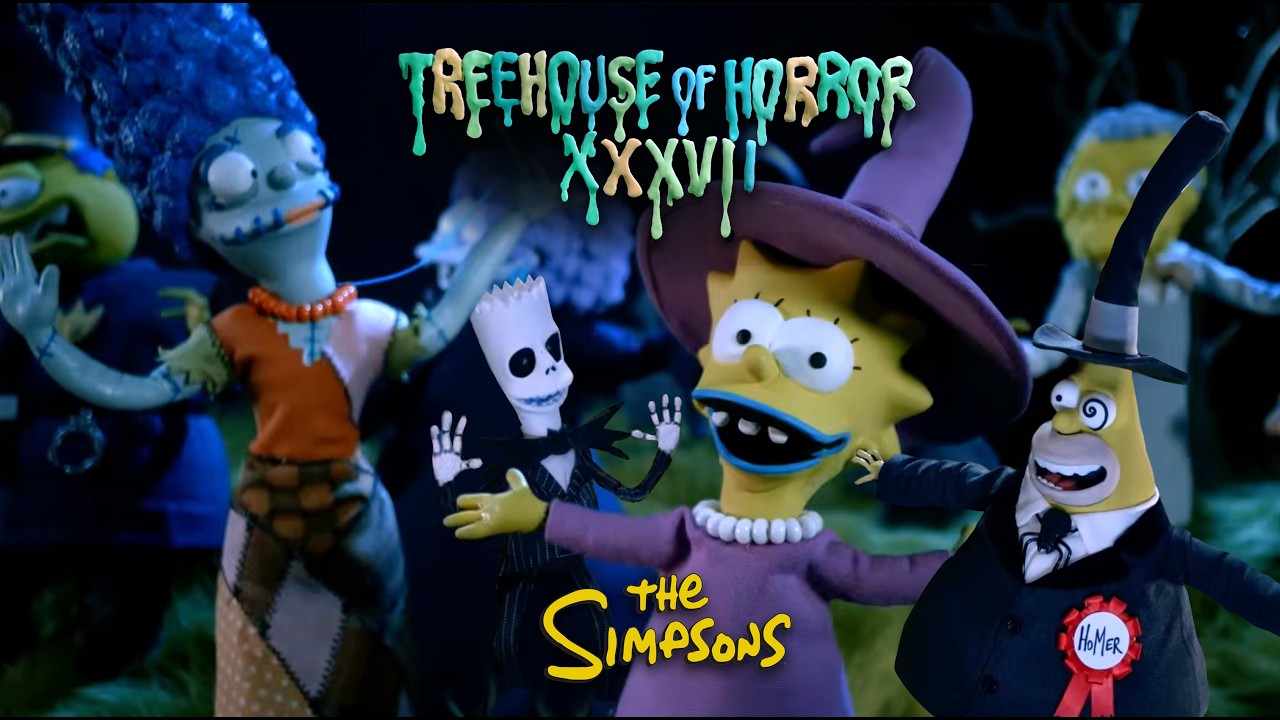
The convergence of Treehouse of Horror XXXVII and the box-office performance of Laika’s Wildwood highlights a broader cultural counter-movement within the entertainment sector. As generative artificial intelligence models and algorithmic animation tools advance—raising widespread legal, ethical, and economic concerns among creative professionals regarding job displacement and creative homogenization—audiences and studios alike are increasingly placing a premium on visible human labor.
Industry analysts note that while digital automation offers significant reductions in production timelines and budgets, it frequently strips away the idiosyncratic human errors and material tactile qualities that define auteur-driven art. The embrace of stop-motion by mainstream intellectual properties like The Simpsons serves as a high-profile validation of traditional crafts.
By dedicating valuable broadcast real estate to an art form that requires months of painstaking physical labor for mere seconds of screen time, the production signals to both the industry and its viewership that manual artistry retains irreplaceable cultural value. The positive critical and audience reception to the Nightmare Before Christmas crossover indicates a robust public appetite for authenticity, positioning physical stop-motion not as a relic of cinematic history, but as an enduring and vital medium for contemporary storytelling.