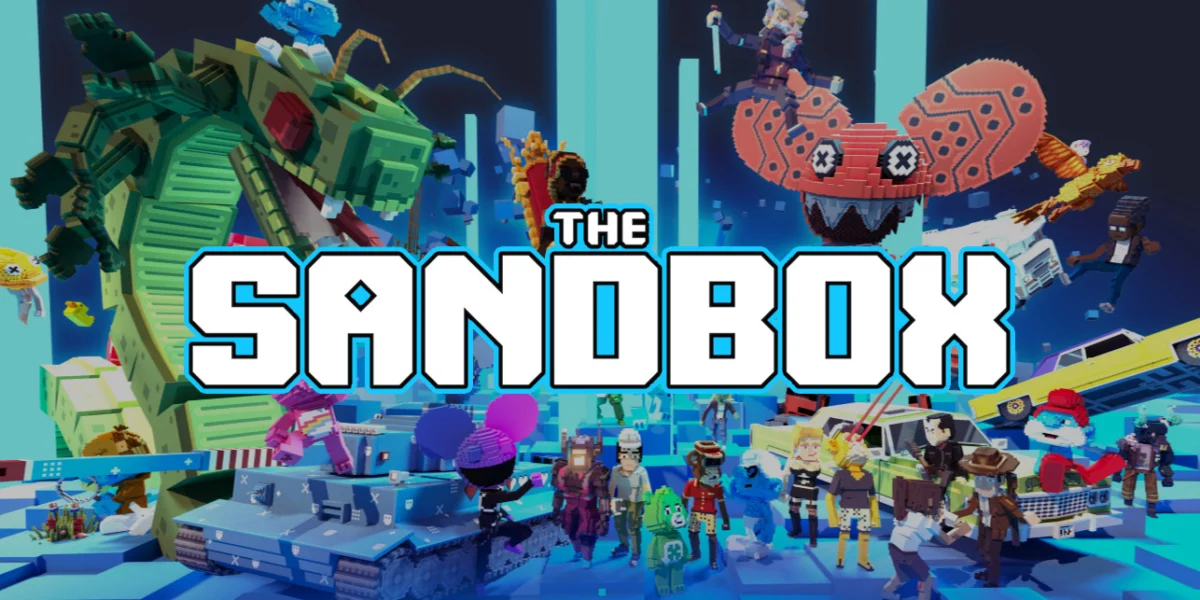
The digital landscape of virtual worlds has experienced a significant paradigm shift over recent years, driven by the rapid evolution of blockchain technology, non-fungible tokens (NFTs), and decentralized finance. At the forefront of this immersive revolution is The Sandbox, a prominent decentralized virtual gaming metaverse that allows players to build, own, and monetize their gaming experiences on the Ethereum blockchain. As the platform continues to mature, it has transitioned from an experimental blockchain project into a robust digital economy, securing partnerships with world-renowned intellectual properties (IPs), global brands, and mainstream cultural icons. This comprehensive review examines the current trajectory of The Sandbox, analyzing its recent land sales, strategic corporate partnerships, the utility of its native utility token, SAND, and the broader economic implications of virtual real estate development.
Evolution and Background of The Sandbox

Originally launched as a mobile game in 2012 by Pixowl, The Sandbox was acquired in 2018 by Animoca Brands with the explicit vision of transitioning the popular intellectual property from traditional centralized gaming (Web2) into a fully decentralized, user-generated content (UGC) metaverse (Web3). This pivotal strategic pivot leveraged blockchain technology to grant true digital ownership to creators, utilizing NFTs for virtual land (LAND) and in-game assets (ASSETS).
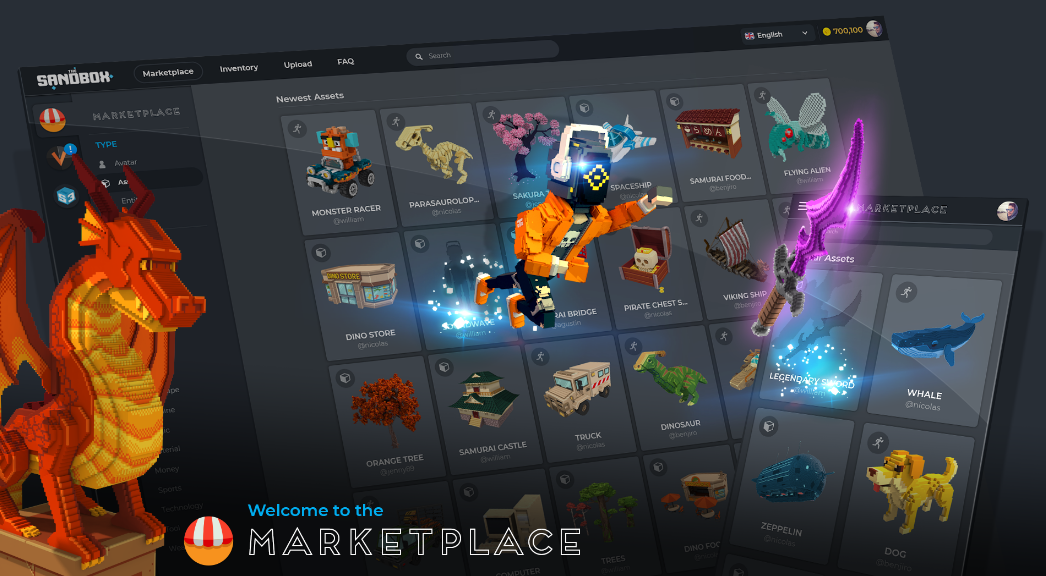
The core architecture of the metaverse is built upon three foundational pillars: VoxEdit, a software tool that allows users to create and animate 3D voxel objects; the Marketplace, where users can publish, trade, and sell their creations as NFTs; and the Game Maker, a visual scripting tool that empowers users to populate their LAND parcels with interactive gameplay experiences without requiring advanced coding knowledge. By decentralizing content creation and governance, The Sandbox established a new economic model where value is generated, distributed, and retained by the community rather than a single corporate entity.
Land Sales and Virtual Real Estate Dynamics
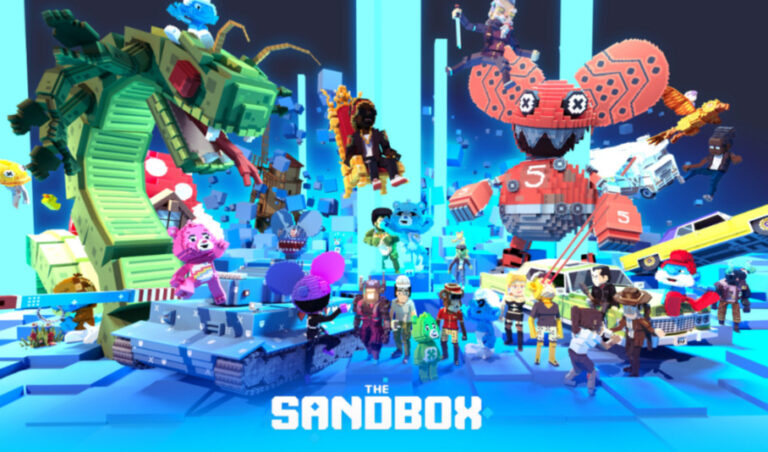
Virtual real estate has emerged as one of the most speculative yet fundamentally intriguing asset classes within the Web3 ecosystem. Within The Sandbox, LAND represents a digital piece of real estate in the metaverse that players can buy to build experiences on. Each piece of LAND is a unique non-fungible token (NFT) residing on the Ethereum blockchain, ensuring absolute scarcity, with a total fixed supply capped at 166,464 parcels.
The distribution of LAND has been conducted through meticulously planned public sale events, often structured in waves to manage demand and ensure equitable access for community members. These sales frequently require participants to hold a minimum balance of SAND tokens, thereby driving organic utility and demand for the platform’s native currency. Major brands, celebrities, financial institutions, and gaming conglomerates have aggressively acquired adjacent parcels to create virtual headquarters, interactive museums, and brand-tailored entertainment zones, significantly elevating the profile and perceived value of virtual neighborhoods.
Strategic Intellectual Property Partnerships and Brand Integration
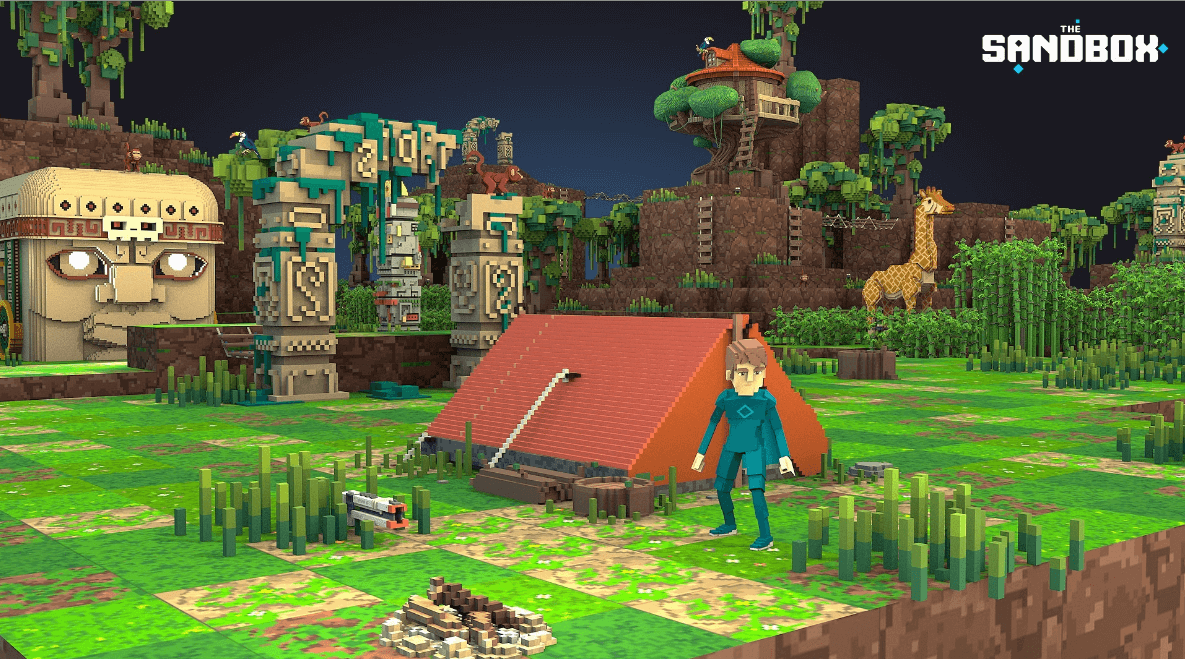
One of the primary catalysts for The Sandbox’s sustained growth has been its aggressive strategy of securing licensing agreements with globally recognized intellectual properties. The metaverse has successfully bridged the gap between traditional entertainment and blockchain technology by onboarding more than 400 major partners, spanning film, television, music, sports, gaming, and fashion.
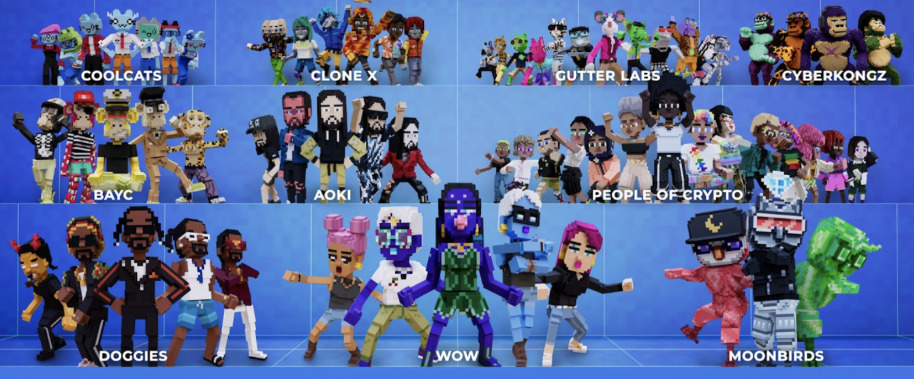
Notable collaborations include partnerships with major global entities such as Warner Music Group, Snoop Dogg, Adidas, The Walking Dead, Deadmau5, and Formula 1-affiliated entities. These integrations go beyond mere cosmetic appearances; partners acquire distinct virtual land parcels to construct immersive activations that engage fans in novel ways. For instance, music icons have built virtual concert venues and hangouts, while fashion houses have hosted digital runway shows where users can purchase wearable NFTs for their avatars. This intersection of mainstream pop culture and decentralized technology has proven instrumental in driving user acquisition and onboarding mainstream audiences who might otherwise remain hesitant to interact with blockchain-based platforms.
Leadership Insights and Roadmap Execution
The strategic direction of The Sandbox is heavily guided by its co-founders, including COO Sebastien Borget, who has been a vocal proponent of decentralized virtual worlds and digital property rights. Throughout the platform’s development cycle, leadership has emphasized a commitment to regulatory compliance, technological scalability, and user experience.
Despite broader market fluctuations and macroeconomic pressures affecting the cryptocurrency sector, the core team has continued to execute its comprehensive roadmap. Milestones achieved include the ongoing rollout of decentralized autonomous organization (DAO) governance features, enhancements to the Game Maker software to support more complex multiplayer mechanics, and continuous optimization of smart contracts to reduce transaction friction and gas fees. Management has consistently framed the metaverse not as a short-term speculative fad, but as a long-term structural evolution of how humans socialize, work, and consume digital media.
The Utility and Economics of the SAND Token
At the heart of the entire ecosystem lies SAND, an ERC-20 utility token that serves as the basis for transactions and interactions within The Sandbox. The token plays a multi-faceted role in the platform’s economy:
- Medium of Exchange: Players spend SAND to play games, purchase equipment, customize avatars, and acquire LAND and ASSETS.
- Governance: SAND holders can participate in Decentralized Autonomous Organization (DAO) governance, voting on key decisions regarding the platform’s future development and ecosystem fund allocations.
- Staking: Users can stake SAND tokens to earn passive rewards, alongside the potential to earn additional rare assets within the metaverse.
- Creator Economy: Content creators utilize SAND to upload assets to the Marketplace and promote their creations.
The tokenomics of SAND are carefully engineered to balance scarcity with utility. As adoption of the metaverse scales and more enterprise partners deploy commercial activations, the velocity and demand for SAND are subjected to fundamental economic pressures. Liquidity for the token is supported by major centralized and decentralized cryptocurrency exchanges worldwide, ensuring accessible markets for international participants.
Broader Industry Implications and Future Outlook
The trajectory of The Sandbox offers critical insights into the viability of decentralized metaverses. By successfully demonstrating that users will place tangible economic value on digital property backed by cryptographic proof of ownership, the platform has challenged traditional gaming paradigms.
However, challenges remain. Mass-market adoption of blockchain gaming is still hindered by steep learning curves associated with crypto wallets, network security considerations, and the inherent volatility of digital asset markets. Furthermore, long-term sustainability will depend heavily on the continuous delivery of compelling, high-quality gameplay rather than reliance solely on speculative real estate appreciation or brand hype.
As the digital economy matures, platforms like The Sandbox will likely continue to serve as testing grounds for the future of spatial computing, digital identity, and virtual commerce. Whether virtual real estate will maintain its long-term valuation or undergo further cyclical corrections remains to be seen, but the foundational infrastructure built by these early metaverse pioneers has irrevocably altered the landscape of digital interaction.