• Home
Crypto Gohan
keep your memories alive
Crypto Mining & Infrastructure

Tether and Adecoagro Partner to Launch Sustainable Bitcoin Mining Operations in Brazil Using Renewable Energy Sources

by Siti Muinah July 21, 2026
written by Siti Muinah

The global cryptocurrency landscape is witnessing a significant shift toward environmental sustainability as Tether, the issuer of the world’s most widely used stablecoin, USDT, announces a strategic partnership with Adecoagro, a leading South American agribusiness firm. This collaboration aims to establish a robust Bitcoin mining operation in Brazil, powered entirely by renewable energy sources. The partnership was formalized through a Memorandum of Understanding (MoU), signaling a long-term commitment to integrating digital asset infrastructure with sustainable industrial production. Beyond the technical implementation of mining hardware, the agreement includes a landmark decision by Adecoagro to incorporate Bitcoin into its corporate balance sheet, further validating the digital asset as a legitimate reserve currency for major traditional enterprises.

Strategic Objectives and the Core Agreement

The primary objective of the alliance between Tether and Adecoagro is to demonstrate the feasibility of large-scale, eco-friendly Bitcoin mining. By leveraging Adecoagro’s extensive renewable energy portfolio in Brazil, the project seeks to mitigate the carbon footprint typically associated with proof-of-work (PoW) consensus mechanisms. Tether, which has been aggressively diversifying its business model beyond stablecoin issuance, brings its technical expertise and capital to the venture.

The project is structured to utilize surplus energy generated from Adecoagro’s agricultural operations. In Brazil, Adecoagro maintains a massive footprint in the production of sugar, ethanol, and energy. A key component of their sustainability model involves the use of biomass—specifically sugarcane bagasse—to generate electricity. By redirecting a portion of this energy toward Bitcoin mining, the company can monetize excess capacity that might otherwise be sold at lower rates on the spot market or lost during periods of low demand.

Profiling the Partners: Tether and Adecoagro

Tether has evolved from a controversial stablecoin provider into a multi-faceted technology powerhouse. With a market capitalization exceeding $100 billion, Tether’s USDT serves as the liquidity backbone of the global crypto market. Under the leadership of CEO Paolo Ardoino, the company has reinvested its substantial profits into infrastructure projects, including peer-to-peer communications, artificial intelligence, and sustainable energy. This Brazilian venture is not Tether’s first foray into the mining sector; the firm has previously announced similar initiatives in Uruguay and El Salvador, positioning itself as a major player in the global "green mining" movement.

Adecoagro, on the other hand, represents the "Old Economy" meeting the "New Economy." Founded in 2002 and listed on the New York Stock Exchange (NYSE: AGRO), the company operates across Argentina, Brazil, and Uruguay. It is one of the largest producers of food and renewable energy in South America. Adecoagro’s business model is rooted in efficiency and sustainability, making it an ideal partner for a crypto firm looking to prove that mining can be a net positive for the environment and local energy grids.

The Role of Brazil in Global Crypto Infrastructure

Brazil has emerged as a premier destination for cryptocurrency innovation in Latin America. The country’s regulatory environment has become increasingly sophisticated, following the enactment of the Legal Framework for Crypto-assets (Law 14.478), which provides a clear structure for service providers and investors. Furthermore, Brazil’s energy matrix is one of the cleanest in the world, with over 80% of its electricity coming from renewable sources, including hydroelectric, wind, solar, and biomass.

The partnership targets Brazil specifically because of this favorable intersection of regulation and resource availability. Bitcoin mining requires a constant, high-volume supply of electricity. In many regions, this leads to a reliance on coal or gas. However, Brazil’s abundance of biomass and hydroelectric power allows for a "carbon-neutral" or even "carbon-negative" mining profile. By situating mining rigs near energy production sites, the project reduces transmission losses and enhances the overall efficiency of the national grid.

Chronology of Tether’s Mining Expansion

The collaboration with Adecoagro is the latest step in a calculated timeline of expansion for Tether:

  1. May 2023: Tether announces its first major investment in sustainable Bitcoin mining in Uruguay, partnering with a local licensed company to utilize the country’s wind and solar resources.
  2. June 2023: The company reveals its participation in "Volcano Energy," a $1 billion project in El Salvador aimed at harnessing geothermal energy for mining.
  3. Late 2023: Tether begins a recruitment drive for top-tier engineers and energy specialists to build out its internal mining division.
  4. October 2024: The signing of the MoU with Adecoagro marks Tether’s formal entry into the Brazilian energy and mining market.

This timeline illustrates a shift in Tether’s strategy: moving from a passive holder of US Treasuries to an active builder of physical infrastructure. This diversification serves to harden the company’s assets and provide utility to the Bitcoin network, which Tether views as the ultimate decentralized settlement layer.

Economic Implications: Bitcoin on the Balance Sheet

One of the most significant aspects of this partnership is Adecoagro’s commitment to holding Bitcoin on its balance sheet. This move follows the "MicroStrategy Model," popularized by Michael Saylor, where a public company uses Bitcoin as a primary reserve asset to hedge against fiat currency devaluation and inflation.

For an agricultural firm like Adecoagro, which operates in regions with historical currency volatility (such as Argentina), Bitcoin offers a borderless, censorship-resistant store of value. Mariano Bosch, Co-Founder and CEO of Adecoagro, emphasized that this project allows the company to "maximize the value" of its energy assets. By converting electricity—a perishable commodity—into Bitcoin—a digital commodity—Adecoagro is effectively performing a form of "energy arbitrage." They can lock in pricing for their energy while gaining exposure to the long-term upside of the world’s leading cryptocurrency.

Technical and Environmental Analysis

From a technical perspective, the integration of Bitcoin mining into agricultural energy production solves a major problem: "energy curtailment." Renewable energy sources often produce power when the grid does not need it (e.g., high winds at night or solar peaks during mid-day). Without expensive battery storage, this energy is wasted.

Bitcoin miners act as "flexible loads" or "interruptible buyers of last resort." They can be turned on or off instantly to match the availability of excess energy. In the case of Adecoagro’s biomass plants, mining provides a constant demand that stabilizes the plant’s financial output. This synergy improves the Return on Investment (ROI) for renewable energy projects, potentially incentivizing the construction of even more green energy infrastructure in rural Brazil.

Statements from Leadership

The leadership of both organizations has expressed high confidence in the project’s transformative potential. Paolo Ardoino, CEO of Tether, stated that the initiative is a cornerstone of Tether’s "long-term strategy to support resilient energy infrastructure and decentralized networks." He noted that the collaboration serves as a "blueprint for responsible innovation at the intersection of technology and sustainability."

Mariano Bosch of Adecoagro echoed these sentiments, highlighting the dual benefit of price stabilization and financial growth. "This project opens the door to stabilizing a portion of the energy we currently sell on the spot market," Bosch explained. The ability to "lock in pricing" while participating in the crypto economy represents a sophisticated evolution of traditional commodity management.

Broader Impact and Future Outlook

The Tether-Adecoagro partnership is likely to have ripple effects throughout the global agricultural and energy sectors. It challenges the narrative that Bitcoin mining is inherently destructive to the environment. Instead, it positions mining as a tool for rural development and energy efficiency.

As other multinational corporations observe Adecoagro’s success, more firms may look to monetize their own energy waste through digital asset production. Furthermore, this project strengthens the bond between South American industrial powerhouses and the global digital economy. Brazil, already a leader in fintech and agricultural exports, is now positioning itself as a hub for the "Green Bitcoin" revolution.

In conclusion, the alliance between Tether and Adecoagro is more than a simple business deal; it is a proof of concept for a sustainable future. By aligning the incentives of renewable energy producers with the security needs of the Bitcoin network, the two companies are paving the way for a more resilient and eco-friendly financial ecosystem. The success of this venture will be measured not just in hashes per second or Bitcoin mined, but in its ability to inspire a global standard for responsible digital asset infrastructure.

July 21, 2026 0 comment
0 FacebookTwitterPinterestEmail
Global Cryptocurrency News

Tesla’s Q2 2026 Earnings Report to Sharpen Focus on Enduring 11,509 BTC Treasury Position.

by Evan Lee Salim July 21, 2026
written by Evan Lee Salim

The highly anticipated second-quarter 2026 earnings report from Tesla, scheduled for release on July 22, is poised to once again bring the electric vehicle giant’s substantial Bitcoin holdings into sharp relief. Investors, analysts, and the broader cryptocurrency community are keenly observing whether the pioneering automotive and energy company has maintained its 11,509 BTC corporate treasury position throughout the quarter. This figure, which has remained consistent in recent official disclosures, serves as a critical checkpoint for one of the most prominent mainstream corporations with significant exposure to the digital asset market. The upcoming report is not merely a routine financial update; it represents a barometer for Tesla’s continued stance on Bitcoin as a reserve asset, offering insights into broader corporate adoption trends.

A Chronology of Tesla’s Bitcoin Journey

Tesla’s foray into Bitcoin began with a seismic announcement in February 2021, when the company revealed a $1.5 billion investment in the cryptocurrency. This move, disclosed in a U.S. Securities and Exchange Commission (SEC) filing, sent shockwaves through both traditional financial markets and the crypto world. At the time, Bitcoin’s price was hovering around the $30,000 to $40,000 range, and Tesla’s investment immediately legitimized the digital asset in the eyes of many institutional investors. The company stated its intention to begin accepting Bitcoin as a payment method for its vehicles, further integrating the cryptocurrency into its operational framework.

By March 2021, Tesla indeed began accepting Bitcoin payments, a move spearheaded by CEO Elon Musk, who had become an increasingly vocal proponent of digital assets on social media. This period marked a peak in enthusiasm, with Bitcoin’s price soaring to new all-time highs, partly fueled by institutional interest and Tesla’s high-profile endorsement. However, this honeymoon phase was short-lived. In May 2021, just two months after initiating Bitcoin payments, Tesla suspended the option, citing environmental concerns over the energy consumption associated with Bitcoin mining. This reversal triggered a significant market downturn for Bitcoin and drew considerable scrutiny to the sustainability aspects of proof-of-work cryptocurrencies.

The next major development in Tesla’s Bitcoin saga occurred in the second quarter of 2022. Amid a broader cryptocurrency market downturn, Tesla disclosed that it had sold approximately 75% of its Bitcoin holdings. This strategic sale, which added $936 million in cash to its balance sheet, was justified by the company as a measure to maximize cash liquidity during a period of uncertainty. While the sale was framed as a financial maneuver rather than a definitive rejection of Bitcoin, it led to speculation about Tesla’s long-term commitment to digital assets. Since that substantial reduction, Tesla’s remaining 11,509 BTC balance has been consistently reported in subsequent quarterly filings, signaling a period of stability in its digital asset treasury strategy. The Q2 2026 report will thus confirm whether this steady-state approach has continued for another quarter.

Why Tesla’s Bitcoin Holding Commands Attention

Tesla’s Bitcoin position garners disproportionate attention precisely because the company is not a crypto-native entity. When a cryptocurrency miner, exchange, or dedicated Bitcoin treasury company holds BTC, it aligns with market expectations and their core business model. However, when a global technology and manufacturing powerhouse like Tesla, primarily known for electric vehicles, artificial intelligence, and energy solutions, maintains a significant digital asset on its corporate balance sheet, the signal is far broader and more profound. It demonstrates that a major, diversified corporation is willing to incorporate a volatile, non-traditional asset into its treasury strategy alongside more conventional holdings like cash, securities, and other financial instruments.

This distinction is crucial for the psychological narrative surrounding Bitcoin’s mainstream adoption. For Bitcoin supporters, Tesla’s continued holding validates the asset’s potential as a legitimate store of value and a reserve asset, even if it’s not the company’s primary focus. It underscores the belief that Bitcoin can coexist within traditional corporate finance frameworks. The fact that Tesla has reduced its position in the past, yet retained a material balance, suggests a measured and strategic approach rather than a fleeting experiment. A confirmed unchanged position in the upcoming report would reinforce the idea that Tesla views Bitcoin as a persistent component of its treasury, contributing to a more mature and diversified balance sheet strategy.

The Broader Corporate Treasury Adoption Narrative

The concept of corporate treasury adoption is one of Bitcoin’s most compelling long-term narratives, extending beyond the influence of exchange-traded funds (ETFs) or specialized crypto funds. It directly addresses whether operating companies are prepared to hold Bitcoin alongside their fiat currency reserves, short-term investments, and other balance sheet assets. Tesla serves as a high-profile test case in this evolving landscape. Its actions, whether holding, buying, or selling, are scrutinized for their implications on the broader corporate appetite for digital assets.

In the past few years, a growing number of companies, albeit still a minority, have explored or adopted Bitcoin for their treasuries. These range from publicly traded companies to smaller private firms. Their motivations often include hedging against inflation, seeking diversification, or capitalizing on potential long-term appreciation. Tesla’s continued presence in this cohort, despite its prior partial sale and the inherent volatility of the crypto market, provides significant symbolic weight. It suggests that even companies not solely dedicated to the crypto space see value in maintaining some exposure, which can inspire confidence among other enterprises contemplating similar moves.

Earnings Reports as Critical Disclosure Points

Unlike real-time market data for publicly traded cryptocurrencies, corporate Bitcoin holdings are not always updated continuously. Investors and market participants often rely on quarterly financial filings, earnings materials, and investor updates to confirm any changes in a company’s digital asset positions. This makes earnings season a particularly vital period for companies with known crypto exposure, transforming financial reports into critical checkpoints for transparency and strategic updates.

Tesla’s Q2 2026 report on July 22 is one such pivotal disclosure window. If the company confirms an unchanged balance of 11,509 BTC, the market will likely interpret it as a signal of continuity and stability rather than a new catalyst. This steady approach might reassure investors that Tesla has a defined, long-term strategy for its digital assets. Conversely, if the balance were to change—either through a purchase or a sale—the reaction could be significantly stronger. A sale might raise questions about the company’s confidence in Bitcoin as a reserve asset, potential liquidity needs, or a shift in treasury strategy. A new purchase, on the other hand, would undoubtedly reignite discussions around corporate Bitcoin adoption, potentially fueling bullish sentiment in the crypto market. For now, the most responsible approach remains to await the official filing and accompanying commentary.

Distinguishing Tesla’s Strategy from MicroStrategy’s

It is imperative to differentiate Tesla’s Bitcoin strategy from that of MicroStrategy, a business intelligence firm that has fundamentally restructured its corporate identity around Bitcoin accumulation. MicroStrategy, under the leadership of Michael Saylor, has made Bitcoin its primary treasury reserve asset and a central pillar of its long-term corporate strategy, consistently acquiring more BTC through various financing mechanisms. Its entire market narrative and valuation are deeply intertwined with its Bitcoin holdings.

Tesla, by contrast, maintains its core business focus on electric vehicles, battery energy storage, artificial intelligence, and related technology. Bitcoin, for Tesla, represents a treasury position—a component of its balance sheet—rather than the central tenet of its capital strategy or operational model. This difference is profound. Tesla can hold Bitcoin without transforming into a "Bitcoin treasury company." It can also maintain a stable position without making a major strategic statement with every quarterly report. For Tesla investors, the Bitcoin balance is just one piece of a much larger financial puzzle. Metrics such as vehicle deliveries, profit margins, AI infrastructure spending, energy generation and storage revenue, operating costs, and future guidance are typically far more influential in driving the company’s stock performance.

However, for Bitcoin markets and the broader digital asset ecosystem, Tesla’s treasury line still carries immense symbolic weight. A continued hold supports the crucial narrative that major, diversified corporations can responsibly maintain Bitcoin exposure, even when it is not their primary business. This contributes significantly to the mainstream acceptance and maturation of Bitcoin as a legitimate asset class.

Anticipating Market Scrutiny: What Analysts Will Watch

Beyond the confirmation of the 11,509 BTC figure, financial analysts and investors will be looking for several key elements within Tesla’s Q2 2026 earnings report and accompanying investor call. Firstly, any explicit language or commentary from Tesla regarding its digital asset strategy, impairment charges related to Bitcoin (if applicable under current accounting standards), fair-value accounting practices for digital assets, or broader treasury management philosophy will be meticulously scrutinized. Even subtle changes in wording or emphasis can attract significant attention, given the extensive discussions surrounding Tesla’s past Bitcoin decisions.

Secondly, the prevailing market conditions for Bitcoin leading up to and immediately following the report’s release will heavily influence its interpretation. If Bitcoin has experienced a period of strong performance and price appreciation, an unchanged Tesla balance might reinforce bullish sentiment, suggesting confidence in the asset’s trajectory. Conversely, if Bitcoin has been weak or volatile, the same unchanged balance might be perceived as less impactful or even a missed opportunity, depending on the analyst’s perspective. Context, therefore, plays a crucial role in how Tesla’s Bitcoin position is ultimately received.

Furthermore, traditional financial metrics will dominate the overall assessment of Tesla’s Q2 performance. Analysts will closely examine vehicle production and delivery numbers, especially for newer models and international markets. Gross margins and operating margins will be critical indicators of profitability and cost efficiency. Updates on AI development, particularly related to autonomous driving capabilities and supercomputing infrastructure (like Dojo), will be pivotal. Progress in the energy generation and storage division, including Megapack deployments and Powerwall installations, will also be key. Finally, the company’s guidance for the third quarter and the remainder of 2026 will provide crucial insights into its future outlook and strategic priorities. The Bitcoin balance, while symbolically important, will be weighed against these core business performance indicators.

Implications for Tesla and the Digital Asset Landscape

The Q2 2026 earnings report will offer multifaceted implications. For Tesla, confirming an unchanged Bitcoin holding suggests a stable and consistent approach to its treasury management, potentially reducing speculative noise around its digital asset strategy and allowing investors to focus on its core business performance. A sale, however, could lead to questions about its financial stability or a renewed skepticism towards Bitcoin, while a purchase would signal a more aggressive stance on digital assets. Each scenario carries different potential impacts on Tesla’s stock price and its public image.

For the broader digital asset landscape, Tesla’s continued holding of Bitcoin, even if passive, reinforces the narrative of institutional and corporate adoption. It maintains Bitcoin’s visibility within mainstream finance and serves as a benchmark for other corporations considering similar treasury diversification. In an environment where regulatory clarity for cryptocurrencies is still evolving globally, the actions of a major public company like Tesla provide a significant data point for market participants and policymakers alike.

Ultimately, the July 22 earnings report will provide investors with an official and definitive update. The key takeaway, however, is to avoid overstating the implications before the official documents are released. Tesla has not provided any preliminary indications of a Q2 Bitcoin buy or sale in its current investor relations materials. The core story remains that one of the world’s most visible and influential public companies is approaching another critical disclosure window, with a significant Bitcoin treasury position continuing to capture widespread attention. This ongoing focus, in itself, is a testament to Bitcoin’s enduring presence in the evolving world of corporate finance.

This article is based on Tesla investor relations materials and general market analysis.

July 21, 2026 0 comment
0 FacebookTwitterPinterestEmail
Bitcoin & Core Networks

SpaceX IPO Fuels Trillion-Dollar Valuation, Sparks Debate on Bitcoin’s Market Dynamics

by Lina Irawan July 21, 2026
written by Lina Irawan

The impending Initial Public Offering (IPO) of SpaceX, the aerospace manufacturer and space transportation services company founded by Elon Musk, has rapidly emerged as a dominant talking point across global financial markets. Scheduled to go live on June 12, this landmark event is poised to redefine capital market benchmarks and, perhaps unexpectedly, has ignited fervent discussion within the cryptocurrency sphere, particularly concerning its potential ramifications for Bitcoin. The company’s substantial holdings of Bitcoin on its balance sheet, coupled with its CEO’s vocal advocacy for the digital asset, place this IPO at a critical intersection of traditional finance and the burgeoning crypto economy.

SpaceX’s Meteoric Rise and IPO Anticipation

SpaceX, officially known as Space Exploration Technologies Corp., was founded by Elon Musk in 2002 with the audacious goal of revolutionizing space technology, with the ultimate aim of enabling human life on other planets. Over two decades, the company has achieved unprecedented milestones, including developing the Falcon family of reusable rockets, the Dragon spacecraft for cargo and crew transport to the International Space Station, and the Starlink satellite internet constellation. Its ambitious Starship program aims to facilitate missions to the Moon and Mars, cementing its status as a pioneer in commercial space exploration. This track record of innovation and disruption has propelled SpaceX to an elite valuation in the private markets, making its transition to a publicly traded entity a monumental event.

The anticipation surrounding the SpaceX IPO has been palpable, reflecting not only the company’s inherent value but also the broader market’s appetite for high-growth, technology-driven enterprises. The company formally announced its intention to issue 555,555,555 shares at a listing price of $135 per share. This pricing strategy positions SpaceX for an estimated valuation of $1.75 trillion, a figure first reported by the Wall Street Journal and confirmed through subsequent market intelligence. Should this valuation materialize, it would immediately rank SpaceX among the world’s most valuable companies, on par with tech giants and oil conglomerates.

Setting New Records: The Scale of the SpaceX IPO

If the SpaceX IPO proceeds without significant hitches and achieves its projected valuation, it is set to shatter existing records for the largest Initial Public Offering in financial market history. The company aims to raise an unprecedented $75 billion through the offering. To put this into perspective, the current record for the largest IPO is held by Saudi Aramco, which raised approximately $25 billion in its 2019 listing. SpaceX’s target capital raise would triple this historic benchmark, underscoring the immense scale and investor confidence in its future trajectory.

An unusual aspect of SpaceX’s IPO process has been its decision to announce the share price days ahead of the official listing. Typically, companies reveal their share prices a day or two before going public, often after gauging investor interest through roadshows and book-building processes. SpaceX’s proactive disclosure has, counter-intuitively, served to amplify speculation and intensify public interest, creating a unique buzz around the offering. This strategic move aligns with Elon Musk’s penchant for unconventional approaches, often leveraging public attention to maximum effect. The company is expected to officially begin trading on the Nasdaq stock index, marking its formal entry into the public domain.

Will The SpaceX IPO Have A Significant Impact On The Bitcoin And Crypto Market? | Bitcoinist.com

The "SpaceX Effect": Capital Rotation and Bitcoin’s Recent Volatility

The lead-up to the SpaceX IPO has coincided with a notable downturn in the cryptocurrency market, particularly for Bitcoin, which experienced significant price corrections and increased volatility in the weeks prior to June 12. This correlation has fueled speculation among market analysts and crypto enthusiasts that the impending IPO might be a contributing factor to Bitcoin’s recent poor performance. The theory of "capital rotation" posits that in anticipation of a highly attractive new investment opportunity, investors often reallocate capital by selling existing holdings to free up funds for the new asset.

During the week preceding the IPO, Bitcoin’s price experienced a sharp decline, briefly dipping below the $60,000 mark and triggering broader market apprehension. Concurrently, the Bitcoin spot Exchange Traded Fund (ETF) market witnessed its single largest daily outflow on record, exceeding $500 million on June 2. This substantial withdrawal of capital from institutional Bitcoin investment vehicles, alongside a general downtrend in crypto prices, lends credence to the capital rotation hypothesis. While it is challenging to definitively attribute market movements to a single factor, the timing of these events, particularly the announcement of SpaceX’s share count and price, suggests a possible causal link. Investors, both institutional and retail, may have opted to liquidate portions of their crypto portfolios to secure capital for participation in what is being heralded as a generational IPO.

SpaceX’s Bitcoin Holdings: A Public Endorsement

Beyond the potential for capital rotation, SpaceX’s existing relationship with Bitcoin adds another layer of complexity and significance to its IPO. The company is set to go public with a substantial holding of over 18,700 BTC on its balance sheet, valued at approximately $1.3 billion at current market prices. This makes SpaceX one of the largest corporate holders of Bitcoin worldwide, following in the footsteps of companies like MicroStrategy (now Strategy), which has famously amassed a vast Bitcoin treasury.

Elon Musk, at the helm of SpaceX, has been a prominent and often controversial figure in the cryptocurrency space. His public statements, tweets, and company actions have demonstrably moved crypto markets in the past. While his direct influence has waned slightly from its peak, his endorsement, through corporate holdings and personal advocacy, continues to carry significant weight. With SpaceX becoming a publicly traded entity, its Bitcoin holdings will be under greater scrutiny from traditional investors and financial analysts. This increased transparency and the sheer scale of its BTC treasury could serve as a powerful, if indirect, validation of Bitcoin as a legitimate store of value and corporate asset. For many in the traditional finance sector, a company with the pedigree and ambition of SpaceX holding such a significant stake in Bitcoin could further normalize digital assets within mainstream investment portfolios.

Bridging Traditional Finance and the Crypto Market

The SpaceX IPO also highlights the accelerating convergence between traditional financial markets and the burgeoning cryptocurrency ecosystem. In anticipation of the listing, several prominent crypto exchanges, including Coinbase and Kraken, announced the availability of pre-IPO perpetual futures contracts for SpaceX shares. This innovative offering allows crypto investors to gain synthetic exposure to SpaceX stock before its official public trading, bridging a gap that has historically separated these two distinct financial worlds.

Will The SpaceX IPO Have A Significant Impact On The Bitcoin And Crypto Market? | Bitcoinist.com

Furthermore, platforms like Binance have already begun offering crypto investors direct exposure to traditional stock markets through tokenized equities. This trend signifies a broader movement towards greater interoperability and accessibility between asset classes. The ability for crypto investors to participate, even indirectly, in a major traditional IPO like SpaceX’s through crypto-native platforms underscores a maturing financial landscape where digital assets are no longer confined to niche markets. This integration could lead to increased capital flows between the two sectors, fostering greater liquidity and potentially reducing the perception of crypto as an entirely separate and unregulated domain.

Broader Market Implications and Expert Perspectives

The implications of the SpaceX IPO extend beyond Bitcoin and the immediate crypto market. A successful listing of this magnitude could re-energize the broader IPO market, which has seen periods of muted activity in recent years. It could also provide a significant boost to investor sentiment for high-growth, innovative companies, potentially paving the way for other privately held tech giants to consider public offerings.

From a macroeconomic perspective, the injection of $75 billion into the market through this IPO represents a substantial capital event. While much of this capital will flow to existing shareholders and company coffers, its sheer scale could have ripple effects across various asset classes. Analysts will be closely watching how the market reacts to such an immense valuation and whether the initial trading performance lives up to the pre-IPO hype. A strong performance could signal robust investor confidence in future-oriented technologies, while any significant underperformance could cast a shadow over forthcoming large-scale public offerings.

For Bitcoin and the wider crypto market, the long-term implications are complex. While short-term capital rotation might exert downward pressure, the public validation of Bitcoin through SpaceX’s balance sheet holdings could offer a long-term bullish catalyst. As more publicly traded companies embrace Bitcoin as a treasury asset, it enhances the digital asset’s legitimacy and appeal to institutional investors. The narrative shifts from speculative investment to a diversified corporate treasury strategy, a crucial step for Bitcoin’s journey toward mainstream adoption.

Moreover, the increased interaction between crypto exchanges and traditional equities, exemplified by pre-IPO futures, suggests a future where investors can seamlessly allocate capital across both domains. This blurring of lines could lead to more sophisticated hedging strategies, diversified portfolios, and ultimately, a more integrated global financial system. However, it also introduces new considerations regarding regulatory oversight and market interconnectedness.

Conclusion and Future Outlook

The SpaceX IPO, with its unprecedented scale and profound implications, stands as a pivotal moment in financial history. It is not merely the public listing of another technology company; it represents the culmination of two decades of groundbreaking innovation and a bold step into a future where space exploration is increasingly commercialized. For Bitcoin and the cryptocurrency market, this event offers both challenges and opportunities. While short-term capital shifts may test market resilience, the long-term prospects of a trillion-dollar company publicly endorsing Bitcoin through its balance sheet holdings, coupled with the increasing integration of crypto platforms into traditional equity markets, could usher in a new era of mainstream acceptance and growth for digital assets. As June 12 unfolds, the world will watch intently to see how this ambitious venture reshapes not only the aerospace industry but also the intricate dance between traditional finance and the digital economy.

July 21, 2026 0 comment
0 FacebookTwitterPinterestEmail
Bitcoin & Core Networks

BNB Navigates Critical $570-$590 Support Zone as Traders Eye Decisive Move Above $600

by Evan Lee Salim July 21, 2026
written by Evan Lee Salim

Binance Coin (BNB) is currently undergoing a critical phase of price stabilization, repeatedly testing a significant support area ranging between $570 and $590. This prolonged consolidation has heightened focus among market participants on whether sustained buying pressure can emerge to push the token decisively above the psychologically important $600 threshold. The current price action indicates a market at a crossroads, with technical indicators presenting a mixed outlook and analysts watching for clear signals of either recovery or further downside.

Current Market Snapshot: A Tight Range at Key Support

As of the latest market data, BNB is trading near $570, fluctuating within a narrow 24-hour range of approximately $563 to $574. This tight trading band underscores the immediate battle between buyers and sellers at this pivotal support level. The token’s current valuation remains a significant distance from its October 2025 all-time high of approximately $1,370, highlighting the substantial correction it has undergone from its previous peak. This deep retracement means that any sustained recovery would need to overcome considerable overhead resistance accumulated during the downtrend.

Technical analysis reveals a nuanced picture. Short-term momentum indicators are largely neutral, suggesting a lack of strong directional conviction in the immediate term. However, the broader trend, as reflected by moving averages, continues to lean towards a more defensive or bearish structure. The immediate challenge for BNB is to establish a sustained recovery above the $570–$577 resistance cluster before any meaningful attempt at reclaiming the crucial $600 mark can be considered viable.

The Significance of the $570-$590 Support Region

The $570–$590 price band has emerged as a central point of interest in recent BNB technical analyses. This region has, on multiple occasions, attracted buying interest, preventing a more substantial price collapse. However, the repeated testing of any support zone can also be a double-edged sword; while it confirms demand, persistent pressure without a strong rebound can gradually weaken the support, making it more susceptible to a decisive break.

Specifically, market strategist @Cipher2X recently identified the $566–$567 area as a key demand zone within this broader support region. The premise is that a successful defense of this particular area could pave the way for BNB to target a liquidity pocket around $587–$588, where previous highs might attract further market activity, potentially triggering short-covering or fresh buying. While BNB has managed to hold above this immediate short-term reference, the recovery has been modest, lacking the robust momentum required to challenge higher resistance levels.

The distinction between the $566–$567 immediate support and the broader $570–$590 weekly battleground is crucial. The former represents a short-term defense line, while the latter encompasses the wider range that, if breached, would significantly undermine the current stabilization thesis. A sustained break below the entire $570–$590 region would signal a concerning shift in market dynamics, potentially opening the door to deeper corrections.

Technical Indicators Paint a Mixed Picture

BNB Price Prediction: Can BNB Reclaim $600 After Defending the Key $570–$590 Support Zone?

A deeper dive into various technical indicators, as per recent TradingView data, reveals a cautious and somewhat ambiguous outlook for BNB. With the token quoted near $568.28, the overall technical summary remains squarely in "Neutral" territory, reflecting the prevailing indecision.

Oscillator readings provide little definitive evidence of a strong directional trend. The 14-period Relative Strength Index (RSI), a popular momentum oscillator, stands at 45.41. This reading places it below the midpoint of 50, indicating a slight bearish bias in momentum, but it is still well above the traditional oversold territory of 30, suggesting that selling pressure has not reached an extreme. Similarly, the Stochastic %K is at 35.81, and Williams %R is at -65.08, both of which are also in neutral zones, failing to signal either strong buying or selling impetus.

Other momentum indicators further confirm this lack of clear trend strength. The Commodity Channel Index (CCI) is at -16.32, and the Average Directional Index (ADX) is at 17.18. An ADX reading below 20 typically indicates a weak or non-trending market, corroborating the observation that BNB is currently consolidating without a dominant directional force. The Awesome Oscillator is -0.68, while the Stochastic RSI Fast is 15.38. Bull Bear Power registered -5.56, and the Ultimate Oscillator was 48.81. Collectively, these readings suggest that BNB is not currently exhibiting a broad-based momentum signal in either direction, trapped in a state of equilibrium.

Despite the prevalence of neutral signals, there are some conflicting indications within the oscillator group. The Momentum (10) indicator generated a Sell signal, suggesting a recent deceleration in price appreciation. Conversely, the Moving Average Convergence Divergence (MACD) Level (12, 26) produced a Buy signal at -3.64, hinting at a potential bullish crossover in the near term, albeit from a negative position. This divergence between indicators underscores the current market uncertainty, suggesting that traders are awaiting further confirmation rather than committing to a clear trend.

Moving Averages: A Persistent Bearish Undercurrent

The structure of moving averages presents a less optimistic view, largely indicating an environment that is not yet conducive to an immediate bullish reversal. Short-term exponential moving averages (EMAs) and simple moving averages (SMAs) are positioned close to the current price but predominantly above it, acting as immediate resistance.

Specifically, the 10-period EMA is at 571.70, and the 10-period SMA is at 572.93. Slightly higher, the 20-period EMA stands at 573.33, and the 30-period EMA is at 577.32. These levels collectively form an initial resistance band roughly spanning $570 to $577. For BNB to improve its short-term technical outlook, it must not only reclaim this cluster but also demonstrate the ability to hold above it, converting these resistance levels into new support.

The longer-term moving averages pose a more significant challenge, reinforcing the broader bearish trend. The 50-period EMA and SMA are situated at 587.16 and 586.70, respectively, indicating a stronger resistance barrier. Further up, the 100-period EMA is at 611.84, with the 100-period SMA at 613.61. The most formidable resistance lies at the 200-period EMA and SMA, positioned around $661.38 and $663.92. The fact that these longer-term averages remain well above the current market price signifies that the broader trend for BNB is still under considerable downward pressure.

Among the moving averages, only a few exceptions offer a glimmer of bullish hope. The Hull Moving Average (9) generated a Buy signal at 568.18, suggesting a very short-term positive momentum shift. The Ichimoku Base Line remained Neutral at around 564.89. However, the overwhelming majority of moving average readings are tilted towards Sell signals, with 12 Sell, one Neutral, and one Buy. This imbalance strongly suggests that BNB requires more than a temporary bounce to establish a convincing trend reversal; it needs a significant and sustained shift in market dynamics.

The Psychological $600 Mark: A Pivotal Battleground

BNB Price Prediction: Can BNB Reclaim $600 After Defending the Key $570–$590 Support Zone?

The $600 level has emerged as a crucial technical and psychological dividing line for BNB. A decisive move above this threshold would signify more than just reclaiming a round number; it would place BNB back above the broader weekly support area that has been repeatedly tested, potentially improving overall market sentiment. Furthermore, breaking above $600 would mean surpassing the short-term moving-average cluster, bringing the token closer to the classic pivot point near $604.37.

Weekly analysis from DukesMarketAnalysis similarly underscores the importance of $600 for the bulls. The assessment explicitly states that "Bulls Need to Reclaim $600," arguing that a convincing recovery above this level would serve as an early and strong indication of improving sentiment. The same analysis, however, warns that BNB’s broader trend remains vulnerable. Key long-term indicators, such as the 21-week and 8-week EMAs, are described as bearishly crossed, while the RSI remains below 50, indicating a lack of strong bullish momentum on a weekly timeframe. The StochRSI, while close to oversold territory, does not yet provide definitive evidence that selling pressure has been fully exhausted.

Therefore, $600 is not merely another price point but a meaningful confirmation level. A breach of this level, particularly if accompanied by an increase in trading volume, would offer a far more constructive signal than a temporary intraday spike. It would indicate a fundamental shift in buyer conviction and potentially mark the beginning of a more sustained recovery.

BNB’s Ecosystem and Broader Market Context

To fully appreciate BNB’s current predicament, it is essential to consider its role within the broader cryptocurrency ecosystem. BNB is the native cryptocurrency of the Binance Chain and Binance Smart Chain (now BNB Chain), two prominent blockchain networks associated with Binance, the world’s largest cryptocurrency exchange by trading volume. Its utility extends beyond mere trading, encompassing discounted trading fees on Binance, participation in token sales on Binance Launchpad, and powering transactions and smart contracts on the BNB Chain. The health of the Binance ecosystem and the broader crypto market sentiment significantly influence BNB’s price.

The October 2025 all-time high near $1,370 occurred during a period of robust market expansion and heightened interest in decentralized finance (DeFi) and non-fungible tokens (NFTs), areas where the BNB Chain played a significant role due to its lower transaction fees and faster processing times compared to Ethereum. The subsequent correction can be attributed to a combination of factors, including broader market downturns, regulatory pressures on centralized exchanges, and a general cooling off of speculative fervor in the crypto space. Understanding this historical context helps frame the current struggle for stabilization as part of a larger market cycle.

Analyst Perspectives: $588 Liquidity or $537 Retest?

The near-term price structure for BNB presents two contrasting, yet equally plausible, scenarios based on current technical analysis.

On the bullish side, the $587–$588 area, as identified by @Cipher2X, represents a significant potential liquidity target. If BNB successfully navigates and clears the immediate $570–$577 resistance cluster, this zone would likely come into focus. A successful push through $588 would then set the stage for a challenge of the broader $600 threshold. For the technical picture to become genuinely constructive, BNB would need to not only clear $588 but also establish sustainable support above $600. Such a sequence of events would demonstrate that buyers are capable of both defending lower support zones and absorbing selling pressure at successive resistance levels, signaling a genuine shift in market control.

Conversely, a failure to defend the critical $570–$590 region would significantly heighten the risk of a deeper correction. DukesMarketAnalysis highlighted the recent $537 low as a crucial downside level that could quickly return to focus if BNB fails to reclaim $600 and the current support ultimately gives way. Should this support falter, the wider pivot calculations illustrate the potential for a sharp shift in sentiment. While the classic pivot is around $604.37, a calculated S1 (Support 1) sits near $481.43. These broader pivot levels, derived from historical price ranges, serve as significant reference points, suggesting the potential severity of a downside move if the current defensive lines are breached.

BNB Price Prediction: Can BNB Reclaim $600 After Defending the Key $570–$590 Support Zone?

For the immediate future, the most relevant technical levels remain closer to the current price action: approximately $566–$567 acting as immediate downside support, $570–$577 as the first resistance band, $587–$588 as the next upside target for liquidity, and the $600–$604 range as the key confirmation zone for a potential trend reversal.

Key Levels to Watch and Future Outlook

BNB’s immediate outlook remains precariously balanced, caught between the potential for a nascent recovery and the persistent risk of another support breakdown. The confluence of neutral momentum indicators and a bearish moving average structure creates an environment of uncertainty, demanding careful observation from traders and investors.

The first critical level for buyers to defend is the $566–$567 zone, which has recently demonstrated demand and prevented deeper declines. A failure to hold this area would immediately bring the recent $537 low into sharp focus as the next significant downside reference.

On the upside, BNB faces a series of escalating challenges. It must first overcome the $570–$577 moving-average cluster, which represents a formidable initial resistance. Following this, the $587–$588 liquidity area stands as the next key upside target. A sustained and convincing move above the $600 mark would provide the strongest technical signal of a potential trend reversal, reinforced by the classic pivot near $604.37 residing in the same vicinity.

The indicator mix, with RSI at 45.41 and ADX at 17.18, suggests that the market has not yet reached an extreme oversold condition, implying that further downside cannot be entirely ruled out. Simultaneously, the concentration of longer-term moving averages well above the current price underscores the considerable overhead resistance that BNB must conquer.

The pivotal question for BNB’s price prediction is not merely whether the token can briefly trade above $600. The more meaningful test will be whether BNB can reclaim and hold that level after successfully defending the $570–$590 support region. If buyers achieve this, the technical structure would begin to show signs of improvement, potentially opening the path toward higher resistance levels, including the 100-period moving averages around $612-$614 and eventually the 200-period averages near $660. However, if the current support fails before a robust recovery develops, the recent $537 low could once again become a critical point of retest. Until one of these scenarios is definitively confirmed, BNB remains entrenched in a battle between a fragile support base and a broader trend that has yet to turn decisively bullish.

July 21, 2026 0 comment
0 FacebookTwitterPinterestEmail
Ethereum & Smart Contracts

Ethereum Foundation Undergoes Major Reorganization, Reducing Workforce by 20% While Restructuring for Long-Term Protocol Sustainability

by Ali Ikhwan July 21, 2026
written by Ali Ikhwan

The Ethereum Foundation (EF), a cornerstone of the Ethereum ecosystem, has officially concluded a months-long comprehensive reorganization, fundamentally reshaping its operational structure and reducing its global workforce by 54 individuals, approximately 20% of its total staff. This significant strategic pivot is a direct outcome of the implementation of the Foundation’s recently established Mandate and Treasury Management Policy, signaling a renewed, sharpened focus on Ethereum’s core protocol development and its foundational principles of self-sovereignty.

Background to the Reorganization

For years, the Ethereum Foundation has served as a critical non-profit entity, stewarding the development, research, and widespread adoption of the Ethereum blockchain. Its mission has encompassed funding crucial projects, supporting core developers, and fostering a robust, decentralized ecosystem. However, the rapidly evolving landscape of blockchain technology, coupled with the inherent volatility of the cryptocurrency markets, necessitated a reevaluation of the Foundation’s long-term sustainability and strategic priorities.

The journey towards this reorganization began months ago, culminating in the formal adoption of the EF Mandate and the Treasury Management Policy, the latter published on June 4, 2025. These documents laid the groundwork for a more disciplined, impact-driven approach to resource allocation and operational management. The Mandate likely defines the EF’s core purpose and scope, narrowing its focus to areas where its involvement is uniquely critical, while the Treasury Management Policy outlines a framework for prudent financial stewardship, ensuring the Foundation’s ability to support Ethereum’s infrastructure irrespective of short-term market fluctuations. This move reflects a growing maturity within the broader crypto space, where organizations are increasingly prioritizing fiscal resilience and strategic alignment over expansive, unfocused growth. The goal, as articulated by the Foundation, is to be "resourced and organized in a way that allows us to focus on the critical work that only EF can, and therefore must, do in the coming years, without excessive disruption from short-term market movements."

A New Operational Framework: The Cluster Model

At the heart of the EF’s new structure lies a cluster-based operational model, designed to streamline efforts and enhance accountability across distinct domains of work. The Foundation now operates with five primary operational clusters—Protocol Layer, Access Layer, User Layer, Community Layer, and Institutional Layer—complemented by dedicated clusters for Operations and Management. This modular approach is intended to allow each domain to adopt a tailored strategy, reflecting the unique challenges and objectives inherent to its specific responsibilities.

  • Protocol Layer: This cluster embodies the EF’s enduring legacy and paramount responsibility: ensuring Ethereum’s core promise of scaling self-sovereignty. Its mandate is to harden and scale the Ethereum protocol itself, upholding non-negotiable properties such as censorship and capture resistance, open source principles, privacy, and security. The Protocol Layer is tasked with advancing the core protocol without compromising these self-sovereignty guarantees, distinguishing its work from efforts focused on marketability or short-term financial interests. Key initiatives include safe hard forks, complexity reduction, minimizing trusted dependencies, defending the transaction pipeline against toxic Maximal Extractable Value (MEV) and privileged orderflow, and driving long-horizon research. This research spans critical areas like post-quantum security, zero-knowledge Ethereum Virtual Machine (zkEVM) development, and Layer 1 privacy solutions, all aimed at enhancing self-sovereignty at scale. This focus underscores the EF’s commitment to Ethereum as a public good, resilient against external pressures and systemic failures.

  • Access Layer: Focused on the practical application of Ethereum’s "CROPS properties"—Censorship Resistance, Openness, Privacy, and Security—for individual users, the Access Layer is crucial for making self-sovereignty tangible and survivable. Its mission is to ensure that individuals can interact with Ethereum effectively and securely across essential actions: reading chain data, transacting, proving, delegating, and exiting. This necessitates supporting users, and increasingly their automated agents, to access current state, historical data, and related information without reliance on unverifiable intermediaries. The cluster champions private, censorship-resistant transactions with guaranteed or cost-free outcomes. As interactions shift towards agents, the Access Layer emphasizes user control, ensuring bounded authority grants, revocability, and custody of user intents away from intermediaries. Verifiable, understandable, and recoverable interfaces, from hardware to front-end, are a key objective, regardless of technical proficiency. The guiding principle is the "zero option": for every intermediated path, a credible, intermediary-free alternative must exist and remain accessible, strategically identifying where stronger CROPS properties can be applied or where alternatives are essential due to economic incentives favoring aggregation and control.

  • User Layer: This cluster serves as a vital anchor, grounding the EF’s work in the real-world needs of users and organizations committed to self-sovereign Ethereum use. Its objective is to widely extend the tools and norms of such use. By focusing on user segments, personas, educational materials, use-case research, and impact evaluation, the User Layer helps the EF understand crucial capabilities, serious failure modes, and acceptable trade-offs. The goal is not to become a product development studio, but to ensure that decisions made by the Protocol and Access Layers are informed by the realities of current and potential users, practical constraints, and measurable indicators of self-sovereignty. This ensures that technical advancements translate into meaningful, usable benefits for the end-user.

  • Community Layer: The Community Layer manages the Ethereum Foundation’s public presence and engagement, both within the Ethereum ecosystem and beyond. Its primary responsibility is to clearly articulate the EF’s values and differentiate its mission from "zero-sum financial crypto," "corpo-compromised crypto," and potentially compromised non-profit entities. The EF is committed to maximizing community value by maintaining independence from such counterproductive entanglements. Additionally, this cluster builds relationships outside the traditional crypto sphere, recognizing natural allies in free and open-source software, secure and local-first technologies, privacy and cryptography research, civil liberties advocacy, decentralized web initiatives, and public-interest technology. Through these collaborations, the Community Layer seeks to foster fruitful, high-quality overlaps between Ethereum’s mission and these broader movements.

    The EF’s new structure
  • Institutional Layer: This cluster focuses on the EF’s engagement with institutions—financial, non-financial enterprises, government bodies, universities, and other non-profit groups—that shape institutionally intermediated paths for end-users to interact with Ethereum. The core objective is to create showcases of effective integration of Ethereum and cryptographic technologies that maximize CROPS properties and guarantees for both institutions and users. This includes ensuring fair and correct execution, enabling data portability and practical exit options, protecting privacy, proving data authenticity, and preventing misbehavior. The EF believes that many institutions will find it advantageous to serve users in ways that strengthen self-sovereignty while meeting their own operational and mission-critical requirements. Beyond direct engagement, the Institutional Layer will establish and disseminate best practices, standards, reference architectures, and educational materials for institutional adoption. It also works proactively with academics and advocacy organizations globally to ensure a correct understanding of Ethereum and to track and respond to policy and regulatory developments that could impact Ethereum’s commitment to self-sovereign use and its core principles.

Impact on Personnel and Transition Support

The restructuring has led to the difficult decision of parting ways with 54 colleagues, representing approximately 20% of the Ethereum Foundation’s workforce. This significant reduction underscores the Foundation’s commitment to a leaner, more focused operational model. EF leadership acknowledged the difficulty of these decisions, emphasizing their necessity to align resources with the Foundation’s sharpened strategic mandate and ensure long-term sustainability, particularly in light of fluctuating market conditions.

To support the departing employees, the EF has implemented a comprehensive severance and transition package. This includes severance pay calculated as the higher of one month’s salary per year worked at the EF or the amount mandated by the individual’s local jurisdiction. This policy aligns with severance terms previously offered to employees who departed in recent months, ensuring consistency and fairness. Furthermore, the transition support includes assistance in finding new roles within the broader Ethereum ecosystem, complemented by a small transition grant earmarked for individual expenses such as career coaching and professional development. The Foundation expressed profound gratitude for the talent, dedication, and time contributed by these individuals to Ethereum, hoping for their continued involvement in the ecosystem in new capacities.

Broader Implications for the Ethereum Ecosystem

This reorganization carries significant implications for the entire Ethereum ecosystem.
Firstly, it solidifies the Ethereum Foundation’s role as a guardian of the core protocol and its underlying philosophy, rather than a broad-based grant-making organization for all ecosystem projects. By narrowing its focus to areas where it can have the most critical impact—such as core protocol research, development, and the defense of self-sovereignty—the EF signals a mature approach to its stewardship. This strategic clarity is crucial for a decentralized project like Ethereum, ensuring that essential infrastructure remains robust and aligned with its founding principles.

Secondly, the emphasis on fiscal responsibility through the Treasury Management Policy sets a precedent for sustainability within the crypto non-profit sector. By de-risking its operations from short-term market volatility, the EF aims to ensure its ability to provide consistent, long-term support for critical infrastructure, which is vital for Ethereum’s continued evolution and resilience. This move may encourage other decentralized autonomous organizations (DAOs) and foundations to adopt similar prudent financial strategies.

Thirdly, the redistribution of talent resulting from the workforce reduction could invigorate other projects within the Ethereum ecosystem. The 54 departing employees possess invaluable expertise and institutional knowledge gained at the heart of Ethereum’s development. Their integration into other teams, startups, or research initiatives could inject new energy and accelerate progress across various segments of the ecosystem, effectively decentralizing expertise and fostering broader innovation.

Finally, the new cluster structure, particularly the Community and Institutional Layers, indicates a concerted effort to expand Ethereum’s reach and relevance beyond its traditional enthusiast base. By engaging with open-source communities, civil liberties advocates, and mainstream institutions, the EF aims to articulate Ethereum’s value proposition in a broader societal context. This strategic outreach is crucial for driving mainstream adoption, fostering regulatory understanding, and positioning Ethereum as a foundational technology for a more self-sovereign digital future. The explicit aim to differentiate from "zero-sum financial crypto" and "corpo-compromised crypto" underscores a commitment to ethical development and public utility over purely speculative or centralized applications.
The Ethereum Foundation that emerges from this comprehensive reorganization is demonstrably leaner and more strategically focused. While the reduction in workforce represents a challenging period for those affected, the Foundation’s leadership is confident that this pivot is essential for securing Ethereum’s long-term health and its foundational commitment to self-sovereignty. The coming weeks and months are expected to bring further details on how the broader ecosystem can best engage with the EF’s new structure and contribute to its refined mission.

July 21, 2026 0 comment
0 FacebookTwitterPinterestEmail
DeFi (Decentralized Finance)

Synthetix Perps Unveils Advanced Scaled Orders to Empower Decentralized Trading Strategies

by Jia Lissa July 21, 2026
written by Jia Lissa

Synthetix Perps has officially launched its highly anticipated Scaled Orders feature, fundamentally transforming how traders can execute large positions on its decentralized perpetual futures exchange. This innovative tool automates the generation of a series of limit orders, distributing them across a user-defined price range. This strategic implementation moves beyond the traditional method of placing a single, large limit order at one price level, offering traders enhanced control, efficiency, and reduced market impact. The introduction of Scaled Orders represents a significant advancement in the capabilities available to decentralized finance (DeFi) traders, aligning Synthetix with the sophisticated order types typically found in centralized financial markets.

Understanding Scaled Orders: A Paradigm Shift in Execution

At its core, a scaled order is an intelligent execution strategy designed to optimize entry into or exit from a trading position. Instead of committing an entire order size to a singular price point, which can be susceptible to market volatility and slippage, a scaled order intelligently fragments this large sum into multiple smaller suborders. These suborders are then systematically distributed across a pre-defined price spectrum, allowing for a more nuanced and adaptive approach to market participation. This method is particularly valuable for traders looking to "ladder in" to long positions during price declines, gradually accumulating an asset at potentially more favorable average prices, or to "ladder out" of positions during price increases, methodically taking profits as the market moves upwards.

The practical application of scaled orders yields a series of executions that progressively build or unwind a position. This gradual approach is instrumental in several key areas:

  1. Capturing a Better Average Price: By spreading executions across a range, traders can mitigate the risk of adverse price movements impacting their entire order, thereby improving their overall average entry or exit price.
  2. Reducing Market Impact: Large single orders, especially in markets with varying liquidity, can significantly influence the order book, leading to self-inflicted slippage. Scaled orders alleviate this by breaking down the volume, making each suborder less likely to move the market against the trader.
  3. Automation and Strategy: The automatic generation and distribution of orders remove the need for constant manual intervention, allowing traders to implement complex strategies with greater precision and less emotional decision-making.

The official launch on Synthetix Perps positions the platform at the forefront of offering institutional-grade tools within the decentralized ecosystem. This development caters to both longer-term accumulation strategies, where patient entry and exit are paramount, and shorter-term trading in highly volatile market conditions, where adaptability is key.

The Strategic Context: Synthetix and the Evolution of DeFi Trading

Synthetix, a prominent decentralized liquidity protocol, has consistently aimed to bring sophisticated financial instruments to the blockchain. Its perpetual futures (Perps) platform allows traders to speculate on the future price of various assets without an expiration date, using synthetic assets. This environment, while offering immense opportunities, also presents unique challenges, primarily due to the inherent volatility and sometimes thinner liquidity profiles compared to traditional exchanges.

Introducing Scaled Orders on Synthetix Perps

The introduction of Scaled Orders is a direct response to these challenges and a strategic move to enhance the trading experience on Synthetix Perps. For years, advanced order types like Iceberg orders, VWAP (Volume Weighted Average Price) algorithms, and various forms of scaled entries/exits have been staples in traditional finance (TradFi), enabling professional traders and institutions to manage large positions discreetly and efficiently. As DeFi matures, the demand for similar, robust tools has grown exponentially. Traders operating with significant capital, or those seeking to optimize their execution against fluctuating market conditions, have expressed a clear need for mechanisms that go beyond basic market and limit orders.

This release can be seen as part of a broader trend within DeFi to bridge the gap with TradFi in terms of functionality and user experience. By offering Scaled Orders, Synthetix not only empowers its existing user base but also aims to attract a new cohort of more sophisticated traders who require such advanced tools for their strategies. The feature underscores Synthetix’s commitment to continuous innovation, solidifying its position as a leading venue for decentralized derivatives trading on Ethereum Mainnet.

Distribution Types: Customizing Your Execution Strategy

Synthetix’s Scaled Orders provide traders with three distinct quantity distribution types, allowing for fine-tuned control over how the total order size is allocated across the specified price range. These options empower traders to tailor their strategy based on their market outlook and desired average price.

  1. Equal (Flat) Distribution:

    • Mechanism: In this mode, each suborder receives an identical size. The total amount is uniformly distributed across every price point within the defined range.
    • Application: This is the most straightforward option, ideal for scenarios where a trader anticipates price movement within a range but holds no specific directional bias. For instance, if a trader believes an asset will oscillate between $100 and $110, an Equal distribution scaled order could be set to buy at various points within this range, ensuring an average entry price without predicting exact lows or highs. It’s effective for dollar-cost averaging in sideways markets or for simply spreading risk evenly.
  2. Increasing Distribution:

    • Mechanism: Suborder size progressively grows as the price moves in a specific direction. For a sell order, the suborder at the highest price within the range will carry the largest quantity, meaning more of the asset is traded at higher prices.
    • Application: This type is predominantly used for distributing sell orders to optimize the average selling price. If a trader holds a long position and expects the price to continue rising but wants to start taking profits, an Increasing distribution scaled order would sell smaller amounts at lower prices in the profit range and larger amounts as the price ascends further. This strategy helps "lift" the overall average selling price, maximizing profit realization. Conversely, for a buy order, it would mean buying larger quantities as the price increases, which is less common but could be used in breakout scenarios.
  3. Decreasing Distribution:

    • Mechanism: Suborder size diminishes as the price rises. For a buy order, the suborder at the highest price within the range will carry the smallest quantity, meaning more of the asset is traded at lower prices.
    • Application: This distribution type is commonly employed for buy orders, aiming to lower the average acquisition price. When a trader anticipates a price decline but wishes to accumulate an asset, a Decreasing distribution scaled order would buy larger amounts at lower prices and smaller amounts as the price recovers or stabilizes. This allows for more significant accumulation closer to perceived bottoms, effectively "scaling in" during a dip. Conversely, for a sell order, it would mean selling larger quantities at lower prices, which might be used in a capitulation scenario where a quick exit is prioritized.

Beyond quantity distribution, traders on Synthetix also have the flexibility to edit the intervals of price distribution within the ‘Price Distribution’ subsection of the scaled orders panel. This allows for placing suborders at larger or smaller price intervals, further customizing the granularity of the order ladder. This advanced customization can be used synchronously with the order quantity distribution types, offering an unparalleled level of control over execution strategy. For example, a trader might choose a Decreasing quantity distribution with tighter price intervals at the lower end of a buying range and wider intervals higher up, precisely reflecting their conviction about price levels.

Introducing Scaled Orders on Synthetix Perps

Implementing Scaled Orders on Synthetix Perps: A Step-by-Step Guide (General Process)

While the original article provides a concise "How to Place a Scaled Order" section, a more detailed explanation highlights the user journey and decision points. The general process involves:

  1. Accessing the Trading Interface: Navigating to the Synthetix Perps exchange interface.
  2. Selecting the Asset and Position: Choosing the specific perpetual futures contract (e.g., sETH, sBTC) and determining whether to open a long or short position.
  3. Initiating a Scaled Order: Locating and selecting the "Scaled Order" option within the order placement panel, distinguishing it from standard limit or market orders.
  4. Defining the Price Range: Specifying the lower and upper price bounds for the order execution. This critical step requires careful market analysis to identify potential support/resistance levels or anticipated price fluctuations.
  5. Setting Total Order Size: Inputting the total quantity of the asset to be bought or sold across the entire price range.
  6. Choosing Distribution Type: Selecting one of the three quantity distribution types (Equal, Increasing, Decreasing) based on the desired execution strategy.
  7. Customizing Price Intervals (Optional): Adjusting the spacing between individual limit orders within the defined price range, allowing for a denser or sparser distribution of suborders.
  8. Review and Confirm: Carefully reviewing all parameters of the scaled order, including range, total size, distribution type, and estimated average price, before final confirmation.

Key Considerations for Traders

While Scaled Orders offer significant advantages, traders should remain cognizant of several crucial aspects:

  • Market Volatility: Scaled orders perform optimally in volatile markets, but extreme, rapid price movements can still impact execution. It’s essential to set realistic price ranges.
  • Liquidity: Although scaled orders reduce individual market impact, overall market liquidity can still affect the speed and completeness of execution, especially for very large orders.
  • Fees: Each suborder executed will incur transaction fees. While individual fees are small, the cumulative effect of many suborders should be factored into the overall cost analysis.
  • Strategy Alignment: The effectiveness of a scaled order heavily relies on aligning the chosen distribution type and price range with a sound market analysis and trading strategy.
  • Monitoring: While automated, it is still prudent to monitor scaled orders, especially in rapidly changing market conditions, to adjust or cancel if the market outlook shifts dramatically.

Broader Impact and Implications for DeFi

The launch of Scaled Orders on Synthetix Perps is more than just a new feature; it signifies a maturing DeFi landscape.

  • Enhanced Trader Sophistication: It empowers individual and institutional traders with tools previously confined to traditional finance, fostering more sophisticated trading strategies in decentralized markets. This could attract more professional participants to DeFi.
  • Improved Market Efficiency: By reducing large single-order market impact and facilitating more precise entries/exits, scaled orders can contribute to healthier order books and overall market efficiency on decentralized exchanges.
  • Competitive Advantage: For Synthetix, this feature strengthens its competitive edge against other decentralized and even centralized derivatives platforms. Offering advanced order types becomes a differentiator in attracting and retaining liquidity and trading volume.
  • Innovation Benchmark: This development sets a new benchmark for what users can expect from DeFi protocols. It pushes other decentralized exchanges to innovate further, ultimately benefiting the entire ecosystem with more robust and user-friendly trading tools.
  • Risk Management: By enabling traders to average into or out of positions, scaled orders inherently offer a layer of risk management, mitigating the impact of mistimed single-point entries. This could lead to more sustainable trading practices and potentially reduce the incidence of large, sudden liquidations due to aggressive single-point entries.

Availability and Support

Scaled Orders are now live and fully operational on Synthetix Perps. This rollout follows a period of rigorous development and testing, ensuring a robust and reliable user experience. Traders interested in leveraging this new capability can access the platform directly via the Synthetix exchange interface. For comprehensive guidance and technical documentation, the Synthetix docs site provides detailed information. Furthermore, dedicated support channels, including a chat icon on the docs site, offer direct access to the Synthetix team for immediate assistance. The Synthetix community also thrives on platforms like Discord, Telegram, and X (formerly Twitter), where traders can engage in discussions, share strategies, and receive updates on the protocol’s continuous evolution. This multi-channel support infrastructure underscores Synthetix’s commitment to fostering an informed and empowered trading community as it continues its mission to make Ethereum Mainnet the premier destination for decentralized perpetual futures.

July 21, 2026 0 comment
0 FacebookTwitterPinterestEmail
NFTs & Digital Collectibles

Cricut Explore 5 review: a faster, smarter crafting machine that’s perfect for beginners

by Rifan Muazin July 21, 2026
written by Rifan Muazin

The Cricut Explore 5 isn’t a revolution, but it’s exactly the refinement the Explore range needed – smaller, faster and easier to use, with enough thoughtful upgrades to make crafting feel more seamless than ever.

For years, Cricut has cultivated a reputation for bridging the gap between casual hobbyists and those seeking professional-quality results in the digital crafting arena. The Cricut Maker, a staple for many businesses producing bespoke items like memory quilts, exemplifies this commitment. Sitting just below the Maker in the product hierarchy, the Explore series has consistently been the recommended entry point for individuals interested in creating personalized cards, stickers, labels, decals, and gifts without the investment required for the more advanced Maker ecosystem. The newly released Explore 5 model continues this tradition, refining the user experience and incorporating thoughtful upgrades that enhance the crafting process.

The Explore 5 does not deviate from this established formula; it remains one of the premier Cricut machines for paper crafts and everyday creative endeavors. However, it introduces significant polish to nearly every aspect of its technology. After a month of rigorous testing, it’s evident that the Explore 5 represents a tangible step up from its predecessor, the Explore 4. While not a radical departure, the improvements manifest in subtle yet impactful enhancements, including increased speed, greater ease of use, and a reduction in operational noise, all contributing to a more enjoyable and seamless crafting experience.

For those new to the world of Cricut, the Explore 5 presents an exceptionally welcoming entry point. Existing users upgrading from older Explore Air models or the Explore 3 will find themselves appreciating the thoughtful refinements. However, for current owners of the Explore 4, the decision to upgrade may warrant closer consideration, as the differences, while present, are incremental rather than transformative.

Cricut Explore 5 review: a faster, smarter crafting machine that's perfect for beginners

Cricut Explore 5: What’s in the Box?

Cricut has meticulously designed the Explore 5 bundle to empower beginners to embark on their creative projects immediately, a testament to the model’s well-defined target audience. Having been an avid user of Cricut machines for several years, the reviewer was particularly impressed by the comprehensive nature of the starter package, which provides an abundance of materials and tools to facilitate an effortless setup and immediate crafting.

The contents of the box are extensive and designed to get users up and running without the need for immediate additional purchases. This includes the Cricut Explore 5 machine itself, a LightGrip cutting mat, a Portable paper trimmer, a Double card mat, a Fine-point pen, a Scoring stylus, a Spatula, a Weeder, a Scraper, Transfer tape, Smart permanent vinyl, Smart Iron-On vinyl, Printable vinyl, Insert cards, Cardstock, and comprehensive instruction guides and setup materials. This generous inclusion of consumables and essential tools offers exceptional value, allowing users to dive straight into creating greeting cards, decals, and personalized gifts.

A particularly noteworthy and genuinely valuable inclusion is the scoring stylus. This accessory, which was absent in previous Explore bundles, significantly expands the creative possibilities of the machine. Projects involving folded cards, intricate gift boxes, invitations, and advanced paper engineering become considerably more manageable, producing crisp, precise fold lines that are challenging to achieve manually. This seemingly small addition has a surprisingly profound impact on the quality and complexity of paper-based crafts.

Cricut Explore 5: Setting Up for Success

Despite the advanced capabilities of the Explore 5, the setup process is remarkably straightforward, a hallmark of Cricut’s commitment to user-friendliness. For individuals new to the Cricut ecosystem, the included printed setup guide provides clear, step-by-step instructions accompanied by detailed photography and multilingual support, ensuring accessibility for a global user base. Experienced Cricut users will find the process equally seamless; a simple update to Cricut Design Space, selection of the Explore 5, and a brief firmware installation are all that is required before the machine is ready for operation.

Cricut Explore 5 review: a faster, smarter crafting machine that's perfect for beginners

The software then guides users through a practice project utilizing the included sample materials. This approach is an intelligent way to familiarize users with the machine’s behavior and capabilities before they commit to their own designs. Within minutes, users can transition from unboxing to creating, transforming what might appear to be a complex piece of technology into an approachable and easy-to-use crafting tool.

Cricut Explore 5: Design and Performance Enhancements

One of the most immediately noticeable upgrades in the Explore 5 is its significantly reduced footprint. Cricut has managed to considerably shrink the machine’s dimensions, a key improvement that will be particularly appreciated by those upgrading from the Explore 4. Measuring approximately 19.8 x 4.7 inches, the Explore 5 is markedly more compact, making it far more convenient to permanently reside on a desk rather than requiring dedicated storage space after each crafting session.

The cleaner, more minimalist design also lends a contemporary aesthetic, reflecting Cricut’s long-standing admiration for Apple’s product design philosophy. While some long-time Cricut enthusiasts might miss the more enclosed appearance of older Explore models, the smaller size offers a tangible benefit in daily use. The reviewer found that the Explore 5 comfortably shares desk space with a sewing machine, still allowing ample room for cutting and project planning.

The Explore 5 also operates with a noticeably reduced noise level, a welcome enhancement during extended crafting periods, as the mechanical hum of previous Cricut machines could sometimes be a distraction. Furthermore, the machine exhibits smoother cutting and drawing performance, mitigating the side-to-side sway that was occasionally observed in older Cricut models as the blade executed intricate movements.

Cricut Explore 5 review: a faster, smarter crafting machine that's perfect for beginners

In terms of operational speed, the Explore 5 represents a significant leap forward. Whether cutting vinyl or drawing with pens, projects are completed demonstrably faster than on previous Explore machines. Cricut has also streamlined the project workflow, making the process more automated and intuitive. Once a project is initiated, the machine guides the user through each stage, minimizing the need for constant button presses or manual intervention. This enhanced workflow contributes to a more approachable experience, especially for novice users.

The cut quality produced by the Explore 5 is consistently excellent. A test project involving a personalized birthday card for a niece highlighted the machine’s precision. The reviewer customized an included template by altering the recipient’s name and adding supplementary "Happy Birthday" lettering using Smart Permanent Vinyl. The resulting cuts were remarkably crisp, even on fine lettering, and the alignment remained accurate throughout the process. The application of transfer tape facilitated simple vinyl positioning, and the included scraper ensured a smooth, bubble-free finish, resulting in a card that was enthusiastically received.

Whether the user is creating greeting cards, custom labels, or decals for mugs and glassware, the precision offered by the Explore 5 is precisely what one expects from Cricut. This is an area where the brand truly excels, and the Explore 5 subtly elevates this quality, even if the improvement over the Explore 4 is modest.

Cricut Explore 5: Cricut Design Space Integration

While the hardware of the Explore 5 has seen notable advancements, the software experience, Cricut Design Space, continues to be an area where the hardware arguably outshines the accompanying application. Design Space remains largely approachable, particularly for beginners, offering access to a vast library of ready-made projects and templates. The blank canvas feature also empowers users to design their creations from scratch, and newer AI-assisted functionalities are being introduced to streamline idea generation and graphic creation. The comprehensive project guides remain a significant strength of the Cricut platform, offering step-by-step support throughout the crafting process.

Cricut Explore 5 review: a faster, smarter crafting machine that's perfect for beginners

However, Design Space is not without its limitations. The organization of projects can sometimes feel cumbersome, and the editing tools, while functional, are relatively basic when compared to dedicated design software. More experienced creators may find themselves transitioning between Design Space and professional design applications like Adobe Illustrator, Adobe Photoshop, or Affinity Designer to prepare complex artwork before importing it into the Cricut environment.

For users focused on creating intricate, bespoke designs and projects, Design Space can represent the weakest link in the overall Cricut experience. Nevertheless, for the target audience of the Explore 5, which is positioned for users at an earlier stage of their crafting journey, the software’s emphasis on pre-made designs that can be easily customized or used as-is, aligns well with the machine’s capabilities.

Cricut Explore 5 vs. Explore 4: A Refined Evolution

The improvements introduced with the Explore 5, while not revolutionary, collectively contribute to a noticeably more refined user experience. When compared to the Explore 4, the Explore 5 offers a significantly more compact design, faster cutting speeds, quieter operation, a simplified project workflow, the inclusion of a scoring stylus, and an impressive starter bundle, all launched at a slightly more accessible price point.

For users upgrading from older models such as the Explore Air 2 or the Explore 4, the enhanced speed and quieter mechanism of the new machine are likely to feel like worthwhile advancements. However, for existing Explore 4 owners, these improvements alone may not be sufficient to justify an immediate upgrade, unless the smaller form factor or the value of the bundled accessories are particularly compelling.

Cricut Explore 5 review: a faster, smarter crafting machine that's perfect for beginners

Cricut Explore 5 vs. Maker Series: Differentiated Capabilities

The Explore 5 firmly establishes itself as Cricut’s dedicated machine for everyday crafting needs. It excels in handling materials such as cardstock, vinyl, iron-on, stickers, and paper with exceptional proficiency. However, it is not engineered for more demanding, heavy-duty creative applications.

For users who intend to cut fabric for quilting, engrave metal, emboss leather, or work with thicker materials, thereby elevating their crafting endeavors towards more professional-level projects, the Cricut Maker series remains the superior choice. The Maker machines are equipped with more advanced tools and greater power to accommodate a wider range of materials and techniques.

Despite these distinctions, the value proposition of the Explore 5 is undeniable. It strikes an admirable balance between robust performance and cost-effectiveness, making it an attractive option for its intended user base.

Cricut Explore 5: Is It the Right Choice for You?

The Cricut Explore 5 does not redefine the cutting machine category, but it significantly enhances an already excellent product. The combination of its reduced physical size, quieter operation, accelerated cutting speeds, and streamlined workflow culminates in a machine that is demonstrably more enjoyable to use. The inclusion of the scoring stylus is a welcome addition, and the generous starter bundle ensures that users can begin producing polished projects almost immediately after unboxing.

Cricut Explore 5 review: a faster, smarter crafting machine that's perfect for beginners

Certain limitations persist, however. Cricut Design Space continues to lag behind the advanced capabilities of the hardware, and Explore 4 owners may find the incremental upgrades insufficient to warrant an immediate upgrade.

Nevertheless, for individuals considering their first Cricut purchase or upgrading from an earlier Explore generation, the Explore 5 emerges as the most straightforward recommendation in years. It masterfully balances capability, user-friendliness, and affordability, reinforcing Cricut’s status as the preeminent brand in the home crafting market.

Why You Can Trust Creative Bloq

Our expert reviewers dedicate extensive hours to testing and comparing products and services, ensuring you can make the most informed purchasing decisions. For more details on our rigorous testing methodology, please visit How We Test.

Cricut Explore 5 review: a faster, smarter crafting machine that's perfect for beginners

About the Author

Julie Dean, a former doctor and occupational therapist, discovered sewing and quilting as a therapeutic outlet, which ignited her passion for craft. With over five years of experience using Cricut machines and quilting, she now sells her designs and products on Etsy. Julie has also undertaken commissions for interior design agencies, including Beata Heuman, creating bespoke quilts. Her work has been featured in publications such as Architectural Digest.

July 21, 2026 0 comment
0 FacebookTwitterPinterestEmail
NFTs & Digital Collectibles

Rarible Gacha Station Launches, Revolutionizing Digital Collectible Pack Openings with Enhanced Features and Community Engagement

by Nila Kartika Wati July 21, 2026
written by Nila Kartika Wati

The digital collectible space has witnessed a significant evolution with the official launch of Rarible Gacha Station, a new platform designed to transform the experience of opening digital packs for trading card games (TCGs) and other collectible items. Powered by @Collector_Crypt, this innovative service promises a more engaging, transparent, and rewarding user journey, from account creation to the unveiling of coveted digital assets. The platform introduces several key features, including an optional instant buyback for common items, the ability to send packs as gifts, and a clear, step-by-step process for users to navigate the digital pack opening experience.

The Genesis of Rarible Gacha Station: A Response to Evolving Digital Collectibles

The digital collectible market, particularly within the realm of Non-Fungible Tokens (NFTs), has experienced exponential growth in recent years. This surge has been fueled by the convergence of blockchain technology and the inherent appeal of collecting rare and unique digital items. TCGs, with their established fan bases and the thrill of uncovering rare cards, have found a natural digital extension on platforms like Rarible. However, the user experience of acquiring and opening digital packs has often been a point of friction, lacking the immediate gratification and strategic elements present in physical collectible markets.

Rarible Gacha Station: How It Works

Rarible Gacha Station emerges as a direct response to these evolving user expectations. By integrating features that mirror the excitement of physical pack openings while leveraging the advantages of digital ownership and blockchain technology, the platform aims to set a new standard. The partnership with @Collector_Crypt, a known entity within the crypto and collectibles ecosystem, signifies a commitment to robust underlying technology and community trust.

A Seamless Entry: Navigating the Rarible Gacha Station Onboarding Process

The user journey on Rarible Gacha Station is meticulously designed for accessibility and ease of use, recognizing that both seasoned crypto users and newcomers will be engaging with the platform. The process begins with a straightforward account creation.

Step 1: Creating Your Gateway to Digital Collectibles

Upon visiting Rarible, users are presented with two primary login options, catering to diverse user preferences and technical familiarity.

Rarible Gacha Station: How It Works
  • Log in with a Wallet: For users already immersed in the Web3 ecosystem, connecting a Solana-compatible wallet is the most direct route. Supported wallets include Phantom, Solflare, Backpack, and others, ensuring broad compatibility. This method leverages the inherent security and decentralization of blockchain technology, allowing for seamless transactions and ownership verification.
  • Log in with Email: Recognizing that not all users are comfortable with or possess cryptocurrency wallets, Rarible offers a traditional email-based login. This inclusive approach broadens the platform’s reach, making digital collectibles more accessible to a wider audience.

Step 2: Equipping Your Account for Transactions

To engage with the Gacha Station, particularly on the Solana chain, users will require USDC, the stablecoin of choice for pack purchases. This ensures price stability and predictable transaction costs. Rarible has further streamlined the funding process by integrating with trusted on-ramp providers.

  • Direct Deposit via Debit/Credit Card: Through partnerships with Stripe Onramp and Moonpay, users can quickly and securely top up their accounts using traditional payment methods. This removes a significant barrier to entry for those new to cryptocurrency, allowing for immediate participation without the complexities of peer-to-peer crypto exchanges.

Exploring the Digital Bazaar: Discovering Your Next Collectible Treasure

Once an account is funded, the exploration phase begins, inviting users to immerse themselves in the diverse world of digital collectibles.

Step 3: Browsing the Curated Collections

The Gacha Station homepage serves as a vibrant gallery, showcasing a wide array of available TCG collections. Each digital card presented represents a distinct series, offering a glimpse into the thematic and artistic diversity of the offerings. This visual catalog allows users to identify collections that align with their interests, whether they are fans of specific TCGs or collectors drawn to particular artistic styles.

Rarible Gacha Station: How It Works

Step 4: Diving Deep into Collection Details

Clicking on any collection card directs users to its dedicated detail page. This is where the anticipation builds. Here, users can find comprehensive information, including:

  • Full Pack Lineup: A detailed list of all possible items within the packs of that specific series, offering transparency about the rarity distribution and potential pulls.
  • Recent Pulls: A real-time feed showcasing recent successful acquisitions by other collectors. This provides social proof and can offer insights into what others are discovering, fostering a sense of community and shared excitement.
  • Top Items: A display of the most sought-after or valuable items currently available within the machine, highlighting the potential rewards of engaging with the collection.

The Thrill of the Unboxing: Engaging with Pack Purchases

The core of the Rarible Gacha Station experience lies in the pack opening process, a carefully orchestrated sequence designed to maximize engagement and excitement.

Step 5: Selecting Your Pack and Quantity

On the collection detail page, users have the flexibility to choose their desired pack type from a dropdown menu, catering to different tiers of rarity or content. They can then specify the number of packs they wish to purchase. The platform clearly displays the price per pack, ensuring complete transparency regarding the investment required for each opening. This upfront pricing model builds trust and allows users to make informed decisions.

Rarible Gacha Station: How It Works

Step 6: The Optional Advantage of Instant Buyback

A groundbreaking feature introduced by Rarible Gacha Station is the "Instant Buyback" toggle. This optional setting can be activated before confirming a purchase. When enabled, any eligible Common cards revealed after opening a pack will automatically trigger a buyback offer. This offer is valued at up to 85% of the current market value, with the credit immediately applied towards the user’s next pack purchase.

This innovative feature addresses a common concern in digital collectibles: the perceived low value of common items. By providing an immediate return on investment for these cards, it significantly de-risks the pack opening experience, encouraging more frequent engagement and making it more financially palatable for a broader user base. This intelligent mechanism not only incentivizes further purchases but also contributes to a more dynamic secondary market by ensuring a baseline liquidity for common assets.

Step 7: The Generosity of Gifting

Recognizing the social aspect of collecting, Rarible Gacha Station includes a "Send as Gift" option. This feature allows users to purchase a pack and send it directly to another user without opening it themselves.

Rarible Gacha Station: How It Works
  • Process: To send a gift, users select the "Send as Gift" option from the purchase modal and enter the recipient’s Solana wallet address. A crucial reminder is provided: only Solana wallets are currently supported for gift transfers. Users are strongly advised to double-check the recipient’s address, as gift transfers are irreversible.
  • Recipient Experience: The recipient can find their gifted pack in the "Gift" tab within their portfolio, ready to be opened at their leisure. This feature fosters community interaction and allows for thoughtful digital gifting within the collectible space.
Step 8: The Moment of Truth: Opening Your Pack

With all selections made and optional features configured, the user proceeds to hit the "Buy" button. This action initiates the pack opening process, culminating in a real-time reveal of the digital contents. For users opening multiple packs, the interface provides a sequential reveal, displaying each card one by one with a progress indicator (e.g., "Card 1 of 5"). This staged reveal maintains the suspense and excitement throughout the process.

Step 9: A Comprehensive Review of Your Discoveries

Following the pack opening, a detailed "result dialog" is presented, offering a clear breakdown of the acquired items.

  • Instant Buyback Integration: If the Instant Buyback feature was enabled, eligible Common cards will bypass the full reveal animation and directly reflect a buyback offer. Non-Common cards will still undergo their full reveal animation, and any applicable buyback offers for them will also be displayed. This ensures that users are always aware of the potential value of their pulls.
  • Post-Reveal Actions: From the result dialog, users are typically presented with options to manage their new collectibles, such as listing them on a marketplace, adding them to their personal collection, or initiating further transactions.

The Future of Digital Collecting: Expanding Horizons for Gacha Station

The launch of Rarible Gacha Station is not an endpoint but rather a foundational step towards a more comprehensive digital collectible ecosystem. The platform has announced plans to introduce several significant features in the near future, further enhancing user experience and market dynamics.

Rarible Gacha Station: How It Works
  • Marketplace Integration: The upcoming marketplace will allow users to seamlessly buy, sell, and trade their acquired digital collectibles with other users directly within the Rarible ecosystem. This will foster a robust secondary market, driving liquidity and value for all digital assets.
  • Shipping Functionality: For physical TCGs or merchandise that might be linked to digital collectibles, the integration of shipping functionality will bridge the gap between the digital and physical worlds, offering a truly omnichannel experience.
  • Points and Rewards Program: A loyalty program designed to reward active users with points and exclusive benefits is also in development. This initiative aims to foster long-term engagement and community growth by recognizing and incentivizing participation.

The development of Rarible Gacha Station, powered by @Collector_Crypt, represents a significant stride in the maturation of the digital collectibles market. By focusing on user experience, transparency, and innovative features like instant buyback and gifting, the platform is poised to attract a wider audience and redefine expectations for digital pack openings. As the planned features roll out, Rarible Gacha Station has the potential to become a central hub for TCG enthusiasts and digital collectors alike, solidifying its position as a key player in the evolving landscape of Web3 gaming and collectibles.

July 21, 2026 0 comment
0 FacebookTwitterPinterestEmail
Crypto Trading & Analysis

Chainalysis Reactor Methodology Deemed Reliable Under Daubert Standard in Landmark Legal Case

by Nana Muazin July 21, 2026
written by Nana Muazin

Blockchain tracing tools, such as Chainalysis Reactor, are increasingly vital for investigators dissecting the complex financial networks underpinning illicit activities, including fraud, theft, sanctions evasion, cybercrime, and money laundering. The ability of these tools to accurately attribute transactions and entities within the decentralized ledger is paramount, as incorrect attributions can lead investigators down erroneous paths, potentially undermining legitimate cases or even resulting in wrongful enforcement actions. Recognizing this critical need for evidentiary rigor, U.S. courts employ the Daubert standard to assess the reliability of expert testimony. In a significant development for the cryptocurrency forensics industry, Chainalysis, a leading blockchain analytics provider, successfully met this stringent standard in the 2024 case United States v. Sterlingov, marking a pivotal moment for the admissibility of blockchain data in legal proceedings.

The ruling in United States v. Sterlingov affirmed the reliability of Chainalysis Reactor’s methodology, establishing Chainalysis as the first and only blockchain analytics provider to date to have its core attribution methods validated under the Daubert standard. This legal precedent underscores the growing maturity of blockchain forensics and its potential to serve as credible evidence in criminal trials, thereby enhancing the capacity of law enforcement and regulatory bodies to combat sophisticated financial crime in the digital asset space.

The Daubert Standard: A Gatekeeper for Expert Evidence

The Daubert standard, officially known as the Daubert standard of admissibility for expert testimony, was established by the U.S. Supreme Court in the 1993 landmark case Daubert v. Merrell Dow Pharmaceuticals, Inc. This legal framework empowers trial judges to act as "gatekeepers," rigorously evaluating proposed expert testimony and evidence to ensure its scientific reliability and relevance before it can be presented to a jury. The Daubert standard replaced the older Frye standard, which had previously governed the admissibility of scientific evidence by focusing solely on whether a technique was "generally accepted" within its relevant scientific community.

Under the Daubert standard, judges are tasked with assessing expert evidence against several key criteria, though not all criteria must be met for evidence to be deemed admissible. These criteria are designed to test the quality of the methodology and reasoning underpinning the expert’s conclusions:

  • Testability: Can the proposed scientific theory or technique be tested? This involves determining if the theory or technique has been subjected to empirical testing and if its findings can be independently verified.
  • Peer Review and Publication: Has the theory or technique been subjected to peer review and publication? While not an absolute requirement, peer review signifies that experts in the field have scrutinized the methodology and findings, contributing to its validity and reliability.
  • Known or Potential Error Rate: What is the known or potential rate of error of the proposed scientific theory or technique? This criterion examines the precision and accuracy of the method, assessing the likelihood of erroneous conclusions.
  • General Acceptance: Is the theory or technique generally accepted within the relevant scientific community? This refers to the degree of consensus among experts in the field regarding the validity and reliability of the methodology.
  • Publication in Scientific Journals: While not explicitly listed as a separate point in all interpretations, the publication of findings in reputable scientific journals is often considered a strong indicator of peer review and general acceptance.
  • Standards Controlling the Technique’s Operation: Are there established standards that control the technique’s operation? This looks for the existence of protocols or guidelines that ensure consistent and reliable application of the methodology.

The Daubert ruling fundamentally shifted the responsibility for ensuring the reliability of expert evidence from the scientific community to the judiciary. This allows judges to play a more active role in filtering out speculative or unsubstantiated expert opinions, thereby safeguarding the integrity of the legal process.

The Sterlingov Case: Bitcoin Fog and the Challenge to Chainalysis

The legal battle that brought Chainalysis’s methodology under the Daubert spotlight involved Roman Sterlingov, the alleged operator of Bitcoin Fog, a cryptocurrency mixer widely believed to have facilitated the laundering of tens of millions of dollars derived from illicit darknet activities. Prosecutors from the U.S. Attorney’s Office for the District of Columbia charged Sterlingov with operating an unlicensed money transmitting business and conspiracy to commit money laundering.

The core of the prosecution’s case hinged on the ability to trace and attribute funds laundered through Bitcoin Fog to illicit sources and, ultimately, to Sterlingov. Chainalysis, through its investigative tool, Chainalysis Reactor, provided expert testimony to demonstrate how its platform could reliably attribute and cluster transactions associated with Bitcoin Fog and the darknet marketplaces that utilized its services. The defense, however, sought to challenge the admissibility of this expert testimony, arguing that Chainalysis Reactor operated as a "black-box" algorithm and that its attributions lacked sufficient reliability. This challenge triggered a Daubert hearing, forcing the court to meticulously examine the methodology employed by Chainalysis.

The critical question before the court was not whether blockchain analytics as a broad category was admissible, but whether Chainalysis Reactor’s specific methodology met the rigorous Daubert standard for reliability in the context of the Sterlingov case. Judge Randolph Moss of the U.S. District Court for the District of Columbia presided over the hearing, meticulously applying the Daubert criteria to Chainalysis’s attribution techniques.

Chainalysis’s Methodology Under Scrutiny: A Detailed Examination

During the Daubert hearing, Chainalysis presented evidence and expert testimony to demonstrate the scientific rigor and reliability of its attribution methodology. The court’s analysis, detailed in its ruling, systematically addressed each of the Daubert factors:

1. Testability:
The court found that Chainalysis Reactor’s clustering attribution methodology is sufficiently transparent. This transparency allows for independent verification of its conclusions, a key component of testability. Investigators and legal professionals can, in principle, examine the underlying data and the logic applied by Reactor to understand how specific entities and transactions are grouped and attributed. This contrasts with a true "black-box" system, where the internal workings are opaque. The court’s affirmation of this transparency was crucial in establishing the method’s scientific soundness.

2. Peer Review and Publication:
While Chainalysis Reactor itself had not undergone formal peer review at the time of the hearing, the court acknowledged that the underlying heuristics used by the platform are widely recognized and relied upon in the field. Specifically, the "co-spend heuristic," a common method for identifying related entities based on shared transaction patterns, has a long history of discussion and application in academic literature. Although a peer-reviewed study later attested to Reactor’s precision in 2025, the court’s initial finding recognized the broader acceptance of the analytical principles employed. The court also noted that Chainalysis has since published a formal ontology for blockchain attribution, further contributing to the transparency and potential for peer review of its methods.
3. Known Error Rate:
The court’s assessment of the known error rate was informed by the testimony of FBI analyst Luke Scholl, who stated he had not encountered false positives in his experience using Chainalysis tools. Furthermore, the court highlighted a deliberate design choice within Reactor: it is intentionally conservative. This means the system is programmed to err on the side of caution, tending toward underinclusion (failing to identify all related entities) rather than overclaiming or incorrectly attributing entities. This conservative approach inherently minimizes the risk of false positives, thereby increasing the reliability of its attributions.
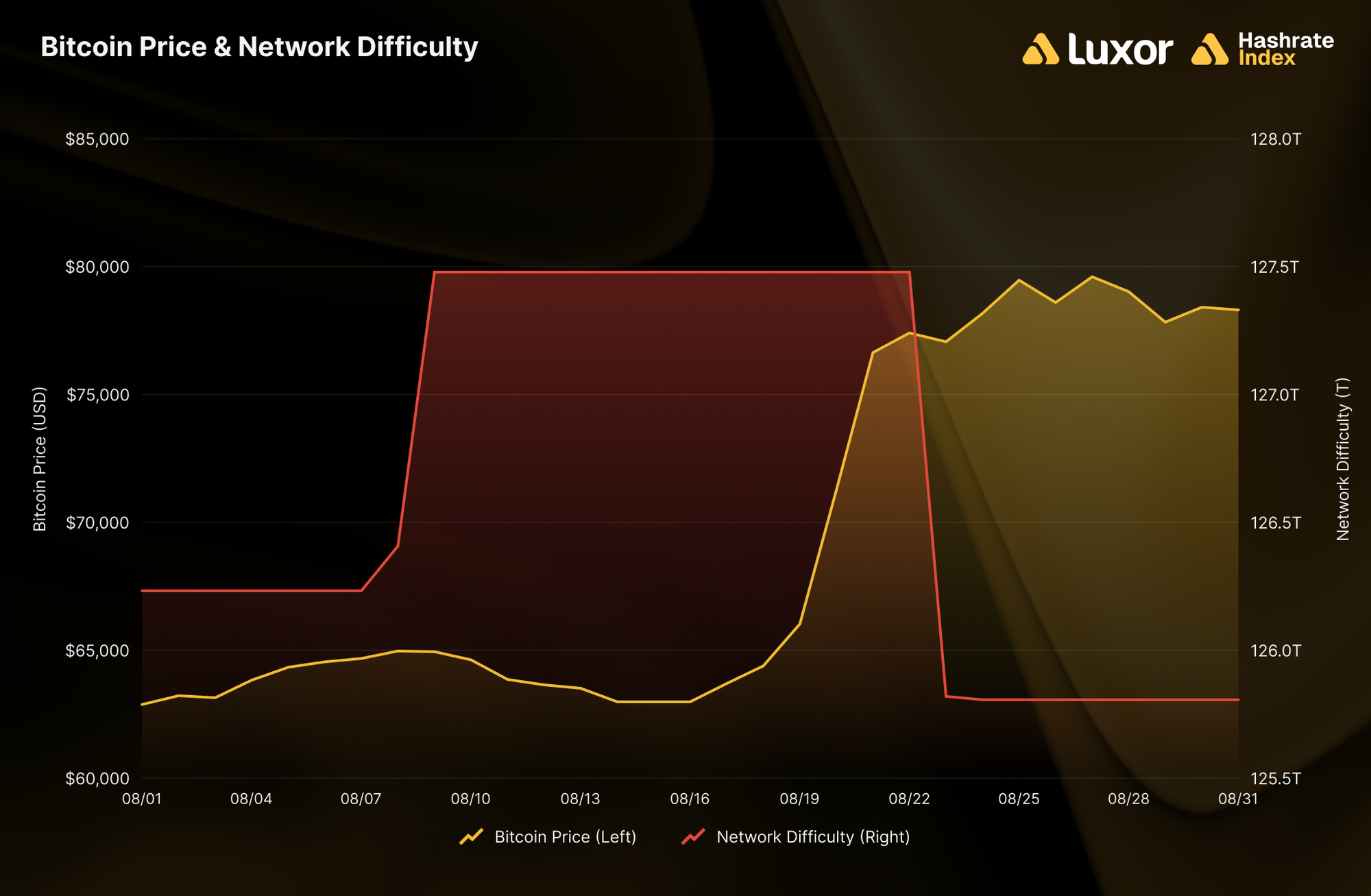
4. General Acceptance:
The court found substantial evidence of the general acceptance of Chainalysis data and tools across various sectors. Law enforcement agencies, regulatory bodies, cryptocurrency exchanges, financial institutions, and compliance teams widely rely on Chainalysis for anti-money laundering (AML) and transaction monitoring purposes. The ruling specifically credited evidence that Chainalysis is considered an industry-standard tool, utilized by multiple U.S. government agencies and major exchanges. This widespread adoption and reliance by critical entities within the financial and regulatory landscape served as a strong indicator of its general acceptance and perceived reliability.

Crucially, the court also noted that the prosecution’s case was not solely reliant on Chainalysis. The government presented a multi-faceted approach, corroborating Chainalysis data with other investigative techniques, including traditional forensic tracing, IP logs, confessions, and forum posts. This corroboration further bolstered the strength and reliability of the overall evidence presented.

The Verdict: A Landmark Validation

Judge Randolph Moss ultimately ruled that Chainalysis’s blockchain analytics were reliable and admissible as substantive evidence in the Sterlingov case. The decision was significant not only for validating Chainalysis’s specific methodology but also for explicitly rejecting the defense’s assertion that Reactor was a "black-box" algorithm. The court’s finding that the methodology was transparent, tested, reviewed, and reliable provided a clear judicial endorsement of the scientific underpinnings of Chainalysis’s approach.

This ruling represents a clear affirmation that blockchain analytics, when backed by sound scientific standards, rigorous methodology, and transparent explanation, can withstand the most stringent evidentiary scrutiny in U.S. courts. The court’s acceptance of Chainalysis Reactor under the Daubert standard signals that clustering heuristics, address attribution, and forensic tracing on public blockchains can indeed meet the standards of scientific reliability, especially when complemented by independent verification and transparent expert testimony.

Broader Implications for Blockchain Forensics and Legal Proceedings

The United States v. Sterlingov decision carries significant implications for the broader field of blockchain forensics and its integration into the legal system. By establishing a precedent for the admissibility of blockchain analytics under the Daubert standard, the ruling:

  • Boosts Credibility: It significantly enhances the credibility of blockchain analytics tools and the experts who utilize them in legal settings. This can expedite investigations and strengthen prosecutorial efforts against cybercriminals and financial wrongdoers operating in the cryptocurrency space.
  • Sets a Benchmark: Chainalysis’s success sets a high benchmark for other blockchain analytics providers. It underscores the necessity for companies in this sector to develop and articulate methodologies that are transparent, testable, and scientifically defensible. The ruling implicitly suggests that providers relying on opaque or proprietary algorithms without robust validation may face challenges in admissibility.
  • Facilitates Enforcement: For law enforcement and regulatory agencies, this validation provides greater confidence in utilizing blockchain analytics as a core component of their investigative toolkit. This can lead to more efficient and effective enforcement actions against illicit actors, as well as potentially recovering stolen assets.
  • Encourages Standardization: The ruling may encourage the development of industry-wide standards for blockchain data attribution and analysis, further solidifying its role as a reliable source of evidence. Chainalysis’s recent publication of a formal ontology for blockchain attribution is a proactive step in this direction, aiming to provide a structured framework for understanding and validating attribution methodologies.
  • Addresses Evolving Criminal Tactics: As criminals increasingly leverage cryptocurrencies and decentralized technologies to facilitate illicit activities, robust forensic tools are essential. The Daubert validation of Chainalysis Reactor demonstrates that the legal system is adapting to these evolving challenges, providing the necessary legal tools to combat them.

It is important to note that the Sterlingov ruling specifically validated the methodology of Chainalysis Reactor. It does not, however, serve as a blanket endorsement for all blockchain analytics providers. Each provider’s methodology must stand on its own merits and be subjected to similar rigorous scrutiny if it is to be admitted as evidence in court. The emphasis on transparency, testability, and a well-defined, documented methodology is crucial for any entity seeking to establish the reliability of its blockchain forensic tools.

The legal landscape surrounding cryptocurrency and blockchain technology is continuously evolving. The Sterlingov case and the Daubert validation of Chainalysis Reactor represent a significant stride forward, demonstrating that with rigorous scientific methodology and transparent presentation, blockchain analytics can be a powerful and admissible tool in the pursuit of justice.

July 21, 2026 0 comment
0 FacebookTwitterPinterestEmail
Crypto Trading & Analysis

Jeremy Grantham Issues Dire Warning on US Equities, Foresees Potential Dot-Com Era Collapse

by Asro July 21, 2026
written by Asro

Billionaire investing legend Jeremy Grantham is sounding a grave alarm regarding the current state of U.S. equity markets, projecting a potential for a massive collapse in stock valuations akin to the dot-com bubble of the early 2000s. In a recent interview with CNBC, Grantham articulated his concerns, drawing parallels between present market conditions and the speculative frenzy that characterized the turn of the millennium. His analysis, based on key valuation metrics, suggests that equities are currently exhibiting extreme overvaluation, raising concerns about their long-term sustainability.

Grantham’s Valuation Metrics and Historical Parallels

Grantham, a co-founder of Grantham, Mayo, Van Otterloo & Co. (GMO), a Boston-based investment firm, has built a reputation for his prescient market calls and deep understanding of long-term economic cycles. His current assessment of the U.S. stock market is particularly stark. He contends that when considering metrics such as the ratio of stock market value to Gross Domestic Product (GDP), adjusted for various factors, the current market represents the "most expensive market in American history." This assertion places the current valuation environment in a historical context that, according to Grantham, is unparalleled, with the dot-com bubble of 2000 serving as the closest comparable.

The dot-com bubble, which reached its peak in March 2000, was characterized by an unsustainable surge in the valuations of internet-based companies, many of which had little to no earnings. The subsequent bursting of this bubble led to a dramatic decline in stock prices, with the Nasdaq Composite index, a bellwether for technology stocks, experiencing a staggering drop of over 78% from its peak by October 2002. Grantham’s historical recollection of this event—where his firm predicted a 75% decline for the Nasdaq and it ultimately fell by 82%—underscores the potential severity of market corrections when speculative excesses are unwound.

The Timing and Magnitude of a Potential Decline

While Grantham acknowledges the inherent difficulty in pinpointing the exact timing of market peaks and subsequent crashes, he suggests that a significant downturn could manifest within a relatively short timeframe. He offered a broad window for this potential shift, stating, "My guess is sometime between two weeks ago, two weeks from now, two months, two quarters, and conceivably two years; the timing is always terribly uncertain." This wide but imminent timeframe indicates a belief that the market is teetering on the edge of a significant recalibration.

The magnitude of the decline Grantham envisions is equally concerning. He forecasts a drop back to the long-term trend, which he estimates would entail a decline of "closer to a 70% decline than a 50% decline." Applying this projection to current market levels, the implications are substantial. At the time of reporting, the Nasdaq Composite was valued at approximately 29,839. A 70% decline from this figure would bring the index down to below 9,000, a level not seen since the early 2000s. Such a severe correction would have profound implications for a wide range of investors, from institutional funds to individual retail investors.

Underlying Economic Factors and Investor Sentiment

Grantham’s concerns are rooted in his long-standing analysis of asset bubbles. He has often pointed to periods of excessive optimism, fueled by low interest rates and readily available capital, as precursors to significant market corrections. The current economic environment, characterized by a period of relatively low interest rates (though recently rising) and substantial liquidity injections by central banks in response to economic shocks, has contributed to elevated asset prices across various classes, including equities.

The sustained bull run in U.S. equities since the 2008 financial crisis, and particularly since the initial COVID-19 shock in 2020, has seen valuations stretch to historic highs. Factors such as the rise of growth stocks, the increasing influence of technology companies, and the widespread adoption of passive investing strategies have been cited as contributors to this phenomenon. However, Grantham’s view suggests that these factors, while influential, may have masked underlying vulnerabilities and created an unsustainable premium on future earnings expectations.

Historical Precedents and Market Cycles

Understanding Grantham’s warning requires an appreciation of his framework for analyzing market cycles. He often speaks of "super-bubbles," which are characterized by prolonged periods of asset price inflation, followed by dramatic collapses. His research has identified several such super-bubbles throughout history, including those in Japanese equities in the late 1980s, U.S. housing in the mid-2000s, and, of course, the dot-com bubble. Each of these instances shared common traits: a period of rapid asset price appreciation, driven by speculative fervor and often supported by loose monetary policy, followed by a sharp and painful correction.

The dot-com bubble, in particular, serves as a crucial reference point. The excessive optimism surrounding the internet’s transformative potential led investors to pour capital into companies with unproven business models and little prospect of profitability. When the market began to question these valuations, the sell-off was swift and brutal, wiping out trillions of dollars in market capitalization. Grantham’s current assessment suggests that a similar, if not more extreme, scenario could be unfolding today, albeit with different underlying technologies and economic drivers.

Supporting Data and Valuation Metrics

To substantiate his claims, Grantham and his team at GMO often refer to a range of valuation metrics. One prominent metric is the Shiller Price-to-Earnings (P/E) ratio, also known as the cyclically adjusted price-to-earnings (CAPE) ratio. This metric smooths out earnings over a 10-year period to account for cyclical fluctuations, providing a more stable measure of valuation. Historically, a high CAPE ratio has been a reliable indicator of future underperformance. Grantham’s analysis suggests that current CAPE ratios for the S&P 500 and other major indices are significantly elevated, indicating that investors are paying a premium for earnings that may not materialize or may be subject to future declines.

Another key metric Grantham emphasizes is the market capitalization of equities relative to GDP. This ratio, often referred to as the "Buffett Indicator" (though popularized by Warren Buffett, Grantham also frequently cites it), provides a broad measure of how expensive the stock market is relative to the overall economy. When this ratio is high, it suggests that the stock market is overvalued relative to the productive capacity of the economy. Grantham’s research indicates that this ratio is currently at levels not seen since the peak of the dot-com bubble, signaling a potential disconnect between market valuations and underlying economic fundamentals.

Furthermore, Grantham has pointed to the performance of "meme stocks" and other highly speculative assets as symptomatic of a broader market driven by sentiment rather than fundamentals. The rapid rise and subsequent volatility of these assets, often amplified by social media, can be seen as an indicator of excessive risk-taking and a departure from traditional investment principles.

Broader Implications and Investor Behavior

A potential market collapse of the magnitude Grantham predicts would have far-reaching consequences. For individual investors, it could mean significant losses in retirement accounts, savings, and investment portfolios. This would likely lead to a loss of confidence in the stock market and potentially a shift towards more conservative investment strategies.

For institutional investors, such as pension funds and mutual funds, a severe market downturn would necessitate significant rebalancing of portfolios and could strain their ability to meet future obligations. The ripple effects could extend to the broader economy, potentially leading to reduced consumer spending, increased unemployment, and a slowdown in business investment.

Grantham’s warning also serves as a reminder of the importance of diversification and risk management. Investors who have concentrated their portfolios in highly valued growth stocks or speculative assets may be particularly vulnerable. A more balanced approach, incorporating a mix of asset classes, geographies, and investment styles, could help mitigate the impact of a significant market downturn.

Official Responses and Market Commentary

As of the time of Grantham’s statements, there have been no direct official responses from major financial regulatory bodies or government agencies specifically addressing his concerns. However, market participants, analysts, and economists are constantly evaluating market conditions and valuations. Many have acknowledged the high valuations in certain sectors of the market and have expressed caution.

Some analysts, while agreeing that valuations are stretched, may offer a more nuanced view, pointing to factors such as continued innovation, strong corporate earnings in specific sectors, and the potential for central banks to intervene if markets experience severe distress. Others might argue that the current economic landscape is fundamentally different from the dot-com era, with more robust underlying business models and a greater emphasis on profitability.

However, Grantham’s stature as a seasoned investor and his historical accuracy lend significant weight to his pronouncements. His warnings often serve as a catalyst for broader market discussion and a re-evaluation of investment strategies. The focus for many will be on whether the market heeds his caution or continues on its current trajectory, risking a significant correction.

The Future Outlook and Investor Strategies

In light of Grantham’s dire forecast, investors are faced with a critical decision: how to navigate a potentially precarious market. While timing the market is notoriously difficult, Grantham’s warning suggests that a proactive approach to risk management is prudent. This could involve:

  • Rebalancing Portfolios: Reducing exposure to overvalued sectors and increasing allocations to more defensive assets or undervalued segments of the market.
  • Diversification: Ensuring a well-diversified portfolio across asset classes, industries, and geographies to spread risk.
  • Focus on Fundamentals: Prioritizing investments in companies with strong balance sheets, sustainable earnings, and robust business models, rather than those driven solely by speculative momentum.
  • Cash Reserves: Maintaining a healthy level of cash can provide flexibility to take advantage of potential buying opportunities during market downturns.
  • Long-Term Perspective: Remembering that market downturns, while painful, are often temporary, and a long-term investment horizon can help weather volatility.

Grantham’s assessment serves as a stark reminder that periods of extreme optimism in financial markets can eventually give way to significant corrections. His warning about U.S. equities, drawing parallels to the dot-com bubble, suggests that investors should exercise caution and be prepared for potential volatility. The coming months and years will reveal whether his forecast proves accurate, but his insights undoubtedly offer valuable food for thought for all market participants.

July 21, 2026 0 comment
0 FacebookTwitterPinterestEmail
Newer Posts
Older Posts

Recent Posts

  • TRON DAO Expands MetaMask Integration Across Major Ecosystem dApps to Streamline Onchain Finance Access
  • Navigating the Bear Market: Why Analyst Alex Mason Views Bitcoin’s Drop to $59,000 as Part of a Predictable Cycle
  • Deconstructing the $10 Trillion XRP Valuation Scenario and the Realities of Institutional Blockchain Adoption
  • Announcing a Trillion Dollar Security grant for WEBCAT
  • Behind the Scales: How Artist Wojtek Fus and the Team Brought a Petrified Serpent to Life for Paul Coulthard’s God of Bones

Recent Comments

No comments to show.
  • Facebook
  • Twitter

@2021 - All Right Reserved. Designed and Developed by PenciDesign


Back To Top
Crypto Gohan
  • Home

We are using cookies to give you the best experience on our website.

You can find out more about which cookies we are using or switch them off in .

Crypto Gohan
Powered by  GDPR Cookie Compliance
Privacy Overview

This website uses cookies so that we can provide you with the best user experience possible. Cookie information is stored in your browser and performs functions such as recognising you when you return to our website and helping our team to understand which sections of the website you find most interesting and useful.

Strictly Necessary Cookies

Strictly Necessary Cookie should be enabled at all times so that we can save your preferences for cookie settings.