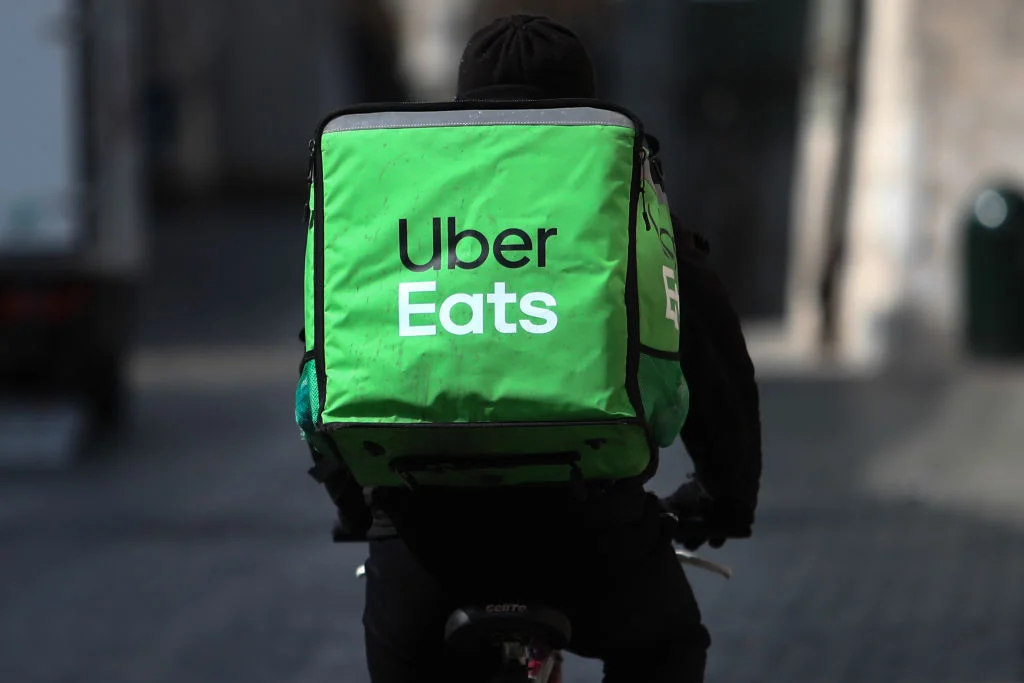
The landscape of Taiwan’s digital commerce and food delivery sector experienced a significant shift on Tuesday as Berlin-headquartered Delivery Hero officially announced the termination of Uber Technologies’ proposed acquisition of Foodpanda’s Taiwanese operations. The decision marks the formal conclusion of a high-stakes corporate maneuver that was originally valued at approximately $950 million, a transaction designed to consolidate two of the region’s largest delivery platforms under a single corporate banner.
The termination comes in the wake of stringent regulatory intervention by Taiwan’s Fair Trade Commission (FTC). Roughly three months prior to the announcement, the Taiwanese antitrust authority issued a definitive ruling blocking the transaction. The regulator cited profound concerns over market monopolization and diminished consumer choice, pointing to data suggesting that a combined entity would control roughly 90% of the island nation’s food delivery market. With neither Uber nor Delivery Hero choosing to mount a legal challenge ahead of the March 10, 2025 appeal deadline, the companies officially abandoned the merger, triggering a substantial financial penalty for the US-based ride-hailing and delivery giant.
Under the binding terms of the original agreement, which was initially executed on May 14, 2024, Uber is obligated to remit a termination fee estimated at approximately $250 million to Delivery Hero. Despite the collapse of the acquisition, the broader commercial relationship between the two multinational technology companies remains partially intact. Alongside the acquisition agreement, the two firms had entered into a concurrent financial arrangement whereby Uber agreed to purchase $300 million in newly issued ordinary shares of Delivery Hero. Representatives for Delivery Hero have confirmed that the disintegration of the Taiwan acquisition deal has no legal or financial bearing on this separate equity purchase, which closed in mid-2024.
Regulatory Hurdles and Antitrust Concerns
The demise of the Uber-Foodpanda merger highlights the increasingly aggressive stance that global antitrust regulators are adopting toward platform consolidation in the gig-economy sector. When Uber first announced its intention to acquire Foodpanda’s Taiwan division in May 2024, corporate leadership anticipated a smooth regulatory review process, projecting that the transaction would successfully close within the first half of 2025. The strategic rationale for the acquisition was deeply rooted in Uber Eats’ broader ambition to expand its operational footprint across Asia, with Taiwan serving as a critical stronghold for regional profitability and user acquisition.
However, Taiwan’s Fair Trade Commission viewed the merger through a decidedly different lens. In its comprehensive market assessment, the FTC determined that the absorption of Foodpanda by Uber would eliminate the primary competitive rivalry in the local market, creating a near-monopoly. According to historical market data spanning from January 2022 to August 2023, Foodpanda maintained a slight edge in the Taiwanese landscape, capturing a 52% market share, while Uber Eats closely trailed with 48%. Smaller competitors, including local platform Foodomo and various fast-food proprietary delivery applications, accounted for a negligible fraction of the remaining market share.
The FTC argued that a merged entity controlling nine out of every ten orders in the country would possess unchecked pricing power. Regulators expressed acute concern that a 90% market dominance would enable the combined company to hike delivery fees for consumers, depress commission rates or increase financial burdens for restaurant partners, and lower wages or incentives for delivery couriers. Faced with the prospect of an insurmountable regulatory blockade and stringent conditions that would have stripped the deal of its commercial value, both companies elected to forgo an appeal, officially letting the statutory deadline lapse on March 10, 2025.
Chronology of a Deal That Was Not Meant to Be
To fully understand the trajectory of the failed acquisition, it is necessary to examine the timeline of events that shaped the corporate strategies of both Uber and Delivery Hero over the past several years.
In September 2023, Delivery Hero was actively executing a strategic pivot away from certain regional markets to streamline its global operations and bolster its balance sheet. During this period, the German tech firm was engaged in advanced negotiations to divest a comprehensive package of its Southeast Asian Foodpanda operations—covering Singapore, Cambodia, Laos, Malaysia, Myanmar, the Philippines, and Thailand—to an undisclosed third-party buyer. However, those regional sale talks ultimately collapsed in late 2023 after months of intensive deliberation, prompting Delivery Hero to retain those assets and implement internal cost-cutting measures, including workforce reductions across the Asia-Pacific region.
Despite the setback in Southeast Asia, Delivery Hero found a willing and financially robust buyer for its lucrative Taiwanese asset in the spring of 2024. On May 14, 2024, Delivery Hero and Uber jointly announced the definitive agreement under which Uber would acquire Foodpanda Taiwan for $950 million in cash. As part of the same diplomatic and financial arrangement, Uber agreed to acquire $300 million worth of newly issued ordinary shares in Delivery Hero, signaling a cooperative bridge between the two multinational giants.
As the months progressed, anticipation built toward a 2025 completion date. Behind the scenes, however, Taiwan’s Fair Trade Commission launched a rigorous investigation into the competitive implications of the merger. Industry stakeholders, consumer advocacy groups, and restaurant associations voiced strong opposition to the deal, inundating regulators with concerns regarding market concentration.
By late December 2024, reports surfaced that Taiwan’s antitrust watchdog was poised to block the transaction. Those reports were confirmed shortly thereafter when the FTC officially issued its prohibition order, citing the unacceptable risk of a 90% market monopoly. Following the regulatory setback, legal and executive teams at both Uber and Delivery Hero evaluated their options for appeal. Ultimately, recognizing the low probability of overturning a unanimous antitrust decision in Taiwan’s judicial system, the companies allowed the March 10, 2025 appeal deadline to pass quietly, leading directly to Tuesday’s joint acknowledgment that the deal was dead.
Broader Implications for Delivery Hero and the Asian Market
The termination of the Taiwan transaction represents a notable strategic pivot for Delivery Hero, which has faced mounting pressure from institutional investors to achieve sustained profitability and optimize its global portfolio. Foodpanda has historically been one of Delivery Hero’s crown jewels in Asia, but managing capital expenditures across diverse and fiercely competitive geographic markets has proved challenging.
Delivery Hero’s food delivery division faces intense, relentless competition across the Asian continent, most notably from regional powerhouse Grab, which dominates vast swaths of Southeast Asia. In an effort to trim operational fat and prepare its balance sheet for potential partial or full asset sales in the future, Delivery Hero’s Foodpanda unit executed a series of strategic layoffs across the Asia-Pacific region in late 2023 and throughout 2024. These workforce reductions were designed to streamline organizational structures, reduce overhead, and present a leaner, more attractive financial profile to prospective buyers or public markets.
While the loss of the expected $950 million cash injection from the Taiwan sale denies Delivery Hero a massive liquidity event, the company retains the $300 million equity investment secured from Uber in May 2024. This capital buffer provides Delivery Hero with ongoing financial flexibility as it reevaluates its long-term strategic roadmap for its remaining Asian operations.
Market Repercussions for Uber Eats and Taiwan Consumers
For Uber Technologies, the inability to acquire Foodpanda Taiwan means that its aggressive consolidation strategy in the Asia-Pacific region has encountered a major roadblock. Uber Eats has invested heavily in establishing itself as a premier lifestyle and delivery platform globally, and capturing the leading market share in Taiwan would have cemented its dominance in one of its most lucrative Asian markets.
With the acquisition nullified, Uber Eats must now continue to compete head-to-head with Foodpanda in Taiwan under the existing duopoly structure. For Taiwanese consumers and local restaurant merchants, the collapse of the deal is widely viewed as a positive development. Market analysts note that the fierce, unyielding rivalry between Uber Eats and Foodpanda has historically benefited end-users through aggressive promotional discounts, subsidized delivery fees, and competitive merchant commission rates. Had the merger proceeded, the resulting duopoly-turned-monopoly would have almost certainly eliminated these consumer-friendly incentives, leading to higher costs across the board.
Moving forward, both Uber Eats and Foodpanda will remain locked in their ongoing battle for market supremacy in Taiwan. As regulatory scrutiny over big-tech mergers intensifies on a global scale—exemplified by recent aggressive antitrust enforcement in regions ranging from North America to the European Union and East Asia—corporations pursuing inorganic growth through mega-acquisitions will face increasingly rigorous hurdles. For now, the status quo in Taiwan’s food delivery sector remains unbroken, preserving a competitive ecosystem that protects consumer choice at the expense of corporate consolidation.