• Home
Crypto Gohan
keep your memories alive
Ethereum & Smart Contracts

Clear Signing: Making Transaction Approvals Safer on Ethereum

by Nana July 21, 2026
written by Nana

The launch marks a pivotal moment in the ongoing evolution of blockchain security, addressing a fundamental vulnerability that has plagued users and institutions operating within the decentralized finance (DeFi) and broader Web3 ecosystems. For years, the inability of users to fully comprehend the implications of transactions they approve has been identified as a critical security gap, leading to significant financial losses through sophisticated phishing attacks, malware, and compromised applications. This new initiative, dubbed "Clear Signing," aims to rectify this by ensuring that "What You See Is What You Sign" (WYSIWYS) becomes the universal default for all Ethereum transactions.

Understanding the Peril of Blind Signing

At its core, blind signing refers to the act of approving a cryptographic transaction without a clear, human-readable understanding of its true intent or effect. In the complex world of blockchain, transactions are often presented to users in highly technical, machine-readable formats, such as hexadecimal strings or raw data structures, which are indecipherable to the average person. While these formats are accurate from a computational standpoint, they offer no intuitive insight into what assets are being moved, what contracts are being interacted with, or what permissions are being granted.

This opaque presentation transforms the act of approving a transaction – intended as the user’s final line of defense – into a perilous leap of faith. When a user cannot meaningfully interpret the details of a transaction, they are effectively "blindly signing" it. This vulnerability has been exploited repeatedly across various attack vectors. Phishing scams, for instance, often trick users into connecting their wallets to malicious sites that then prompt them to approve a seemingly innocuous transaction. Unbeknownst to the user, this transaction might be draining their entire wallet, transferring ownership of valuable NFTs, or granting indefinite approval to a malicious smart contract to spend their tokens. Similarly, sophisticated malware or infrastructure compromises can inject malicious transaction requests, which, if blindly approved, lead directly to asset theft.

The financial toll of blind signing and related exploits is staggering. Reports from various blockchain analytics firms consistently highlight billions of dollars lost annually to scams, hacks, and fraudulent activities within the crypto space. While not every incident is solely attributable to blind signing, a significant portion of these losses, particularly those stemming from direct user interaction, could have been mitigated had users possessed the ability to clearly understand and verify their transactions. The Bybit hack, referenced in the initiative’s announcement, serves as a stark reminder of how critical infrastructure can be compromised, leading to user losses facilitated by unverified transaction approvals. Other high-profile incidents, such as the Ronin Bridge hack ($625 million) or the Poly Network exploit ($600 million), while primarily infrastructure breaches, underscore the immense value at stake and the necessity for robust security at every layer, including the user interaction point.

The Genesis of Clear Signing: A Collaborative Effort

The concept of enhancing transaction transparency is not entirely new, but the Clear Signing initiative represents a concerted, multi-stakeholder effort to standardize and implement a comprehensive solution. The journey towards Clear Signing began with the recognition by various industry players, notably Ledger, the hardware wallet manufacturer, of the critical need for improved transaction displays. Ledger initiated the development of Ethereum Request for Comment (ERC-7730), a foundational standard that outlines a shared format for human-readable transaction descriptions.

This initial spark led to the formation of a dedicated Ethereum Working Group, bringing together a diverse array of experts and entities crucial to the Ethereum ecosystem. This group comprises leading wallet developers who directly interface with users, security firms specializing in blockchain vulnerabilities, and the Ethereum Foundation’s Trillion Dollar Security Initiative (1TS), a powerful force dedicated to bolstering the network’s resilience. The collaborative nature of this effort is paramount, as effective implementation requires widespread adoption and integration across the entire ecosystem – from decentralized applications (dApps) generating transactions to wallets presenting them, and security researchers verifying their integrity.

The working group’s approach is holistic, encompassing several key components:

  1. ERC-7730 (Shared Format): A standardized way for applications to describe transactions in a clear, human-readable, and structured manner.
  2. A Registry: A centralized yet credibly neutral repository to store and distribute these descriptors, making them accessible to all participating wallets and dApps.
  3. Verification Mechanisms: Processes for independent review and attestation of descriptor accuracy, ensuring that the human-readable descriptions genuinely reflect the underlying machine code.
  4. Developer Tooling: Libraries and resources to facilitate easy adoption for both existing and new applications, making it straightforward for developers to implement Clear Signing.
  5. Credibly Neutral Stewardship: The Ethereum Foundation’s 1TS taking on the role of maintaining the infrastructure and ensuring its integrity.

ERC-7730 and the Clear Signing Standard: A Technical Overview

The technical backbone of Clear Signing is ERC-7730, an open standard designed to bridge the gap between complex blockchain operations and user comprehension. Instead of embedding human-readable information directly within the transaction data itself (which could be costly and cumbersome for existing contracts), ERC-7730 proposes a system where structured, human-readable descriptions are provided alongside the transaction.

Here’s how it works:

  • Application-Generated Descriptors: When a decentralized application (dApp) prompts a user to sign a transaction, it also generates a corresponding human-readable description of what that transaction will do. This description adheres to the ERC-7730 format, ensuring consistency.
  • Wallet Integration: Wallets (both software and hardware) integrate support for ERC-7730. When they receive a transaction request, they also fetch the associated descriptor from the Clear Signing registry.
  • User Presentation: The wallet then presents this clear, structured, and easily understandable description to the user, alongside the raw transaction data if desired, allowing for informed consent.
  • Verification and Trust: A critical aspect is the verification process. Descriptors are not simply taken at face value. Their accuracy is subject to independent reviews and attestations by security experts. Wallets retain the autonomy to decide which sources of attestation they trust, adding a layer of decentralization and user control over security preferences. This mechanism allows for flexibility, supporting both widely audited and newly deployed applications, while still providing a robust framework for trust.

This approach is particularly powerful because it allows for the integration of Clear Signing with both new and existing applications on Ethereum without requiring fundamental changes to existing smart contracts. It’s an additive layer of security and clarity that enhances the user experience and mitigates risk.

The Role of the Ethereum Foundation’s Trillion Dollar Security Initiative (1TS)

The Ethereum Foundation’s Trillion Dollar Security Initiative (1TS) plays a crucial and multifaceted role in the Clear Signing endeavor. As the self-proclaimed "credibly neutral steward" of the Clear Signing registry, 1TS provides the necessary institutional backing and infrastructure to ensure the standard’s widespread adoption and long-term viability.

Launched with the ambitious goal of securing the Ethereum ecosystem, which now holds trillions of dollars in value, 1TS is dedicated to identifying and funding critical security improvements. Its involvement in Clear Signing underscores the initiative’s commitment to foundational security enhancements that benefit all users. By hosting the infrastructure for the registry, 1TS offers a stable and trustworthy platform for the distribution of transaction descriptors. This centralized yet neutral stewardship is vital in the early stages of such a system, providing a reliable reference point for wallets and dApps while the broader ecosystem gradually decentralizes its verification and trust mechanisms.

Clear Signing: Making Transaction Approvals Safer on Ethereum

Furthermore, 1TS is actively supporting the development of tooling necessary for adoption. This includes funding the creation of Rust and TypeScript libraries, which are essential for developers to easily integrate ERC-7730 into their applications and wallets. By making these tools readily available and promoting best practices through resources like clearsigning.org, 1TS aims to lower the barrier to entry for developers and accelerate the transition to Clear Signing as the default. This proactive approach by the Ethereum Foundation highlights its understanding that security is not merely a technical challenge but also a community-driven effort requiring coordination, funding, and advocacy.

Addressing the "What You See Is What You Sign" Imperative

The principle of "What You See Is What You Sign" (WYSIWYS) is more than just a catchy slogan; it is a fundamental requirement for the safe and widespread adoption of blockchain technology. In traditional financial systems, when you sign a check or authorize a bank transfer, you expect to see clear, understandable details of the transaction. The digital nature of blockchain should not compromise this fundamental right to informed consent.

Currently, the disconnect between what a user intends to do and what they actually sign is a major barrier to both retail and institutional adoption. Institutions, in particular, require stringent security protocols and audit trails. The ambiguity of blind signing presents unacceptable levels of risk for managing large sums of capital or complying with regulatory requirements. Clear Signing directly addresses this by providing an auditable, verifiable, and human-readable record of transaction intent. This capability is crucial for attracting the next wave of users and integrating blockchain technology into mainstream financial and operational frameworks. It transforms a cryptographic signature from an opaque technical confirmation into a transparent, legally and functionally intelligible agreement.

Impact on User Security and Trust

The implications of Clear Signing for user security are profound. By making transactions transparent, the standard significantly reduces the effectiveness of common attack vectors:

  • Phishing Mitigation: Users will be able to clearly see if a transaction initiated by a phishing site is attempting to drain their wallet, rather than performing the advertised function. This provides an immediate visual cue that something is amiss, empowering users to reject malicious requests.
  • Malware Protection: Even if a user’s device is compromised by malware attempting to initiate unauthorized transactions, Clear Signing gives the user a chance to identify and block these actions before they are executed on-chain.
  • Error Prevention: Beyond malicious intent, Clear Signing also helps prevent accidental errors. Users might inadvertently approve a transaction with incorrect parameters (e.g., sending tokens to the wrong address, or approving an excessive amount). Clear descriptions make these errors easier to spot and correct.
  • Enhanced Auditability: For institutions and power users, the ability to clearly understand and log the precise intent of every signed transaction enhances auditability and compliance, critical for risk management and regulatory adherence.

Ultimately, Clear Signing aims to build greater trust in the Ethereum ecosystem. When users feel confident that they understand and control their assets, they are more likely to engage with dApps, participate in DeFi, and explore the broader possibilities of Web3. This increased trust is a prerequisite for sustained growth and mainstream integration.

Implications for Developers and the Ecosystem

For the Ethereum developer community, Clear Signing presents both a responsibility and an opportunity. Decentralized application developers are now encouraged to provide accurate and comprehensive descriptions of their transactions, adhering to the ERC-7730 standard. This requires a commitment to transparency and user-centric design. While it represents an additional step in the development process, the benefits in terms of user trust and security are expected to outweigh the effort.

Wallet developers, on the other hand, are tasked with integrating support for fetching and displaying these clear transaction confirmations. This involves updating their software to communicate with the Clear Signing registry and render the information in an intuitive manner. The availability of Rust and TypeScript libraries, funded by 1TS, is designed to streamline this integration, making it easier for wallets like MetaMask, Trezor, Keycard, and others to adopt the standard quickly.

The collaborative spirit extends to security experts, who are encouraged to review and attest to the correctness of these transaction descriptors. This decentralized verification process is key to maintaining the integrity and trustworthiness of the registry. The involvement of firms like ZKnox, Sourcify, and Cyfrin, alongside individual contributors, highlights the ecosystem-wide commitment to this security upgrade.

A Call to Action for the Ethereum Community

The success of Clear Signing hinges on widespread adoption across the Ethereum ecosystem. The Ethereum Working Group has issued a clear call to action:

  • Wallet Developers: Integrate support for ERC-7730 and prioritize displaying human-readable transaction confirmations to users.
  • Application Developers: Actively provide accurate and structured descriptions of what your transactions do, leveraging the available tooling.
  • Security Experts: Contribute to the review and attestation process, helping to verify the correctness of descriptors and strengthen the collective security posture.

Resources and tooling, including the aforementioned Rust and TypeScript libraries, are available on clearsigning.org, serving as a central hub for developers and security professionals interested in contributing to and adopting the standard.

Broader Vision: Future of Ethereum Security

The launch of Clear Signing is not an isolated event but a significant stride within a larger ongoing effort to enhance the security and accessibility of the Ethereum blockchain. It reflects a maturing ecosystem that is proactively addressing its vulnerabilities and building robust defenses for its growing user base and the trillions of dollars it secures. By strengthening the "last line of defense" – the user’s informed consent – Clear Signing lays a crucial foundation for future innovations.

This initiative is particularly vital as Ethereum continues its journey towards mass adoption, encompassing not just individual crypto enthusiasts but also institutional investors, enterprises, and even governments. These sophisticated users demand ironclad security and transparent operations. Clear Signing moves Ethereum closer to becoming a truly enterprise-grade platform, capable of handling complex financial instruments and critical infrastructure with unparalleled safety.

In essence, Clear Signing represents a collective commitment to making the decentralized future safer, more intuitive, and ultimately, more inclusive. It moves the Ethereum ecosystem away from the era of risky blind approvals towards an environment where trust is built on clarity, transparency, and informed user agency. The path ahead will require continuous collaboration and diligence, but with Clear Signing, Ethereum has taken a monumental step towards securing its trillion-dollar future.

July 21, 2026 0 comment
0 FacebookTwitterPinterestEmail
DeFi (Decentralized Finance)

Synthetix Introduces Advanced TWAP Orders to Enhance Decentralized Trading Efficiency and Mitigate Market Impact

by Nana Wu July 21, 2026
written by Nana Wu

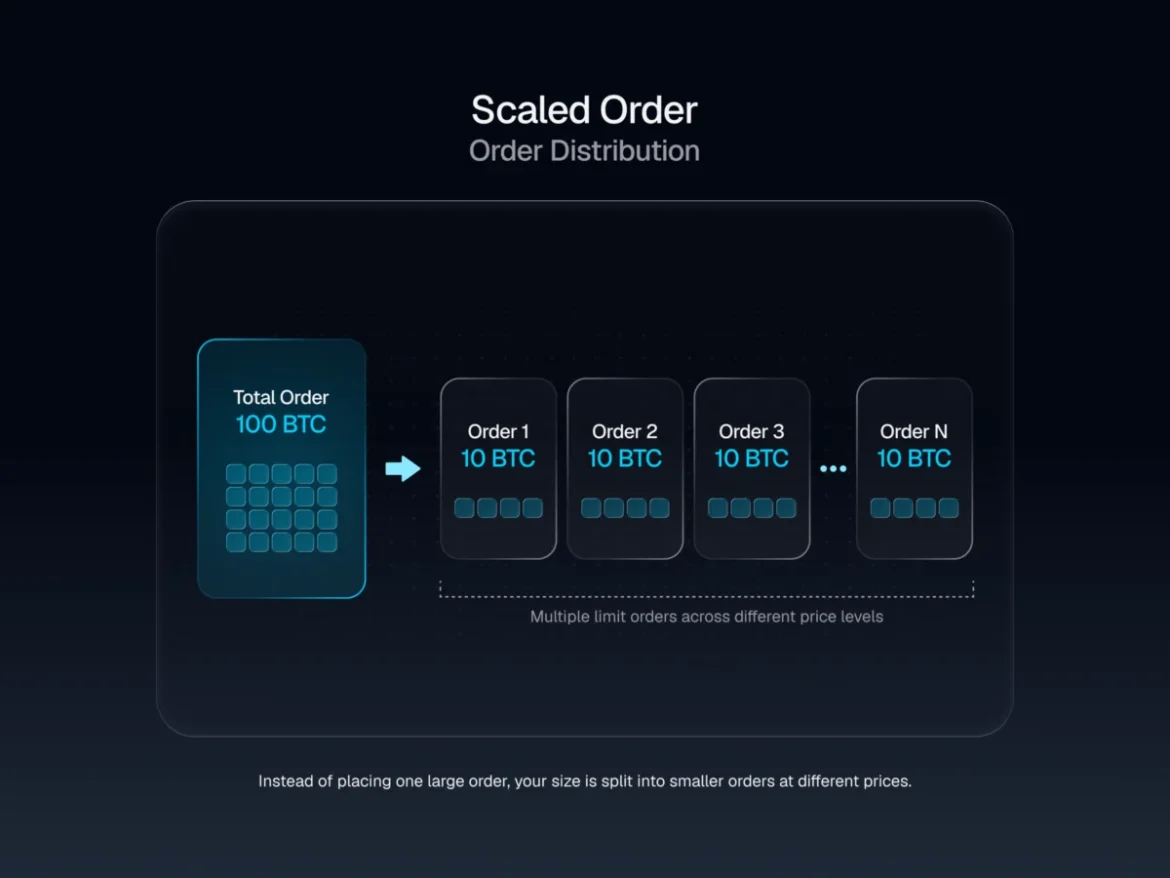
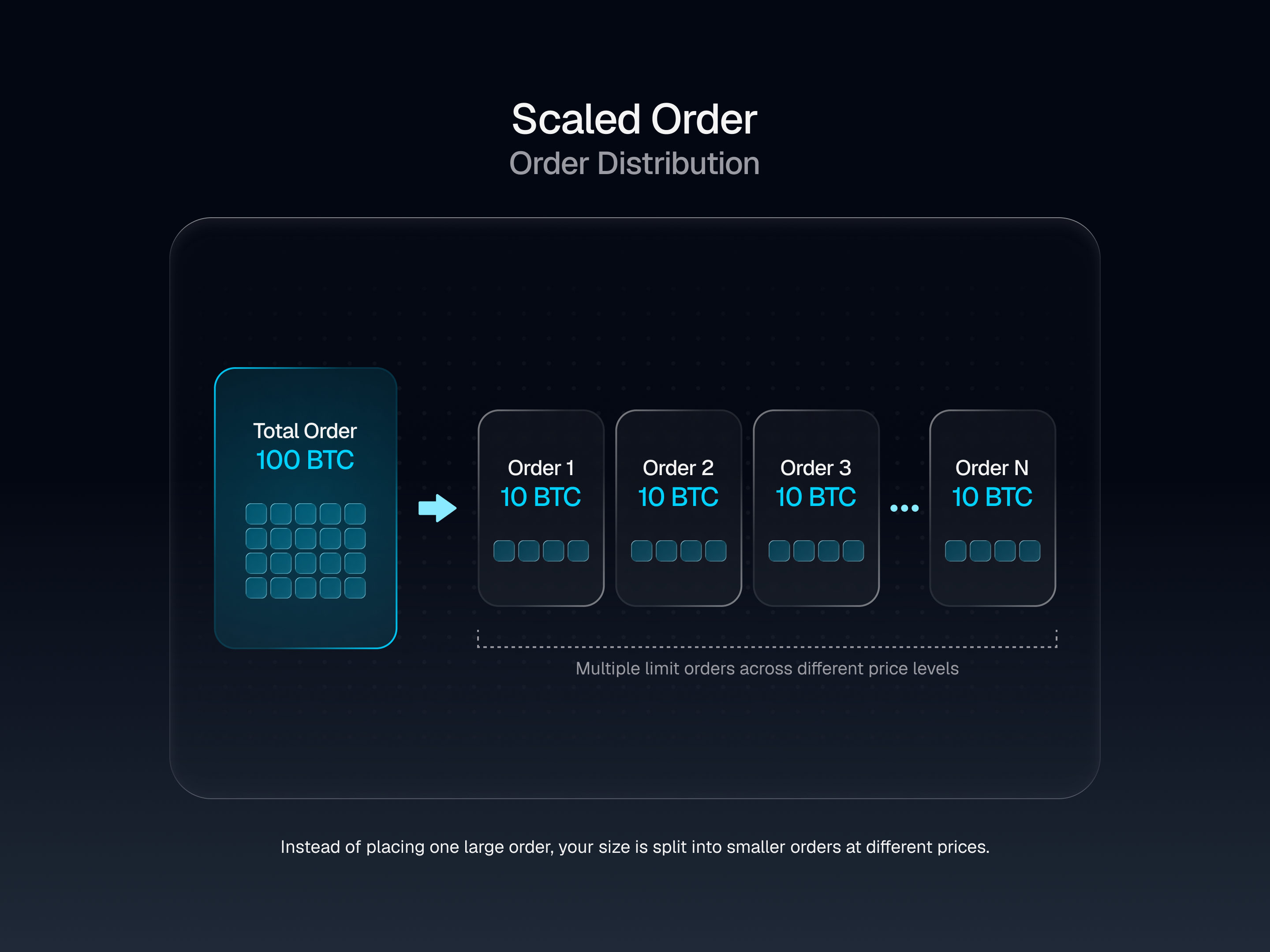
Synthetix, a leading decentralized synthetic asset protocol on the Ethereum blockchain, has significantly augmented its suite of trading tools with the official launch of Time-Weighted Average Price (TWAP) orders on its Mainnet. This development marks a crucial step forward in providing sophisticated execution strategies previously more common in traditional finance to the burgeoning decentralized finance (DeFi) landscape. TWAP orders are designed to empower traders to scale into and out of substantial positions with greater precision, particularly in markets characterized by fluctuating liquidity and the potential for significant price impact from large single executions. By automating the division of large orders into smaller, more manageable slices executed over a specified time frame, Synthetix aims to offer a smoother, more efficient, and less disruptive trading experience for its users.

Understanding TWAP Orders: A Strategic Approach to Execution

At its core, a TWAP order is an algorithmic execution strategy that breaks down a single large order into multiple smaller orders, distributing their execution across a predefined duration. Instead of attempting to fill an entire position at a single point in time, which can lead to substantial slippage and adverse price movements in illiquid markets, TWAP systematically executes trades over a period. This method averages the fill price over the chosen interval, thereby minimizing the impact of any individual execution on the overall market price. For instance, a trader looking to acquire or divest a 100 BTC position, which would typically cause considerable market ripples if executed as a single block trade, can now program the Synthetix protocol to gradually fill this order over several hours or even a full day. This gradual accumulation or distribution is particularly advantageous in the often-volatile and sometimes thinly traded environment of long-tail crypto assets.

The implementation of TWAP orders addresses a fundamental challenge in both centralized and decentralized markets: the trade-off between speed of execution and price impact. In highly liquid markets, a large order might be absorbed with minimal disruption. However, in less liquid pairs or during periods of heightened volatility, a substantial market order can "walk the book," consuming available liquidity at increasingly unfavorable prices. TWAP orders provide a mechanism to circumvent this by ensuring that the market is not overwhelmed by a single, aggressive demand or supply shock from one large participant.

Averaging Through Market Volatility: A Shield Against Price Swings

One of the most compelling benefits of TWAP orders lies in their ability to average execution prices across defined time intervals. The cryptocurrency market is notorious for its rapid and often unpredictable price fluctuations, commonly referred to as "wicks" or "spikes." These short-term aberrations can significantly impact the effective entry or exit price for traders executing large orders manually or through instant market orders. By distributing executions over time, TWAP orders effectively smooth out the impact of these temporary volatilities. Traders are less exposed to the risk of having a significant portion of their order filled at an outlier price point caused by a fleeting market movement.

Synthetix’s TWAP orders offer flexible durations, ranging from a brisk 5 minutes up to a comprehensive 24 hours. This adaptability allows traders to tailor their strategy to prevailing market conditions and their specific objectives. Shorter durations (e.g., 5-30 minutes) are ideal for situations where a trader wants to remain relatively close to the current market price but still mitigate the immediate impact of a single large execution. These shorter intervals provide a balance, preventing an abrupt market reaction while ensuring the trade completes within a reasonable timeframe.

Conversely, longer durations (e.g., several hours to 24 hours) are invaluable for smoothing out short-term market fluctuations over an extended period, potentially achieving a daily average fill price. This extended averaging is particularly useful for:

Introducing TWAP Orders on Synthetix Perps
  • Strategic Position Building/Unwinding: Traders with a long-term outlook who are not sensitive to minor intraday price movements but want to optimize their average entry/exit price over days.
  • Large-Scale Institutional Trading: Funds or large individual traders managing substantial capital who need to execute significant trades without causing noticeable market disturbances.
  • Illiquid Markets: Trading assets with limited order book depth, where any substantial order could otherwise drastically move the price.
  • Reducing Exposure to Sudden News Events: While not a perfect hedge, spreading an order over time can reduce the chance of a disproportionate fill just as unexpected news hits the market.

Reduced Market Impact: Navigating Thin Liquidity with Precision

Beyond volatility mitigation, a primary advantage of TWAP orders is the reduction of market impact. In decentralized exchanges (DEXs), especially those built on AMM (Automated Market Maker) models or featuring synthetic assets like Synthetix, liquidity can vary significantly between different trading pairs. "Long-tail markets"—less popular or newly listed assets—often suffer from thin liquidity, meaning there are fewer buyers and sellers at any given price point. In such environments, a single large market order can consume all available depth on one side of the order book, leading to substantial slippage and an unfavorable average execution price.

TWAP orders counteract this by breaking the large principal order into numerous smaller slices. Each smaller slice is less likely to exhaust the available liquidity at a given price level, thus minimizing the price movement caused by its execution. This strategy allows traders to manage larger positions without aggressively pushing the market against themselves. Instead of "forcing" a single, hefty fill into thin liquidity, TWAP intelligently distributes the execution burden over time and across multiple micro-fills. This nuanced approach helps maintain market stability and provides a fairer average price for the trader, ultimately contributing to healthier market dynamics. For instance, studies in traditional markets have shown that algorithmic orders like TWAP can reduce transaction costs by 10-20% for large block trades by minimizing market impact. While direct comparable data for DeFi is still emerging, the principles remain robust.

The DeFi Landscape and the Need for Sophisticated Tools

The introduction of TWAP orders by Synthetix is not merely an incremental update; it reflects a broader maturation of the DeFi ecosystem. Decentralized trading, while offering unparalleled transparency and censorship resistance, has historically lagged behind centralized exchanges in terms of execution sophistication and tools for institutional-grade trading. Challenges such as gas fees, potential for Miner Extractable Value (MEV) attacks (where validators front-run or sandwich transactions for profit), and fragmented liquidity across various DEXs have made large-scale trading in DeFi complex and often expensive.

Synthetix, as a protocol focused on deep liquidity for synthetic assets (synths), plays a critical role in bridging this gap. By offering synthetics that track real-world assets (forex, commodities, equities) and cryptocurrencies, Synthetix aims to provide highly liquid markets on-chain. However, even with deep liquidity pools, the underlying nature of blockchain transactions means that large, instantaneous orders can still be vulnerable to price impact and MEV. TWAP orders serve as a powerful countermeasure, offering traders a way to execute large orders more discreetly and effectively, reducing the footprint that MEV bots or arbitrageurs might exploit. This enhances the overall fairness and efficiency of trading on Synthetix, making it a more attractive venue for both retail and increasingly, institutional participants.

Synthetix’s Innovation Trajectory: A History of Enhancing DeFi Trading

Synthetix has a consistent track record of innovating within the DeFi space, constantly shipping new features designed to improve user experience and expand trading capabilities. Since its inception, the protocol has focused on providing a robust infrastructure for synthetic assets, allowing users to gain exposure to various assets without holding the underlying. This includes offering perpetual futures, which have become a cornerstone of crypto trading. The development of TWAP orders aligns perfectly with this trajectory, building on previous advancements such as:

  • Atomic Swaps: Facilitating instant, gas-efficient swaps between synths.
  • Perpetual Futures Markets: Offering leveraged trading on a wide range of assets.
  • Decentralized Liquidity: Creating deep on-chain liquidity pools for synthetic assets.
  • Optimized Fee Structures: Continuously refining transaction costs to remain competitive.

The introduction of TWAP orders is a natural evolution, responding to the growing demand for more sophisticated order types that can handle larger volumes and manage market dynamics more effectively. This strategic enhancement positions Synthetix not just as a provider of synthetic assets, but as a comprehensive, institution-ready trading platform within the decentralized ecosystem. The team’s proactive approach to development underscores a commitment to making Ethereum Mainnet the premier destination for perpetual futures trading, offering features that rival, and in some aspects, surpass those found on centralized exchanges.

Strategic Advantages for Diverse Traders

The utility of TWAP orders extends across a broad spectrum of traders, from large-scale individual investors to nascent institutional players entering the DeFi space.

Introducing TWAP Orders on Synthetix Perps
  • For High-Net-Worth Individuals and Whales: TWAP orders enable these participants to enter or exit significant positions without signaling their intentions to the market or incurring substantial slippage. This allows for more discreet and cost-effective capital deployment.
  • For Fund Managers and Institutional Investors: As more traditional financial entities explore DeFi, they require robust execution strategies. TWAP orders provide a familiar and effective tool for managing large portfolio rebalancing or allocation shifts on-chain, offering a level of control and risk mitigation essential for compliance and performance.
  • For Arbitrageurs and Market Makers (with caution): While direct arbitrage might require instantaneous execution, TWAP could be used by market makers to gradually build or unwind inventory, reducing their own market impact when managing large books.
  • For Retail Traders in Illiquid Assets: Even retail traders dealing with moderately large positions in less popular assets can benefit, avoiding disproportionate losses due to limited liquidity.

The underlying principle is to democratize access to advanced trading strategies, ensuring that efficient execution is not solely the preserve of high-frequency trading firms or centralized exchanges with proprietary algorithms.

Implementation and Accessibility: How to Place a TWAP Order

Synthetix has integrated TWAP order functionality directly into its Mainnet exchange interface, aiming for a seamless user experience. While the specific steps involve navigating to the trading interface, selecting the desired asset, inputting the total order size, and then configuring the TWAP parameters (duration), the underlying mechanism abstracts much of the complexity.

Crucially, TWAP orders on Synthetix currently require a minimum order size of $10,000 USD notional. This minimum threshold is strategic, targeting the segment of traders who stand to benefit most from market impact reduction and volatility averaging—those dealing with larger capital allocations where single executions would otherwise be problematic. The term "notional" refers to the final position size after leverage is applied, ensuring that the minimum applies to the actual exposure being managed. This requirement helps to optimize network resources by focusing the use of this sophisticated tool on trades where its benefits are most pronounced.

The Synthetix documentation portal provides comprehensive guides and tutorials for users seeking to leverage this new feature, and a dedicated support channel via a chat icon offers direct assistance from the Synthetix team. This commitment to user support is vital for fostering adoption of new, complex trading primitives.

Community and Ecosystem Impact

The rollout of TWAP orders is expected to generate significant positive traction within the Synthetix community and the broader DeFi ecosystem. By enhancing the platform’s capacity to handle larger trades with reduced friction, Synthetix solidifies its position as a go-to venue for serious traders. This could lead to:

  • Increased Trading Volume: More efficient execution for large orders may attract higher trading volumes, benefiting stakers and liquidity providers within the Synthetix ecosystem through increased fees.
  • Enhanced Liquidity Depth: As more sophisticated traders utilize the platform, it could indirectly lead to even deeper and more stable liquidity for synthetic assets, creating a virtuous cycle.
  • Competitive Advantage: This feature gives Synthetix a distinct edge over other decentralized exchanges that may not offer such advanced algorithmic order types, drawing in users seeking professional-grade tools.
  • Protocol Revenue Growth: Higher trading activity translates to greater protocol revenue, which can be reinvested in further development, security audits, and community initiatives.

Synthetix’s strategic move also sends a clear signal to the DeFi space: decentralized trading is rapidly evolving beyond simple spot swaps and basic limit orders. The demand for advanced execution strategies is undeniable, and protocols that can deliver these will be at the forefront of DeFi’s institutionalization.

Broader Implications for Decentralized Finance: Maturing the Market

The integration of TWAP orders by Synthetix holds broader implications for the trajectory of decentralized finance as a whole. It signifies a continued convergence of traditional finance (TradFi) sophistication with blockchain’s inherent advantages. As DeFi protocols increasingly offer tools that parallel or even surpass those available in TradFi, the barrier to entry for institutional capital and professional traders diminishes.

Introducing TWAP Orders on Synthetix Perps

This development contributes to:

  • Reduced Friction in Capital Flows: Making it easier for large capital pools to enter and exit DeFi positions efficiently.
  • Increased Market Efficiency: By mitigating market impact and volatility exposure, TWAP orders foster more efficient price discovery and reduce arbitrage opportunities stemming from poor execution.
  • A More Resilient Ecosystem: Protocols that can handle large orders gracefully contribute to the overall stability and maturity of the DeFi landscape, making it less susceptible to manipulation or flash crashes caused by large, single-point transactions.
  • Innovation Catalyst: Other DeFi protocols may be inspired to develop similar or even more advanced algorithmic trading strategies, accelerating the innovation cycle within the space.

The journey towards a fully mature and robust decentralized financial system requires continuous innovation in infrastructure, security, and user experience. Synthetix’s introduction of TWAP orders is a tangible example of this ongoing evolution, demonstrating a commitment to building the essential tools needed for DeFi to reach its full potential.

Looking Ahead: The Future of Algorithmic Trading in DeFi

The launch of TWAP orders is likely just the beginning of a broader trend towards algorithmic trading solutions in DeFi. As blockchain technology evolves, particularly with scalability solutions like Ethereum’s Layer 2 networks, the computational and transactional costs associated with complex algorithmic strategies will decrease, opening the door for even more sophisticated tools. We might foresee future developments including:

  • Volume-Weighted Average Price (VWAP) Orders: Executing orders based on market volume rather than just time.
  • Pegged Orders: Orders that automatically adjust their price to track a specific reference price.
  • Iceberg Orders: Hiding the true size of a large order by displaying only a small portion publicly.
  • Smart Order Routers: Algorithms that intelligently route trades across multiple liquidity sources to find the best execution price.

Synthetix, by being an early adopter and implementer of such advanced features, positions itself as a thought leader and an essential player in shaping the future of decentralized trading. The protocol’s commitment to continuous development, evidenced by tools like TWAP orders, ensures that it remains at the vanguard of providing professional-grade infrastructure for the global financial ecosystem transitioning to blockchain.

The introduction of TWAP orders on Synthetix Mainnet is a significant milestone for both the protocol and the wider DeFi landscape. By providing a powerful tool for managing large positions, mitigating market impact, and averaging through volatility, Synthetix is enhancing the efficiency, fairness, and overall sophistication of decentralized trading. This move not only benefits individual traders seeking better execution but also reinforces Synthetix’s role as a pioneering force in bringing institutional-grade capabilities to the on-chain world, further solidifying Ethereum Mainnet as a robust platform for perpetual futures and synthetic asset trading.

July 21, 2026 0 comment
0 FacebookTwitterPinterestEmail
NFTs & Digital Collectibles

Coca-Cola’s New Typographic Identity Draws Uncanny Resemblance to Marlboro Branding, Sparking Widespread Online Discussion

by Ali Ikhwan July 21, 2026
written by Ali Ikhwan

The global beverage giant Coca-Cola, in a significant move to refresh its brand identity, has unveiled a new typographic-focused design strategy, spearheaded by agency JKR. Central to this overhaul is the amplified prominence of the "Better With" typeface, a custom font family originally developed by Brody Associates in 2023 for a holiday campaign. This elegant serif font, now positioned at the core of Coca-Cola’s marketing and packaging initiatives, has inadvertently ignited a fervent online discourse due to its striking visual parallels with the iconic typography of Marlboro cigarettes. The juxtaposition of a widely consumed sugary drink with the branding of a notoriously addictive tobacco product has not gone unnoticed by the public, leading to a wave of commentary and speculation across social media platforms.

The "Better With" Typography: A Deeper Dive

Brody Associates, the design firm behind the "Better With" typeface, described their objective as crafting a font that "express[es] the brand’s unique personality, movement, and playfulness." They elaborated on their design process, stating, "Inspired by the company’s archive, we blended Coca-Cola’s rich serif font heritage with modern-day requirements, adding another layer of storytelling to the brand through typography." This intention was to evoke a sense of nostalgia while maintaining contemporary relevance, a common strategy in brand revitalisation. The typeface itself features a classic serif structure, characterized by its bold strokes and distinct embellishments, aiming to convey a sense of heritage and trustworthiness.

However, the execution of this vision has led to an unforeseen design convergence. While the "Better With" font is not an exact replica of the Marlboro typeface, the similarities are pronounced enough to be immediately apparent to many observers. Both fonts share a similar weight, stroke contrast, and a classic, somewhat retro aesthetic that harks back to mid-20th century design sensibilities. This visual kinship has become a focal point for online discussion, with many users drawing attention to the perceived irony of Coca-Cola adopting a style reminiscent of tobacco branding.

Public Reaction and Social Media Frenzy

The online community was quick to react to the perceived resemblance. Platforms like X (formerly Twitter) became a hub for these observations, with users sharing mock-ups and witty remarks. One prominent post, featuring a fan-made image of a Diet Coke can adorned with Marlboro-style branding, garnered significant attention, encapsulating the sentiment shared by many. This image, circulated widely, highlighted the uncanny visual echo between the two distinct products.

Everyone's saying the same thing about the new Coca-Cola font

Commentary ranged from amusement to pointed critique. One user on X remarked, "Love that they just leaned into the fact that soda is the new cigarettes by just straight up doing the Marlboro font." This sentiment reflects a broader cultural commentary on the perceived health implications of both products and the potential for brands to inadvertently align themselves with unhealthy lifestyle choices. The "fridge cigarette" meme, which had recently gained traction on platforms like TikTok, describing Diet Coke as a substitute for a cigarette break, further fueled this narrative. Some interpreted Coca-Cola’s design choice as a subconscious or even intentional nod to this emerging cultural association.

The Historical Context of Branding and Health

The comparison between Coca-Cola’s new branding and Marlboro’s iconic look is particularly noteworthy given the evolving public perception and regulatory landscape surrounding both sugary drinks and tobacco products. For decades, tobacco companies, including Philip Morris (the manufacturer of Marlboro), employed sophisticated branding and marketing strategies to build brand loyalty and project an image of sophistication and masculinity. The Marlboro Man, for instance, became a potent cultural icon, symbolizing rugged individualism and freedom. The distinctive red and white packaging and the bold, classic serif font were integral to this successful, albeit controversial, branding.

In parallel, Coca-Cola has long been a master of global branding, leveraging its iconic red and white color palette and distinctive script logo to foster emotional connections with consumers worldwide. The company has often associated its products with happiness, togetherness, and refreshment. However, in recent years, the health implications of high sugar consumption have come under increasing scrutiny. Numerous countries, including the UK, have implemented "sugar taxes" on sweetened beverages, reflecting a growing public health concern and a societal shift towards promoting healthier lifestyles.

Against this backdrop, Coca-Cola’s adoption of a typeface that evokes the visual language of a product now widely recognized for its severe health risks presents a complex and potentially damaging narrative. While the company’s intention was likely to tap into a sense of nostalgia and heritage, the unintended association with a highly addictive and harmful substance could be seen as a misstep, especially in an era of heightened health consciousness.

Official Statements and Design Intent

While Coca-Cola has not issued a direct statement addressing the specific comparisons to Marlboro branding, the design firm Brody Associates has provided insight into the creation of the "Better With" font. Their stated goal was to imbue the typeface with "movement and playfulness" while drawing from Coca-Cola’s own rich typographic history. This suggests that the resemblance to Marlboro was not an intentional design choice but rather an emergent characteristic arising from the use of a classic serif style, a common design element across many brands from the same era.

Everyone's saying the same thing about the new Coca-Cola font

The "Better With" font family, as described by Brody Associates, is designed to be versatile and adaptable, intended to resonate across various marketing touchpoints. Its integration into Coca-Cola’s new brand identity signifies a strategic decision to elevate typography as a primary brand asset, moving beyond the traditional emphasis on the Coca-Cola script logo alone. This approach aims to create a more cohesive and impactful visual language that can be applied consistently across diverse applications, from digital advertisements to physical packaging.

Analyzing the Implications: Brand Perception and Future Strategies

The current situation presents a fascinating case study in the complexities of brand identity and public perception. The unintended association with Marlboro, while likely not malicious, carries significant implications for Coca-Cola’s brand image. In an era where consumers are increasingly discerning about the health and ethical implications of the brands they support, such a visual connection could alienate a segment of the market.

The long-term impact will likely depend on how Coca-Cola and its design partners navigate this unforeseen challenge. Several potential strategies could be employed:

  • Reinforcing Brand Narrative: The company could intensify its efforts to emphasize the positive associations with Coca-Cola – joy, connection, and refreshment – through its marketing campaigns, ensuring that the "Better With" font is presented within a context that unequivocally reinforces these values.
  • Design Refinement: While a complete overhaul of the new identity might be impractical, subtle adjustments to the "Better With" font or its application across different platforms could be considered to mitigate the perceived similarities. This might involve altering kerning, weight, or stylistic elements in specific contexts.
  • Transparency and Education: A more direct approach could involve a public statement from Coca-Cola or Brody Associates, reiterating the design intent behind the "Better With" font and explaining its historical inspirations within Coca-Cola’s own legacy, thereby providing a counter-narrative to the Marlboro comparison.
  • Monitoring Public Sentiment: Continuous monitoring of social media and consumer feedback will be crucial to gauge the evolving perception of the new branding and to inform any necessary adjustments to communication or design strategies.

The irony of a major beverage company inadvertently adopting branding reminiscent of a product that has faced intense public health scrutiny and regulatory action is not lost on the public. As the lines between various consumer product categories blur and societal awareness of health and wellness grows, brands must be acutely aware of not only their intended message but also the potential for unintended interpretations. The Coca-Cola case serves as a potent reminder that in the hyper-connected digital age, even the most carefully crafted design can spark a wildfire of public opinion, forcing brands to remain agile and responsive to the narratives that emerge. The enduring power of iconic typography, as demonstrated by both Coca-Cola and Marlboro, underscores its critical role in shaping brand identity and consumer perception, for better or for worse.

July 21, 2026 0 comment
0 FacebookTwitterPinterestEmail
NFTs & Digital Collectibles

Rarible Partners with Collector Crypt to Bridge Physical Collectibles and the Onchain Economy

by Nana Wu July 21, 2026
written by Nana Wu

The world of collecting, long defined by tangible assets and the inherent challenges of their exchange, is poised for a significant transformation. Rarible, a prominent marketplace for non-fungible tokens (NFTs), has announced a strategic partnership with Collector Crypt, a platform dedicated to bringing physical collectibles into the verifiable and liquid realm of the onchain economy. This collaboration aims to address long-standing friction points in the collectibles market, such as the complexities of trading high-value physical items, and pave the way for a more integrated future where the lines between physical and digital ownership blur.

The core problem Collector Crypt seeks to solve is a familiar one to seasoned collectors: the most coveted and valuable items are often the most cumbersome to trade. Graded trading cards, rare art pieces, and other premium collectibles are frequently housed in secure vaults or displayed in private collections. Each transaction necessitates a logistical ordeal involving secure shipping, insurance, waiting periods, and a degree of trust in intermediaries. This inherent friction can stifle liquidity and limit the accessibility of these assets.

Collector Crypt’s innovative approach involves tokenizing these physical items. By creating a digital representation – an NFT – that is intrinsically linked to a specific, verified physical object, the platform enables these assets to be traded with the speed and transparency characteristic of the cryptocurrency and NFT markets. This onchain verification of provenance eliminates the need for blind trust in shipping and handling, offering a more secure and efficient trading experience.

The Convergence of Physical and Digital Collecting

This partnership between Rarible and Collector Crypt signals a broader trend observed across the collectibles landscape: the rapid dissolution of the boundaries between physical and digital experiences. As digital ownership becomes increasingly sophisticated and valued, collectors are seeking ways to bridge their real-world passions with the emerging onchain ecosystem. This convergence is being fueled by several key developments:

  • Tokenized Real-World Assets (RWAs): The concept of representing tangible assets as digital tokens is gaining traction across various industries, from real estate to fine art. Applying this to collectibles offers a natural extension of existing collector behaviors.
  • Creator Drops and Digital Collectibles: The rise of NFTs has empowered creators to issue digital assets directly to their audience, fostering new forms of collecting and community engagement.
  • Community-Driven Collections: Online communities are increasingly playing a pivotal role in the curation, valuation, and trading of both physical and digital collectibles, often forming around shared interests and a desire for verifiable ownership.

Rarible’s ambition is to become the central nexus where this multifaceted market thrives. By integrating Collector Crypt’s expertise in physical asset tokenization, Rarible aims to provide a unified platform that caters to the evolving needs of collectors, offering a seamless experience for acquiring and trading both physical and digitally native assets.

Rarible x Collector Crypt: Real-World Collectibles, Onchain

Synergistic Strengths for Enhanced Market Access

The partnership is built on a foundation of complementary strengths. Collector Crypt brings its specialized technology and operational framework for linking physical items to their onchain counterparts, ensuring authenticity and provenance. Rarible, in turn, contributes its robust marketplace infrastructure, established user base, and a vibrant community of engaged collectors. This synergy is expected to significantly enhance the discoverability and accessibility of tokenized real-world collectibles.

"Our first focus is making tokenized real-world collectibles genuinely easy to discover and buy," a statement from Rarible indicated. This suggests an immediate priority on user experience, aiming to demystify the process for both existing NFT enthusiasts and traditional collectors looking to explore this new frontier. The intention is to lower the barrier to entry, making the acquisition of these unique assets as straightforward as purchasing any other digital collectible on the platform.

A Glimpse into Rarible’s Future Vision

Beyond the immediate benefits of this partnership, it serves as a significant indicator of Rarible’s strategic direction. The company is actively building towards a "new chapter," one that is explicitly designed to foster a more open and accessible collecting environment for what they term "the next generation of collectors." While specific details remain under wraps, the collaboration with Collector Crypt offers a clear signal of the company’s forward-thinking approach.

This evolution suggests a departure from a purely digital-centric NFT marketplace towards a more comprehensive ecosystem that embraces the totality of collecting. The emphasis on "open and accessible" implies a commitment to broadening the appeal of NFTs beyond a niche audience, potentially by leveraging familiar and trusted categories like physical collectibles.

The Future of Collecting: A Hybrid Reality

The overarching implication of this partnership and Rarible’s evolving strategy is a vision of the future of collecting that is neither exclusively physical nor solely digital. Instead, it is envisioned as a hybrid, interconnected reality. This future market will be characterized by:

  • Connectivity: Seamless integration between physical and digital assets, allowing for fluid transitions and shared experiences.
  • Onchain Foundation: A reliance on blockchain technology for verifiable ownership, provenance, and transparent transaction histories.
  • Community-Centricity: Continued growth and influence of online communities in shaping trends, driving value, and fostering engagement.
  • Provenance and Culture: A strong emphasis on the verifiable history and cultural significance of collectibles, regardless of their physical or digital form.
  • Ownership: A redefined understanding of ownership that encompasses both tangible possession and verifiable digital rights.

Supporting Data and Market Context

The collectibles market is a vast and dynamic space. While precise figures for the tokenized physical collectibles segment are still emerging, the broader collectibles market has seen substantial growth. For instance, the global collectibles market was estimated to be worth hundreds of billions of dollars annually, encompassing diverse categories like art, antiques, coins, stamps, and trading cards. The trading card market alone, particularly for rare and graded items, has seen astronomical valuations for certain pieces, underscoring the inherent value in these tangible assets.

Rarible x Collector Crypt: Real-World Collectibles, Onchain

The NFT market, while experiencing volatility, has also demonstrated significant investor and collector interest. In 2021, NFT sales reportedly reached over $23 billion, showcasing the potential for digital assets to capture value and drive market activity. The current partnership aims to tap into this existing enthusiasm for collecting and channel it towards a more integrated model.

Potential Implications and Broader Impact

The collaboration between Rarible and Collector Crypt carries several significant implications for the future of collecting:

  • Increased Liquidity for Physical Assets: By enabling fractional ownership and faster trading of physical items through tokenization, this partnership could unlock significant liquidity for assets that were previously illiquid.
  • Enhanced Authenticity and Provenance: The onchain verification provided by Collector Crypt can serve as a robust layer of trust, mitigating risks of counterfeiting and fraud for high-value physical collectibles.
  • Democratization of Collecting: By making high-value physical collectibles more accessible and tradable, this initiative could open doors for a wider range of collectors to participate in markets previously dominated by a select few.
  • New Revenue Streams for Creators and Brands: Physical brands and creators could leverage this model to create unique, tokenized offerings that blend physical products with digital experiences, opening up new avenues for engagement and monetization.
  • Standardization of RWA Tokenization: As more platforms like Collector Crypt gain traction and partnerships like this one mature, there is potential for the development of industry standards for the tokenization of real-world assets, further accelerating adoption.

Official Statements and Reactions

While specific quotes from executives at Collector Crypt were not immediately available in the provided content, Rarible’s announcement clearly articulates their strategic rationale and excitement. The company’s messaging highlights a forward-looking vision, emphasizing innovation and accessibility.

"Rarible is evolving," the statement concluded, promising "More soon." This anticipation suggests that the current partnership is just the beginning of a larger strategic push by Rarible to redefine its position in the evolving digital asset landscape. The company’s commitment to building a more open and accessible market for the next generation of collectors signals a proactive approach to shaping the future of ownership and value.

This strategic alliance between Rarible and Collector Crypt represents a significant step towards a more integrated and dynamic collectibles market. By bridging the tangible world of physical assets with the verifiable and liquid nature of the onchain economy, they are not just creating a new marketplace but actively shaping the future of how we collect, own, and trade the items we value.

July 21, 2026 0 comment
0 FacebookTwitterPinterestEmail
Crypto Trading & Analysis

Beyond the Count: Unpacking the Nuances of Blockchain Analytics for True Intelligence

by Basiran July 21, 2026
written by Basiran

When compliance teams, regulatory bodies, and investigative agencies engage with blockchain analytics providers, a recurring question invariably emerges: "How many services have you identified?" On the surface, this inquiry appears logical. A higher number of attributed entities, often referred to as "clusters," intuitively suggests broader coverage and, consequently, more comprehensive intelligence. However, this assumption hinges on a critical, often overlooked, prerequisite: the accuracy of these clusters themselves. In the dynamic and evolving landscape of blockchain technology, a concerning reality has emerged: not all analytics firms adhere to the rigorous data standards necessary for precise attribution, leading to a proliferation of inaccuracies that can undermine investigations and compliance efforts.

Chainalysis, a pioneer in the field of blockchain intelligence with over a decade of experience, has meticulously constructed a comprehensive map connecting pseudonymous blockchain addresses to real-world services and entities. This intricate process, foundational to understanding on-chain activity, is not a monolithic undertaking. Instead, it comprises three distinct analytical steps. Firstly, structural analysis aims to identify groups of blockchain addresses that are likely under common control, often based on transactional patterns. Secondly, attribution endeavors to link these structurally grouped addresses to specific, identifiable real-world services or entities, such as exchanges, mining pools, or DeFi protocols. The third crucial step is operator-beneficiary analysis, which further refines the attribution by distinguishing between addresses operated by the service provider itself and those belonging to its users or nested services.

Unfortunately, these three distinct analytical outcomes are frequently conflated into a single, often misleading, term: "cluster." This generalization obscures the fundamental differences in the claims being made, making it exceedingly difficult for stakeholders to compare the data quality of various providers. The implications of this lack of clarity are profound. An inaccurate cluster, a false lead stemming from imprecise data, can result in compliance professionals and law enforcement officers expending valuable time and resources pursuing unproductive avenues. The downstream effects can be even more detrimental, as a single incorrect attribution can cast doubt on hundreds of related insights, potentially discrediting entire lines of investigation. Therefore, a deeper understanding of these distinctions is not merely beneficial; it is critical for the integrity and efficacy of blockchain analysis.

The Ambiguity of "Cluster": A Term Outgrown

The term "cluster" first entered the blockchain analytics lexicon over a decade ago, during a time when Bitcoin reigned as the dominant, and often sole, blockchain. Early researchers, observing that multiple addresses appearing as inputs within a single transaction were likely controlled by the same signatory, posited that these groups of addresses constituted "clusters." This early conceptualization provided a vital tool for defining and tracking ownership on the blockchain.

However, as the blockchain ecosystem has expanded exponentially, so too has the application of this once-narrow term. Today, "cluster" is broadly applied to any collection of blockchain addresses believed to be jointly controlled. It has become a ubiquitous standard within the analytics industry. The inherent problem lies in its conflation of the three distinct analytical claims outlined earlier: structural grouping, attribution, and operator-beneficiary identification.

To illustrate this point, consider the example of a cryptocurrency exchange. Through structural analysis alone, a provider might identify thousands of addresses under common control. This is a foundational step, indicating a significant operational footprint. The subsequent step of attribution would then link these addresses to the specific exchange in question. However, the process doesn’t end there. Operator-beneficiary analysis delves deeper, seeking to determine whether these wallets are directly operated by the exchange itself, or if they represent nested services or individual customer accounts. Each of these stages represents a fundamentally different analytical claim, requiring distinct methodologies, data sources, and validation processes. The overarching "clustering" process encompasses all three, but without acknowledging their individual rigor and specificity, the resulting data becomes less precise.

Cluster Count: A Metric Lacking Substance Without Context

The pervasive practice of combining these distinct claims into a single metric, the "cluster count," renders the number alone largely meaningless in terms of data quality. By organizing our thinking around these three distinct, standardized components—structural grouping, attribution, and operator-beneficiary analysis—we can establish a framework for ensuring the accuracy of the clusters we generate. A provider might demonstrate exceptional proficiency in structural grouping, effectively identifying vast networks of addresses under common control. However, their standards for attribution may be less stringent, leading to potentially inaccurate links to real-world entities. Conversely, another provider might excel at accurately identifying specific services but struggle to differentiate between an exchange’s operational wallets and those belonging to its customers. Without a clear understanding of the standards underpinning each of these claims, a direct comparison of two cluster datasets becomes an exercise in futility.

The separation of these claims allows for independent evaluation, thereby facilitating a more accurate assessment of the breadth, depth, and overall quality of any blockchain intelligence dataset. A cluster meticulously constructed through rigorous, evidence-based analysis might, from a purely numerical standpoint, appear identical to one assembled through less stringent methods, such as a basic machine learning model. Both contribute a single "1" to the total cluster count. This dynamic can inadvertently reward providers who employ looser grouping methodologies or accept weaker attribution evidence, as these approaches naturally yield a higher number of clusters. Conversely, providers who maintain stricter standards and refuse to label a cluster until the supporting evidence meets a high threshold may produce fewer clusters. Consequently, a simplistic reliance on cluster count alone could lead to the selection of less rigorous providers, prioritizing quantity over the quality essential for effective intelligence gathering.

This underscores why cluster count, while a useful initial metric, should never be viewed in isolation. A truly high-quality blockchain analytics provider must demonstrate not only broad and deep coverage across the blockchain landscape but also unwavering adherence to high standards across structural grouping, attribution, and operator-beneficiary analysis.

Demanding Transparency: Questions for Every Provider

Evaluating the underlying claims that substantiate a cluster count is paramount to ensuring the success of any investigation or compliance program that relies on blockchain analytics. To facilitate this critical due diligence, every reputable provider should be prepared to answer a series of probing questions regarding any cluster they produce. These questions are designed to elicit transparency and detail, moving beyond superficial metrics to uncover the true evidentiary basis of their intelligence.

Specifically, stakeholders should inquire:

  • What specific type of analytical claim does this cluster represent? Is it primarily a structural grouping, an attribution to a known entity, or an operator-beneficiary identification? Understanding the foundational claim immediately contextualizes the data.
  • What is the primary evidence supporting this claim? This probes the methodology. Is it based on deterministic heuristics derived from transaction patterns, specific attribution data scraped from public sources, or on-chain behavioral analysis?
  • If attribution is involved, what is the source of the attribution? Was it derived from publicly available information, proprietary data, or third-party feeds? Transparency here is key to assessing reliability.
  • If the cluster represents a specific service, what is the confidence level associated with that attribution? A nuanced understanding of confidence levels allows for better risk assessment.
  • For clusters representing operational entities, what is the distinction between operator-controlled wallets and customer-controlled wallets? This directly addresses the operator-beneficiary analysis and its accuracy.
  • What are the criteria for de-risking or de-escalating a cluster’s classification? Understanding the process for refining or correcting attributions demonstrates a commitment to data integrity.
  • What are the temporal limitations of the data supporting this cluster? Blockchain data is dynamic, and understanding the recency of the supporting evidence is crucial.
  • Are there any known ambiguities or limitations associated with this specific cluster? Honesty about potential shortcomings builds trust.

Crucially, none of these questions necessitate the disclosure of proprietary algorithms or trade secrets. Instead, they demand a clear articulation of the type of claim being made and the evidence that substantiates it. By asking these questions, investigators and compliance professionals can effectively navigate the problem of non-standardized language and opaque methodologies. For instance, a provider should be able to explain whether a cluster was formed through deterministic ownership heuristics, supported by standalone attribution evidence, or through a comprehensive operator analysis, and precisely what evidence underpins each conclusion.

In the evolving landscape of digital asset regulation and illicit finance investigation, the superficial metric of "how many" can be a dangerous oversimplification. The true value of blockchain analytics lies not just in the breadth of coverage, but in the depth of accuracy and the transparency of methodology. The next time you are evaluating blockchain analytics providers, move beyond the simple headcount. Instead, ask the more profound and revealing question: "How do you know?" This fundamental shift in inquiry will empower a more discerning selection of tools and partners, ultimately leading to more effective and reliable intelligence in the fight against financial crime and the promotion of regulatory compliance.

To gain a deeper understanding of Chainalysis’s rigorous data standards and their formal ontology for address analysis and intelligence claims, readers are encouraged to consult their report, Defining The Cluster. For additional insights into critical questions to pose to your blockchain analytics provider regarding data quality, their blog offers further valuable resources.


This website contains links to third-party sites that are not under the control of Chainalysis, Inc. or its affiliates (collectively “Chainalysis”). Access to such information does not imply association with, endorsement of, approval of, or recommendation by Chainalysis of the site or its operators, and Chainalysis is not responsible for the products, services, or other content hosted therein.

This material is for informational purposes only, and is not intended to provide legal, tax, financial, or investment advice. Recipients should consult their own advisors before making these types of decisions. Chainalysis has no responsibility or liability for any decision made or any other acts or omissions in connection with Recipient’s use of this material.

Chainalysis does not guarantee or warrant the accuracy, completeness, timeliness, suitability or validity of the information in this report and will not be responsible for any claim attributable to errors, omissions, or other inaccuracies of any part of such material.

July 21, 2026 0 comment
0 FacebookTwitterPinterestEmail
Crypto Trading & Analysis

Hedge Funds Initiate Largest Tech Stock Sell-Off in a Decade Amidst Shifting Market Sentiment

by Asep Darmawan July 21, 2026
written by Asep Darmawan

US technology stocks are currently experiencing significant selling pressure from hedge funds, marking the most substantial divestment from the sector in at least ten years. This trend, characterized by consistent outflows over an eight-week period, indicates a notable recalibration of risk appetite among sophisticated investors, prompting a reassessment of the technology sector’s near-term prospects.

Persistent Selling Pressure Dominates Technology Sector

Data compiled by Barchart, referencing insights from Goldman Sachs, reveals that hedge funds have reduced their information technology positions in six of the past eight weeks. This sustained period of selling represents the most prolonged and significant divestment from the tech sector by hedge funds within the last decade. The intensity of this outflow is underscored by the fact that technology was the most heavily sold US sector by hedge funds in the most recent week of data.

The aggregate exposure of hedge funds to technology as a percentage of their total market exposure has now receded to its lowest point since February 2026. Projections suggest that if the current pace of selling persists, this exposure could reach its lowest level in at least five years as early as the subsequent week. This pronounced shift away from technology underscores a broader market sentiment characterized by increased caution and a strategic pivot towards perceived safer investment havens.

Underlying Factors Driving the Tech Sell-Off

Several interconnected factors are contributing to this dramatic reallocation of capital. Elevated valuations across many technology sub-sectors, particularly within the artificial intelligence (AI) infrastructure space, have become a significant concern for portfolio managers. The rapid ascent of AI-related stocks in recent years, fueled by immense optimism and substantial investment, has led to price levels that some investors now view as unsustainable or overly speculative.

Goldman Sachs strategists, led by Ben Snider, have highlighted the "painful volatility in popular AI infrastructure stocks" as a key driver behind investors’ inclination to explore opportunities in other sectors. This volatility, characterized by sharp price swings and unpredictable performance, has eroded confidence in the immediate future of these high-growth areas. The report suggests that despite what may be solid underlying fundamentals for many AI companies, the current market environment and the erratic price action have created a disincentive for continued investment in this specific trade.

The analysis further posits that a combination of historical performance patterns, current positioning within portfolios, and a lack of immediate, favorable catalysts for the AI momentum trade are contributing to the ongoing challenges. This suggests that even companies with strong long-term potential are facing headwinds due to short-term market dynamics and investor sentiment.

Reallocation Towards Defensive Assets

In response to these market conditions and heightened uncertainty, portfolio managers are demonstrably reallocating capital away from high-growth sectors, such as technology, towards more defensive areas of the market. This strategic shift is a classic response to perceived risk, where investors prioritize capital preservation and stability over aggressive growth potential. Sectors traditionally considered defensive include utilities, consumer staples, and healthcare, which tend to exhibit more stable performance during economic downturns or periods of market volatility.

This movement towards defensive assets signals a heightened level of prudence among sophisticated investors. It suggests a belief that the current economic landscape, marked by inflation concerns, geopolitical uncertainties, and the aforementioned valuation challenges in growth sectors, warrants a more conservative investment approach. The implications of such a broad-based shift can be far-reaching, potentially influencing broader market trends and sector performance in the coming weeks and months.

Historical Context and Timeline of the Trend

The current sell-off is not an isolated event but rather the culmination of a trend that has been building over a period. While the recent eight-week period represents a significant acceleration, signs of caution regarding technology valuations have been emerging for some time.

  • Early 2026: Initial signs of market overheating in certain technology sub-sectors, particularly those with high valuations based on future growth potential, began to surface.
  • Mid-2026 (leading up to the current period): A gradual increase in selling pressure on technology stocks, particularly those perceived as speculative or overvalued, started to become evident. This was often characterized by increased volatility.
  • The Past Eight Weeks: A pronounced and sustained outflow of capital from technology stocks by hedge funds, with selling occurring in six out of these eight weeks. This marks the most aggressive divestment in a decade.
  • Last Week: Technology emerged as the most heavily sold US sector by hedge funds, intensifying the recent trend.
  • Current Projections: If current selling patterns continue, hedge fund exposure to tech could reach a five-year low within the next week.

This timeline illustrates a discernible shift in investor behavior, moving from cautious observation to active divestment. The sustained nature of the selling over multiple weeks underscores that this is not a fleeting reaction to a single event but a more deeply ingrained strategic adjustment.

Supporting Data and Market Indicators

The data from Goldman Sachs, as reported by Barchart and Bloomberg, provides crucial quantitative evidence for this trend. The "largest eight-week sales in at least a decade" is a stark indicator of the scale of this divestment. Furthermore, the metric of tech exposure as a percentage of total market exposure offers a clear visual representation of the declining confidence in the sector.

  • Goldman Sachs Data: Proprietary analysis of hedge fund trading activity forms the backbone of these reports. This data typically tracks net and gross positions across various sectors and asset classes.
  • Barchart Reports: Aggregates market data and news, often highlighting key trends in hedge fund activity and their impact on specific sectors.
  • Bloomberg News: Provides in-depth financial news and analysis, including interviews with strategists and commentary on market movements.

The specific mention of "painful volatility in popular AI infrastructure stocks" by Goldman Sachs strategists is particularly telling. This segment of the technology market has been a significant driver of growth and investment in recent years. The fact that even these high-profile areas are experiencing selling pressure suggests a broader malaise affecting investor sentiment towards technology.

Potential Reactions and Official Commentary

While direct official statements from hedge fund managers or regulatory bodies regarding this specific trend are not readily available in the provided content, the analysis from Goldman Sachs and the reports from Barchart and Bloomberg serve as a form of commentary from market observers and strategists.

The quote from Goldman Sachs strategists: "History, positioning, and lack of a favorable catalyst point to continued near-term challenges for the AI infrastructure momentum trade despite solid fundamentals." is a key piece of analysis. This statement implies that market participants are not necessarily abandoning the fundamental long-term value of AI technology but are instead reacting to the current market conditions, which are deemed unfavorable for short-term gains.

One could infer that institutional investors, such as pension funds and endowments, which often allocate capital through hedge funds, are likely reviewing their own technology exposure. Their decisions would be influenced by the same concerns about valuations and market volatility.

Broader Impact and Implications

The sustained selling pressure from hedge funds on US technology stocks carries significant implications for the broader market and the technology sector itself:

  • Market Volatility: Increased selling from large institutional players like hedge funds can contribute to heightened market volatility. As these funds rebalance their portfolios, their trading activities can move markets, potentially leading to wider price swings across various asset classes.
  • Impact on Valuations: The continued divestment can exert downward pressure on the valuations of technology companies, especially those that have experienced rapid growth and have high price-to-earnings ratios. This could lead to a period of consolidation or even decline in tech stock prices.
  • Shift in Investment Narratives: The current trend may signal a shift in the dominant investment narratives. The focus might move away from pure growth stories towards companies with more predictable earnings, strong balance sheets, and defensive characteristics.
  • Innovation Funding: A prolonged downturn in the technology sector, particularly in venture capital and growth equity, could potentially impact the pace of innovation funding. Startups seeking capital might face more stringent evaluation criteria and potentially lower valuations.
  • Economic Indicator: The technology sector is often seen as a bellwether for the broader economy due to its sensitivity to consumer spending, business investment, and technological adoption. A significant sell-off could be interpreted as a signal of potential economic headwinds or a slowdown in business activity.
  • Sector Rotation: The reallocation of capital away from technology will likely benefit other sectors. As mentioned earlier, defensive sectors are expected to see increased inflows. This sector rotation can lead to performance divergences across the stock market.

The current trend of hedge funds divesting from technology stocks represents a critical juncture for the market. It highlights the dynamic nature of investor sentiment, the influence of macroeconomic factors on sector performance, and the perpetual search for optimal risk-reward profiles in financial markets. The coming weeks will be crucial in determining whether this selling pressure is a temporary correction or the beginning of a more prolonged period of re-evaluation for the technology sector.

July 21, 2026 0 comment
0 FacebookTwitterPinterestEmail
Blockchain Technology & Development

Exploring IOTA’s New Consensus Mechanism for Global Trade Infrastructure

by Reynand Wu July 21, 2026
written by Reynand Wu

The IOTA Foundation has successfully implemented a significant consensus upgrade, known as Starfish, on its Mainnet, transitioning from its previous testnet phase. This advancement marks a critical step in positioning IOTA as a robust, production-grade infrastructure solution tailored for the complexities of global trade and other regulated industries that demand unwavering reliability. The Starfish protocol is engineered to ensure the network’s resilience even when participant coordination falters, building in scalability and fault tolerance directly at the protocol level. This design guarantees continuous operation through disruptions, a non-negotiable requirement for foundational platforms supporting global commerce and systems where downtime is simply not an option.

Understanding Blockchain Consensus: The Bedrock of Distributed Networks

At its fundamental level, a blockchain consensus mechanism is the sophisticated engine that enables a distributed network of independent participants to collectively agree on the validity and precise chronological order of transactions. Unlike traditional centralized systems that rely on a single authority, blockchain networks distribute this responsibility among numerous independent entities known as validators. These validators meticulously scrutinize transactions to ensure they adhere to established rules and guidelines, thereby safeguarding the integrity of the shared ledger against tampering or alteration. This decentralized, collaborative process is what establishes a consistent, immutable, and tamper-resistant record of events.

For any blockchain network to operate successfully and reliably, its consensus process must be capable of withstanding various real-world challenges. These include intermittent connectivity issues, network latency, and temporary communication failures between nodes. The design of a consensus mechanism inherently involves trade-offs between transaction speed, the degree of coordination required among participants, and the network’s overall resilience, particularly when operating at a large scale. These trade-offs become acutely critical for systems designed for production environments where continuous operation is paramount, and assumptions about perfectly synchronized participation or coordinated recovery efforts cannot be made. This principle is especially pertinent to the demanding landscape of global trade.

The Operational Imperative of Consensus in Global Trade

Global trade systems are inherently complex, spanning diverse jurisdictions, intricate regulatory frameworks, and a multitude of independent organizations that may not share a common operator or an inherent trust anchor. These systems also rely on networks characterized by varying degrees of reliability and technological maturity. Consequently, such infrastructure must remain fully functional even when faced with significant fluctuations in connectivity, availability, and performance. Specifically, these systems need to adeptly handle a range of challenges without triggering network-wide disruptions. These challenges include:

  • Variable Network Latency: Global trade involves participants across vast geographical distances, leading to inherent delays in data transmission.
  • Intermittent Connectivity: Participants in remote areas or those operating mobile assets may experience periods of disconnectedness.
  • Partial Node Failures: Individual nodes within the network may temporarily fail or experience reduced functionality.
  • Asynchronous Participation: Different organizations operate on varying schedules and with different technical capabilities, leading to non-simultaneous participation.
  • Regulatory Divergence: Cross-border transactions are subject to the rules and regulations of multiple sovereign entities, adding layers of complexity to data synchronization and validation.

These stringent requirements are central to the vision of the Trade Worldwide Information Network (TWIN), a public trade infrastructure powered by IOTA. TWIN is designed to serve a broad spectrum of stakeholders, including governments, customs agencies, logistics providers, exporters, and importers, facilitating seamless cross-border transactions. Within the TWIN ecosystem, critical trade documents such as certificates of origin, bills of lading, and compliance records are represented on-chain as tokenized assets. The inherent value and utility of these digital assets are directly dependent on the network’s ability to maintain continuous availability and a consistent, ordered record of transactions over time.

Historically, a significant concern for enterprises and public institutions exploring distributed ledger technology (DLT) has been the uncertainty surrounding system behavior during periods of disruption. The introduction of Starfish addresses this by embodying a new archetype of DLT architecture, specifically built to ensure reliable operation even when participants experience delays or temporary disconnections. This capability is a fundamental prerequisite for widespread adoption within the global trade sector.

Starfish: Ensuring Continuous Network Progress Amidst Disruption

The Starfish upgrade fundamentally alters how the IOTA network responds to and operates during periods of disruption. In contrast to previous consensus models that might impose a performance penalty until all participants synchronize, Starfish enables the network to maintain consistent forward progress while recovery processes occur in parallel. This ensures sustained reliability and steady performance, even under the imperfect real-world conditions where some validators might experience delays or encounter operational difficulties.

Drawing inspiration from its biological namesake, the Starfish upgrade empowers the network to continue functioning even when some of its participants are temporarily unreachable or operate intermittently. Much like a starfish can regenerate from a severed limb without succumbing, the network’s resilience allows individual components to recover independently while the broader system continues to operate smoothly. This is achieved by decoupling the progress of consensus from the absolute synchronization of all validators, allowing lagging nodes to rejoin the network without interrupting the operations of others. The net effect is a network that maintains its reliability at scale, adapting gracefully to the dynamic and often unpredictable conditions of real-world deployments.

A Resilient Evolution from Mysticeti

Starfish represents a significant evolution of the Mysticeti consensus engine. While Mysticeti demonstrated exceptional low-latency performance under optimal network conditions, it proved vulnerable in slower or more adversarial environments. A key challenge with Mysticeti was the necessity for nodes to suspend block creation while awaiting the retrieval of "missing" ancestor blocks, which were required to construct a complete causal history within the block Directed Acyclic Graph (DAG). This dependency could stall network progress.

Starfish addresses this limitation by moving away from the assumption that all participants must advance in lockstep. Instead, it tolerates temporary divergences and resolves discrepancies continuously. This allows validators that have fallen behind to safely rejoin the network without impeding the progress of other active participants. Consequently, short-term disruptions are contained locally, preventing them from cascading and amplifying across the entire network. The outcome is a network that exhibits more consistent behavior across diverse geographical locations and deployment contexts, with progress remaining stable rather than fluctuating. For users, this translates into reduced operational risk and a simplification in the design and implementation of various application types. Therefore, Starfish fortifies IOTA by ensuring that high performance is not achieved at the expense of fundamental robustness.

Adaptable Infrastructure for the Demands of Global Trade

The design philosophy behind Starfish extends beyond mere performance enhancement; it aims to redefine the very behavior of infrastructure when subjected to stress. Starfish acknowledges the reality that global systems do not operate in a vacuum where coordination is effortless, disruptions are easily overcome, or perfect synchronization is a given. Instead, these systems necessitate infrastructure that can maintain availability through periods of delay, variance, and partial failure.

With the implementation of Starfish, IOTA continues its trajectory of advancement, even when participant engagement is inconsistent. The network’s ability to recover unfolds organically alongside its ongoing progress. This characteristic is the hallmark of enterprise-grade infrastructure, and it is precisely why the Starfish upgrade holds such significant implications for the future of distributed ledger technology in critical sectors like global trade.

The implications of this upgrade are far-reaching. For businesses involved in international trade, the enhanced reliability offered by Starfish translates into greater confidence in the underlying technology. This can accelerate the adoption of DLT-based solutions for supply chain management, trade finance, and customs clearance, streamlining processes that have historically been burdened by inefficiencies and a lack of transparency. The ability of the IOTA network to remain operational through disruptions reduces the risk of costly delays and disputes, fostering a more predictable and efficient global trading environment.

Furthermore, for regulators and governmental bodies, Starfish offers a foundation of trust and stability. The assurance of continuous operation and tamper-resistance is crucial for the secure and efficient management of trade data, ensuring compliance with international standards and facilitating smoother cross-border interactions. The integration of tokenized assets for trade documents, as envisioned by initiatives like TWIN, becomes more viable and attractive when underpinned by a network that can demonstrably withstand real-world operational challenges.

The development and deployment of Starfish is not an isolated event but part of a broader strategic push by the IOTA Foundation to establish its network as a leading platform for the Internet of Things (IoT) and machine-to-machine (M2M) economies, as well as for enterprise solutions. This upgrade signifies a maturing of the technology, moving from a research-oriented phase to one focused on delivering production-ready infrastructure. The IOTA Foundation has consistently emphasized its commitment to building a decentralized ecosystem that is both scalable and secure, and the Starfish consensus mechanism is a testament to this ongoing effort.

Looking ahead, the successful integration of Starfish is expected to pave the way for further innovations and integrations within the IOTA ecosystem. The enhanced resilience and scalability will likely attract more developers and businesses to build on the IOTA network, fostering a vibrant community and driving the adoption of DLT across a wider array of industries. The ability of the network to handle increasing transaction volumes and maintain performance under diverse conditions is a critical factor for its long-term success and its ability to fulfill its promise as a foundational technology for the digital future.

For those seeking a deeper technical understanding of the Starfish protocol, the full whitepaper is available for review on the Cryptology ePrint Archive, offering comprehensive details on its architecture, design principles, and performance characteristics. This commitment to transparency and open research underscores the IOTA Foundation’s dedication to advancing the field of distributed ledger technology. The successful Mainnet deployment of Starfish is a significant milestone, reinforcing IOTA’s position as a compelling solution for the demanding requirements of global trade infrastructure and beyond.

July 21, 2026 0 comment
0 FacebookTwitterPinterestEmail
Altcoins & Token Projects

Massive Transfer from Joseph Lubin-Linked Wallet Sparks Market Volatility as Ethereum Hits Yearly Lows

by Nana Muazin July 21, 2026
written by Nana Muazin

The cryptocurrency market faced a significant wave of uncertainty on June 6 as blockchain analytics platforms identified a massive movement of funds from a wallet historically linked to Ethereum co-founder and Consensys CEO Joseph Lubin. After more than three years of total dormancy, the address reactivated to transfer 80,001 ETH, valued at approximately $121.6 million, into a decentralized smart contract proxy. This movement coincided with a period of heightened sensitivity for the world’s second-largest cryptocurrency, which saw its price plummet to a yearly low of $1,537 within a 24-hour window before staging a modest recovery to the $1,640 level. The sudden activity from such a high-profile "whale" has reignited debates regarding the long-term intentions of Ethereum’s early insiders and the potential for further downward pressure on the asset’s valuation.

The Anatomy of the 120,000 ETH Outflow

The activity was first brought to public attention by Lookonchain, a blockchain tracking service that monitors "smart money" and institutional-grade wallets. According to their data, the wallet in question had remained untouched for over 1,000 days. Prior to the transaction, the address held a staggering 243,300 ETH, which at current market rates represents a fortune of roughly $370 million. The initial transfer of 80,001 ETH was merely the beginning of a larger reshuffling of assets.

Subsequent data provided by Arkham Intelligence revealed that the outflow did not stop with the first transaction. Shortly after the initial alert, another 30,000 ETH was moved out of the same address. When accounting for additional smaller tranches, the total volume of ETH leaving the wallet surpassed 120,000 ETH in a matter of hours. As of the latest on-chain audits, the wallet’s remaining balance stands at approximately 133,000 ETH. This indicates that the entity behind the wallet has liquidated or repositioned nearly 50% of their total holdings in a single day, a move that rarely happens without a specific strategic or financial catalyst.

The destinations of these funds are as significant as the volume itself. On-chain forensics suggest that the bulk of the ETH entered a DSProxy wallet. In the Ethereum ecosystem, a DSProxy is a specialized smart contract often associated with the MakerDAO protocol. This type of contract allows users to execute multiple transactions in a single step, such as opening a Vault, depositing collateral, and generating Dai (a stablecoin). While this suggests the owner may be looking to leverage their ETH rather than sell it outright on the open market, the sheer scale of the move remains a bearish signal for many retail investors who fear a "dump" is imminent.

Market Context and Price Degradation

The timing of this transfer could hardly have been less favorable for Ethereum bulls. Throughout the first half of the year, Ethereum has struggled to maintain its footing, shedding nearly 47% of its value since January. The broader altcoin market has been in a sustained state of contraction, influenced by macroeconomic factors such as fluctuating interest rates and a shifting regulatory landscape in the United States.

When the news of the Lubin-linked wallet hit social media platforms like X (formerly Twitter), the reaction was instantaneous. Panic among traders pushed the price of ETH down to $1,537, a level not seen in over a year. This price action triggered a series of liquidations across decentralized finance (DeFi) lending protocols, as collateralized positions neared their "margin call" thresholds. Although the price eventually stabilized and climbed back above $1,600, the technical damage to the chart was evident. Analysts noted that the break below previous support levels has turned former floors into new ceilings of resistance, making a rapid recovery more difficult.

Joseph Lubin and the Significance of Insider Movements

Joseph Lubin is one of the most influential figures in the history of blockchain technology. As one of the eight original co-founders of Ethereum and the founder of Consensys—the software firm behind the MetaMask wallet and the Infura infrastructure—his financial activities are viewed as a barometer for the health and future of the network.

While Lubin has not officially commented on the recent transactions, the reactivation of "founder-era" wallets often leads to speculation regarding tax obligations, business reinvestment, or a loss of confidence in current price levels. Historically, when early developers or founders move large quantities of tokens, it creates a psychological "sell wall" for the market. Investors often assume that those with the most intimate knowledge of the project’s roadmap might be de-risking their portfolios in anticipation of future headwinds.

Joseph Lubin-Linked Wallet Ignites Ethereum Dump Fears After $121 Million ETH Transfer

However, some industry experts argue for a more nuanced interpretation. Given Lubin’s role as the head of Consensys, it is possible the funds are being mobilized to support the company’s ongoing operations or to participate in new Ethereum-based initiatives, such as the Linea Layer-2 network. If the funds were moved to a DSProxy to mint stablecoins, it could indicate a desire for liquidity without relinquishing ownership of the underlying ETH.

A Tale of Two Whales: Divergent Strategies

The activity in the Lubin-linked wallet is part of a broader trend of significant whale movements that have characterized the current market cycle. On-chain data reveals a stark contrast in how large-scale holders are navigating the current volatility.

While the Lubin-linked wallet was offloading or repositioning, other major players were taking more aggressive stances. Longling Capital, a prominent venture firm known for its tactical crypto trades, was spotted depositing 10,000 ETH (worth approximately $15.68 million) into Binance. In the world of blockchain analysis, a move from a private wallet to a centralized exchange is typically viewed as a precursor to a sale, as exchanges provide the deepest liquidity for converting digital assets into fiat or stablecoins.

Conversely, some "Ethereum OGs" (Original Gangsters) appear to be viewing the price drop as a generational buying opportunity. One specific whale, who had successfully sold 60,000 ETH and nearly 10,000 wrapped staked ETH (wstETH) at prices above $2,040 just a week prior, has begun aggressively accumulating. Records show this individual spent $55.8 million over a 48-hour period to buy back 35,723 ETH at an average price of $1,563. This "buy the dip" behavior suggests that while some insiders are exiting, others believe the bottom is near and are positioning themselves for a medium-term reversal.

Chronology of the Event

To understand the impact of these movements, a timeline of the past 72 hours is essential:

  • June 4-5: Ethereum experiences a steady decline from $1,800 to $1,700 amid general market weakness and outflows from Ethereum-based ETFs.
  • June 6, Early Morning: Lookonchain flags the first 80,001 ETH transfer from the dormant Lubin-linked wallet. Social media sentiment turns sharply negative.
  • June 6, Mid-Day: ETH price breaks below the $1,600 support level. Fear, Uncertainty, and Doubt (FUD) reach a peak as an additional 30,000 ETH is moved from the same address.
  • June 6, Evening: ETH hits a yearly low of $1,537. High-volume liquidations are recorded on major exchanges like Bitmex and Binance.
  • June 7: Market begins to stabilize as "dip buyers" enter the fray. Longling Capital’s deposit to Binance is confirmed, while the OG whale’s $55 million accumulation is reported. ETH recovers to the $1,630–$1,640 range.

Broader Implications for the Ethereum Ecosystem

The reactivation of such a massive wallet highlights a recurring concern in the cryptocurrency space: the concentration of supply among a small group of early adopters. Even as Ethereum transitions into a more mature, institutional asset class with the introduction of spot ETFs and the completion of major technical upgrades like "Dencun," the actions of a few individuals can still cause double-digit price swings.

Furthermore, this event underscores the transparency and the double-edged sword of public ledgers. While blockchain transparency allows for the democratization of information, it also allows for "cascading FUD." When a prominent figure moves funds, the market often reacts to the perception of a sale before any actual selling takes place. This reflexive nature of the crypto markets can lead to over-corrections, where the price drops far lower than the actual sell pressure would warrant.

From a technical standpoint, Ethereum is currently testing the resolve of its long-term holders. The network continues to lead in terms of developer activity, DeFi total value locked (TVL), and NFT volume. However, the price performance has lagged behind Bitcoin, which has benefited more directly from its "digital gold" narrative. For Ethereum to regain its momentum, it will likely need to see a stabilization in whale activity and a clear indication that the funds moved by figures like Lubin are being used for ecosystem growth rather than simple liquidation.

As the market digests these movements, the focus now shifts to the $1,500 psychological support level. If Ethereum can hold this ground despite the recent insider activity, it may form a solid base for a recovery in the second half of the year. If not, the market may have to brace for a deeper retest of the 2022 lows, a scenario that would challenge the "ultra-sound money" narrative that has been a cornerstone of the Ethereum community for years.

July 21, 2026 0 comment
0 FacebookTwitterPinterestEmail
Altcoins & Token Projects

Tether and Government of Georgia Partner to Launch GEL₮ Stablecoin Pegged to the Georgian Lari

by Ammar Sabilarrohman July 21, 2026
written by Ammar Sabilarrohman

The global landscape of digital finance has reached a significant milestone as Tether, the world’s largest stablecoin issuer, officially announced a strategic partnership with the Government of Georgia to launch GEL₮. This new digital asset is a stablecoin pegged one-to-one with the Georgian Lari (GEL), representing a pioneering effort to integrate a national currency into decentralized financial infrastructure. The initiative is being hailed as a landmark move in the evolution of sovereign-linked digital assets, positioning Georgia as a primary innovator in the adoption of blockchain technology for national economic use.

The collaboration aims to revolutionize the Georgian financial ecosystem by providing a digital version of the national currency that operates on blockchain rails. Unlike a Central Bank Digital Currency (CBDC), which is issued directly by a state’s monetary authority, GEL₮ is a private-sector stablecoin developed by Tether in close coordination with the Georgian government. This distinction is critical, as it allows the asset to leverage Tether’s existing technological stack and global liquidity while remaining within the regulatory guardrails established by the Georgian state.

Strategic Objectives and Technical Capabilities

The primary objective behind the launch of GEL₮ is to enhance the efficiency of the Georgian financial system. By utilizing blockchain technology, the stablecoin is expected to facilitate lower transaction costs, near-instant settlement times, and the introduction of programmable payments through smart contracts. In a traditional banking environment, cross-border transfers and even domestic interbank settlements can take days and incur significant fees. GEL₮ seeks to eliminate these frictions, providing a 24/7 payment rail that is accessible to both retail users and institutional players.

Paolo Ardoino, CEO of Tether, emphasized that the era of stablecoins being viewed as niche experimental tools has passed. According to Ardoino, these assets are now becoming a fundamental layer of the global financial infrastructure. He noted that Georgia’s early movement to establish a robust regulatory architecture for digital assets provided the necessary foundation for Tether to commit to this project. The clarity of the Georgian legal framework is intended to foster innovation while ensuring consumer protection and financial stability.

The technical architecture of GEL₮ will allow it to be used in a variety of decentralized finance (DeFi) applications, as well as for standard commercial transactions. This programmability means that businesses in Georgia could potentially automate supply chain payments, escrow services, and payroll using a digital currency that maintains a stable value relative to the Lari.

Georgia’s Regulatory Framework and Global Interoperability

One of the most notable aspects of this announcement is Georgia’s commitment to regulatory interoperability. The Georgian government has developed a purpose-built stablecoin framework designed to be compatible with evolving international standards, specifically referencing the U.S. GENIUS Act. By aligning its domestic regulations with high-level international benchmarks, Georgia is positioning itself as a bridge between the emerging digital asset economy and traditional global finance.

This regulatory foresight is part of a broader national strategy. For several years, Georgia has been working to transform itself into a regional hub for financial technology and digital assets. The country already boasts a favorable tax environment for cryptocurrency mining and has been proactive in engaging with international tech firms. The partnership with Tether is the culmination of a long-term dialogue between the state and industry leaders aimed at modernizing the nation’s economic toolkit.

Prime Minister Irakli Kobakhidze underscored the transformative potential of this partnership, stating that the government is laying the foundations for a more connected and transparent financial world. He noted that the integration of digital asset infrastructure is a key component of Georgia’s broader digital empowerment agenda, which seeks to increase financial inclusion and streamline state-citizen interactions.

Tether’s Market Dominance and Institutional Reach

Tether’s involvement in the GEL₮ project brings unparalleled scale to the initiative. As the issuer of USDT, the world’s most widely used stablecoin, Tether manages a market capitalization that is currently approaching $190 billion. To put this in perspective, Tether’s 24-hour trading volumes frequently exceed those of traditional payment giants like Visa and Mastercard combined. This massive liquidity and proven track record of stability provide a level of confidence that is essential for the adoption of a new fiat-pegged asset.

The launch of GEL₮ follows a pattern of Tether expanding its portfolio of fiat-pegged tokens beyond the U.S. Dollar. The company currently offers stablecoins pegged to the Euro (EUR₮), the Chinese Yuan (CNH₮), and the Mexican Peso (MXN₮), as well as a gold-backed token (XAUt). By adding the Georgian Lari to this list, Tether is signaling its interest in supporting smaller, strategically located economies that are eager to embrace the digital frontier.

The reserves backing GEL₮ are expected to follow Tether’s established transparency protocols. While specific details on the reserve management for GEL₮ will be released at a later date, the company has historically utilized a combination of cash, cash equivalents, and high-quality liquid assets to ensure that every token in circulation is fully collateralized.

Economic Context and the "Middle Corridor"

The economic implications for Georgia are substantial. Georgia occupies a strategic geographic position as part of the "Middle Corridor," a trade route linking Europe and Asia. By digitizing the Lari, the country could potentially simplify trade settlements for regional logistics and energy projects. If international partners can settle invoices in GEL₮ instantaneously, it reduces the exchange rate risk and administrative burden associated with traditional banking channels.

Furthermore, Georgia has a significant reliance on remittances. A blockchain-based Lari could provide a cheaper and faster way for Georgians working abroad to send money home. By bypassing the high fees associated with traditional money transfer operators, more capital remains in the hands of Georgian families, directly stimulating domestic consumption.

The tourism sector, a vital pillar of the Georgian economy, also stands to benefit. As more global travelers hold digital assets, the ability to pay for services in a stable, locally pegged digital currency could enhance the visitor experience and reduce the costs of currency conversion for both tourists and local vendors.

Chronology of the Tether-Georgia Partnership

The path to the GEL₮ announcement has been paved over several years of active engagement:

  1. Early 2023: The Government of Georgia and Tether signed a Memorandum of Understanding (MOU) to explore the development of blockchain infrastructure in the country. This included discussions on education, infrastructure, and the creation of a supportive ecosystem for startups.
  2. Mid-2023: Tether participated in several state-sponsored forums in Tbilisi, focusing on the potential for stablecoins to enhance the local economy. During this time, the National Bank of Georgia (NBG) also began its own explorations into a "Digital Lari" CBDC, though it maintained a separate track from private-sector stablecoin initiatives.
  3. Late 2024: Georgia finalized its purpose-built stablecoin regulatory framework, ensuring that private issuers like Tether could operate with legal certainty while meeting stringent anti-money laundering (AML) and "know your customer" (KYC) requirements.
  4. February 2025: The official announcement of GEL₮ was made, marking the transition from theoretical exploration to active implementation.

Broader Implications for the Global Stablecoin Market

The launch of GEL₮ is being closely watched by other nations and international financial institutions. It serves as a case study for how a sovereign government can collaborate with a private digital asset issuer to modernize its currency without the immediate need to launch a full-scale CBDC. This "third way" of digital currency adoption—private issuance with state endorsement and regulation—may become a model for other emerging markets that wish to leverage blockchain technology without overhauling their entire central banking infrastructure.

Critics and observers will be looking at the adoption rates and the stability of the peg once the rollout begins. The success of GEL₮ will depend on its integration into local banking apps, payment gateways, and exchanges. If successful, it could trigger a wave of similar "sovereign-adjacent" stablecoins in neighboring regions, such as Eastern Europe and Central Asia.

Future Outlook and Next Steps

While the announcement has generated significant excitement, both Tether and the Georgian government have indicated that the rollout will be phased. Further details regarding the specific blockchain platforms that will host GEL₮, the audit firms responsible for verifying reserves, and the exact date of public availability are expected in the coming months.

The partnership also includes a commitment to education. Tether has pledged to support educational initiatives in Georgia to ensure that the workforce is equipped with the skills necessary to navigate and build upon this new financial layer. This long-term investment suggests that GEL₮ is not just a financial product, but a cornerstone of a broader national effort to lead the digital economy in the 24th century.

As the global financial system continues to fragment and digitize, Georgia’s move with Tether represents a bold bet on a future where national currencies are as fluid and programmable as the internet itself. By merging the trust of a sovereign currency with the efficiency of Tether’s infrastructure, GEL₮ stands at the forefront of the next generation of global finance.

July 21, 2026 0 comment
0 FacebookTwitterPinterestEmail
Altcoins & Token Projects

‪Pundit Reveals Outlook for XRP, BNB, Solana, Cardano, DOGE In The Coming Years with Bullish Expectations ‬

by Nana July 21, 2026
written by Nana

The Dawn of a Multi-Year Altcoin Supercycle

Market commentator Osemka recently released an analysis suggesting that the digital asset sector is currently navigating the early stages of what he defines as the "first minor impulse" of a larger, multi-year altcoin cycle. This phase is characterized by localized volatility and foundational price action that sets the stage for more aggressive capital inflows. Osemka’s projections indicate that while the market may experience a period of consolidation or a "pause" toward the end of the current calendar year, the structural integrity of the rally remains intact.

The analyst posits that the most significant acceleration of capital into the altcoin sector will likely manifest by 2027. This long-term outlook is rooted in the "four-year cycle" theory, a recurring theme in crypto-economics tied to the Bitcoin halving events and the subsequent rotation of liquidity. Since mid-2025, market observers have noted that the current expansion appears to be following traditional financial cycles, albeit with deeper liquidity pools and more sophisticated participant profiles than in previous iterations.

Historical Precedents and the Path to Exponential Growth

To understand the magnitude of the projected expansion, analysts frequently reference the historical performance of the altcoin market during previous bull cycles. Crypto strategist Mark Chadwick has highlighted specific structural signals that have historically preceded parabolic moves in market capitalization.

During the 2017 market cycle, the total altcoin market capitalization—excluding Bitcoin—underwent a transformative expansion. The sector grew from a valuation of approximately $10 billion to more than $600 billion at its peak. This represented a staggering 6,000 percent increase in total value within a single cycle. This era was primarily driven by the Initial Coin Offering (ICO) phenomenon and the birth of the smart contract era led by Ethereum.

The subsequent major expansion occurred between 2020 and 2021. During this period, the sector rose from a baseline of approximately $90 billion to a peak of roughly $1.7 trillion, marking an 1,800 percent increase. This "DeFi Summer" and the subsequent NFT boom demonstrated the market’s ability to sustain higher valuations as utility and adoption metrics improved.

Chadwick argues that the current market environment may be setting the stage for an even more substantial move. Unlike previous cycles, the current landscape is supported by institutional-grade infrastructure, clearer regulatory frameworks in several jurisdictions, and the emergence of the "tokenization" narrative, which seeks to bring traditional financial assets onto the blockchain.

The Ethereum Catalyst: The Gateway to Altcoin Dominance

A central component of these optimistic projections is the performance of Ethereum (ETH). As the largest altcoin by market capitalization and the foundational layer for the majority of decentralized applications, Ethereum serves as a barometer for investor appetite in the broader altcoin space.

The "milestone" referenced by analysts often pertains to Ethereum’s ability to reclaim and sustain price levels above its previous all-time highs, coupled with the successful integration of spot Ethereum Exchange-Traded Funds (ETFs) in global markets. The introduction of these investment vehicles in the United States has begun to bridge the gap between traditional finance and decentralized assets.

‪Pundit Reveals Outlook for XRP, BNB, Solana, Cardano, DOGE In The Coming Years with Bullish Expectations ‬

If Ethereum attains a level of price stability and institutional accumulation that mirrors Bitcoin’s post-ETF trajectory, the "wealth effect" is expected to cascade down to high-cap assets like Solana and XRP. Historically, when Ethereum outperforms Bitcoin (often tracked via the ETH/BTC trading pair), it signals the beginning of "Altseason," a period where alternative digital assets yield higher percentage returns than the market leader.

Asset-Specific Drivers: XRP, Solana, and the Top Contenders

The assets identified for potential expansion each possess unique fundamental catalysts that distinguish them in the current market:

  1. XRP: Following significant legal developments in the United States, XRP has gained a level of regulatory clarity that many of its peers lack. Its utility in cross-border payments remains a primary focus, with some projections suggesting that the volume of cross-border transactions on the XRP Ledger could reach $10 trillion by 2030.
  2. Solana (SOL): Known for its high throughput and low transaction costs, Solana has emerged as the primary competitor to Ethereum for retail-focused applications and memecoin ecosystems. The upcoming "Firedancer" validator client upgrade is expected to further enhance its network capacity, positioning it for institutional-scale adoption.
  3. BNB: As the native token of the Binance ecosystem, BNB’s value is intrinsically linked to the activity on the world’s largest cryptocurrency exchange and the BNB Smart Chain. Its deflationary burn mechanism and continued integration into global payment systems provide a robust supply-demand dynamic.
  4. Cardano (ADA): Cardano continues to follow a research-led development roadmap. The recent "Chang" hard fork and the transition to the "Voltaire" era of decentralized governance are viewed as critical milestones for the network’s long-term sustainability and decentralization.
  5. Dogecoin (DOGE): While originally a meme-based asset, DOGE has maintained its position in the top ten by market cap through significant community support and periodic endorsements from high-profile figures like Elon Musk. Its potential integration into social media payment systems remains a speculative but potent catalyst.

Institutional Infrastructure and the Role of Tokenization

A defining characteristic of the 2024-2027 cycle is the participation of institutional giants such as BlackRock, Fidelity, and Franklin Templeton. These firms are not only providing access to digital assets via ETFs but are also actively exploring the tokenization of Real-World Assets (RWAs).

The transition of private equity, real estate, and government bonds onto public ledgers like Ethereum, Solana, and the XRP Ledger represents a monumental shift in the financial services industry. Analysts believe that this "tokenization of everything" will provide the underlying value necessary to support a multi-trillion dollar altcoin market cap, moving the sector away from pure speculation and toward tangible utility.

Macroeconomic Headwinds and the Road to 2027

Despite the long-term optimism, the market currently faces short-term downward pressure. Recent data from CoinMarketCap indicates a general market decline of over 2%, with sentiment shifting toward "fear" in the short-term Fear and Greed Index. This volatility is largely attributed to macroeconomic uncertainty, including fluctuating interest rate expectations from the Federal Reserve and geopolitical tensions that impact risk-on assets.

Analysts note that these periods of "fear" are typical of the accumulation phase. For the multi-year rally to materialize, the market must navigate these macroeconomic hurdles. A "soft landing" for the U.S. economy and a transition toward a more accommodative monetary policy (lower interest rates) are generally viewed as the necessary conditions for a sustained rally in risk assets like cryptocurrencies.

Strategic Implications for the Digital Asset Ecosystem

The projected expansion of XRP, Solana, Cardano, and other major altcoins suggests a maturing market that is becoming increasingly decoupled from Bitcoin’s singular influence. While Bitcoin remains the "digital gold" and the primary store of value, the altcoin market is evolving into a diversified ecosystem of functional platforms and specialized financial tools.

The timeline provided by analysts—peaking in 2027—allows for the gradual development of technology and the slow but steady onboarding of institutional capital. If the structural patterns identified by Mark Chadwick and Osemka hold true, the coming years could witness the most significant wealth transfer and technological adoption phase in the history of the digital asset industry.

In conclusion, while short-term price action remains volatile and subject to macroeconomic shifts, the underlying data points to a massive expansion on the horizon. The success of this rally will likely be dictated by Ethereum’s ability to serve as a reliable institutional asset, the continued development of network infrastructure, and the successful integration of blockchain technology into the global financial system. Investors and observers alike are now watching the 2027 horizon, anticipating a cycle that could redefine the boundaries of the digital economy.

July 21, 2026 0 comment
0 FacebookTwitterPinterestEmail
Newer Posts
Older Posts

Recent Posts

  • TRON DAO Expands MetaMask Integration Across Major Ecosystem dApps to Streamline Onchain Finance Access
  • Navigating the Bear Market: Why Analyst Alex Mason Views Bitcoin’s Drop to $59,000 as Part of a Predictable Cycle
  • Deconstructing the $10 Trillion XRP Valuation Scenario and the Realities of Institutional Blockchain Adoption
  • Announcing a Trillion Dollar Security grant for WEBCAT
  • Behind the Scales: How Artist Wojtek Fus and the Team Brought a Petrified Serpent to Life for Paul Coulthard’s God of Bones

Recent Comments

No comments to show.
  • Facebook
  • Twitter

@2021 - All Right Reserved. Designed and Developed by PenciDesign


Back To Top
Crypto Gohan
  • Home

We are using cookies to give you the best experience on our website.

You can find out more about which cookies we are using or switch them off in .

Crypto Gohan
Powered by  GDPR Cookie Compliance
Privacy Overview

This website uses cookies so that we can provide you with the best user experience possible. Cookie information is stored in your browser and performs functions such as recognising you when you return to our website and helping our team to understand which sections of the website you find most interesting and useful.

Strictly Necessary Cookies

Strictly Necessary Cookie should be enabled at all times so that we can save your preferences for cookie settings.