In the evolving landscape of high-performance computing, the competition for power has transcended traditional industry boundaries. Today, data center operators face a critical strategic decision: allocate precious megawatt-hours to Bitcoin mining, specialized Equihash mining for Zcash, or the high-demand rental market for NVIDIA H100 GPUs. As of October 2026, the underlying economics of these three sectors have reached a point of convergence where the winner is dictated entirely by the chosen metric—be it revenue per megawatt-hour or return on invested capital.
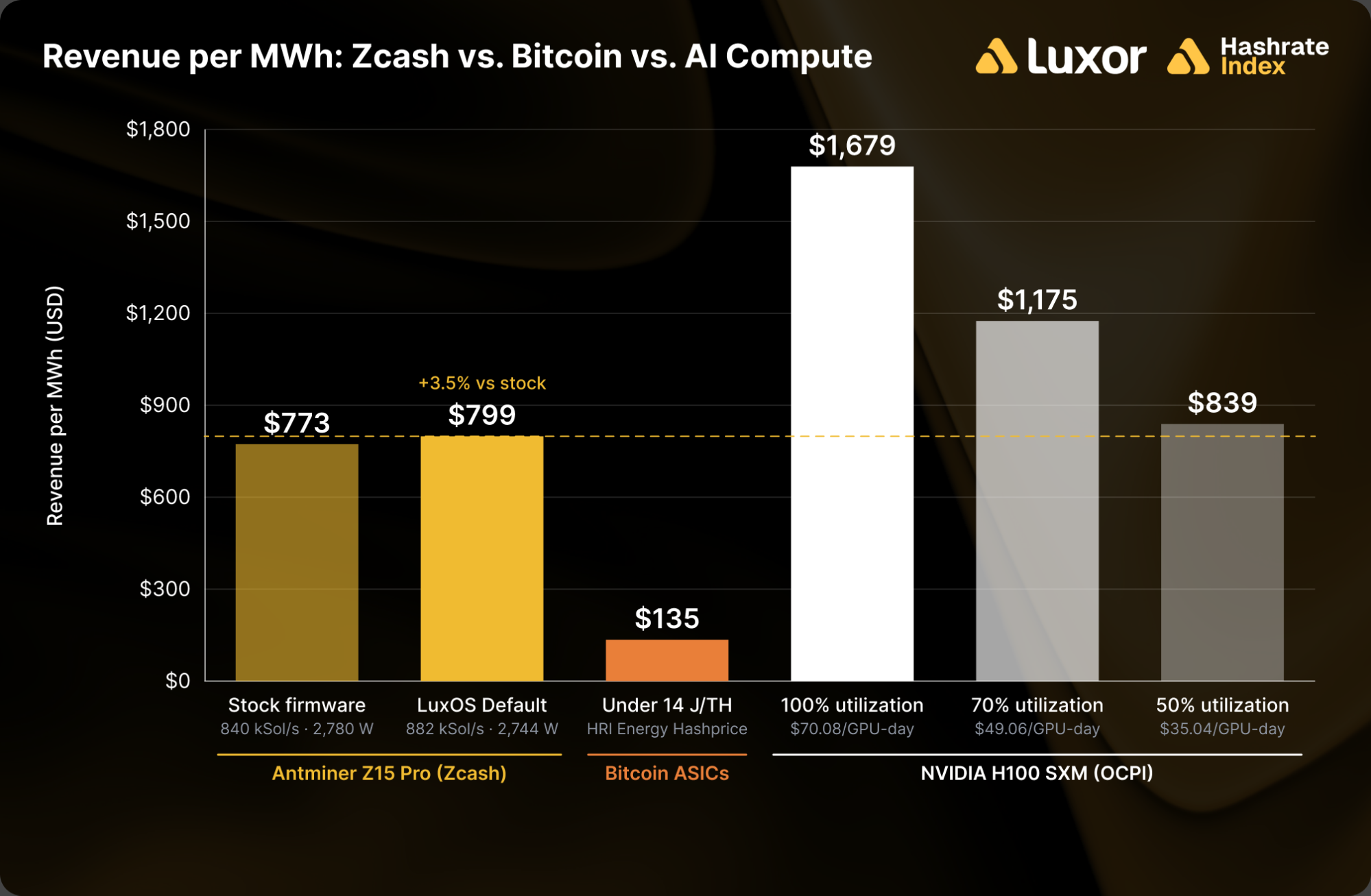
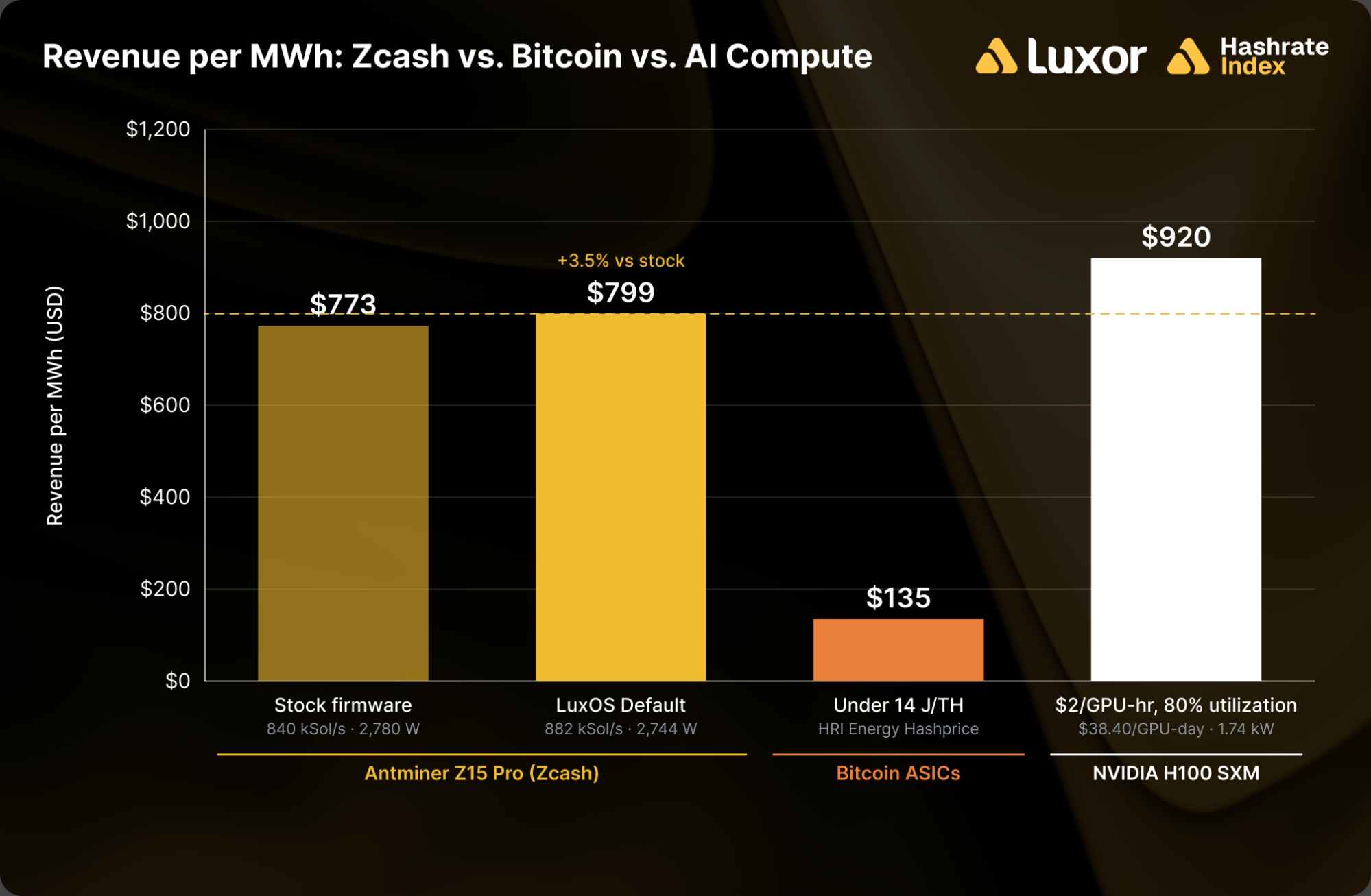
At a standardized energy cost of $0.08 per kilowatt-hour, the revenue disparities are stark. An Antminer Z15 Pro configured for Zcash mining generates approximately $770 in revenue per megawatt-hour. In contrast, the most efficient Bitcoin ASICs currently struggle to surpass $135 per megawatt-hour. However, the true disruptor remains the NVIDIA H100 GPU, which, when fully utilized, commands roughly $1,680 per megawatt-hour. This hierarchy underscores the reality that the "best" investment is no longer a static designation but a shifting target dependent on utilization rates and capital deployment cycles.
The Macroeconomic Shift in Mining Economics
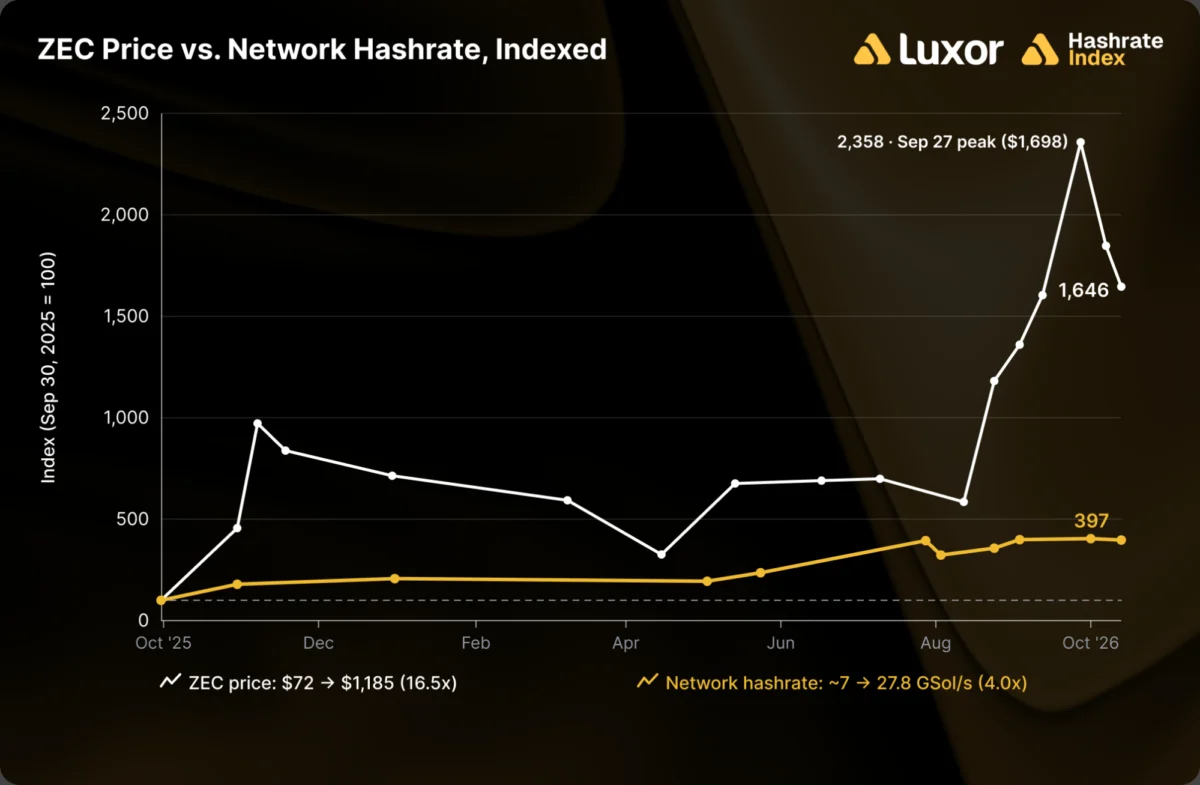
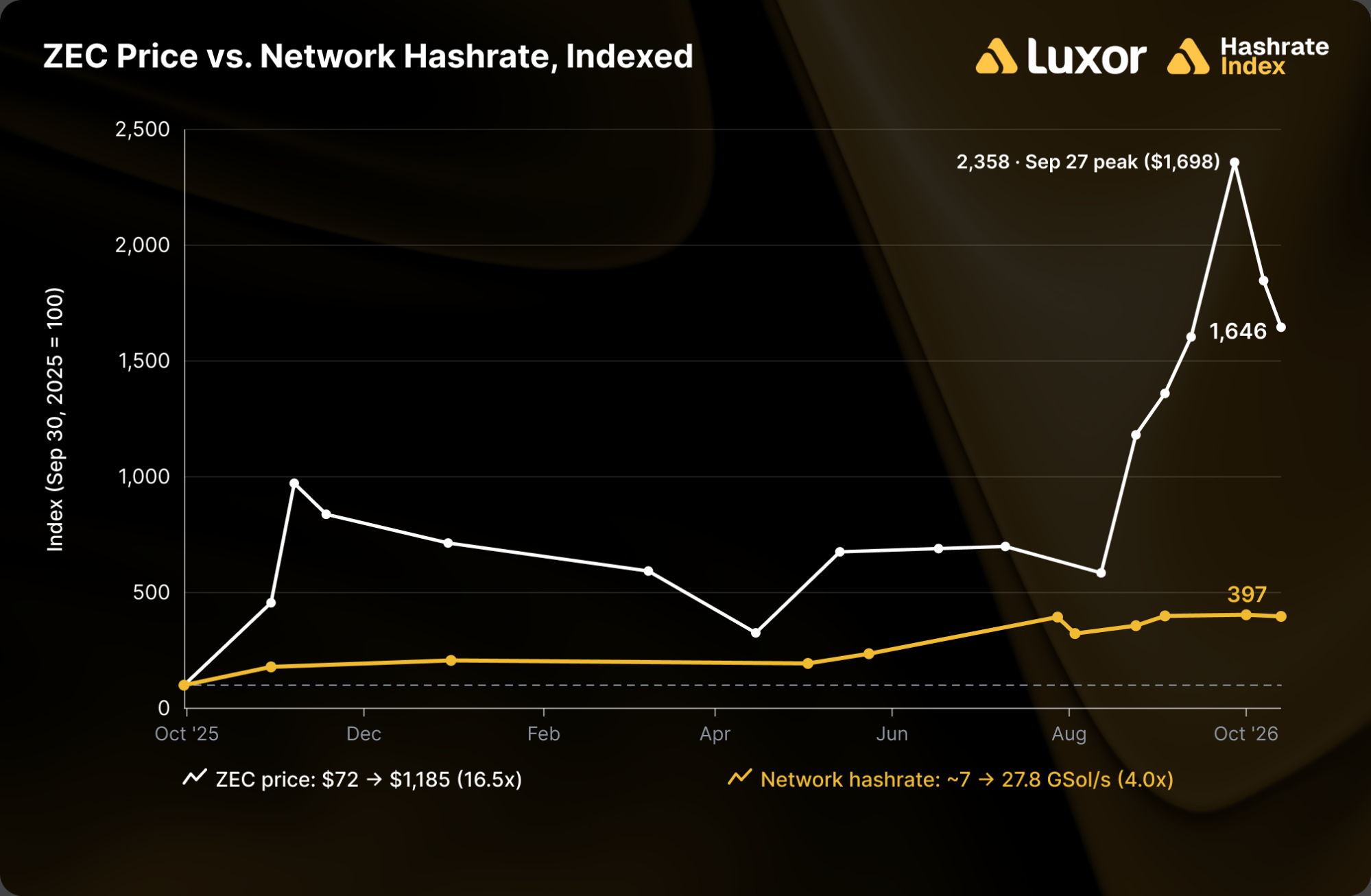
The year 2026 has been defined by a significant realignment in mining profitability. Zcash (ZEC), in particular, has experienced a volatile yet lucrative period. Following a surge in price that saw ZEC climb from approximately $72 in late 2025 to a peak near $1,700 in late September 2026, the network has attracted substantial capital. This price appreciation significantly outpaced the growth of network hashrate, which expanded from 7 GSol/s to 27.8 GSol/s over the same twelve-month window.
For miners, this meant that despite the influx of new hardware, the revenue per machine remained persistently high. The fixed nature of the Zcash block reward—capped at 1,440 ZEC per day—serves as a natural limiter. As more machines enter the ecosystem, individual shares are diluted, yet the sheer scale of the price rally has kept the Z15 Pro profitable even as the network difficulty climbed. Current projections suggest that even if the network hashrate were to increase by another factor of ten, the Z15 Pro would remain cash-flow positive, provided the price of ZEC sustains current levels.
Capital Intensity vs. Operational Revenue
While the NVIDIA H100 wins the race on revenue per unit of energy, the story shifts dramatically when evaluating capital expenditure (CAPEX). A megawatt of power dedicated to Zcash mining requires roughly 360 Antminer Z15 Pro units. At prevailing market prices of $8,800 to $16,000 per unit, the total hardware investment for that megawatt ranges from $3.2 million to $5.8 million, housed within a relatively simple industrial shell.
Conversely, a megawatt of H100 capacity demands roughly 575 GPUs. With new H100 nodes priced between $31,000 and $40,500 per GPU, the hardware alone commands an investment of $18 million to $23 million, excluding the substantial costs associated with Tier-3 data center infrastructure. Consequently, the Z15 Pro offers a significantly faster payback period, typically ranging from six to eleven months, compared to the longer-term depreciation and ROI schedules required for AI-compute facilities.
This economic trade-off explains the mixed sentiment within the mining community. While firms like Cypherpunk Technologies and others have leaned into Zcash as a strategic hedge against the volatility of Bitcoin and the capital-heavy requirements of AI, they recognize that the GPU model is a bet on sustained, high-utilization rental demand. If an H100 cluster’s utilization drops below 46–48%, its revenue per megawatt-hour plummets, aligning it closely with the performance of a standard Zcash ASIC.
Firmware as the Only Lever
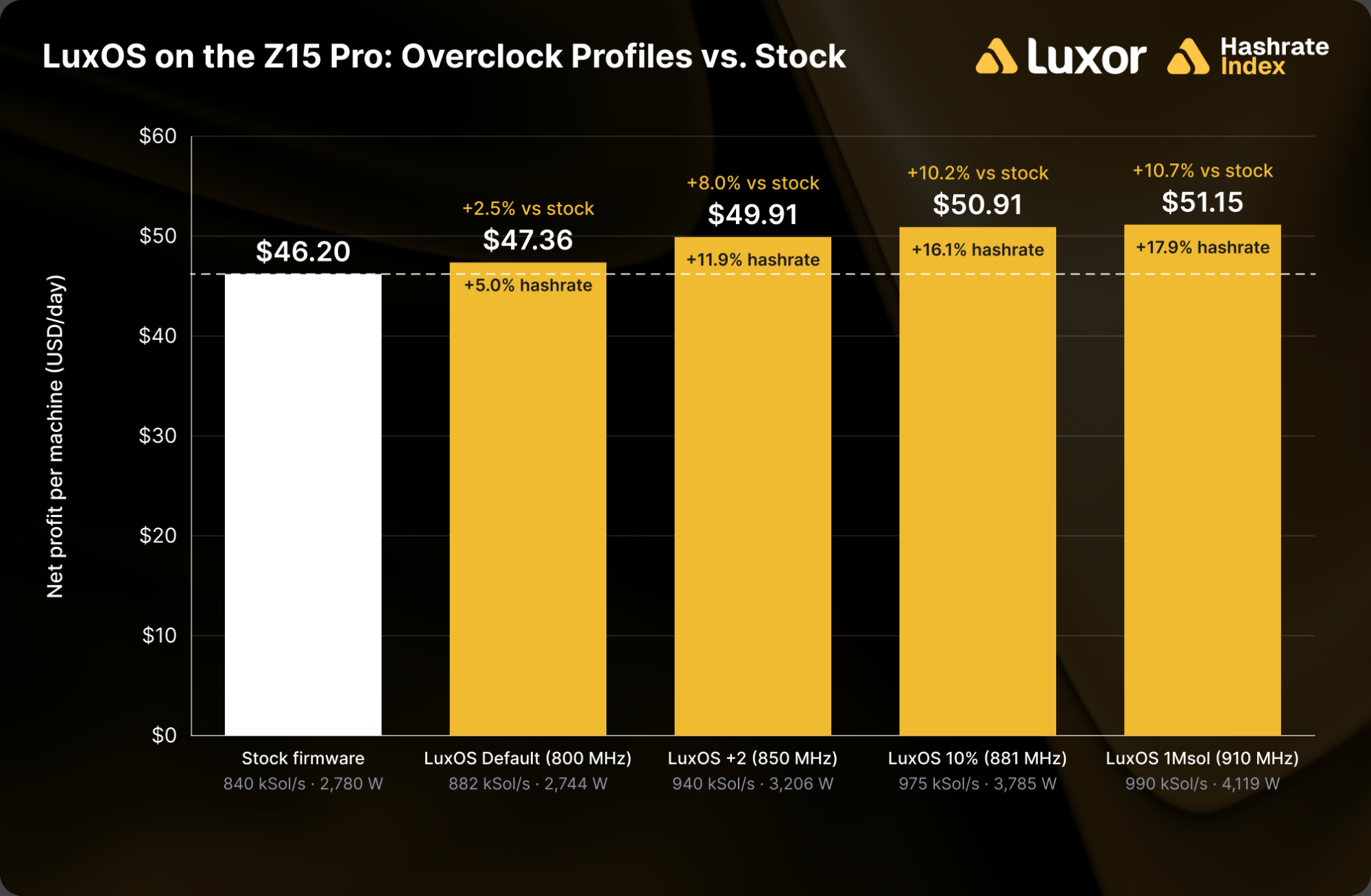
With the next generation of Equihash-specific silicon not expected to hit the market until the second quarter of 2027, operators are currently confined to the hardware they have. In this constrained supply environment, firmware optimization has become the primary mechanism for increasing hashrate.
The integration of advanced firmware, such as the LuxOS support for the Z15 Pro introduced in October 2026, allows operators to fine-tune their machines through various overclocking and underclocking profiles. Data from recent performance testing indicates that while most overclocking profiles prioritize absolute hashrate, they often sacrifice energy efficiency. Only specific "Default" profiles have demonstrated an ability to increase hashrate by 5% while simultaneously reducing power draw by 1%, thereby boosting revenue per megawatt-hour. For most operators, the decision to push hardware to its limits is a trade-off: in low-cost energy environments, the absolute revenue gain is preferred, whereas, in power-constrained or higher-cost sites, efficiency is the only viable path to profitability.
Implications for the Broader Infrastructure Market
The "mullet mining" strategy—a concept referring to the deployment of both ASIC and GPU compute within the same facility—is gaining traction as a risk-mitigation tool. By diversifying across different compute types, operators can leverage the energy-efficient, high-payback nature of ASICs while simultaneously capturing the high-revenue potential of the AI-compute market.
Industry analysts observe that the current Zcash boom is a temporary byproduct of price volatility outpacing hardware manufacturing. As Bitmain and other ASIC manufacturers prepare their next-generation equipment for 2027, the current "supply-constrained" nature of the market will likely ease. However, the underlying question of whether to prioritize AI compute or cryptocurrency mining remains a fundamental challenge for infrastructure providers.
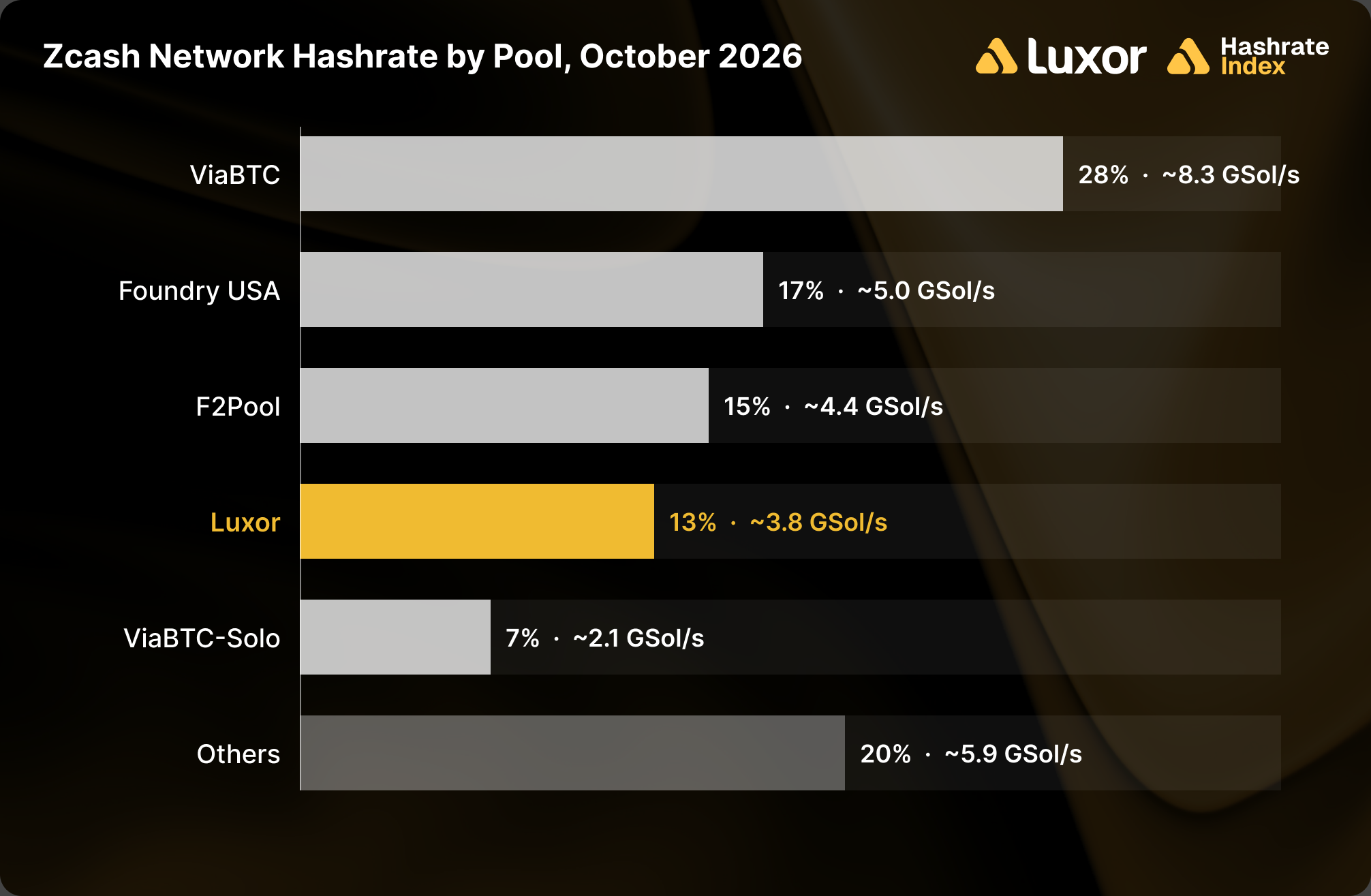
The data suggests that the "Zcash vs. AI" narrative is not a zero-sum game but rather a question of risk tolerance and capital velocity. For a firm with access to cheap, reliable power, the H100 remains the superior revenue generator, provided they can maintain high utilization. For a firm seeking a rapid payback period and lower entry barriers, the Z15 Pro continues to represent an exceptionally efficient use of capital.
Conclusion: The Future of Compute Allocation
As we look toward 2027, the compute landscape will likely be defined by further integration. The maturation of firmware-level management tools and the increasing sophistication of AI-compute orchestration suggest that the distinction between these sectors will continue to blur. Operators will no longer simply "mine" or "compute"; they will manage a heterogeneous fleet of hardware, dynamically shifting workloads based on real-time electricity prices, rental demand, and network difficulty.
The success of the Zcash network over the past year has provided a necessary stress test for this model. It has proven that specialized ASIC hardware can still hold its own against the giants of AI infrastructure, provided the network conditions allow for such a margin. Ultimately, the competition for the megawatt is far from over; it is merely evolving into a more complex, data-driven optimization problem. For the stakeholders involved, the imperative remains clear: keep the machines running, optimize for the specific constraints of the environment, and remain agile in the face of shifting market cycles. As the industry approaches the next wave of hardware releases, those who master the delicate balance between capital efficiency and revenue-per-watt will be the ones to define the next era of global compute infrastructure.