The Japanese House of Councillors officially passed a landmark bill on July 15 to amend the Financial Instruments and Exchange Act (FIEA), a move that fundamentally alters the legal status of cryptocurrencies within the nation’s borders. By reclassifying what were previously termed "virtual currencies" as "cryptographic assets" and bringing them under the umbrella of the FIEA, the Japanese government has signaled a transition into a more rigorous and institutionalized phase of digital asset oversight. This legislative shift is designed to integrate crypto assets into the same regulatory framework that governs traditional securities and derivatives, aiming to bolster market integrity and provide a higher standard of protection for retail and institutional investors alike.
The passage of this bill represents the culmination of years of internal debate and technical consultation between the Financial Services Agency (FSA), academic experts, and industry stakeholders. Under the new legal framework, cryptographic assets are no longer viewed merely as alternative payment methods but are recognized as legitimate financial instruments. This transition is expected to have far-reaching consequences for how digital assets are traded, stored, and reported within Japan, which remains one of the world’s most significant markets for digital finance.
A New Era of Regulatory Rigor and Investor Protection
The primary objective of the FIEA amendment is to address the perceived "Wild West" nature of the early crypto markets by imposing strict rules on conduct and transparency. One of the most significant changes introduced by the legislation is the formalization of insider trading regulations for the crypto sector. Previously, the lack of a clear legal definition for digital assets as financial instruments created a loophole where individuals with non-public information could manipulate markets without facing the same criminal penalties associated with stock market manipulation.
Furthermore, the amendment mandates enhanced information disclosure requirements. Cryptocurrency exchanges and service providers will now be required to provide comprehensive reports on their operations, financial health, and the specific risks associated with the assets they list. This move is intended to eliminate information asymmetry, ensuring that investors have access to the same quality of data they would expect when investing in equities or bonds.
To further safeguard investor funds, the new regulations solidify requirements for the segregation of customer assets. Following high-profile domestic exchange hacks in previous years, the law now mandates that operators manage customer cryptographic assets separately from their own holdings, utilizing high-security measures such as "cold wallets" (offline storage) for the majority of customer funds. In the event of an exchange failure or security breach, these provisions provide a clearer legal path for the restitution of user assets.
The Evolution of Japan’s Crypto Regulatory Timeline
The journey toward the current FIEA amendment has been shaped by a series of pivotal events that forced Japanese regulators to balance innovation with systemic security. Japan was one of the first nations to introduce a licensing system for cryptocurrency exchanges via the Payment Services Act in 2017. However, that initial framework focused primarily on Anti-Money Laundering (AML) and Know Your Customer (KYC) protocols rather than market conduct.
A critical turning point occurred in January 2018 with the theft of approximately 58 billion yen worth of NEM tokens from the Coincheck exchange. This incident, following the earlier 2014 collapse of Mt. Gox, prompted the FSA to move toward a more "security-centric" model. In 2019, the Diet passed initial amendments to the Payment Services Act and the FIEA, which introduced the term "cryptographic assets" to replace "virtual currency" in legal texts.
The July 15 passage of the latest bill serves as the final structural reinforcement of this evolution. It moves beyond the administrative oversight of exchanges and enters the realm of market-wide conduct regulation. This timeline reflects a shift from a reactive stance—responding to hacks—to a proactive stance—building a comprehensive financial ecosystem that can support future technologies like Security Token Offerings (STOs) and decentralized finance (DeFi) within a controlled environment.
Contributions from the Academic and Expert Communities
The legislative process was heavily influenced by the "Digital Asset Industry Study Group" (SG), a collective of academics and industry leaders who provided the technical foundation for the bill. On June 22, prior to the bill’s passage, NADA NEWS hosted an event featuring prominent figures such as Professor Noriyuki Yanagawa of the University of Tokyo and Researcher Shinichiro Matsuo. These experts were instrumental in drafting the "Digital Asset Industry Development Discussion Paper," which outlined the necessary steps to align Japan’s digital economy with global standards.
The study group emphasized that for Japan to remain competitive in the global Web3 landscape, it must move away from fragmented regulations. Their research highlighted the need for a unified "Digital Asset Act" or a highly integrated FIEA that could account for the unique technological properties of blockchain while maintaining the stability of the traditional financial system. The current amendments reflect many of the group’s recommendations, particularly regarding the legal definition of "custody" and the responsibilities of service providers in protecting private keys.
Remaining Challenges: ETFs, Taxation, and Stablecoins
Despite the progress marked by the FIEA amendments, several contentious issues remain on the horizon for Japanese policymakers. The industry has long advocated for the approval of Crypto Asset Exchange-Traded Funds (ETFs), similar to those recently approved in the United States and Hong Kong. Proponents argue that an ETF would provide a safer, more accessible vehicle for institutional investors to gain exposure to Bitcoin and Ethereum. However, the FSA remains cautious, citing concerns over underlying market volatility and the complexity of auditing decentralized assets.
Taxation remains another significant hurdle. Currently, gains from cryptocurrency trading in Japan are classified as "miscellaneous income," which can be taxed at rates as high as 55% when combined with local inhabitant taxes. In contrast, traditional stock investments are taxed at a flat rate of approximately 20%. Industry groups argue that this disparity drives capital and talent out of Japan. While the FIEA amendment does not directly change the tax code, it strengthens the argument for tax reform by officially recognizing crypto assets as financial instruments—the same category as stocks.
Additionally, the relationship between the new FIEA rules and the 2023 Stablecoin Act is still being mapped out. As Japan seeks to become a hub for regulated stablecoins, ensuring that these tokens interface seamlessly with the new FIEA-regulated exchanges is a priority for the Ministry of Finance.
Industry Impact and the "Tokyo Bitcoin Base" Discussion
The immediate reaction from the Japanese crypto industry has been one of cautious optimism. Major domestic exchanges, such as bitFlyer and Coincheck, have already begun adjusting their internal compliance structures to meet the heightened FIEA standards. While the cost of compliance is expected to rise, many industry leaders believe that the increased "institutional grade" of the market will eventually attract larger pools of capital that were previously sidelined by regulatory uncertainty.
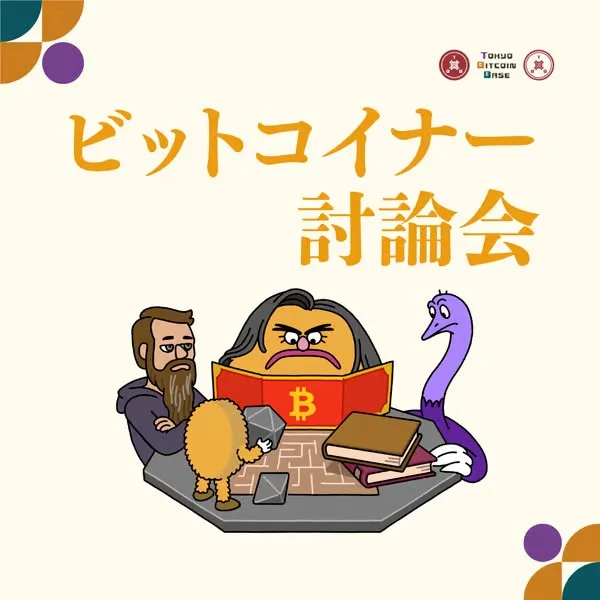
To facilitate deeper understanding of these changes, the domestic Bitcoin community is organizing grassroots forums. "Tokyo Bitcoin Base," a prominent hub for crypto education in the capital, has announced an upcoming event titled "Discussing Bitcoin and the Market Before the Shift to FIEA." The event will feature expert-led sessions on how the new legal landscape will affect the daily operations of traders and the long-term prospects for Bitcoin in Japan.
Key topics for the upcoming discussion include:
- The impact of FIEA on leverage trading limits for retail users.
- How the new "Financial Instrument" status changes the legal liability of exchange operators.
- The potential for Japan to follow international trends in approving spot Bitcoin ETFs.
- Prospects for future tax reform in light of the new legal definitions.
Strategic Implications for the Global Market
Japan’s decision to integrate crypto into its primary financial law sets a significant precedent for other G7 nations. While the United States continues to grapple with "regulation by enforcement" through the SEC and CFTC, Japan has chosen a path of legislative clarity. By providing a clear rulebook, Japan aims to position itself as a stable and predictable jurisdiction for digital asset companies.
This regulatory certainty is particularly important as the global financial industry explores the "tokenization of everything." The FIEA framework is well-suited to handle Security Tokens (real-world assets on the blockchain), as the law already understands how to regulate securities. By refining these rules now, Japan is laying the groundwork for a future where traditional real estate, corporate bonds, and private equity are traded with the efficiency of cryptographic assets.
In conclusion, the July 15 passage of the FIEA amendment marks the end of the "experimental" phase of cryptocurrency in Japan. The transition to a regulated financial product status signifies that digital assets are now an inextricable part of the national economy. While the burden of compliance has increased, the promise of a more transparent, secure, and institutionally-friendly market offers a clear path forward for the growth of Japan’s digital asset industry. As the government and private sector continue to iron out the details of ETFs and tax reform, the world will be watching Japan as a potential blueprint for the successful integration of decentralized technology into a centralized legal system.