The transition from the traditional centralized internet, often referred to as Web2, to the decentralized ecosystem of Web3 has introduced a revolutionary paradigm of digital ownership. However, this shift has also transferred the burden of security from financial institutions and platform providers directly to the individual user. In the Web3 world, the principle of "self-responsibility" is not merely a suggestion but a foundational requirement. As blockchain technology continues to integrate into gaming, finance, and social media, the prevalence of sophisticated scams, phishing attempts, and wallet drainers has reached unprecedented levels. Understanding the mechanics of these threats and the technical countermeasures available is essential for any participant in the modern digital economy.
The Web3 Security Paradigm: The Burden of Self-Custody
The core appeal of Web3 is decentralization—the removal of intermediaries like banks or tech giants. While this provides users with total control over their assets, it eliminates the "safety net" typical of traditional finance. In a Web2 environment, a forgotten password can be reset via email, and a fraudulent credit card charge can be disputed and reversed. In the Web3 environment, transactions are immutable. Once a digital asset is transferred or a malicious smart contract is signed, the action cannot be undone by any central authority.
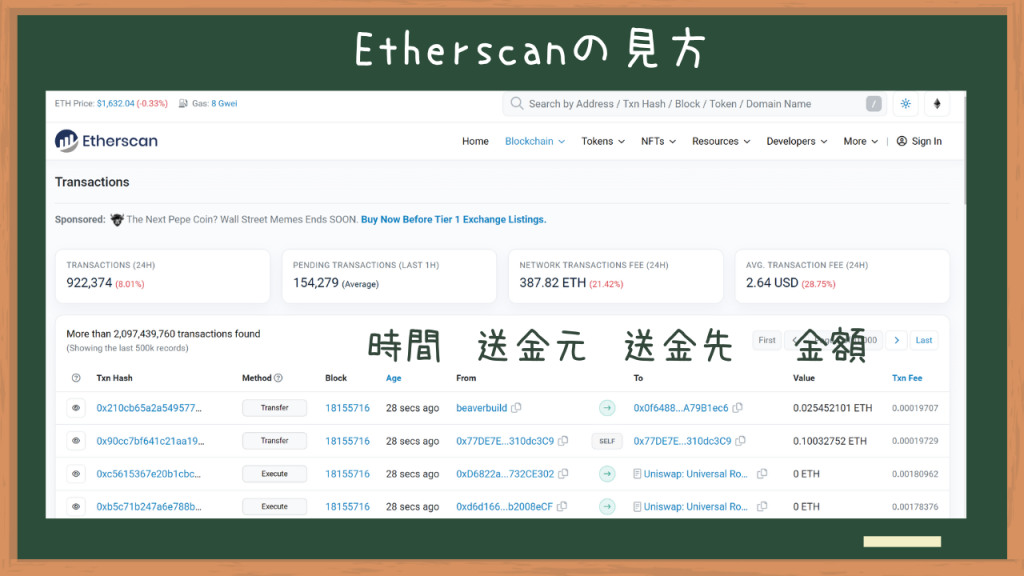
This environment necessitates a proactive approach to security. The transparency of the blockchain, while a boon for auditing and trust, also serves as a roadmap for malicious actors. Through tools like Etherscan or BSCscan, any individual can monitor wallet addresses, track transaction histories, and identify high-value targets. Scammers often utilize these public ledgers to identify "whales" or active traders, subsequently targeting them with tailored social engineering or phishing campaigns.

Understanding the Transparency Paradox via Blockchain Explorers
Blockchain explorers such as Etherscan are indispensable tools for verifying transactions and viewing the contents of a wallet. By entering a wallet ID, anyone can view the balance of Ether, ERC-20 tokens, and NFTs held within that specific address. While this transparency is vital for the integrity of the decentralized web, it exposes users to specific risks.
Scammers monitor these explorers to see which wallets are interacting with popular new projects. If a user receives a high-value NFT or makes a significant trade, they may suddenly find themselves the target of "dusting" attacks—where small amounts of unknown tokens are sent to their wallet to track activity—or targeted phishing DMs on social media platforms. The ability to see exactly what a person owns makes the Web3 space a high-stakes environment where privacy and security must be balanced against the public nature of the ledger.

Common Vectors of Attack: Social Engineering and Phishing
The most frequent entry point for Web3 security breaches is not a technical flaw in the blockchain itself, but rather human error exploited through social engineering. Malicious actors primarily utilize platforms like Discord and X (formerly Twitter) to facilitate these attacks.
The Discord and X Direct Message Threat
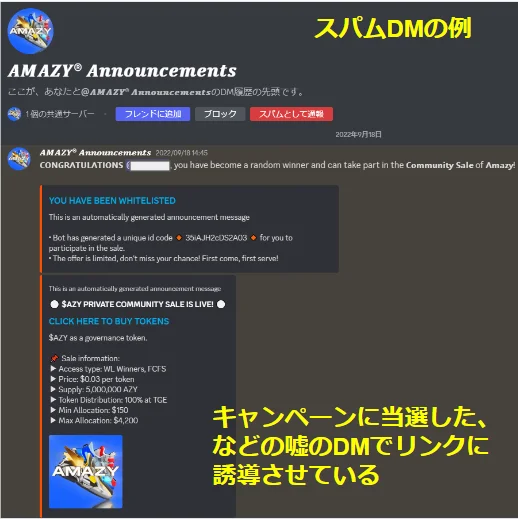
In the Web3 community, Discord is the primary hub for project communication. However, it is also a primary hunting ground for scammers. A common tactic involves sending automated Direct Messages (DMs) to members of popular NFT or crypto servers. These messages often masquerade as "official" announcements, claiming the user has won a "whitelist" spot, a high-value airdrop, or a limited-time giveaway.

Industry experts and project moderators emphasize a singular rule: "Official representatives will never DM you first." To mitigate this risk, veteran Web3 users typically disable DMs from server members entirely. Similarly, on X, scammers use bot accounts to tag users in posts claiming they are eligible for rewards, leading them to malicious websites designed to drain their wallets.
Typosquatting and Fake Websites
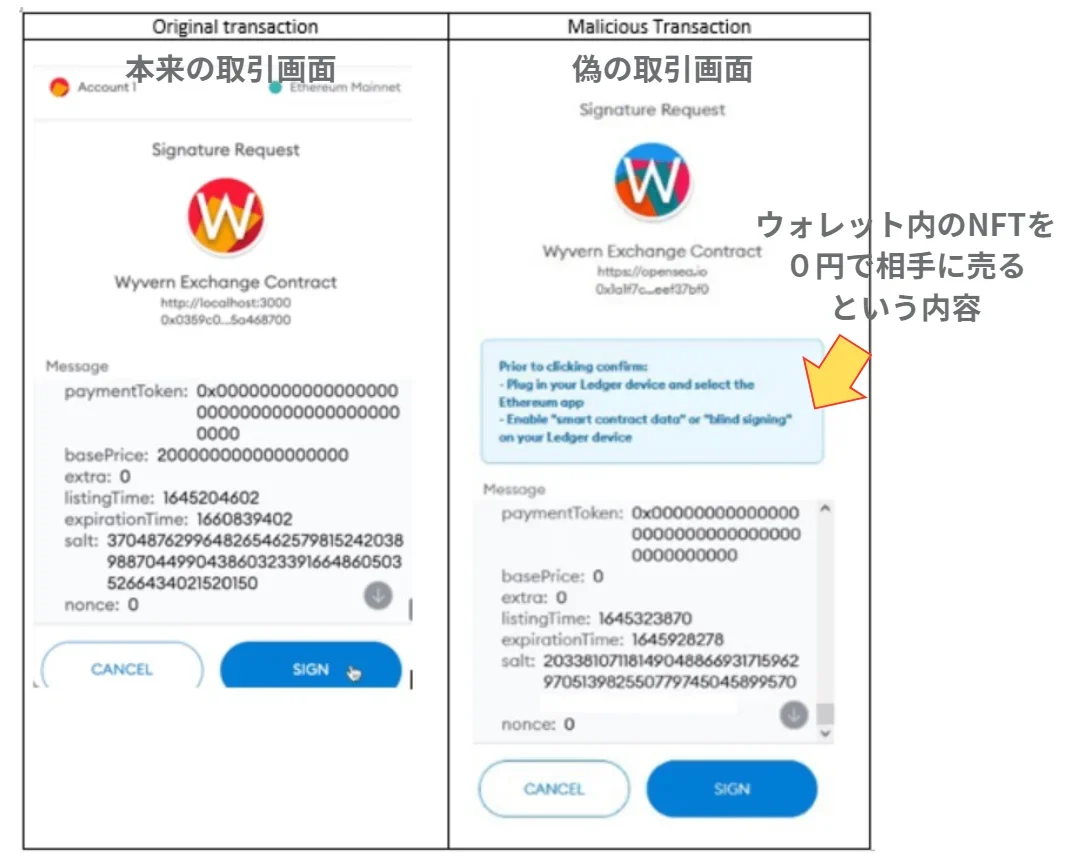
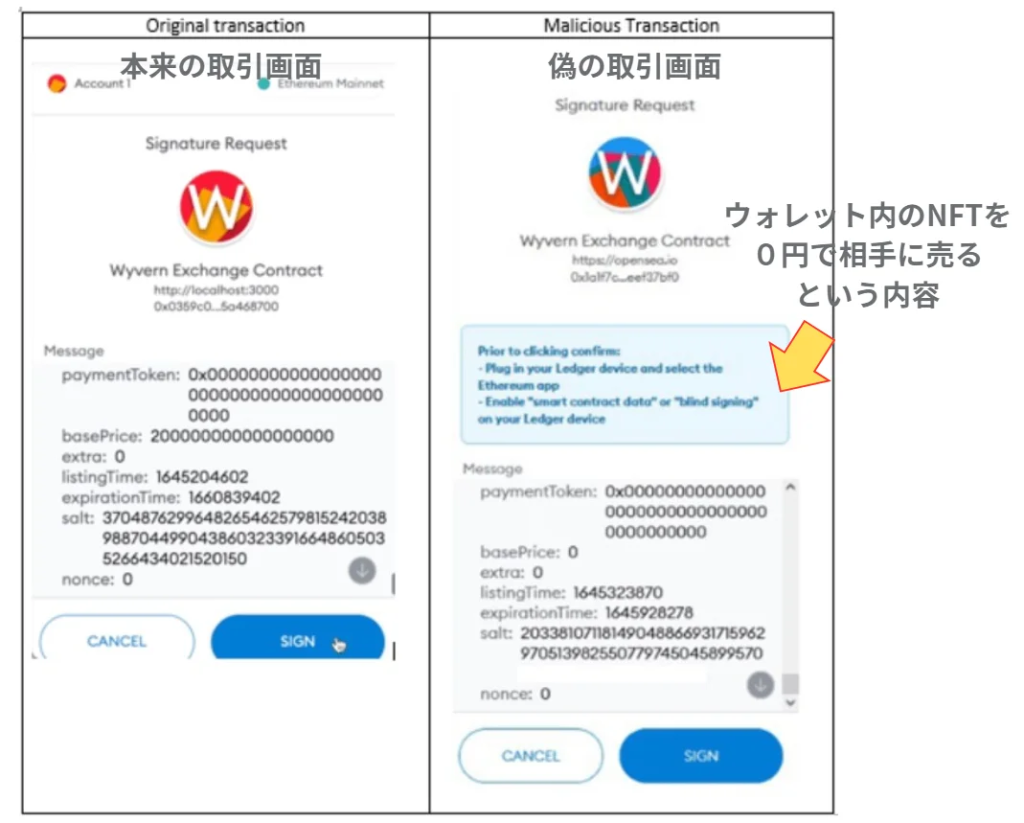
Phishing websites are designed to be indistinguishable from legitimate platforms like OpenSea, Uniswap, or MetaMask. Through "typosquatting"—registering domains that are nearly identical to the original (e.g., "openseaa.io" instead of "opensea.io")—scammers trick users into connecting their wallets. Once a user "connects" and signs a transaction on a fake site, they are often inadvertently granting the scammer’s smart contract permission to spend their tokens, leading to an immediate loss of assets.

Technical Defensive Measures: Extensions and Verification
To combat the rising tide of automated phishing, several technical solutions have emerged. One of the most prominent is the use of transaction simulation extensions, such as Kekkai.
Kekkai and similar security tools act as a "firewall" for your browser-based wallet. When a user is asked to sign a transaction, these extensions simulate the outcome before the user confirms. If a transaction is designed to "Transfer All" or "Approve" an unknown contract to spend assets, the tool provides a clear warning. This layer of defense is particularly effective against "wallet drainers," which are scripts hidden in seemingly benign "Mint" or "Claim" buttons.
Furthermore, the adoption of "burn wallets" has become a standard best practice. Users are encouraged to keep their primary assets in "cold storage" (hardware wallets like Ledger or Trezor) and use a separate, low-balance "hot wallet" for interacting with new or unverified decentralized applications (dApps).
The Revoke Protocol: Mitigating Smart Contract Risk
One of the most misunderstood aspects of Web3 security is the "Approval" mechanism. When using a decentralized exchange (DEX) or an NFT marketplace, users must "Approve" the platform to move their tokens. Often, to save on future gas fees, platforms request "Infinite Approval." If that platform is later compromised, or if the user was on a fake site, the malicious actor maintains the right to withdraw tokens from the user’s wallet at any time.

The process of "Revoking" these permissions is a critical maintenance task for any Web3 participant.
Step-by-Step Guide to Revoking Approvals
- Access a Blockchain Explorer: Navigate to the "Token Approval" tool on Etherscan (for Ethereum), BSCscan (for BNB Chain), or Polygonscan.
- Connect to Web3: Use the "Connect to Web3" button to link your wallet (e.g., MetaMask) to the explorer site.
- Review Approvals: The tool will display a list of all smart contracts that have permission to spend your tokens, along with the "Allowance" amount.
- Execute Revoke: Identify any suspicious or no-longer-used contracts and click the "Revoke" button.
- Confirm on Chain: Revoking is an on-chain transaction. The user must pay a small gas fee to update the blockchain and officially cancel the permission.
By regularly auditing and revoking permissions, users can ensure that even if a platform they previously used is hacked, their current wallet holdings remain secure.
Chronology of Major Security Incidents and Industry Response
The need for these security measures is underscored by a history of high-profile breaches. In 2022, the Ronin Network (associated with Axie Infinity) suffered a $625 million exploit due to compromised validator keys. In early 2023, several high-profile NFT collectors lost millions in Bored Ape Yacht Club assets due to sophisticated phishing links posted on compromised Discord accounts.
More recently, the "Ledger Connect Kit" incident in late 2023 saw a malicious script injected into a widely used library, affecting multiple dApps simultaneously. This event highlighted that even "connecting" a wallet can be risky if the underlying infrastructure of a website is compromised.
In response, the industry has moved toward "Account Abstraction" (ERC-4337), which allows for more complex security rules, such as multi-signature requirements for large transfers and "social recovery" of wallets, potentially moving the industry away from the fragile "seed phrase" model.
Broader Impact and the Future of Digital Safety
The prevalence of scams in the Web3 space remains a significant barrier to mainstream adoption. Institutional investors and retail users alike are hesitant to enter an ecosystem where a single click can result in total financial loss. As a result, the "Security-as-a-Service" sector within the blockchain industry is seeing massive growth.

Government agencies, including the FBI in the United States and the FSA in Japan, have begun issuing more frequent warnings regarding "pig butchering" scams and DeFi exploits. However, because Web3 operates across borders and often without central oversight, legal recourse remains difficult.
The future of Web3 security lies in a combination of better user education and more robust technical defaults. Until "smart accounts" with built-in protections become the standard, the burden remains on the individual. By maintaining a healthy skepticism of DMs, utilizing transaction simulators like Kekkai, and performing regular "Revoke" audits, users can navigate the decentralized web with confidence. In the world of Web3, vigilance is the only true insurance policy.