Dark Machine stands at the forefront of the next generation of competitive gaming, merging high-octane third-person shooter (TPS) mechanics with decentralized blockchain infrastructure. Built for PC, iOS, and Android platforms, the title bridges the gap between traditional Web2 eSports enthusiasts and the emerging Web3 economy. By utilizing high-throughput multi-chain architecture on networks such as Immutable zkEVM and Sui, Dark Machine delivers a seamless, low-latency gaming experience designed to support competitive matches ranging from 3v7 formats to large-scale tournament play.
Project Overview and Technical Architecture
At its core, Dark Machine is engineered to solve the persistent scalability and latency issues that have historically hindered blockchain-integrated games. Utilizing Immutable zkEVM and the Sui network, the development team has established a robust ecosystem that supports instantaneous asset transfers, secure non-fungible token (NFT) ownership, and transparent player-driven economies.
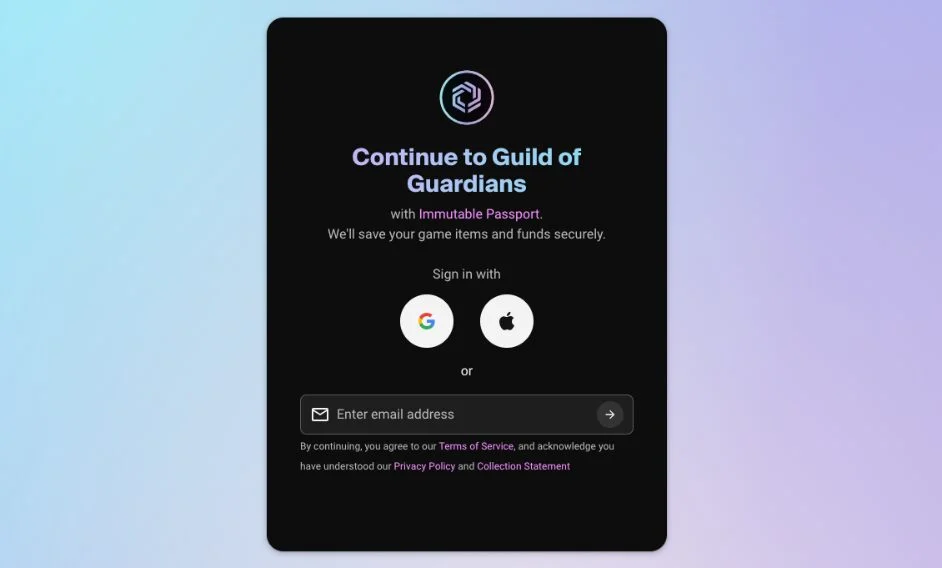
The game’s native ecosystem token, $MXNA, operates alongside the DEMAX governance framework, providing a balanced dual-token model. This economic structure allows players to earn rewards through competitive play, participate in governance decisions, and trade in-game assets securely without encountering the prohibitive gas fees typical of legacy blockchain networks. Furthermore, the integration of Immutable Passport enables simplified onboarding through standard Web2 credentials such as Google and Apple IDs, eliminating friction for mainstream gamers entering the Web3 space.
Gameplay Mechanics and TPS Innovation
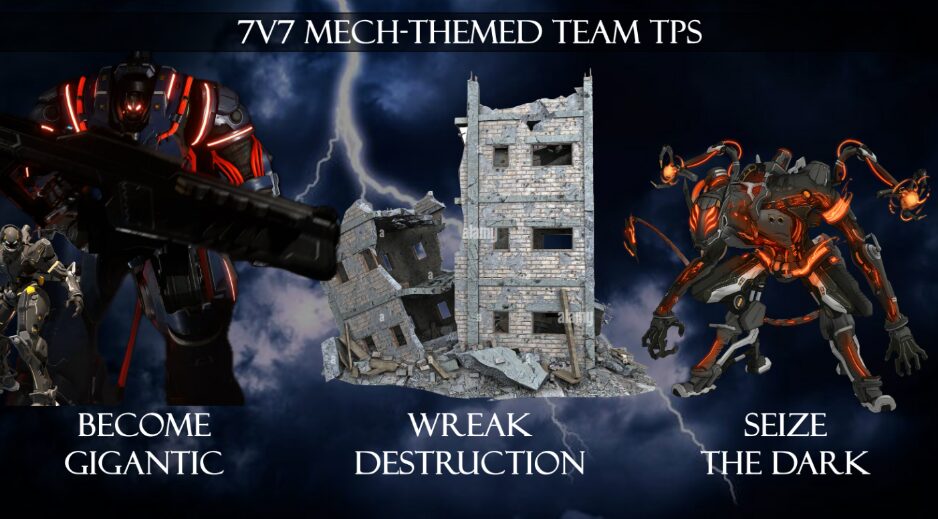
Dark Machine distinguishes itself within the competitive gaming landscape through fast-paced TPS mechanics that emphasize tactical depth, spatial awareness, and quick-reflex gunplay. Players pilot advanced mech units equipped with customizable loadouts, weapon configurations, and defensive modules. The game’s arena design encourages dynamic team strategies, where positioning and resource management dictate the outcome of high-stakes matches.
Unlike traditional title structures where in-game purchases remain locked within a closed ecosystem, Dark Machine introduces a player-owned economy backed by verifiable digital scarcity. Through the integration of Soulbound Tokens (SBTs) and tradeable NFTs, players retain true ownership of their hard-earned gear, skins, and competitive achievements. This framework not quais-guarantees interoperability across future expansions but also establishes a sustainable secondary market where skilled players can monetize their time and effort.
Chronology and Development Milestones
The development of Dark Machine has followed a meticulously planned roadmap designed to ensure technical stability before commercial rollout. Initial concept phases focused on core engine optimization and balancing the complex interplay between shooter mechanics and decentralized asset management.
- Early Development Phase: Conceptualization of the core TPS gameplay loop and establishment of foundational multi-chain partnerships.
- Closed Alpha and Beta Testing: Limited-access periods allowing core community members and invited eSports organizations to test server load, network latency, and token utility.
- Ecosystem Expansion: Integration of Telegram (TON) mini-apps to widen accessibility and engage casual mobile gamers through gamified task systems.
- Global Launch Phase: Official rollout across PC, iOS, and Android storefronts, supported by cross-play capabilities and global eSports tournaments.
eSports Integration and Industry Partnerships
Dark Machine has positioned itself aggressively within the competitive eSports arena by forging strategic partnerships with prominent gaming guilds and infrastructure providers. Collaborations with organizations such as META-X have solidified the game’s presence in competitive circuits, providing structured tournament frameworks, prize pool backing, and professional league management.
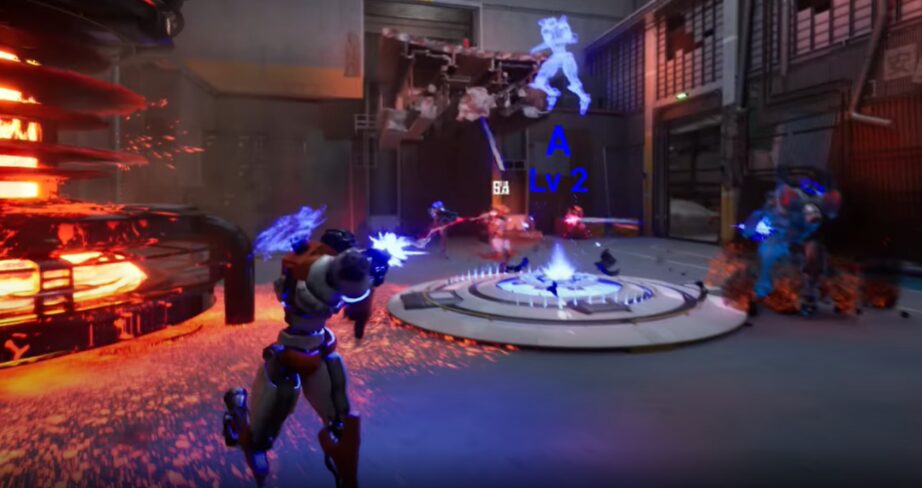
By supporting both 1v1 duels and large-scale team competitions, Dark Machine facilitates live broadcasting via platforms like YouTube and Twitch. This focus on spectator-friendly features ensures that matches are easily digestible for viewers, creating a viable pathway for professional players and content creators to build sustainable careers around the franchise. Industry analysts note that these partnerships mirror the professionalization seen in major Web2 titles, signaling a maturation phase for blockchain-enabled competitive gaming.
Economic Model and Tokenomics ($MXNA)
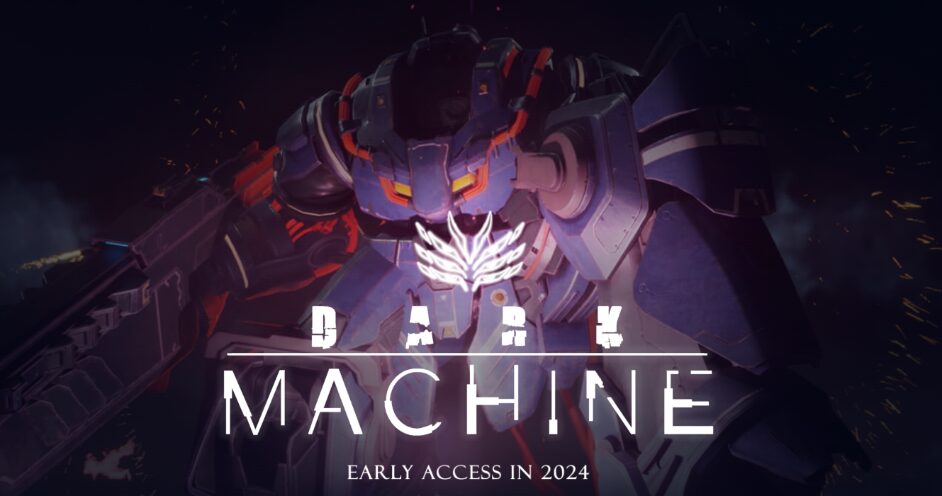
The economic foundation of Dark Machine relies on the $MXNA token and the DEMAX governance framework. Designed to resist inflationary pressures common in early-generation GameFi projects, the tokenomics model introduces deflationary mechanisms tied to in-game utility and marketplace activity.
- Utility: $MXNA is required for participating in elite tournaments, purchasing high-tier mech upgrades, and accessing exclusive seasonal content.
- Governance: Token holders can vote on game updates, balancing patches, and future roadmap additions through decentralized autonomous organization (DAO) proposals.
- Staking Rewards: Long-term participants can stake their assets to earn protocol fees and rare NFT drops, aligning player incentives with the long-term growth of the ecosystem.
To facilitate widespread adoption, $MXNA is integrated with major decentralized wallets, including Bitget Wallet, allowing users to execute swaps and manage assets with minimal transaction friction. Comprehensive user guides provided by market aggregators ensure that even newcomers to decentralized finance can navigate the token purchase and staking processes securely.
Strategic Implications and Market Outlook
The launch of Dark Machine represents a significant milestone in the evolution of blockchain gaming. By prioritizing core gameplay quality over speculative tokenomics, the development team has addressed the primary criticism leveled against early Web3 titles—that they functioned more as financial instruments than engaging video games.
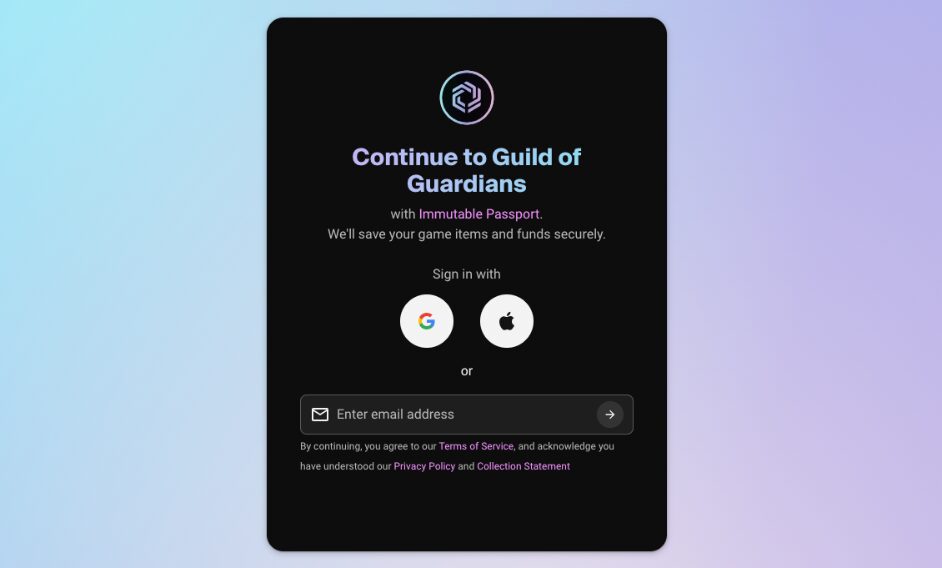
Industry observers suggest that the game’s success could pave the way for a broader acceptance of blockchain infrastructure within mainstream eSports. By abstracting away the technical complexities of wallet management and transaction signing through tools like Immutable Passport, Dark Machine proves that Web3 technologies can enhance the gaming experience without alienating traditional audiences.
As the project continues to roll out cross-platform support and expand its competitive calendar, market analysts will closely monitor player retention rates and secondary market liquidity as key indicators of the title’s long-term viability. With robust backing from institutional investors, prominent gaming guilds, and a dedicated player base, Dark Machine is well-positioned to shape the future of competitive multiplayer gaming.