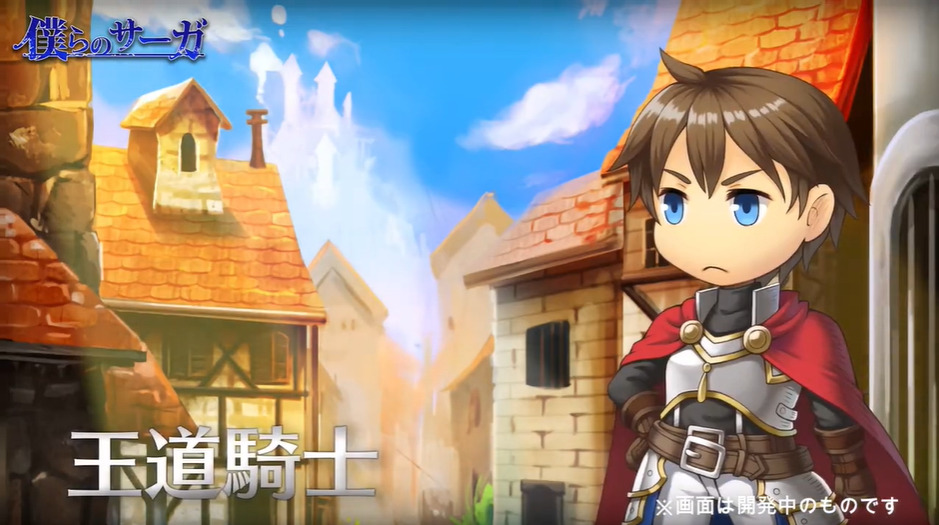
The landscape of decentralized gaming is witnessing a significant resurgence of classic intellectual properties, reimagined through the lens of Web3 technology. Among the most anticipated titles in this category is Bokura no Saga (Our Saga), a strategic remake of a beloved mobile title that previously thrived within the NicoNico app ecosystem. As the gaming industry moves toward player-owned economies, Bokura no Saga is positioning itself as a flagship Real-Time Strategy (RTS) title on the Oasys blockchain, specifically within the MCHverse and ADIL Chain environments. This transition from a traditional "walled garden" mobile game to a decentralized platform represents a broader trend of "GameFi" evolution, where historical gameplay mechanics are enriched with Non-Fungible Tokens (NFTs) and sustainable Play-to-Earn (P2E) structures.
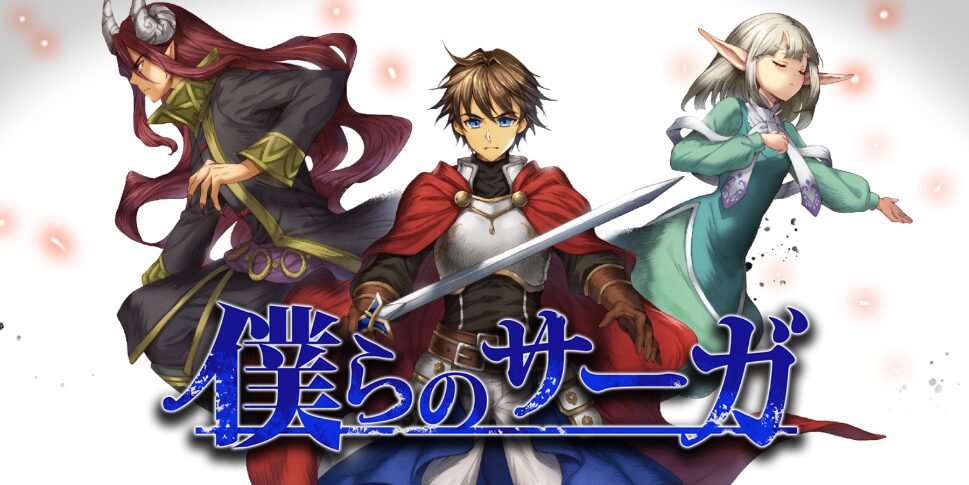
The Heritage and Rebirth of Bokura no Saga
To understand the significance of Bokura no Saga, one must look at its origins. The original title was a staple of the NicoNico app platform, a Japanese media service that allowed users to engage in various interactive experiences. However, following the cessation of the NicoNico app service in September 2023, the game faced a permanent shutdown. Rather than allowing the IP to fade into obscurity, the developers pivoted to the Web3 space, recognizing that blockchain technology could provide the permanency and ownership that traditional centralized servers lacked.
The remake is not merely a port; it is a comprehensive overhaul. By integrating character voices, enhanced graphics, and a sophisticated blockchain-based economy, the developers aim to capture both the nostalgic fanbase of the original and a new generation of blockchain gamers. The project gained significant traction following its presentation at major industry events, including the Tokyo Game Show, where it was highlighted as a premier example of how legacy gaming content can be successfully revitalized for the decentralized era.
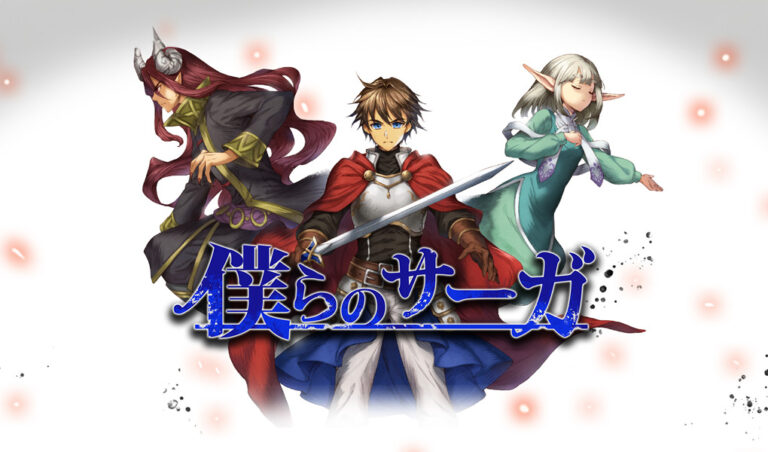
Core Gameplay Mechanics: City Building and Strategic Warfare
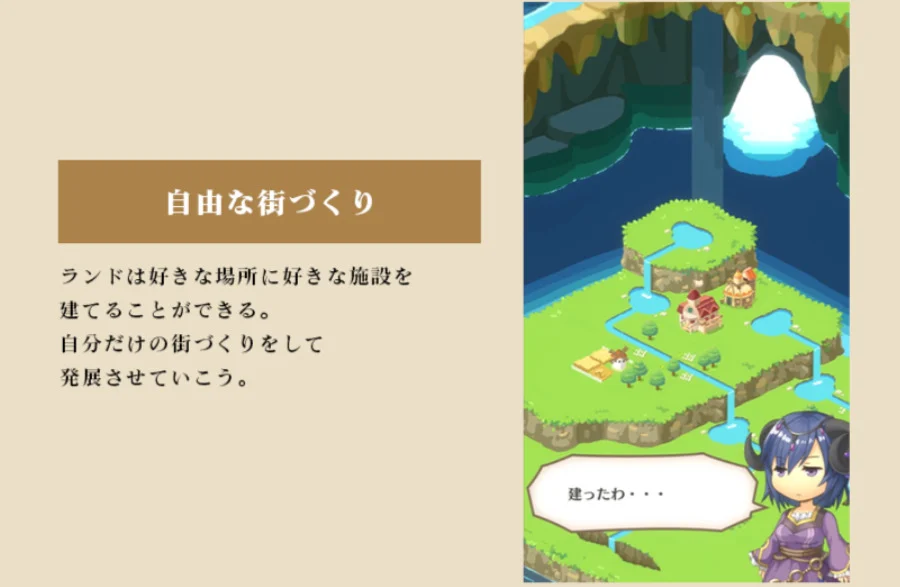
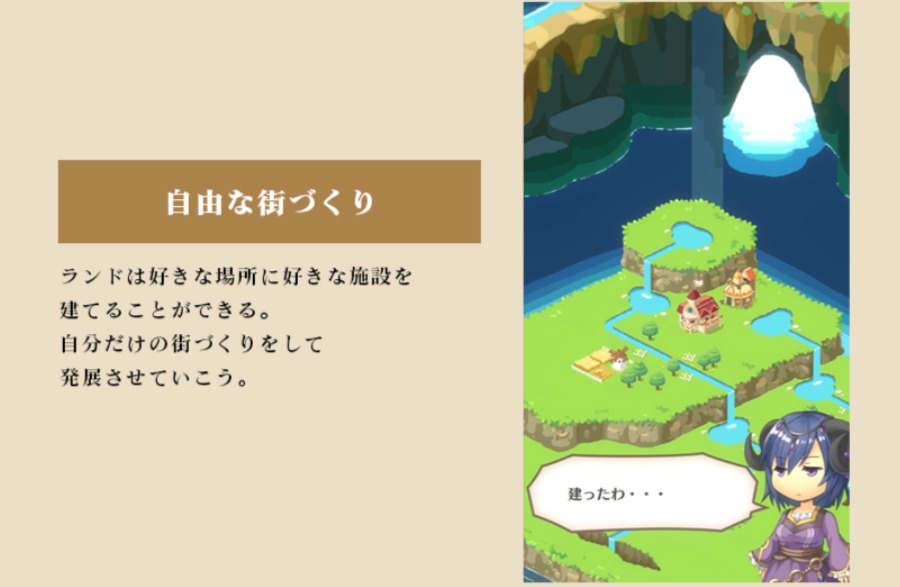
At its heart, Bokura no Saga remains a Battle Royal RTS. The gameplay loop is built upon three primary pillars: city development, resource exploration, and large-scale player-versus-player (PvP) combat. Players assume the role of a territorial lord tasked with transforming a modest plot of land into a formidable fortress.
Race Selection and Early Strategy
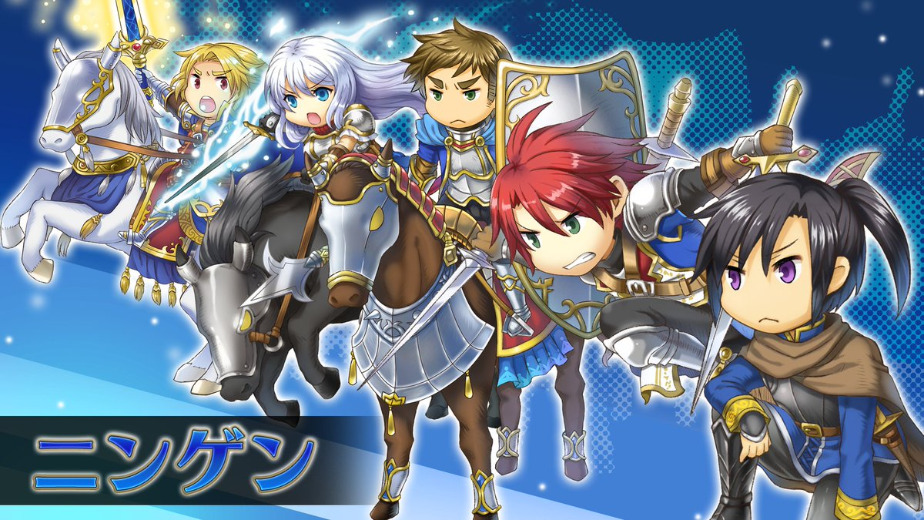
Upon entering the game, players must select from three distinct races, each offering unique tactical advantages:
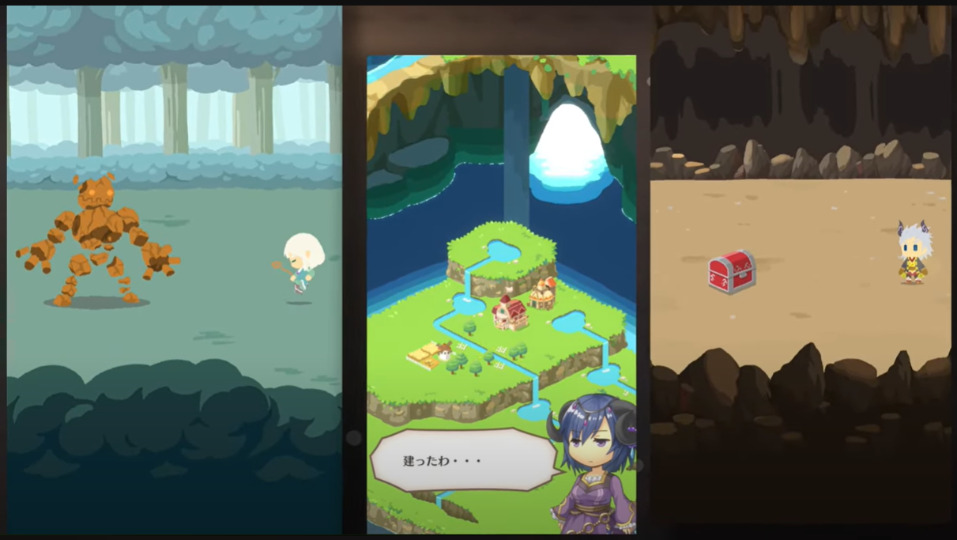
- Humans: Typically balanced in terms of defense and resource management, making them ideal for players who prefer a steady growth trajectory.
- Demons: Focused on high offensive output and aggressive expansion strategies.
- Beasts: Often characterized by high mobility and specialized utility units, suitable for hit-and-run tactics and rapid scouting.
This choice is foundational, as it dictates the types of heroes and troops available for recruitment. For new players, utilizing the official invitation code A1AAMY provides early-game bonuses that facilitate faster city development and resource gathering, a crucial advantage in a competitive RTS environment.
The Development Cycle
The game operates on a seasonal basis, with each "span" typically lasting three months. During this time, players must manage two concurrent development paths:
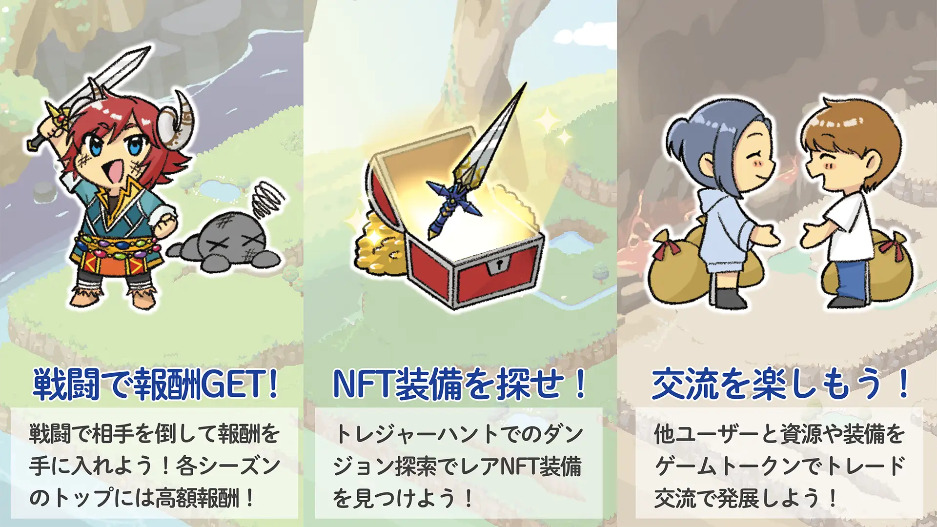
- Facility Construction: Building and upgrading structures to increase resource production and unlock advanced troop types.
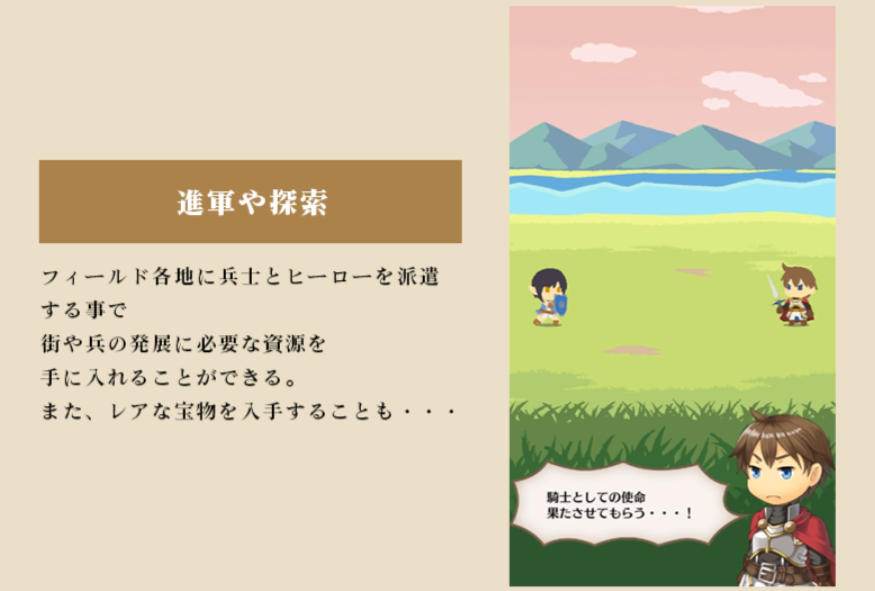
- Hero Cultivation: Training and equipping hero units who lead armies into battle. These heroes can be further enhanced through equipment found during exploration quests, known as "Treasure Hunts."
A critical strategic constraint in Bokura no Saga is that players cannot simultaneously upgrade a facility and construct a new one. This requires careful time management and prioritization, reflecting the "Real-Time" nature of the strategy genre.
The Web3 Ecosystem: NFTs and the Saga Token
The most transformative aspect of the remake is its integration of blockchain assets. Unlike traditional games where in-game items have no value outside the software, Bokura no Saga utilizes the Oasys and ADIL chains to grant players true ownership of their assets.
Land NFTs and Ranks
Land is the primary asset in the game. While the game offers a "Free-to-Play" entry point through C-Rank Land—which can be acquired without initial investment—it comes with limitations regarding building capacity and seasonal persistence. Higher-ranked Land NFTs (B, A, and S) offer significantly more utility. Owners of high-rank land can establish guilds, host other players, and retain their city progress across different game seasons. These lands are tradable on secondary marketplaces, allowing players to monetize their real estate investments.
Item Tokenization
Equipment and weapons found during quests are initially in-game items. However, players have the option to "NFT-ize" these items by consuming specific in-game resources (Orbs). Once converted into an NFT, the item can be used across multiple seasons or sold to other players. This creates a secondary economy where skilled "treasure hunters" can earn a living by finding and tokenizing rare gear for the game’s top-tier combatants.
The Saga Token and Revenue Sharing
The game’s economic model is built around the Saga Token. In a bold departure from many failed GameFi models that relied on inflationary tokenomics, Bokura no Saga has announced a revenue-sharing plan. The developers intend to distribute 50% of the game’s total revenue back to the player community. This distribution is tied to seasonal performance, PvP rankings, and contributions to the game’s "Metaverse" elements. By tying token value to actual game revenue rather than just new user acquisition, the project seeks to establish long-term economic sustainability.
National Warfare: The Demon King vs. The Hero Army
The endgame of Bokura no Saga revolves around a massive, server-wide conflict known as the "Great War." This event pits eight nations against a single, powerful "Demon King" nation. This 8-vs-1 dynamic creates a unique social and political environment.
Players within the eight nations must coordinate their attacks and resource sharing to overcome the sheer power of the Demon King’s forces. Conversely, those playing for the Demon King nation face overwhelming odds but stand to gain a "monopoly" on the season’s rewards if they successfully defend their territory. This high-stakes conflict encourages the formation of guilds and diplomatic alliances, as communication and coordinated timing are often more important than raw unit strength.
Technical Infrastructure: Why Oasys and ADIL?
The choice of the Oasys blockchain is a strategic one. Oasys is designed specifically for gaming, offering a "hub-and-layer" architecture that eliminates gas fees for end-users and provides the high transaction speeds necessary for real-time interactions. Within this ecosystem, Bokura no Saga utilizes the MCHverse (a "Verse" layer associated with the My Crypto Heroes project) and the ADIL Chain.
This multi-chain approach ensures that the game can scale as the player base grows. It also allows for interoperability with other games in the Oasys ecosystem, potentially allowing heroes or items from Bokura no Saga to have utility in other decentralized applications (dApps).
Project Timeline and Future Outlook
The development of Bokura no Saga is moving toward a full commercial launch in 2025. The following chronology outlines the project’s progression:
- September 2023: Closure of the original NicoNico app version.
- Q4 2023: Official announcement of the Web3 remake and presentation at the Tokyo Game Show.
- 2024: Commencement of Alpha and Beta testing phases, focusing on balancing the 50% revenue-sharing model and stress-testing the Oasys integration.
- March 2025 (Expected): Full release on iOS and Android platforms, coinciding with the launch of the dedicated NFT marketplace and the first official "Great War" season.
Future updates are expected to expand on the "Metaverse" vision. The developers have outlined plans to allow players to open virtual shops within their territories, where they can sell crafted items or services to other players for Saga Tokens. This would transition the game from a pure RTS into a comprehensive digital society.
Conclusion: A New Standard for GameFi?
Bokura no Saga represents a sophisticated attempt to bridge the gap between traditional gaming fun and blockchain-based financial incentives. By leveraging an existing IP with proven mechanics, the project avoids the "boring gameplay" trap that many early P2E games fell into. Its commitment to a 50% revenue-sharing model and the robust technical foundation provided by Oasys suggests a focus on sustainability and player satisfaction.
For the broader gaming industry, the success of Bokura no Saga could serve as a blueprint for how other shuttered or legacy titles can be reborn in the Web3 era. As the 2025 launch approaches, all eyes will be on how the community manages the delicate balance of strategic warfare and decentralized economics in the world of Our Saga.