The rapid expansion of the Web3 ecosystem has brought unprecedented opportunities for decentralized finance, digital ownership, and creative expression. However, this burgeoning landscape has also attracted sophisticated malicious actors who exploit the nascent nature of blockchain technology. As decentralized applications (dApps) and non-fungible token (NFT) marketplaces continue to gain mainstream traction, users are increasingly finding themselves targeted by complex phishing schemes and fraudulent smart contract approvals. This guide explores the mechanisms behind these security threats and provides actionable steps for users to safeguard their digital assets.

The Mechanics of Modern Web3 Vulnerabilities
At the heart of the security challenges facing Web3 participants is the concept of "token approval." In the blockchain environment, when a user interacts with a dApp, they are often required to grant the smart contract permission to access or transfer specific tokens from their wallet. This mechanism is essential for functionalities such as trading on decentralized exchanges (DEXs) or staking assets.
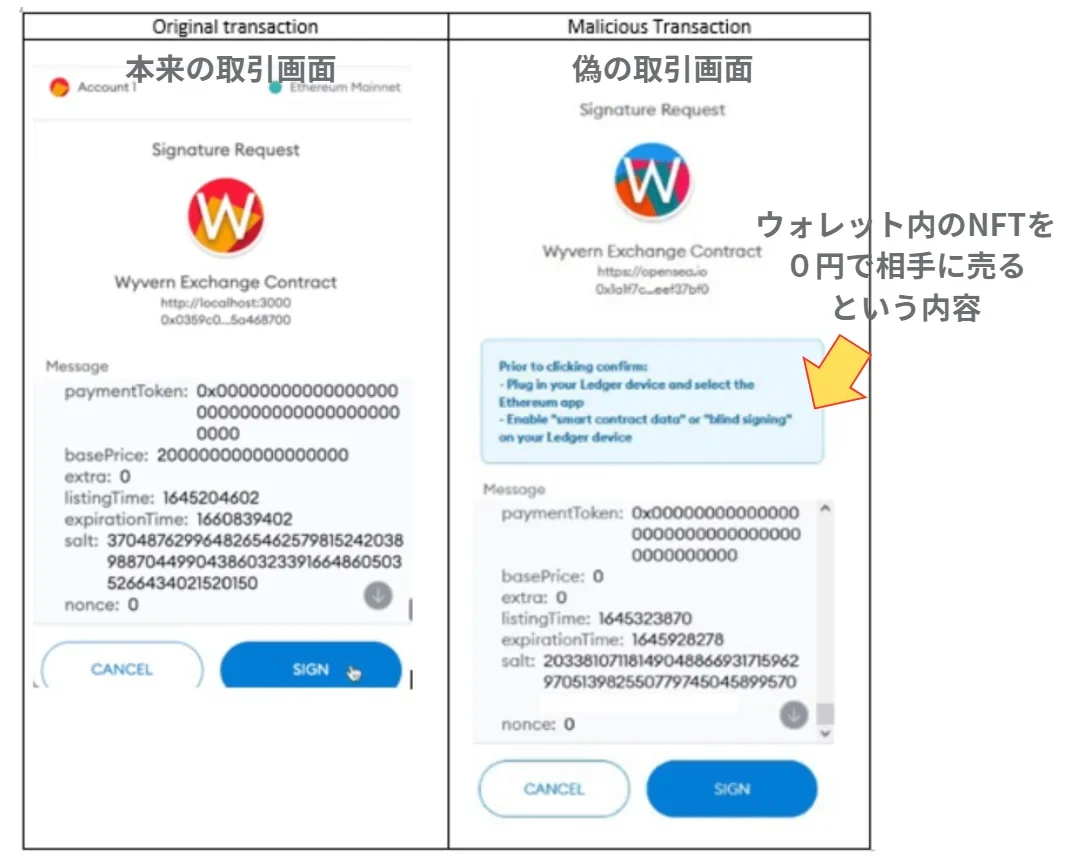
However, malicious actors have weaponized this process. By deploying fraudulent websites that mimic legitimate NFT marketplaces or DeFi protocols, attackers trick users into signing malicious transactions. Once a user connects their wallet and "approves" a malicious contract, they unknowingly grant the attacker unlimited or unrestricted access to their token balances. Unlike traditional banking, where unauthorized transactions can often be reversed by centralized authorities, blockchain transactions are immutable. Once assets are moved from a compromised wallet to an attacker’s address, recovery is statistically unlikely.

Chronology of a Typical Web3 Phishing Attack
A standard attack sequence typically follows a consistent, calculated pattern designed to induce panic or excitement in the victim:
- Social Engineering and Initial Contact: Attackers frequently utilize Discord or X (formerly Twitter) to initiate contact. They may impersonate project moderators, claiming that a user’s wallet has been flagged or that a limited-time opportunity—such as an airdrop—is expiring.
- The Lure: The attacker provides a link to a high-fidelity clone of a reputable website. These sites are designed to look identical to legitimate platforms, often using subtle domain spoofing techniques to bypass user scrutiny.
- The Connection: Upon arriving at the fraudulent site, the user is prompted to "Connect Wallet." This is the critical juncture where the connection between the user’s private keys and the malicious smart contract is established.
- Malicious Approval: The attacker prompts the user to perform a "token approval" or "contract interaction." Often, the user is led to believe they are merely paying a minor gas fee to claim a reward, when in fact they are signing a permission grant for the attacker to drain their holdings.
- Asset Exfiltration: Once the permission is granted, the smart contract automatically executes a transfer function, moving the victim’s high-value NFTs or cryptocurrency tokens to the attacker’s wallet address.
Quantifying the Risk: Data and Market Impact
According to recent industry reports, hundreds of millions of dollars in digital assets are lost annually to social engineering and smart contract exploits. The growth of the NFT market has been a primary driver of these thefts, as unique, high-value assets are easier to liquidate and harder to track than fungible tokens.

Data from blockchain analytics firms, including Etherscan and various security-focused monitoring services, indicate that the frequency of these attacks spikes during high-profile NFT minting events or market rallies. When market activity increases, users are often more prone to "FOMO" (fear of missing out), leading them to bypass standard security due diligence.
Defensive Strategies and Mitigation
Protecting one’s digital footprint in Web3 requires a paradigm shift in how users handle online interactions. Security experts emphasize the following critical practices:

1. Regular Auditing of Token Approvals
Users should periodically review which dApps and contracts have permission to interact with their wallets. Tools like Etherscan (for Ethereum-based assets) and BSCScan (for BNB Chain assets) provide "Token Approval" features. Navigating to the "More" or "Token Approval" tab allows users to see a list of active permissions and revoke access to any address that is no longer needed or deemed suspicious.
2. Utilizing Security Plugins
The emergence of security-focused browser extensions has provided a significant layer of defense. Tools such as KEKKAI act as a protective barrier, alerting users in real-time when a transaction involves a suspicious contract or when a site attempts to perform an unauthorized action on the user’s behalf. By analyzing the transaction metadata before it is signed, these plugins can prevent the most common types of phishing attacks.

3. The Principle of Least Privilege
Users should avoid granting "unlimited" spending caps to any dApp. Whenever possible, set custom spending limits that align with the specific amount of tokens intended for a trade. If a dApp asks for permission to access your entire wallet balance, this should be treated as a major red flag.
Professional Guidance on Responding to Compromises
If a user suspects their wallet has been compromised, immediate action is necessary to prevent further losses. The first step is to cease all activity on the suspected device and, if possible, immediately migrate remaining assets to a new, secure wallet created on a hardware security module (like a Ledger or Trezor).
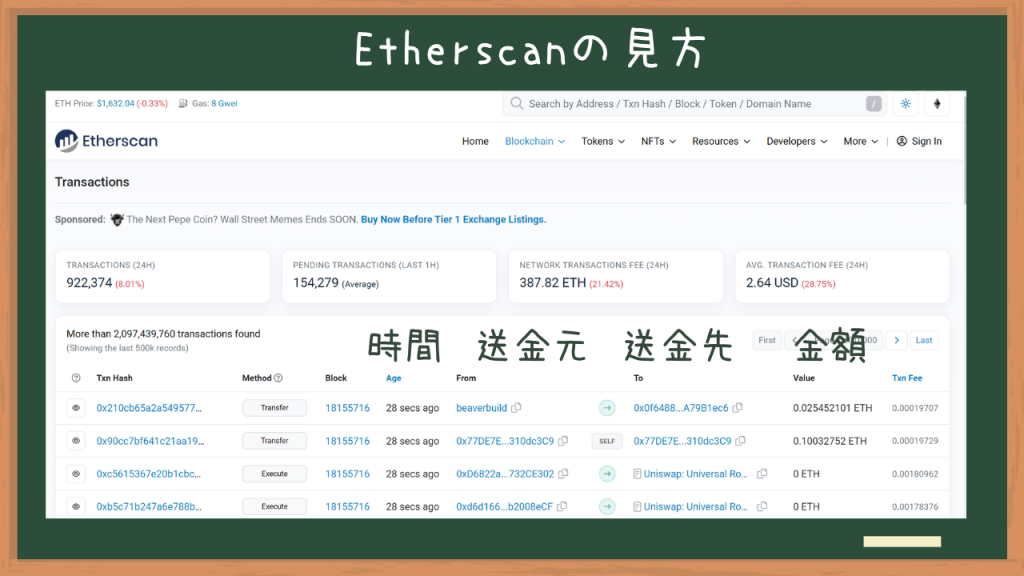
It is also vital to revoke all existing token approvals using a reputable revoke tool. Users should be aware that once a private key is compromised, the wallet is effectively dead; attempting to "clean" a compromised wallet is rarely successful, as attackers may have automated bots monitoring the address for any new incoming funds.
The Broader Implications for Web3 Adoption
The persistence of these security threats poses a significant challenge to the mass adoption of blockchain technology. For the average consumer, the requirement to understand smart contract permissions, gas fees, and phishing vectors represents a steep learning curve. As the ecosystem matures, industry leaders are advocating for improved user experience (UX) standards that prioritize security by default.

Key stakeholders, including decentralized exchange developers and wallet providers, are increasingly integrating "human-readable" transaction explanations. This feature allows users to see exactly what a transaction will do—such as "This will transfer your BAYC NFT"—rather than viewing complex, hexadecimal code that is difficult for non-technical users to interpret.
Conclusion: Vigilance as the Primary Defense
As Web3 continues to evolve, the burden of security currently rests largely on the shoulders of the individual user. While technical safeguards like browser extensions and improved UI/UX design are essential, they cannot replace fundamental digital hygiene.
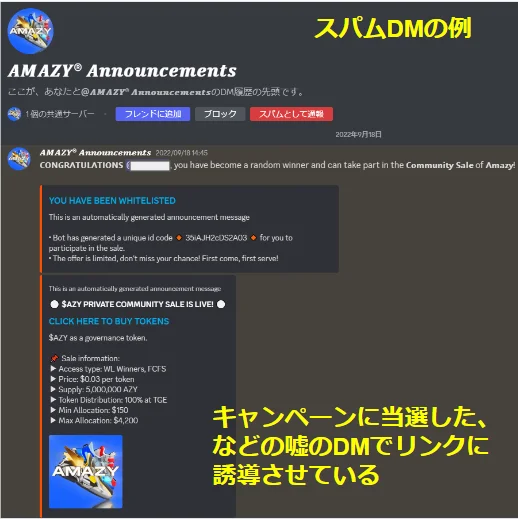
Users must maintain a skeptical posture toward unsolicited Direct Messages (DMs) on social media, verify the authenticity of project websites through official channels, and treat their wallet permissions with the same level of caution as their traditional bank account credentials. By treating every transaction as a potential risk and proactively auditing wallet permissions, participants can navigate the Web3 landscape with significantly reduced exposure to the predatory tactics that currently plague the ecosystem. The future of decentralized finance depends not just on the robustness of the code, but on the informed and cautious behavior of the community that builds upon it.