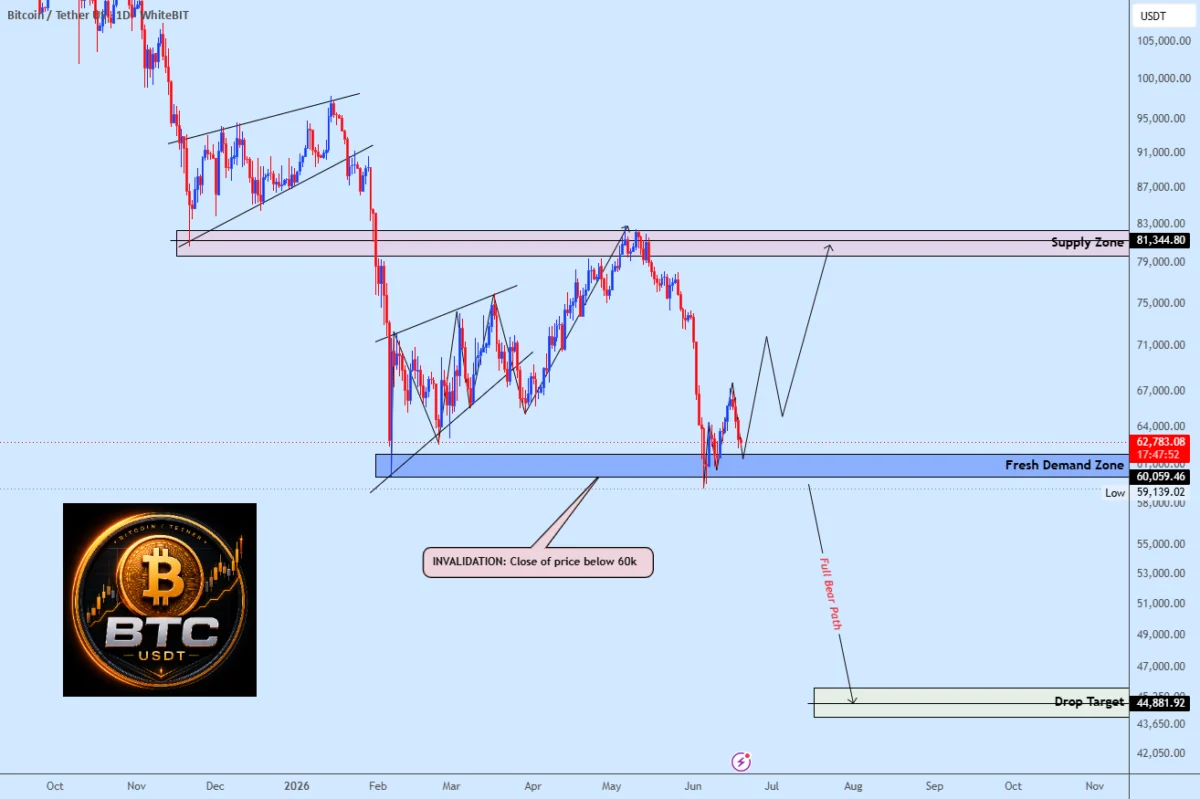
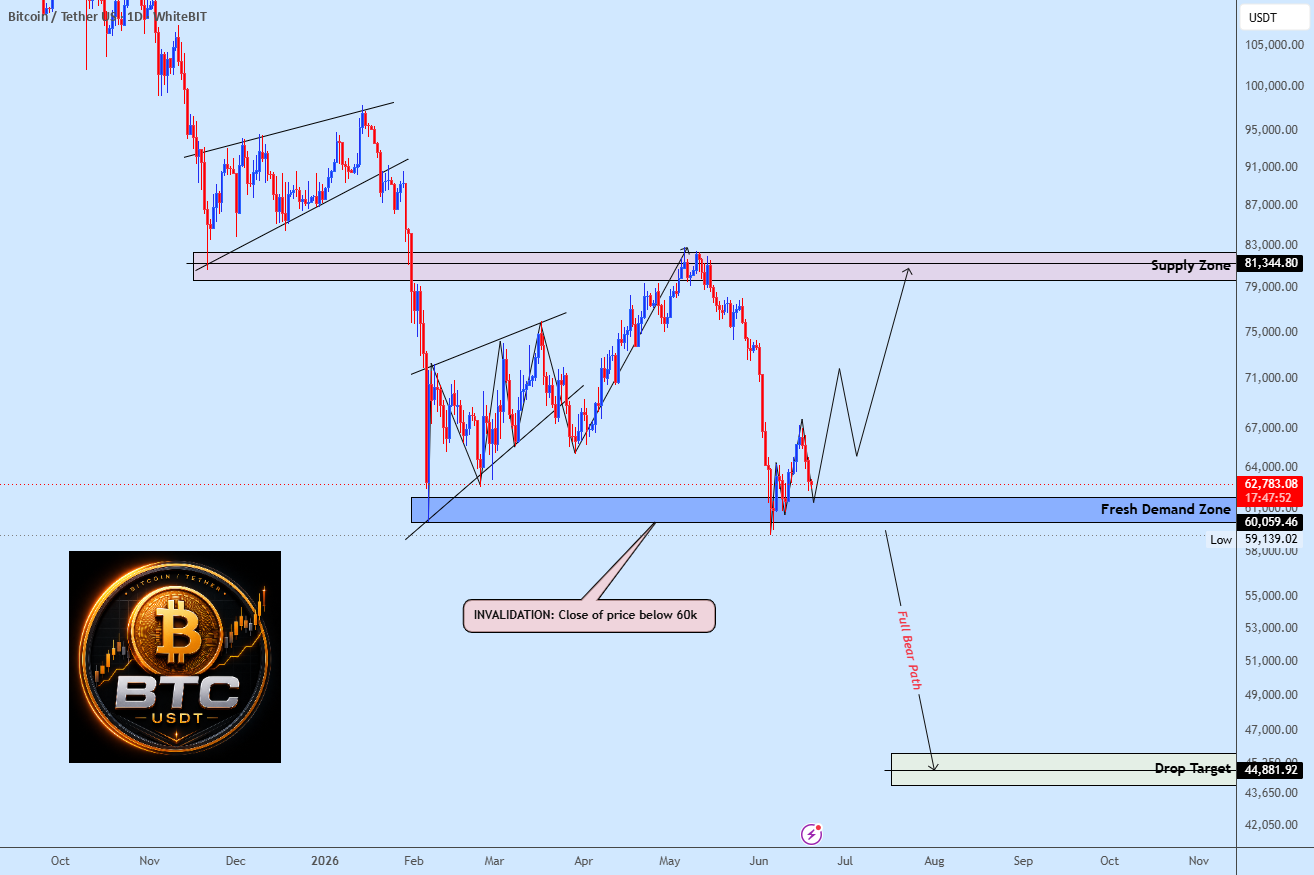
While Bitcoin has dominated the financial headlines for much of the fiscal year, a significant shift in investor sentiment materialized on September 25, as the broader cryptocurrency market experienced a synchronized rally. Bitcoin, which had recently flirted with the $87,000 price point, entered a period of consolidation around $84,000. Historically, such periods of relative price stability in the market leader often act as a catalyst for capital rotation, and the events of September 25 served as a textbook example of this phenomenon, with altcoins across the spectrum recording substantial gains.
The most notable outlier during this session was Quant (QNT), which surged approximately 39% within a 24-hour window. However, characterizing the day’s market movement as merely a Quant-specific event would overlook the profound structural shifts occurring beneath the surface. Data from the CoinDesk 100—a benchmark index for the digital asset market—revealed that at the peak of the rally, 93 of its 100 constituent assets were trading in the green. This level of market breadth is a critical indicator of investor health, suggesting that the influx of liquidity was not confined to a single narrative or sector but was instead distributed widely across the ecosystem.
Chronology of Market Movements
The lead-up to the September 25 rally was defined by a steady climb in Bitcoin’s market dominance. Throughout the preceding week, major assets such as Solana (SOL) and XRP had already begun to outpace Bitcoin in terms of percentage growth. This divergence signaled a cooling of the "Bitcoin-only" institutional strategy that has defined the 2024 and 2025 market cycles.
By the early hours of September 25, Bitcoin’s momentum began to stall. After hitting a local peak near $87,000, the asset faced resistance and retreated to the $84,000 range. Typically, a sharp retreat or a stagnation in Bitcoin’s price can trigger a sell-off in smaller, higher-beta assets. In this instance, however, the market responded with a display of resilience. Instead of panicking, traders utilized the stability in the primary asset to rotate profits into altcoins. By mid-day, the "altseason" index—a metric used to track the performance of the top 50 altcoins relative to Bitcoin—reached its highest level in over three months, confirming that risk appetite had shifted away from the "institutional core" and toward the periphery of the market.
Analyzing Market Breadth and Liquidity
Market breadth is a sophisticated metric used by professional analysts to determine whether a price rally is supported by a wide base of assets or if it is being carried by a handful of high-market-cap tokens. A market that advances on the back of only one or two assets is inherently fragile and susceptible to sudden reversals. Conversely, a session where 93% of tracked assets participate in a move to the upside indicates a fundamental shift in the risk-on environment.
The liquidity dynamics at play are equally important. When Bitcoin is in a parabolic uptrend, capital tends to gravitate toward the most liquid, regulated instruments, such as spot Bitcoin ETFs and treasury-backed corporate holdings. This environment often leaves smaller-cap tokens starved of volume. As Bitcoin enters a consolidation phase, the "opportunity cost" of holding stagnant BTC rises. Traders, seeking higher volatility and potential alpha, move capital down the market-cap spectrum.
However, analysts caution that this rotation is not necessarily a guarantee of a sustained "altseason." The liquidity in the altcoin market remains significantly thinner than in the Bitcoin market. As a result, even moderate buy-side pressure can lead to outsized price movements, as seen with Quant’s 39% surge. Such moves are often amplified by short-position liquidations, where traders who had bet against these assets are forced to cover their positions, further accelerating the upward price trajectory.
The Institutional Context
The role of institutional adoption cannot be overstated in the current cycle. For much of the year, the market narrative has been centered on the integration of Bitcoin into traditional financial structures. Regulatory approvals for Bitcoin ETFs, alongside corporate treasury adoption by publicly traded companies, have solidified Bitcoin’s position as a "digital gold."
Because the institutional narrative is so heavily tied to Bitcoin, any market movement that extends beyond that core is significant. The September 25 rally implies that the "retail" or "speculative" layer of the market is becoming increasingly comfortable taking on risk outside of the flagship asset. While institutional investors continue to prioritize the safety and liquidity of Bitcoin, the wider investor base is signaling that the underlying blockchain ecosystem—spanning decentralized finance (DeFi), smart contract platforms, and interoperability protocols—is once again viewed as a viable venue for capital allocation.
Risks and Market Implications
While the breadth of the rally is a positive indicator, it is essential to distinguish between fundamental growth and momentum-driven volatility. Not every altcoin moving in tandem with the broader market is experiencing a shift in its underlying fundamentals. In many cases, price appreciation is merely a reflection of a rising tide lifting all boats.
Furthermore, the volatility inherent in the altcoin market remains high. If Bitcoin were to experience a sudden, sharp decline, the liquidity that flowed into altcoins could just as quickly evaporate as traders rush to exit positions or cover margin requirements. Historical data indicates that when Bitcoin breaks higher with significant volume, it often acts as a vacuum, drawing liquidity back out of the altcoin market and restoring its dominance. Therefore, the current landscape requires a nuanced approach: investors must differentiate between long-term value plays and short-term, momentum-driven speculation.
Future Outlook and Strategic Considerations
The current market configuration presents a critical juncture. For the altcoin rally to persist, Bitcoin does not necessarily need to establish new all-time highs; it simply needs to maintain its current price levels without triggering a major correction. This "Goldilocks" environment—where Bitcoin is stable enough to provide confidence but not so aggressive as to command all available liquidity—is the ideal backdrop for broader market expansion.
Market participants are now closely watching the performance of major smart-contract platforms to see if they can hold these gains. If the momentum continues, the market may see a rotation into smaller-cap tokens that have lagged behind the recent surge. However, as with all crypto-asset cycles, the regulatory environment and macroeconomic indicators, such as interest rate policies and global liquidity metrics, remain the primary variables that will dictate the long-term trajectory.
In conclusion, the events of September 25 represent a significant diversification of market interest. While Bitcoin remains the anchor of the crypto-asset class, the breadth of the recent rally suggests a maturing market where capital is increasingly willing to explore the broader ecosystem. Whether this transition leads to a sustained period of altcoin growth or a temporary deviation before a return to Bitcoin dominance will depend on the stability of the major assets in the coming weeks. Investors and observers alike would be well-advised to monitor volume metrics and sector-specific inflows to discern the sustainability of this current market trend. As the industry continues to evolve, the distinction between institutional-grade assets and speculative venture-like tokens will likely become the primary lens through which market participants evaluate risk and reward.