The rapid evolution of the Web3 ecosystem has ushered in unprecedented opportunities for decentralized finance, digital ownership, and community-driven governance. However, this transition toward a decentralized internet has simultaneously introduced a complex landscape of security vulnerabilities. As users interact with smart contracts and decentralized applications (dApps), they are increasingly exposed to sophisticated cyber threats, ranging from malicious contract approvals to social engineering attacks. Protecting digital assets in this environment requires not only technical vigilance but also a foundational understanding of how blockchain transactions function and how to effectively manage risk.

The Anatomy of Web3 Security Threats
At the heart of the Web3 security challenge is the concept of "token approval." When a user interacts with a dApp, they are often required to grant the protocol permission to access or move their digital assets. While this is a functional necessity for services like decentralized exchanges (DEXs) or NFT marketplaces, it also creates a significant security vector. If a user unknowingly grants "unlimited" approval to a malicious smart contract, they are effectively handing over the keys to their wallet’s holdings.
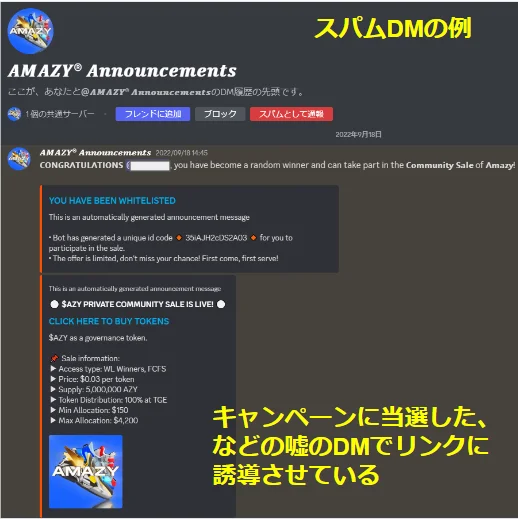
The rise of phishing attacks, particularly those utilizing Direct Messages (DMs) on platforms like Discord or X (formerly Twitter), has exacerbated this issue. Threat actors frequently pose as legitimate support staff or project developers, urging users to visit fraudulent websites and "verify" their wallets. Once a user connects their wallet to these deceptive platforms, the attacker can execute unauthorized token transfers, leading to the permanent loss of assets.

Chronology of Vulnerability: How Attacks Unfold
The lifecycle of a typical Web3 asset theft often follows a predictable, albeit devastating, pattern. Initially, the victim is targeted through social engineering, often prompted by a sense of false urgency regarding their wallet status or an alleged security breach.
- The Phishing Phase: The attacker initiates contact via a private message, providing a link to a look-alike website that mimics a reputable platform.
- The Connection Phase: Upon clicking the link, the victim is prompted to connect their crypto wallet (such as MetaMask or Trust Wallet) to the site.
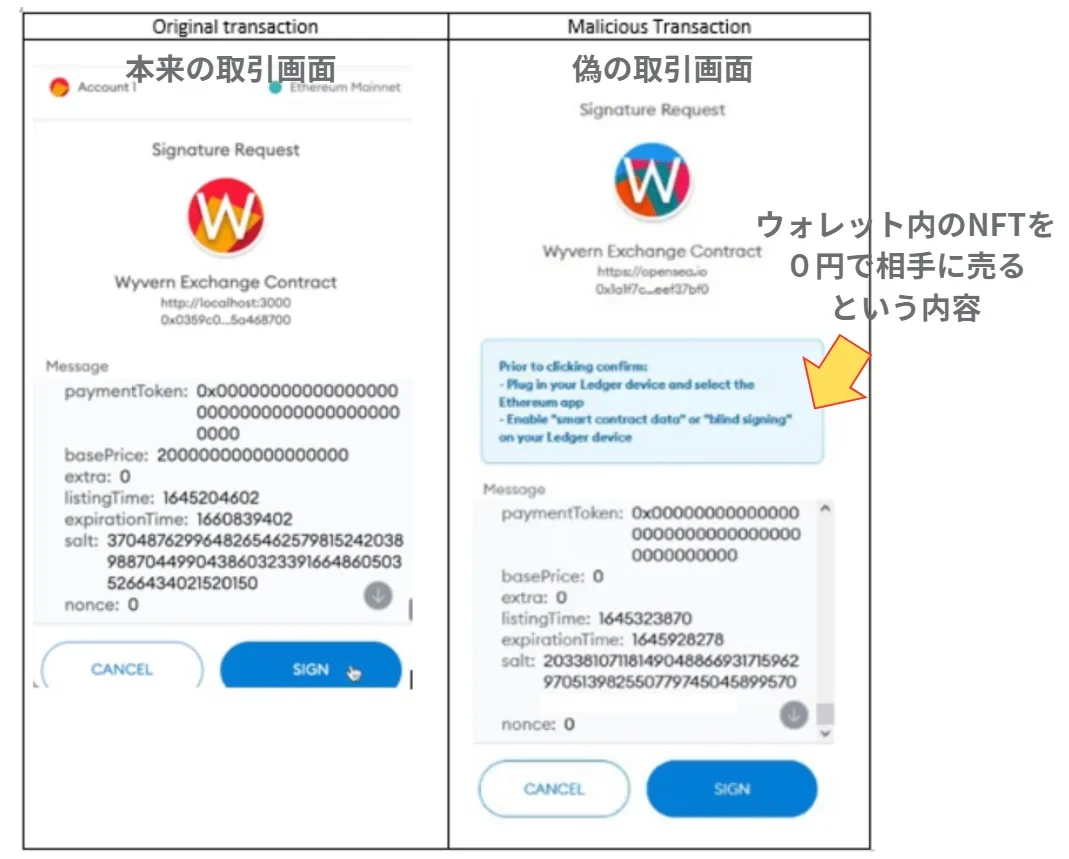
- The Malicious Approval: The site requests a transaction signature. In many cases, this is not a simple transfer but a "SetApprovalForAll" or a high-value token allowance request.
- The Exploitation Phase: Once the transaction is signed on-chain, the attacker gains the authority to drain the wallet’s contents at will, often doing so immediately to prevent the victim from taking defensive action.
- The Aftermath: By the time the user realizes their assets are missing, the funds have typically been moved through mixers or decentralized bridges, making recovery virtually impossible.
Data-Driven Security: Analyzing the Landscape
According to industry reports from firms like Chainalysis and Immunefi, the total value lost to hacks and exploits in the Web3 space remains in the billions annually. A significant portion of these losses is not the result of underlying blockchain infrastructure failures, but rather user-level errors—specifically, the granting of excessive permissions to untrusted entities.

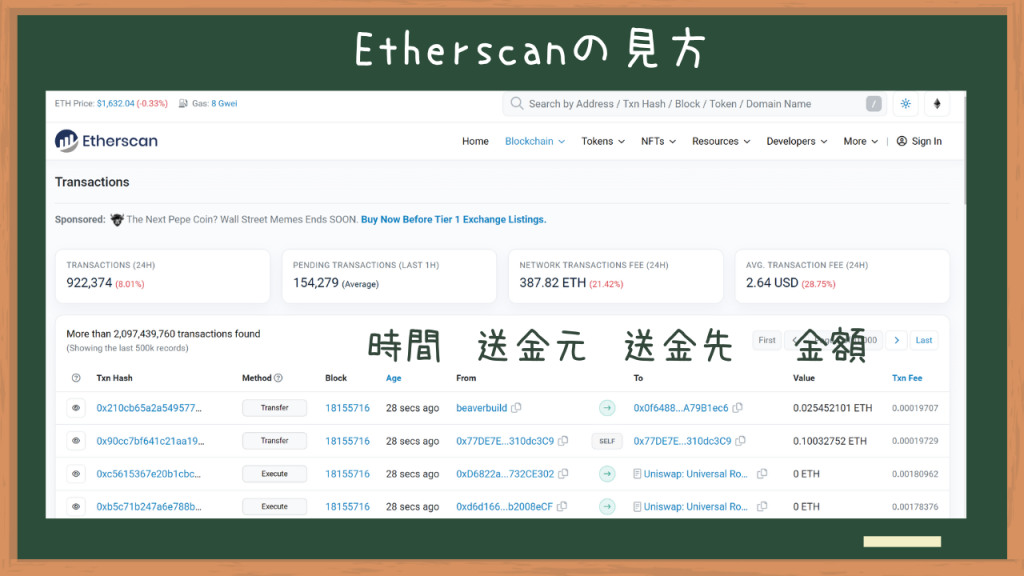
Data from Etherscan and BscScan reveals that thousands of wallets maintain active "unlimited" approvals for defunct or suspicious dApps. This creates a "long-tail" risk; a contract that was safe two years ago may be compromised today, or it may have been a rug-pull project from its inception. Regularly auditing these permissions is no longer an optional security measure; it is a critical component of digital hygiene.
Strategic Mitigation: The Role of Revocation Tools
The primary defense against unauthorized asset access is the systematic revocation of token approvals. Users should adopt a proactive stance by utilizing reputable "Revoke" services. These tools allow users to inspect which protocols have permission to access their tokens and revoke those permissions individually.

To perform a security audit on your own wallet, follow this structured process:
- Access the Blockchain Explorer: Use Etherscan (for Ethereum-based assets) or BscScan (for BNB Chain).
- Locate the Approval Portal: Navigate to the "More" tab, then select "Token Approval."
- Establish Connection: Connect your wallet to the explorer. This is a read-only process, though users should always verify the URL to ensure they are on the official site.
- Review and Revoke: Scan the list of approved contracts. Any protocol that you do not recognize, or that you no longer use, should be revoked immediately. The "Revoke" button will trigger a transaction, which will require a small gas fee to confirm on the blockchain.
Industry Best Practices for Asset Protection
Professional security experts and community leaders emphasize a multi-layered approach to safety. Beyond technical tools, behavioral changes are paramount in mitigating risk.

1. The "Zero Trust" Approach to DMs:
Official support teams for major Web3 projects rarely, if ever, initiate contact via DM. Any message claiming that your wallet is "at risk" or needs to be "re-validated" should be treated as an immediate attempt at fraud. Block and report these accounts without clicking any provided links.
2. Asset Segregation:
Serious investors often utilize "cold" or "hardware" wallets for long-term storage, keeping only a small amount of "hot" wallet funds for daily interaction with dApps. This limits the blast radius should a single interaction go wrong.
3. Verification of Smart Contract Addresses:
Before interacting with any project, verify the contract address through reputable aggregators like CoinGecko or CoinMarketCap. Do not rely on links provided in social media threads, as these are frequently tampered with by bad actors.
4. Utilization of Security Layers:
Newer browser extensions, such as Kekkai or other firewall-style tools, are designed to analyze transaction requests in real-time. These tools provide a plain-language summary of what a transaction actually does—such as "This will give the site permission to move all your NFTs"—before the user signs it. Adopting these tools provides a critical safety net against human error.

The Broader Implications for Web3 Adoption
The persistence of these security challenges serves as a primary barrier to mass adoption. For Web3 to become a mainstream financial layer, the user experience must bridge the gap between technical complexity and user safety. The burden of security currently rests heavily on the individual user, a paradigm that is inherently prone to failure given the sophistication of modern cyber-attacks.
As the ecosystem matures, we are seeing a shift toward "account abstraction," a technology that could potentially allow for more robust security features—such as social recovery of wallets, spend limits, and automated blacklisting of malicious addresses—directly at the protocol level. Until these features are standardized, however, the responsibility for security remains decentralized.
Conclusion
The decentralized nature of Web3 is its greatest strength, but it also necessitates a shift in how individuals perceive their digital autonomy. While the threat landscape is dynamic and dangerous, it is not insurmountable. By understanding the mechanisms of token approvals, employing regular security audits, and maintaining a healthy skepticism toward unsolicited communications, users can significantly harden their defenses. In the world of Web3, vigilance is the ultimate safeguard. As the industry continues to innovate, the integration of better user-facing security tools will be the defining factor in determining the long-term viability and success of the decentralized web.