The rapid evolution of the decentralized web, commonly referred to as Web3, has introduced a paradigm shift in how individuals interact with digital value, moving away from centralized intermediaries like banks and toward a model of absolute self-sovereignty. However, this transition to a decentralized landscape places the full burden of security on the end-user, creating a high-stakes environment where a single oversight can lead to the permanent loss of assets. As the blockchain industry continues to mature, the prevalence of sophisticated phishing attacks, malicious smart contracts, and social engineering remains the primary hurdle to mainstream adoption. Understanding the mechanics of blockchain transparency, the risks inherent in digital signatures, and the necessity of proactive defense tools is no longer optional for participants in the crypto-economy; it is a fundamental requirement for survival.

The Decentralized Mandate: The Reality of Self-Responsibility
In the traditional financial system, or Web2, security is largely managed by centralized institutions. If a credit card is stolen or a bank account is compromised, centralized authorities can freeze transactions, reverse fraudulent charges, and provide insurance. Web3 operates on a fundamentally different logic. Built on the principles of cryptography and distributed ledgers, Web3 grants users total control over their private keys. While this eliminates the need for permission from a central entity, it also eliminates the "safety net." On the blockchain, transactions are immutable—once a transfer is confirmed, it cannot be undone by any central authority.
This environment of "self-responsibility" is often exploited by bad actors who capitalize on the technical complexity of the space. According to data from cybersecurity firms, billions of dollars are lost annually to "rug pulls," wallet drains, and phishing. In 2023 alone, reports indicated that over $1.7 billion was stolen through various crypto-related hacks and scams. The primary vulnerability is rarely the blockchain itself, which is secured by massive computational power, but rather the "human layer"—the point at which a user interacts with a decentralized application (dApp) or manages their wallet.

The Transparency Paradox and the Role of Block Explorers
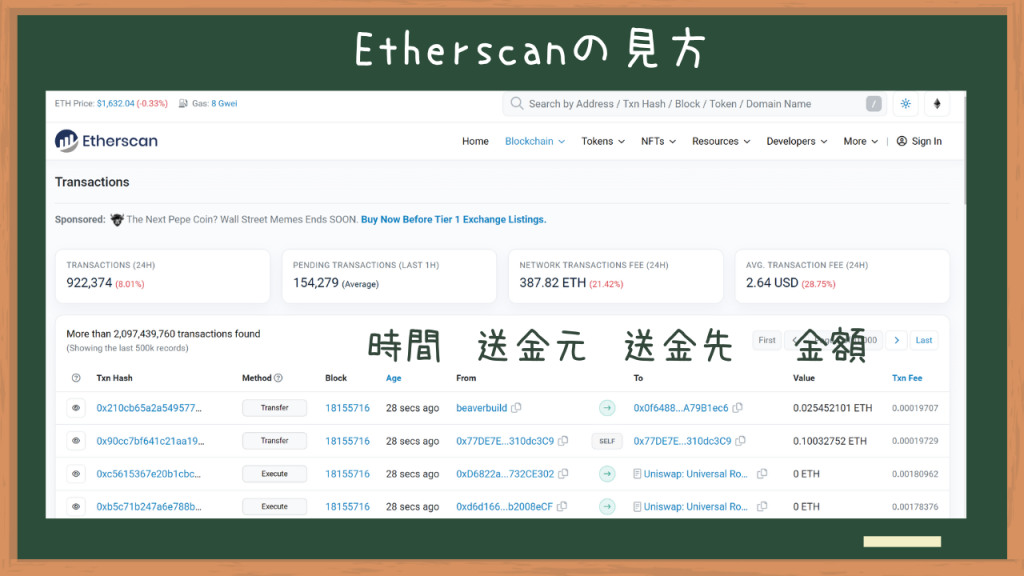
One of the most distinctive features of blockchain technology is its public transparency. Every transaction, wallet balance, and smart contract interaction is recorded on a public ledger accessible to anyone with an internet connection. Tools such as Etherscan for the Ethereum network or BSCScan for the BNB Chain serve as the "search engines" of the blockchain world. By entering a wallet address into these explorers, one can view the entire financial history of that address, including the types of tokens held and the frequency of transactions.
While this transparency is vital for auditing and trust, it creates a "transparency paradox." Scammers use these same tools to identify potential targets. By monitoring high-value wallets or "whales," attackers can tailor their phishing attempts. For example, if a scammer sees that a user has recently purchased a specific NFT (Non-Fungible Token), they may send a spoofed message related to that specific collection to gain the user’s trust. Understanding how to use block explorers is therefore a dual-edged sword: it allows users to verify the legitimacy of transactions, but it also highlights the need for operational security (OpSec) to prevent becoming a visible target for exploitation.

The Architecture of Contemporary Web3 Scams
As the ecosystem grows, the methods used by attackers have become increasingly sophisticated, moving beyond simple fake emails to complex social engineering and technical exploits.
Direct Messaging and Social Engineering
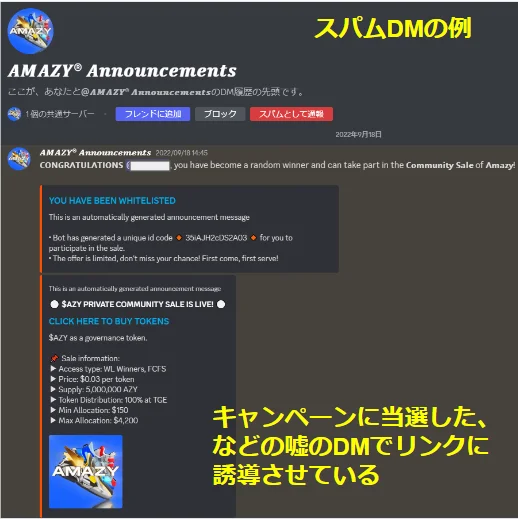
Social platforms like Discord and X (formerly Twitter) are the primary hubs for Web3 communities. Consequently, they are also the primary hunting grounds for scammers. A common tactic involves the use of automated bots to send Direct Messages (DMs) to users, claiming they have won a "giveaway" or are eligible for an "exclusive airdrop." These messages often include a link to a website that looks identical to an official project page. Once the user connects their wallet and signs a transaction, the malicious script drains the wallet’s contents. Security experts emphasize a "no DM" policy: legitimate projects almost never initiate contact via private messages for official distributions or support.

Phishing via Spoofed Websites
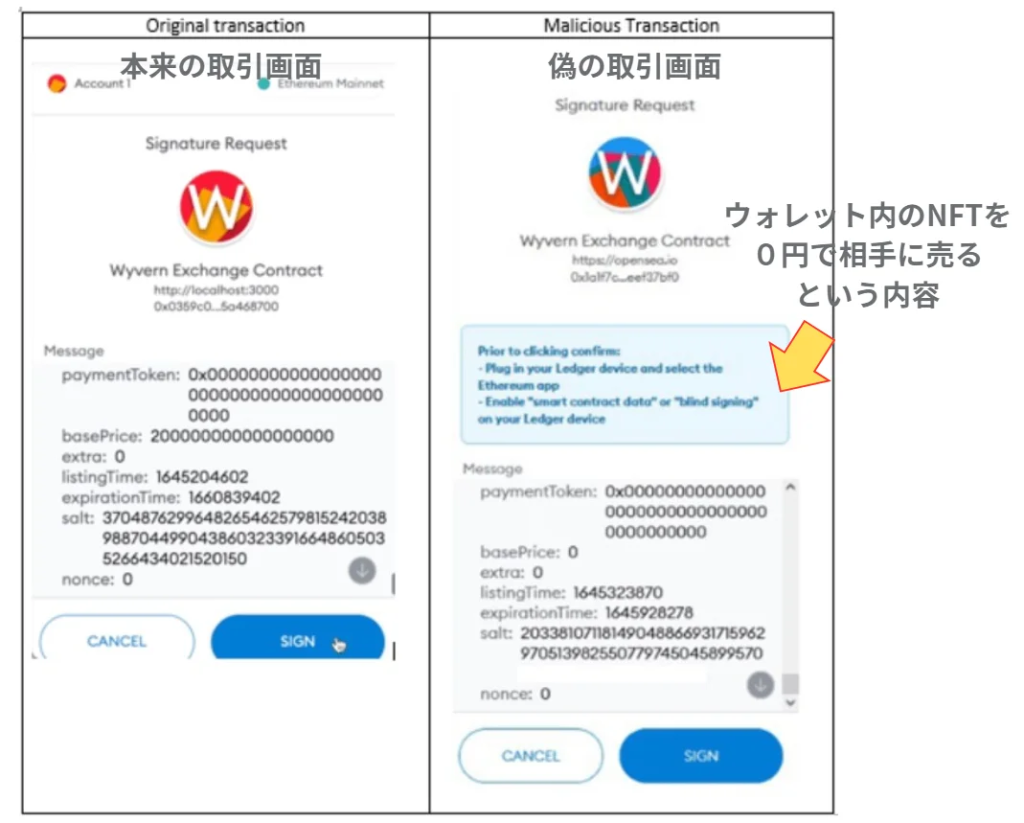
The "fake website" tactic remains one of the most effective methods for stealing digital assets. Attackers create near-perfect replicas of popular marketplaces like OpenSea or decentralized exchanges like Uniswap. They often pay for search engine advertisements so that their fraudulent link appears at the top of search results. A user, intending to trade an NFT, may inadvertently land on the fake site. When they attempt to "log in" with their wallet, the site requests a signature for a transaction that grants the attacker full permission to move the user’s assets.
Malicious Smart Contract Approvals
A more technical threat involves "token approvals." When interacting with a legitimate dApp, a user must often grant the contract permission to spend a certain amount of their tokens. Scammers craft malicious contracts that request "unlimited approval." If a user signs this request, the scammer can drain all tokens of that specific type from the wallet at any time in the future, even if the user is no longer interacting with the site.

Chronology of a Typical Wallet Compromise
Understanding the timeline of a breach can help users identify red flags before it is too late:
- Initial Contact: The victim receives a notification on social media or finds a "promoted" link on a search engine regarding a high-value opportunity (e.g., a free mint or a high-yield investment).
- Site Interaction: The victim visits the site, which appears professional and features "FOMO" (Fear Of Missing Out) elements like a countdown timer or a "limited supply" counter.
- Wallet Connection: The site requests the user to connect their wallet (e.g., MetaMask). At this stage, the risk is minimal, as simply connecting a wallet does not grant transaction rights.
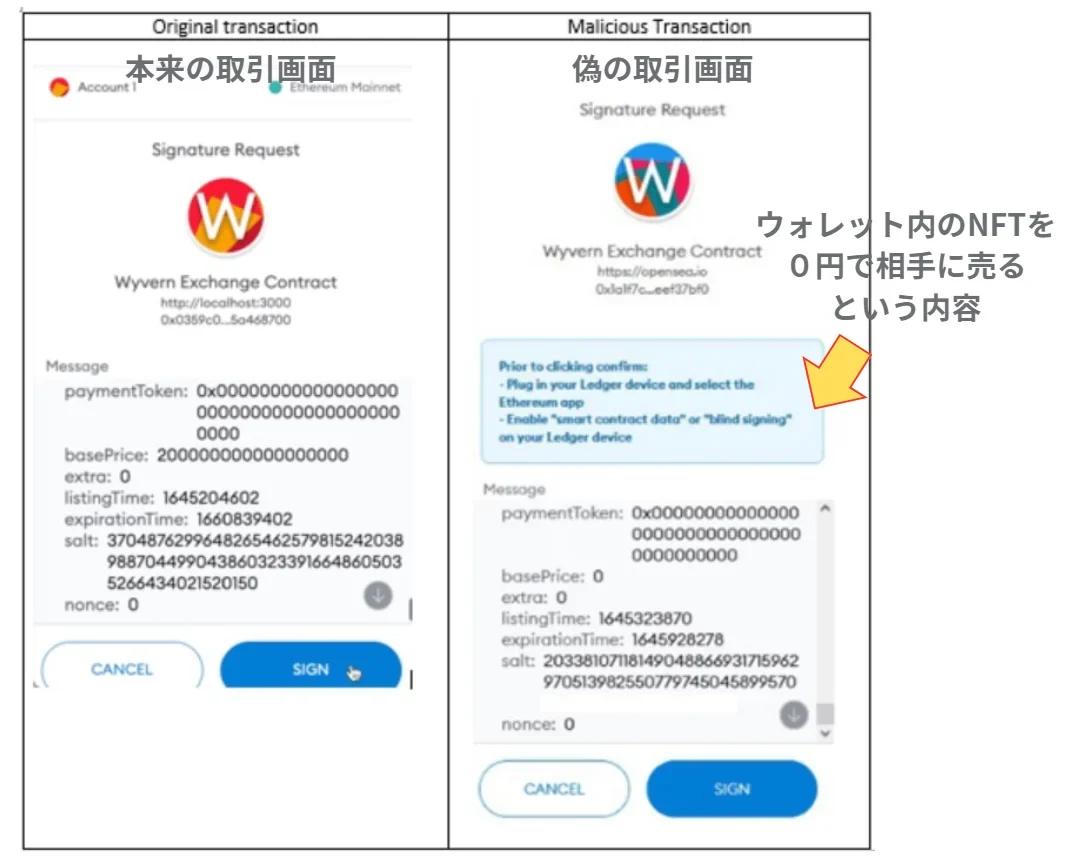
- The Signature Request: The site prompts the user to sign a message or approve a transaction. This is the critical failure point. The user, believing they are "minting" or "claiming," signs a transaction that is actually a "setApprovalForAll" or a direct transfer to the attacker’s address.
- Exfiltration: Within seconds of the signature, the attacker’s bot executes the transfer, moving the assets to a mixer or a secondary "bridge" wallet to obfuscate the trail.
Technical Defenses and Proactive Monitoring Tools
To combat these threats, several security-focused tools and extensions have been developed to act as an intermediary between the user and the blockchain.
Transaction Simulation Tools
Extensions such as Kekkai or Revoke.cash offer a "firewall" for Web3 wallets. When a user is prompted to sign a transaction, these tools simulate the outcome before the user confirms. If the transaction would result in assets leaving the wallet without a clear reason, the tool issues a prominent warning. These "security layers" are essential for identifying hidden malicious code within a smart contract interaction.
The Revocation Process: Reclaiming Control
One of the most important yet overlooked security practices is the regular revocation of token approvals. Since many dApps request permission to spend tokens, a user’s wallet may have dozens of active "allowances" to various contracts. If any of those contracts are later compromised, the user’s funds are at risk.

The revocation process involves using a block explorer or a dedicated service like Revoke.cash to view all active permissions. The steps typically include:
- Connecting the wallet to a trusted revocation tool.
- Scanning the list of approved contracts across different chains (Ethereum, BNB, Polygon, etc.).
- Selecting "Revoke" on any contract that is no longer in use or appears suspicious.
- Confirming the transaction in the wallet (this requires a small amount of "gas" or network fees).
By revoking approvals, the user effectively "locks the door" to their assets, ensuring that no external contract has the right to move them.
Institutional Responses and the Future of Web3 Security
The prevalence of theft in the digital asset space has caught the attention of global regulatory and law enforcement agencies. The FBI’s Internet Crime Complaint Center (IC3) has issued multiple alerts regarding crypto-investment scams and "pig butchering" schemes. Cybersecurity firms like CertiK and PeckShield provide real-time monitoring of blockchain activity, often flagging "flash loan" attacks or rug pulls as they happen.
However, experts argue that the long-term solution lies in better user experience (UX) and "Account Abstraction" (ERC-4337). This technology allows for the creation of "smart accounts" that can have programmed security features, such as daily spending limits, multi-signature requirements for large transfers, and "social recovery" options that eliminate the need for a 12-word seed phrase.
Analysis of Broader Implications
The current state of Web3 security highlights a significant tension between the desire for decentralization and the need for safety. For the blockchain to reach its next billion users, the "wild west" nature of the ecosystem must be tamed through a combination of better education, more intuitive security tools, and technological upgrades to the wallet infrastructure. Until "smart accounts" become the industry standard, the burden of protection remains with the individual.
In conclusion, the transition to Web3 offers unparalleled freedom and ownership, but it demands a heightened state of vigilance. By treating every Direct Message as a potential threat, verifying every URL, using transaction simulation tools, and regularly revoking contract approvals, users can significantly mitigate the risks of the decentralized web. In a world where "code is law," the most powerful defense is a well-informed user.