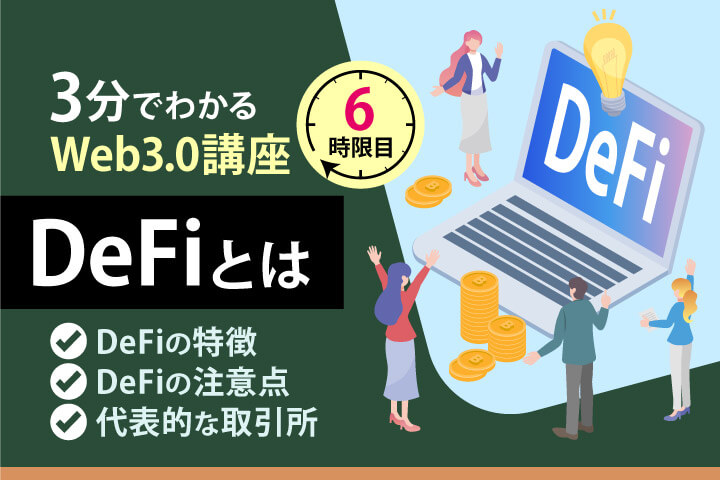
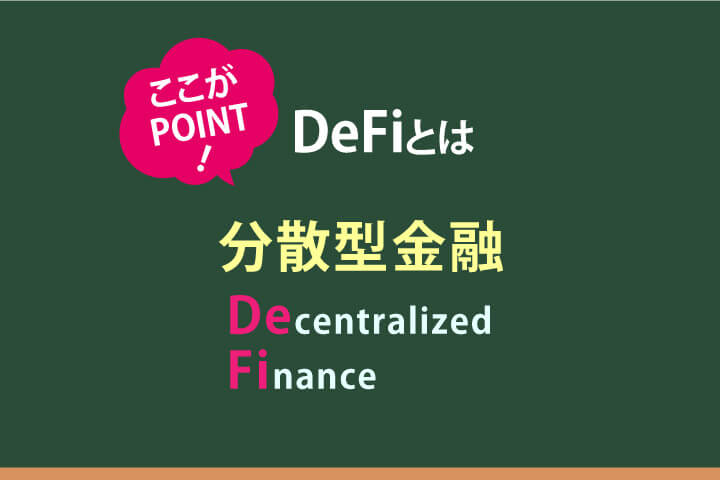
Decentralized Finance, commonly referred to as DeFi, represents a paradigm shift in the global financial landscape, moving away from traditional, centralized intermediaries toward a trustless, permissionless ecosystem powered by blockchain technology. At its core, DeFi encompasses a broad spectrum of financial applications—including lending, borrowing, trading, and asset management—that operate on public ledgers like Ethereum, Solana, and Binance Smart Chain. Unlike traditional banking, which relies on institutions to act as gatekeepers and clearinghouses, DeFi leverages smart contracts—self-executing code that automatically enforces the terms of an agreement—to provide financial services directly to users globally.
The Evolution of Financial Systems: From CeFi to DeFi
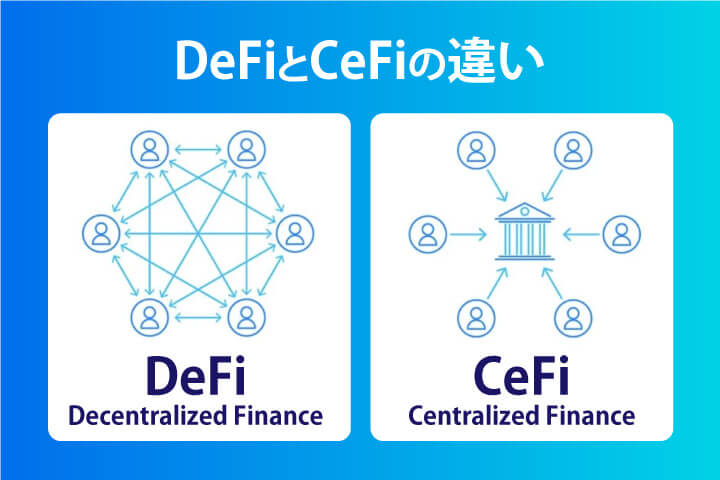
The transition from Centralized Finance (CeFi) to DeFi is rooted in the quest for transparency and accessibility. In the traditional CeFi model, transactions are mediated by banks, brokers, and central exchanges. These institutions are responsible for verifying identity (KYC), ensuring compliance, and managing the risks associated with credit and liquidity. While this system has provided stability for centuries, it is often criticized for its inherent inefficiencies, high transaction costs, and restricted access for unbanked populations.
DeFi eliminates the need for these intermediaries. By utilizing decentralized applications (dApps), participants can engage in complex financial transactions with 24/7 accessibility. The shift began in earnest around 2017 with the maturation of Ethereum’s smart contract capabilities. Since then, the ecosystem has ballooned, with Total Value Locked (TVL)—a key metric representing the amount of capital deposited into DeFi protocols—reaching tens of billions of dollars during market peaks.

Core Mechanics and Functional Advantages
The operational efficiency of DeFi is primarily driven by the removal of human error and administrative overhead. When a user interacts with a decentralized exchange (DEX) or a lending protocol, they are not interacting with a bank clerk; they are interacting with immutable code.
Key advantages include:
- Global Accessibility: Any individual with an internet connection and a digital wallet can access liquidity pools, earn interest, or trade assets without requiring approval from a centralized authority.
- Transparency: Because DeFi protocols are built on open-source blockchains, every transaction, interest rate change, and liquidity movement is verifiable on-chain. This provides an unprecedented level of auditability.
- Efficiency and Speed: Smart contracts automate settlement processes. In the legacy financial system, international wire transfers can take days; in DeFi, transactions are often finalized within minutes or seconds, depending on the network.
- Interoperability: Known as "money legos," DeFi protocols are designed to work together. A user can take a token earned in one protocol and use it as collateral in another, creating a highly efficient, interconnected financial web.
The Role of Decentralized Exchanges (DEXs)
A critical component of the DeFi ecosystem is the decentralized exchange. Platforms such as Uniswap, Curve Finance, and PancakeSwap have revolutionized the way digital assets are traded. Unlike centralized exchanges (CEXs) that use an order book system, many DEXs utilize Automated Market Maker (AMM) models.
In an AMM system, users contribute their assets to "liquidity pools." When someone wants to trade, they swap directly against the pool rather than waiting for a counterparty to fill an order. This mechanism ensures that trading can occur at any time, provided there is sufficient liquidity in the pool. This model has effectively democratized market-making, allowing everyday users to earn transaction fees by providing liquidity, a function previously reserved for large financial institutions.
Risks, Challenges, and Regulatory Considerations
Despite its rapid growth and technical ingenuity, the DeFi space is not without significant risks. Because the ecosystem is still in its relative infancy, it faces several hurdles that impede mass adoption.
Security Vulnerabilities and Smart Contract Risk: While the code is transparent, it is also vulnerable. If a smart contract contains a bug or a logical flaw, malicious actors can exploit it to drain funds from liquidity pools. Unlike a bank, where deposits are often insured, lost funds in a compromised DeFi protocol are rarely recoverable.

Regulatory Uncertainty: Governments worldwide are currently grappling with how to integrate DeFi into existing legal frameworks. The challenge lies in the decentralized nature of these protocols; there is often no "head office" or single legal entity to serve with subpoenas or enforce compliance. Regulatory bodies such as the U.S. Securities and Exchange Commission (SEC) and the European Securities and Markets Authority (ESMA) are increasingly focused on the intersection of DeFi and consumer protection, raising questions about future compliance requirements for developers and users alike.
Volatility and Liquidity: The assets traded within DeFi are often highly volatile. Furthermore, liquidity is fragmented across various blockchains. In times of extreme market stress, liquidity pools can dry up, leading to "slippage," where the price of an asset changes significantly during the execution of a trade.
The Future of Decentralized Finance
As the industry matures, the focus is shifting toward "Institutional DeFi" and the development of more robust security protocols. We are seeing a trend where traditional financial players are exploring the underlying technology of DeFi to modernize their own back-office operations. By tokenizing real-world assets (RWAs)—such as real estate, bonds, or commodities—DeFi protocols are beginning to bridge the gap between traditional finance and the digital asset economy.
Furthermore, the introduction of Layer 2 scaling solutions, such as Optimism and Arbitrum, is addressing the issue of high transaction fees (gas fees) on the Ethereum network. These advancements are making DeFi more cost-effective for the average retail user, paving the way for broader integration into everyday financial activities.

Analysis of Implications
The rise of DeFi represents more than just a technological curiosity; it is a structural challenge to the status quo of global finance. If the sector can successfully mitigate the risks of smart contract exploits and navigate the complex regulatory environment, it has the potential to become the backbone of a more inclusive, efficient, and transparent global economy.
For the average user, the takeaway is clear: while the potential for high yields and financial autonomy is significant, the barrier to entry involves a steep learning curve. Understanding how to secure one’s private keys, recognizing the risks of liquidity mining, and keeping abreast of the evolving security standards are essential steps for any participant in this new financial frontier. As DeFi continues to iterate, the goal remains the same: to create a financial system that is open to everyone, owned by no one, and accessible from anywhere on the planet.