The rapid evolution of the Web3 ecosystem has brought unprecedented opportunities for decentralized finance, digital ownership, and community-driven innovation. However, this growth has simultaneously introduced a complex array of security challenges. As users increasingly engage with decentralized applications (dApps), non-fungible tokens (NFTs), and various blockchain protocols, the prevalence of sophisticated cyber-attacks—specifically those targeting wallet permissions and token approvals—has reached an alarming scale. Protecting digital assets in this environment requires a proactive security mindset, an understanding of smart contract vulnerabilities, and the practical application of defensive tools.

The Mechanics of Token Approval Exploits
At the heart of many recent Web3 security incidents lies the "Token Approval" mechanism. When a user interacts with a dApp, they are often required to provide "approval" for the platform to access their tokens. This is a fundamental feature of the ERC-20 and ERC-721 standards, allowing a smart contract to move tokens on behalf of a user during a transaction, such as swapping assets on a decentralized exchange or listing an NFT on a marketplace.

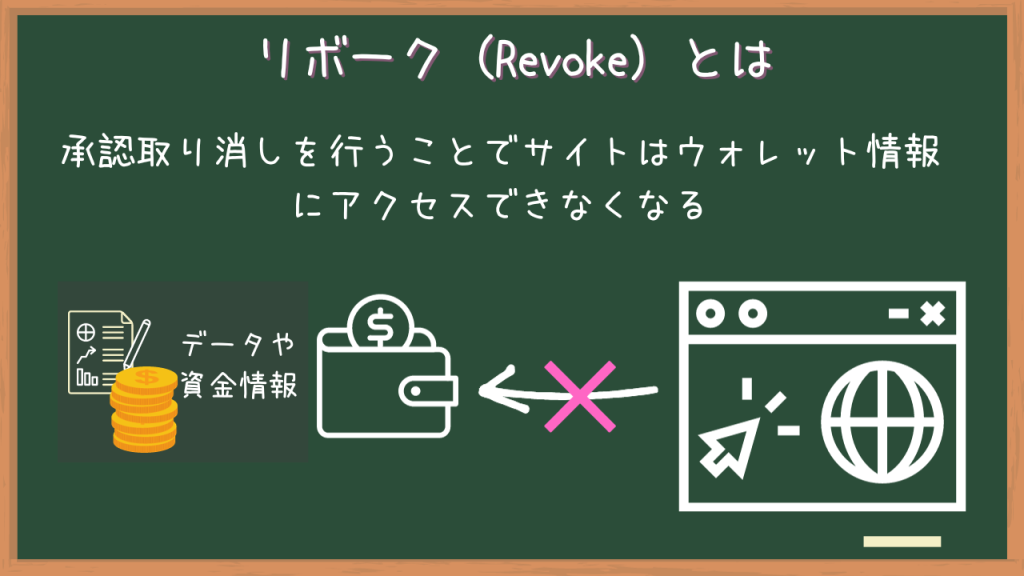
The vulnerability arises when users unknowingly grant "unlimited" or "max" approval to a malicious contract. By doing so, they provide the smart contract with the authority to spend their entire balance of a specific token at any time. If that contract is compromised or purposefully malicious, the attacker can drain the user’s wallet of those assets without further interaction from the victim. This is distinct from a direct transfer of funds; it is an authorization that remains active until the user manually revokes it.
Chronology of a Typical Security Breach

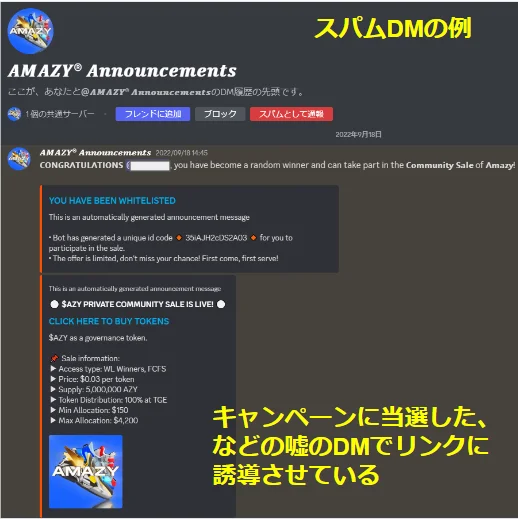
Security experts have identified a recurring pattern in how these exploits unfold. Often, the process begins through social engineering or phishing. A user might receive a direct message (DM) on platforms like Discord or X (formerly Twitter) from a seemingly legitimate project or a compromised account. These messages often promise exclusive access, airdrops, or urgent "security updates" that require the user to connect their wallet to a fraudulent website.
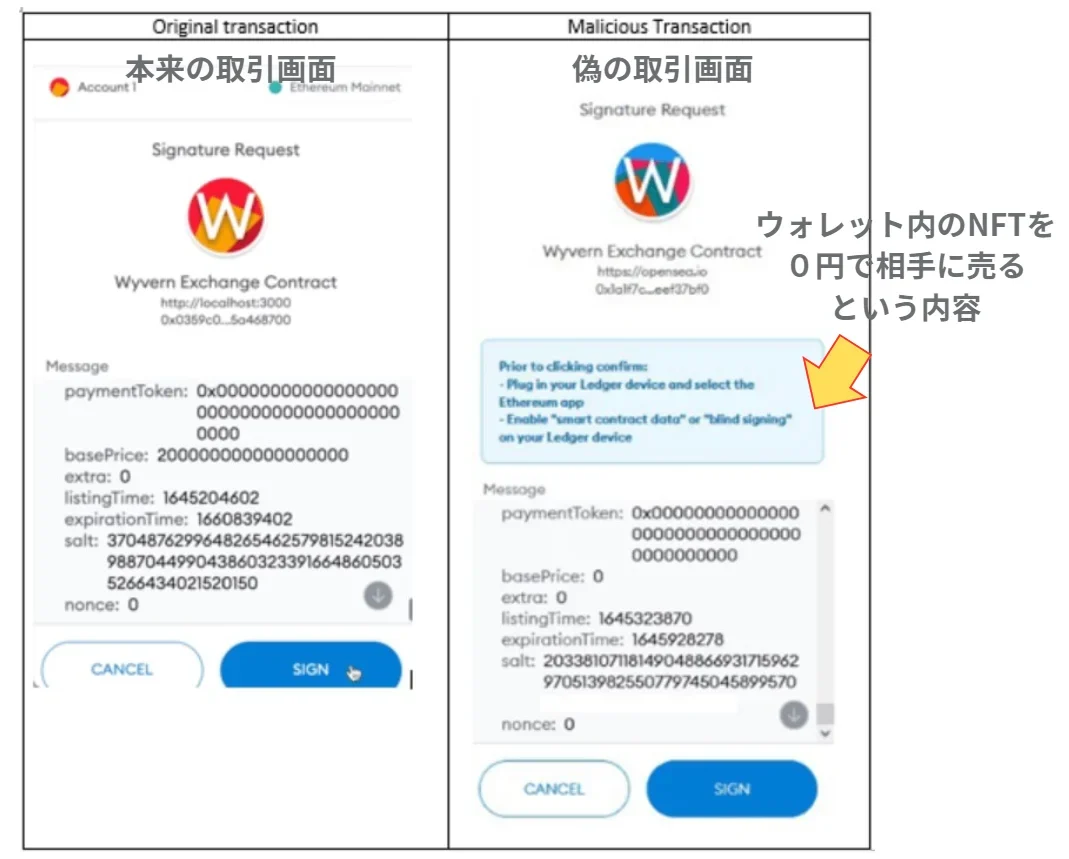
Once the user clicks a malicious link, they are prompted to connect their wallet. The fraudulent site then presents a transaction request that appears to be a standard approval or signature request. Because many users are accustomed to clicking "confirm" on these prompts to facilitate dApp functionality, they often overlook the technical details of what they are authorizing. Once the approval transaction is signed and broadcast to the blockchain, the attacker gains the ability to execute transfers on the victim’s behalf. The final phase of the attack is the drainage of the wallet, where the attacker calls the transfer function to move the assets to an address they control.

Supporting Data and Risk Assessment
Industry reports consistently highlight that token approval scams account for a significant percentage of total financial losses in the decentralized space. According to data provided by blockchain forensic firms like Etherscan and BscScan, thousands of wallets are compromised annually due to over-authorized permissions.

The prevalence of these attacks is exacerbated by the "set and forget" nature of token approvals. Many users interact with dozens of dApps over time, leaving a trail of active approvals behind them. Each active approval represents a potential point of failure. If any one of the platforms a user has interacted with suffers a security breach or is revealed to be a "rug pull" scheme, all of the user’s previously granted approvals for that platform become liabilities.
Proactive Defense: The Role of Revocation Tools
The most effective defense against these threats is the systematic management and, when necessary, revocation of token approvals. Revoking an approval effectively cancels the authorization that was previously granted to a smart contract.
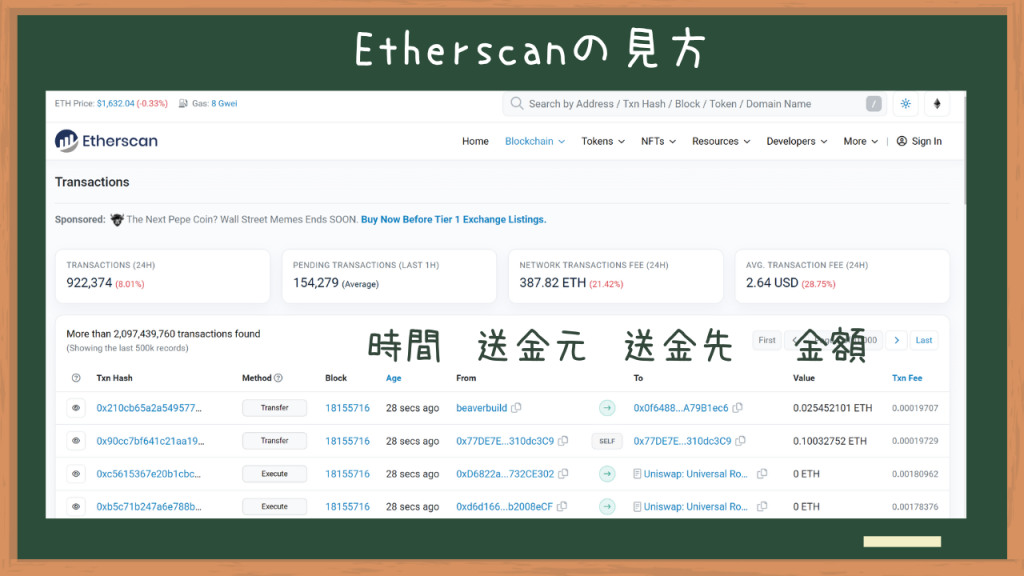
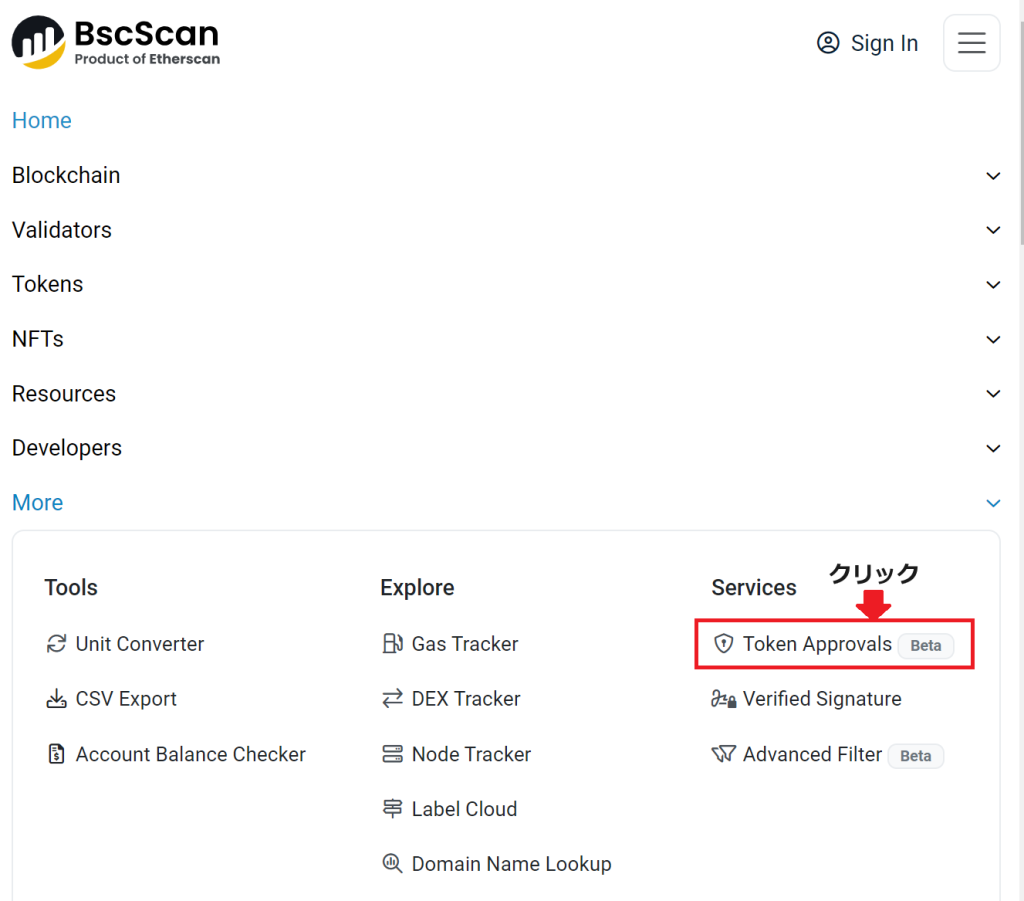
Users should periodically conduct an "approval audit" of their wallet addresses using reputable blockchain explorers. By navigating to the "Token Approval" or "More" section on platforms like Etherscan (for Ethereum-based assets) or BscScan (for BNB Chain assets), users can view a comprehensive list of all smart contracts that have permission to spend their tokens.

Steps to Audit and Revoke Permissions
To secure a wallet, users should follow a structured approach:
- Connect to a reputable explorer: Use the official Etherscan or BscScan token approval pages. Ensure the URL is correct to avoid further phishing attempts.
- Authenticate the wallet: Connect the wallet you wish to audit. This action allows the explorer to scan the blockchain for all existing approvals linked to your address.
- Review active approvals: Examine the list of contracts. Look for contracts that you no longer use, platforms that are no longer active, or suspicious addresses that you do not recognize.
- Execute the revocation: For any suspicious or unnecessary approval, click the "Revoke" button. This will trigger a transaction in your wallet. Once the transaction is confirmed on the blockchain, the contract’s access to your tokens is officially terminated.
It is important to note that revoking an approval requires a small amount of the native network token (such as ETH or BNB) to pay for the gas fees associated with the transaction. While this may seem like an added cost, it is a nominal price for the security of your assets.
The Importance of Vigilance and Education
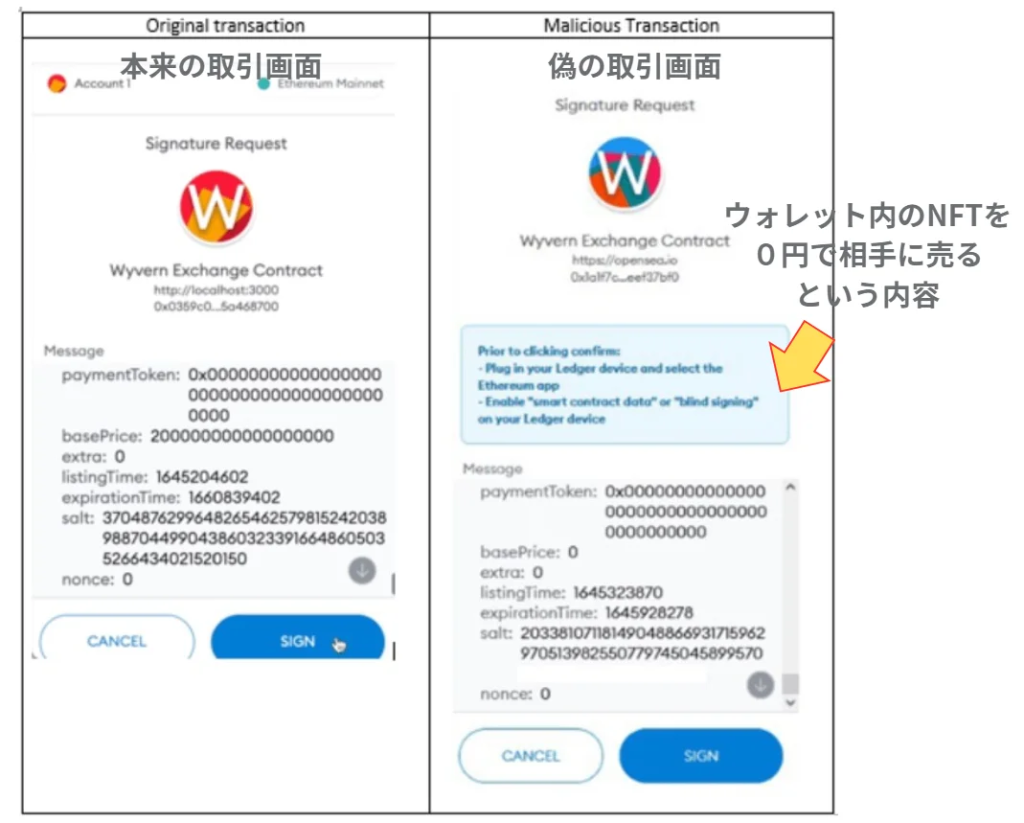
Technical tools are essential, but they are only one layer of a robust security strategy. The human element remains the most frequent target for attackers. Maintaining a "Zero Trust" approach to unsolicited communications is vital. No legitimate project will ever contact a user via DM to ask them to "verify" their wallet or connect to a third-party site to "fix" a security issue.
Furthermore, users should be cautious when interacting with new or unverified dApps. Before granting any approval, take a moment to research the platform. Check the community sentiment, the project’s history, and whether the smart contracts have undergone independent security audits. While an audit does not guarantee immunity from all risks, it is a strong indicator of a project’s commitment to security best practices.

Broader Implications for the Web3 Industry
The persistence of token approval exploits has led to a shift in how developers and wallet providers approach user interface design. New standards, such as EIP-712 and more intuitive wallet notification systems, are being implemented to give users a clearer understanding of exactly what they are signing. However, the ultimate responsibility for security continues to rest with the end-user.
As the Web3 space matures, the normalization of security hygiene—such as regular wallet audits and the use of hardware wallets for long-term asset storage—will be critical. The industry is moving toward a future where security is integrated into the user experience, but until that transition is complete, a disciplined approach to managing permissions is the best defense against the evolving threat landscape.
Conclusion
The security of digital assets in Web3 is not a one-time setup but a continuous process of monitoring and maintenance. By understanding how token approvals function, recognizing the red flags of phishing attempts, and utilizing blockchain tools to revoke unnecessary permissions, users can significantly mitigate their risk exposure. As decentralized technology continues to integrate into the mainstream, the adoption of these defensive habits will not only protect individual wealth but also contribute to the overall resilience and credibility of the entire ecosystem. Stay informed, stay vigilant, and always prioritize the security of your private keys and wallet authorizations above all else.