The intersection of blockchain technology, digital real estate, and intellectual property licensing has reached a new paradigm as The Sandbox, one of the leading decentralized virtual worlds, accelerates its multi-sector expansion. Over the past several years, the platform has successfully bridged the gap between traditional entertainment giants, global sports franchises, and the burgeoning Web3 ecosystem. By offering immersive 3D environments and robust user-generated content (UGC) tools, The Sandbox has transformed from a niche blockchain experiment into a multi-billion-dollar virtual economy supported by major global brands and a highly active community of creators.
Evolution of the Virtual Economy and the Rise of User-Generated Content
At its core, The Sandbox functions as a virtual decentralized ecosystem where players can build, own, and monetize their gaming experiences on the Ethereum blockchain. Unlike traditional video games where virtual assets remain locked within a centralized corporate server, The Sandbox leverages non-fungible tokens (NFTs) to grant absolute digital ownership to its users. Players utilize the platform’s proprietary utility and governance token, SAND, to buy and sell LAND parcels, customize avatars, and participate in governance decisions.

The foundational appeal of the platform lies in its powerful developer tools, notably VoxEdit and the Game Maker. VoxEdit allows creators to fashion 3D voxel-based objects—ranging from wearable fashion items to interactive non-player characters (NPCs)—while the Game Maker empowers individuals with zero coding experience to construct fully interactive games within their purchased LAND parcels. This democratization of game development has attracted a massive wave of independent designers, digital artists, and enterprise-level brands eager to establish a permanent footprint in the metaverse.
Strategic Intellectual Property Partnerships and Brand Integration
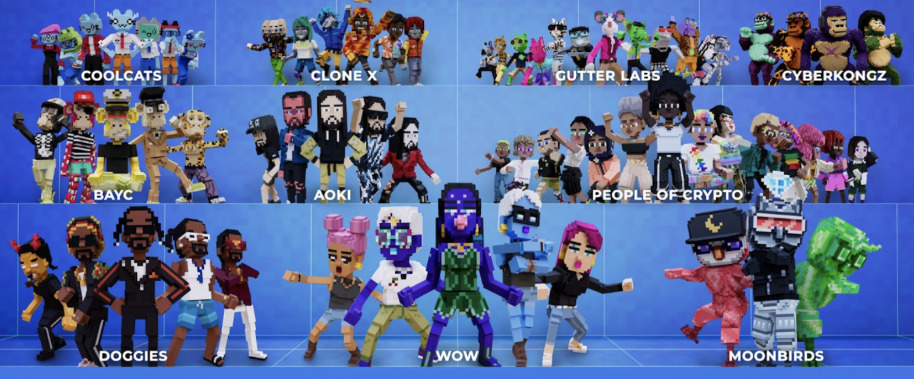
One of the primary catalysts for The Sandbox’s rapid mainstream adoption has been its aggressive acquisition of high-profile intellectual property (IP) partnerships. Rather than relying solely on organic growth, the platform has systematically onboarded over 400 global partners spanning fashion, music, cinema, sports, and gaming.
Prominent collaborators include cultural icons, Hollywood studios, and major international sports brands. For instance, recent high-profile integrations feature partnerships with Formula 1 representatives, major music festivals, and legacy entertainment franchises. By securing these rights, The Sandbox enables iconic brands to construct themed virtual theme parks, interactive museums, and exclusive concert venues. These digital spaces allow fans to interact with their favorite artists and athletes in ways previously impossible in physical or traditional digital formats.
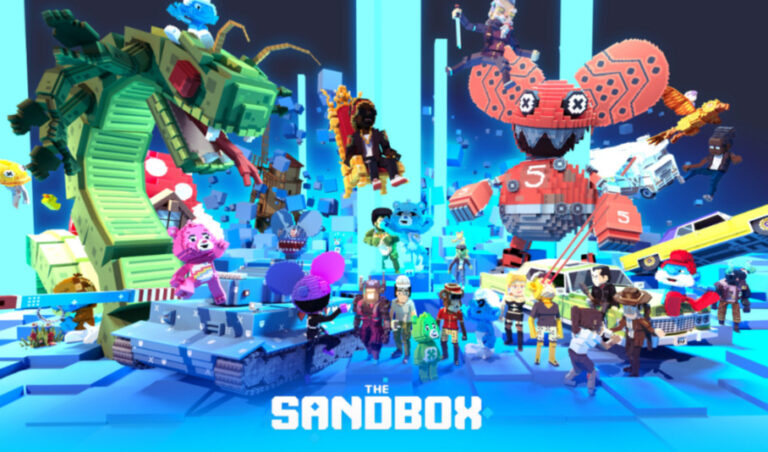
Furthermore, these brand-sponsored LAND parcels often act as economic drivers within the metaverse. Users who visit branded experiences can participate in quests, earn rare NFT rewards, and purchase exclusive digital merchandise. This mutually beneficial relationship grants legacy brands access to a tech-savvy, digitally native demographic while providing The Sandbox community with culturally relevant, high-quality content.
Leadership Vision and the Transition from Web2 to Web3
The strategic trajectory of The Sandbox is heavily shaped by its executive leadership, including co-founder Sebastien Borget, who has been a vocal proponent of decentralized digital property rights. Industry analyses and executive roadmap presentations highlight a long-term vision centered on complete decentralization and cross-platform interoperability.
According to leadership commentary, the platform’s evolution mirrors the broader technological shift from traditional centralized internet architecture (Web2) to trustless, user-owned networks (Web3). By empowering creators to retain 100% of the intellectual property rights and monetization revenues generated from their creations, The Sandbox has inverted the traditional gaming business model. Instead of platforms extracting the majority of value from developer labor, the underlying smart contracts ensure that economic rewards flow directly to the community.
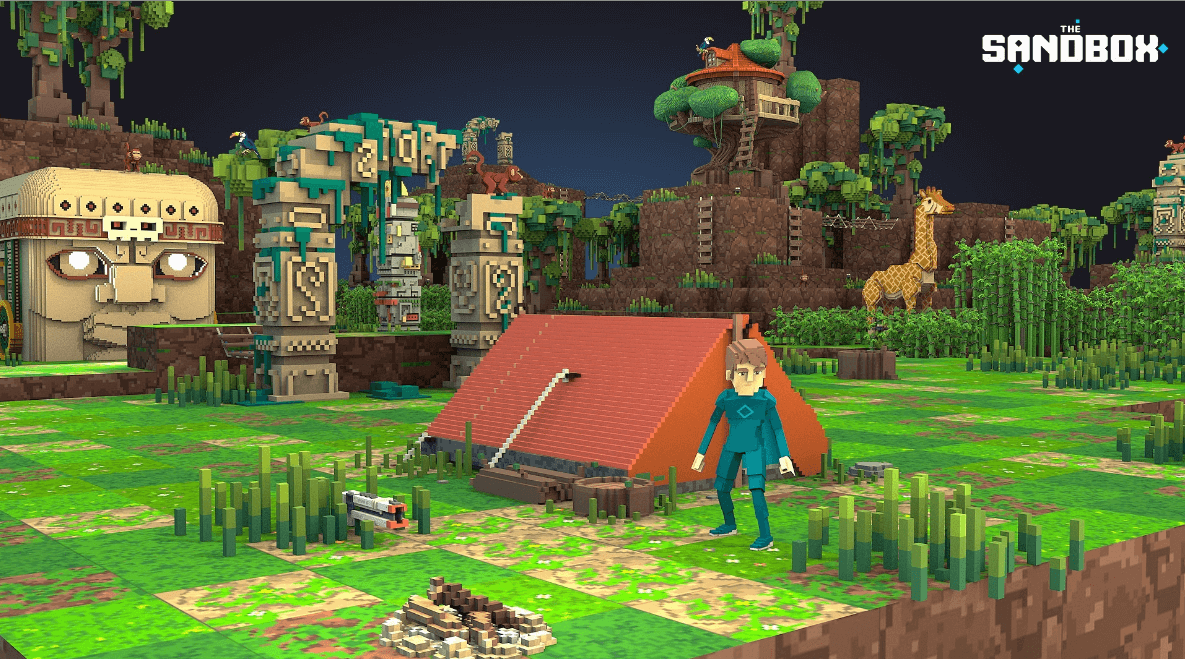
Despite macroeconomic fluctuations within the broader cryptocurrency market, the platform’s development team has consistently maintained an aggressive upgrade schedule. Roadmap milestones include the rollout of mobile applications, enhanced graphic rendering capabilities powered by advanced voxel engines, and streamlined onboarding processes designed to reduce technical friction for mainstream users entering the crypto space for the first time.
The Role of LAND and Digital Real Estate Scarcity
Central to the economic architecture of The Sandbox is the finite supply of digital real estate. The entire virtual world is mapped onto a fixed grid comprising exactly 166,464 LAND parcels. This absolute scarcity mirrors real-world geography, ensuring that location, proximity to major brand hubs, and community activity directly dictate asset valuation.
LAND owners have absolute autonomy over their virtual plots. They can choose to develop standalone gaming experiences, rent their land out to independent game studios for passive income, or curate community-driven art galleries. Because every LAND parcel is represented as an ERC-721 token on the Ethereum blockchain, transactions are fully transparent, immutable, and immune to censorship or alteration by third parties.
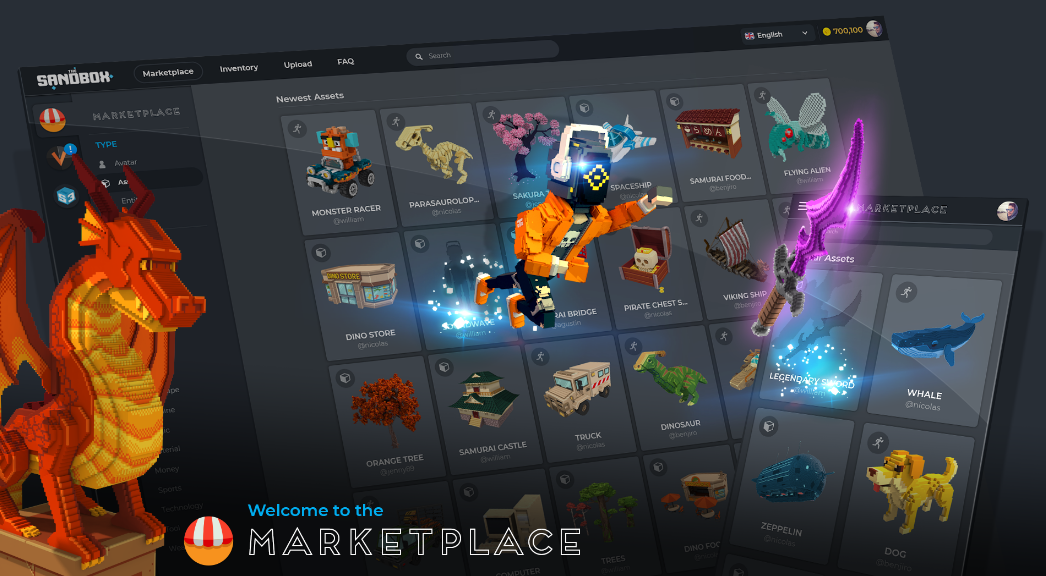
The secondary market for LAND and associated voxel assets remains highly liquid, primarily tracked through leading decentralized marketplaces such as OpenSea. Historical data indicates that prime locations adjacent to celebrity estates or major corporate headquarters command significant premiums, cementing virtual real estate as a legitimate alternative asset class within the digital economy.
Economic Utility of the SAND Token
The entire macroeconomic engine of The Sandbox is fueled by its native utility token, SAND. Operating as an ERC-20 standard token, SAND serves multiple critical functions within the ecosystem:
- Medium of Exchange: Players and creators use SAND to purchase LAND, equipment, wearables, and services within the marketplace.
- Governance: Token holders possess voting rights in the decentralized autonomous organization (DAO), allowing them to vote on platform upgrades, grant allocations, and ecosystem policies.
- Staking: Users can stake SAND tokens directly within the platform to earn passive yields, thereby encouraging long-term holding and stabilizing network liquidity.
- Creator Incentives: A portion of the ecosystem’s transaction fees and foundation reserves are systematically redirected to reward active builders, developers, and content creators who drive daily engagement.
Financial market observers have frequently noted that the valuation of SAND exhibits strong correlation with broader crypto market cycles, yet it retains unique fundamental backing due to the continuous onboarding of enterprise partners and the steady increase in daily active users. Major international cryptocurrency exchanges, including Coincheck and Bybit, support seamless fiat-to-crypto on-ramps for SAND, further lowering the barrier to entry for prospective participants.
Broader Implications and Future Outlook
The sustained growth of The Sandbox carries profound implications for the future of entertainment, commerce, and digital identity. As virtual reality (VR) and augmented reality (AR) hardware continue to mature, platforms that have already secured vital intellectual property and established robust creator economies will be best positioned to dominate the spatial internet.
However, challenges remain. Navigating complex international regulatory frameworks regarding digital assets, ensuring seamless cross-chain interoperability, and maintaining network security against sophisticated exploits are ongoing priorities for the platform’s core developers. Furthermore, user acquisition must continually evolve to convert casual gamers into active participants in the decentralized economy.
Ultimately, The Sandbox represents a comprehensive blueprint for how virtual worlds can successfully merge commercial entertainment with decentralized ownership. By systematically aligning the incentives of global brands, independent creators, and everyday players, the platform has cemented its status as a foundational pillar of the modern metaverse.