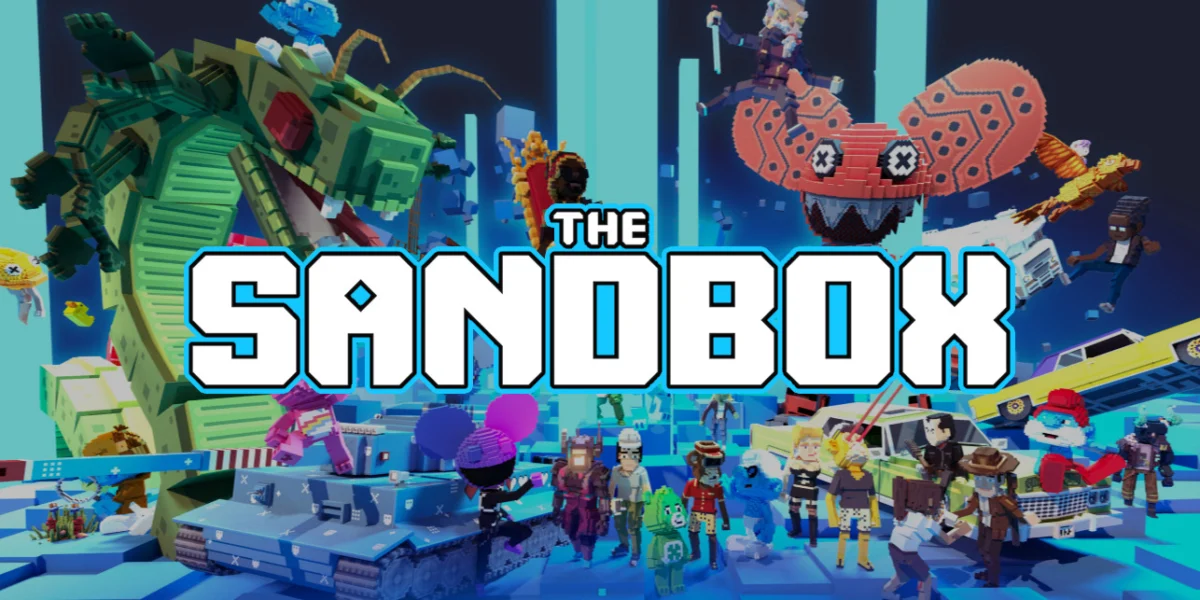
The Sandbox has steadily transformed from a traditional indie pixel-art mobile game into one of the most prominent decentralized virtual worlds in the blockchain ecosystem. Powered by user-generated content (UGC), non-fungible tokens (NFTs), and strategic intellectual property (IP) collaborations, the platform bridges the gap between traditional entertainment and Web3 technology. Over recent years, the metaverse project has successfully secured multi-million-dollar land sales, onboarded major global brands, and built robust creator economies that empower virtual real estate developers worldwide.

Main Facts and Ecosystem Overview
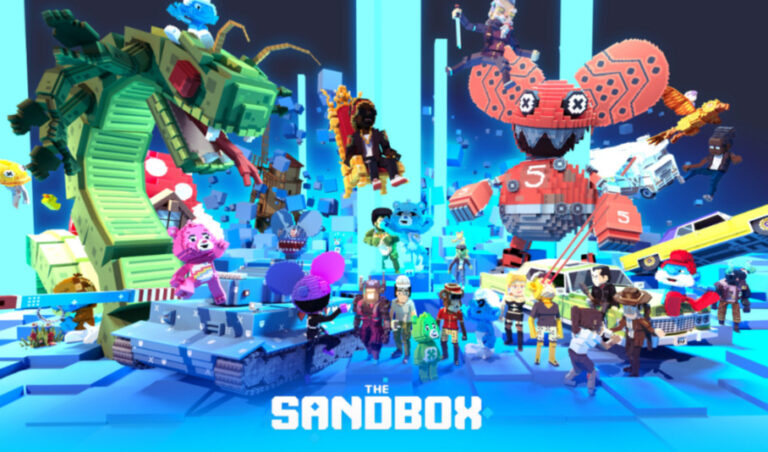
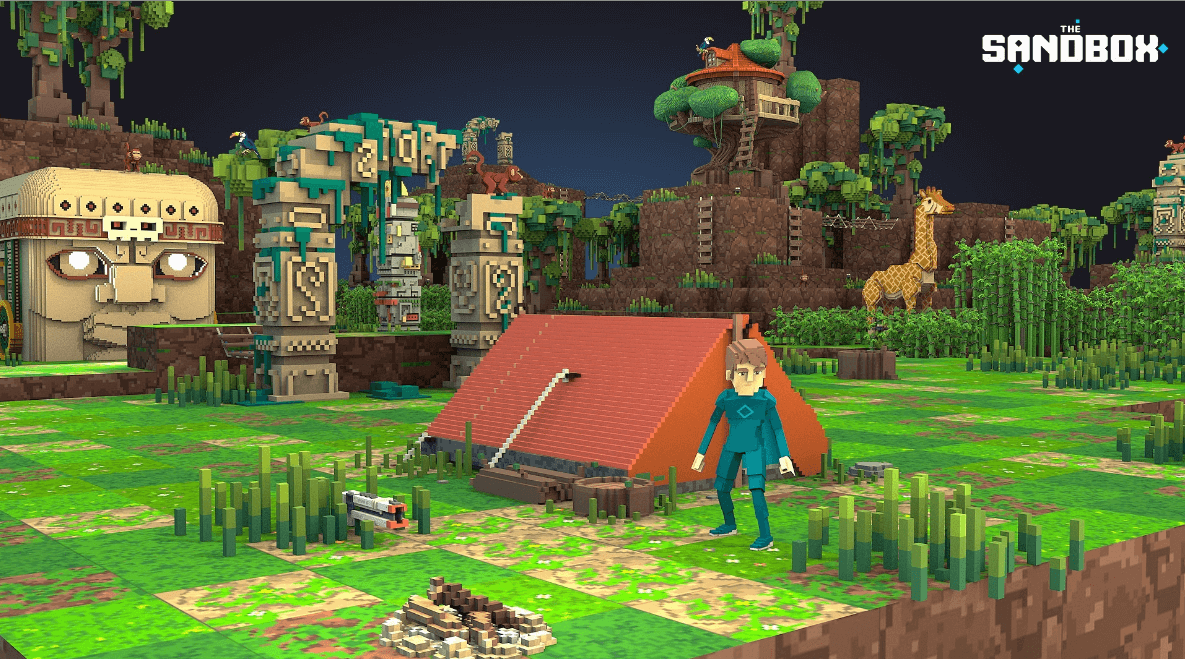
At its core, The Sandbox functions as a virtual metaverse where players can build, own, and monetize their gaming experiences on the Ethereum blockchain. Utilizing a voxel-based 3D aesthetic, the platform grants users total ownership of their digital creations through NFTs. Players purchase virtual plots of land known as LAND, which serve as the foundational canvas for interactive experiences, games, museums, and social hubs.
The integration of user-generated content is facilitated by tools like VoxEdit, which allows creators to design and animate voxel objects, and the Game Maker, which enables users to assemble complex game mechanics without writing code. This democratization of game development has attracted millions of registered accounts, driving sustained secondary market trading volume for both LAND parcels and digital assets. Furthermore, the platform’s native utility token, SAND, acts as the primary medium of exchange for governance, transactions, and staking within the ecosystem.
Chronology and Strategic Evolution
The journey of The Sandbox dates back to its origins as a 2D mobile title developed by Pixowl in 2011, which garnered millions of downloads globally. Following its acquisition by Animoca Brands in 2018, the leadership team initiated a strategic pivot toward blockchain technology and decentralized virtual reality.
- 2018–2019: Animoca Brands acquires Pixowl and lays the groundwork for the 3D voxel-based metaverse on Ethereum, shifting focus toward true digital ownership.
- 2020–2021: The platform executes multiple public LAND sales, selling out virtual plots in seconds and attracting high-profile investors, celebrities, and global brands.
- 2022–2023: Major global brands, musical artists, sports franchises, and entertainment giants—including Gucci, Snoop Dogg, and Formula 1 partners—establish permanent virtual headquarters within the metaverse.
- 2024 and Beyond: Continued technical upgrades focusing on multi-chain scalability, enhanced avatar customization, and decentralized autonomous organization (DAO) governance structures.
Intellectual Property Integration and Brand Partnerships
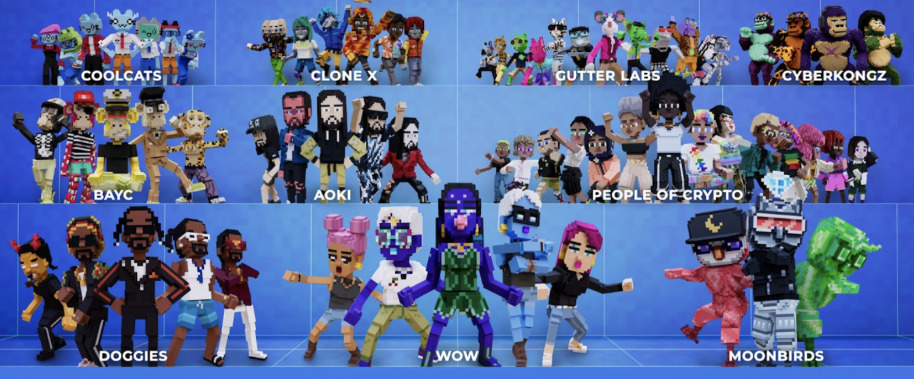
One of the primary drivers behind The Sandbox’s market expansion is its aggressive acquisition and integration of mainstream intellectual properties. Unlike early virtual worlds that relied entirely on organic community content, The Sandbox has successfully courted major entertainment conglomerates, fashion houses, sports leagues, and cultural icons.
Prominent partnerships span diverse industries. For instance, high-end fashion brands have established virtual boutiques where users can purchase digital wearable NFTs for their avatars. Similarly, music superstars like Snoop Dogg have developed virtual estates—colloquially known as "Snoopverse"—hosting exclusive concerts, parties, and interactive community events.
These collaborations serve a dual purpose: they provide established brands with a secure entry point into Web3, while simultaneously drawing mainstream consumers into the decentralized gaming space. Financial analysis of these partnerships suggests that brand-backed virtual real estate tends to retain higher secondary market liquidity and investor interest compared to unbranded land parcels.
Tokenomics and the Role of the SAND Utility Token
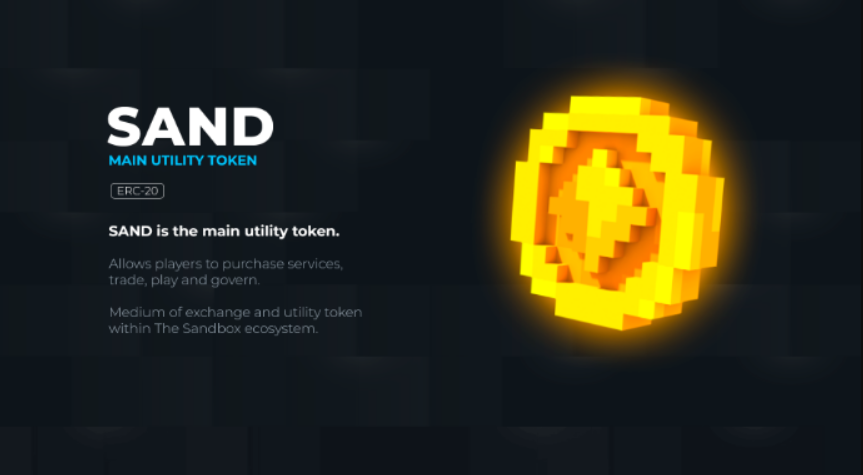
The economic engine driving The Sandbox is its native cryptocurrency, SAND. Operating as an ERC-20 utility token built on the Ethereum blockchain, SAND has a total fixed supply of 3 billion tokens designed to support decentralized governance and ecosystem sustainability.
SAND is utilized across multiple facets of the platform:
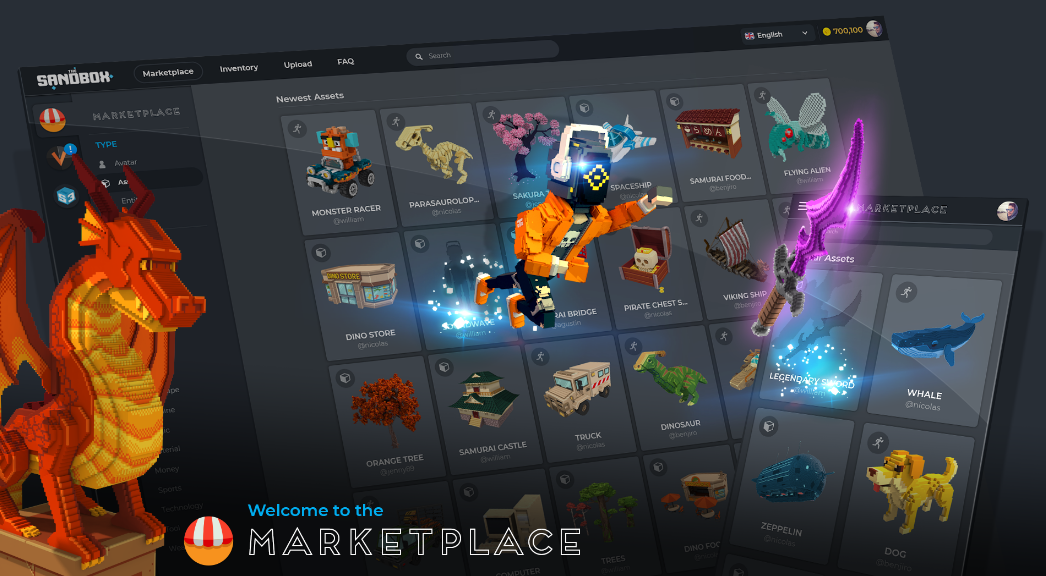
- Transactions: Players and creators use SAND to purchase LAND, assets, equipment, and avatar wearables on the marketplace.
- Governance: Token holders can participate in DAO voting mechanisms, influencing platform upgrades, creator fund allocations, and future roadmap priorities.
- Staking: Users can stake SAND tokens directly within the platform to earn passive yields and exclusive rewards, thereby encouraging long-term holding and reducing circulating market supply.
Market observers frequently note that the token’s performance correlates closely with broader crypto market cycles and major platform updates, such as seasonal Alpha events and new brand announcements.
Supporting Data and Secondary Market Dynamics
Secondary market activity on marketplaces like OpenSea provides critical insight into the health of The Sandbox ecosystem. Historical data indicates that total trading volume for LAND and ASSET NFTs has reached billions of dollars across multiple distribution phases.
While market fluctuations impact floor prices for virtual real estate, premium locations situated adjacent to major brand partnerships consistently command higher valuations. Analysts attribute this resilience to the platform’s sustained development roadmap and active creator community, which continues to produce high-quality, engaging experiences for incoming users.
Broader Impact and Industry Implications
The trajectory of The Sandbox offers a compelling case study for the integration of blockchain technology within the broader gaming and entertainment industries. By proving that consumers are willing to invest real capital into digital land and assets backed by immutable ledger technology, the platform has paved the way for a new digital economy.
However, challenges remain. Mass-market adoption of Web3 gaming still faces hurdles related to user onboarding friction, gas fees on Layer 1 networks, and regulatory uncertainty surrounding digital assets. Despite these obstacles, ongoing developments in Layer 2 scaling solutions and user experience optimization suggest that virtual worlds will remain a core pillar of the future internet.
As The Sandbox continues to refine its roadmap, expand its multi-chain capabilities, and deepen its roster of global brand partners, it stands as a defining blueprint for the commercial viability of the metaverse. Whether these virtual economies can sustain long-term generational engagement remains one of the most closely watched narratives in modern technology and finance.