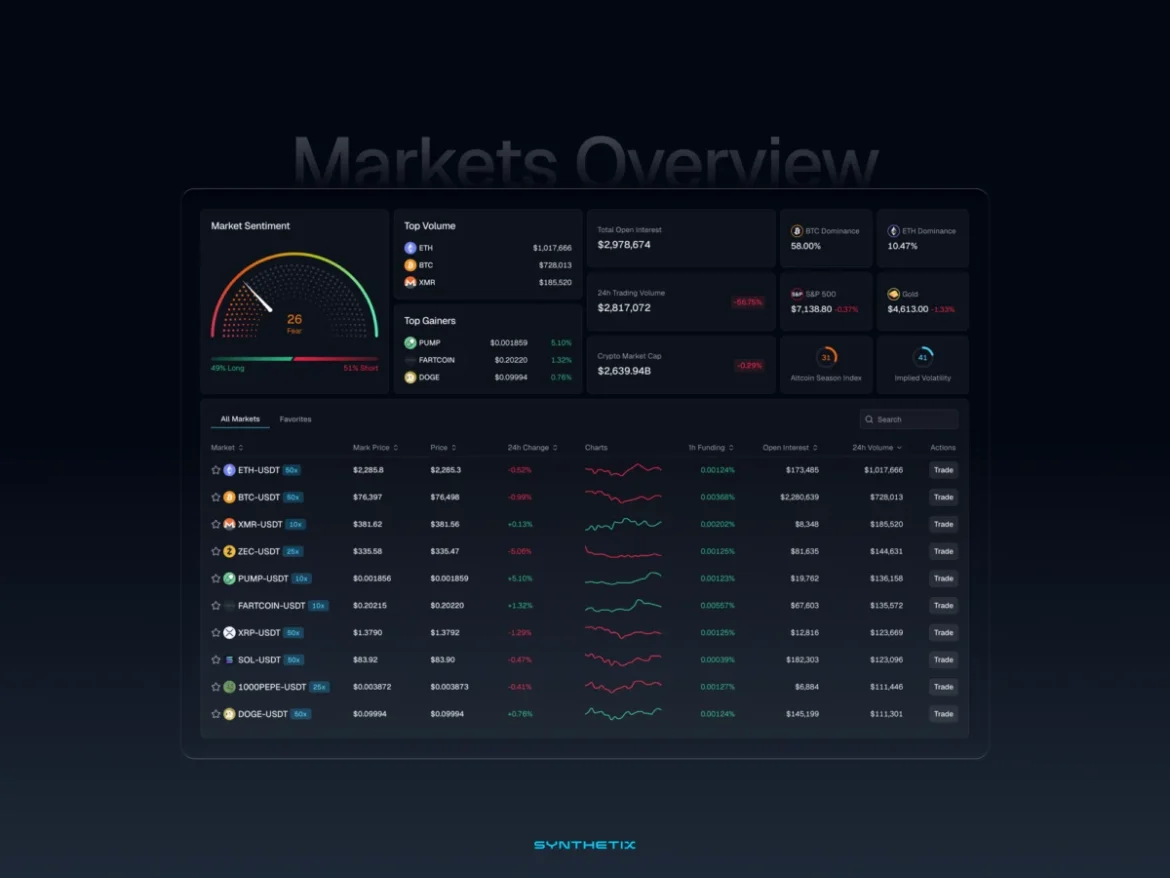
Decentralized finance (DeFi) protocol Synthetix has officially transitioned its perpetual futures platform on Ethereum Mainnet out of its private alpha phase, marking a significant milestone in its ambitious 2026 development roadmap. The protocol, which spent the opening months of the year refining its foundational architecture, scaling liquidity, and expanding market offerings, is now poised to challenge centralized exchange (CEX) incumbents by offering secure, high-performance derivatives trading natively settled on the world’s leading smart contract network.
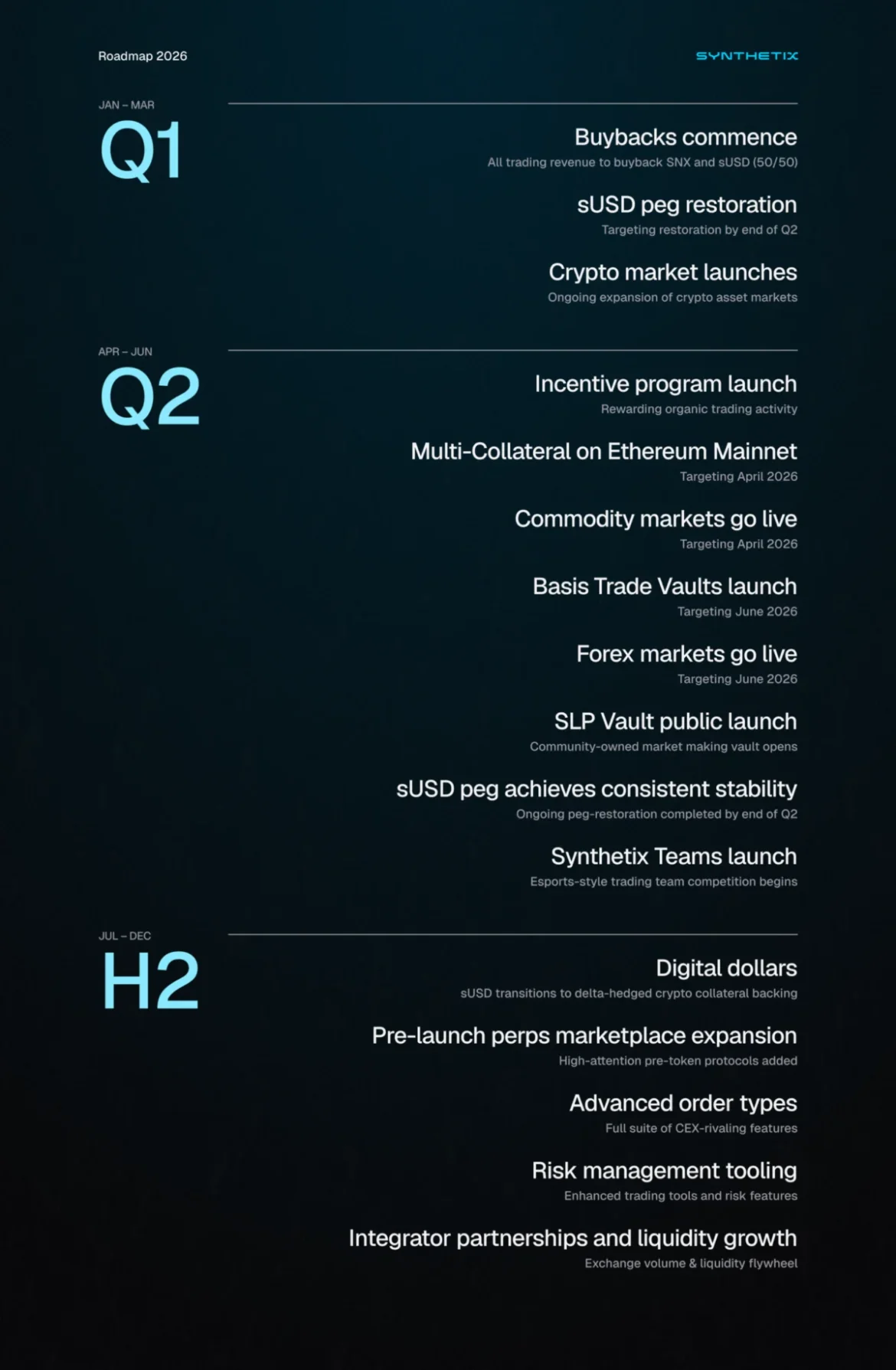
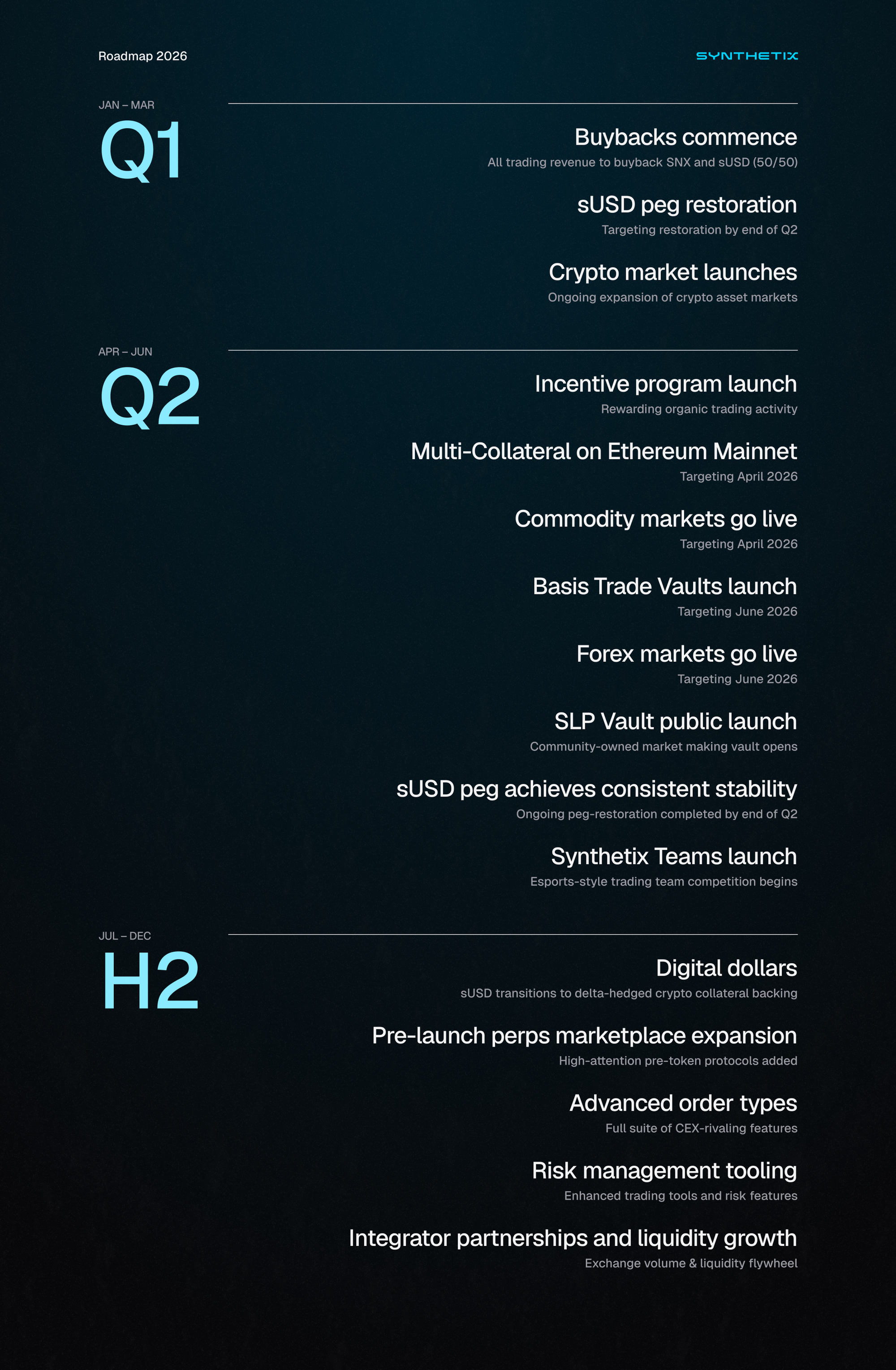
The journey to this operational milestone stems from the strategic pivots outlined in the Synthetix 2026 Roadmap, published earlier this year. Following months of unglamorous, back-end engineering focused on turning a private-beta foundation into a scalable trading venue, the protocol has achieved its Q2 targets. With volume and liquidity steadily rising, Synthetix is positioning itself as a robust, non-custodial alternative to traditional centralized derivatives platforms, leveraging the security guarantees of Ethereum Mainnet while delivering the speed and efficiency expected by modern traders.
Private Alpha Performance and Organic Growth
Unlike many contemporary Web3 protocols that rely heavily on aggressive incentive programs, public point systems, and high-profile marketing pushes to bootstrap liquidity, Synthetix took a measured, organic approach during its initial four-month testing period. The private alpha phase featured no public sign-ups or artificial yield incentives; every trade executed on the platform originated from an invited cohort of dedicated users operating within a real-world market environment.
This closed-loop testing phase provided core developers and risk managers with invaluable data regarding platform stability, execution speed, and liquidation mechanics under various market conditions. Despite the absence of promotional incentives, the platform processed substantial trading volume, proving that institutional-grade demand exists for decentralized, self-custodial derivatives venues operating directly on Ethereum Mainnet. Protocol analytics indicate steady, organic growth across all key metrics, setting a baseline that core contributors expect to surpass rapidly as public onboarding ramps up throughout the second quarter.
Key Technical Milestones and Product Shipments
The recent operational expansion is underpinned by several major technological upgrades deployed over the first third of 2026. These foundational developments are designed to interconnect seamlessly, creating a comprehensive trading ecosystem rather than isolated decentralized applications (DApps).
Multi-Collateral Integration
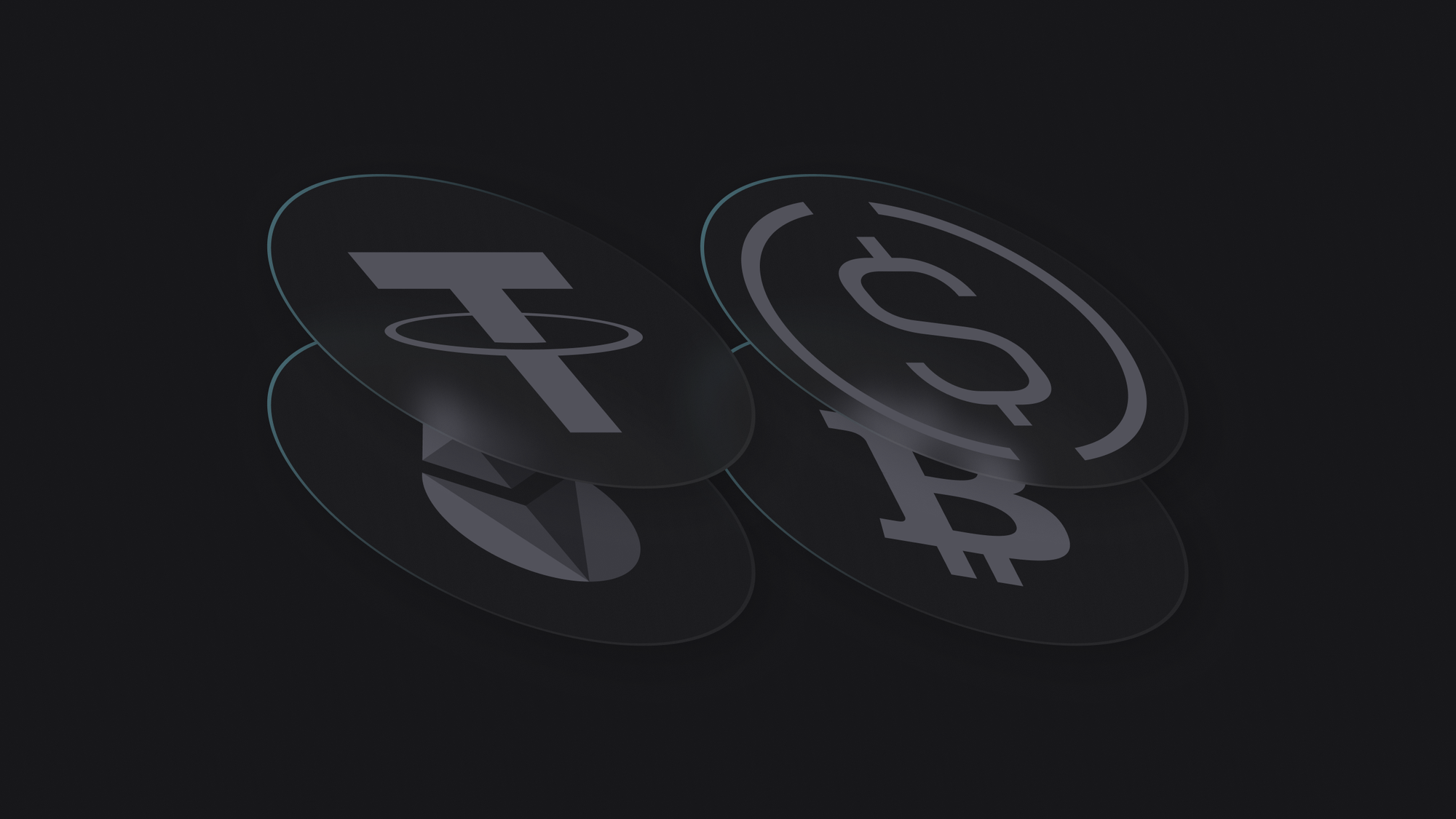
A cornerstone of the current phase is the rollout of multi-collateral margin support. This feature addresses one of the most persistent capital-efficiency bottlenecks in DeFi by allowing users to deposit idle Bitcoin (BTC) and Ether (ETH) held natively on Mainnet to serve directly as productive trading collateral. Traders no longer need to execute pre-trade token swaps into stablecoins like USDT, thereby reducing transaction friction, mitigating smart contract risk, and unlocking billions of dollars in dormant capital. Furthermore, multi-collateral capabilities serve as the technological gateway for upcoming roadmap milestones, including basis trade vaults, the public launch of the Synthetix Liquidity Provider (SLP) vault, and the realization of the "Digital Dollars" vision for the protocol’s sUSD stablecoin.
SLP and Robust Liquidation Architecture
The Synthetix Liquidity Provider (SLP) acts as the community-owned market-making and liquidation vault that anchors the entire protocol. Operating privately during the alpha phase, the SLP vault has maintained a steady annualized percentage yield (APY) of approximately 20% while continuously refining its underlying risk strategies.
Protocol leadership has exercised deliberate patience regarding the public launch of the SLP, prioritizing system security over rapid capital accumulation. Because the SLP functions as the ultimate counterparty for trader liquidations and provides critical depth across all listed markets, developers insisted on exhaustive stress-testing before opening deposits to the broader public. The public launch of the SLP remains strictly on track for execution within the second quarter.
Enhanced Trading Experience and Partner Integrations
In addition to core architectural upgrades, the development team has deployed a wide array of user experience enhancements designed to elevate the platform from a functional prototype to a professional-grade trading venue. These incremental improvements—ranging from interface responsiveness to advanced order-routing parameters—have laid the groundwork for serious integration discussions with prominent wallet providers, decentralized aggregators, and front-end portals. Notably, integrations with platforms such as Infinex are currently underway, signaling a strategic push to capture organic volume routed through third-party interfaces rather than relying solely on native front-end traffic.
Market Expansion: From Crypto Assets to Real-World Commodities
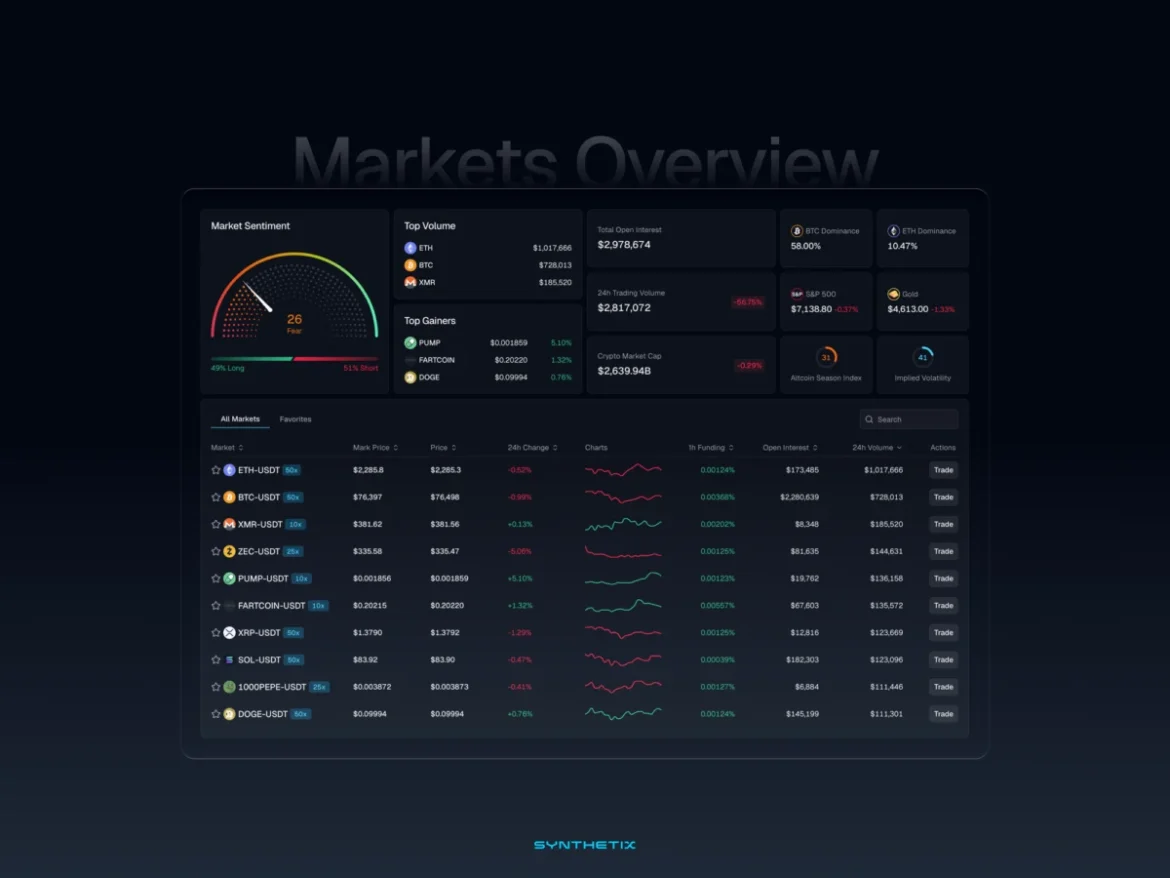
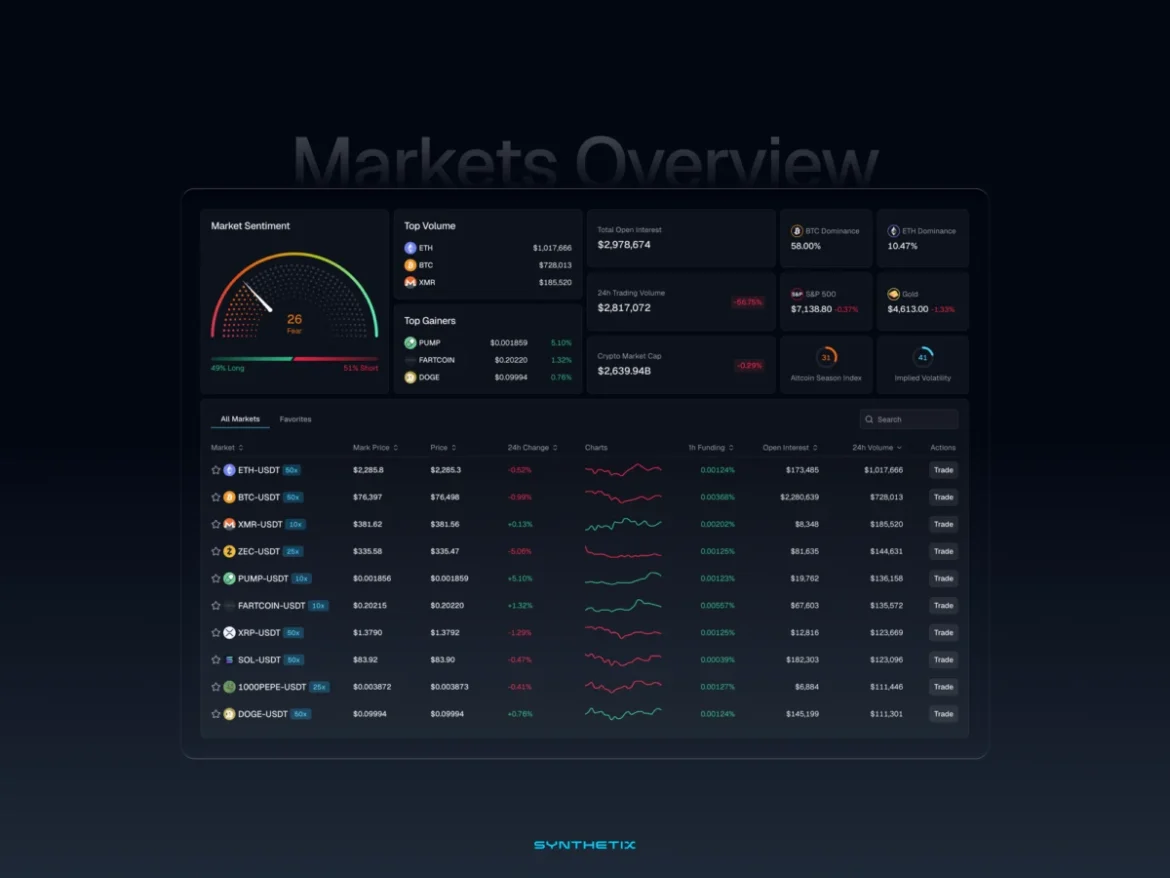
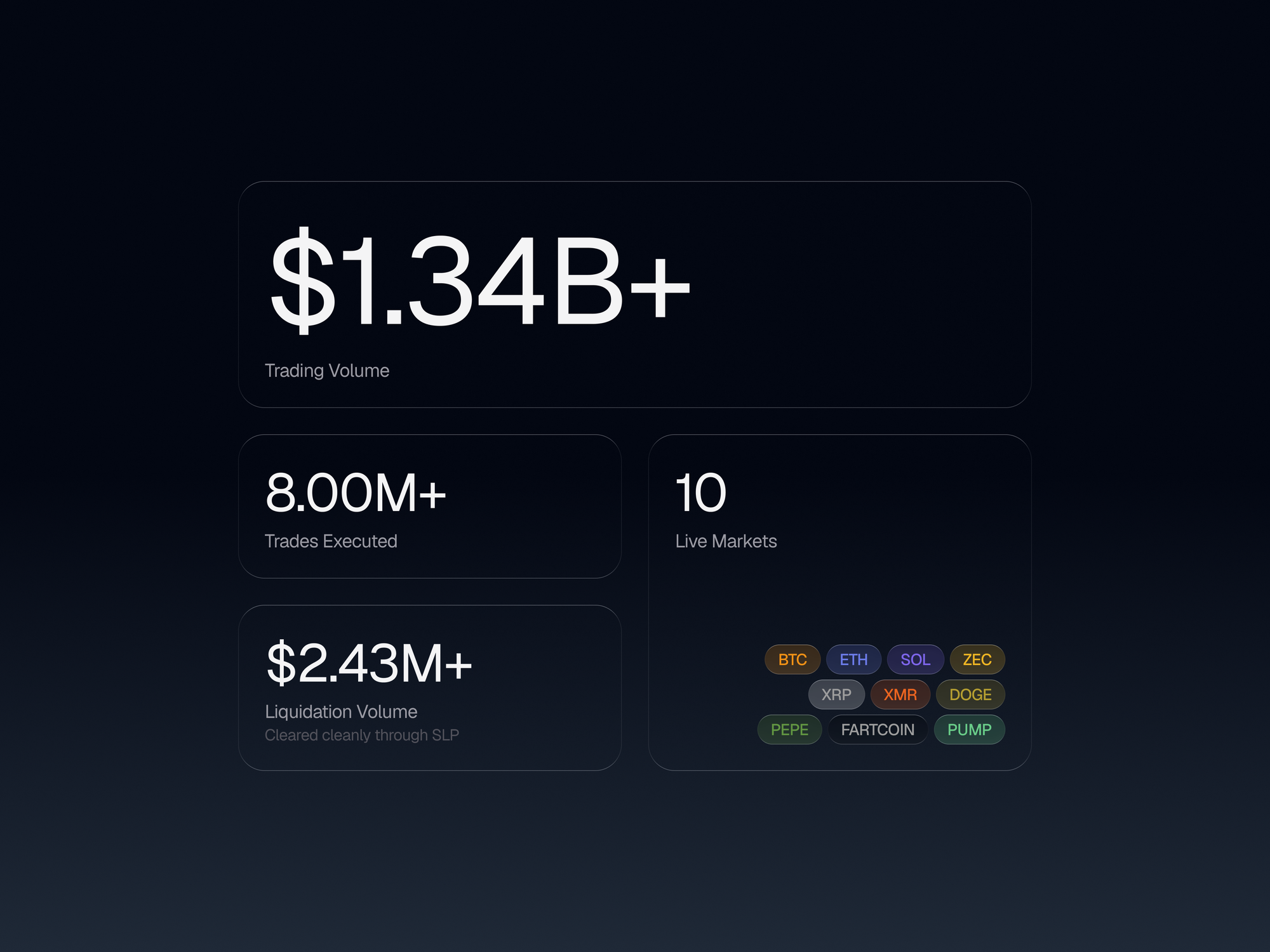
Synthetix has significantly broadened its asset catalog, expanding from just three initial crypto perpetual markets at the beginning of 2026 to ten prominent cryptocurrency pairs by the end of April, including Bitcoin, Ether, Solana, Zcash, XRP, Dogecoin, Monero, Pepe, Fartcoin, and Pump.
However, the most strategically significant expansion involves the integration of Real-World Assets (RWAs), beginning with commodities. Unlike cryptocurrencies, which trade on continuous 24/7 schedules, commodities require specialized market infrastructure that respects traditional financial trading hours, session handlings, and distinct oracle pricing feeds. Engineering teams spent considerable time throughout April establishing the robust pricing and session-management architecture required for WTI crude oil derivatives, with the official commodity market launch imminent. Subsequent roadmap phases scheduled for June will introduce forex markets and additional specialized asset classes, demonstrating the protocol’s capacity to bridge traditional finance (TradFi) and decentralized infrastructure.
Security, Reliability, and Mainnet Advantages
A critical differentiator for Synthetix Perps has been its flawless operational reliability record. Across four months of continuous live trading, the protocol recorded zero security incidents resulting in trader fund losses, zero unscheduled downtime affecting order entry, and absolute fidelity in position accounting. This performance is the direct result of rigorous engineering, including sophisticated halt protocols, granular administrative access controls across microservices, dead-letter queuing on all messaging paths, and comprehensive hot-path observability.
Industry observers have noted that maintaining operations on Ethereum Mainnet provides fundamental safety advantages over centralized exchanges (CEXs) or isolated Layer-2 networks prone to sequencer outages. Unlike centralized venues where user funds can be frozen indefinitely during maintenance windows or corporate insolvency events, Synthetix positions user collateral directly within transparent, immutable Mainnet smart contracts. Even in the event of a deliberate, protocol-initiated exchange halt, users retain the uninhibited ability to withdraw their collateral at any given time.
Broader Industry Implications and Future Outlook
The rapid execution of the 2026 roadmap highlights a maturation phase within the broader decentralized derivatives sector. Where previous quarters were defined by conceptual restructuring and strategic pivots, the current operational posture reflects a functioning, revenue-generating venue capable of handling institutional-grade throughput.
While core contributors emphasize that building a top-tier perpetual futures venue is an ongoing endeavor rather than a static destination, the prevailing sentiment within the Synthetix ecosystem has shifted from existential validation to scaling velocity. With April deliverables successfully deployed and Q2 targets queued for release, the protocol is systematically dismantling traditional barriers between centralized liquidity and decentralized self-custody.
As Synthetix continues to expand its multi-asset offerings, public liquidity vaults, and cross-platform integrations throughout the remainder of 2026, its evolution serves as a case study in how decentralized applications can achieve sustainable scalability without compromising the foundational security guarantees of the Ethereum network.