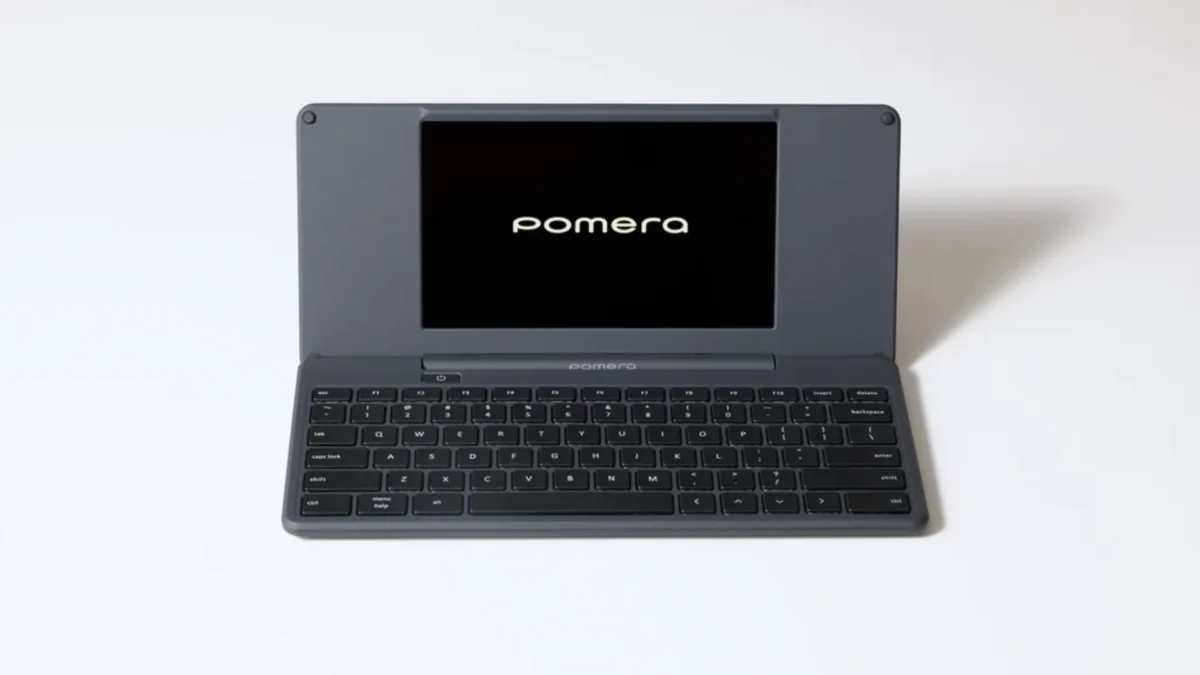
In an era dominated by multi-functional computing power, constant notifications, and the relentless pursuit of productivity through software suites, a quiet counter-revolution is taking place in the consumer electronics market. Writers, journalists, and corporate professionals are increasingly seeking refuge from the digital cacophony, turning away from tablets, laptops, and smartphones to embrace single-purpose hardware. Enter the Pomera DM250, a dedicated digital typewriter designed by Japanese manufacturer King Jim, which has emerged as a premier contender in the burgeoning niche of distraction-free writing tools. With a steep price tag of $549, the device challenges traditional notions of what a modern writing instrument should cost and accomplish.
The Evolution of Distraction-Free Writing
The market for dedicated writing hardware is not entirely new, though it has experienced a notable resurgence over the past half-decade. For years, the digital typewriter space was largely defined by devices such as the Freewrite Traveler, a compact mechanical-keyboard-based machine praised for its retro aesthetic but frequently criticized for the sluggish refresh rates of its electronic paper (e-ink) display. While e-ink offers a paper-like visual experience that minimizes eye strain, its inherent latency has often frustrated fast-touch typists who demand instantaneous visual feedback on the screen.
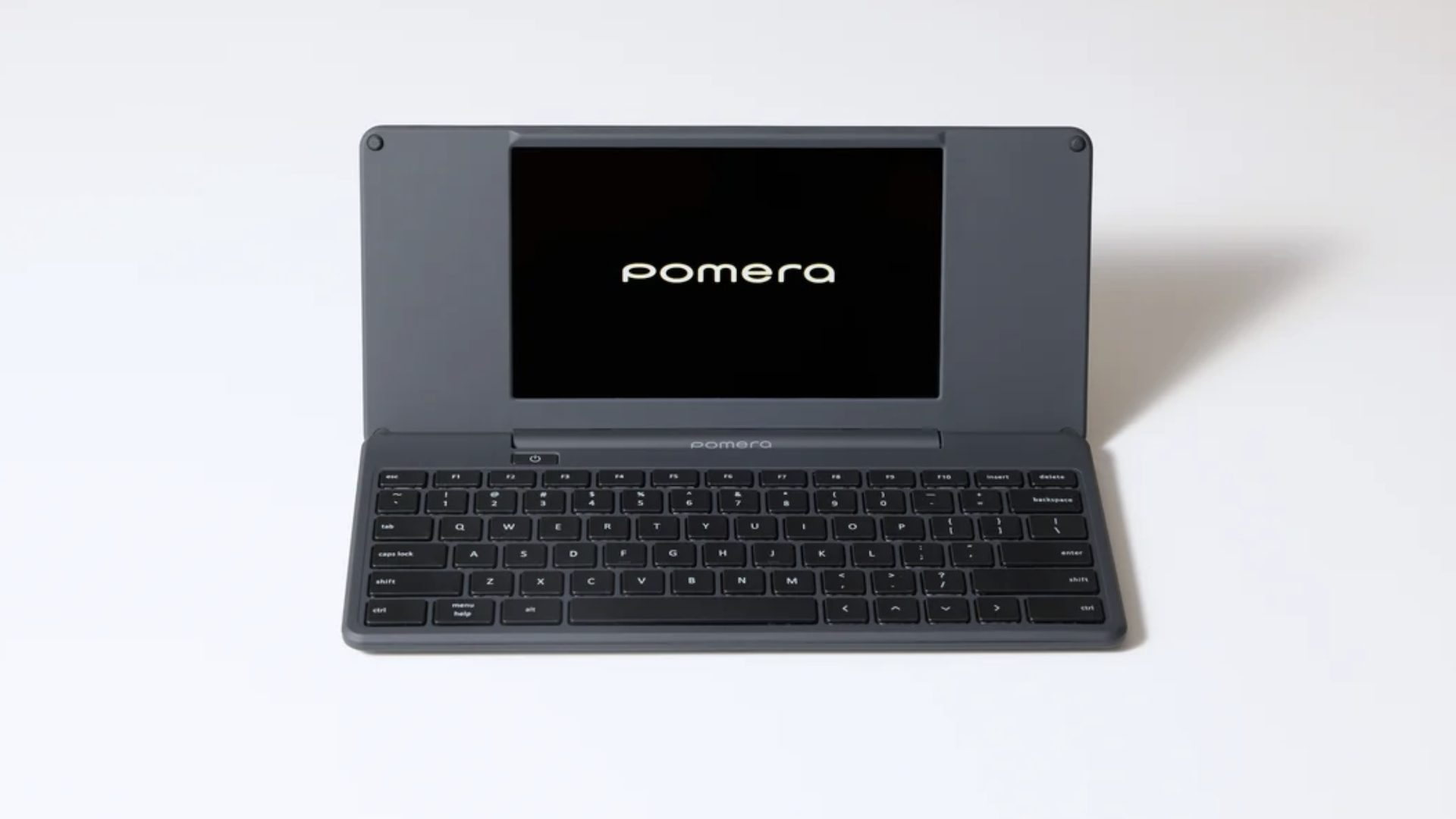
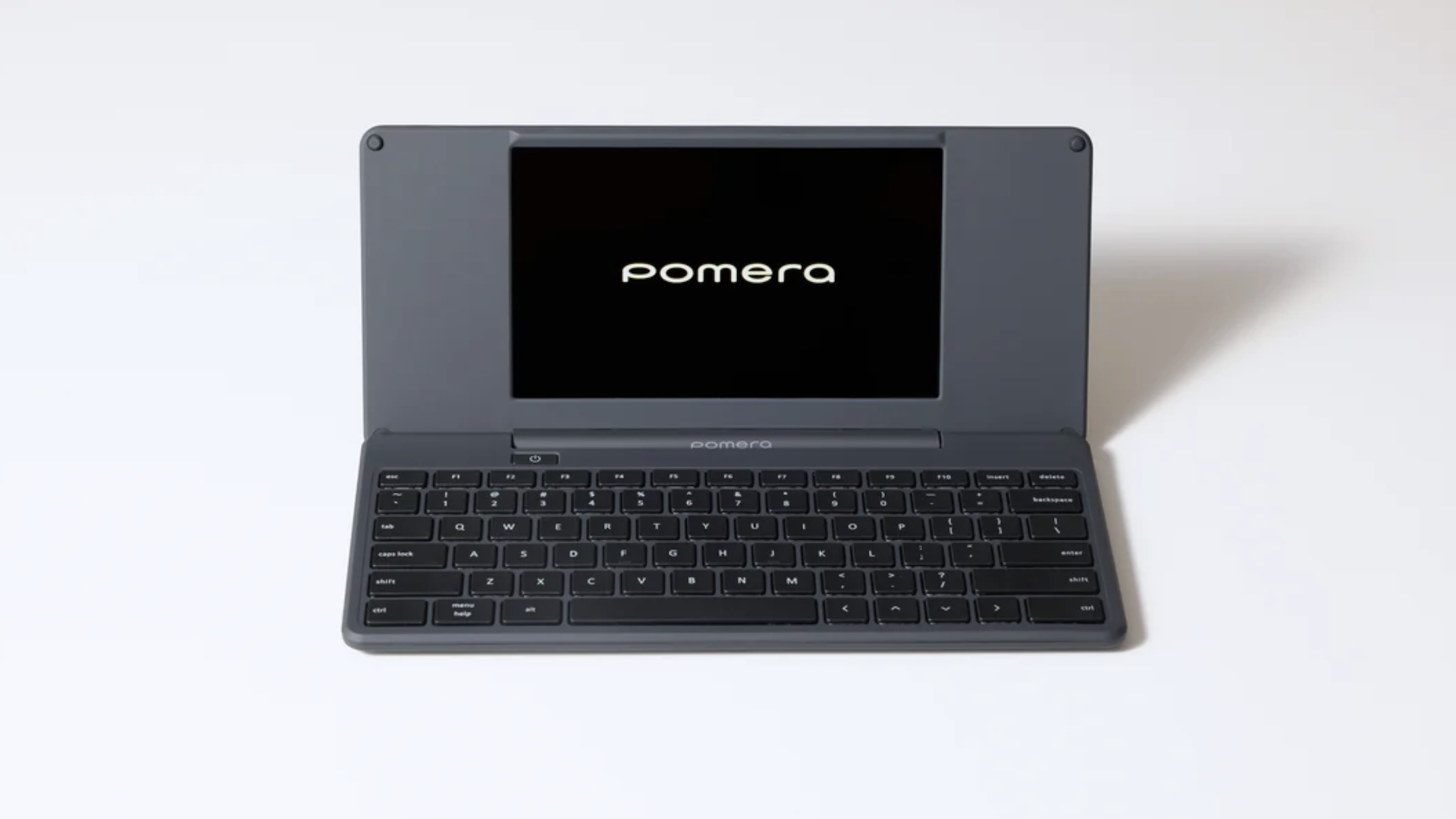
The Pomera DM250 approaches the problem from a different technological angle, replacing e-ink with a crisp, highly responsive Liquid Crystal Display (LCD). This architectural choice eliminates input lag entirely, offering a fluid typing experience that closely mimics traditional word processors of the late 20th century while integrating modern data management conveniences. Housed in a durable clamshell enclosure reminiscent of vintage portable computers, the device folds compactly, protecting its non-mechanical yet tactile keyboard and screen during transit.
Hardware Specifications and User Experience
Weighing under two pounds and easily slipping into a standard backpack or briefcase, the Pomera DM250 prioritizes physical portability without sacrificing structural integrity. The keyboard, while lacking the deep travel and auditory click of a heavy mechanical keyboard, delivers a remarkably sturdy and responsive tactile feedback loop that accommodates extended typing sessions.
The software environment of the DM250 is deliberately austere. Rather than operating as a modular computer with access to third-party applications, the device functions strictly as a streamlined text editor coupled with a basic file management system. Users are greeted by a minimalist interface devoid of desktop clutter, social media feeds, or email notifications. While mastering the device requires memorizing a series of keyboard shortcuts for text editing and navigation, these commands quickly become second nature to daily users.
Connectivity on the Pomera DM250 is intentionally constrained. The device does feature built-in Wi-Fi capabilities, but its functionality is strictly limited to an email transfer protocol, allowing writers to securely send completed text files directly to their primary email addresses. Alternatively, users can transfer files via a standard USB-C cable or an SD card, ensuring that the machine remains entirely offline during the creative drafting process.
The Broader Context: The Rise of the Analog and Single-Use Tech Movement
The launch and commercial reception of the Pomera DM250 coincide with a broader cultural and consumer shift toward digital detoxing and minimalism. As public awareness regarding the cognitive costs of constant connectivity grows, demand for single-use technology—often colloquially termed "dumbphones," dedicated e-readers, and specialized note-taking slates—has reached unprecedented levels.
Industry analysts note that products like the reMarkable paper tablet and various minimalist mobile phones are no longer viewed merely as eccentric novelties for technophobic subcultures. Instead, they represent a rational economic and psychological response to chronic digital fatigue. Modern knowledge workers are increasingly willing to invest premium sums in hardware that actively prevents multitasking, recognizing that attention is a finite and increasingly monetized resource.
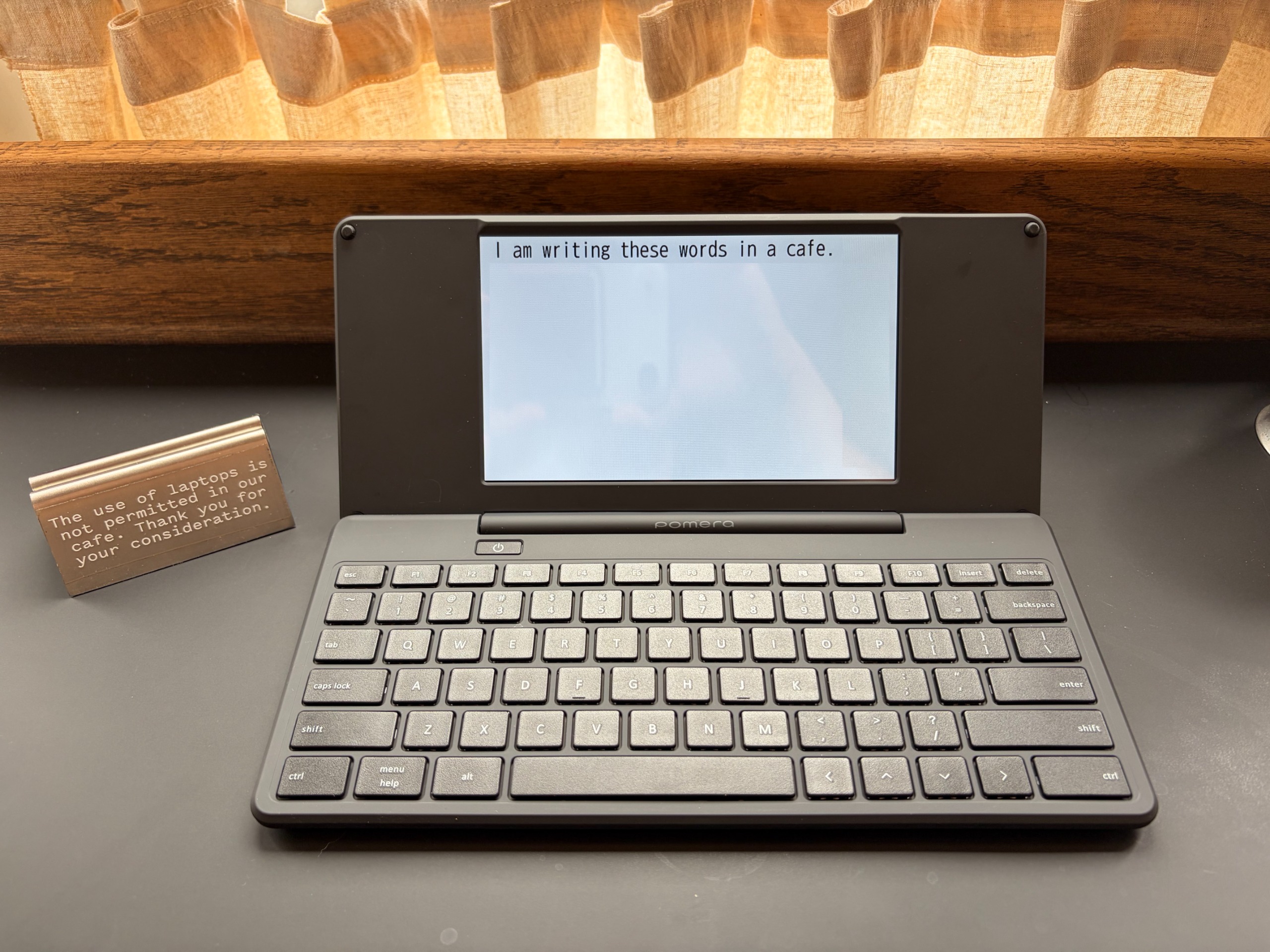
Within this landscape, the Pomera DM250 occupies a unique vertical. Traditional laptop computers, while versatile, expose users to the constant temptation of web browsing, messaging applications, and background updates. Even tablets outfitted with external keyboards are tethered to operating systems engineered to capture and retain user attention. By restricting its operational scope strictly to the input and exportation of alphanumeric text, the DM250 creates a psychological boundary that makes procrastination nearly impossible.
Financial Implications and Market Positioning
Despite its growing acclaim among professional writers and lifestyle journalists, the Pomera DM250 faces significant market hurdles, chief among them being its retail cost. Priced at $549, the device commands a financial investment comparable to a mid-tier general-purpose laptop or a high-end tablet.
Critics and potential buyers frequently question whether a machine incapable of running a web browser or executing complex spreadsheet calculations can justify such an expenditure. For casual writers, the price point is often prohibitive. However, manufacturers and early adopters argue that evaluating the DM250 through traditional price-to-performance metrics misses the fundamental value proposition. The device is not sold as a computer; it is sold as a productivity environment, an investment in sustained focus, and a tool designed to accelerate output by eliminating the friction of distraction.
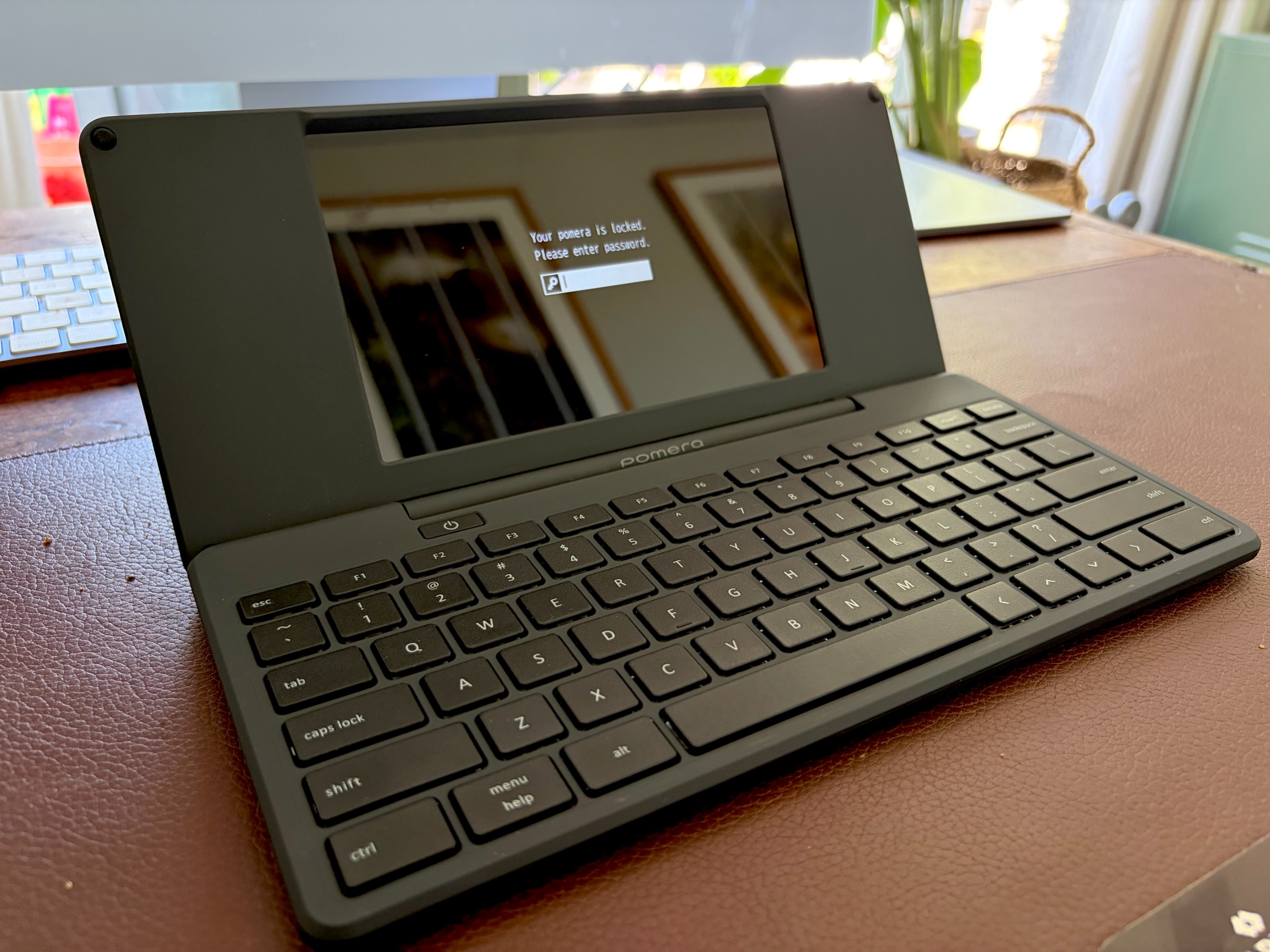
As the corporate and creative worlds grapple with the long-term cognitive impacts of hyper-connectivity, specialized hardware like the Pomera DM250 highlights a growing market demand for intentional friction in device design. Whether this niche will expand into the mainstream or remain the domain of dedicated professionals and digital minimalists will largely depend on future pricing strategies and the continued evolution of standalone productivity tools.