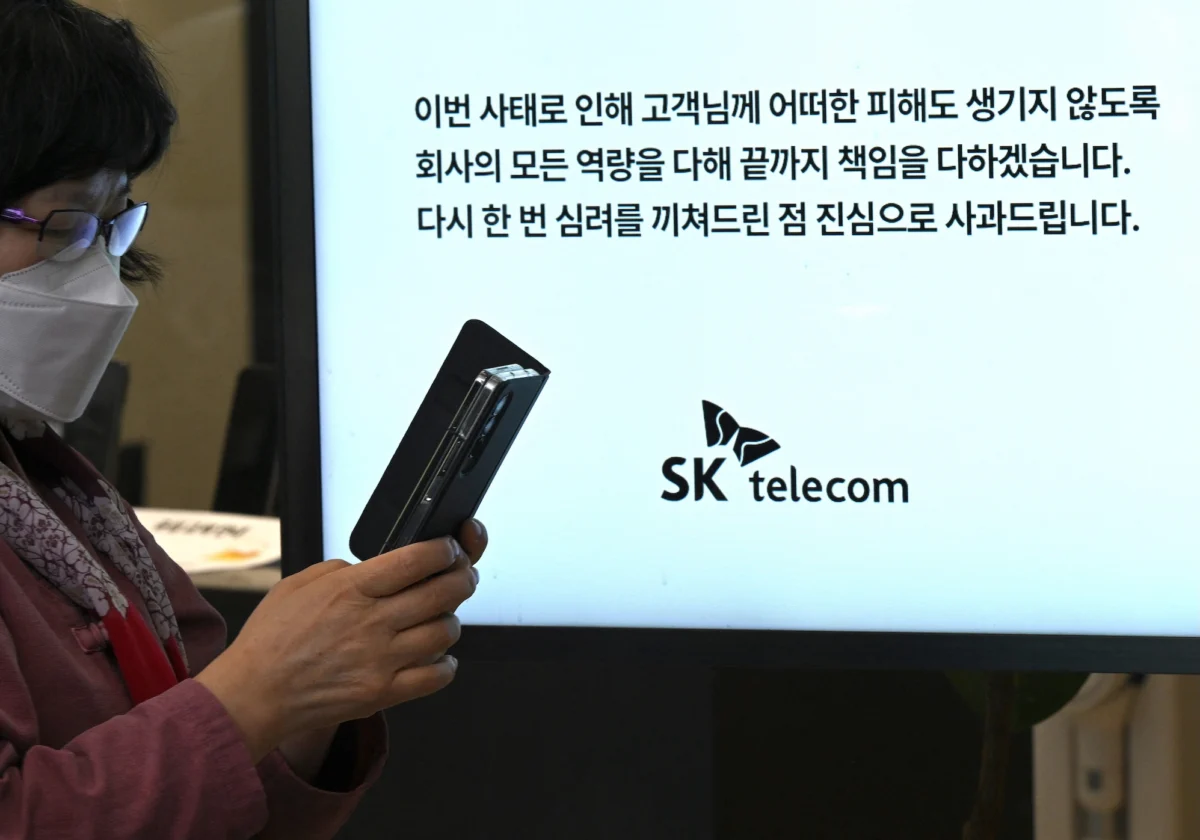
South Korea stands globally recognized as a titan of the digital age, boasting blazing-fast internet speeds, near-universal broadband penetration, and serving as the birthplace of industrial giants like Samsung, LG, and Hyundai. Yet, this very hyper-connectivity has transformed the nation into a high-value target for sophisticated state-sponsored and criminal cyber syndicates. A relentless barrage of security breaches targeting credit card institutions, telecommunications providers, emerging tech startups, and critical government infrastructure has exposed profound vulnerabilities in the nation’s cybersecurity apparatus.
The core of South Korea’s digital fragility lies not in a lack of technological capability, but in institutional fragmentation. When major cyberattacks occur, regulatory bodies and government ministries frequently scramble in parallel rather than in unison, often deferring responsibility to one another. This absence of a unified "first responder" protocol has severely hampered the country’s ability to mount swift, cohesive defenses against increasingly aggressive digital adversaries.
The Cost of Fragmentation: A Reactive Governance Model
Industry experts argue that South Korea’s bureaucratic structure treats cybersecurity as an afterthought of crisis management rather than a cornerstone of vital national infrastructure. Brian Pak, chief executive of the Seoul-based cybersecurity firm Theori and an advisor to SK Telecom’s special committee on cybersecurity innovations, notes that government agencies have historically operated in isolated silos.
"The government’s approach to cybersecurity remains largely reactive, treating it as a crisis management issue rather than as critical national infrastructure," Pak explained. According to Pak, this siloed mentality has systematically starved workforce development initiatives. Without a concerted pipeline for nurturing digital defense talent, South Korea faces a severe shortage of skilled cybersecurity professionals, creating a vicious cycle where the nation lacks the human capital necessary to maintain proactive, resilient security architectures.
Furthermore, political deadlock has fostered an institutional reliance on superficial "quick fixes" in the immediate aftermath of high-profile breaches, leaving the arduous, long-term labor of systemic digital fortification persistently sidelined.
A Relentless Wave: The 2025 Security Crisis
The vulnerability of South Korea’s digital ecosystem has been laid bare by an unprecedented frequency of security incidents. Throughout 2025, major corporate and institutional networks suffered breaches almost every month, mounting immense public and political pressure on policymakers to overhaul national cyber defense policies.
The timeline of incidents throughout the year highlights a pervasive lack of network resilience:
- January 2025: Early-year intrusions targeted digital logistics and secondary financial platforms, signaling an aggressive start to the year for malicious threat actors probing supply chain weaknesses.
- February 2025: Telecommunication networks faced concentrated denial-of-service and data-exfiltration probes, putting major carriers on high alert.
- April and May 2025: A wave of attacks hit mid-sized technology startups and online service providers, compromising consumer data and raising alarms regarding corporate data hygiene.
- June 2025: Government-affiliated portals experienced unauthorized access attempts, forcing temporary offline maintenance for several public-facing administrative services.
- July 2025: Financial technology and credit card processing platforms reported localized data leaks, impacting hundreds of thousands of individual consumer accounts and prompting immediate legislative inquiries.
- August 2025: Major telecommunications infrastructure faced sophisticated intrusions, prompting telecom giants to convene emergency risk-assessment panels.
- September 2025: The accumulation of monthly breaches culminated in a systemic crisis, forcing direct intervention from the highest levels of government to stem the bleeding.
Government Intervention: The Presidential "Control Tower"
In response to the relentless cascade of data breaches, the South Korean Presidential Office’s National Security Office stepped in to enforce a sweeping overhaul of national cyber defense strategies. Moving away from decentralized, uncoordinated agency responses, the government announced an interagency framework designed to foster a unified, whole-of-government posture.
In September 2025, the National Security Office unveiled a comprehensive package of countermeasures. Among the most notable regulatory shifts is a proposed legal amendment granting state authorities the explicit power to initiate formal investigations at the very first indicator of a cyber intrusion—even before targeted private corporations officially file an incident report. This legislative adjustment is specifically designed to eliminate the historical bottleneck caused by the absence of a designated digital first responder.
The Debate Over Centralized Control
While the establishment of a presidential "control tower" aims to streamline crisis management, cybersecurity veterans caution against the pitfalls of over-centralization. Brian Pak warns that concentrating absolute authority within the executive office risks introducing political bias and administrative overreach into technical security operations.
Instead, security advocates advocate for a balanced, hybrid governance model. Under this proposed framework, a central coordinating body would establish high-level strategic directives and manage cross-ministry crises, while specialized technical agencies—such as the Korea Internet & Security Agency (KISA)—retain independent operational oversight. This structure would preserve technical objectivity while providing clear rules of engagement and institutional accountability.
Official Response and Institutional Commitment
Government representatives maintain that South Korea is actively adapting its defenses to counter the evolving threat landscape. A spokesperson for the Ministry of Science and ICT emphasized that the ministry, in close collaboration with KISA and other relevant regulatory bodies, remains fully dedicated to mitigating advanced cyber threats.
"We continue to work diligently to minimize potential harm to Korean businesses and the general public," the spokesperson stated, highlighting ongoing efforts to upgrade threat intelligence sharing and bolster public-private partnerships.
Broader Implications and Future Outlook
The cybersecurity crisis facing South Korea serves as a cautionary tale for other hyper-connected economies. As digital transformation accelerates globally, the intersection of national security, economic stability, and corporate accountability becomes increasingly critical.
For South Korea, overcoming its current vulnerabilities will require more than just legislative decrees or high-level interagency committees. It demands a fundamental cultural and structural shift: transitioning from reactive crisis control to proactive infrastructure resilience, heavily investing in human capital, and establishing a transparent, accountable regulatory framework capable of protecting the nation’s digital future without stifling innovation.