• Home
Crypto Gohan
keep your memories alive
Japanese & Asian Crypto Markets

Essential Security Protocols for Navigating the Web3 Ecosystem and Protecting Digital Assets

by Dwi Wanna July 19, 2026
written by Dwi Wanna

The rapid evolution of the Web3 landscape has introduced a paradigm shift in how individuals interact with digital value, moving away from centralized intermediaries toward a model defined by self-sovereignty and decentralization. However, this transition to a "trustless" environment brings with it a significant burden of personal responsibility. As the blockchain industry matures, the prevalence of sophisticated phishing attacks, malicious smart contracts, and social engineering schemes has reached critical levels, necessitating a comprehensive understanding of security protocols for any participant in the decentralized economy. Unlike traditional banking systems, where fraudulent transactions can often be reversed or insured, the immutable nature of the blockchain means that once assets are transferred or permissions are granted to a malicious actor, the loss is frequently permanent.

【3分でわかるWeb3.0基礎講座】セキュリティ

The Paradigm of Self-Responsibility in Decentralized Systems

At the core of Web3 is the concept of non-custodial ownership. Users interact with decentralized applications (dApps) through digital wallets, which serve as both a gateway and a vault for cryptocurrencies and Non-Fungible Tokens (NFTs). In this ecosystem, the user acts as their own bank. This elimination of the middleman removes "single points of failure" common in centralized databases but shifts the entire security perimeter to the individual.

The transparency of the blockchain, while a cornerstone of its integrity, also serves as a double-edged sword. Every transaction, balance, and interaction is recorded on a public ledger. Platforms such as Etherscan or BSCScan allow anyone to input a wallet address and view its entire history, including the value of its holdings. For malicious actors, these block explorers serve as a directory for high-value targets. By monitoring on-chain activity, scammers can identify wallets that are frequently active or hold rare assets, subsequently targeting those users through various social media channels and decentralized communication platforms.

【3分でわかるWeb3.0基礎講座】セキュリティ

The Anatomy of Modern Web3 Scams

Security experts categorize the majority of Web3 threats into three primary vectors: social engineering, phishing through spoofed interfaces, and malicious contract approvals.

Social engineering remains the most common entry point for attackers. In the Web3 context, this often manifests as Direct Messages (DMs) on platforms like Discord and X (formerly Twitter). Scammers frequently impersonate project founders, customer support representatives, or automated "bot" notifications. A common tactic involves informing a user they have won a "whitelist" spot or a high-value airdrop, creating a sense of urgency (FOMO) that encourages the victim to click a link without performing due diligence.

【3分でわかるWeb3.0基礎講座】セキュリティ

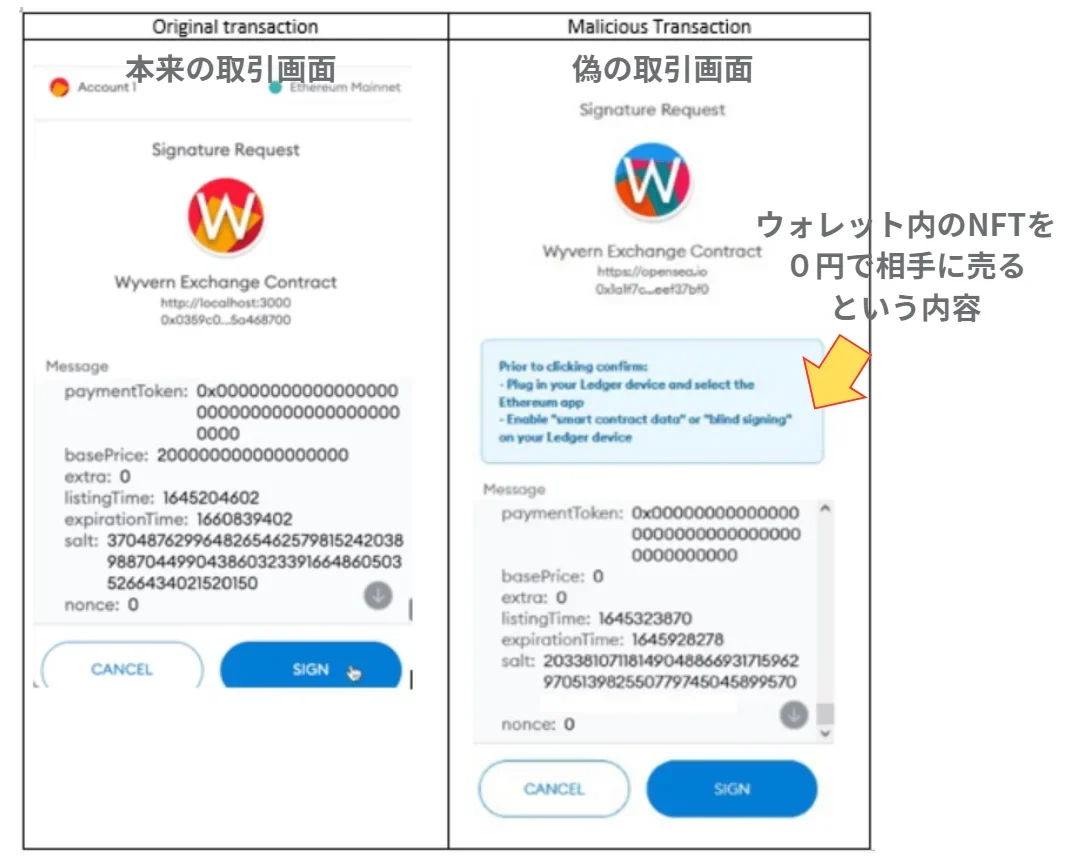
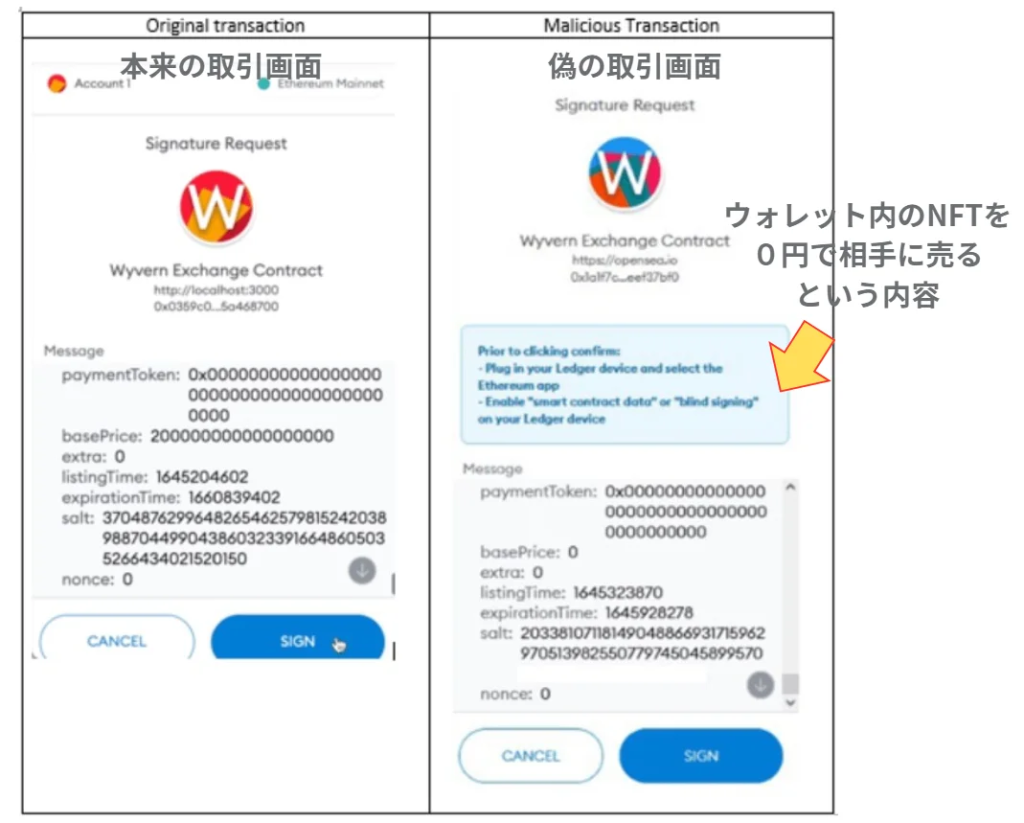
Phishing sites represent the second major threat. These are meticulously crafted websites that mirror the appearance of legitimate platforms such as OpenSea, Blur, or MetaMask. When a user connects their wallet to these "spoofed" sites, they are often prompted to sign a transaction. While the interface may claim the user is "logging in" or "verifying their identity," the underlying code is actually requesting an "Approval" for the attacker to spend the user’s tokens.

The most technical and dangerous threat involves the exploitation of token approvals. When interacting with legitimate DeFi protocols, users must grant the smart contract permission to move a specific amount of tokens. Malicious developers create "drainer" contracts that request "unlimited" approval for all assets in a wallet. Once signed, the attacker can withdraw the wallet’s contents at any time, even days or weeks after the initial interaction.

【3分でわかるWeb3.0基礎講座】セキュリティ

Chronology of a Vulnerability: From Interaction to Asset Loss

The lifecycle of a typical Web3 security breach follows a predictable but devastating timeline:

  1. Target Identification: The attacker uses on-chain data to identify active wallets.
  2. Initial Contact: The attacker reaches out via Discord or X, often tagging the user in a "congratulations" post or sending a fake system alert.
  3. The Bait: The user is directed to a fraudulent website that looks identical to a trusted dApp.
  4. The Signature Request: The user is asked to "Connect Wallet" and then "Sign" a transaction. At this stage, many users do not read the technical details of the transaction pop-up in their wallet extension.
  5. The Drain: Once the signature is captured, the malicious contract executes a transfer. In many cases, the script is automated to instantly move all high-value NFTs and liquid tokens to a "mixer" or a secondary burner wallet to obfuscate the trail.

Technical Defensive Measures and the Revoke Protocol

To combat these threats, security researchers emphasize a multi-layered defense strategy. The first line of defense is the restriction of communication channels. Leading security practitioners recommend that users disable DMs on Discord across all Web3-related servers. Official projects almost never initiate contact via private messages; any "official" news is typically broadcast in read-only announcement channels.

【3分でわかるWeb3.0基礎講座】セキュリティ

When a user suspects they have interacted with a malicious site, or if they wish to practice "security hygiene," the most critical tool at their disposal is the "Revoke" function. Revoking permissions essentially cancels the "allowance" previously granted to a smart contract.

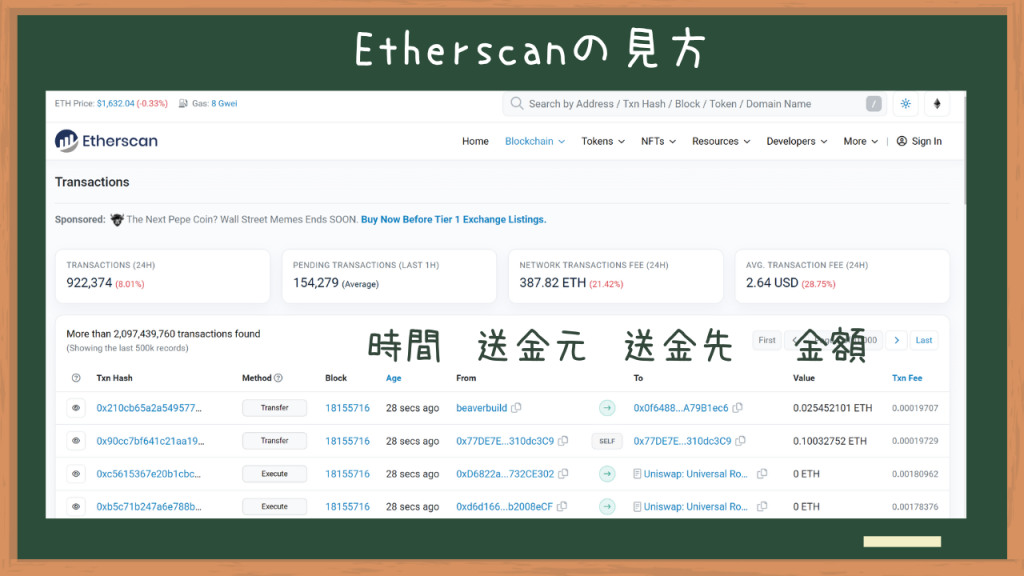
The process of revoking permissions is a standardized technical procedure:
【3分でわかるWeb3.0基礎講座】セキュリティ
  • Access a Block Explorer: Users should navigate to the "Token Approval" tool on the relevant blockchain explorer (e.g., Etherscan for Ethereum, BSCScan for BNB Chain).
  • Web3 Connection: The user connects their wallet to the explorer’s interface.
  • Review Approvals: The tool displays a list of all smart contracts that have permission to move the user’s assets, along with the "allowance" amount (often listed as "Unlimited").
  • Execute Revoke: The user selects the suspicious or unnecessary contract and clicks "Revoke." This requires a small "gas fee" as it is an on-chain transaction that updates the blockchain state to reflect that the permission is no longer valid.

The Role of Security Extensions and Transaction Simulation

As the sophistication of "drainers" increases, manual checking is often insufficient. This has led to the rise of transaction simulation tools and security extensions, such as Kekkai or Rabby Wallet. These tools act as a firewall between the dApp and the user’s wallet.

When a transaction is initiated, these extensions simulate the outcome before the user signs. If the simulation shows that the transaction will result in all assets being sent to an unknown address, the extension triggers a high-risk warning. These tools also check the age and reputation of the website domain, flagging sites that were created within the last 24 hours—a common hallmark of phishing campaigns.

【3分でわかるWeb3.0基礎講座】セキュリティ

Analysis of the Broader Impact on Web3 Adoption

The current state of Web3 security represents one of the most significant barriers to mass adoption. For the average consumer, the risk of losing their entire net worth due to a single misclicked link is an unacceptable trade-off for the benefits of decentralization.

Industry analysts suggest that the "self-responsibility" model must eventually be augmented by "account abstraction" and "social recovery" wallets. These technologies allow for more complex security rules, such as daily spending limits or the ability to freeze a wallet using a set of trusted "guardians." Until these technologies become the standard, the burden of security remains firmly on the user.

【3分でわかるWeb3.0基礎講座】セキュリティ

From a regulatory perspective, the inability to easily track and recover stolen digital assets has led to increased pressure on centralized exchanges (CEXs) to implement more stringent "Know Your Customer" (KYC) and Anti-Money Laundering (AML) protocols. When assets are stolen, they often eventually flow toward a CEX to be converted into fiat currency. Exchanges are increasingly collaborating with on-chain analytics firms like Chainalysis to "flag" and "freeze" stolen funds, though this process is often too slow to prevent the initial loss.

Conclusion: Cultivating a Security-First Mindset

Navigating the Web3 ecosystem requires a fundamental shift in digital behavior. In the traditional Web2 world, users are conditioned to trust interfaces and rely on service providers for security. In Web3, the default stance must be one of "verify, then trust."
【3分でわかるWeb3.0基礎講座】セキュリティ

The essential security checklist for any digital asset holder includes:

  • Hardware Wallets: Storing the majority of assets in a "cold" wallet that is not connected to the internet.
  • Verification: Always cross-referencing links from official project documentation or "linktree" profiles rather than social media posts.
  • Limited Approvals: Only granting permission for the specific amount of tokens needed for a transaction, rather than "unlimited" amounts.
  • Regular Audits: Periodically using revoke tools to clean up old permissions from protocols that are no longer in use.

As the decentralized web continues to expand, those who prioritize security education and utilize the available defensive tools will be the ones best positioned to benefit from the innovations of the blockchain era. The "world of self-responsibility" is one of immense opportunity, but only for those who treat their digital security with the gravity it deserves.


July 19, 2026 0 comment
0 FacebookTwitterPinterestEmail
Japanese & Asian Crypto Markets

Asian AI Firms Launch Frontier Models as US Export Controls on Anthropic Trigger Regional Shift Toward Technological Sovereignty

by Jia Lissa July 19, 2026
written by Jia Lissa

The global artificial intelligence landscape shifted significantly this week as major technology firms in China and Japan unveiled high-performance AI models designed to compete directly with restricted American technology. Chinese cybersecurity giant 360 Security Technology and Tokyo-based startup Sakana AI both announced the release of new frontier models—Tulongfeng and Fugu, respectively—positioning them as alternatives to Anthropic’s Mythos, a top-tier cybersecurity AI currently under strict US export bans. These developments signal a growing trend of "technological sovereignty" in Asia, as regional players move to fill the vacuum left by the Trump administration’s recent restrictions on advanced AI exports.

The Asian Response to US Export Restrictions

On Wednesday, the Beijing-based 360 Security Technology unveiled Tulongfeng, an AI tool specifically engineered for high-stakes cybersecurity applications. According to company statements, Tulongfeng is designed to match the capabilities of Anthropic’s Mythos, a model so potent in its ability to detect and exploit software vulnerabilities that the US government has restricted its access to American citizens only. Alongside Tulongfeng, 360 also introduced Yitianzhen, a secondary tool focused on automating cyber defense and incident response.

Simultaneously, in Tokyo, Sakana AI launched Fugu, a model named after the Japanese blowfish. Fugu is marketed as a "frontier" AI model that stands on equal footing with Anthropic’s Fable 5 and the Mythos Preview. Unlike traditional large language models (LLMs), Fugu is designed as an "orchestration model," capable of managing and directing other AI agents through various APIs. This release comes just two weeks after the US government formally implemented a ban preventing Anthropic from offering Mythos and Fable 5 to international customers, citing national security concerns regarding the models’ dual-use capabilities in cyber warfare.

Chronology of the 2026 AI Export Crisis

The current friction in the global AI market is the result of a rapid escalation in regulatory and technological milestones that occurred throughout the first half of 2026:

  • May 2026: Anthropic announces a historic growth milestone, reporting that its run-rate revenue crossed $47 billion. The firm nears a $1 trillion valuation ahead of a highly anticipated IPO, fueled largely by the success of its Claude, Fable, and Mythos model series.
  • Early June 2026: The Trump administration issues an emergency export control order. The Department of Commerce classifies Mythos and its restricted variant, Fable 5, as "strategic cybersecurity assets." The order effectively bars any non-US entity from accessing the models’ full capabilities.
  • June 15-17, 2026: At the G7 summit in Evian, France, AI access and export controls dominate the diplomatic agenda. Representatives from Japan and other allied nations express concern that a blanket ban could stifle global innovation and force allies to seek alternatives.
  • June 22, 2026: Sakana AI launches Fugu, explicitly advertising the model’s ability to deliver frontier-level performance "without the risk of export controls."
  • June 24, 2026: 360 Security Technology unveils Tulongfeng and Yitianzhen, framing the release as a necessary step for Chinese national security.

Sakana AI and the Strategy of Collective Intelligence

Sakana AI, founded in 2023 by former Google researchers David Ha and Llion Jones alongside former Mercari executive Ren Ito, has quickly become a cornerstone of Japan’s AI ecosystem. The company recently raised $135 million in a Series B funding round, reaching a valuation of $2.65 billion. While the timing of the Fugu release coincides perfectly with the US ban, Sakana officials maintain that the development was a long-term research goal.

"Sakana Fugu is something we have been building since last year," a company spokesperson stated. "The research behind it was presented at the International Conference on Learning Representations (ICLR) this spring. The timing simply happened to coincide with a moment that brought it more attention than we expected."

However, the strategic positioning of Fugu is clear. David Ha, Sakana’s CEO, argued on social media that relying on a single foreign provider for critical national infrastructure is a systemic risk. Ha posited that "orchestration models" represent the next frontier of AI, where the goal is not to build a single massive model, but to create a "collective intelligence" that can hedge against the concentration of power in any one country or company. By enabling agents to switch between different models via APIs, Fugu allows Japanese enterprises to remain resilient even if access to specific US-based models is revoked overnight.

360 Security and the Concept of One-Way Transparency

In China, the launch of Tulongfeng by 360 Security Technology carries even heavier geopolitical weight. Zhou Hongyi, the founder of 360, has been vocal about the dangers of what he calls "one-way transparency." This refers to a scenario where the United States possesses advanced AI tools to discover vulnerabilities in global software while denying those same defensive tools to other nations.

Zhou described vulnerability-finding AI as a "national strategic asset." From Beijing’s perspective, the US export ban on Anthropic’s Mythos is not merely a commercial restriction but a tactical move to maintain a "cyber-asymmetry." By developing Tulongfeng, 360 aims to ensure that Chinese infrastructure remains protected by domestic tools that are not subject to the whims of American foreign policy. 360’s new suite of tools is designed to automate the detection of zero-day vulnerabilities, a task that previously required thousands of man-hours from highly skilled security researchers.

Economic Implications and Market Realignment

The economic stakes of these export controls are immense. Anthropic’s $47 billion run-rate revenue in May 2026 reflected a massive global demand for high-end AI. A significant portion of that revenue was expected to come from the Asia-Pacific region, where digital transformation is accelerating in both the public and private sectors.

By cutting off access to Mythos and Fable 5, the US government has inadvertently created a market opportunity for regional competitors. While Sakana AI’s spokesperson noted that "U.S. models remain important to Asia," the firm’s marketing strategy suggests a shift in buyer behavior. Japanese businesses and government agencies are increasingly looking to reduce their exposure to tightening export controls.

Data suggests that local models hold a distinct advantage in specific markets:

  1. Cultural and Linguistic Nuance: Models like Fugu are optimized for the Japanese language and cultural context, often outperforming generalized Western models in local business logic.
  2. Data Sovereignty: Local models allow firms to keep sensitive data within national borders, complying with increasingly strict regional privacy laws.
  3. Stability of Supply: As David Ha noted, "access to top models can disappear overnight." For critical infrastructure, the reliability of a local partner outweighs the raw performance edge of a sanctioned foreign product.

Analysis: A Permanent Realignment?

The emergence of Tulongfeng and Fugu raises the question of whether the global AI market is entering a permanent state of fragmentation. During the G7 summit in Evian, Sakana co-founder Ren Ito argued in an op-ed that the US federal government’s first priority should be to "preserve access" for its closest allies. He warned that "AI should not become a technology that is hoarded; it should be one that is developed together."

Despite these warnings, the trend toward localized AI clusters seems to be accelerating. If US companies like Anthropic and OpenAI are prevented from serving international markets, they risk losing the network effects and data feedback loops that have maintained their dominance. Conversely, if firms in Tokyo and Beijing can prove that their models are "good enough" for enterprise and security needs, the trust in US-based "AI-as-a-Service" may never fully recover, even if the bans are eventually lifted.

The current situation mirrors previous shifts in the telecommunications and semiconductor industries, where export restrictions led to the rise of robust domestic competitors in Asia. As Tulongfeng and Fugu begin their deployment, the AI industry may be witnessing the birth of a multipolar technological world, where the "frontier" is no longer defined solely by Silicon Valley.

July 19, 2026 0 comment
0 FacebookTwitterPinterestEmail
Crypto Mining & Infrastructure

The Brazilian Hashrate Surge: How Renewable Energy and Deregulation Are Transforming Brazil Into a Global Bitcoin Mining Powerhouse

by Sagoh July 19, 2026
written by Sagoh

Brazil’s emergence as a formidable player in the global Bitcoin mining sector has transitioned from a peripheral narrative to a central development in the digital asset infrastructure landscape. Once considered a footnote due to a labyrinthine tax code and a dauntingly complex electrical grid, the nation has witnessed a transformative shift in its operational capacity. Between the third quarter of 2025 and the third quarter of 2026, Brazil’s estimated hashrate contribution surged from approximately 2.5 exahashes per second (EH/s) to 3.5 EH/s, representing a 40% year-over-year growth. This expansion is part of a sustained upward trajectory from a baseline of just 1.5 EH/s in early 2025. While the explosive growth rates of 2024 have stabilized, Brazil’s resilience has become its most significant metric; during a period where the global network hashrate contracted by 6.4%—dropping from 1,004 EH/s to 940 EH/s as operators in the United States, China, and Russia idled machinery—Brazil held its ground at 3.5 EH/s. This steadfastness has elevated Brazil’s global hashrate share to approximately 0.37%, signaling a deep institutional conviction in the country’s energy-first mining model.

The Architecture of the Brazilian Grid

The primary catalyst for this industrial migration is the Sistema Interconectado Nacional (SIN), one of the most robust and renewable-heavy electrical grids in the world. In 2023, the SIN generated 708.1 TWh of electricity, with total installed capacity reaching 232 GW in 2024. Projections indicate this capacity will expand to 268 GW by 2029. The grid’s composition is a global anomaly, consistently operating at 88% to 90% renewable energy. This backbone is supported by massive hydroelectric projects, including the 14,000 MW Itaipu dam and the 11,233 MW Belo Monte facility. Furthermore, the Northeast region has become a renewable powerhouse, hosting 19.6 GW of wind capacity across nearly 700 plants.

The State of Bitcoin Mining in Brazil (2026)

For Bitcoin miners, this abundance of renewable energy presents a dual opportunity: access to clean power and a solution to the grid’s structural inefficiencies. In 2024 alone, the Brazilian energy sector faced approximately 400,000 hours of forced interruptions due to curtailment—energy that was generated but could not be transmitted to load centers. Bitcoin miners have stepped in as the "buyer of last resort," absorbing this stranded energy and providing a revenue floor for generators.

Regulatory Evolution: The Opening of the ACL

The most critical regulatory milestone for the industry was the full implementation of Portaria 50/2022 in 2024. This reform opened the Ambiente de Contratação Livre (ACL), or the free contracting market, to all high-tension consumers. Prior to this, only the largest industrial entities could negotiate directly with power generators. The opening of the ACL allowed Bitcoin mining operations to bypass the "captive" distribution network, where industrial tariffs can reach as high as $0.159/kWh due to distribution charges and sectoral costs.

Under the ACL, miners can enter bilateral contracts directly with wind or hydro producers, securing fixed-price agreements and shielding themselves from the "Bandeira Tarifária" system—Brazil’s mechanism for applying surcharges during periods of poor hydrology. By negotiating at the generation level, particularly in the Northeast where curtailed energy is often priced near zero to avoid total loss, miners can achieve energy costs that are globally competitive. However, the fiscal landscape remains challenging; total taxes and sectoral charges still account for roughly 44.8% of gross revenue, necessitating sophisticated tax planning and the utilization of state-level ICMS (consumption tax) exemptions where available.

The State of Bitcoin Mining in Brazil (2026)

Institutional Pioneers and Operational Models

The maturation of the Brazilian market is best evidenced by the diverse array of operators currently scaling infrastructure. These companies are moving beyond simple "plug-and-play" setups toward integrated energy-technology partnerships.

Minter Digital and the "Greenabler" Strategy

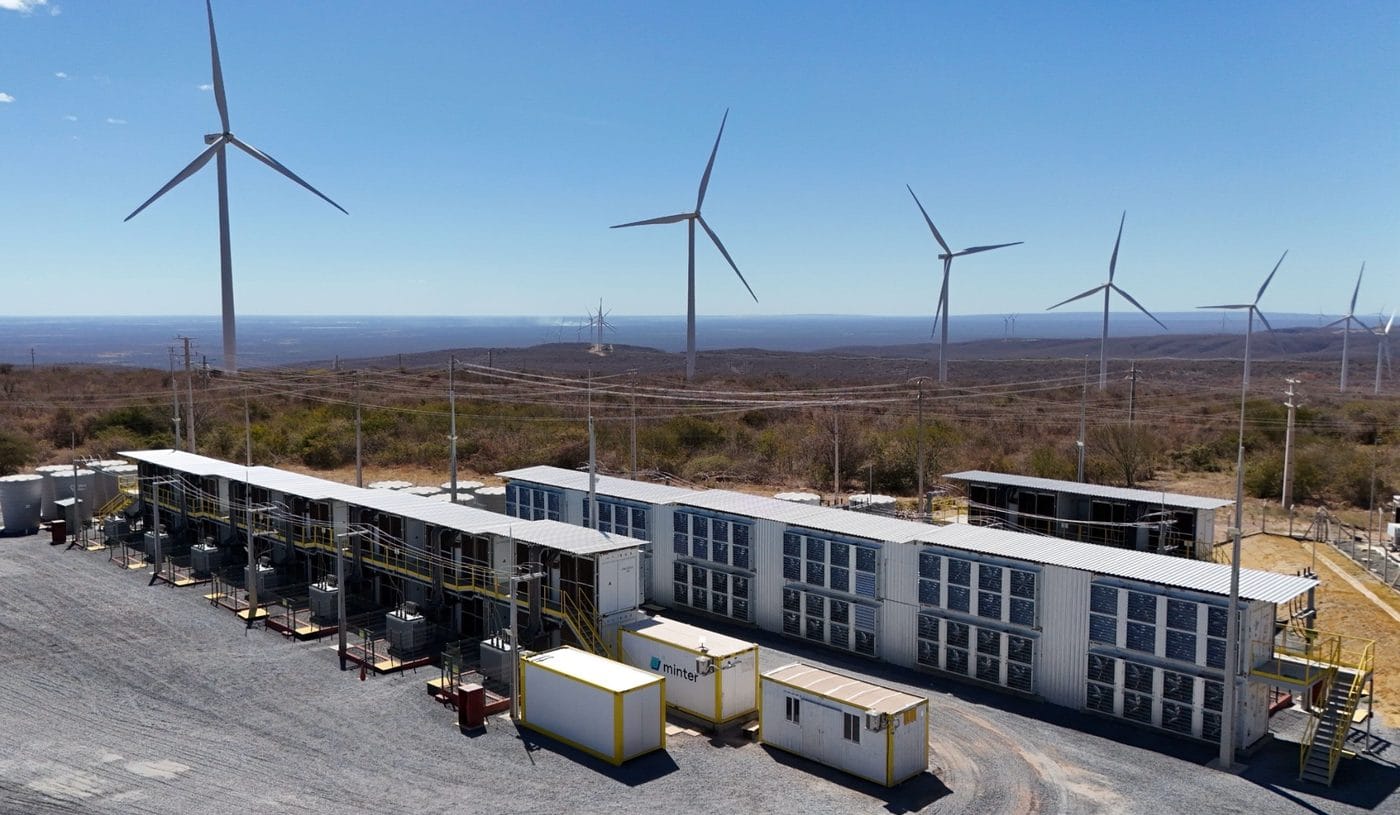
Minter Digital represents the institutional vanguard of the Brazilian market. With a founding team boasting experience from CleanSpark’s public debut and Hashdex’s crypto ETFs, the company treats mining as a financialized energy product. Minter’s "Greenabler" model involves co-locating mining containers directly at generation sites. Rather than paying a fixed fee, the company often utilizes profit-sharing agreements with generators to monetize intermittent energy that would otherwise be curtailed. This approach earned Minter a Series A investment from Itaú Ventures, the venture arm of Latin America’s largest private bank, marking a significant milestone in the institutionalization of the sector.

Radius Mining and the Eletrobras Connection

Radius Mining, led by former Credit Suisse banker Flávio Hernandez, focuses specifically on the "curtailment capture" niche. The company secured a landmark Operation and Maintenance (O&M) contract with Axia, the successor entity to the privatized state giant Eletrobras. Radius is deploying modular data centers at wind sites in the Northeast, converting revenue loss from transmission bottlenecks into operating profit. The company recently closed a R$28 million seed round, attracting capital from high-profile Brazilian financial figures who view Bitcoin mining as a legitimate energy infrastructure asset class.

The State of Bitcoin Mining in Brazil (2026)

Vextron Technologies: Localized Manufacturing

Vextron Technologies, based in the technological hub of Florianópolis, has addressed the supply chain challenge by developing proprietary mining modules built entirely from Brazilian-sourced components. By partnering with local industrial giants like WEG and Schneider, Vextron sidesteps the logistical and fiscal hurdles of importing containerized infrastructure. Their proprietary software, MINERA, allows power plant operators to manage the mining load as a dispatchable asset, integrating it directly into the plant’s supervisory systems.

Arthur Mining: The US-Brazil Bridge

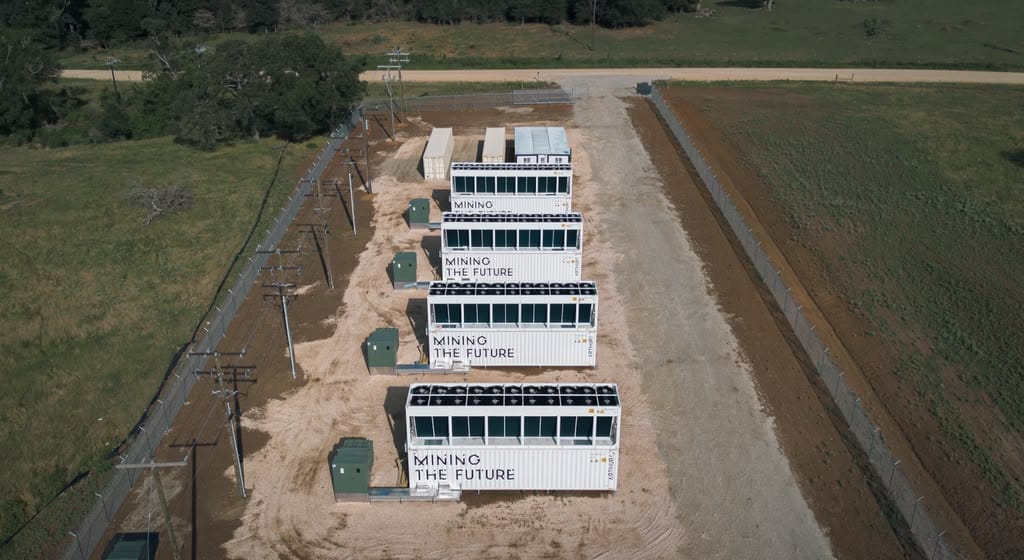
Arthur Mining, an early pioneer in the space, proved the viability of the mobile container model in the United States before expanding back into Brazil. While the company maintains a significant pipeline in the U.S. (approximately 117 MW), it serves as a critical bridge for the Brazilian market, acting as a distributor for infrastructure and providing the "Container-as-a-Service" (CaaS) model to help new entrants navigate the operational complexities of the Brazilian grid.

The Customs and Fiscal Gauntlet

While energy is abundant, the importation of hardware remains the most significant barrier to entry. Brazil’s customs environment is notoriously rigorous, and the lack of domestic ASIC manufacturing means all computing power must be imported. The process is governed by DECEX (the Foreign Trade Operations Department), which requires a non-automatic import license for used equipment. This "similar nacional" test ensures that the imported goods do not compete with a non-existent domestic equivalent, but the process can add 15 to 60 days to deployment timelines.

The State of Bitcoin Mining in Brazil (2026)

The tax implications of hardware importation are equally complex. Depending on the NCM (Mercosul Common Nomenclature) classification used, an importer might face a 0% import duty or a rate as high as 16%. When federal social contributions (PIS/COFINS) and state-level VAT (ICMS) are added, the total tax burden on a poorly classified shipment can exceed 55% of the hardware’s value. Successful operators have learned that establishing a robust legal entity and securing RADAR registration (the federal vetting system for foreign trade) are non-negotiable prerequisites that must be handled months before hardware arrives.

Financial Maturation and Future Implications

The arrival of sophisticated financial products is the final piece of the Brazilian mining puzzle. Operators are increasingly exploring "hashrate forward" financing, a mechanism where future production is monetized to fund immediate capital expenditures for hardware. This structure is particularly valuable in Brazil, where traditional bank lending for Bitcoin-related ventures remains limited despite the growing interest from venture arms like Itaú.

The broader implications of Brazil’s 3.5 EH/s hashrate are profound. By maintaining a steady load while the global network contracted, Brazilian miners demonstrated that their operations are not speculative "hashprice" plays but are instead deeply integrated into the national energy strategy. The market is transitioning from an era of experimental pilots to one of industrial-scale infrastructure.

The State of Bitcoin Mining in Brazil (2026)

Conclusion and Outlook

Brazil has successfully navigated the "inflection point" where the cost of wasted energy from renewable curtailment has become too high for generators to ignore. The combination of the ACL deregulation, a 90% renewable grid, and a new generation of institutional operators has created a "moat" that protects the Brazilian mining sector from global volatility.

While challenges remain—specifically regarding the high tax burden and the need for further transmission expansion in the Northeast—the trajectory is clear. Brazil is no longer an emerging market in the Bitcoin mining space; it is a maturing jurisdiction that offers a blueprint for how renewable-rich nations can integrate digital asset mining into their national grids. As the global network continues to seek out low-cost, sustainable energy, Brazil’s 3.5 EH/s represents not a peak, but a foundational base for the next phase of growth. The next 24 months will likely determine if Brazil can break into the top five global mining jurisdictions, a feat that seems increasingly plausible as institutional capital continues to flow into the "Greenabler" model.

July 19, 2026 0 comment
0 FacebookTwitterPinterestEmail
Crypto Mining & Infrastructure

Foundry to Launch Institutional-Grade Zcash Mining Pool in April 2026 to Support Privacy-Focused Infrastructure

by Reynand Wu July 19, 2026
written by Reynand Wu

Foundry, the digital asset infrastructure provider that operates the world’s largest Bitcoin mining pool, has officially announced its strategic expansion into the Zcash ecosystem with the planned launch of an institutional-grade mining pool in April 2026. This initiative is designed to bridge a significant gap in the current Zcash (ZEC) infrastructure, providing public companies and large-scale institutional entities with a professionalized, North American-based platform for mining one of the industry’s most prominent privacy-preserving digital assets. By leveraging the expertise gained from operating Foundry USA—the dominant force in Bitcoin computing power—the company aims to bring a new level of transparency, compliance, and reliability to the Zcash network.

The decision to enter the Zcash market comes at a pivotal moment for the privacy coin, which has seen a substantial surge in network hashrate and renewed interest from developers focused on the intersection of financial privacy and regulatory compliance. As the digital asset landscape matures, the demand for sophisticated mining operations that can meet the rigorous auditing and operational standards of institutional investors has never been higher. Foundry’s move signifies a vote of confidence in the long-term viability of Zcash’s Proof-of-Work (PoW) model and its underlying zero-knowledge technology.

The Strategic Vision Behind Foundry’s Zcash Expansion

Foundry Digital LLC, a subsidiary of Digital Currency Group (DCG), has established itself as a cornerstone of the North American mining industry. Its Bitcoin pool, Foundry USA, frequently accounts for 25% to 30% of the total global Bitcoin hashrate, providing a stable and lucrative environment for miners. In transitioning this expertise to Zcash, Foundry is addressing what its leadership describes as a disconnect between the asset’s maturity and its supporting infrastructure.

Mike Colyer, CEO of Foundry, emphasized that while Zcash has evolved into an institutional-grade asset, the mining ecosystem has largely remained fragmented or geared toward retail participants. The new pool is intended to provide the same level of white-glove service and technical excellence that helped Foundry USA ascend to the top of the Bitcoin mining rankings. By offering a US-based, enterprise-grade solution, Foundry aims to attract public mining firms and private funds that require a higher degree of operational oversight than what is currently available in the Zcash mining sector.

Bitcoin Mining Giant Enters Zcash With Institutional Service

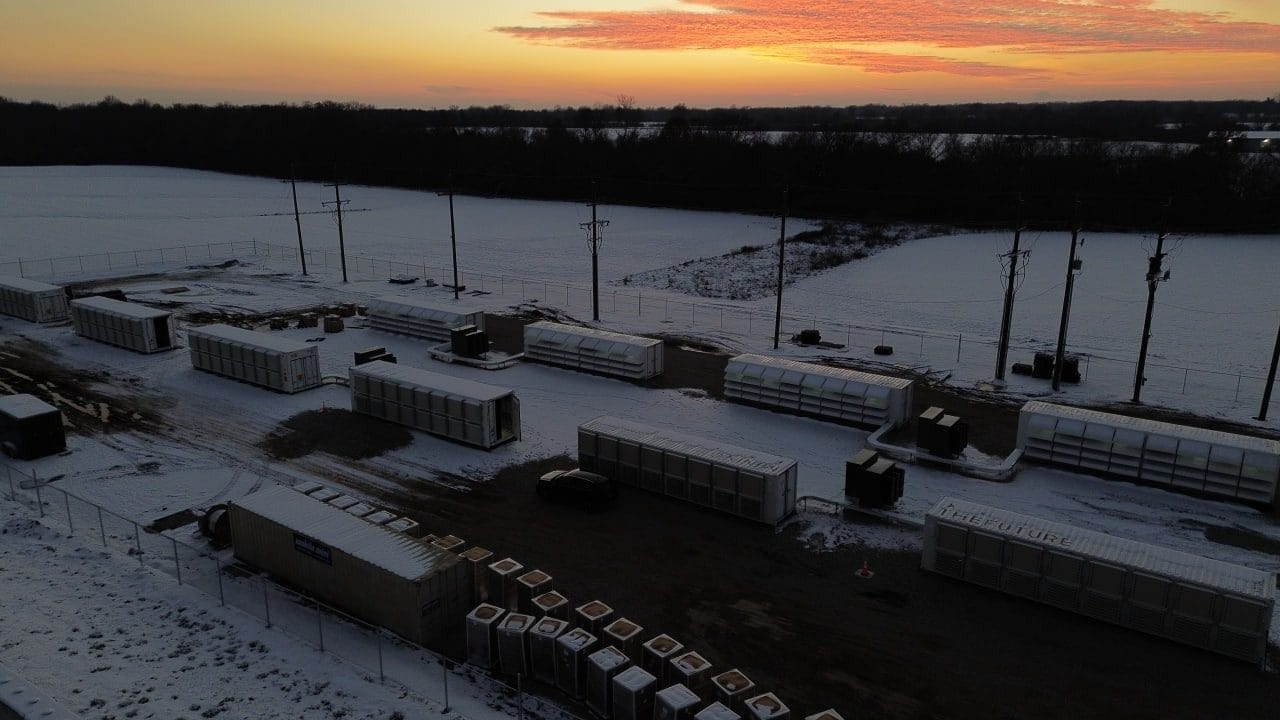
The launch, scheduled for April 2026, allows for a comprehensive development cycle to ensure the pool can handle the specific technical requirements of the Equihash algorithm used by Zcash. Unlike Bitcoin’s SHA-256 algorithm, Equihash is memory-oriented, requiring specialized hardware (ASICs) that differ from those used for Bitcoin. Foundry’s entry into this space suggests a long-term commitment to supporting diverse PoW ecosystems beyond the market leader.

Understanding Zcash: Privacy, Compliance, and Technology

Launched in 2016, Zcash was born out of a desire to improve upon the privacy limitations of Bitcoin. While Bitcoin is often perceived as anonymous, it is more accurately described as pseudonymous; every transaction and wallet balance is recorded on a public ledger, accessible to anyone with an internet connection. This lack of inherent privacy can be a deterrent for institutional players who require commercial confidentiality for their financial operations.

Zcash solves this through the use of Zero-Knowledge Succinct Non-Interactive Arguments of Knowledge, or ZK-SNARKs. This cryptographic breakthrough allows users to prove that a transaction is valid without revealing the sender, receiver, or the amount involved. Zcash offers two types of addresses: transparent addresses (t-addresses), which function similarly to Bitcoin, and shielded addresses (z-addresses), which utilize ZK-SNARKs to protect user data.

The Foundry press release highlighted that Zcash demonstrates how financial privacy and compliant digital infrastructure can coexist. For institutions, this is a critical distinction. In a world of increasing regulatory scrutiny, the ability to maintain privacy while providing "view keys" to auditors or regulators is a unique value proposition of the Zcash protocol. This "selective disclosure" feature allows Zcash to meet Anti-Money Laundering (AML) and Know Your Customer (KYC) requirements while still protecting sensitive business information from the general public.

The Economic Model and Recent Network Growth

Zcash’s tokenomics are intentionally modeled after Bitcoin. It has a hard supply cap of 21 million tokens and utilizes a halving mechanism where the block reward is reduced by 50% approximately every four years. This disinflationary model is designed to preserve the asset’s value over time, a trait that appeals to "store-of-value" investors.

Bitcoin Mining Giant Enters Zcash With Institutional Service

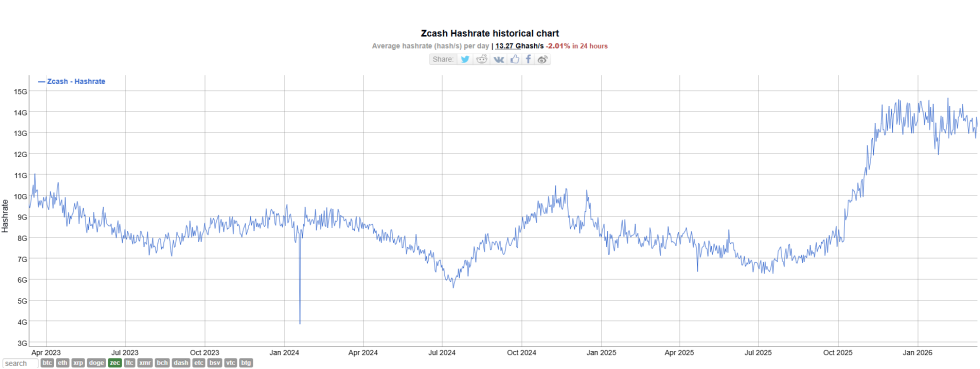
The timing of Foundry’s announcement coincides with a remarkable period of growth for the Zcash network. Data from BitInfoCharts reveals a significant upward trend in the network’s hashrate—a measure of the total computational power dedicated to securing the blockchain. In October of the previous year, the Zcash hashrate was hovering below 8 Ghash/s. By March 2026, that figure had climbed to over 13 Ghash/s, representing a nearly 63% increase in network security and miner participation in just a few months.

This surge in hashrate suggests that miners are either deploying more efficient hardware, such as the latest generation of Bitmain Antminer Z-series machines, or that the profitability of ZEC mining has attracted new participants. A higher hashrate makes the network more resistant to 51% attacks, further bolstering its appeal to institutional stakeholders who prioritize security above all else.

Collaboration with Shielded Labs and the North American Context

Foundry’s expansion is being met with enthusiasm from the core organizations supporting Zcash development. Zooko Wilcox, the founder of Zcash and Chief Product Officer of Shielded Labs, expressed strong support for the initiative. Shielded Labs, an independent support organization based in Switzerland, has been instrumental in fostering the Zcash ecosystem.

Wilcox noted that having a North American-based, enterprise-grade pool is a major milestone for the network. Historically, much of the mining power for various PoW coins has been concentrated in regions with lower regulatory clarity. By establishing a major pool in the United States, Foundry provides a "home base" for miners who operate in strictly regulated jurisdictions and require a partner that understands the legal and tax implications of large-scale mining.

The collaboration between Foundry and Shielded Labs highlights a concerted effort to decentralize the mining landscape while simultaneously professionalizing it. This dual approach is essential for the longevity of privacy-centric protocols, which often face more skepticism from traditional financial institutions than their non-privacy counterparts.

Bitcoin Mining Giant Enters Zcash With Institutional Service

Market Implications and the Future of Privacy Coins

The announcement has had a notable impact on the market’s perception of Zcash. While the price of ZEC has experienced recent volatility—trading around $209 with an 11% weekly retracement—the long-term outlook is buoyed by the entry of a player as significant as Foundry. When the largest Bitcoin mining pool operator enters a new market, it typically signals that the asset has reached a level of liquidity and stability that justifies the investment.

There are several broader implications for the cryptocurrency industry following this move:

  1. Validation of PoW for Privacy: As many blockchains move toward Proof-of-Stake (PoS), Foundry’s commitment to a new PoW pool reinforces the belief that PoW remains the gold standard for security and fair distribution in the eyes of many institutional miners.
  2. Regulatory Maturity: Foundry’s involvement may act as a catalyst for clearer regulatory frameworks regarding privacy coins in the U.S. By operating a compliant pool, Foundry is essentially creating a blueprint for how privacy-preserving assets can be integrated into the regulated financial system.
  3. Increased Competition: The presence of an institutional giant like Foundry may force existing Zcash pools to upgrade their services, lower their fees, or improve their transparency to remain competitive. This "race to the top" benefits the entire mining community.
  4. Hardware Demand: A surge in institutional interest usually leads to a surge in demand for specialized mining hardware. This could lead to further innovations in Equihash ASIC technology, improving the efficiency and carbon footprint of the Zcash network.

Conclusion and Chronology of Events

The roadmap for Foundry’s Zcash pool is set against a backdrop of steady development. Following the initial announcement in March 2026, the company will enter a phase of rigorous testing and onboarding. The planned launch in April 2026 marks a new chapter for Zcash, transitioning it from a developer-favored privacy tool to a mainstream institutional asset.

  • 2016: Zcash is launched, introducing ZK-SNARKs to the blockchain world.
  • 2020-2024: Zcash undergoes multiple network upgrades (such as Canopy and NU5) to improve scalability and privacy features.
  • Late 2025: Zcash hashrate begins a sharp ascent, growing from 8 Ghash/s to over 13 Ghash/s.
  • March 2026: Foundry officially announces the development of its institutional Zcash pool.
  • April 2026: The scheduled launch of the Foundry Zcash pool.

As the digital asset industry continues to grapple with the balance between transparency and privacy, Foundry’s new venture stands as a testament to the idea that both can exist simultaneously. By providing the "pipes and plumbing" for the Zcash network, Foundry is not just launching a mining pool; it is reinforcing the infrastructure of financial freedom in the digital age. For public companies looking to diversify their treasuries or participate in the security of decentralized networks, the arrival of an institutional-grade Zcash pool provides a long-awaited and necessary gateway.

July 19, 2026 0 comment
0 FacebookTwitterPinterestEmail
Crypto Mining & Infrastructure

American Bitcoin Backed by Trump Family to Go Public via Merger With Gryphon Digital Mining

by Dwi Wanna July 19, 2026
written by Dwi Wanna

The landscape of the North American cryptocurrency mining sector is set for a significant transformation as American Bitcoin, a mining firm backed by Eric Trump and Donald Trump Jr., prepares to enter the public markets. The company has entered into a definitive all-stock merger agreement with Gryphon Digital Mining, an established player in the space, with the objective of listing on the Nasdaq. According to statements made by Asher Genoot, the CEO of Hut 8, the merger is expected to conclude in the coming months, with a target for public trading to commence in early September 2025 under the ticker symbol ABTC.

This move represents a high-profile convergence of political influence, institutional finance, and digital asset infrastructure. American Bitcoin, which was founded in March 2025, has rapidly ascended to prominence due to its significant backing and its ambitious mandate to become the world’s most efficient "pure-play" Bitcoin miner. Unlike many of its competitors who have recently pivoted toward providing high-performance computing (HPC) and artificial intelligence (AI) infrastructure, American Bitcoin remains steadfastly focused on the extraction and accumulation of the world’s largest cryptocurrency.

The Structure of the Merger and Ownership

The path to the public markets for American Bitcoin is being facilitated through a strategic merger rather than a traditional Initial Public Offering (IPO). This route, according to Genoot, was chosen specifically to provide the company with more agile access to broader financing options and to streamline the transition into a publicly traded entity. The merger with Gryphon Digital Mining provides the necessary corporate framework and regulatory standing to satisfy Nasdaq listing requirements.

Upon the completion of the transaction, the newly formed entity will retain the name American Bitcoin. The ownership structure is notably concentrated. Hut 8, a major North American Bitcoin mining powerhouse, currently holds an 80% stake in American Bitcoin and is expected to maintain a majority interest following the merger. When combined with the holdings of Eric and Donald Trump Jr., the collective ownership of Hut 8 and the Trump family will account for approximately 98% of the company’s equity.

Financial support for the venture has been bolstered by a group of high-net-worth anchor investors. Among the most prominent names are Tyler and Cameron Winklevoss, the founders of the Gemini cryptocurrency exchange and early Bitcoin pioneers. Their involvement adds a layer of industry credibility to the venture, signaling confidence from the "old guard" of the crypto world in this new, politically connected enterprise. While Gemini has not officially commented on the specifics of the investment, the inclusion of the Winklevoss twins suggests a robust capital base for the company’s aggressive expansion plans.

Strategic Vision: The Pure-Play Mining Model

The core philosophy of American Bitcoin distinguishes it from several other publicly traded mining firms. In the wake of the 2024 Bitcoin halving, which saw block rewards slashed from 6.25 BTC to 3.125 BTC, many miners began diversifying their revenue streams. Companies like Core Scientific and Hive Digital Technologies have repurposed their data centers to accommodate the burgeoning demand for AI processing power.

In contrast, American Bitcoin intends to operate as a "pure-play" miner. This strategy involves a two-pronged approach to asset growth: the continuous mining of new Bitcoin and the direct purchase of the asset on the open market to bolster its treasury. By focusing exclusively on Bitcoin, the company aims to offer investors a direct correlation to the price of the cryptocurrency, effectively acting as a leveraged bet on the digital asset’s long-term value.

Asher Genoot, speaking at the Bitcoin Asia conference in Hong Kong, emphasized that efficiency would be the company’s primary competitive advantage. By leveraging the latest in ASIC (Application-Specific Integrated Circuit) hardware and securing low-cost energy contracts, American Bitcoin seeks to maintain high margins even during periods of market volatility.

Global Expansion and the Pivot to Asia

While the company’s name emphasizes its American roots, its growth strategy is decidedly global. American Bitcoin is actively exploring acquisition opportunities in Hong Kong and Japan. This international push is designed to diversify the company’s geographical footprint and mitigate risks associated with potential regulatory shifts in the United States.

The decision to target Hong Kong and Japan is strategic. Hong Kong has recently positioned itself as a burgeoning hub for digital assets, implementing a licensing regime for virtual asset service providers and encouraging institutional participation. Japan, meanwhile, has one of the most established regulatory frameworks for cryptocurrency in the world, offering a stable environment for large-scale mining operations.

Genoot noted that investing in firms outside the United States would allow American Bitcoin to offer access to publicly listed Bitcoin assets in markets where direct access to Nasdaq-listed stocks might be restricted or subject to complex cross-border regulations. This "global-first" approach for a Nasdaq-listed entity highlights the borderless nature of the Bitcoin network and the company’s intent to capture market share in both Eastern and Western hemispheres.

Chronology of Events and Political Context

The rise of American Bitcoin is inextricably linked to the broader political climate in the United States. Over the course of late 2024 and early 2025, the Trump family significantly increased its public engagement with the cryptocurrency industry.

  • November 2024: Following the U.S. Presidential election, the political discourse surrounding a "Strategic Bitcoin Reserve" intensified, with proponents arguing that the U.S. government should hold Bitcoin as a hedge against inflation and currency debasement.
  • March 2025: American Bitcoin is officially founded, with Eric Trump and Donald Trump Jr. taking central roles in its promotion and backing.
  • May 2025: Hut 8 acquires a majority stake in American Bitcoin, providing the operational expertise and infrastructure needed to scale.
  • August 2025: The merger with Gryphon Digital Mining is announced, setting the stage for a September debut on the Nasdaq.

The timing of the merger coincides with Eric Trump’s scheduled travels to Tokyo, where he is set to participate in an event hosted by Metaplanet. Metaplanet, often referred to as the "MicroStrategy of Japan," has gained notoriety for its aggressive Bitcoin treasury strategy. The synergy between American Bitcoin and international firms like Metaplanet suggests a coordinated effort to build a global network of Bitcoin-aligned corporations.

Potential Conflicts and Industry Reactions

The involvement of the Trump family in a publicly traded Bitcoin mining firm has not been without controversy. Critics and ethics watchdogs have raised concerns regarding potential conflicts of interest, particularly if the current administration pursues policies that directly benefit the crypto-mining industry.

Arguments have been made that the executive branch’s influence over energy policy, environmental regulations, and financial oversight could create an environment where American Bitcoin receives favorable treatment. However, supporters of the venture argue that the involvement of high-profile political figures brings much-needed mainstream attention and legitimacy to the sector, potentially accelerating the adoption of pro-crypto legislation.

Within the industry, the reaction has been a mix of curiosity and cautious optimism. The entry of such a well-capitalized and politically connected player is expected to drive further consolidation in the mining space. Small-to-mid-sized miners may find it increasingly difficult to compete with the economies of scale and capital access enjoyed by entities like American Bitcoin.

Market Implications and Analysis

The listing of ABTC on the Nasdaq will serve as a significant test for investor appetite for pure-play mining stocks. Market analysts will be closely watching the company’s "hashrate"—the computational power used to mine and process transactions—and its "all-in-sustaining cost" (AISC) per Bitcoin.

If American Bitcoin can demonstrate that its efficiency claims are grounded in reality, it could set a new benchmark for the industry. Furthermore, the company’s plan to purchase Bitcoin directly for its treasury mimics the strategy popularized by Michael Saylor’s MicroStrategy. If successful, this could turn ABTC into a hybrid between a traditional mining company and a Bitcoin holding company, offering a unique value proposition to institutional investors.

The broader implications for the Bitcoin network are also noteworthy. As more hashrate is brought under the control of publicly traded, regulated entities, the network becomes more integrated into the global financial system. While some decentralization purists may view this institutionalization with skepticism, it undeniably provides the infrastructure and liquidity necessary for Bitcoin to function as a global reserve asset.

As the September trading date approaches, the eyes of the financial and crypto worlds will be on American Bitcoin. Whether it can fulfill its promise of being the world’s most efficient miner while navigating the complexities of global regulation and political scrutiny remains to be seen. However, its entry into the public markets marks a definitive chapter in the ongoing maturation of the digital asset economy.

July 19, 2026 0 comment
0 FacebookTwitterPinterestEmail
Global Cryptocurrency News

Uniswap Founder Hayden Adams Reignites Protocol Fee Debate with Proposal to Expand Fee Activation Across v4 and New Network Deployments

by Lina Hope July 19, 2026
written by Lina Hope

Hayden Adams, the visionary founder of the decentralized exchange Uniswap, has initiated a significant governance proposal aimed at expanding protocol fees across Uniswap v4 and various network deployments, thereby thrusting one of decentralized finance’s (DeFi) most enduring and contentious debates back into the market’s spotlight. This move marks a pivotal moment for Uniswap, which stands as a cornerstone of DeFi infrastructure, processing immense trading volumes and serving as a critical liquidity hub across a burgeoning multi-chain ecosystem. The proposal, officially published through Uniswap governance channels, specifically targets the activation of protocol-level fees on forthcoming v4 pools and newly integrated networks such as the Robinhood Chain.

The concept of protocol fees has historically been a highly sensitive subject within the Uniswap community. Despite its unparalleled utility and widespread adoption, the direct economic value accrual for the protocol itself, and consequently for UNI governance token holders, has remained a persistent point of contention. For years, the core question has revolved around whether the immense usage and critical role Uniswap plays should translate into direct financial benefit for the protocol beyond its liquidity providers. This new proposal seeks to directly address this long-standing query, potentially redefining the economic model of one of DeFi’s most important platforms. For UNI holders and the broader DeFi landscape, this is not merely a technical governance matter; it delves into the fundamental philosophy of how decentralized protocols should capture and distribute value.

The Long-Standing Debate: UNI’s Value Capture Conundrum

Uniswap’s journey began with the simple yet revolutionary automated market maker (AMM) model, which quickly propelled it to become the dominant decentralized exchange. Its evolution through v1, v2, and v3 introduced groundbreaking features, including concentrated liquidity, that significantly enhanced capital efficiency for liquidity providers (LPs). However, despite this technological innovation and explosive growth in trading volume, the UNI token, which governs the protocol, has often struggled with a clear and direct value capture mechanism. While UNI grants holders governance rights—allowing them to vote on critical protocol parameters, treasury management, and future developments—investors have consistently sought a more tangible link between the protocol’s bustling activity and the token’s economic value.

The "fee switch," as it’s commonly known, refers to the dormant functionality within Uniswap’s smart contracts that, if activated, would redirect a portion of trading fees from liquidity providers to the protocol itself. This mechanism has been a theoretical possibility since the protocol’s early days but has never been formally engaged. The rationale against activating it often centered on maintaining competitiveness for liquidity providers. The argument was that any reduction in LP yield, even a small one, could disincentivize LPs, leading to liquidity migration to competing platforms and ultimately harming Uniswap’s market position. This delicate balance between attracting and retaining liquidity versus accruing value for token holders has been the central tension.

The absence of a direct revenue stream for the protocol has led to debates about UNI’s utility beyond governance. Critics have sometimes labeled UNI as a "governance-only" token, contrasting it with tokens of other protocols that directly benefit from transaction fees, staking rewards, or other revenue-sharing models. This perception has, at times, hampered UNI’s valuation, even as Uniswap consistently processes billions in weekly trading volume. For instance, while Uniswap’s total value locked (TVL) frequently exceeds several billion dollars and its daily trading volumes often rival those of smaller centralized exchanges, the direct economic benefit flowing back to the UNI token has remained indirect, primarily through its governance power over a substantial treasury.

The Nuances of the New Proposal: Targeting v4 and Multi-Chain Expansion

Hayden Adams’ latest proposal seeks to activate protocol-level fees in a strategic and measured manner, specifically focusing on upcoming Uniswap v4 pools and newly integrated network deployments, including the highly anticipated Robinhood Chain. This targeted approach suggests a careful consideration of the competitive landscape and the unique characteristics of different chains and protocol versions.

Uniswap v4, currently in development, is designed to be a more modular and customizable version of the protocol, introducing "hooks" that allow for greater flexibility in pool design and functionality. Activating fees on v4 pools presents an opportunity to bake in the fee mechanism from the outset, rather than retrofitting it onto existing, deeply entrenched v2 or v3 pools where LPs have established yield expectations. Furthermore, targeting new network deployments like the Robinhood Chain, which promises to bring a new wave of users and potentially different liquidity dynamics, allows Uniswap to test the waters in fresh environments where competitive pressures might differ.

The proposal outlines a sophisticated mechanism for handling these collected fees. Rather than simply accumulating them in a central vault, the governance materials indicate that fee collections would be routed into "TokenJars." These TokenJars would then be claimed, and the collected value used for burning UNI tokens through a process involving UNI bridging to the Ethereum mainnet. This multi-step process underscores the increasing complexity of DeFi governance in a multi-chain world. It’s not just about flipping a switch; it involves intricate cross-chain accounting, secure collection mechanisms, and carefully designed execution details to ensure transparency and efficiency. The burning mechanism is a common strategy in crypto to reduce token supply, potentially increasing the scarcity and value of remaining tokens, thereby creating a clearer link between protocol activity and token economics.

Uniswap’s Multi-Chain Evolution and its Complexities

One of the most significant evolutions for Uniswap in recent years has been its expansion beyond the Ethereum mainnet. Today, Uniswap operates across numerous Layer 2 solutions and alternative Layer 1 blockchains, including Arbitrum, Optimism, Base, Polygon, BNB Chain, and others. This multi-chain footprint is a testament to its ubiquity and the growing demand for decentralized trading across the crypto ecosystem. However, this expansion also introduces considerable complexity for governance, particularly concerning protocol fees.

Each blockchain ecosystem possesses unique characteristics: different user bases, varying gas fee environments, distinct liquidity profiles, and diverse competitive landscapes. A fee model that might be palatable on the Ethereum mainnet, with its deep liquidity and established user base, might prove detrimental on a newer, less liquid chain where even minor fee increases could significantly impact competitiveness and drive liquidity away. For instance, a chain with inherently lower transaction costs might tolerate a higher percentage protocol fee without impacting overall user cost as much as a chain with higher base transaction fees.

This is precisely why Adams’ proposal is more than a simple activation; it’s about defining Uniswap’s operational strategy as a cross-chain liquidity protocol. The governance process will need to meticulously consider the specific conditions of each targeted chain. The proposal’s success hinges on its ability to strike a delicate balance: capturing value for the protocol while ensuring that Uniswap remains the most attractive venue for liquidity providers and traders across its diverse deployments. The need for cross-chain accounting and bridging mechanisms for fee collection and token burning highlights the advanced stage of DeFi governance, requiring sophisticated technical solutions to manage economic models across disparate network architectures.

Stakeholder Perspectives and Potential Impacts

The proposal’s potential activation of protocol fees carries significant implications for various stakeholders within the Uniswap ecosystem:

  • For UNI Holders: This group will undoubtedly be scrutinizing the proposal for a clearer path to token value accrual. A credible method for converting protocol volume into economic value would significantly strengthen UNI’s investment thesis, moving it beyond a purely governance-focused asset. While an immediate re-pricing of UNI is unlikely, the long-term sentiment and institutional interest could shift positively if the implementation is successful and demonstrably beneficial. The prospect of token burns, directly reducing supply, is often viewed favorably by investors seeking appreciation.
  • For Liquidity Providers (LPs): LPs will be acutely focused on how protocol fees might reduce their share of trading economics. Their primary motivation is yield, and any perceived reduction in returns could prompt them to evaluate alternative decentralized exchanges or even centralized venues. DeFi liquidity is notoriously mobile, and LPs are quick to migrate to platforms offering better risk-adjusted returns. Uniswap governance will need to carefully consider fee rates and affected pools to avoid significant liquidity migration that could harm the protocol’s overall depth and competitiveness. The success of v4, with its potential for customized hooks that might offer LPs new ways to earn, could be crucial in mitigating these concerns.
  • For Traders/Users: The end-users of Uniswap will primarily be concerned with execution quality and trading costs. If fee activation leads to reduced liquidity, wider bid-ask spreads, or significantly higher overall transaction costs, traders might notice and potentially seek more efficient venues. However, if the fee change is small enough to preserve competitiveness and liquidity remains robust, the impact on users might be minimal, potentially even unnoticed. The user experience is paramount for maintaining Uniswap’s market share.
  • For the Uniswap Treasury/DAO: If successful, the protocol fees could significantly bolster the Uniswap DAO’s treasury. This could provide a sustainable funding source for future development, grants for ecosystem projects, security audits, marketing initiatives, and broader community support. A robust treasury is vital for the long-term health and innovation of any decentralized protocol, enabling it to adapt, grow, and compete effectively.

The Broader DeFi Context: From Growth to Sustainable Value

This proposal transcends Uniswap’s immediate ecosystem; it speaks to a broader maturation within the DeFi sector. The early years of DeFi were largely characterized by explosive growth – a relentless pursuit of liquidity, trading volume, user acquisition, integrations, and total value locked (TVL). Protocols focused on innovation and expanding their footprint. However, as the industry matures, a more fundamental question arises: how does this activity translate into sustainable, long-term economic models?

Uniswap, given its scale and scrutiny, serves as a critical test case. If a protocol of its magnitude, a foundational piece of the DeFi puzzle, can successfully implement a sustainable value-capture model for its token holders without compromising its competitive edge, it could set a powerful precedent for the entire sector. Conversely, if it struggles to connect protocol activity to token value, it could reinforce investor skepticism about the long-term viability and utility of governance tokens across DeFi.

Other decentralized protocols are undoubtedly watching this debate closely. They face similar pressures: how to reward users and liquidity providers, satisfy token holders demanding economic value, and navigate an increasingly complex regulatory environment, all while maintaining decentralization. Protocol fees sit precisely at the intersection of these multifaceted pressures. The outcome of Uniswap’s governance vote could therefore influence the design and economic models of countless other DeFi projects.

Technical Implementation and Governance Challenges

The journey from proposal to successful implementation is fraught with technical and governance challenges. As noted, the proposed fee collection mechanism, involving TokenJars and UNI bridging for burning, is technically complex. It requires robust smart contract development, secure cross-chain communication, and meticulous auditing to prevent vulnerabilities. Any misstep in the technical implementation could have severe consequences for user trust and protocol integrity.

From a governance perspective, rallying sufficient consensus within the decentralized autonomous organization (DAO) is a significant undertaking. The Uniswap DAO is large and diverse, comprising various stakeholders with potentially conflicting interests. Crafting a proposal that satisfies a broad range of these interests – from large institutional UNI holders to individual LPs and active traders – requires exceptional diplomacy, clear communication, and a well-articulated vision. The voting process itself, which typically involves multiple stages (temperature check, snapshot vote, on-chain vote), can be lengthy and requires sustained engagement from the community.

Moreover, the proposal must anticipate and address potential second-order effects. For instance, how will the fee activation affect different types of pools (e.g., stablecoin pools vs. volatile asset pools)? What will be the impact on gas costs for users interacting with the fee collection mechanisms? These granular details are crucial for a smooth and successful rollout.

Looking Ahead: What to Watch For

The coming weeks and months will be critical for Uniswap governance. The market will be closely watching several key aspects:

  1. Community Engagement and Debate: The level and quality of discussion on the Uniswap governance forum will be indicative of the proposal’s reception. Robust debate is essential for refining the proposal and building consensus.
  2. Specifics of Implementation: Details regarding fee rates, which specific v4 pools and chains will be targeted first, and the exact mechanics of the TokenJar and burning process will be crucial. These specifics will heavily influence stakeholder reactions.
  3. Voting Outcomes: The results of the various governance votes will, of course, be the ultimate determinant of the proposal’s approval. High voter turnout and a clear mandate would signal strong community support.
  4. Market Reaction: While not instantaneous, how the UNI token performs in the medium to long term following approval and implementation will be a key indicator of whether the market perceives a credible path to value capture.
  5. Liquidity Provider Response: Post-implementation, monitoring liquidity levels across affected pools and chains will be critical. Any significant migration could necessitate adjustments or further governance proposals.

For now, Hayden Adams’ proposal injects a fresh wave of energy and urgency into UNI governance. It may not definitively settle the long-standing value-capture debate immediately, but it undeniably moves the discussion into a more concrete and actionable phase. If approved and implemented cleanly and effectively, this proposal has the potential to become one of the most significant DeFi governance developments of the year, reshaping Uniswap’s economic future and setting a powerful precedent for the entire decentralized finance industry.

July 19, 2026 0 comment
0 FacebookTwitterPinterestEmail
Bitcoin & Core Networks

Revisiting Klarck’s February Bitcoin Roadmap: A Deep Dive into the $65,000-$55,000 Zone Amidst Renewed Market Scrutiny.

by Sagoh July 19, 2026
written by Sagoh

An older Bitcoin roadmap, originally shared by the influential crypto commentator Klarck in February, is currently undergoing significant re-evaluation within the digital asset community as Bitcoin’s price action has converged closely with one of the key downside zones he meticulously outlined months ago. This resurfacing of a prior projection underscores the analytical frameworks employed by traders and analysts to contextualize current market movements against historical forecasts, offering a blend of validation and cautionary lessons.

In February, a period characterized by heightened optimism and a burgeoning bull market sentiment, Klarck, a prominent voice on social media platform X (formerly Twitter), published a comprehensive Bitcoin roadmap. His analysis projected an initial ascent towards an $83,000 price point, followed by a gradual but distinct decline into a $65,000 to $55,000 region. This anticipated downturn was then expected to give way to a two-week accumulation phase, setting the stage for a subsequent transition back into growth, ultimately culminating in a projected price target of $140,000 per BTC. At the time of its initial release, this forecast, particularly its bearish interlude, stood in contrast to some of the more overtly bullish narratives dominating the market, which were largely fueled by the approval of spot Bitcoin Exchange-Traded Funds (ETFs) and the impending Bitcoin halving event.

The significance of Klarck’s roadmap today stems not from its novelty as a fresh market signal, but from its prescient identification of a critical price range that Bitcoin has now entered. While the market did not precisely reach Klarck’s $83,000 target before its recent downturn, it did experience substantial rallies, hitting new all-time highs above $73,000 in March. This initial upward trajectory lent some credence to the first phase of his prediction. However, it is the subsequent price correction and Bitcoin’s current proximity to the $65,000-$55,000 zone that has thrust this February forecast back into the spotlight, compelling traders and analysts to revisit its potential implications.

The Genesis of Klarck’s Forecast and February Market Dynamics

To fully appreciate the renewed relevance of Klarck’s roadmap, it is crucial to recall the market environment in which it was first presented. February 2024 was a period of intense bullish momentum for Bitcoin. Following the landmark approval of spot Bitcoin ETFs by the U.S. Securities and Exchange Commission (SEC) in January, significant institutional capital began flowing into the cryptocurrency market. This influx, coupled with the anticipation surrounding the quadrennial Bitcoin halving event slated for April, fueled a powerful rally. Bitcoin’s price was rapidly ascending, breaking through key resistance levels and exhibiting robust demand.

During this period, many analysts and market participants were forecasting parabolic moves and quick surges to unprecedented highs. Klarck’s roadmap, while projecting significant long-term upside to $140,000, also embedded a notable cautionary phase – the gradual drop to $65,000-$55,000. This call for a substantial correction, even if temporary, might have seemed counter-intuitive to some amidst the prevailing euphoria. However, seasoned analysts often incorporate such corrective phases into their long-term outlooks, recognizing the cyclical nature of bull markets and the necessity of price discovery and consolidation. Klarck’s foresight in identifying a potential downside zone months in advance highlights a disciplined approach to technical analysis, looking beyond immediate trends to outline a more comprehensive market trajectory.

Bitcoin’s Journey to the Critical Zone: A Chronology of Price Action

  • February 2024: Klarck publishes his roadmap. Bitcoin is in a strong uptrend, fueled by ETF inflows and halving anticipation, breaking above $50,000 and pushing towards $60,000. The market’s sentiment is overwhelmingly positive.
  • March 2024: Bitcoin continues its meteoric rise, achieving a new all-time high of over $73,000. This validates the initial upward leg of Klarck’s prediction, albeit slightly short of the $83,000 target. The market experiences some volatility but largely holds strong.
  • April 2024: The Bitcoin halving occurs. In the lead-up and immediate aftermath, Bitcoin experiences a significant correction from its March highs, dipping below $60,000. This marks the beginning of the "gradual drop" phase outlined by Klarck. Macroeconomic concerns, particularly persistent inflation and the "higher for longer" interest rate narrative from the Federal Reserve, begin to weigh on risk assets.
  • May-June 2024: Bitcoin consolidates around the lower $60,000s, attempting to reclaim higher levels but facing consistent selling pressure. Recent price action has seen Bitcoin break below key support levels, pushing it directly into the upper boundary of Klarck’s identified $65,000-$55,000 downside zone. This convergence has triggered the renewed interest in his old roadmap, as the market begins to validate its specific price targets.

The $65,000-$55,000 Zone: A Technical and Psychological Battleground

The immediate focus for traders and investors is not the ambitious $140,000 long-term target, but rather the integrity of the $65,000-$55,000 support zone. This range is not merely an arbitrary set of numbers; it often represents a confluence of significant technical indicators and psychological thresholds. From a technical perspective, this zone could align with crucial Fibonacci retracement levels from the previous bull run or the recent all-time high, historical support/resistance flip zones, or the 200-day moving average, which often acts as a key indicator of market health.

Scenario 1: Stabilization and Accumulation
If Bitcoin manages to stabilize within this region, it would lend further credibility to Klarck’s roadmap. Stabilization would typically manifest as a reduction in selling pressure, a decrease in price volatility, and the formation of higher lows within a tighter trading range. An "accumulation phase," as described in the roadmap, would involve sideways price action, where institutional and large-scale investors (whales) strategically accumulate Bitcoin without causing significant upward price movements. This period is characterized by a balance between selling exhaustion and gradual buying interest, often visible through on-chain metrics like increasing accumulation addresses, decreasing exchange reserves, and a shift in supply from short-term speculators to long-term holders.

Scenario 2: Breakdown and Further Downside
Conversely, if Bitcoin fails to hold the upper end of the $65,000-$55,000 zone, particularly if it decisively breaks below $60,000 with conviction and volume, the market’s attention would swiftly shift towards the lower boundary near $55,000. A failure to maintain support within this range could indicate stronger underlying bearish sentiment or a deeper market correction. Below $55,000, subsequent liquidity targets could include the psychological $50,000 level, or even lower, depending on the severity of the selling pressure and broader macroeconomic conditions. Such a breakdown would challenge the bullish long-term outlook and potentially force a reassessment of the entire roadmap.

Bitcoin Prediction From February Comes Back Into Focus As BT

Broader Market Context and Supporting Data

The current price action is not occurring in a vacuum. Several macroeconomic factors and on-chain metrics are contributing to the market’s current state and influencing Bitcoin’s ability to hold critical support levels.

  • Macroeconomic Headwinds: Persistent inflation in major economies, particularly the U.S., has led to central banks maintaining higher interest rates for longer than initially anticipated. This "higher for longer" narrative increases the cost of capital, making riskier assets like cryptocurrencies less attractive compared to traditional safe havens or yield-bearing instruments. The strengthening U.S. Dollar Index (DXY) also typically correlates inversely with Bitcoin’s performance, adding pressure.
  • Spot Bitcoin ETFs: While initially a significant catalyst for price appreciation, the inflows into spot Bitcoin ETFs have slowed down considerably, with some days even recording net outflows. This suggests that the initial wave of institutional buying might be tapering off, and sustained demand from this sector is crucial for future upside. The activity of these ETFs provides a clear barometer of institutional sentiment.
  • On-Chain Metrics:
    • Whale Activity: Monitoring large wallet movements can indicate whether significant holders are accumulating or distributing Bitcoin. Recent data might show a mix, with some whales de-risking while others view the current levels as buying opportunities.
    • Exchange Flows: Net inflows to exchanges typically suggest an intent to sell, while net outflows indicate accumulation and a move to self-custody. Sustained outflows at these price levels would be a positive sign for potential stabilization.
    • Miner Behavior: Post-halving, miner profitability decreases. Some smaller, less efficient miners might be forced to sell their Bitcoin holdings to cover operational costs, contributing to selling pressure. Observing miner capitulation or accumulation patterns can offer insights into the supply side.
    • Long-Term Holders (LTHs) vs. Short-Term Holders (STHs): LTHs tend to accumulate during dips, while STHs are often more prone to panic selling. A shift in supply from STHs to LTHs at these levels would signal a healthy market correction and potential bottoming.
    • Derivatives Market: Analysis of open interest, funding rates, and liquidation levels in the futures and options markets can reveal areas of potential volatility and where large liquidations might occur, influencing rapid price movements towards specific levels. High negative funding rates can sometimes signal an oversold market ripe for a short squeeze.

The Perils and Utility of Historical Forecasts

The re-emergence of Klarck’s February roadmap serves as a potent reminder of both the potential utility and inherent dangers of relying on old market forecasts.

Dangers:
Markets are dynamic, complex systems influenced by a myriad of factors that can shift rapidly. Macroeconomic conditions, geopolitical events, regulatory changes, and unforeseen "black swan" events can drastically alter market trajectories, rendering even the most meticulously crafted forecasts obsolete. Blindly adhering to an old prediction, regardless of its initial accuracy, can lead to significant financial losses if it fails to adapt to current realities. Furthermore, a forecast, once widely known, can sometimes become a self-fulfilling prophecy if enough market participants act upon it, but this effect is often temporary and can lead to unstable price action.

Utility:
Despite the risks, historical roadmaps like Klarck’s can serve as valuable reference points and frameworks for analysis. They provide a structural lens through which to view current price action, helping traders contextualize movements against a predefined path. When a part of such a roadmap begins to validate, it encourages deeper inquiry into why that particular scenario is playing out. It prompts questions about underlying market dynamics, technical levels, and the confluence of factors that might be driving the price. This analytical approach, rather than passive acceptance, is crucial for informed decision-making. Traders can use such frameworks to identify critical support and resistance levels, anticipate potential turning points, and validate or invalidate parts of the prediction with real-time price action, volume analysis, and on-chain data.

Official Responses and Broader Implications

While Klarck himself has not issued a fresh statement directly addressing the renewed relevance of his February roadmap, the crypto community on platforms like X has seen a noticeable uptick in discussions surrounding his earlier projection. This highlights how influential commentators can shape market discourse, even retrospectively. However, leading industry experts and seasoned editors, in their review of such content, consistently emphasize the importance of exercising caution.

The broader implications of this situation are multifaceted:

  • Market Psychology: If Bitcoin stabilizes within or successfully navigates Klarck’s predicted downside zone, it could instill a renewed sense of confidence among investors, reinforcing the belief in structured analysis and potentially leading to a stronger rebound. Conversely, a failure to hold this zone could trigger panic and a significant re-evaluation of the bull market narrative.
  • Trading Strategies: Different trading styles will react uniquely. Short-term traders might look for scalping opportunities around the boundaries of the $65,000-$55,000 range, while swing traders might position themselves for a bounce if accumulation signs emerge. Long-term investors, meanwhile, might view this zone as a strategic accumulation area for dollar-cost averaging.
  • Analyst Credibility: The validation of a specific part of Klarck’s roadmap, even months later, contributes to his standing as a perceptive analyst, underscoring the value of thorough technical and market analysis. It also encourages other analysts to publish more comprehensive, multi-stage forecasts rather than just immediate price targets.

In conclusion, Klarck’s February Bitcoin roadmap is back in sharp focus not as a definitive future truth, but as a compelling analytical framework that has seen partial validation. As Bitcoin navigates the critical $65,000-$55,000 zone, the market watches intently to see if the next phases – the accumulation and subsequent growth towards $140,000 – will materialize. This scenario serves as a powerful illustration of how historical technical analyses can re-enter market conversations, guiding expectations and influencing trading strategies, provided they are approached with critical discernment and a continuous assessment of evolving market conditions. The question of whether the remainder of Klarck’s ambitious path will unfold remains an open and highly anticipated one, requiring constant vigilance and a keen understanding of both technical indicators and fundamental drivers.


Editorial Process for bitcoinist is centered on delivering thoroughly researched, accurate, and unbiased content. We uphold strict sourcing standards, and each page undergoes diligent review by our team of top technology experts and seasoned editors. This process ensures the integrity, relevance, and value of our content for our readers.

July 19, 2026 0 comment
0 FacebookTwitterPinterestEmail
Bitcoin & Core Networks

Litecoin’s Technical Recovery Gains Traction, Eyes Critical $46-$50 Resistance Zone

by Reynand Wu July 19, 2026
written by Reynand Wu

Litecoin (LTC) is demonstrating nascent signs of a technical recovery, having successfully breached a multi-month descending trendline that had previously stifled its price momentum. This significant development has redirected the focus of traders and analysts toward a crucial overhead resistance zone spanning $46 to $50, a level that could determine the sustainability of its current upward trajectory. Despite remaining entrenched in a broader, long-term downtrend, recent price action indicates a discernible easing of selling pressure, with market participants actively defending key support levels. On July 18, the LTC price oscillated around the $45.30-$45.50 mark, registering modest daily gains as the wider cryptocurrency market exhibited a stabilizing trend. The prevailing question among investors now is whether Litecoin can sustain this newfound momentum above its recent breakout point and confirm a more enduring trend reversal, or if it will face renewed rejection at the upcoming resistance.

Litecoin’s Evolving Technical Landscape: A Closer Look

The current technical structure of Litecoin presents a more constructive picture than in previous months. Prominent crypto analyst @LLuciano_BTC highlighted the successful breach of a significant descending trendline on the daily timeframe, a barrier that had consistently capped price advances for an extended period. This breakout is not merely a fleeting upward movement but rather a signal that the bearish pressure, which has dominated LTC for several months, may be waning.

According to the analyst’s shared chart, Litecoin experienced a notable rebound after briefly dipping to approximately $39, demonstrating strong buyer interest at that level. Following this bounce, LTC has entered a consolidation phase within a historically significant demand zone, typically identified between $40 and $45. This zone has acted as a critical support area in the past, suggesting that buyers are stepping in at these levels to prevent further downside. The recent breakout has also drawn attention to the potential formation of a symmetrical triangle structure. Such patterns are closely monitored by technical traders as they often precede significant price movements, signaling either a continuation of the existing trend or a powerful reversal, depending on the direction of the eventual breakout.

The analyst further emphasized that Litecoin is currently navigating an important transition area. The $46-$50 range has emerged as the next substantial resistance zone. For bulls to definitively confirm stronger upside momentum and potentially initiate a broader recovery, they would need to reclaim this zone with conviction, ideally supported by increasing trading volume. Several other market observers have echoed this sentiment, identifying the $42-$50 range as a pivotal trading area for the month of July. They point to improving accumulation signals, suggesting that savvy investors might be acquiring LTC at these levels. However, these observers collectively stress that true confirmation of a bullish shift necessitates sustained daily or weekly closes above the resistance, rather than ephemeral intraday price spikes.

Litecoin (LTC) Price Prediction: Breakout Above Multi-Month Trendline Puts $50 Target Back in Focus

Key Support Holds Firm Amidst Resistance Tests

Adding to the cautiously optimistic outlook, crypto trader @Umairorkz reported that Litecoin has consistently maintained its position above its primary daily support zone, which lies between $41.75 and $42.55. This resilience is notable, especially considering the multiple attempts LTC has made to breach overhead resistance levels. The ability to hold crucial support amidst pressure indicates underlying strength and buyer commitment.

@Umairorkz’s most recent chart analysis pinpoints repeated attempts by LTC to push above the $45.90 mark. Concurrently, an inverse head-and-shoulders pattern appears to be developing on the daily chart. This classical bullish reversal pattern, if confirmed, would typically signal a strong shift from a downtrend to an uptrend. Repeated tests of resistance, even if initially unsuccessful, can gradually erode selling pressure over time as sellers exhaust their positions. However, for a definitive confirmation of such a pattern and a sustained upward move, a decisive breakout supported by a significant surge in trading volume would be required. Without such a volumetric confirmation, the risk of a false breakout remains.

Despite the constructive technical signals, the analyst also introduced a note of caution. A rejection at the current range high, particularly around the $45.90-$46 level, could potentially reverse the nascent bullish momentum, shifting control back to sellers. In such a scenario, the analyst warned, "Failure to reclaim the range high could trigger a breakdown of support toward targets near $35." This downside scenario, however, is presented as conditional. It would likely materialize only if Litecoin were to lose its current, well-defended support structure, making it a technical possibility rather than an immediate probability.

Broader Market Context and Litecoin’s Positioning

Litecoin, often dubbed "the silver to Bitcoin’s gold," was launched in 2011 by Charlie Lee, a former Google engineer. Its design was fundamentally similar to Bitcoin but with key differences intended to make it more suitable for everyday transactions. These included a faster block generation time (2.5 minutes vs. Bitcoin’s 10 minutes), a higher maximum supply (84 million LTC vs. 21 million BTC), and a different hashing algorithm (Scrypt vs. Bitcoin’s SHA-256), which aimed to be more accessible for GPU mining in its early days. These characteristics have historically positioned Litecoin as a faster, lighter alternative for peer-to-peer digital payments.

However, despite its early innovation and consistent development, Litecoin has experienced a prolonged bear market alongside many other altcoins. After reaching an all-time high near $413 in May 2021 during the broader crypto bull run, LTC has seen a significant correction, mirroring the general market downturn that followed. The "long-term downtrend" mentioned in the initial analysis is a reflection of this extended period of depreciation, exacerbated by macroeconomic headwinds, regulatory uncertainties, and a shift in market sentiment away from speculative assets.

Litecoin (LTC) Price Prediction: Breakout Above Multi-Month Trendline Puts $50 Target Back in Focus

Litecoin has also undergone several halving events, the most recent being in August 2023, which reduced the block reward for miners. Historically, halving events are often preceded by price rallies due to anticipated supply shock, although the actual impact can be delayed and influenced by broader market conditions. The current price action could be seen as part of a post-halving accumulation phase, where the market digests the reduced supply over time.

Technical Indicators: A Mixed Bag of Signals

The broader technical picture for Litecoin remains finely balanced, reflecting a market that is not yet decisively bullish but shows clear signs of stabilization. TradingView’s aggregated technical ratings for oscillators currently classify them as "Neutral." This "Neutral" reading is derived from an analysis of widely used indicators such as the Relative Strength Index (RSI-14), Stochastic %K, Commodity Channel Index (CCI-20), ADX-14, MACD, Williams %R, Momentum (10), Bull/Bear Power, and the Ultimate Oscillator. A neutral oscillator reading typically indicates that momentum has stabilized following recent volatility, implying that the asset is neither overbought nor oversold. Consequently, the immediate future price direction is heavily reliant on upcoming breakout or breakdown signals, which would provide a clearer indication of whether buyers or sellers are gaining definitive control.

In contrast, moving averages present a slightly more constructive outlook, particularly on shorter timeframes. Shorter-term Simple Moving Averages (SMAs) and Exponential Moving Averages (EMAs) have begun to generate more buy signals than sell signals across various shorter timeframes. This suggests that the immediate, short-term trend is leaning positive, with prices moving above these short-term averages. However, it is crucial to note that longer-term moving averages continue to reflect the broader correction that has dominated Litecoin throughout the past year. This divergence between shorter-term bullish signals and longer-term bearish ones indicates that while recent stabilization and minor uptrends are encouraging, they have not yet fully reversed the prevailing macro trend. It underscores the need for sustained upward movement and robust volume to confirm a true long-term trend reversal.

Litecoin Price Prediction: Navigating the Critical Junction

From a purely technical perspective, the next decisive movement for Litecoin will likely hinge on its ability to establish firm acceptance above the critical $46-$50 resistance area. This zone is not just a psychological barrier but also a technical confluence of previous support and resistance levels, making it a formidable challenge for bulls.

Community analysis on platforms like TradingView consistently identifies the $39-$42 range as a major demand zone, reinforcing the notion that this area acts as a strong buying interest point. Meanwhile, the $44-$46 range is considered the immediate "decision area," where current price action is testing resolve. A successful and sustained breakout above the $46-$50 resistance, particularly if accompanied by a significant surge in buying volume, could pave the way for higher recovery targets. Potential upside objectives are frequently cited around the $50-$60 range, representing a return to levels not seen consistently in several months.

Litecoin (LTC) Price Prediction: Breakout Above Multi-Month Trendline Puts $50 Target Back in Focus

Conversely, a failure to hold above the current support structure, especially if LTC falls back below the $40-$42 demand zone, could place renewed focus on lower support levels. This downside scenario would become particularly pertinent if broader cryptocurrency market sentiment were to weaken, potentially dragging altcoins like Litecoin lower. In such an event, the previously mentioned target near $35 would become a significant level to watch.

Currently, Litecoin trades well below its historical peak near $413, highlighting the extensive journey required for a full recovery. The network presently has approximately 77.4 million LTC in circulation out of its maximum supply of 84 million, resulting in a market capitalization of roughly $3.5 billion at the time of this writing. This market cap places it among the top cryptocurrencies, maintaining its relevance in the broader digital asset ecosystem.

In conclusion, Litecoin price prediction models currently lean towards cautious optimism rather than outright bullishness. The recent breakout above the multi-month descending trendline represents a significant improvement in the short-term technical structure. However, market participants are keenly awaiting a confirmed move above the $46-$50 resistance zone, ideally supported by robust trading volume, before concluding that a broader, more sustainable recovery is unequivocally underway. The coming days and weeks will be crucial in determining whether Litecoin can capitalize on its newfound momentum or if it will retreat, reinforcing the long-term downtrend.

July 19, 2026 0 comment
0 FacebookTwitterPinterestEmail
Ethereum & Smart Contracts

Devcon 8 Tickets Now Live, Inviting Global Ethereum Community to Mumbai for Focused Gathering

by Ammar Sabilarrohman July 19, 2026
written by Ammar Sabilarrohman

The Ethereum Foundation has officially announced that tickets for Devcon 8, the highly anticipated flagship conference for the Ethereum ecosystem, are now live. Scheduled to take place in Mumbai this November, Devcon 8 is poised to be a more focused and intimate gathering, designed to foster deep collaboration, hands-on learning, and meaningful conversations among the diverse minds shaping the future of open technology. This iteration marks a strategic move to cultivate a concentrated environment for builders, researchers, maintainers, organizers, and enthusiasts from across the globe, converging in one of the world’s most dynamic tech hubs.

Devcon, an abbreviation for "Developer Conference," has historically served as the preeminent assembly point for the Ethereum community. Since its inception, the event has grown from humble beginnings into a global phenomenon, attracting thousands of participants dedicated to the decentralized web. Its core mission remains steadfast: to advance the understanding, development, and adoption of Ethereum and related decentralized technologies. Over four days, attendees can expect an immersive experience featuring in-depth discussions, practical workshops, and unparalleled networking opportunities. The conference agenda is meticulously curated to bring together individuals with varied backgrounds, perspectives, and areas of expertise, ensuring a rich exchange of ideas that propels the ecosystem forward. Previous Devcons have been instrumental in shaping critical protocol upgrades, incubating groundbreaking decentralized applications, and fostering the collaborative spirit that defines the Ethereum community.

The selection of Mumbai, India, as the host city for Devcon 8 carries significant weight and strategic importance. India represents one of the fastest-growing technology markets globally, boasting a vast pool of highly skilled developers and a rapidly expanding digital economy. The nation has also demonstrated a keen interest in blockchain technology, with a burgeoning startup ecosystem and increasing regulatory discussions around digital assets. Hosting Devcon in Mumbai not only acknowledges India’s pivotal role in the global tech landscape but also aims to further catalyze local innovation and integrate the vibrant Indian developer community more deeply into the broader Ethereum network. This move underscores the Ethereum Foundation’s commitment to global outreach and fostering diverse participation, recognizing that the future of decentralized technology is inherently global. The choice of Mumbai is expected to significantly boost local engagement and provide a unique cultural backdrop for this landmark event.

Accessibility has been a cornerstone of Devcon’s philosophy, and Devcon 8 continues this tradition by offering multiple pathways for participation. Attendees can secure their spot through a General Admission ticket, which is open to everyone without specific application or eligibility requirements. The initial wave of General Admission tickets became available on July 14, with a limited number offered at the lowest price point. Following this initial release, future waves will open at progressively higher price tiers, incentivizing early registration. This tiered pricing model is a standard practice for large-scale conferences, designed to manage demand and reward early commitment. Prospective attendees are strongly encouraged to secure their General Admission tickets promptly to benefit from the most favorable pricing.

Beyond General Admission, the Ethereum Foundation is dedicated to making Devcon accessible to the individuals who form the bedrock of Ethereum and the broader open-source community. A substantial number of discounted tickets are specifically reserved for various eligible groups. These Community Discount tickets do not require an application but are subject to limited availability and are non-transferable. Eligibility extends to Indian residents, recognizing the host country’s local talent, as well as students, public-goods contributors, core developers, past Devcon attendees, and builders associated with the Sanctuary Tech initiative. This comprehensive approach to discounts aims to democratize access, ensuring that financial barriers do not impede participation for those who are actively building, maintaining, and strengthening the ecosystem. The focus on Indian residents, in particular, highlights the organizers’ desire to integrate the local community deeply into the conference experience.

Further emphasizing its commitment to fostering new talent and supporting dedicated contributors, Devcon 8 also offers application-based discounts for student, youth, and builder categories. These applications are reviewed in rolling batches, allowing for a continuous evaluation process and encouraging eligible attendees to apply early. This application-based system enables the Devcon team to identify and support individuals who demonstrate a clear passion for and commitment to the Ethereum ecosystem, providing opportunities for emerging talent to engage with leading experts and contribute to critical discussions. Such initiatives are crucial for cultivating the next generation of blockchain innovators and ensuring a pipeline of diverse perspectives within the community.

Beyond simply attending, Devcon 8 presents numerous opportunities for deeper involvement and contribution. The Community Hubs program, a highly successful initiative from previous Devcons, is making a return. These hubs offer dedicated spaces for various groups across the Ethereum, open-source, privacy, and public-interest technology sectors to gather, educate, experiment, and introduce diverse voices into the broader conversation. Community Hubs are designed to be community-led, focusing on clear topics, providing tangible value to attendees, and strictly avoiding branding or project promotion. This structure ensures that the hubs serve as authentic platforms for collaborative learning and discussion, rather than marketing channels. Selected Community Hubs will have the autonomy to shape their own programming, ranging from interactive workshops and intimate roundtables to onboarding sessions, engaging games, and live discussions. This decentralized approach to content creation enriches the overall conference experience, offering specialized tracks and deeper dives into niche subjects. The call for proposals for Community Hubs is currently open, inviting passionate groups to submit their ideas and contribute to the vibrant tapestry of Devcon 8.

For organizations and projects looking to support the event and engage with the community, Devcon 8 offers both a Supporters Program and an Impact Program. The Supporters Program allows aligned ecosystem projects to establish a meaningful presence at Devcon. This includes opportunities to showcase ongoing work, launch new initiatives, connect directly with users, and demonstrate a strong commitment to the Ethereum ecosystem. Organizers are particularly keen to collaborate with teams whose work aligns with the CROPS principles—Contribution, Responsibility, Openness, Participation, and Sustainability—underscoring a shared ethos for the decentralized future. The Impact Program, on the other hand, is specifically tailored for Free and Open Source Software (FOSS) projects, public-goods teams, and non-profit organizations. This program offers various free avenues for participation, including enhanced visibility and opportunities to engage with the Devcon audience without financial burden. Applications for both programs are reviewed on a rolling basis, and interested parties can direct their inquiries to [email protected]. These programs are vital for the financial sustainability of Devcon while also providing platforms for projects that align with the foundational values of the Ethereum community.

A pivotal aspect of any Devcon is its programming, which is intrinsically shaped by the community itself. The Speaker Applications are now open to everyone, deliberately eschewing an invite-only list or speaker bureau model. This open call ensures that Devcon’s stage is accessible to a wide array of voices, welcoming anyone with an idea that can advance conversations around the future of Ethereum. This year’s program is designed to reach over 10,000 builders, researchers, designers, and thinkers across an impressive nine distinct tracks. These tracks span critical areas such as Core Protocol development, Applied Cryptography, Privacy solutions, Security advancements, Open Source methodologies, Governance frameworks, and more. This diverse thematic scope guarantees a rich and varied intellectual landscape, catering to the multifaceted interests of the Ethereum community. Prospective speakers can apply with various formats, including individual talks, engaging panel discussions, or interactive workshops, allowing for flexibility in presentation style. A significant incentive for selected speakers is the complimentary Devcon 8 ticket they will receive, recognizing their valuable contribution to the event’s intellectual capital. The deadline for speaker applications is set for August 6, 2026, with decisions slated to commence at the end of August. This inclusive approach to content curation reinforces Devcon’s role as a platform for collaborative knowledge sharing and forward-thinking discourse.

The implications of Devcon 8 being hosted in Mumbai and its emphasis on a "focused and intimate" experience are multifaceted. For the Ethereum ecosystem, it signals a strategic pivot towards deeper engagement and a potential for more concentrated breakthroughs, moving beyond the expansive, often overwhelming scale of some past events. This intentional shift aims to foster stronger interpersonal connections and facilitate more profound technical discussions, which are crucial for the complex challenges facing decentralized technology today. For India, hosting Devcon 8 is a significant endorsement of its burgeoning tech landscape and its growing influence in the global blockchain arena. It will undoubtedly inspire local developers, entrepreneurs, and policymakers, potentially accelerating the adoption and innovation of blockchain technologies within the country. The comprehensive ticket accessibility initiatives also highlight the Ethereum Foundation’s ongoing commitment to diversity and inclusion, ensuring that the benefits of participation are extended to a broad spectrum of contributors from various economic and geographic backgrounds.

As the Ethereum community gears up for Devcon 8 in Mumbai, the excitement is palpable. The live ticket sales mark the official commencement of preparations for what promises to be a landmark event. Attendees are encouraged to find their preferred path to participation, secure their tickets, and prepare to join a global cohort of innovators. Further announcements regarding subsequent ticket release waves, as well as the initial lineup of speakers and detailed programming, will be shared on the official Devcon Blog and through its active Twitter channel. Devcon 8 is poised to be a pivotal moment for Ethereum, charting new courses for its development, strengthening its global community, and reinforcing its foundational values of openness, collaboration, and decentralization. The Devcon Team eagerly anticipates welcoming participants to India for this essential gathering.

July 19, 2026 0 comment
0 FacebookTwitterPinterestEmail
Ethereum & Smart Contracts

Ethereum’s Quantum-Security Debate Takes a Practical Turn with Opt-In Smart Account Proposal

by Ammar Sabilarrohman July 19, 2026
written by Ammar Sabilarrohman

The long-standing theoretical debate surrounding Ethereum’s vulnerability to quantum computing has officially moved from abstract academic discussion to the realm of practical, actionable proposals, signaling a maturing approach to long-term cryptographic resilience within the blockchain ecosystem. This shift is exemplified by a recent proposition from a researcher associated with the Kohaku privacy and wallet project, outlining a method for Ethereum users to voluntarily adopt quantum-resistant smart accounts at a demonstrably low verification cost. While this is not an immediate system-wide upgrade, nor does it suggest an imminent quantum attack, it represents a crucial milestone: the identification of a realistic, user-centric migration pathway for digital wallets before the theoretical quantum threat escalates into an urgent, existential crisis.

The Looming Quantum Threat: Understanding the Risk to Current Cryptography

To fully grasp the significance of this proposal, it is essential to understand why quantum risk matters to blockchain networks like Ethereum. Most contemporary cryptographic systems, including those underpinning secure digital transactions and identity on the internet, rely on mathematical problems that are computationally intractable for even the most powerful classical supercomputers. This forms the bedrock of security for everything from online banking to cryptocurrency wallets. Specifically, Ethereum’s current security model for transaction signing relies on Elliptic Curve Digital Signature Algorithm (ECDSA), a form of public-key cryptography.

The concern arises from the rapid advancements in quantum computing. While still in nascent stages, theoretical breakthroughs have identified algorithms that could fundamentally break these currently secure cryptographic primitives. Shor’s algorithm, for instance, could efficiently factor large numbers and solve discrete logarithm problems, rendering algorithms like RSA and ECC (which ECDSA is based on) vulnerable. Another, Grover’s algorithm, could offer a quadratic speedup for searching unsorted databases, potentially weakening symmetric key cryptography and hash functions by reducing their effective key length.

Current quantum computers, often referred to as Noisy Intermediate-Scale Quantum (NISQ) devices, are limited in qubit count and error correction capabilities. They are far from posing a threat to real-world cryptography. However, the scientific community widely anticipates the eventual development of "fault-tolerant" quantum computers, often dubbed "cryptographically relevant quantum computers" (CRQCs), capable of executing Shor’s algorithm at scale. Experts estimate this could occur anywhere from 10 to 30 years from now, though some projections are more aggressive. The danger lies in the "harvest now, decrypt later" scenario, where adversaries could collect encrypted data today, store it, and decrypt it once powerful quantum computers become available. For immutable ledgers like Ethereum, this means past transactions signed with vulnerable schemes could theoretically be compromised, and funds could be drained from wallets whose private keys are derived from public keys visible on the blockchain.

Ethereum’s Proactive Stance: Planning for a Post-Quantum Future

Ethereum, like other major blockchain networks, has long acknowledged this long-term threat. The core development community has been engaged in discussions around "post-quantum cryptography" (PQC) – new cryptographic algorithms designed to be resistant to attacks by quantum computers. Globally, entities like the U.S. National Institute of Standards and Technology (NIST) have been spearheading efforts to standardize PQC algorithms, with several candidates (such as Dilithium, Falcon, and SPHINCS+) having emerged from rigorous multi-year competitions. These algorithms often involve larger key sizes and more complex computations compared to their classical counterparts, presenting challenges for integration into existing systems, particularly resource-constrained environments like blockchains.

The challenge for Ethereum is multifaceted. A complete, forced migration of all existing accounts and smart contracts to new quantum-resistant signature schemes would be an undertaking of immense complexity and potential disruption. Ethereum’s ecosystem comprises millions of externally owned accounts (EOAs), thousands of smart contracts, countless decentralized applications (dApps), exchanges, custody providers, and interwoven application-specific workflows. A sudden, mandatory shift could create significant friction, confuse users, and potentially lead to loss of access for those unable to adapt. This is why the current proposal, focusing on an opt-in, gradual approach, is garnering significant attention. It addresses the need for proactive planning without precipitating an immediate, disruptive overhaul.

The Smart Account Route: Leveraging Account Abstraction for Enhanced Security

The innovative aspect of the Kohaku-linked researcher’s proposal lies in its reliance on smart accounts and the broader paradigm of account abstraction (AA). Account abstraction, increasingly a focal point in Ethereum’s development roadmap, aims to blur the lines between externally owned accounts (EOAs), which are controlled by private keys, and smart contract accounts, which are controlled by code. EIP-4337, already implemented on Ethereum mainnet, represents a significant step towards enabling AA without requiring changes to the network’s core consensus layer.

With account abstraction, wallets are no longer constrained to behave exactly like traditional EOAs. Instead, they can embody more flexible, programmable logic. This flexibility opens the door to a wide array of advanced features: customizable security policies, multi-signature capabilities, social recovery mechanisms, spending limits, and crucially, support for different and more advanced signature schemes.

In the context of quantum resistance, AA allows for the integration of post-quantum signature algorithms into smart accounts. The researcher’s proposal describes a specific post-quantum signature approach that could be verified through these smart accounts at a relatively low gas cost. This "low gas cost" is a critical practical consideration, as the computational overhead of many PQC algorithms can be significantly higher than ECDSA, potentially making them prohibitively expensive on a gas-constrained blockchain. By optimizing the verification process within a smart account framework, the proposal aims to make post-quantum security economically viable for early adopters.

This smart account route offers a pragmatic pathway. It would allow specific, high-value users—such as decentralized autonomous organizations (DAOs) managing substantial treasuries, institutional investors, development teams, and high-net-worth individuals—to adopt stronger, quantum-resistant protection much earlier. They wouldn’t need to wait for a full, network-wide migration. This tiered approach is significantly more realistic and manageable than attempting to force all Ethereum accounts to transition simultaneously.

Why an Opt-In Model Makes Sense: Tailored Security for Diverse Needs

Ethereum Quantum-Proof Account Proposal Could Make Wallet Protection Cheap | Bitcoinist.com

The sheer scale and diversity of the Ethereum ecosystem make a full, forced ecosystem migration impractical, if not impossible, in the near term. With millions of users, countless dormant accounts, legacy smart contracts, and a sprawling network of dApps, orchestrating a universal shift to new cryptographic standards would introduce immense complexity and risk.

An opt-in model elegantly circumvents these challenges by allowing the most security-sensitive users and entities to move first. This differentiation is vital because not every account carries the same risk profile or requires the same level of immediate quantum protection. A small retail wallet holding a minimal amount of Ether has a vastly different risk-reward calculus than a DAO treasury managing hundreds of millions or even billions of dollars in digital assets. For the latter, the long-term threat of quantum computers, even if decades away, necessitates proactive mitigation. For the former, the immediate costs and complexities of adopting new technology might outweigh the perceived distant benefit.

If post-quantum protection can be seamlessly integrated through smart accounts without making routine wallet interactions overly complex or expensive, the conversation around migration becomes far more manageable. It empowers users with choice and allows them to align their security posture with their specific risk tolerance and asset value. Furthermore, this opt-in mechanism provides a valuable sandbox for wallet developers and the broader community. They can experiment with different PQC implementations, test user experience flows, evaluate gas costs in real-world conditions, and address compatibility issues before any broader, network-level pressure emerges. This iterative learning process is crucial for refining future-proof solutions.

Chronology and Context: A Global Effort Towards Quantum Resilience

The journey toward quantum resistance is a global, multi-year endeavor.

  • 2016: NIST launched its Post-Quantum Cryptography Standardization Process, inviting cryptographic algorithms to withstand quantum attacks.
  • 2017-2020: First and Second rounds of the NIST competition, evaluating numerous candidate algorithms.
  • 2020-2022: Third round, narrowing down finalists and alternatives.
  • 2022: NIST announced its first set of standardized PQC algorithms, including CRYSTALS-Dilithium (for digital signatures), CRYSTALS-Kyber (for key-establishment), and Falcon (another signature algorithm). SPHINCS+ was also selected for stateless hash-based signatures.
  • 2023-Present: Continued refinement, implementation, and standardization efforts by NIST and other international bodies. Ethereum’s EIP-4337 (Account Abstraction) goes live on mainnet, laying the groundwork for flexible account logic.
  • Current Proposal: The Kohaku-linked researcher’s work represents a practical application of PQC concepts within the Ethereum AA framework, demonstrating a potential path for integrating NIST-selected algorithms or similar PQC schemes. This is a research and development phase, not a deployed solution.

This proposal fits into a broader timeline where the blockchain community, much like traditional tech and government sectors, is moving from theoretical concern to concrete implementation strategies. While there is no immediate "quantum doomsday," the prudent approach dictates starting the migration process well in advance of a CRQC’s arrival.

Still Early, Still Needs Deep Review and Careful Communication

It is crucial to reiterate that this proposal is not a final item on Ethereum’s official roadmap, nor should it be interpreted as a completed migration strategy. Any cryptographic change, especially one of this magnitude, demands incredibly deep and extensive review by cryptographers, security experts, and the broader community. The peer review process for new cryptographic primitives is notoriously rigorous and lengthy, and for good reason—even subtle flaws can have catastrophic consequences.

Furthermore, integrating new signature schemes requires careful testing of wallet infrastructure, client implementations, and interaction with the existing network. User experience is paramount; any new system, no matter how secure, must also be intuitive and usable for a diverse user base. The system must be judged not solely on its quantum resistance but also on its overall safety, efficiency, and real-world usability.

There is also a significant "messaging risk" that must be carefully managed. If the market prematurely hears phrases like "quantum-proof wallet" and mistakenly assumes the entire problem is solved, it could lead to a false sense of security. This proposal represents a pathway towards quantum resilience, a proof-of-concept for an opt-in solution, not a completed and universally adopted migration. Clear, nuanced communication will be essential to educate users about the long-term nature of the threat, the iterative steps being taken, and the distinction between a research proposal and a fully implemented, production-ready solution.

Broader Impact and Implications for the Ecosystem

The implications of such a practical proposal extend far beyond just Ethereum’s core developers and security researchers:

  • For Ethereum’s Security Model: This proactive approach reinforces Ethereum’s commitment to long-term security and future-proofing. It demonstrates that the network is not waiting for a crisis but is actively building resilience against foreseeable threats, enhancing its credibility as a robust financial and technological infrastructure.
  • For User Adoption and Confidence: Providing an opt-in path for enhanced security can boost confidence among institutional investors, large enterprises, and high-net-worth individuals considering deeper engagement with Ethereum. Knowing that a tangible strategy exists for mitigating future cryptographic risks can lower perceived barriers to entry.
  • For the Broader Blockchain Ecosystem: Ethereum often acts as a trendsetter in the blockchain space. A successful, practical implementation of opt-in quantum-resistant smart accounts on Ethereum could serve as a blueprint and inspire similar initiatives on other layer-1 blockchains and decentralized networks. This could accelerate the industry-wide transition to post-quantum cryptography.
  • Economic Opportunities: The development and deployment of quantum-resistant wallet solutions could foster new businesses and services. Wallet providers, security auditors, and specialized cryptographic firms could emerge to cater to the demand for PQC-enabled accounts and infrastructure.
  • Regulatory Foresight: As quantum computing advances, regulators globally may increasingly scrutinize the cryptographic hygiene of critical digital infrastructures, including blockchains. Networks that can demonstrate a clear, actionable strategy for quantum resistance may be better positioned to meet future regulatory expectations.
  • Challenges in Standardization and Interoperability: While the opt-in model reduces immediate friction, the eventual goal will be broad interoperability between quantum-resistant and legacy systems. This will require careful standardization efforts to ensure different PQC implementations can communicate securely.

The Bottom Line: A Concrete Step Towards Cryptographic Resilience

Ethereum’s "quantum problem" is undeniably a long-term challenge rather than an immediate crisis, but its reality dictates that proactive planning is not merely advisable, but essential. The true utility of this recent proposal lies in its ability to transform a largely abstract, theoretical concern into a tangible, practical solution space. By demonstrating that users can opt into stronger account protection through smart accounts at a relatively low cost, Ethereum gains a clearer, more achievable path toward long-term cryptographic resilience.

This development exemplifies the foresight and engineering prowess within the Ethereum community. It underscores a commitment to addressing future vulnerabilities before they manifest, ensuring the network’s enduring security and trustworthiness. This is precisely the kind of foundational work that must be undertaken diligently and transparently, long before market pressures or an actual quantum threat forces a hurried and potentially chaotic response. The journey to a quantum-resistant Ethereum is long, but this proposal marks a significant, practical stride in the right direction.

July 19, 2026 0 comment
0 FacebookTwitterPinterestEmail
Newer Posts
Older Posts

Recent Posts

  • Bastion Moves Closer to Federal Banking Charter Following OCC Conditional Approval
  • Bitcoin Enters Historic DCA Accumulation Zone as Market Sentiment Shifts From Euphoria to Fear
  • Ethereum Protocol Roadmap 2026-2029: Securing the Future of Decentralization Through Quantum Readiness
  • XRP Whales Accumulate $2.2 Billion as Token Reclaims $1.40 Amid Surging Binance Inflows
  • Ethereum Paradox: Record-Breaking Network Activity and Exchange Outflows Clash With Bearish Price Pressure

Recent Comments

No comments to show.
  • Facebook
  • Twitter

@2021 - All Right Reserved. Designed and Developed by PenciDesign


Back To Top
Crypto Gohan
  • Home

We are using cookies to give you the best experience on our website.

You can find out more about which cookies we are using or switch them off in .

Crypto Gohan
Powered by  GDPR Cookie Compliance
Privacy Overview

This website uses cookies so that we can provide you with the best user experience possible. Cookie information is stored in your browser and performs functions such as recognising you when you return to our website and helping our team to understand which sections of the website you find most interesting and useful.

Strictly Necessary Cookies

Strictly Necessary Cookie should be enabled at all times so that we can save your preferences for cookie settings.