• Home
Crypto Gohan
keep your memories alive
Japanese & Asian Crypto Markets

AI Era DeFi as Financial Infrastructure: Future of On-Chain Finance Envisioned by Japanese Founders at WebX 2026

by Nana Wu July 19, 2026
written by Nana Wu

The convergence of artificial intelligence and decentralized finance (DeFi) is no longer a speculative concept but a rapidly maturing reality that is poised to redefine the global financial architecture. At the WebX 2026 conference, one of Asia’s largest blockchain gatherings, a pivotal session titled "Will AI Kill DeFi? Japanese DeFi Founders Discuss In-depth" brought together a panel of industry leaders to dissect the evolving relationship between these two transformative technologies. The consensus among the experts was clear: far from being a threat to decentralized protocols, AI will act as a powerful catalyst, elevating DeFi from a niche experimental sector to the primary infrastructure of the modern financial world.

The panel featured a diverse range of perspectives from both the startup ecosystem and traditional financial institutions. The speakers included Sota Watanabe, Founder and CEO of DeltaForesight; Yuki Ozaki, Founder and CEO of Napier Labs; Keisuke Katsura, Head of the Open Innovation Lab and the DeFi Technology Department at SMBC Nikko Securities; and Masaaki Yoshitome, Founder and CEO of Secured Finance AG. The discussion was moderated by Daik1 End0, popularly known in the industry as DeFi Chef. Together, they explored how the rise of "AI agents"—autonomous programs capable of making financial decisions—will require a 24/7, programmable, and permissionless settlement layer, a role that only DeFi can fulfill.

The Division of Labor: AI for Decision-Making, DeFi for Execution

The core of the discussion centered on a fundamental paradigm shift in how financial transactions are processed. Yuki Ozaki of Napier Labs proposed a structural model that separates the cognitive and mechanical aspects of finance. In this framework, AI serves as the "decision-making" interface, while DeFi and smart contracts serve as the "execution layer."

As AI agents become more sophisticated, they will be capable of analyzing vast amounts of market data, predicting price movements, and identifying arbitrage opportunities at a speed and scale that far exceed human capabilities. However, for these decisions to result in actual financial movement, they require an underlying infrastructure that is equally fast and automated. Traditional banking systems, with their manual settlement processes and restricted operating hours, are incompatible with the instantaneous requirements of AI.

DeFi protocols, built on blockchain technology, provide the necessary environment for these agents to operate. Smart contracts act as immutable rulesets that execute transactions automatically once certain conditions are met. This synergy creates a closed-loop system where AI determines the "what" and "when" of a trade, and DeFi provides the "how," ensuring that assets are moved securely and transparently without the need for human intermediaries.

The Evolution of AI Agents and On-Chain Finance

The timeline of this convergence has been accelerating since the global explosion of Large Language Models (LLMs) in 2023. By 2026, the industry has moved beyond simple chatbots to "Agentic AI"—systems that do not just provide information but take autonomous action. Masaaki Yoshitome of Secured Finance AG emphasized that these agents are essentially becoming "new economic actors."

For an AI agent to participate in the economy, it needs a wallet and a currency. Because AI agents do not possess legal identities in the traditional sense, they cannot easily open accounts at legacy banks. This "identity gap" makes DeFi the natural home for AI-driven capital. On-chain finance allows any entity—human or machine—to interact with global liquidity pools as long as they hold the necessary cryptographic keys.

Supporting data from recent industry reports suggests that the volume of "bot-driven" transactions on decentralized exchanges (DEXs) has already surpassed 60% of total trading volume on major chains like Ethereum and Solana. As AI agents become more autonomous, this percentage is expected to climb, potentially leading to a future where the majority of financial activity is machine-to-machine.

The "Guardrail" Problem: Security and Liability in an Automated Era

While the integration of AI and DeFi offers unprecedented efficiency, it also introduces significant risks. The panel engaged in a rigorous debate regarding the "guardrails" necessary to prevent systemic failure or malicious exploitation. Sota Watanabe of DeltaForesight pointed out that the rise of AI significantly lowers the "cost of attack." Malicious actors can now use AI to scan smart contracts for vulnerabilities at a massive scale, leading to more frequent and sophisticated exploits.

Conversely, AI is also being deployed as a defensive tool. Yuki Ozaki noted that AI-driven auditing and real-time security monitoring are becoming standard in the DeFi space. The battle between AI attackers and AI defenders is defining the new frontier of cybersecurity. However, a major unresolved issue remains: liability.

AI時代、DeFiは金融インフラに──日本人創業者らが描くオンチェーン金融の未来【WebX 2026】 | NADA NEWS(ナダ・ニュース)

If an AI agent makes a catastrophic financial decision or exploits a protocol, who is held responsible? Is it the developer of the AI, the provider of the DeFi protocol, the front-end interface, or the user who deployed the agent? Sota Watanabe argued that current legal frameworks are woefully inadequate for addressing these questions. He stressed that for AI and DeFi to achieve mainstream adoption, there must be a clear institutional design that defines the "locus of responsibility."

Institutional Integration: From Legacy Systems to On-Chain Infrastructure

One of the most significant takeaways from the WebX 2026 session was the involvement of SMBC Nikko Securities, one of Japan’s premier financial institutions. Keisuke Katsura’s presence on the panel signaled that traditional finance (TradFi) is no longer viewing DeFi as a competitor, but as a technological upgrade to the aging plumbing of the global economy.

Katsura explained that his department was established not merely as an extension of existing business lines, but as a dedicated unit to reimagine financial infrastructure from the ground up. He highlighted that the efficiency gains from blockchain-based market structures are undeniable. By moving assets onto the chain (tokenization), institutions can reduce settlement times from days (T+2) to seconds (T+0), drastically reducing counterparty risk and freeing up capital.

Furthermore, Katsura emphasized that Japan has a unique opportunity to lead in this space. By leveraging its strong technological base and developing clear, innovation-friendly regulations, Japan can export its financial "value" to the global market. He argued that regulation should not be seen as a hindrance but as a "rule for promotion"—a way to provide users with the security and confidence needed to interact with new technologies.

Comparative Regulatory Landscape: Japan vs. The World

The discussion on regulation led to a comparative analysis of global standards. Masaaki Yoshitome, whose firm Secured Finance is based in Switzerland, noted that while Japan has made significant strides in defining crypto-assets under the Financial Instruments and Exchange Act, it still lags behind jurisdictions like Switzerland in terms of legal clarity for tokenized rights.

In Switzerland, the legal system explicitly recognizes the transfer of rights through the transfer of tokens on a blockchain. In Japan, while the path toward separate taxation for crypto-assets is becoming clearer, the fundamental legal effect of token possession and the transfer of underlying rights remains somewhat ambiguous. The panelists agreed that for Japan to become a global hub for the AI-DeFi era, it must modernize its civil and commercial codes to recognize the legal reality of on-chain transactions.

Chronology of DeFi’s Path to Infrastructure

To understand the current state of the market, it is helpful to look at the timeline of DeFi’s evolution:

  • 2020: The DeFi Summer. The birth of yield farming and liquidity mining, proving that decentralized protocols could attract billions in liquidity.
  • 2022: The Institutional Shakeout. The collapse of centralized entities like FTX and Celsius highlighted the importance of transparency and "code is law" principles found in DeFi.
  • 2024: The Tokenization Wave. Real-world assets (RWAs), such as US Treasuries and private credit, began moving on-chain in significant volumes.
  • 2025-2026: The Agentic Era. The shift toward AI agents as the primary users of DeFi protocols, leading to the current discussion at WebX 2026.

Implications and Future Outlook: The On-Chain Economy

The session concluded with a look toward the future. The consensus was that the phrase "DeFi is dying because of AI" is fundamentally incorrect. Instead, AI is the "killer app" that DeFi has been waiting for. For years, DeFi struggled with a user experience (UX) problem—interacting with wallets and gas fees was too complex for the average person. AI agents solve this by acting as a sophisticated buffer, handling the technical complexities on behalf of the user.

The broader implications for the global economy are profound. We are moving toward an "on-chain future" where:

  1. 24/7 Global Markets: Markets will never close, and liquidity will flow seamlessly across borders, managed by autonomous agents.
  2. Hyper-Efficiency: The removal of intermediaries will lower transaction costs to near-zero, enabling micro-transactions that were previously impossible.
  3. Programmable Wealth: Financial strategies will be encoded into AI agents, allowing for personalized, automated wealth management for everyone, not just the ultra-wealthy.

As the WebX 2026 panel demonstrated, the intersection of AI and DeFi is where the next generation of financial giants will be born. The "on-chain" future is no longer a distant vision; it is the infrastructure being built today by the founders and institutions who recognize that in the era of AI, the only logical financial system is one that is decentralized, transparent, and autonomous.


July 19, 2026 0 comment
0 FacebookTwitterPinterestEmail
Japanese & Asian Crypto Markets

Global Regulatory Shifts and Institutional Adoption Define the Evolving Crypto Landscape in July 2026

by Azzam Bilal Chamdy July 19, 2026
written by Azzam Bilal Chamdy

The third week of July 2026 has emerged as a landmark period for the global digital asset industry, characterized by sweeping legislative reforms in Japan, significant institutional expansion in the United States, and pioneering technological integrations in the retail and artificial intelligence sectors. As the maturation of the blockchain ecosystem continues, the period between July 12 and July 18, 2026, provided a clear indication that the divide between traditional finance and decentralized technology is narrowing. From the formalization of cryptocurrency as a regulated financial instrument in Japan to the introduction of spot trading for major assets on mainstream American brokerage platforms, the narrative of the week was one of stabilization, legitimacy, and practical utility.

Japan Formalizes Crypto Integration via FIEA Amendment

On July 15, 2026, the House of Councillors in Japan’s National Diet passed a significant amendment to the Financial Instruments and Exchange Act (FIEA), effectively transitioning the regulatory oversight of crypto-assets from the Payment Services Act to a more robust financial framework. This move, which passed with a substantial majority, represents a fundamental shift in how the Japanese government perceives digital assets. By reclassifying crypto-assets as a distinct category of financial instruments—separate from traditional securities but subject to similar rigors—the Japanese Financial Services Agency (FSA) aims to provide a higher level of investor protection and market integrity.

Under the new FIEA provisions, crypto-asset exchanges and service providers will be subject to stringent insider trading regulations and mandatory information disclosure requirements at the time of asset issuance. These measures are designed to mitigate the risks of market manipulation and provide retail investors with the same level of transparency they expect from the stock market. According to the FSA’s explanatory documents, the revised law is expected to be promulgated within the year, with a phased implementation schedule aiming for full operational status by the middle of fiscal year 2027.

The context for this legislative change is rooted in Japan’s long-standing effort to lead in crypto regulation while maintaining a secure environment. Historically, Japan was one of the first nations to implement a licensing system for crypto exchanges following the Mt. Gox collapse. However, as the market evolved to include complex derivatives and decentralized finance (DeFi) protocols, the Payment Services Act was deemed insufficient for the complexities of 2026. Analysts suggest that this shift will likely attract more institutional capital to the Japanese market, as the legal clarity provided by the FIEA reduces the perceived "regulatory risk" for pension funds and large-scale asset managers.

Morgan Stanley’s E*TRADE Launches Spot Crypto Trading

In a move that signals a deepening commitment to digital assets within the American banking sector, ETRADE, the retail brokerage subsidiary of Morgan Stanley, officially launched spot cryptocurrency trading on July 16, 2026. This development allows approximately 8.6 million households that utilize ETRADE’s self-directed investment channels to trade Bitcoin (BTC), Ethereum (ETH), and Solana (SOL) directly through their existing brokerage accounts.

The integration of these assets into a mainstream platform like E*TRADE is a significant milestone for retail adoption. By allowing investors to manage crypto-assets alongside traditional stocks, bonds, and ETFs, Morgan Stanley is effectively normalizing digital assets as a standard component of a diversified portfolio. The inclusion of Solana alongside the "Big Two" (Bitcoin and Ethereum) is particularly noteworthy, reflecting the market’s recognition of Solana’s growing ecosystem and its status as a high-performance blockchain.

This launch follows years of incremental steps by Morgan Stanley, which was among the first major U.S. banks to offer its wealthy clients access to Bitcoin funds in 2021. The expansion to the E*TRADE retail base suggests that the infrastructure for secure custody and clearing has reached a level of maturity that satisfies the bank’s internal risk compliance and the broader requirements of the Securities and Exchange Commission (SEC). Market observers expect this move to put pressure on other "Big Four" brokerage firms to accelerate their own crypto offerings to remain competitive in a landscape where digital asset exposure is increasingly demanded by millennial and Gen Z investors.

US and UK Treasury Departments Forge Common Crypto Standards

On July 14, 2026, the United States Department of the Treasury and His Majesty’s (HM) Treasury in the United Kingdom jointly published a white paper under the auspices of the Transatlantic Tomorrow Market Taskforce (TTMF). This collaborative effort aims to harmonize the regulatory frameworks for digital assets across the two most influential financial jurisdictions in the world. The document outlines a comprehensive 10-point plan, divided into five items concerning digital assets and five items concerning capital markets.

The primary objective of the TTMF initiative is to reduce the friction inherent in cross-border digital transactions and to prevent "regulatory arbitrage," where firms move to jurisdictions with more lenient rules. A key focus of the report is the support for asset tokenization and the utility of stablecoins in international trade. By aligning their definitions and oversight mechanisms, the US and UK hope to create a seamless corridor for Real World Asset (RWA) tokenization, allowing for the digital representation of everything from real estate to government bonds to be traded across borders with minimal legal hurdles.

This bilateral cooperation is seen as a response to the European Union’s Markets in Crypto-Assets (MiCA) regulation, which has already provided a unified framework for the EU. The US-UK alliance suggests a desire to maintain the dominance of the dollar and pound in the digital age. Financial analysts believe that if these two nations can successfully implement a common rulebook, it will likely serve as the "gold standard" for other G20 nations, further stabilizing the global crypto market.

Political Maneuvering Surrounds the CLARITY Act

In the United States, the legislative path for stablecoin regulation remains a central point of contention and political strategy. On July 17, 2026, Eleanor Terrett of Fox Business reported that despite high-level meetings between former President Donald Trump and Senate Republicans, the revised text of the CLARITY (Clarifying Lawful Overseas Use of Data Act) remains unreleased to the public. The CLARITY Act is widely considered the most critical piece of legislation for the legal operation of stablecoin issuers within the U.S.

Sources familiar with the discussions indicate that the recent meetings focused heavily on the ethical regulations and the balance of power between federal and state regulators regarding stablecoin oversight. While the industry has been eagerly awaiting the release of the updated text, the delay has led to speculation that the legislation is being fine-tuned to serve as a key policy platform in the upcoming election cycle. Industry stakeholders are now preparing for a potential release of the text in late July, with the hope that it will provide a clear pathway for companies like Circle and Paxos to operate with full federal backing.

The political significance of the CLARITY Act cannot be overstated. A clear regulatory framework for stablecoins would likely lead to an explosion in their use for payments and remittances, potentially integrating blockchain technology into the very plumbing of the American financial system.

Linux Foundation and Ripple Launch x402 for AI Payments

The intersection of Artificial Intelligence and blockchain technology saw a major advancement on July 14, 2026, with the Linux Foundation’s announcement of the "x402 Foundation." This new organization is tasked with managing and standardizing HTTP payment protocols specifically designed for AI agents. As autonomous AI agents become more prevalent in the economy—performing tasks such as data procurement, compute rental, and service automation—they require a standardized, machine-readable way to conduct financial transactions.

Ripple, the enterprise blockchain firm, has joined the x402 Foundation as a "Premier Member," signaling its intent to position the XRP Ledger and its payment technologies at the heart of the AI economy. The x402 standard is built upon the concept of the "402 Payment Required" HTTP status code, which has existed since the early days of the internet but remained largely unused. By revitalizing this protocol with blockchain-based settlement layers, the x402 Foundation aims to allow AI agents to make micro-payments instantly and globally without human intervention.

This initiative involves a consortium of over 40 companies and organizations from the finance, cloud computing, and payment sectors. The implications for the "Agentic Economy" are profound. If AI agents can autonomously pay for resources using a standardized protocol, the efficiency of digital services could increase exponentially, creating new business models that were previously impossible due to the high fees and slow speeds of traditional banking.

Retail Innovation: Lawson to Test JPYC Stablecoin Payments

In Japan, the practical utility of stablecoins is moving from theory to the storefront. On July 13, 2026, Lawson, one of the nation’s largest convenience store chains, announced it would begin testing payments using JPYC, a yen-denominated stablecoin. The pilot program is scheduled to begin in August 2026 at the "Lawson High-Five Gateway City Store" in Minato-ku, Tokyo, an experimental facility operated in collaboration with KDDI.

The demonstration experiment is being conducted in partnership with HashPort, a leading Japanese blockchain service provider specializing in digital wallets. The goal is to verify the feasibility of using stablecoins for everyday retail purchases, assessing transaction speeds, user experience, and back-end accounting integration. Lawson’s interest in JPYC follows the 2023 revision of Japan’s Payment Services Act, which legalized the issuance of stablecoins by non-bank entities under specific conditions.

If successful, the Lawson pilot could pave the way for a nationwide rollout of stablecoin payments across thousands of convenience stores. This would represent one of the most significant real-world applications of blockchain technology in a major global economy, proving that digital assets can function effectively as a medium of exchange for low-value, high-frequency transactions.

The Tokenization of Collectibles: Jupiter Gacha on Solana

Rounding out the week’s news, the decentralized exchange (DEX) Jupiter announced the beta launch of "Jupiter Gacha" on July 13, 2026. This service introduces a novel way to trade physical collectibles by tokenizing authenticated Pokemon and One Piece cards on the Solana blockchain. Through this platform, users can purchase digital "packs" that, when opened, grant the user a token representing a specific physical card that has been professionally graded and secured in a vault.

These tokens are pegged 1-to-1 with the physical assets, allowing them to be traded, sold, or transferred on the Solana network with the same ease as any other cryptocurrency. This "on-chaining" of physical assets addresses long-standing issues in the collectibles market, such as liquidity, provenance, and the risk of damage during shipping. By keeping the physical card in a temperature-controlled vault and trading the digital ownership right, collectors can speculate on the value of rare cards without the logistical burdens of physical ownership.

The choice of Solana for this project highlights the network’s suitability for high-volume, low-cost NFT and RWA transactions. As the market for tokenized real-world assets is projected to reach trillions of dollars by the end of the decade, the Jupiter Gacha project serves as a micro-cosm of a broader trend: the migration of all forms of value—from financial instruments to rare cardboard—onto the blockchain.

Summary of the Week’s Impact

The events of July 12–18, 2026, illustrate a global trend toward the institutionalization and practical application of blockchain technology. Japan’s legislative updates provide a blueprint for how developed economies can integrate crypto into existing financial law, while the US-UK cooperation highlights the necessity of international standards in a digital-first world. The entry of Morgan Stanley’s E*TRADE into the spot market and Lawson’s stablecoin trials suggest that both the "high finance" and "daily retail" sectors are reaching a point of convergence with digital assets.

Furthermore, the launch of the x402 Foundation and the tokenization of collectibles via Jupiter demonstrate that the technological frontier is moving beyond simple currency replacement. We are witnessing the birth of an infrastructure where AI agents can trade value and physical assets can be managed with digital precision. As the industry moves toward the final quarters of 2026, the focus has clearly shifted from speculative volatility to the construction of a durable, regulated, and highly functional global digital economy.

July 19, 2026 0 comment
0 FacebookTwitterPinterestEmail
Japanese & Asian Crypto Markets

Bokura no Saga The Comprehensive Guide to the Web3 Rebirth of a Classic Real Time Strategy Game on Oasys and ADIL Chain

by Raul Delapena Setiawan July 19, 2026
written by Raul Delapena Setiawan

Bokura no Saga, often referred to in English as Our Saga, represents a significant milestone in the evolution of mobile gaming by bridging the gap between traditional real-time strategy (RTS) mechanics and the burgeoning Web3 ecosystem. Originally a popular title within the Nico Nico app ecosystem, the game has been reimagined for a new era, integrating blockchain technology to provide players with true ownership of assets, a sustainable "Play to Earn" (P2E) model, and a decentralized economy. Developed for both iOS and Android platforms, the title is currently slated for a full-scale release in 2025, following a series of strategic demonstrations at major industry events such as the Tokyo Game Show.

As part of its pre-launch marketing and community-building strategy, the developers have introduced an incentive-based invitation system. Players utilizing the invitation code A1AAMY are eligible for specific in-game bonuses and rewards, a move designed to accelerate user acquisition and foster a robust social layer within the game’s infrastructure. This strategy underscores the project’s commitment to a community-centric growth model, which is essential for the longevity of decentralized gaming environments.

僕らのサーガの遊び方|Web3リメイク版バトルロワイヤルRTSの概要

The Architectural Foundation: Oasys and ADIL Chain

The technical backbone of Bokura no Saga is built upon a dual-chain architecture, leveraging the Oasys blockchain—specifically the MCHverse—and the ADIL Chain. Oasys has gained prominence in the blockchain industry for its "Zero Gas Fee" architecture for users and its high-speed transaction processing, making it an ideal choice for a high-frequency interaction genre like RTS. By utilizing the MCHverse, Bokura no Saga taps into a pre-existing community of blockchain gamers and a proven infrastructure for Non-Fungible Token (NFT) interoperability.

The integration of the ADIL Chain further enhances the game’s scalability and security. This multi-chain approach ensures that the game’s primary utility token, the Saga Token, and its various NFT assets can be managed with minimal friction. The use of these specific blockchains indicates a strategic preference for ecosystems that prioritize the gaming experience over speculative trading, a shift that is increasingly defining the second generation of Web3 gaming.

僕らのサーガの遊び方|Web3リメイク版バトルロワイヤルRTSの概要

Core Gameplay Mechanics: A Three-Pillar System

Bokura no Saga maintains the core appeal of its predecessor while introducing layers of strategic depth facilitated by blockchain technology. The gameplay loop is centered around three primary pillars: City Development, Quests and Exploration, and Inter-Player Warfare.

1. Species Selection and Early Strategy

Upon entering the world of Bokura no Saga, players must select from three distinct species. This choice is not merely aesthetic; it dictates the initial trajectory of a player’s strategy. Each species possesses unique characteristics that influence resource gathering efficiency, unit strengths, and defensive capabilities. By diversifying the species, the developers ensure a rock-paper-scissors dynamic in large-scale combat, preventing a single dominant strategy from monopolizing the competitive landscape.

僕らのサーガの遊び方|Web3リメイク版バトルロワイヤルRTSの概要

2. City Development and Land NFTs

The "Land" system serves as the foundational element of the game’s economy. Players are tasked with building facilities, managing resources, and upgrading their headquarters to unlock more advanced units and technologies.

  • C-Rank Land: These are accessible to free-to-play players. While they allow for basic gameplay and development, they are subject to seasonal resets.
  • High-Rank Land NFTs: These are permanent assets owned by the player. High-rank land provides significant advantages, such as the ability to establish guilds and maintain progress across multiple seasons. The scarcity of these NFT plots creates a secondary market where players can trade or lease their digital real estate.

3. Quests and Treasure Hunts

To gather the resources necessary for city expansion, players must dispatch their "Heroes" and troops on quests. The "Treasure Hunt" mechanic is particularly noteworthy in the Web3 context. During exploration, players can discover rare items and equipment. While these items start as standard in-game assets, players have the option to consume "Orbs" to transform them into NFTs. This "NFT-ization" process allows players to move items to external marketplaces, effectively turning their in-game achievements into real-world value.

僕らのサーガの遊び方|Web3リメイク版バトルロワイヤルRTSの概要

Seasonal Structure and the Tokenomic Model

Bokura no Saga operates on a seasonal span of approximately three months (one "quarter"). This structure is designed to keep the competitive environment fresh and provide recurring opportunities for new players to enter the rankings. At the end of each season, top-performing players and guilds are rewarded with Saga Tokens and rare NFTs based on their contributions and standing.

One of the most ambitious aspects of the project is its revenue-sharing model. The developers have stated an intention to distribute up to 50% of the game’s revenue back into the ecosystem in the form of cryptocurrency rewards. This approach aims to solve the sustainability issues that plagued early "Play to Earn" titles, which often relied on a constant influx of new capital to remain viable. By tying rewards to actual game revenue—generated through item sales, land transactions, and other services—Bokura no Saga seeks to create a more balanced and durable economic cycle.

僕らのサーガの遊び方|Web3リメイク版バトルロワイヤルRTSの概要

Chronology of Development and Future Roadmap

The journey of Bokura no Saga from a legacy mobile app to a Web3 powerhouse follows a clear timeline of technological adaptation:

  • Pre-2023: The original version of the game enjoyed a successful run on the Nico Nico app platform.
  • September 2023: The original service was terminated following the closure of the Nico Nico app infrastructure, prompting the transition to a standalone Web3 model.
  • Late 2023: The project was officially announced as a Web3 remake. It gained significant attention at the Tokyo Game Show, where the developers showcased the new graphics and blockchain integration.
  • 2024: This year focuses on alpha and beta testing. The developers are refining the balance between the "Demon King Army" and the "Hero Army" mechanics.
  • 2025: The scheduled window for the global release on iOS and Android. Post-launch plans include the expansion of the "Metaverse" elements, where players can open digital shops within their city fields to engage in peer-to-peer commerce.

The Endgame: Demon King Army vs. Hero Army

The seasonal climax of Bokura no Saga features a unique asymmetrical warfare event known as the "Demon King Army vs. Hero Army" battle. In this scenario, the game world is typically divided into eight "Hero Nations" standing against one "Demon King Nation."

僕らのサーガの遊び方|Web3リメイク版バトルロワイヤルRTSの概要
  • The Hero Nations: Players in these nations must coordinate across borders to mount a collective defense and eventually an offensive against the Demon King.
  • The Demon King Nation: While outnumbered, this side possesses overwhelming individual power and defensive fortifications.

Winning this final conflict yields the season’s largest reward pool. If the Demon King side wins, the rewards are concentrated among a smaller group of players, leading to massive individual payouts. If the Hero side wins, the rewards are distributed more broadly across the allied nations. This mechanic encourages high-level diplomacy and social engineering, as players must decide whether to remain loyal to their allies or seek personal gain through subversion.

Broader Impact and Industry Implications

The revival of Bokura no Saga as a blockchain title is indicative of a broader trend within the Japanese gaming industry: the "Web3 Remake." Established intellectual properties (IPs) are increasingly being viewed as the perfect candidates for blockchain integration because they come with a pre-existing fan base and proven gameplay loops.

僕らのサーガの遊び方|Web3リメイク版バトルロワイヤルRTSの概要

By removing the "gas fee" barrier through the Oasys network and focusing on a genre (RTS) that naturally encourages long-term engagement and asset accumulation, Bokura no Saga is positioned to be a case study in how to successfully transition a traditional gaming audience to Web3. The emphasis on "living within the game," as suggested by the developers’ vision for a metaverse-style economy, moves the needle away from the "extractive" nature of early blockchain games toward a more "contributive" model.

Conclusion and Outlook

Bokura no Saga stands at the intersection of nostalgia and innovation. For returning players, it offers a modernized version of a beloved strategy game with enhanced visuals and new social features. For the Web3 community, it provides a sophisticated RTS experience with a deep, revenue-backed economy and genuine asset ownership.

僕らのサーガの遊び方|Web3リメイク版バトルロワイヤルRTSの概要

As the project moves toward its 2025 release, the focus will remain on balancing the competitive needs of "whales" (large-scale NFT owners) with the accessibility required for "minnows" (free-to-play or low-spend players). If the 50% revenue distribution model proves successful, it could set a new standard for the industry, proving that blockchain games can be both fun to play and economically viable in the long term. With its robust seasonal structure, intricate guild diplomacy, and the high-stakes drama of the Demon King battles, Bokura no Saga is a title that demands the attention of both hardcore strategists and blockchain enthusiasts alike.

July 19, 2026 0 comment
0 FacebookTwitterPinterestEmail
Japanese & Asian Crypto Markets

Essential Security Protocols for Web3 Navigating the Decentralized Landscape Amid Rising Cyber Threats

by Nana Muazin July 19, 2026
written by Nana Muazin

The rapid evolution of the Web3 ecosystem has ushered in a new era of digital ownership and decentralized finance, yet this progress is mirrored by an increasingly sophisticated landscape of cybercrime and social engineering. As blockchain technology shifts the burden of security from centralized institutions to the individual user, the mantra of "self-responsibility" has become the foundational pillar of the industry. However, for many participants, the transition from the protected environment of Web2 to the permissionless reality of Web3 remains a precarious journey fraught with the risk of asset theft, phishing, and smart contract exploitation. Industry experts and security analysts emphasize that understanding the technical nuances of wallet management and transaction authorization is no longer optional but a prerequisite for participation in the digital economy.

【3分でわかるWeb3.0基礎講座】セキュリティ

The Paradigm of Self-Responsibility in a Decentralized World

In traditional banking systems, a central authority acts as a gatekeeper, offering fraud protection, transaction reversals, and identity verification. Web3 fundamentally removes these safety nets. In a decentralized environment, users interact directly with smart contracts via non-custodial wallets. While this grants unprecedented autonomy, it also means that a single mistake—such as signing a malicious transaction or revealing a seed phrase—can result in the irreversible loss of funds.

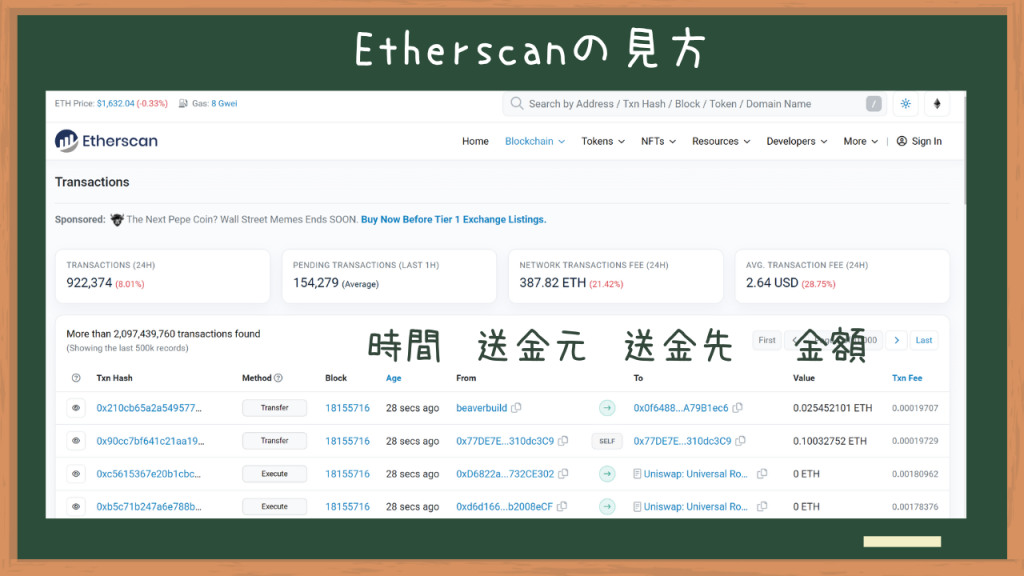
The public nature of the blockchain further complicates the security landscape. Tools such as Etherscan and BSCScan allow anyone to view the transaction history and balance of any wallet address. While this transparency is vital for auditing and trust, it also provides a roadmap for malicious actors. Scammers frequently monitor block explorers to identify active wallets or "whales" (high-net-worth individuals), subsequently targeting them with tailored phishing attacks or "airdropped" malicious tokens designed to trigger exploitative smart contracts upon interaction.

【3分でわかるWeb3.0基礎講座】セキュリティ

Anatomy of a Web3 Scam: A Chronological Overview

The lifecycle of a Web3 security breach often begins long before a transaction is signed. Cybercriminals utilize a multi-stage approach to bypass the skepticism of modern users.

Phase 1: Social Engineering and Lead Generation

The process typically starts on social platforms such as Discord, Telegram, or X (formerly Twitter). Scammers deploy automated bots to send Direct Messages (DMs) or tag users in posts claiming they have won a "whitelist" spot, a high-value airdrop, or an exclusive NFT. These messages are designed to create a sense of urgency and FOMO (Fear Of Missing Out), prompting the user to act quickly without performing due diligence.

【3分でわかるWeb3.0基礎講座】セキュリティ

Phase 2: The Phishing Gateway

Users are directed to a "spoofed" website that meticulously mimics the interface of a legitimate project, such as OpenSea, Blur, or a popular DeFi protocol. These sites often use "typosquatting"—registering domains that are nearly identical to the original (e.g., "openseea.io" instead of "opensea.io"). Once on the site, the user is prompted to "Connect Wallet" to claim their prize.

Phase 3: The Malicious Signature

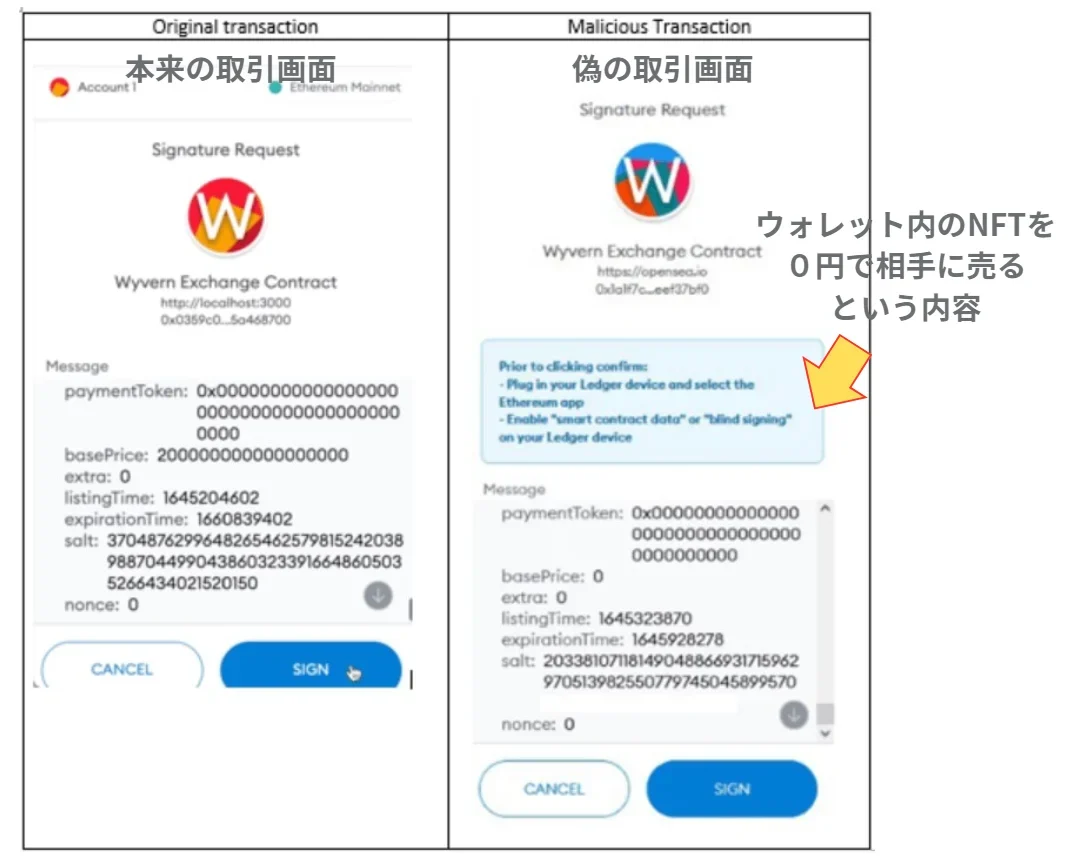
This is the critical juncture where the theft occurs. Instead of a simple login, the fake site presents a transaction request. To the untrained eye, this may look like a standard "Sign" or "Approve" request. In reality, the user is often granting the scammer’s smart contract an "Unlimited Allowance" to spend a specific token (like USDT or ETH) from their wallet. Once the user signs this transaction, the scammer gains the legal "permission" on the blockchain to drain the assets at any time.

【3分でわかるWeb3.0基礎講座】セキュリティ

Technical Defense Mechanisms: The Role of Revoking and Security Extensions

To combat these threats, the industry has developed specialized tools and protocols. One of the most critical, yet underutilized, functions is the "Revoke" mechanism.

Understanding Token Approvals

When a user interacts with a legitimate DeFi protocol, they must "approve" the protocol to move tokens on their behalf. For convenience, many protocols request "unlimited" approval so the user doesn’t have to pay gas fees for every single trade. However, if that protocol is later hacked, or if the user accidentally granted this permission to a scam site, their funds remain at risk indefinitely.

【3分でわかるWeb3.0基礎講座】セキュリティ

The Revocation Process

"Revoking" is the act of resetting these permissions to zero. Security experts recommend that users regularly audit their approvals using services integrated into block explorers. The process involves:

  1. Navigating to the "Token Approval" section of a block explorer (e.g., Etherscan’s "More" menu).
  2. Connecting a Web3 wallet to the interface.
  3. Identifying unrecognized or high-risk contracts.
  4. Clicking "Revoke" and confirming the transaction.
    It is important to note that revoking is an on-chain transaction that requires a small amount of "gas" (network fees), meaning users must maintain a small balance of the network’s native token to secure their wallet.

Proactive Protection Tools

Beyond manual audits, browser extensions like "Kekkai" or "Pocket Universe" have emerged as essential layers of defense. These tools act as a firewall, intercepting wallet requests and simulating the transaction before the user signs it. They provide a clear, human-readable summary of what the transaction will do—such as "This transaction will move all your Bored Ape NFTs to an unknown address"—effectively neutralizing the ambiguity that scammers rely on.

【3分でわかるWeb3.0基礎講座】セキュリティ

Supporting Data: The Scale of the Threat

The necessity for these security measures is underscored by staggering industry data. According to reports from blockchain analytics firm Chainalysis, crypto-related scams and hacks resulted in the theft of approximately $3.8 billion in 2022. While 2023 saw a decline in the total value stolen due to improved market conditions and better security practices, the frequency of "approval phishing" attacks increased.

A study by the FBI’s Internet Crime Complaint Center (IC3) noted that investment fraud involving cryptocurrency reached record highs in recent years, with social engineering on platforms like Discord being a primary entry point. The data suggests that while the technical security of the blockchains themselves (like Ethereum or Bitcoin) remains robust, the "human layer" remains the most vulnerable point of failure.

【3分でわかるWeb3.0基礎講座】セキュリティ

Industry and Regulatory Responses

The prevalence of these scams has forced major platforms to take action. Discord has implemented more stringent bot-detection algorithms and has encouraged server moderators to disable DMs by default for community members. Wallet providers like MetaMask have overhauled their user interfaces to make "Set Approval For All" warnings more prominent and easier to understand for non-technical users.

Regulators, including the Securities and Exchange Commission (SEC) in the United States and the Financial Conduct Authority (FCA) in the UK, have issued repeated warnings regarding the risks of decentralized finance. Their focus has largely been on investor education, emphasizing that in the world of Web3, there is no "customer service" line to call once a transaction has been confirmed on the ledger.

【3分でわかるWeb3.0基礎講座】セキュリティ

Broader Impact on Mass Adoption

The "security tax" currently imposed on Web3 users—the need to constantly audit approvals, use multiple hardware wallets, and decipher complex hexadecimal signatures—remains one of the most significant barriers to mass adoption. For blockchain technology to reach the next billion users, the industry must move toward "Account Abstraction" and other technologies that allow for social recovery and programmable security rules, reducing the catastrophic impact of a single lost key or signed message.

Until these technical improvements become standard, education remains the most effective tool. The transition from the "walled gardens" of Web2 to the open frontiers of Web3 requires a fundamental shift in user psychology. The convenience of "one-click" interactions must be replaced by a culture of verification.

【3分でわかるWeb3.0基礎講座】セキュリティ

Conclusion: A Checklist for the Modern Web3 User

To navigate this landscape safely, users are encouraged to adopt a "Zero Trust" policy. This includes:

  • Disabling DMs: Turning off direct messages on Discord and X to avoid automated scam outreach.
  • Using Hardware Wallets: Storing long-term assets in "cold storage" devices that are not connected to the internet.
  • Verification of Links: Always accessing protocols through official documentation or bookmarked links rather than search engine results or social media tags.
  • Regular Audits: Monthly checks of token approvals and revoking any permissions that are no longer necessary.
  • Transaction Simulation: Utilizing security extensions to preview the outcome of any signature request.

As the Web3 ecosystem continues to mature, the battle between innovators and exploiters will persist. The resilience of the decentralized future depends not only on the strength of its code but on the informed vigilance of its participants. In the digital age, the price of sovereignty is eternal vigilance.

July 19, 2026 0 comment
0 FacebookTwitterPinterestEmail
Japanese & Asian Crypto Markets

Asian AI Giants Challenge US Dominance as Export Bans Reshape Global Cybersecurity Landscape

by Raul Delapena Setiawan July 19, 2026
written by Raul Delapena Setiawan

The global artificial intelligence landscape underwent a significant shift this week as leading technology firms in China and Japan unveiled advanced AI models designed to rival top-tier American technology currently restricted by federal export controls. On Wednesday, the Chinese cybersecurity titan 360 announced the development of Tulongfeng, a sophisticated AI tool specifically engineered to match the capabilities of Anthropic’s Mythos model. This move follows the recent launch of Fugu by Tokyo-based Sakana AI, a frontier model that the company claims stands "shoulder-to-shoulder" with the most powerful restricted versions of Anthropic’s suite. These developments signal a rapid acceleration in the pursuit of AI sovereignty across Asia, as regional players move to fill a vacuum created by tightening U.S. trade policies.

The Catalyst: U.S. Export Controls and the Anthropic Ban

The sudden surge in Asian AI product launches is directly linked to an executive order from the Trump administration issued earlier this month. The order effectively prohibited Anthropic from providing global access to its two most powerful cybersecurity-focused models: Mythos and Fable 5. Mythos, described by industry experts as a "frontier" model with unprecedented capabilities in identifying software vulnerabilities and orchestrating complex cyber maneuvers, was deemed a national security risk if accessed by non-American entities.

Fable 5, a slightly more restricted but still highly capable version of the model, was also included in the ban. These restrictions were implemented despite Anthropic’s historic growth trajectory; in May 2026, the San Francisco-based AI lab reported that its run-rate revenue had surpassed $47 billion, with a valuation nearing $1 trillion ahead of its anticipated initial public offering. The ban has significantly disrupted Anthropic’s expansion into Asian enterprise markets, creating an immediate demand for high-performance alternatives that are not subject to the volatility of U.S. foreign policy.

China’s Strategic Countermove: 360’s Tulongfeng and Yitianzhen

In Beijing, the cybersecurity firm 360 has positioned its new tools not merely as commercial products, but as national strategic assets. The company’s founder, Zhou Hongyi, introduced Tulongfeng as a direct competitor to Anthropic’s Mythos, specifically focused on the automated discovery of software vulnerabilities. Alongside Tulongfeng, 360 unveiled Yitianzhen, a model designed to automate cyber defense and incident response.

Zhou Hongyi emphasized the concept of "one-way transparency" as a primary driver for these developments. He argued that if only certain global actors have access to advanced AI for vulnerability detection, it creates a dangerous imbalance in international cybersecurity. By developing Tulongfeng, 360 aims to ensure that China possesses the same high-level offensive and defensive capabilities as those guarded by the U.S. government. The firm’s rhetoric suggests that AI-driven cybersecurity is now a central pillar of national defense, mirroring the U.S. stance that such technology is too powerful to be shared freely.

Japan’s Resilience Strategy: Sakana AI and the Fugu Model

While 360’s approach is rooted in strategic competition, Tokyo-based Sakana AI has framed its new model, Fugu, as a practical hedge against geopolitical instability. Named after the Japanese blowfish—a delicacy that is dangerous if not handled with extreme precision—Fugu is designed to deliver frontier-level capabilities without the risk of being cut off by foreign export controls.

Sakana AI, founded in 2023 by former Google researchers David Ha and Llion Jones, along with former Mercari executive Ren Ito, has quickly become a leader in the Japanese AI sector. The company recently raised $135 million in a Series B funding round, reaching a valuation of $2.65 billion. Fugu represents a shift in philosophy from the "bigger is better" approach of American labs. Instead of focusing solely on raw parameter count, Fugu is an "orchestration model" designed to manage and coordinate access to various other models through their APIs.

David Ha, CEO of Sakana AI, noted on social media that reliance on a single provider for national infrastructure is a risk that the recent U.S. export controls have made impossible for Japanese businesses to ignore. "Access to top models can disappear overnight," Ha stated. "Collective intelligence is the practical hedge against this concentration of power."

Chronology of the AI Export Crisis

To understand the speed of the current market realignment, it is necessary to look at the timeline of events leading up to this week’s launches:

  • May 2026: Anthropic announces record-breaking revenue figures, solidifying its position as the dominant force in enterprise AI.
  • June 10, 2026: The Trump administration issues an emergency export ban on Anthropic’s Mythos and Fable 5 models, citing concerns over "dual-use" technology that could be used for state-sponsored cyber warfare.
  • June 17, 2026: At the G7 summit in Evian, France, AI access and export controls become a primary topic of discussion. Sakana AI co-founder Ren Ito participates in high-level talks, advocating for "AI sovereignty" and the preservation of access for U.S. allies.
  • June 22, 2026: Sakana AI launches Fugu, explicitly marketing it as a way for Japanese firms to bypass the risks of U.S. export restrictions.
  • June 24, 2026: 360 unveils Tulongfeng and Yitianzhen in Beijing, framing them as essential tools for maintaining China’s strategic parity in the AI age.

Geopolitical Implications: The Rise of AI Sovereignty

The emergence of Tulongfeng and Fugu highlights a growing trend toward "AI Sovereignty"—the idea that nations must control their own AI infrastructure to ensure economic and national security. For years, the global tech industry operated on the assumption that U.S.-developed models would serve as the foundational layer for the world’s AI applications. However, the weaponization of export controls has shattered that trust.

Ren Ito, in an op-ed published shortly after the G7 summit, argued that the U.S. government’s first priority should be to preserve access for its closest allies. He warned that hoarding technology would lead to a fragmented global ecosystem where every region develops its own incompatible "walled gardens." The current situation suggests that this fragmentation is already well underway. Japanese businesses and government agencies, traditionally reliant on American software, are now looking toward local alternatives like Fugu to ensure their digital infrastructure cannot be disabled by a change in Washington’s political climate.

Technical Analysis: Orchestration vs. Raw Power

The technical distinction between these new Asian models and their American counterparts is significant. While Anthropic’s Mythos is built as a monolithic, highly powerful model, Sakana’s Fugu is designed for the "agentic" era of AI. It excels at acting as a central hub that can call upon different specialized models to complete complex tasks. This approach is particularly effective for small-to-medium datasets and is optimized for the specific linguistic and cultural nuances of the Japanese market.

In contrast, 360’s Tulongfeng appears to be more focused on the brute-force identification of code vulnerabilities. By automating the "red teaming" process—where AI attempts to hack into systems to find weaknesses—360 is providing a tool that was previously the sole domain of elite human cybersecurity researchers or highly restricted Western AI.

Economic Impact and the Future of Global AI Markets

The long-term economic consequences of the Anthropic ban remain to be seen, but the immediate impact is a loss of market share for U.S. firms. While Anthropic’s $47 billion run-rate suggests a strong domestic and European base, the exclusion of Asian enterprise customers provides a massive opening for local competitors.

Industry analysts suggest that even if the U.S. were to lift the ban tomorrow, the damage to the reputation of American AI providers may be permanent. "Trust is the hardest currency to regain," said one Tokyo-based venture capitalist. "When a company realizes their entire workflow can be halted by a foreign government’s signature, they don’t go back to that provider. They build their own."

As 360 and Sakana AI continue to refine their products, the "gap" between Western and Eastern AI capabilities is narrowing. If Tulongfeng and Fugu prove to be as effective as their creators claim, the U.S. may find that its attempt to contain advanced AI has instead served as the catalyst for a more competitive and decentralized global market. The era of U.S. AI hegemony is facing its most significant challenge yet, driven not just by technological innovation, but by the fundamental need for national and corporate self-preservation in an increasingly polarized world.

July 19, 2026 0 comment
0 FacebookTwitterPinterestEmail
Crypto Mining & Infrastructure

The State of Bitcoin Mining in Brazil: A Deep Dive into Energy Infrastructure Institutional Growth and Global Hashrate Resiliency

by Reynand Wu July 19, 2026
written by Reynand Wu

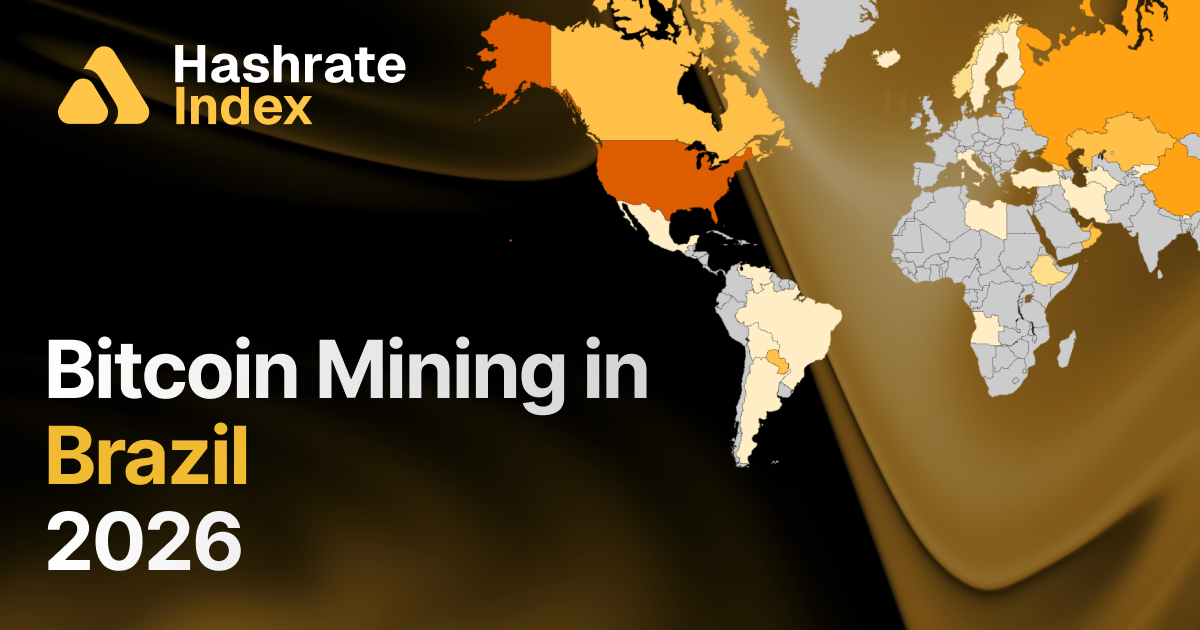
Brazil’s emergence as a significant contender in the global Bitcoin mining landscape has transitioned from a peripheral narrative to a central development in the digital asset infrastructure sector. Historically characterized by a complex tax code and a sprawling, often difficult-to-navigate energy grid, the nation has recently demonstrated a remarkable level of resiliency. Between the third quarter of 2025 and the third quarter of 2026, Brazil’s estimated hashrate contribution grew from 2.5 exahashes per second (EH/s) to 3.5 EH/s, marking a 40% year-over-year increase. While the explosive growth of 2024 has moderated, the most significant data point lies in Brazil’s relative performance: during a period when the global network hashrate contracted by 6.4%—dropping from approximately 1,004 EH/s to 940 EH/s—Brazil’s output remained stable at 3.5 EH/s. This stability has effectively increased Brazil’s global market share to approximately 0.37%, signaling a deep institutional conviction that persists even when major jurisdictions like the United States, China, and Russia have seen temporary contractions.

The Brazilian Power Grid: A Renewable Energy Powerhouse

The backbone of Brazil’s mining appeal is the Sistema Interconectado Nacional (SIN), one of the world’s most robust and greenest energy networks. In 2023, the SIN generated 708.1 TWh of electricity, with an installed capacity reaching 232 GW in 2024. Projections from the Brazilian energy ministry suggest this capacity will expand to 268 GW by 2029. What distinguishes Brazil from other mining hubs is its renewable composition, which consistently fluctuates between 88% and 90%.

The State of Bitcoin Mining in Brazil (2026)

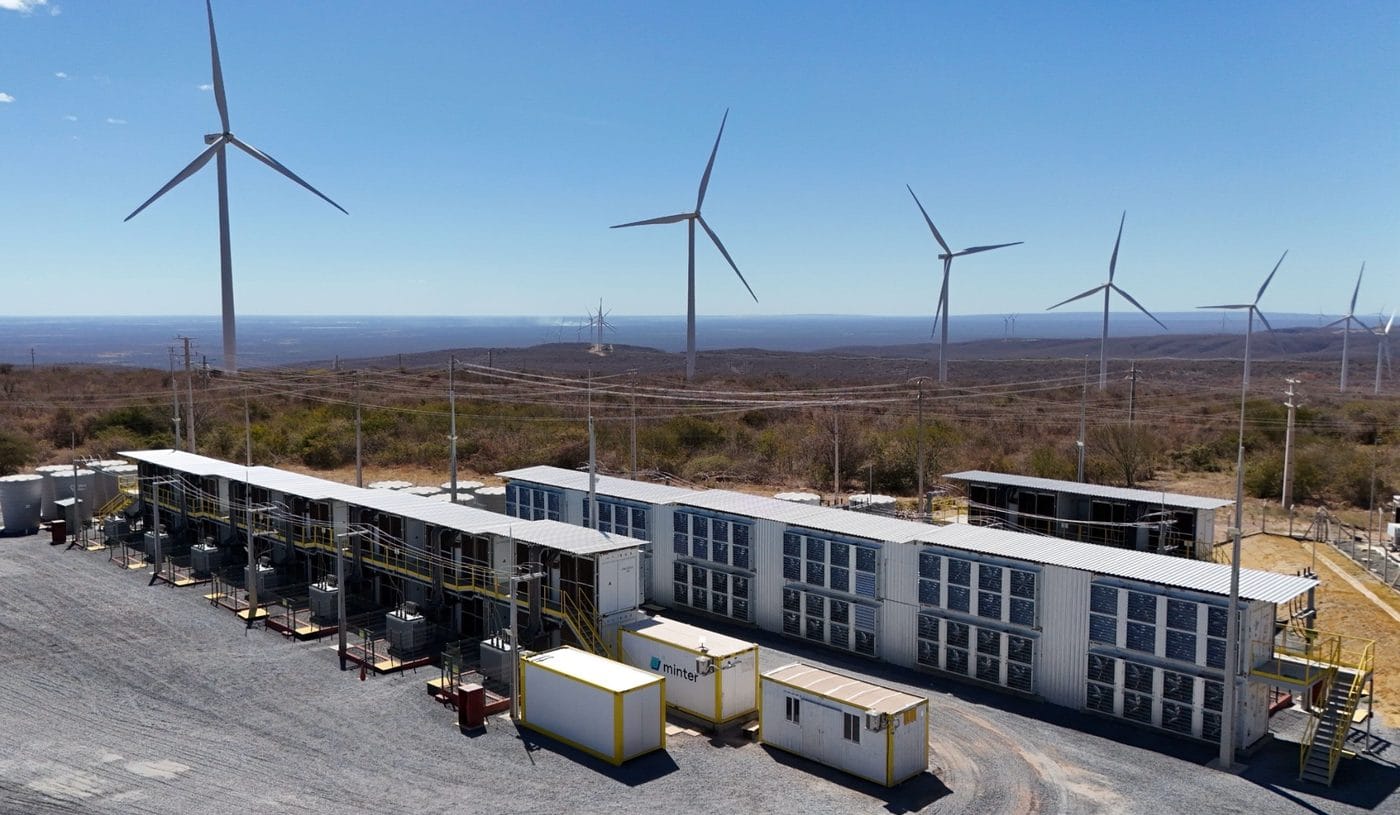
The country utilizes several "mega-dams" to anchor its energy supply, including Itaipu (14,000 MW, shared with Paraguay), Belo Monte (11,233 MW), and Tucuruí (8,370 MW). Furthermore, the Northeast region has become a global leader in wind energy, boasting 19.6 GW of capacity across nearly 700 plants. For Bitcoin miners, this translates into some of the cleanest grid power available globally. However, the cost of this energy is highly dependent on the consumer’s regulatory status.

While captive industrial consumers pay average tariffs ranging from $0.126/kWh in the South to $0.159/kWh in the Central-West, these figures are not the relevant benchmark for industrial mining. The true opportunity lies in the Ambiente de Contratação Livre (ACL), or the Free Contracting Environment. Under Portaria 50/2022, which reached full implementation in 2024, high-tension consumers can bypass traditional distributors to negotiate directly with power generators. This allows for bilateral contracts with wind or hydro producers, securing fixed prices and shielding operators from the "Bandeira Tarifária" system—a real-time surcharge mechanism triggered during periods of low hydrology.

The Strategic Importance of Energy Curtailment

The most significant operational frontier in Brazil is the Northeast wind belt. Despite its productivity, the region suffers from severe transmission bottlenecks. In 2024 alone, 1,445 renewable plants faced curtailment, resulting in approximately 400,000 hours of forced interruptions where energy was generated but could not be transmitted to the grid.

The State of Bitcoin Mining in Brazil (2026)

Bitcoin miners have positioned themselves as the "buyer of last resort" for this stranded energy. By co-locating modular data centers directly at the generation source, miners absorb structural waste, providing a revenue floor for energy producers. This symbiotic relationship is the primary driver behind the current wave of institutional investment in the Brazilian mining sector.

Institutional Profiles: The Vanguard of Brazilian Mining

The landscape of 2026 is defined by four primary operators, each representing a different facet of the market’s maturity and strategic direction.

Minter Digital: The Institutional Pioneer

Minter Digital represents the most operationally mature entity in the Brazilian market. With a founding team tracing its lineage to CleanSpark (NASDAQ: CLSK) and the launch of the first regulated crypto ETF via Hashdex, the company focuses on "financializing" mining. Minter recently secured a Series A investment from Itaú Ventures, the venture capital arm of Itaú Unibanco, Latin America’s largest private-sector bank. This partnership is viewed as a landmark moment for the industry, signaling that traditional financial titans now view mining as a legitimate energy infrastructure asset. Minter operates on a "Greenabler" model, utilizing profit-sharing agreements with generators to monetize intermittent wind and solar energy that would otherwise be lost to dispatch constraints.

The State of Bitcoin Mining in Brazil (2026)

Arthur Mining: The Proven Blueprint

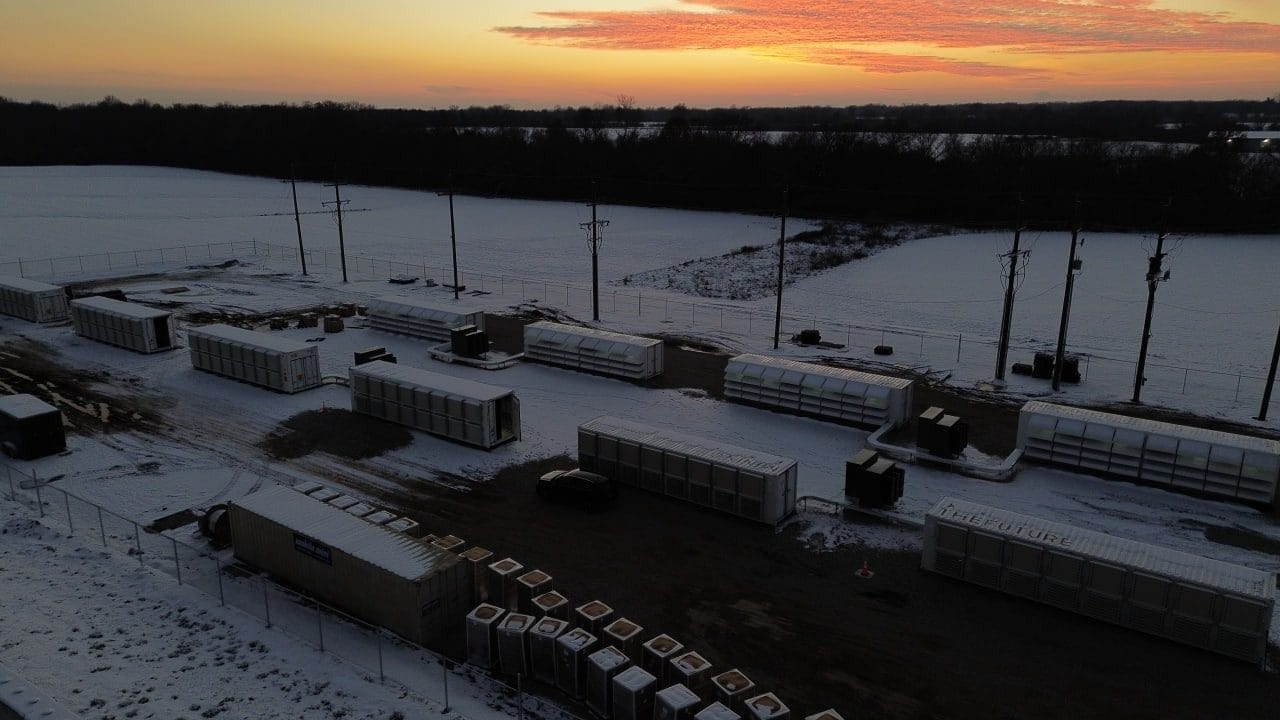
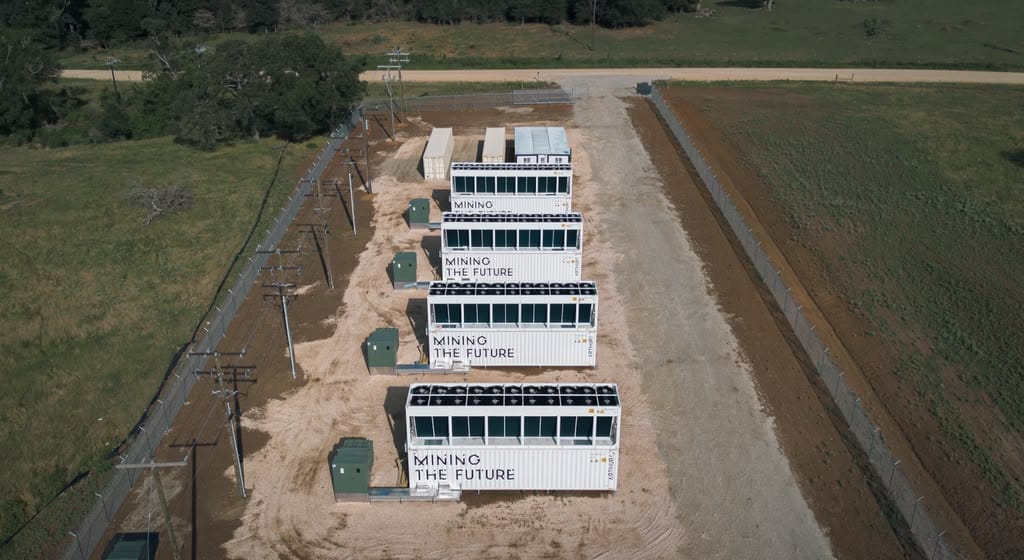
Founded by Rudá Pellini, Arthur Mining (Arthur Inc.) spent years proving its containerized, energy-first model in the United States before expanding back into Brazil. With a development pipeline of 117 MW across North America, the company uses its Brazilian arm to identify undervalued energy sources. Arthur Mining also serves as a regional distributor for FBOX, providing the "Container-as-a-Service" (CaaS) model that allows smaller players to deploy institutional-grade infrastructure without the heavy R&D costs.

Radius Mining: Targeting the Northeast

Led by former Credit Suisse banker Flávio Hernandez, Radius Mining is specifically designed to solve the curtailment problem in the Northeast. The company recently signed a landmark Operations and Maintenance (O&M) contract with Axia, the successor to the privatized state utility Eletrobras. This relationship provides Radius with the credibility to negotiate with major energy generators who were previously skeptical of the mining sector. Radius is currently building toward a target of 50 MW of installed capacity by the end of 2026, backed by seed capital from major Brazilian energy entrepreneurs and directors from XP Investimentos.

Vextron Technologies: The Industrial Innovator

Vextron Technologies, based in the technological hub of Florianópolis, focuses on the electromechanical supply chain. By manufacturing proprietary mining modules within Brazil using components from global giants like WEG and Schneider, Vextron sidesteps many of the logistical hurdles associated with importing hardware. Their "MINERA" software platform integrates directly with power plant dispatch centers, allowing the mining load to function as a responsive, controllable element of the grid.

The State of Bitcoin Mining in Brazil (2026)

The Logistical and Regulatory Maze

While energy is abundant, the importation of hardware remains a significant hurdle. Brazil’s customs environment is notoriously complex, requiring a "non-automatic" import license from DECEX for any used equipment. This process can take between 15 and 60 days and must be completed before the hardware leaves its country of origin.

Furthermore, the tax implications of hardware classification are severe. Miners must be classified under NCM 8473.30.49 (parts for data processing) to qualify for 0% import duties. An incorrect classification under "general electrical apparatus" (NCM 8543.70.99) can result in a tax burden exceeding 50% of the hardware’s value. Success in the Brazilian market, therefore, requires a sophisticated understanding of the "RADAR" registration system and the "Receita Federal" vetting process.

Financial Sophistication and Market Outlook

The arrival of institutional financial products is a key indicator of Brazil’s maturation. Hashrate forward financing—where operators receive upfront capital in exchange for future production—is now being utilized to fund capital expenditures (CapEx). This reduces the reliance on equity diluting rounds and allows miners to scale more efficiently.

The State of Bitcoin Mining in Brazil (2026)

Industry analysts observe that Brazil’s current hashrate of 3.5 EH/s is not merely a number, but a "floor" established by operators who have survived a global downturn. The conviction displayed by Brazilian miners during the Q3 2026 network contraction suggests that the infrastructure being built is designed for long-term sustainability rather than short-term speculation.

Chronology of Key Developments

  • 2017-2020: Early pioneers like Arthur Mining establish the first operational proofs of concept, largely focusing on US markets while scouting Brazilian energy.
  • September 2022: The Brazilian government issues Portaria 50/2022, setting the stage for the full opening of the Free Contracting Environment (ACL).
  • January 2024: The ACL becomes fully accessible to all high-tension consumers, enabling Bitcoin miners to negotiate directly with renewable energy generators.
  • Early 2025: Brazil’s hashrate begins a steep climb from 1.5 EH/s as the first wave of large-scale containerized deployments goes live.
  • June 2025: Vextron Technologies commences operations, highlighting a shift toward domestic manufacturing of mining infrastructure.
  • Q3 2026: Brazil maintains 3.5 EH/s of hashrate despite a 6.4% global network contraction, proving the resilience of the domestic sector.

Broader Impact and Implications

Brazil’s trajectory offers a blueprint for other developing nations with abundant renewable energy and transmission challenges. By integrating Bitcoin mining into the national grid as a flexible, dispatchable load, Brazil is not only securing a piece of the global digital economy but also underwriting the financial viability of its renewable energy expansion.

The entry of Itaú Ventures and directors from XP Investimentos suggests that the "stigma" of Bitcoin mining is fading in the eyes of traditional Brazilian finance. As the Leilão 001/2024 transmission expansion begins to alleviate bottlenecks in the Northeast through 2026 and 2027, the potential for Brazil to break into the top five global mining jurisdictions becomes increasingly plausible. The current 3.5 EH/s represents a hardened base of operations; the next phase of growth will likely be driven by the integration of these mines into the broader demand-response mechanisms of the Brazilian power grid.

July 19, 2026 0 comment
0 FacebookTwitterPinterestEmail
Crypto Mining & Infrastructure

Foundry to Expand Global Mining Footprint with Launch of Institutional Grade Zcash Mining Pool in April 2026

by Raul Delapena Setiawan July 19, 2026
written by Raul Delapena Setiawan

Foundry, the operator of the world’s most prolific Bitcoin mining pool, has officially announced its strategic expansion into the privacy-centric cryptocurrency sector with the upcoming launch of a Zcash (ZEC) mining pool tailored specifically for institutional participants. Scheduled to debut in April 2026, the new initiative represents a significant pivot for the North American mining giant, which currently dominates the Bitcoin network via its Foundry USA pool. The move is designed to address a perceived deficit in the professional mining infrastructure currently supporting Zcash, providing a compliant, high-security environment for public companies and large-scale institutional miners to contribute computational power to the ZEC network.

The announcement comes at a time when the digital asset industry is witnessing a divergence between retail-driven speculative assets and privacy-focused protocols that offer robust utility for secure financial transactions. By entering the Zcash ecosystem, Foundry intends to apply the same operational rigors and transparency standards that propelled its Bitcoin operations to the top of the global rankings. The new pool will be based in the United States, adhering to domestic regulatory standards while offering the technical sophistication required by enterprise-level entities.

The Strategic Rationale Behind Foundry’s Expansion

Foundry’s decision to launch a Zcash-specific pool is rooted in the maturation of Zcash as an asset class. Despite its long-standing presence in the market, Zcash has historically lacked the institutional-grade mining "plumbing" that characterizes the Bitcoin ecosystem. Mike Colyer, CEO of Foundry, emphasized that while Zcash has evolved into an asset suitable for institutional portfolios, the underlying infrastructure has not seen a commensurate level of professionalization.

For institutional miners, particularly those listed on public stock exchanges, participating in decentralized networks requires a high degree of certainty regarding the provenance of rewards, the security of the pool, and the transparency of the payout structures. Existing Zcash mining pools, while functional, often lack the rigorous auditing and compliance frameworks that larger corporations demand. Foundry’s entry is expected to bridge this gap, potentially attracting a new wave of capital into the Zcash mining hardware market.

Furthermore, the expansion allows Foundry to diversify its revenue streams. As the Bitcoin network undergoes periodic halvings and faces increasing competition, established mining operators are looking toward other Proof-of-Work (PoW) assets that offer sustainable economics and a clear value proposition. Zcash, with its fixed supply and established brand, fits the profile of a "blue-chip" PoW asset that complements a Bitcoin-centric mining strategy.

Bitcoin Mining Giant Enters Zcash With Institutional Service

Technical Foundations: Zcash and the Bitcoin Lineage

Zcash was launched in 2016 as a fork of the Bitcoin codebase, meaning it shares several fundamental economic properties with the world’s largest cryptocurrency. Like Bitcoin, Zcash has a hard cap of 21 million tokens. It also utilizes a halving mechanism approximately every four years to manage inflation and ensure long-term scarcity. However, Zcash distinguishes itself through its implementation of zk-SNARKs (Zero-Knowledge Succinct Non-Interactive Arguments of Knowledge), a form of cryptography that allows users to verify transactions without revealing the sender, receiver, or transaction amount.

In the current digital landscape, most blockchains are pseudonymous rather than anonymous. While Bitcoin addresses do not inherently carry names, the public nature of the ledger allows chain analysis firms to deanonymize users by tracking transaction patterns. Zcash offers a solution to this through its "shielded" addresses, which provide a layer of financial privacy essential for certain corporate and individual use cases.

The Foundry press release noted that Zcash demonstrates how financial privacy can coexist with compliant digital infrastructure. This balance is critical for institutional adoption, as it allows entities to protect sensitive financial data while still providing the necessary transparency for audits and regulatory reporting.

Analyzing the Recent Surge in Network Hashrate

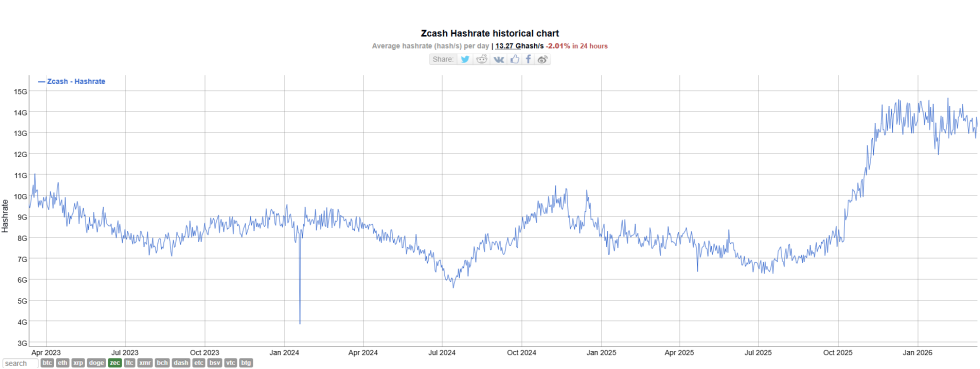
The timing of Foundry’s announcement coincides with a period of remarkable growth for the Zcash network. Data from BitInfoCharts indicates a significant upward trend in the computing power, or hashrate, dedicated to the ZEC blockchain. In October 2025, the Zcash hashrate was recorded at less than 8 Ghash/s. By early 2026, that figure has climbed to over 13 Ghash/s, representing an increase of more than 60% in a matter of months.

A rising hashrate is generally viewed as a sign of network health and security. It indicates that miners are increasingly confident in the future value of the asset, leading them to deploy more hardware or upgrade existing rigs. The surge in hashrate also suggests that specialized mining hardware, such as Equihash ASICs (Application-Specific Integrated Circuits), is becoming more efficient and widely available.

Foundry’s entry into the space is likely to accelerate this trend. As the largest operator in the Bitcoin space, Foundry’s endorsement of Zcash serves as a powerful signal to hardware manufacturers and other large-scale miners that the network is a viable destination for significant capital expenditure.

Bitcoin Mining Giant Enters Zcash With Institutional Service

Chronology of Zcash Development and Mining Milestones

To understand the significance of Foundry’s move, it is necessary to look at the timeline of Zcash’s evolution:

  1. October 2016: Zcash is officially launched by the Zerocoin Electric Coin Company (now Electric Coin Co.), led by Zooko Wilcox.
  2. 2018–2020: The network undergoes several major upgrades, including "Sapling" and "Blossom," which significantly improve the speed and efficiency of shielded transactions.
  3. November 2020: The first Zcash Halving occurs, reducing the block reward from 6.25 ZEC to 3.125 ZEC. This event also saw the introduction of the "Dev Fund," which allocates a portion of rewards to support further development and ecosystem growth.
  4. 2022–2024: The network navigates various regulatory challenges regarding privacy coins while continuing to refine its zero-knowledge proof technology.
  5. Late 2025: The Zcash hashrate begins a sharp ascent, moving from 8 Ghash/s toward historical highs.
  6. March 2026: Foundry announces the April 2026 launch of its institutional Zcash mining pool.

Zooko Wilcox, the founder of Zcash and currently the Chief Product Officer at Shielded Labs, expressed strong support for Foundry’s initiative. Shielded Labs, an independent support organization based in Switzerland, has been instrumental in fostering the Zcash ecosystem. Wilcox noted that having a North American-based, enterprise-grade pool from an operator of Foundry’s caliber is a major milestone for the decentralization and security of the network.

Broader Implications for the Privacy Coin Market

The launch of an institutional Zcash pool by a major US-based firm carries heavy implications for the broader privacy coin market. For years, privacy-focused assets have faced scrutiny from regulators who fear their potential for misuse in illicit activities. This has led to the delisting of various privacy coins from major exchanges in certain jurisdictions.

However, Foundry’s involvement suggests a shift toward a more nuanced understanding of privacy technology. By operating a transparent, US-based pool, Foundry provides a "clean" path for institutional participation. This could potentially set a precedent for how other privacy protocols interact with the traditional financial system. If Zcash can prove that privacy and compliance are not mutually exclusive, it may pave the way for broader acceptance of zero-knowledge technologies in mainstream finance.

From a market perspective, the increased security provided by a larger and more diverse mining base often correlates with lower volatility and higher liquidity. As more professional miners enter the ZEC ecosystem, the "sell pressure" from mining rewards becomes more predictable, and the overall robustness of the network makes it a more attractive prospect for long-term investors.

Market Reaction and Price Performance

At the time of the announcement, the price of Zcash (ZEC) was trading at approximately $209. While the coin has experienced a retracement of roughly 11% over the past week, its long-term trajectory remains a point of interest for analysts. The retracement is viewed by many as a standard market correction following a period of recovery.

Bitcoin Mining Giant Enters Zcash With Institutional Service

Historically, the introduction of institutional infrastructure has served as a catalyst for asset appreciation. While Foundry’s pool is not scheduled to go live until April 2026, the anticipation of increased network security and institutional involvement may provide a floor for the asset’s price. Traders are closely watching the $200 support level, as a sustained hold above this mark, combined with the news of Foundry’s expansion, could signal a renewed bullish phase for ZEC.

Conclusion and Future Outlook

The launch of the Foundry Zcash mining pool in April 2026 is poised to be a landmark event for the Proof-of-Work landscape. It signals the end of the era where Zcash was primarily the domain of hobbyist miners and niche privacy advocates, ushering in a period of professionalized, large-scale operations.

For Foundry, the move reinforces its position as a dominant force in the global mining industry, capable of shaping the trajectory of multiple blockchains. For Zcash, it provides the structural support needed to fulfill its promise as a secure, private, and institutional-grade digital currency. As the 2026 launch date approaches, the industry will be watching closely to see how this infusion of North American institutional hashrate affects the decentralization, security, and market dynamics of one of the world’s most prominent privacy-preserving protocols.

July 19, 2026 0 comment
0 FacebookTwitterPinterestEmail
Crypto Mining & Infrastructure

Trump-Backed American Bitcoin Set for Nasdaq Debut Through Merger With Gryphon Digital Mining as Expansion Plans Target Asia

by Dwi Wanna July 19, 2026
written by Dwi Wanna

American Bitcoin, a specialized cryptocurrency mining enterprise backed by Eric Trump and Donald Trump Jr., is finalizing preparations to transition into a publicly traded entity through an all-stock merger with Gryphon Digital Mining. According to reports confirmed by Hut 8 CEO Asher Genoot, the transaction is expected to conclude in the coming weeks, with the new entity targeted to begin trading on the Nasdaq stock exchange in early September 2025. The company will operate under the ticker symbol ABTC, marking a significant milestone in the intersection of high-level political figures and the institutionalized digital asset sector.

The structural framework of the deal positions Hut 8, one of the industry’s most prominent infrastructure providers, as a central pillar of the new organization. Hut 8 currently maintains an 80% stake in American Bitcoin and is slated to retain a majority interest following the completion of the merger. In a move that underscores the high-profile nature of the venture, the company has secured a roster of anchor investors that includes Tyler and Cameron Winklevoss, the co-founders of the Gemini cryptocurrency exchange. While Gemini has not issued a formal statement regarding the investment, the inclusion of the Winklevoss twins suggests a robust level of confidence from established industry veterans.

Strategic Objectives and the Path to Public Listing

The decision to pursue a merger with Gryphon Digital Mining rather than a traditional initial public offering (IPO) reflects a strategic choice to streamline the path to the public markets. Speaking at the Bitcoin Asia conference in Hong Kong, Asher Genoot emphasized that the merger provides American Bitcoin with more flexible and broader financing options. This approach allows the company to bypass some of the lengthy regulatory hurdles associated with a standard IPO while immediately gaining access to the liquidity and capital-raising potential of the Nasdaq.

Upon the closing of the deal, the combined entity will adopt the American Bitcoin name, effectively rebranding the existing Gryphon infrastructure under the new banner. The ownership structure will remain highly concentrated; Hut 8 and the Trump brothers are expected to collectively control approximately 98% of the company’s equity. This concentration of ownership indicates a long-term commitment from the founding parties to maintain control over the company’s operational direction and strategic pivot points.

American Bitcoin was established in March 2025 with the explicit goal of becoming the world’s most efficient "pure-play" Bitcoin miner. Unlike some competitors that have diversified their data center operations to include artificial intelligence (AI) and high-performance computing (HPC) services, American Bitcoin intends to focus exclusively on the extraction and accumulation of Bitcoin. The company’s growth model is twofold: scaling its mining operations through the deployment of next-generation ASIC (Application-Specific Integrated Circuit) hardware and the direct acquisition of Bitcoin on the open market to bolster its corporate treasury.

Global Expansion and the Asian Pivot

While the company is rooted in the United States, its growth strategy is decidedly global. Eric Trump’s recent appearance at the Bitcoin Asia conference highlights the firm’s intent to cultivate relationships within the Eastern hemisphere. Following the Hong Kong event, Trump is scheduled to travel to Tokyo for an engagement hosted by Metaplanet, a Japanese firm that has gained international attention for its aggressive "Bitcoin-first" treasury strategy, often drawing comparisons to MicroStrategy.

Genoot has indicated that American Bitcoin is actively exploring acquisition opportunities in both Hong Kong and Japan. The rationale behind this international expansion is to offer global investors a gateway to Nasdaq-listed Bitcoin assets, particularly in jurisdictions where direct access to U.S. equities may be restricted or complex. By establishing a physical and operational presence in Asia, American Bitcoin aims to capture a larger share of the global capital currently seeking exposure to the digital asset mining sector.

The focus on Japan and Hong Kong comes at a time when both regions are refining their regulatory frameworks to attract cryptocurrency businesses. Hong Kong, in particular, has positioned itself as a burgeoning hub for digital assets, launching spot Bitcoin and Ethereum ETFs earlier in 2024. For American Bitcoin, establishing a foothold in these markets provides not only geographic diversification but also a strategic hedge against potential regulatory shifts in the United States.

Technical Infrastructure and Operational Efficiency

To achieve its goal of becoming the "most efficient" miner, American Bitcoin must navigate a highly competitive landscape characterized by rising hash rates and fluctuating energy costs. Since the Bitcoin halving event in April 2024, which reduced block rewards by 50%, the mining industry has entered a phase of consolidation. Only the most well-capitalized firms with access to low-cost power and efficient hardware have remained profitable.

American Bitcoin’s partnership with Hut 8 provides a significant advantage in this regard. Hut 8 brings years of operational expertise in managing large-scale data centers and optimizing energy procurement. The "pure-play" mining strategy suggests that the company will prioritize the "hash-rate-to-power-draw" ratio, ensuring that its fleet of miners generates the maximum amount of Bitcoin for every kilowatt-hour of electricity consumed.

Furthermore, the company’s plan to engage in direct Bitcoin purchases suggests a "HODL" strategy common among top-tier public miners like Marathon Digital Holdings and Riot Platforms. By retaining the Bitcoin it mines and purchasing additional coins during market pullbacks, American Bitcoin aims to create a leveraged play on the price of the underlying asset, which often appeals to institutional investors looking for high-beta exposure to the crypto market.

Political Scrutiny and Potential Conflicts of Interest

The involvement of the Trump family has inevitably drawn scrutiny from political analysts and ethics watchdogs. As the Trump administration continues to shape policy, critics have raised concerns regarding potential conflicts of interest. Donald Trump has frequently positioned himself as a "pro-crypto" candidate and leader, advocating for the United States to become the "crypto capital of the planet" and suggesting that all remaining Bitcoin should be mined within the U.S.

The launch of a major mining firm backed by the President’s sons, coinciding with a pro-crypto legislative agenda, creates a complex narrative. Supporters argue that the venture demonstrates a commitment to American technological leadership and energy independence. Conversely, detractors suggest that policy decisions favoring the crypto industry could directly benefit the private financial interests of the First Family.

Despite these concerns, the legal and regulatory framework for the merger remains on track. The SEC’s oversight of Nasdaq listings ensures that the company must adhere to stringent disclosure requirements, providing transparency into its financial health and operational risks. For investors, the "Trump factor" adds a layer of brand recognition and political tailwinds that are unique in the mining sector.

Industry Context: The Competitive Landscape

American Bitcoin enters the public market at a time of significant evolution for the mining industry. The sector is currently dominated by several large-cap players:

  1. Marathon Digital Holdings (MARA): Known for its massive deployed hash rate and substantial Bitcoin treasury.
  2. Riot Platforms (RIOT): Focused on vertically integrated operations with a massive facility in Texas.
  3. Core Scientific (CORZ): Recently emerged from bankruptcy with a renewed focus on both mining and AI data services.
  4. CleanSpark (CLSK): Noted for its use of renewable energy and high operational efficiency.

By branding itself as a "pure-play" miner, American Bitcoin is positioning itself as a direct competitor to these giants. The company’s strategy of aggressive acquisition and global expansion suggests it is not content with being a niche player but aims to challenge the incumbents for market dominance.

The timing of the September 2025 listing is also noteworthy. Historically, the year following a Bitcoin halving is often characterized by significant price appreciation in the digital asset markets. If this trend continues, ABTC could debut during a period of heightened investor appetite for crypto-related equities.

Conclusion and Market Outlook

The merger between American Bitcoin and Gryphon Digital Mining represents a bold gamble on the long-term viability of the Bitcoin mining industry and the continued integration of digital assets into the global financial system. With the backing of the Trump family, the operational muscle of Hut 8, and the financial support of industry leaders like the Winklevoss twins, the company is well-positioned to make a significant impact upon its Nasdaq debut.

As the early September trading date approaches, market participants will be closely watching the finalization of the merger and the company’s first quarterly disclosures. The success of American Bitcoin will likely be measured by its ability to scale its hash rate efficiently, navigate the political complexities of its ownership, and successfully execute its expansion into the burgeoning Asian markets. Whether it can truly become the "world’s largest and most efficient" miner remains to be seen, but its entry into the public arena undoubtedly marks a new chapter in the history of the American crypto industry.

July 19, 2026 0 comment
0 FacebookTwitterPinterestEmail
Global Cryptocurrency News

Uniswap Founder Hayden Adams Proposes Landmark Protocol Fee Expansion, Igniting Core DeFi Value Capture Debate

by Iffa Jayyana July 19, 2026
written by Iffa Jayyana

Hayden Adams, the visionary founder of Uniswap, the decentralized exchange (DEX) powerhouse, has ignited a pivotal discussion within the decentralized finance (DeFi) ecosystem by formally proposing the expansion of protocol fees across upcoming Uniswap v4 deployments and various network integrations, including the recently launched Robinhood Chain. This significant move thrusts one of DeFi’s most enduring and contentious governance debates—the mechanism of value capture for foundational protocols—squarely back into the market’s spotlight. The proposal, published through official Uniswap governance channels, aims to activate a protocol-level fee across a broader spectrum of Uniswap’s operations, a decision that could fundamentally reshape the economic model of the protocol and the investment thesis for its native UNI token holders.

Background: The Genesis of Uniswap and the UNI Token

Uniswap stands as an undisputed titan within the DeFi landscape, a cornerstone infrastructure that has revolutionized on-chain trading. Since its inception, Uniswap has been synonymous with innovation, pioneering the automated market maker (AMM) model that underpins much of the decentralized exchange sector. Its successive iterations, from v1 to v3, have consistently pushed the boundaries of capital efficiency and user experience, enabling billions of dollars in daily trading volume and becoming a primary liquidity venue for countless digital assets across multiple blockchains. The protocol’s importance cannot be overstated; it serves as a critical conduit for liquidity, price discovery, and token swaps, effectively decentralizing a function historically dominated by centralized exchanges.

However, despite its immense utility and colossal transaction volumes, the Uniswap protocol’s native governance token, UNI, has long faced a unique challenge: the question of direct economic value capture. When UNI was launched in September 2020, primarily through an airdrop to early users and liquidity providers, its stated purpose was primarily for governance. Holders of UNI could vote on key protocol parameters, treasury allocations, and future upgrades, embodying the spirit of decentralized ownership. Yet, unlike many other protocol tokens that accrue a portion of the fees generated by their underlying applications, UNI did not directly benefit from the vast trading fees generated by Uniswap. Instead, 100% of trading fees were routed directly to liquidity providers (LPs) as a reward for supplying capital to the pools. This design choice fostered rapid growth by incentivizing liquidity, but it also created a disconnect between the protocol’s unprecedented usage and the token’s intrinsic economic value, leading to persistent discussions among token holders and the wider DeFi community.

The Enduring Debate: Value Capture in DeFi

The debate over protocol fees is not unique to Uniswap but rather a microcosm of a larger philosophical and economic discussion within DeFi: how should decentralized protocols, which often operate as public goods or critical infrastructure, sustain themselves and reward their contributors and governance participants? For years, the prevailing narrative emphasized growth at all costs – attracting liquidity, users, and integrations. The implicit promise was that once sufficient network effects were established, a mechanism for value capture could be introduced without jeopardizing competitiveness.

This paradigm has led to a diversity of approaches across the DeFi ecosystem. Some protocols, like SushiSwap or PancakeSwap, incorporated fee-sharing mechanisms for their token holders from their early days. Others, such as GMX, built their tokenomics directly around revenue sharing, demonstrating a clear link between protocol activity and token holder benefit. These examples often showcased a more direct correlation between protocol success and token price performance, providing a compelling counterpoint to Uniswap’s governance-only model.

The sensitivity surrounding Uniswap’s fees stems from its sheer scale and systemic importance. Any change to its fee structure could have ripple effects across the entire DeFi landscape, impacting liquidity dynamics, trading costs, and the overall competitiveness of the platform. For many UNI holders, the absence of a direct economic link has been a source of frustration, with the token’s valuation often struggling to reflect the protocol’s dominance. This proposal by Hayden Adams directly addresses this long-standing tension, seeking to bridge the gap between usage and token value.

Details of the Current Proposal: Expanding the Fee Horizon

The new proposal put forth by Hayden Adams is designed to activate protocol-level fees across specific new deployments, explicitly mentioning Uniswap v4 pools and the newly integrated Robinhood Chain. This is a crucial distinction from previous, more general discussions about activating the "fee switch" on existing v2 or v3 pools. By targeting new deployments and future iterations like v4, the proposal aims to implement this change strategically, potentially mitigating immediate disruption to established liquidity pools while setting a precedent for future growth.

If approved, a portion of the trading fees, which traditionally flow entirely to liquidity providers, would be redirected to a protocol-controlled mechanism. This mechanism could involve routing funds to the protocol’s treasury, initiating token buybacks (which would reduce supply and potentially increase token value), or implementing token burning (permanently removing tokens from circulation). The exact percentage of fees to be diverted, the specific pools affected, and the chosen chains for implementation are all critical details that will be subject to further governance discussions and votes. This nuanced approach recognizes the complex interplay between incentivizing liquidity, maintaining competitiveness, and creating sustainable value for the protocol and its stakeholders.

A Chronology of Uniswap’s Evolution and Fee Discussions

Uniswap’s journey has been marked by continuous innovation and growth:

  • 2018: Uniswap v1 launches on Ethereum, pioneering the AMM model.
  • 2020 (May): Uniswap v2 introduces ERC-20 to ERC-20 pools and price oracles, significantly expanding its utility.
  • 2020 (September): The UNI governance token is launched via a massive airdrop, distributing tokens to past users and LPs. This moment firmly established Uniswap as a decentralized entity, but without direct fee capture for UNI holders.
  • 2021 (May): Uniswap v3 introduces concentrated liquidity, allowing LPs to allocate capital within specific price ranges, dramatically improving capital efficiency. While v3 included an inactive "protocol fee switch," it remained dormant.
  • Ongoing (2020-2023): Numerous discussions and informal proposals arise within the Uniswap community and governance forums regarding the activation of the fee switch. These often highlighted the discrepancy between Uniswap’s market dominance and UNI’s economic model.
  • 2023 (June): Uniswap v4 whitepaper is released, outlining a highly customizable and "hook"-enabled architecture, designed to be more flexible and extensible. V4’s design inherently offers more granular control over fee mechanisms.
  • 2024 (Early): Uniswap expands its multi-chain footprint, including deployments on various Layer 2s and sidechains, and notably, the new Robinhood Chain.
  • Recently: Hayden Adams formally proposes the expansion of protocol fees, specifically targeting v4 pools and new deployments like Robinhood Chain, signaling a strategic shift in the long-standing debate.

This chronology illustrates a gradual evolution, from pure technological innovation to a more mature consideration of economic sustainability and value alignment for its stakeholders.

Understanding Protocol Fees: Mechanism and Impact

At its core, a protocol fee diverts a small percentage of the transaction fees generated by an application from its primary recipients (in Uniswap’s case, liquidity providers) to a protocol-controlled address or mechanism. In the context of a DEX like Uniswap, traders typically pay a fee for each swap, a percentage of which currently goes to LPs. Activating a protocol fee means that, for example, if the total trading fee is 0.30%, a small fraction (e.g., 0.05% or 0.10%) might be routed to the protocol, with the remaining portion still going to LPs.

The impact of such a mechanism is multifaceted:

  • For UNI Holders: It creates a direct economic link between the protocol’s activity and the value of the UNI token. This could lead to increased demand for UNI, a more robust investment case, and potentially higher token valuations.
  • For Liquidity Providers (LPs): A protocol fee would reduce the share of trading fees they receive. This necessitates a careful balance; if the fee is too high, LPs might withdraw their capital and migrate to other DEXs that offer higher returns, thereby reducing Uniswap’s liquidity and competitiveness.
  • For Traders/Users: Depending on how the fee is implemented and its size, it could marginally increase trading costs. However, if the fee is small and maintains competitive liquidity, the impact on users might be minimal or even offset by benefits derived from a more stable and well-funded protocol.
  • For the Protocol Treasury: Fees could bolster the protocol’s treasury, providing funds for ongoing development, security audits, grants, and strategic initiatives without relying solely on initial token allocations or external funding.

The Multi-Chain Imperative: Complexity and Opportunity

Uniswap is no longer confined to the Ethereum mainnet. Its strategic expansion across a multitude of networks—including popular Layer 2 solutions like Arbitrum and Optimism, sidechains like Polygon, and other EVM-compatible chains like BNB Chain and the newly launched Robinhood Chain—underscores its ambition to be a universal liquidity layer. While this multi-chain footprint vastly expands its reach and potential volume, it also introduces significant complexity to governance and fee implementation.

Each chain presents a unique operating environment:

  • User Demographics: Different chains attract different user bases with varying risk appetites and preferences.
  • Fee Environments: Transaction costs vary widely. A fee model viable on low-cost Layer 2s might be prohibitive on Ethereum mainnet.
  • Liquidity Profiles: The depth and type of liquidity differ across networks, impacting the sensitivity to fee changes.
  • Competitive Pressures: The competitive landscape for DEXs varies from chain to chain, with local players often vying for market share.

This fragmentation means that a one-size-fits-all fee model may not be optimal. The current proposal’s focus on "multiple deployments" suggests a flexible approach, allowing for tailored fee structures that can adapt to the specific characteristics of each chain. The governance materials specifically note that fee collections would be routed into "TokenJars" and claimed for burning through UNI bridging to the mainnet. This sophisticated cross-chain accounting and collection mechanism highlights the technical evolution of DeFi governance, moving beyond simple on-chain votes to intricate multi-chain execution details. The more networks Uniswap supports, the more crucial these sophisticated mechanics become for seamless and effective value capture.

Stakeholder Perspectives: A Delicate Balancing Act

The proposal’s fate hinges on navigating the diverse interests of Uniswap’s key stakeholders:

  • UNI Holders: For them, the primary concern is the creation of a clearer, more direct path for token value appreciation. While governance rights are valuable, many investors seek a tangible economic benefit linked to the protocol’s success. A credible method for converting protocol volume into economic value could significantly strengthen UNI’s investment case and potentially lead to a repricing, even if not immediately.
  • Liquidity Providers (LPs): LPs are driven by returns on their capital. They will scrutinize the proposal to understand how protocol fees might reduce their share of trading economics. DeFi liquidity is notoriously fluid; if LPs perceive that other venues offer better risk-adjusted returns, they are quick to redeploy their capital. Uniswap governance must ensure that any fee implementation does not aggressively diminish LP profitability to the point of causing significant liquidity migration.
  • Traders/Users: While typically less vocal in governance debates, traders ultimately care about execution quality, minimal slippage, and competitive pricing. If fee activation adversely impacts liquidity depth or worsens trade execution, users might seek alternatives. The goal is to implement a fee structure that is small enough to preserve competitiveness and barely noticeable to the end-user.
  • Broader DeFi Community and Analysts: This proposal is being watched closely across the entire DeFi sector. Its outcome will set a precedent for how other mature, infrastructure-level protocols might approach their own value capture strategies. Analysts will assess its potential impact on market efficiency, tokenomics models, and the overall narrative surrounding the sustainability of decentralized applications.

Broader Implications: DeFi’s Shift from Growth to Sustainability

This proposal transcends Uniswap, serving as a powerful indicator of DeFi’s maturation. The early years of DeFi were largely characterized by hyper-growth, prioritizing metrics like Total Value Locked (TVL), transaction volume, user acquisition, and integrations. The focus was on establishing dominance and building out foundational infrastructure. However, as the industry evolves, mature protocols inevitably confront a different, more challenging question: how does all this activity translate into long-term economic sustainability and value for their stakeholders?

Uniswap, being one of the most widely used and heavily scrutinized protocols, is at the forefront of this transition. If a protocol of its scale and importance cannot successfully implement a sustainable value-capture model, it will raise difficult questions for investors across the sector about the viability and long-term investment case for governance tokens in general. This debate is therefore a bellwether for the entire industry, signaling a shift from an era of pure growth to one that prioritizes sustainable economics, robust tokenomics, and clear value accrual mechanisms.

Furthermore, the implementation of protocol fees often comes with increased scrutiny from a regulatory perspective. As protocols begin to capture direct economic value, the discussion around whether their tokens could be classified as securities intensifies. This adds another layer of complexity to the governance challenge, as protocols must balance their economic objectives with the need to avoid creating unforeseen regulatory liabilities.

Technicalities of Implementation: TokenJars and Cross-Chain Bridging

The details outlined in the governance materials regarding fee collection mechanisms are particularly insightful. The mention of "TokenJars" and the process of "claiming for burning through UNI bridging to mainnet" points to a sophisticated, multi-layered technical solution.

  • TokenJars: These would likely serve as smart contract vaults on various chains where collected fees are temporarily held. This allows for localized collection without immediately sending every minuscule fee back to Ethereum mainnet.
  • UNI Bridging to Mainnet for Burning: This indicates a two-step process. First, the collected fees (potentially in various tokens) would be converted into UNI tokens on the respective chains. Second, these UNI tokens would then be bridged back to the Ethereum mainnet for a final action, such as burning (permanently removing tokens from circulation). This ensures that the value accrues to the main UNI token and can be managed from a central, secure location.

This architecture underscores the increasing technical sophistication required for multi-chain governance and value capture, demonstrating how far DeFi governance has evolved beyond simple single-chain voting.

Looking Ahead: The Path Through Governance

Hayden Adams’ proposal initiates a formal governance process that will unfold over the coming weeks and months. Typically, this involves several stages:

  1. Discussion and Feedback: The proposal is open for community discussion on the Uniswap governance forum, allowing for feedback, critiques, and refinement.
  2. Temperature Check/Snapshot Vote: An informal, non-binding vote often takes place to gauge community sentiment.
  3. Formal On-Chain Vote: If sufficient support is garnered, a formal, binding on-chain vote by UNI token holders will determine the proposal’s approval or rejection.
  4. Implementation: If approved, Uniswap Labs or relevant development teams would then work on implementing the technical changes required to activate the fees.

The market will be closely watching each stage of this process. The mere proposal has already given the market a fresh reason to pay attention to UNI governance. While it may not instantly settle the decades-long value-capture debate, it decisively moves the discussion into a more concrete, actionable phase.

Conclusion: A Pivotal Moment for Decentralized Finance

Hayden Adams’ proposal for expanding Uniswap protocol fees marks a critical juncture for both Uniswap and the broader DeFi ecosystem. It directly confronts the fundamental question of how decentralized protocols can sustainably capture and distribute the value they create. If approved and implemented cleanly, with a thoughtful balance between rewarding UNI holders and maintaining competitive liquidity, this development could become one of the most important DeFi governance milestones of the year. It signifies a maturation of the industry, moving beyond mere technological innovation to a more profound consideration of economic models, sustainability, and long-term value alignment for all stakeholders in a decentralized future. The outcome will undoubtedly serve as a crucial precedent, shaping the economic trajectories of countless protocols yet to come.

July 19, 2026 0 comment
0 FacebookTwitterPinterestEmail
Bitcoin & Core Networks

An Older Bitcoin Roadmap by Klarck Resurfaces as Market Approaches Key Downside Zone, Prompting Reassessment of Long-Term Projections.

by Reynand Wu July 19, 2026
written by Reynand Wu

The cryptocurrency market is currently witnessing a renewed interest in an older Bitcoin roadmap penned by the prominent crypto commentator known as Klarck, as Bitcoin’s price trajectory has brought it remarkably close to a significant downside range highlighted in the forecast months prior. Originally posted in February, Klarck’s detailed projection outlined a specific path for Bitcoin, which included an initial rebound, a subsequent corrective phase, an accumulation period, and a long-term bullish target. The current market conditions, particularly Bitcoin’s recent price movements, have prompted traders and analysts alike to revisit this particular forecast, examining its accuracy in retrospect and its potential implications for the asset’s future direction. This phenomenon underscores the cyclical nature of market analysis and how older, well-articulated predictions can regain relevance when price action begins to validate their initial premises.

The Genesis of the Forecast: Klarck’s February Projections

In February, amidst a backdrop of burgeoning market optimism and the anticipation of Bitcoin’s halving event, the X user Klarck published a comprehensive Bitcoin roadmap. This forecast posited an initial bullish move, projecting a bounce towards the $83,000 mark. Following this peak, the roadmap anticipated a gradual but significant decline, targeting a downside region between $65,000 and $55,000. Crucially, Klarck’s analysis suggested that this corrective phase would be followed by an approximate two-week accumulation period, a critical consolidation phase where selling pressure wanes and buyers begin to absorb supply. The ultimate long-term vision articulated in the post was a substantial transition back into growth, culminating in a projected price of $140,000 per Bitcoin. At the time of its release, such a detailed, multi-stage forecast provided a potential framework for market participants navigating the volatile crypto landscape.

It is imperative to clarify that this particular post is not recent market commentary, nor should it be interpreted as a fresh analytical update. Its current relevance stems entirely from the fact that Bitcoin’s price movements since February have now brought it into close proximity with the upper boundary of the predicted $65,000-$55,000 downside range. This convergence serves as a compelling case study for how market participants often re-examine and re-evaluate historical cycle maps or technical forecasts when real-time price action begins to align with specific segments of the predicted path. While the validation of one part of a multi-stage prediction does not inherently guarantee the accuracy of the entire forecast, particularly the more distant upside targets, it undeniably lends a degree of credibility to the analysis and sparks broader market discussion.

Bitcoin’s Trajectory: From February to Present

To fully appreciate the renewed focus on Klarck’s roadmap, it is essential to trace Bitcoin’s journey since February. Following Klarck’s initial post, Bitcoin indeed experienced a significant upward thrust. The cryptocurrency broke new all-time highs in March, surpassing the $70,000 mark and even briefly touching above $73,000. This rally was largely fueled by sustained institutional interest, particularly through the success of spot Bitcoin Exchange-Traded Funds (ETFs) in the United States, which had launched in January. The momentum carried Bitcoin well beyond the $65,000 level and even closer to Klarck’s initial bounce target of $83,000, though it did not quite reach it.

However, the subsequent months saw a period of consolidation and, more recently, a notable correction. After its March peak, Bitcoin entered a phase of heightened volatility, oscillating within a broader range. Various macroeconomic factors, including persistent inflation concerns, shifts in global interest rate expectations, and broader risk-off sentiment in traditional markets, began to exert downward pressure on risk assets like cryptocurrencies. This led to several pullbacks, testing key support levels. As of recent trading, Bitcoin has experienced a more pronounced downward trend, bringing its price closer to the $65,000 threshold, thus triggering the re-evaluation of Klarck’s February forecast. This current price action effectively places Bitcoin at the cusp of the corrective zone that Klarck had outlined, making the prediction particularly pertinent for near-term analysis.

The Critical Juncture: The $65,000-$55,000 Downside Zone

The immediate focus of traders and analysts scrutinizing Klarck’s old roadmap is not the ambitious $140,000 long-term target, but rather the more immediate and critical $65,000-$55,000 downside zone. When the forecast was first published in February, a call for a decline into this region might have appeared extreme or unlikely, given Bitcoin’s then-strong upward momentum and its trading levels significantly above this range. However, as the price has now descended and approached the upper boundary of this stipulated range, the prediction gains considerable weight and becomes a central point of discussion.

If Bitcoin were to stabilize effectively within this identified area, holding above the $55,000 mark and ideally consolidating around the upper end near $65,000, Klarck’s projected "two-week accumulation phase" would become the next crucial element to monitor. Such an accumulation phase would typically manifest through several key technical indicators: a cessation of lower lows, the establishment of a tighter trading range, and a noticeable decrease in selling pressure accompanied by increasing buying interest at these levels. This would signal that sellers are losing control, and a new base of support is forming, potentially setting the stage for a subsequent recovery.

Conversely, should Bitcoin fail to establish strong support at the upper end of the $65,000-$55,000 zone, and particularly if it breaks decisively below $65,000, market participants would likely shift their attention towards the lower end of the range, specifically near $55,000. This level could then become the next significant liquidity target, implying that further selling pressure might drive prices down to seek stronger demand zones. The behavior of Bitcoin within this critical range will thus be highly indicative of its near-term direction and will heavily influence the sentiment surrounding the market.

Technical Underpinnings and Market Context

The $65,000-$55,000 range holds significance beyond just Klarck’s prediction. From a broader technical analysis perspective, this zone often encompasses several key levels that experienced traders monitor. For instance, the $65,000 level has previously acted as both support and resistance during various phases of Bitcoin’s price history, indicating its importance as a psychological and technical battleground. Deeper within this range, around the $58,000-$60,000 mark, lies the 0.618 Fibonacci retracement level from the previous rally, a commonly watched indicator that often suggests a strong area of potential support or reversal. The 200-day exponential moving average (EMA), another widely respected long-term trend indicator, also frequently intersects with or hovers around this general price area, further solidifying its technical importance.

Bitcoin Prediction From February Comes Back Into Focus As BT

Moreover, the current market context adds layers of complexity. The recent outflows from spot Bitcoin ETFs, coupled with a general de-risking trend in broader financial markets due to persistent inflation and hawkish central bank rhetoric, contribute to the selling pressure. On-chain metrics, which provide insights into the behavior of network participants, also offer clues. For example, a significant portion of short-term holders might be underwater or close to their cost basis in this range, potentially leading to capitulation if support breaks. Conversely, long-term holders might view these levels as opportune accumulation zones, providing a floor for prices. Analysts often combine such on-chain data with technical levels to gain a more comprehensive understanding of market dynamics, assessing whether significant whale activity or miner capitulation is occurring, which could either strengthen or weaken the existing support.

The Nuance of Re-evaluating Old Roadmaps

While the convergence of Bitcoin’s price with Klarck’s predicted zone is noteworthy, it also serves as a crucial reminder of the inherent dangers and limitations of placing excessive reliance on old forecasts. Markets are dynamic entities, influenced by an ever-shifting tapestry of macroeconomic conditions, geopolitical events, regulatory changes, and evolving investor sentiment. A prediction that appears remarkably accurate for a period can quickly become obsolete if fundamental conditions change drastically. Liquidity flows, for example, can shift rapidly, altering support and resistance levels in unexpected ways.

Experienced traders and analysts approach such historical forecasts not as definitive trading plans, but rather as reference points. They can be invaluable in framing the key price levels that the market is currently testing or retesting, providing a historical context to current price action. However, the ultimate validation and actionable insights must always come from current price action, supported by real-time technical analysis, on-chain data, and an understanding of prevailing market sentiment. A rigid adherence to an old roadmap without incorporating up-to-date information can lead to significant misjudgments and financial losses. The utility of Klarck’s roadmap, therefore, lies in its capacity to provoke deeper analysis and confirm or contradict current observations, rather than serving as an infallible guide.

Market Reactions and Trader Psychology

The resurfacing of Klarck’s roadmap elicits varied reactions within the crypto community. For many retail traders, hitting a predicted level can instill a sense of validation and renewed confidence in technical analysis, sometimes leading to impulsive decisions based on the belief that the entire prediction will unfold as charted. This psychological aspect is potent; witnessing a forecast play out, even partially, can create a powerful confirmation bias.

From the perspective of the broader analyst community, the situation is often viewed with a more measured approach. Leading industry experts might acknowledge the "impressive foresight" of such a prediction while simultaneously cautioning against "over-reliance on singular, time-stamped forecasts." Many would emphasize the importance of continuous reassessment, stating that while old maps provide a framework, "the market always writes its own story." They would likely encourage traders to integrate multiple analytical perspectives—technical, fundamental, and on-chain—to form a robust trading strategy. While there are no direct "statements" from Klarck himself regarding the renewed attention on his old post, it is logically inferred that he, or any analyst whose prediction gains such retrospective validation, would experience a degree of professional recognition, even as they too would likely underscore the evolving nature of market dynamics. The discussion among traders would invariably revolve around whether to "trust the map" or to "trade what’s in front of you," highlighting the perennial tension between predictive models and dynamic reality.

Beyond the Accumulation Phase: The $140,000 Target and Future Prospects

Should Bitcoin successfully stabilize within the $65,000-$55,000 range and enter a period of accumulation as predicted, the market’s attention would inevitably turn to Klarck’s ultimate bullish target of $140,000 per BTC. Reaching such a lofty target would require a confluence of strong positive factors: sustained institutional inflows, a favorable macroeconomic environment (e.g., interest rate cuts, easing inflation), and robust on-chain metrics indicating strong holder conviction and decreasing supply on exchanges.

However, the path to $140,000 is fraught with potential challenges. Even if the current downside zone holds, subsequent resistance levels, unforeseen market events, or shifts in regulatory landscapes could impede such a dramatic upward trajectory. The Bitcoin halving, which occurred in April, historically sets the stage for bull runs, but its impact is often gradual and intertwined with broader market sentiment. Therefore, while Klarck’s $140,000 target represents an ambitious long-term outlook, its realization remains contingent on a multitude of factors extending far beyond the initial technical analysis. It acts more as a aspirational goal for the current cycle rather than a guaranteed outcome.

Navigating Volatility: A Prudent Approach to Forecasts

In conclusion, Klarck’s February Bitcoin roadmap has re-entered market discourse due to Bitcoin’s recent price action aligning with a critical downside zone outlined months ago. This development offers a valuable illustration of how historical technical analyses can regain relevance, providing a framework for understanding current market movements. The immediate focus remains on whether Bitcoin can establish robust support within the $65,000-$55,000 range, potentially initiating an accumulation phase.

However, the episode also serves as a potent reminder for market participants to exercise caution and critical thinking. While such forecasts can offer valuable reference points, they should never be treated as infallible trading blueprints. The highly volatile and rapidly evolving nature of the cryptocurrency market demands continuous adaptation, real-time analysis, and a comprehensive risk management strategy. Whether the remainder of Klarck’s path, including the ambitious $140,000 target, ultimately plays out, is still an open and complex question, subject to the myriad forces that perpetually shape the global financial landscape. For now, the crypto world watches intently as Bitcoin navigates this crucial juncture, validating one segment of an older, yet surprisingly prescient, market prediction.

July 19, 2026 0 comment
0 FacebookTwitterPinterestEmail
Newer Posts
Older Posts

Recent Posts

  • B.AI Shatters Industry Records with 1.51 Trillion Daily Tokens as It Bridges Foundation Models and Decentralized Settlement Infrastructure
  • Michael Saylor Defends Strategy Against Dilution Claims as Cash Reserves Approach the $1 Billion Milestone
  • Ethereum Protocol Update: New Gas Repricing Strategy for State Access and Creation
  • Synthetix Introduces Time-Weighted Average Price (TWAP) Orders to Enhance Execution and Minimize Market Impact for High-Volume Traders
  • Control Resonant review: Remedy turns Manhattan into a paranatural nightmare unlike anything I’ve seen

Recent Comments

No comments to show.
  • Facebook
  • Twitter

@2021 - All Right Reserved. Designed and Developed by PenciDesign


Back To Top
Crypto Gohan
  • Home

We are using cookies to give you the best experience on our website.

You can find out more about which cookies we are using or switch them off in .

Crypto Gohan
Powered by  GDPR Cookie Compliance
Privacy Overview

This website uses cookies so that we can provide you with the best user experience possible. Cookie information is stored in your browser and performs functions such as recognising you when you return to our website and helping our team to understand which sections of the website you find most interesting and useful.

Strictly Necessary Cookies

Strictly Necessary Cookie should be enabled at all times so that we can save your preferences for cookie settings.