• Home
Crypto Gohan
keep your memories alive
Crypto Trading & Analysis

Iran’s Strait of Hormuz Tolls: A New Frontier for State-Level Crypto Adoption

by Asro May 10, 2025
written by Asro

On April 1, 2026, a seismic shift in international maritime commerce was signaled when Bloomberg reported that Iran’s Islamic Revolutionary Guard Corps (IRGC) had begun extracting transit tolls from vessels navigating the critical Strait of Hormuz. This new protocol mandated that ship operators engage with an IRGC-linked intermediary, furnishing extensive details about their vessel, including ownership, flag state, cargo manifest, destination, and crew complement. Following this disclosure, a negotiation for passage fees would ensue, typically commencing at approximately $1 per barrel of oil. Crucially, these payments were to be made in either Chinese Yuan or specific cryptocurrencies, known as stablecoins, in exchange for a unique permit code and an IRGC-escorted route through what industry insiders have aptly dubbed the "Iranian tollbooth."

Just a week later, on April 8, 2026, the Financial Times corroborated and expanded upon these revelations. Hamid Hosseini, a spokesperson for Iran’s Oil, Gas and Petrochemical Products Exporters’ Union, an entity closely aligned with state interests, was quoted stating that tankers would be required to email Iranian authorities with details of their cargo. Subsequently, Iran would inform them of the applicable toll, payable in "digital currencies." Hosseini specifically mentioned Bitcoin as a potential payment option, suggesting that vessels would be afforded a brief window to complete the transaction, thereby ensuring that funds could not be easily traced or confiscated due to existing international sanctions.

This development, if fully implemented, represents a watershed moment in the global adoption of cryptocurrency. It marks the first documented instance of a nation-state demanding digital assets as a mandatory payment for passage through a vital international waterway. Beyond the immediate geopolitical implications, Tehran’s strategic maneuver establishes a potentially dangerous precedent for the future of global trade. The success of this mechanism could serve as a powerful proof of concept, readily replicable by other states or entities facing extensive international sanctions and seeking to circumvent traditional financial systems. Such a model could be applied to other critical maritime chokepoints and strategic arteries that disproportionately influence the flow of global commerce.

While the application of cryptocurrency for such a purpose may appear novel, it aligns with Iran’s well-documented and increasingly sophisticated utilization of digital assets, particularly stablecoins, to facilitate large-scale trade in sanctioned goods, including weapons, oil, and commodities. This strategic pivot underscores Iran’s ongoing efforts to bolster its economy and exert influence in the face of persistent international pressure.

The Strategic Choice: Stablecoins Over Bitcoin for State Operations

Hamid Hosseini’s reference to Bitcoin in his remarks presents an interesting dichotomy. On the surface, Bitcoin’s decentralized nature offers a compelling argument for its use, as it cannot be easily frozen or controlled by a central issuer, unlike stablecoins pegged to fiat currencies. However, a deeper analysis of the Iranian regime’s on-chain financial activities suggests that stablecoins are likely to emerge as the preferred instrument for large-scale toll collection, should this program fully materialize and be sustained.

Historically, the Iranian regime has consistently leveraged stablecoins due to their inherent stability, being pegged to the U.S. dollar. This peg ensures value preservation and provides the necessary liquidity for high-volume transactions, which are essential for state-level operations and international trade. The strategic importance of stablecoins for Iran has amplified as the Iranian Rial has experienced a significant depreciation, and the national economy has grappled with protracted crisis. In contrast, Bitcoin, while offering decentralization, is characterized by significant price volatility. Its lack of a central issuer, while preventing seizure, also makes it less predictable for large-scale commercial transactions where value stability is paramount. Bitcoin’s primary utility for Iranian actors, as observed in previous analyses, has been in ransomware payments and supporting illicit cyber operations, a fundamentally different use case from the high-volume, commerce-oriented flows expected for Hormuz transit fees.

The IRGC’s extensive on-chain activities, which have been meticulously tracked and documented in relation to oil sales, weapons procurement, and financing of proxy groups, overwhelmingly point to a consistent reliance on stablecoins as the primary medium of exchange. The Strait of Hormuz, a critical global chokepoint, facilitates the passage of approximately 20% of the world’s oil and liquefied natural gas (LNG) each day. With an estimated 175 million barrels of crude and refined products loaded onto tankers in the Persian Gulf region daily, imposing tolls on even a fraction of these shipments could generate substantial revenue for the Iranian regime, providing much-needed financial resources during a period of significant internal and external challenges.

The IRGC’s Crypto Empire: Billions in On-Chain Activity

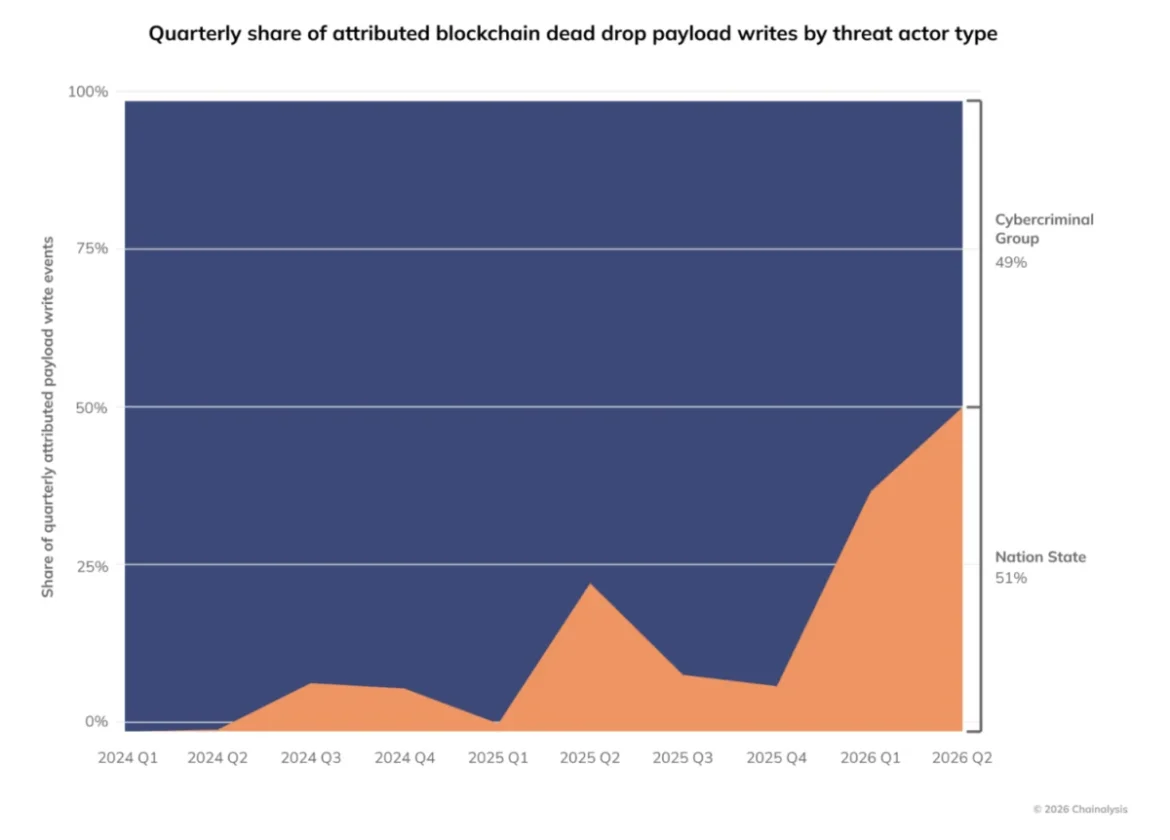
To fully comprehend the rationale behind Iran’s adoption of crypto-denominated tolls for the Strait of Hormuz, it is imperative to acknowledge the sheer scale and sophistication of the IRGC’s existing on-chain operations. Earlier in 2026, an analysis of Iran’s burgeoning $7.8 billion cryptocurrency ecosystem revealed that the IRGC’s on-chain activity had been on a steady upward trajectory, accounting for approximately 50% of Iran’s total crypto ecosystem by the fourth quarter of 2025. The volume of funds received by addresses associated with the IRGC surpassed $2 billion in 2024 and surged to over $3 billion in 2025. These figures represent a conservative estimate, as they are based solely on addresses identified through Office of Foreign Assets Control (OFAC) designations and National Bank for Counter-Terrorist Financing (NBCTF) seizure lists. The actual extent of the IRGC’s financial infrastructure, encompassing a broader network of shell companies, financiers, and other controlled wallets, likely far exceeds these documented figures.

Sanctions Implications for the Global Shipping Industry

The introduction of cryptocurrency tolls by Iran presents a complex web of compliance risks for the global shipping industry. Iran remains subject to comprehensive U.S. sanctions, rendering virtually all transactions involving the Iranian government, its agencies, and entities acting on its behalf, prohibited for U.S. persons and entities. Shipping companies seeking passage through the Strait of Hormuz now face the potential for severe penalties if they make payments to Iran, whether in cryptocurrency or traditional fiat currency. This is particularly significant against the backdrop of a tenuous ceasefire in regional conflicts, suggesting that not all oil companies, shippers, and multinational corporations may be immediately prepared or willing to move and insure cargo through the strait.

Traditionally, businesses engaged in transactions with sanctioned entities or operating within sanctioned jurisdictions are required to obtain specific licenses or approvals from the U.S. Treasury Department. Making cryptocurrency payments to an Iranian state-linked entity without such authorization would almost certainly constitute a sanctions violation. This could expose companies to significant risks, including enforcement actions, substantial fines, and severe reputational damage, for providing material support to Iran, which could then be used to fund its military activities and allied groups across the region.

The denomination of these payments in cryptocurrency does not alter the fundamental sanctions implications. However, unlike traditional payment systems, the inherent transparency of the blockchain allows regulators and compliance teams to trace the flow of funds in near real-time. This capability facilitates the identification of entities that have interacted with sanctioned wallets, either directly or through various intermediaries, thereby enhancing the efficacy of sanctions enforcement.

Navigating Disruption: Opportunities and Challenges Ahead

The ongoing public identification and verification of IRGC-associated cryptocurrency wallets remain a critical component in disrupting their financial operations. Each new designation and inclusion on seizure lists serves to build a more comprehensive on-chain map of the IRGC’s financial infrastructure, progressively impeding the regime’s access to mainstream liquidity.

The implications of Iran’s crypto-toll initiative extend beyond financial sanctions and present a new landscape for international commerce and regulatory oversight.

Opportunities for Disruption Span Both Public and Private Sectors:

  • Enhanced Blockchain Analytics: Continued investment in sophisticated blockchain analytics tools is essential for accurately mapping and tracking the IRGC’s financial networks. This includes identifying new wallets, analyzing transaction patterns, and understanding the flow of funds across various cryptocurrencies and jurisdictions.
  • International Cooperation and Information Sharing: A coordinated global response is vital. This involves enhanced information sharing between regulatory bodies, financial intelligence units, and law enforcement agencies across different countries to identify and disrupt illicit crypto flows.
  • Industry Best Practices and Compliance Tools: The private sector, particularly the shipping and financial industries, must proactively develop and implement robust compliance frameworks. This includes investing in specialized compliance software that can monitor crypto transactions for potential sanctions violations and integrating these tools into existing risk management protocols.
  • Development of Counter-Measures: Exploring technological and strategic counter-measures to mitigate the impact of such tolls could be necessary. This might involve developing alternative secure shipping routes or exploring diplomatic solutions to de-escalate tensions and reduce reliance on critical chokepoints.
  • Public-Private Partnerships: Fostering stronger collaborations between government agencies and private blockchain analytics firms can create a more effective ecosystem for identifying and responding to illicit financial activities conducted through cryptocurrencies.

As Iran continues to integrate cryptocurrency into its state financial operations—from oil sales and proxy financing to maritime transit tolls—blockchain analytics is not merely a tool but an essential component for maintaining visibility into these complex flows. This visibility is crucial for enabling the global community to effectively mitigate risks, generate actionable intelligence, and uphold the integrity of international financial systems. Chainalysis and other organizations in the field will continue to monitor this evolving situation, providing updated analysis as the on-chain picture develops and new insights emerge. The strategic use of digital assets by state actors presents a significant challenge, demanding constant vigilance and adaptive strategies from the international community.

May 10, 2025 0 comment
0 FacebookTwitterPinterestEmail
Crypto Trading & Analysis

Goldman Sachs Executive Sees Opportunity in Magnificent Seven Rebound Amid Shifting Market Dynamics

by Lina Irawan May 9, 2025
written by Lina Irawan

Goldman Sachs managing director Lee Coppersmith has signaled a potential turning point for the technology giants often referred to as the "Magnificent Seven," suggesting that these high-profile stocks may be poised for a resurgence. In a recent market outlook, Coppersmith drew parallels between the current investment landscape and the significant market downturn experienced in March 2020, a period marked by the onset of the COVID-19 pandemic.

Echoes of 2020: A Pattern of Resilience in Tech Leadership

Coppersmith’s analysis, detailed in a recent Goldman Sachs publication, highlights a striking similarity between the market sentiment surrounding the Magnificent Seven stocks during the March 2020 drawdown and the present day. He observed that during that tumultuous period, the market’s confidence in these leading technology companies waned considerably. This erosion of confidence, however, proved to be a temporary phenomenon.

"During that span, just like today, what it kind of really revealed was that the market had lost its confidence in those Mag 7 stocks as being the leaders," Coppersmith stated. He further elaborated on the subsequent recovery, noting, "And so, I would tell you that I think if you were to, you know, see what happened back then, obviously, post-COVID, obviously, the reemergence of those companies took place. And it was a really great opportunity to be putting on those upside expressions, particularly in those companies. Whether you did them outright. Or if you did them versus the rest of the market, right?"

This historical precedent, according to Coppersmith, suggests that periods of market doubt for dominant tech stocks can often precede a period of significant recovery and outperformance. The "reemergence" he refers to signifies the rapid rebound and subsequent leadership these companies demonstrated in the wake of the pandemic-induced economic shock. This historical context is crucial for investors considering their current portfolio allocations.

A Strategic Call to Action: Re-engaging with the Broader Market

Coppersmith’s message to clients is one of strategic re-engagement. He posits that after a period of "derisking"—a common investor behavior during times of uncertainty where assets perceived as riskier are sold off—the current market presents an "attractive opportunity" to increase exposure to the broader market, particularly through the Magnificent Seven.

"And so, what we would say today to clients is that if you wanted to basically look at ways to raise your exposure to the broader market as a whole after a month of basically derisking, this presents another really attractive opportunity for clients to use those expressions as a way to get longer on the market as a whole," Coppersmith advised. This recommendation implies that the current dip in these tech giants’ valuations might be a temporary anomaly, offering a favorable entry point for those seeking to capture future market gains.

The AI Thesis: Enduring Investor Confidence and a Barbell Approach

A key driver of the Magnificent Seven’s recent performance and future potential, according to Coppersmith, is the enduring investor conviction in the artificial intelligence (AI) theme. Despite any short-term fluctuations in stock prices, the underlying belief in AI’s transformative power remains robust.

Coppersmith observes that investors are adopting a "barbell strategy" when it comes to AI. This approach involves diversifying investments across different facets of the AI ecosystem, aiming to capitalize on both the foundational elements and the ultimate applications.

"Coppersmith says investors haven’t lost confidence in the artificial intelligence theme and are approaching AI with a barbell strategy," the original report states. He elaborates on this strategy: "They want to own both the inputs into AI through the infrastructure plays. But they also want to own the outputs in the AI, which means the transport companies, the infrastructure that actually then leads to obviously productivity booms."

This barbell strategy signifies a nuanced approach to AI investing. It acknowledges the importance of companies providing the essential hardware, software, and cloud infrastructure that power AI development (the "inputs"). Simultaneously, it recognizes the potential of companies that will leverage AI to create new products, services, and efficiencies, leading to tangible productivity gains and new market opportunities (the "outputs"). This dual focus suggests a comprehensive understanding of the AI revolution’s multifaceted nature.

Supporting Data and Market Context

To fully appreciate Coppersmith’s perspective, it’s essential to consider the recent performance of the Magnificent Seven and the broader market context. The Magnificent Seven – which typically includes Apple (AAPL), Microsoft (MSFT), Alphabet (GOOGL/GOOG), Amazon (AMZN), Nvidia (NVDA), Meta Platforms (META), and Tesla (TSLA) – have been instrumental in driving market gains in recent years. Their substantial market capitalizations mean their performance significantly influences major indices like the S&P 500.

  • Historical Performance: In the years leading up to 2024, these companies consistently delivered strong earnings growth and stock appreciation, fueled by innovation, expanding market share, and favorable macroeconomic conditions. For instance, between 2019 and 2023, many of these stocks saw triple-digit percentage gains.
  • Recent Volatility: However, in early 2024, the tech sector, including some of the Magnificent Seven, experienced a period of increased volatility. This was attributed to a confluence of factors, including rising interest rate expectations, concerns about inflation, regulatory scrutiny, and a rotation of investor capital into other sectors. Some individual stocks within the group have seen notable pullbacks, leading to the "derisking" mentioned by Coppersmith.
  • AI’s Continued Momentum: Despite market fluctuations, the underlying AI narrative has remained exceptionally strong. Companies like Nvidia, a key provider of AI chips, have reported record revenues and robust forward guidance, underscoring the accelerating adoption of AI technologies across various industries. This demand for AI infrastructure is a critical component of Coppersmith’s argument.

Implications for Investors

Coppersmith’s insights carry significant implications for investors navigating the current market. His comparison to the March 2020 event suggests that periods of fear and uncertainty can create buying opportunities in fundamentally strong assets. The "reemergence" of companies after such downturns highlights the potential for significant returns.

The barbell strategy for AI investing also offers a valuable framework. It encourages investors to look beyond a single angle of AI and consider both the enablers and the beneficiaries of this technological shift. This diversified approach can mitigate risk while maximizing exposure to the long-term growth potential of AI.

Broader Economic and Technological Trends

The discussion around the Magnificent Seven and AI is intrinsically linked to broader economic and technological trends:

  • Digital Transformation: The accelerating pace of digital transformation across all sectors of the economy continues to be a powerful tailwind for technology companies. AI is a core component of this ongoing transformation.
  • Productivity Growth: The potential for AI to drive significant productivity gains across industries is a key economic theme. If AI delivers on its promise, it could lead to higher corporate profits, increased economic output, and potentially higher overall living standards.
  • Interest Rate Environment: The Federal Reserve’s monetary policy and the trajectory of interest rates remain a critical factor for equity markets, particularly for growth stocks like those in the Magnificent Seven. A more stable or declining interest rate environment could further bolster their valuations.

Official Responses and Market Sentiment

While this analysis comes from Goldman Sachs, it reflects a broader sentiment among some market participants and analysts who believe that the recent tech sell-off may have been overdone. Other financial institutions have also released reports highlighting the continued strength of AI-driven innovation and the long-term potential of leading tech companies.

The market’s reaction to such insights will depend on a variety of factors, including upcoming economic data, corporate earnings reports, and geopolitical developments. However, Coppersmith’s perspective offers a compelling argument for a more optimistic outlook on the Magnificent Seven, grounded in historical precedent and the ongoing AI revolution.

Conclusion: A Strategic Outlook for Growth

Lee Coppersmith’s analysis from Goldman Sachs provides a strategic roadmap for investors considering their exposure to the technology sector. By drawing parallels to past market recoveries and emphasizing the enduring strength of the AI narrative, he suggests that the current environment may present a compelling opportunity to increase positions in the Magnificent Seven. The adoption of a barbell strategy for AI investments further underscores a sophisticated approach to capturing the vast potential of this transformative technology. As investors digest these insights, the focus remains on fundamental strength, long-term technological trends, and the potential for significant market leadership to re-emerge.

May 9, 2025 0 comment
0 FacebookTwitterPinterestEmail
Blockchain Technology & Development

Convergence: A Chainlink Hackathon Showcases a New Era of Advanced Onchain Applications

by Nana Wu May 7, 2025
written by Nana Wu

The global developer community recently converged, both virtually and in spirit, for Convergence: A Chainlink Hackathon, an event that underscored a significant evolution in decentralized application development. This year’s iteration shattered previous records, attracting a staggering 554 submissions that harnessed the power of the Chainlink Runtime Environment (CRE). These innovative projects spanned critical domains including Decentralized Finance (DeFi) & Tokenization, CRE & Artificial Intelligence (AI), Prediction Markets, Risk & Compliance, Privacy, and Autonomous Agents, signaling a maturation of the blockchain ecosystem towards more sophisticated, real-world applications.

The hackathon, which concluded on [Insert Date or Period if known, otherwise use "recently"], served as a crucible for developers to push the boundaries of what’s possible with secure, verifiable computation and cross-chain interoperability. By leveraging the Chainlink platform, particularly the Chainlink Runtime Environment (CRE), participants were empowered to build applications that bridge the gap between onchain and offchain worlds with unprecedented sophistication. The sheer volume and diversity of submissions reflect a growing developer confidence in Chainlink’s infrastructure to support complex, multi-faceted dApps.

"This year’s Convergence hackathon saw a record-breaking 554 submissions," a spokesperson for Chainlink commented. "The creativity and technical prowess displayed by the developers are truly inspiring. It’s clear that the Chainlink ecosystem is fostering a new wave of innovation, moving beyond basic smart contracts to build robust, enterprise-grade decentralized applications."

The success of Convergence was a collective effort, made possible by the dedication of hundreds of developers who poured their ingenuity into the competition, alongside the invaluable support of sponsors, the discerning judgment of industry experts, and the guidance of mentors. This collaborative spirit is a hallmark of the decentralized movement and was on full display throughout the event.

Hackathon Victory Showcase: Unveiling the Leading Innovations

The culmination of the hackathon saw the recognition of groundbreaking projects across several key categories, each demonstrating unique advancements in their respective fields.

DeFi & Tokenization

The DeFi and Tokenization category highlighted projects aiming to revolutionize how capital is managed, protected, and utilized within decentralized financial systems.

1st Place: FlowVault

Taking the top spot in DeFi & Tokenization, FlowVault emerged as a standout solution addressing critical limitations in existing DeFi vault mechanisms. This proactive DeFi vault is engineered to anticipate capital flows and market shifts before they are fully priced in. FlowVault achieves this by continuously ingesting a wide array of cross-chain indicators, including stablecoin spreads, perpetual funding rates, bridge flows, and liquidation/RWA (Real-World Asset) signals. These data points are processed through four CRE workflows that generate opportunity scores, which are then recorded onchain. An intelligent orchestrator then identifies the highest-conviction opportunities and executes trades, adhering to predefined risk parameters and lifecycle rules. This disciplined approach ensures that strategy deployment remains robust while dynamically adapting to real-time liquidity and market structure changes. The project’s accompanying video demonstration vividly illustrates its potential to optimize capital allocation and mitigate risks in volatile markets.

2nd Place: Ghost Finance

Ghost Finance secured the second position with its innovative private lending and borrowing protocol designed to shield users from the inherent risks of fully transparent DeFi money markets. In public onchain lending environments, visible rates and positions can expose participants to malicious actors employing frontrunning, sandwich attacks, and other adverse execution strategies. Ghost Finance tackles this challenge by facilitating private matching of lenders and borrowers, keeping negotiated rates confidential and enabling more tailored outcomes based on individual risk tolerance. Powered by CRE and Confidential Compute, the protocol ensures that market data and user positions remain private, while still offering secure and verifiable lending and borrowing functionalities onchain. The project’s focus on privacy directly addresses a significant pain point for users seeking to engage in DeFi without compromising their sensitive financial information.

CRE & AI

The integration of Chainlink’s capabilities with artificial intelligence marked another significant area of innovation, showcasing how intelligent automation can enhance decentralized systems.

1st Place: SentinelCRE

SentinelCRE clinched first place in the CRE & AI category with its development of an autonomous DeFi agent designed to safeguard protocols and digital vaults against exploits, hacks, and extreme market volatility. This sophisticated system continuously monitors onchain activity in real time, employing a powerful combination of CRE and AI to detect anomalous behavior. Upon identification of potential threats, it automatically triggers preemptive safeguards, such as circuit breakers or withdrawal pauses, thereby preventing malicious actions before they can occur. SentinelCRE implements a three-tiered control system: onchain policy checks, behavioral anomaly scoring, and a dual-AI consensus mechanism. Additional oversight is provided through guardian contracts and CRE workflows that can freeze or challenge agent behavior. Designed to operate 24/7 without human intervention, SentinelCRE offers a robust, rules-driven protection layer for high-value DeFi systems.

2nd Place: AI Financial Workspace Legos + Ghost Privacy

This project earned second place by presenting a comprehensive, full-stack privacy finance platform. It ingeniously combines CRE, the Chainlink Automated Compliance Engine (ACE), private token transfers, and Fully Homomorphic Encryption (FHE). The platform supports a wide array of financial operations, including compliance, treasury management, attestation, payroll, invoicing, and settlement. It leverages CRE to orchestrate sixteen distinct workflows, utilizing AI-driven "contract agents" to review signed documents, such as PDFs, and to coordinate dispute resolution through an agentic workforce. This holistic approach demonstrates the potential for AI and blockchain to streamline complex financial processes while maintaining stringent privacy and compliance standards.

Prediction Markets

The Prediction Markets category saw developers create innovative platforms for forecasting future events and outcomes in a decentralized and verifiable manner.

1st Place: TAPL

TAPL secured the top position with its novel real-time BTC tap-trading platform. This application allows users to express short-term views on BTC/USDT by selecting a specific price band and a short 5-second window to place a trade with a single tap. Moving beyond traditional directional trading, TAPL transforms micro-volatility into time-bound outcomes, offering multipliers that range from approximately 1.2x for near-spot predictions to up to 100x for predictions in farther bands. The settlement process is oracle-verified, and pricing is powered by Brownian Bridge mathematics to model the probability of the price reaching a given band within the specified window. TAPL’s innovative design simplifies micro-trading and makes it accessible to a broader audience.

2nd Place: Memepull Arena

Memepull Arena claimed second place with its unique dual GameFi platform that seamlessly blends competitive Player-vs-Player (PvP) gameplay with prediction markets. In its PvP Battle mode, players choose a side and deposit tokens into a shared pool, with the side demonstrating superior price performance winning the accumulated pot. The platform also offers traditional template-based Yes/No prediction markets that are tied to onchain milestones, such as predicting whether a token will reach a specific price by a defined time. CRE is integral to Memepull Arena’s core mechanics, as it fetches price and liquidity data, computes outcomes, enforces rules through anti-manipulation and safety checks, and ultimately writes the final, verifiable results onchain. This integration of gaming and prediction markets creates an engaging and potentially lucrative ecosystem.

Risk & Compliance

Projects in this category focused on enhancing security, regulatory adherence, and privacy within decentralized finance.

1st Place: Aegis-Gate

Aegis-Gate was awarded first place for its development of a privacy-preserving compliance layer for DeFi. This innovative solution allows users to demonstrate compliance with regulatory requirements—such as Know Your Customer (KYC), Anti-Money Laundering (AML), or accredited investor status—without exposing sensitive personal or financial data onchain. Utilizing CRE, Aegis-Gate securely verifies identity through World ID and financial eligibility through providers like Plaid, all within a trusted execution environment. Instead of publishing raw user data, the system generates a simple onchain attestation (e.g., "compliant: yes/no") that protocols can use to gate access. This approach effectively balances the need for regulatory compliance with the imperative to preserve user privacy, a critical challenge for the DeFi sector.

2nd Place: ACE Sandbox

ACE Sandbox secured second place with its comprehensive tokenization platform for compliant digital assets. The platform supports ERC-3643 permissioned tokens, identity and credential-based policy controls, Sign-In with Ethereum (SIWE)-authenticated operator flows, and CRE-powered workflows. It also incorporates asynchronous vault request and claim functionalities, with cross-chain settlement facilitated by the Chainlink Cross-Chain Interoperability Protocol (CCIP). ACE Sandbox effectively demonstrates how CRE, ACE, CCIP, and the x402 standard can be integrated to manage the entire lifecycle of compliant tokenized assets, from issuance and access control to cross-chain distribution and settlement. This project holds significant implications for the future of Real-World Assets (RWAs) on the blockchain.

Privacy

Innovations in privacy were paramount, with projects aiming to shield sensitive transaction details and user identities within the blockchain ecosystem.

1st Place: SSL – Stealth Settlement Layer

SSL (Stealth Settlement Layer) took home first place for its privacy-preserving trading platform for tokenized real-world assets. It offers a "dark pool" style experience onchain, enabling verified participants to place and match trades without publicly revealing order details, trading intent, or settlement destinations. Crucially, it still enforces compliance through World ID and Chainlink ACE. Built using Chainlink Confidential Compute (including confidential HTTP response encryption), this architecture directly addresses front-running and copy-trading risks inherent in transparent markets, making it highly relevant for institutional DeFi use cases. SSL represents a significant step towards making institutional-grade trading feasible and secure within a decentralized framework.

2nd Place (shared): TACIT

TACIT, sharing second place, is a privacy-preserving Over-The-Counter (OTC) settlement protocol that allows counterparties to execute trades onchain without disclosing trade specifics. Users negotiate terms offchain, and a CRE workflow then manages the entire lifecycle: decrypting trade parameters, verifying both parties through sanctions and KYC checks, and executing atomic Delivery-versus-Payment (DvP) settlement. Upon completion, the system publishes a minimal onchain attestation confirming execution, thereby preserving both privacy and verifiability. TACIT showcases how institutional-grade trading workflows can be executed privately while maintaining compliance and onchain guarantees, a critical feature for regulated financial markets.

2nd Place (shared): VeritasX

VeritasX also secured a shared second place with its privacy-preserving prediction market. This platform allows users to place bets and receive payouts without exposing their positions, identities, or transaction amounts onchain. A CRE workflow orchestrates the market lifecycle end-to-end, routing private bets through Chainlink’s private transactions infrastructure, automatically resolving market outcomes using Gemini AI, and executing private payouts to winners. Once a market concludes, the smart contract only records aggregate pool totals and the final outcome, ensuring a high degree of user privacy. VeritasX demonstrates the potential for private, AI-driven prediction markets.

Autonomous Agents

This category focused on the development of intelligent agents capable of independent decision-making and action within decentralized systems.

1st Place: InControl

InControl earned first place with its AI-powered portfolio intelligence platform, which merges traditional financial planning with decentralized infrastructure. The system utilizes CRE to provide consensus-verified data, automate investment strategies such as dollar-cost averaging, securely access external APIs via Confidential HTTP, and enable agent-based monetization through x402 payments. InControl integrates AI agents, onchain attestations, and private workflows into a unified experience, illustrating how CRE can function as the orchestration layer for agent-driven financial applications and machine-to-machine interactions. The project’s accessible demo offers a glimpse into its user-friendly interface and powerful capabilities.

2nd Place: CRE Risk Router

CRE Risk Router secured second place as an onchain risk decision layer for autonomous DeFi agents. It evaluates proposed trades before execution. When an agent initiates a transaction, it triggers a CRE workflow that runs a series of risk checks across eight logic gates, considering factors such as confidence thresholds, market conditions, oracle health, and position sizing. The system then writes an onchain attestation indicating whether the trade is approved, constrained, or rejected, which the agent uses to determine its next steps. This architecture introduces real-time risk management, auditability, and governance into agent-driven financial systems, enhancing their safety and reliability.

A Paradigm Shift in Onchain Applications

The sheer breadth and technical sophistication of the projects submitted to Convergence: A Chainlink Hackathon reveal a profound shift in how developers are approaching onchain applications. The era of building isolated smart contracts appears to be giving way to a more integrated approach, where teams are designing full-stack systems that seamlessly combine offchain data, computation, and automation with secure onchain execution.

Across every category, developers demonstrated a mastery of the Chainlink Runtime Environment (CRE) to orchestrate complex workflows. These ranged from sophisticated risk evaluation and compliance checks to the creation of private trading environments, AI-driven decision-making processes, and the deployment of autonomous agents. The quality and innovation evident in these submissions underscore a powerful momentum behind a new development paradigm: applications that are not only verifiable and automated but also capable of operating fluidly across both onchain and offchain environments.

This evolution is critical for the broader adoption of blockchain technology. By enabling developers to build applications that are more robust, private, and interconnected, Chainlink is facilitating the creation of decentralized systems that can compete with and even surpass traditional centralized solutions in terms of functionality, security, and efficiency. The success of Convergence is a testament to the growing maturity of the decentralized technology stack and a strong indicator of the future direction of Web3 development.

For those interested in exploring the full spectrum of innovation, all submitted projects can be viewed at https://chain.link/hack-26. To stay abreast of future developments and opportunities within the Chainlink ecosystem, interested parties are encouraged to follow the official Chainlink X account, join the Chainlink Discord community, and explore the extensive resources available on the Chainlink Developer Hub. The future of decentralized applications is being built today, and Chainlink’s role as an enabling infrastructure provider is becoming increasingly central to this ongoing transformation.

May 7, 2025 0 comment
0 FacebookTwitterPinterestEmail
Blockchain Technology & Development

Orobo Leverages IOTA to Build Compliance-Grade Digital Product Passports for Global Trade

by Siti Muinah May 6, 2025
written by Siti Muinah

The complex journey of a single electric bus component, originating as a battery cell from China, assembled into a module in Singapore, integrated into a bus in the Netherlands, and ultimately destined for end-of-life recycling in Europe, highlights a critical gap in modern global supply chains: the verifiable tracking of product data. This intricate, multi-continental path, involving distinct actors and jurisdictions, underscores the growing necessity for Digital Product Passports (DPPs), a concept now being addressed by innovative infrastructure providers like Orobo, which is utilizing IOTA’s distributed ledger technology.

A Digital Product Passport is more than just a digital label; it is a verifiable digital record intrinsically linked to a physical product. This record meticulously captures essential information concerning the product’s materials, origin, environmental footprint, and entire lifecycle. Crucially, it provides a machine-readable and independently auditable trail, essential for tracing components, monitoring the product’s journey from manufacturing to recycling, and facilitating the extraction and reuse of its constituent parts. The DPP is designed to be tamper-proof and resistant to loss or misplacement, ensuring data integrity across complex value chains.

The accelerating adoption of DPPs is primarily driven by a dual regulatory push from key global economic blocs. In Europe, significant legislative frameworks are mandating product lifecycle data transparency. The Ecodesign for Sustainable Products Regulation (ESPR) is a cornerstone of the European Union’s strategy to enhance product sustainability, focusing on reducing environmental impacts throughout a product’s lifecycle. Complementing this is the EU Battery Regulation, which specifically targets the battery sector, a critical component of the transition to electric mobility and renewable energy storage. Furthermore, the Construction Product Regulation is also being updated to incorporate similar lifecycle data requirements. These regulations are prioritizing specific sectors, with batteries being among the first to face stringent DPP mandates.

Concurrently, China is also signaling a strong commitment to this paradigm shift. In April 2025, the nation is set to unveil a landmark national DPP roadmap specifically for the textile industry. Notably, this initiative is being shaped to align with international requirements, including those set forth by the EU’s ESPR. This convergence of regulatory intent from major global markets underscores a fundamental change: product data transparency is transitioning from a voluntary corporate social responsibility initiative to a mandatory condition for accessing significant international markets. Manufacturers seeking to engage in global trade will increasingly find verified product data to be a non-negotiable prerequisite.

Orobo: Bridging Traceability and Compliance for Digital Product Passports

Orobo, a Singapore-based entity positioned as a clearing house for sustainability data, is at the forefront of developing the infrastructure necessary to meet these evolving demands. Recognizing the limitations of purely traceability-focused solutions, Orobo has evolved its platform to address the critical compliance requirements of DPPs, specifically designed to facilitate cross-border issuance and verification. Their focus is on high-compliance, high-volume use cases where absolute auditability and seamless interoperability across a multitude of stakeholders and diverse legal jurisdictions are paramount.

The Orobo platform empowers manufacturers to not only issue but also effectively manage Digital Product Passports throughout their extensive supply chains. The platform’s strategic emphasis is on industries experiencing the most immediate regulatory pressure, namely batteries, textiles, and construction materials. This focused approach allows Orobo to tailor its solutions to the specific data requirements and compliance challenges within these critical sectors. The development and refinement of Orobo’s capabilities have been significantly accelerated through its active participation in IOTA’s Business Innovation Program. This collaboration has facilitated crucial technical iteration and the deployment of real-world use cases over the past year, bringing the theoretical concept of DPPs into practical application.

Real-World Applications: Demonstrating the Power of DPPs

Orobo’s platform is not merely theoretical; it has already been deployed across a range of industries and geographical locations. These deployments are precisely the type of cross-border, multi-actor scenarios that emerging DPP regulations are designed to address. The common thread linking these diverse applications is the fundamental need to associate verifiable, structured data with physical products as they navigate increasingly intricate and globalized value chains.

For instance, in the battery sector, a DPP can track the origin of raw materials like cobalt and lithium, the energy consumed during manufacturing, the battery’s performance metrics, and its projected lifespan. This data is invaluable for manufacturers, recyclers, and regulators alike, enabling efficient resource management and promoting a circular economy. In the textile industry, DPPs can provide consumers and businesses with verified information about the origin of cotton, the dyeing processes used, the presence of harmful chemicals, and the ethical labor conditions involved in production. For construction materials, DPPs can detail the environmental impact of cement production, the recycled content of steel, and the safety certifications of building components, contributing to greener and safer infrastructure development.

The Imperative of Neutrality in Verification Systems

The successful implementation of any system reliant on third-party verification hinges on the independence and impartiality of the infrastructure provider. Orobo’s strategic positioning as a neutral entity is therefore a critical factor in its approach. The company actively participates in European Commission working groups dedicated to establishing DPP standards and serves as a knowledgeable partner for intergovernmental committees focused on Digital Product Passports in Asia. This high-level engagement underscores Orobo’s commitment to neutrality. It does not seek to own or control the product data itself; rather, it provides the foundational infrastructure that enables all participating stakeholders to independently verify that data.

In a global economic landscape characterized by fragmentation, where manufacturers, regulators, and downstream partners operate across diverse jurisdictions with potentially divergent interests, this independence is crucial. It ensures that no single entity can unilaterally manipulate or alter product records, thereby safeguarding the integrity of the entire system. The trust placed in DPPs, and by extension in the supply chains they represent, is directly proportional to the perceived neutrality of the verification layer.

Orobo’s Technological Foundation: The IOTA Ledger

Orobo’s platform is architected upon the IOTA public ledger infrastructure, which serves as the immutable verification layer for its DPP solutions. The process involves anchoring a unique hash – a digital fingerprint of the product data – onto the IOTA ledger. This anchoring process renders the data tamper-proof and makes it independently verifiable by any authorized party. A significant advantage of this approach is that it eliminates the need for pre-existing trust relationships between the various participants in the supply chain.

This is particularly vital in the context of cross-border supply chains. Here, manufacturers, recyclers, customs authorities, and regulatory bodies may have no established commercial ties. Yet, they are all required to rely on shared, accurate product data for customs clearance, compliance checks, and end-of-life management. By leveraging the IOTA ledger, Orobo creates a shared, auditable layer of trust that transcends these inter-organizational barriers. This technological choice ensures that the integrity of the product data remains uncompromised, regardless of the participants’ individual affiliations or locations.

The Road Ahead: Evolution of Orobo and the DPP Landscape

Orobo is strategically positioned to become an essential infrastructure provider for manufactured goods that must adhere to regulatory requirements to access international markets. In this future, DPPs are envisioned as an integrated component of global trade and supply chain operations, not an optional add-on. In the immediate future, Orobo is focused on deepening its presence within the battery and textile sectors, areas facing the most stringent and imminent regulatory pressures from both Europe and China. On the European front, Orobo is actively aligning its services with upcoming certification and registry initiatives, which are expected to define the standards for authorized DPP providers.

Sann Carriëre, Founder at Orobo, articulated the company’s vision: "Digital Product Passports will become a foundational layer of global trade. At Orobo, we are building the infrastructure that allows product data to move as seamlessly and reliably as goods themselves – across borders, across systems, and across entire value chains. The shift is not just toward transparency, but toward verifiable, interoperable data as a condition for market access." This statement underscores the transformative potential of DPPs, moving beyond mere data disclosure to data as a critical enabler of global commerce.
Charting the Future: Towards Interconnected Ecosystems for Product Data

Currently, many DPP implementations operate in relative isolation. A passport might be issued by one platform and readable by a limited set of actors within a specific commercial relationship. However, as global trade continues to expand and regulatory requirements become more comprehensive, this siloed model is likely to face significant pressure. A more compelling long-term trajectory involves the development of interconnected ecosystems where product data is seamlessly captured and exchanged.

This vision entails multiple actors contributing information at various stages of a product’s lifecycle. Enhanced discovery mechanisms and greater interoperability between different platforms will be crucial. Solutions such as TWIN are already pointing towards this future, proposing decentralized data environments where a product’s digital record evolves throughout its lifespan. Such environments could potentially support additional services, including incentive mechanisms for recyclers, thereby promoting a more robust circular economy, and enabling new models for cross-border coordination and resource management.

As regulatory mandates continue to proliferate globally, the capacity to issue, verify, and exchange trusted product data will evolve into a core competency for international trade. The infrastructure that facilitates this capability, exemplified by Orobo’s work, is poised to sit at the very heart of this transformative shift, reshaping how goods are traded, regulated, and managed throughout their entire lifecycle.

For manufacturers and businesses looking to navigate this evolving landscape and prepare for the mandatory requirements of Digital Product Passports, engaging with experienced providers is essential. Orobo invites inquiries for those interested in implementing their first DPP solution or learning more about the platform’s capabilities. Interested parties can contact the Orobo team directly at [email protected].

May 6, 2025 0 comment
0 FacebookTwitterPinterestEmail
Altcoins & Token Projects

Investigation Into RaveDAO: Analyzing the 4,500% Rally, Supply Manipulation Allegations, and the Growing Scrutiny of the Base-Linked Token

by Ali Ikhwan May 4, 2025
written by Ali Ikhwan

The cryptocurrency market has spent the early months of 2026 navigating a period of relative stagnation, characterized by sideways price action and a lack of clear direction for major assets like Bitcoin and Ethereum. However, amidst this broader market lethargy, a single digital asset has emerged to shatter expectations and ignite a firestorm of controversy. RaveDAO, trading under the ticker RAVE, has staged a meteoric ascent, recording a four-digit percentage rally in less than thirty days. While the token’s sudden leap from obscurity to a multi-billion-dollar valuation has minted significant paper wealth for early participants, it has also drawn the intense scrutiny of on-chain investigators, market analysts, and regulatory watchdogs. As the project’s market capitalization swells, so too do the allegations that this "fairly new" token is the product of sophisticated market manipulation and centralized control.

The Genesis and Utility of RaveDAO

RaveDAO entered the digital asset landscape in December 2025, positioning itself as a pioneer in the burgeoning "on-chain entertainment" sector. Launched on Base, the Ethereum Layer 2 (L2) network incubated by Coinbase, RAVE was designed to capitalize on the increasing intersection of decentralized finance (DeFi) and real-world experiences. According to the project’s official documentation and website, the core mission of RaveDAO is to revolutionize global nightlife and event hosting through a decentralized autonomous organization structure.

In its short history, the project has claimed to have successfully hosted high-profile events in major international hubs, including Singapore, South Korea, and the United Arab Emirates. By integrating blockchain technology into event management, RaveDAO ostensibly offers token holders exclusive access to these global "raves," voting rights on future locations, and a stake in the revenue generated by the entertainment ecosystem. The total supply of RAVE is capped at 1 billion tokens, a figure that initially suggested a standard distribution model but has since become a focal point of the investigation into the token’s price action.

The token’s debut was marked by what many observers now describe as an "insider-heavy" initial sale. While the tokens were subject to vesting schedules, the initial distribution appears to have been concentrated among a small group of early backers and project contributors. Despite these early signs of centralization, the project successfully secured listings on several of the world’s largest cryptocurrency exchanges, including Binance, Coinbase, and Bitget. This rapid transition from a niche Base-network token to a globally traded asset provided the necessary liquidity and visibility for the explosive price movement that followed.

What Is RAVE DAO And Why Has It Been Pumping Non-Stop For 3 Weeks? | Bitcoinist.com

Anatomy of a 4,500% Surge

The RAVE token’s performance over the last month has been nothing short of anomalous. While the rest of the market remained tethered to support levels, RAVE broke out of its initial trading range, embarking on a parabolic trajectory that saw its value increase by more than 4,500%. At the time of writing, the token maintains a price floor above the $11 mark, a staggering rise from its fractional cent beginnings.

This price action has pushed RAVE’s unlocked market capitalization above $3 billion, with its Fully Diluted Valuation (FDV) ballooning to an eye-watering $13 billion. For context, an FDV of this magnitude places RaveDAO in the same valuation bracket as established blockchain protocols and major DeFi platforms, despite its relatively recent launch and niche utility. Perhaps more concerning to analysts is the token’s trading volume. Data from Binance suggests that RAVE Perpetuals alone have generated over $4 billion in trading volume. High volume in derivative markets, when paired with a highly concentrated spot supply, is often a precursor to extreme volatility and potential "short squeezes" or "long squeezes" orchestrated by those with significant market depth.

The rally was further fueled by a coordinated social media campaign. A phalanx of Key Opinion Leaders (KOLs) and crypto influencers began promoting the token simultaneously, praising its "real-world utility" and the strength of its community. This "social proof" helped the project’s official channels grow to tens of thousands of followers in a matter of weeks, creating a retail frenzy that provided the exit liquidity often required for large-scale price movements.

On-Chain Investigations: Unmasking the "Sinister Manipulation"

As the RAVE rally reached its peak, the celebratory atmosphere began to sour as on-chain sleuths started peeling back the layers of the project’s transaction history. The most damning evidence came from the Evening Trader Group, a collective of independent blockchain investigators. Their research into the RaveDAO team’s multisig wallets revealed a systematic and massive accumulation trend that preceded the public pump.

According to the findings, the team utilized a network of intermediary wallets to obscure their activity. These wallets were used to "sweep" the floor of the RAVE market, accumulating over $40 million worth of the token before the 4,000% rally commenced. By the time the general public began buying into the narrative, the team had already secured a dominant position, effectively cornering the market.

What Is RAVE DAO And Why Has It Been Pumping Non-Stop For 3 Weeks? | Bitcoinist.com

The investigation’s most startling revelation concerns the concentration of token ownership. On-chain data indicates that the RaveDAO team and its closely linked affiliates currently control more than 90% of the total RAVE supply. In the world of decentralized finance, a 90% supply concentration is a significant red flag, as it allows the controlling entity to dictate price movements, liquidate retail holders at will, and bypass the democratic processes typically associated with a DAO.

The ZachXBT Inquiry and Leadership Silence

The controversy reached a boiling point when ZachXBT, arguably the most prominent on-chain investigator in the cryptocurrency space, took an interest in the project. Known for exposing rug pulls, hacks, and fraudulent schemes, ZachXBT publicly reached out to RaveDAO co-founder, known by the pseudonym @wildwoodmoo, on the social media platform X (formerly Twitter).

The inquiry sought clarification on the supply concentration and the suspicious movement of funds between the team’s multisig and the intermediary wallets identified by the Evening Trader Group. However, the request for transparency has met a wall of silence. Observations of @wildwoodmoo’s social media activity show that the co-founder has not posted or responded to any inquiries since February 2026. This prolonged absence during a period of unprecedented growth and serious allegations has only served to heighten suspicions within the community.

The lack of an official response from the RaveDAO leadership has led many to categorize RAVE as a "crime token"—a term used by the community to describe assets that appear to be listed on major exchanges like Binance despite glaring evidence of wash trading and market manipulation.

Timeline of Key Events

To understand the gravity of the situation, a review of the RaveDAO chronology is essential:

What Is RAVE DAO And Why Has It Been Pumping Non-Stop For 3 Weeks? | Bitcoinist.com
  • December 2025: RaveDAO launches on the Base network. The initial token sale is completed, with tokens allocated to insiders and early contributors under vesting contracts.
  • January – February 2026: The project focuses on "utility," announcing and hosting events in Singapore and the UAE. Social media presence grows steadily.
  • Early March 2026: RAVE is listed on Bitget, followed by Binance and Coinbase. Market liquidity increases, but the price remains relatively stable.
  • Mid-March 2026: On-chain data shows a surge in accumulation by intermediary wallets linked to the project’s multisig. Approximately $40 million in RAVE is moved into private holdings.
  • Late March 2026: The "Parabolic Phase" begins. RAVE surges from obscurity, gaining over 4,000% in value. Trading volume on Binance Perps exceeds $4 billion.
  • April 2026: On-chain investigators release evidence of 90% supply concentration. ZachXBT attempts to contact leadership. The community demands answers as the FDV hits $13 billion.

Broader Market Implications and Regulatory Scrutiny

The RAVE saga serves as a cautionary tale for the broader cryptocurrency ecosystem, particularly for the Base network. As an L2 solution owned by Coinbase, Base has positioned itself as a compliant and "safe" environment for retail users. The emergence of a potentially manipulated multi-billion-dollar project on the network could invite unwanted regulatory attention from the Securities and Exchange Commission (SEC) and the Commodity Futures Trading Commission (CFTC).

Furthermore, the role of major exchanges in this event is being questioned. The listing of a token with 90% supply concentration raises serious questions about the due diligence processes of platforms like Binance and Coinbase. Analysts argue that such listings provide a "veneer of legitimacy" to projects that may not have the best interests of retail investors at heart.

The long-term implications for RaveDAO are currently precarious. While the price remains high, the "exit" for the controlling entities becomes increasingly difficult without causing a total market collapse. If the 90% of supply held by the team were to be sold, the resulting price impact would be catastrophic for the thousands of retail investors who bought in during the peak of the hype.

Conclusion: A Market at a Crossroads

RaveDAO stands at a crossroads between being a revolutionary entertainment protocol and one of the most sophisticated "pump and dump" schemes of the year. The data provided by on-chain investigators is difficult to ignore: a 4,500% rally, a $13 billion FDV, and a 90% supply concentration are the hallmarks of a market that is not functioning on organic demand.

As the crypto community awaits a response from the project’s leadership, the RAVE incident serves as a stark reminder of the risks inherent in low-float, high-FDV tokens. For investors, the lesson is clear: in a market where "the tea" often reveals more than the whitepaper, due diligence and on-chain transparency remain the only true safeguards against the lure of the 4-digit rally. Whether RAVE will survive the scrutiny or collapse under the weight of its own manipulation remains to be seen, but the "hot topic of the crypto market" has certainly become its most controversial.

May 4, 2025 0 comment
0 FacebookTwitterPinterestEmail
Altcoins & Token Projects

Coinbase Expands Asset Support With Addition of Solana-Based AI Platform Perle to Official Listing Roadmap

by Lina Hope May 3, 2025
written by Lina Hope

In a strategic move to broaden its portfolio of emerging digital assets, Coinbase, the largest cryptocurrency exchange in the United States, has officially added Perle (PRL) to its listing roadmap. This announcement, made via the exchange’s dedicated market communications channel, signals the start of a multi-stage integration process for the Solana-based artificial intelligence (AI) utility token. Perle, a project focused on the intersection of decentralized infrastructure and machine learning, represents the latest in a series of AI-centric assets to gain the attention of major institutional-grade trading platforms.

The decision to place Perle (PRL) on the roadmap follows Coinbase’s established transparency protocol, which aims to provide the public with advanced notice of potential new asset listings. By doing so, the exchange seeks to mitigate market volatility and prevent the information asymmetry that historically plagued cryptocurrency listings. According to the exchange, users in supported jurisdictions can now generate deposit addresses for PRL on the Coinbase website and mobile application, although full trading functionality remains pending.

Understanding the Perle Ecosystem and the PRL Token

Perle is categorized as a Web3 AI platform, operating within the high-performance Solana blockchain ecosystem. The project is steered by Perle Labs, the technical development arm, and governed by the Perle Foundation, a non-profit entity dedicated to the long-term sustainability and decentralization of the network. The primary objective of the Perle ecosystem is to solve one of the most significant bottlenecks in modern AI development: the scarcity of high-quality, verified training data.

In the current AI landscape, large language models (LLMs) and specialized research models require massive datasets that are often plagued by "noise" or inaccuracies. Perle addresses this by creating a decentralized marketplace that connects verified domain experts—ranging from medical researchers and legal scholars to software engineers—with enterprises and research teams. These experts perform data annotation and validation tasks, ensuring that the information fed into AI models is accurate and verifiable on-chain.

The PRL token serves as the economic engine of this ecosystem. Its utility is fourfold:

  1. Governance: Token holders can participate in the decision-making processes of the Perle Foundation, influencing protocol upgrades and treasury allocations.
  2. Staking: Users can stake PRL to gain priority access to the platform’s services or to increase their reputation within the expert network.
  3. Incentivization: Expert contributors are rewarded in PRL for completing data validation and annotation tasks, creating a "contribute-to-earn" model for intellectual labor.
  4. Payments: Enterprises seeking high-quality data use PRL as the primary medium of exchange to procure services from the network.

The Significance of the Solana Integration

The choice of Solana as the underlying blockchain for Perle is a critical component of its technical value proposition. As AI data validation requires frequent, micro-transactions and high-speed data logging, the low latency and minimal transaction costs of the Solana network are essential. By leveraging Solana’s Proof-of-History (PoH) consensus mechanism, Perle can provide on-chain "proof of expertise" and "proof of validation" at a scale that would be cost-prohibitive on other Layer-1 networks like Ethereum.

This integration also aligns with a broader trend in the 2024-2025 market cycle, where Solana has emerged as a preferred hub for Decentralized Physical Infrastructure Networks (DePIN) and AI-related protocols. The addition of PRL to Coinbase’s roadmap further solidifies Solana’s position as a fertile ground for institutional-grade utility projects.

The Coinbase Listing Roadmap: A Chronology of Transparency

The inclusion of Perle on the listing roadmap is not a guarantee of an eventual spot trading pair, but it is a necessary precursor. Coinbase introduced the "Listing Roadmap" in 2022 as a response to community demands for more clarity regarding which assets were under consideration for support.

The typical chronology for a Coinbase listing follows a specific pattern:

  • Roadmap Inclusion: The exchange announces that an asset is under consideration and technical integration has begun.
  • Deposit Phase: Coinbase enables the generation of deposit addresses, allowing users to move their assets onto the platform’s infrastructure.
  • Liquidity Assessment: The exchange monitors the "in-bound" volume of the asset. For trading to commence, there must be sufficient liquidity to ensure a stable market.
  • Official Launch: Once technical infrastructure and market-making support are verified, the exchange announces a specific date and time for the commencement of trading, usually starting with a "limit-only" mode before moving to full trading.

Coinbase has explicitly stated that the launch of PRL trading is contingent upon these market-making conditions. If an asset fails to meet the exchange’s rigorous standards for security, compliance, or liquidity, it may be removed from the roadmap without ever reaching the trading phase.

The Intersection of AI and Blockchain: Market Context

The move to list Perle comes at a time when the "AI x Crypto" narrative is dominating investor interest. Projects like Bittensor (TAO), Render (RNDR), and Fetch.ai (FET) have demonstrated that there is significant market appetite for decentralized solutions to centralized AI problems. Perle distinguishes itself by focusing on the "Human-in-the-Loop" (HITL) aspect of AI training.

While many AI projects focus on decentralized compute (providing GPU power), Perle focuses on the data layer. Industry analysts suggest that as AI models become more commoditized, the "ground truth" data used to fine-tune those models becomes the most valuable asset in the value chain. By tokenizing the validation of this data, Perle creates a verifiable audit trail, which is increasingly important for regulatory compliance and the prevention of AI hallucinations.

Institutional and Market Reactions

While Coinbase does not typically release statements from third-party partners during the roadmap phase, the broader reaction from the Solana and AI developer communities has been one of cautious optimism. On social media platforms, proponents of the "Solana Autumn" narrative have pointed to the PRL inclusion as evidence of the network’s maturing ecosystem.

From a regulatory perspective, the involvement of the Perle Foundation as a non-profit entity is seen as a move to align with global standards for decentralized governance. By separating the technical development (Perle Labs) from the governance and token issuance (Perle Foundation), the project follows a structure similar to that of the Ethereum Foundation or the Solana Foundation, which is often viewed more favorably by compliance-focused exchanges like Coinbase.

Potential Implications and Future Outlook

If Perle successfully transitions from the roadmap to a full spot listing, it will gain access to Coinbase’s massive retail and institutional user base. This liquidity injection could significantly lower the barrier to entry for enterprises looking to utilize Perle’s data validation services. Furthermore, a Coinbase listing serves as a "seal of approval" regarding the project’s technical security, as the exchange’s listing committee conducts extensive audits of the underlying smart contracts and the token’s distribution schedule.

However, risks remain. The AI crypto sector is notoriously volatile, and many projects struggle to maintain long-term utility once the initial hype cycles subside. Perle’s success will depend on its ability to attract a consistent stream of enterprise-level clients who are willing to pay for high-quality data annotation. If the platform fails to bridge the gap between Web3 incentives and real-world AI research needs, the PRL token may face challenges in sustaining its market value.

Additionally, Coinbase’s "Experimental" label is often applied to newer, lower-volume assets like PRL. This label serves as a warning to investors that the asset may experience higher volatility and lower liquidity than established cryptocurrencies like Bitcoin or Ethereum. Investors are encouraged to exercise due diligence, as the exchange emphasizes that transfers and trades are conducted at the user’s own risk.

As the AI revolution continues to unfold, the synergy between decentralized networks and machine learning appears inevitable. The addition of Perle to the Coinbase roadmap is a tangible milestone in this evolution, highlighting a shift toward specialized, utility-driven tokens that serve a specific function in the global technology stack. Market participants will be closely watching the "PRL-USD" and "PRL-USDT" order books in the coming weeks for signs that the necessary liquidity thresholds have been met for a full launch.

May 3, 2025 0 comment
0 FacebookTwitterPinterestEmail
Altcoins & Token Projects

XRP Solana Cardano BNB DOGE Primed For Huge Expansion If Ethereum Attains This Milestone

by Nana Muazin May 2, 2025
written by Nana Muazin

The trajectory of the global cryptocurrency market remains inextricably linked to the performance of its largest assets, with Ethereum currently positioned as the primary barometer for altcoin momentum. Recent market data and technical analyses indicate that while Bitcoin has maintained a dominant stance throughout much of the current fiscal year, the secondary market—comprising major assets such as XRP, Solana (SOL), Cardano (ADA), Binance Coin (BNB), and Dogecoin (DOGE)—is awaiting a decisive signal from Ethereum. According to research from several market trackers, including Altcoin Vector and independent analysts, Ethereum’s ability to reclaim its status as a market leader is the "missing link" required to trigger a broader expansion across the altcoin landscape.

For several months, Ethereum has exhibited what analysts describe as inconsistent performance relative to the broader market. While the asset has seen nominal price increases, it has struggled to sustain the "relative strength" necessary to pull other large-cap digital assets into a synchronized rally. The current market structure suggests that while investors are diversifying into Solana and XRP, a sustained, multi-asset bull run typically requires the "Ethereum engine" to be firing on all cylinders. This phenomenon, often referred to as "Altseason," historically begins when Ethereum begins to outperform Bitcoin on a percentage basis, creating a "wealth effect" that trickles down into other ecosystems.

The Role of Realized Capitalization in Ethereum’s Recovery

A critical metric currently being monitored by institutional and retail analysts is Ethereum’s realized capitalization. Unlike traditional market capitalization, which multiplies the current price by the total supply, realized capitalization calculates the value of each token based on the price at which it last moved. This provides a more accurate reflection of the actual capital invested in the network and filters out the noise of "lost" or dormant coins.

Recent data highlighted by analyst CW indicates that Ethereum’s one-year realized capitalization has turned positive for the first time in a significant period. Historically, this shift from negative to positive realized cap growth has served as a reliable precursor to long-term bullish cycles. In previous cycles, such as the 2017 and 2021 expansions, the moment realized capitalization began to trend upward, Ethereum entered a period of parabolic growth that eventually fueled massive gains for XRP, ADA, and DOGE.

The rally that began in approximately May 2023 is now being viewed by some as the foundational stage of a much larger upward move. If this trend holds, the current price action around the $2,100 mark may be seen in retrospect as a consolidation phase before a significant breakout.

Analyzing the "Altcoin Rotation" Mechanics

The relationship between Ethereum and other major altcoins is not merely speculative; it is rooted in liquidity flows and trading pairs. When Ethereum gains value against the US Dollar and Bitcoin, it increases the purchasing power of decentralized finance (DeFi) participants and institutional holders who use ETH as a collateral asset.

  1. Solana (SOL) and Cardano (ADA): As direct competitors in the smart-contract space, these assets often trade in high correlation with Ethereum. While Solana has recently outperformed Ethereum in terms of transaction volume and decentralized exchange (DEX) activity, a macro-level Ethereum rally typically validates the entire "Layer 1" sector, attracting fresh capital into SOL and ADA.
  2. XRP and BNB: These assets rely heavily on institutional sentiment. XRP’s legal clarity in the United States, combined with a potential Ethereum-led market surge, could position it for a retest of multi-year highs. Similarly, BNB remains the backbone of the Binance ecosystem; an Ethereum rally often coincides with increased trading activity on centralized exchanges, directly benefiting BNB.
  3. Dogecoin (DOGE) and SHIB: High-beta assets like memecoins are the final beneficiaries of the liquidity cycle. Once Ethereum stabilizes and begins its ascent, retail "risk-on" sentiment typically peaks, leading to the explosive moves seen in DOGE and other community-driven tokens.

Institutional Interest and the BlackRock Factor

A significant driver for Ethereum’s potential expansion is the shifting stance of Wall Street. Firms like BlackRock and Fidelity have not only launched spot Bitcoin exchange-traded funds (ETFs) but have also turned their attention toward Ethereum-based products. The prospect of an Ethereum ETF that includes staking rewards is a particularly potent narrative.

Institutional interest is no longer limited to simple price exposure. Analysts like Crypto Patel suggest that Ethereum’s evolving role in decentralized finance (DeFi) and the tokenization of real-world assets (RWA) provides a fundamental value proposition that could eventually push the asset toward unprecedented valuations. Some extreme projections even suggest a long-term target of $30,000, citing Ethereum’s utility as the "settlement layer" for global finance.

Furthermore, the integration of Artificial Intelligence (AI) into blockchain payment infrastructures is expected to favor Ethereum. As AI agents require autonomous, trustless payment rails, the Ethereum network’s security and established developer ecosystem make it a primary candidate for these integrations. Additionally, discussions regarding quantum-resistant upgrades to Ethereum’s core protocol suggest that developers are looking decades ahead, ensuring the network remains competitive against emerging technological threats.

XRP, Solana, Cardano, BNB, DOGE Primed For Huge Expansion If Ethereum Attains This Milestone ‬

Technical Milestones and Price Action

Market data from CoinMarketCap currently shows Ethereum trading near $2,113, representing a modest 2.8% increase over a 24-hour period. This move coincides with a broader market uptick led by Bitcoin, but technical indicators suggest Ethereum is carving out its own path. The recent price action saw Ethereum break above key moving averages, supported by a notable increase in daily trading volume.

In the immediate term, market participants are watching two critical levels:

  • Support at $2,100: Maintaining this level is essential for neutralizing short-term bearish sentiment. A sustained hold here would signal that buyers are stepping in to defend the current range.
  • Resistance at $2,147: A breakout above this threshold would likely clear the path for a retest of the $2,300 range, which acted as a major hurdle in previous quarters.

Conversely, a failure to hold the $2,083 level could trigger a "stop-run," leading to a short-term pullback as leveraged long positions are liquidated. However, many analysts view such pullbacks as "healthy corrections" within a larger macro-uptrend.

Chronology of Ethereum’s Market Evolution (2022–2024)

To understand the current "milestone" Ethereum is attempting to reach, one must look at the timeline of its recent development:

  • September 2022: The Merge transitions Ethereum from Proof-of-Work to Proof-of-Stake, reducing energy consumption by over 99% and setting the stage for institutional ESG (Environmental, Social, and Governance) compliance.
  • April 2023: The Shanghai/Capella upgrade enables the withdrawal of staked ETH, proving the network’s liquidity and stability under a staking model.
  • May 2023 – October 2023: Ethereum enters a period of relative stagnation compared to Bitcoin, as the market focuses on Bitcoin ETF applications.
  • Late 2023: Realized capitalization begins to flatten out, signaling that the "bottom" is likely in.
  • Q1 2024: Institutional firms begin filing for Spot Ethereum ETFs, and Ethereum’s realized cap turns positive, marking the start of the current expansion phase.

Broader Implications for the Crypto Ecosystem

If Ethereum successfully reclaims its leadership role, the implications for the broader ecosystem are profound. A strong Ethereum often leads to a decrease in "Bitcoin Dominance," a metric that tracks Bitcoin’s share of the total crypto market cap. When Bitcoin dominance falls while the total market cap rises, it indicates that capital is flowing into altcoins like Solana, Cardano, and XRP.

For projects like XRP, which has spent years navigating regulatory hurdles, an Ethereum-led rally provides the macro tailwinds necessary to capitalize on its legal victories. For Solana, it offers a chance to prove that it can coexist—and perhaps even thrive—as a high-speed alternative to Ethereum’s more decentralized but slower architecture.

Furthermore, the "DOGE" factor cannot be ignored. While often dismissed as speculative, Dogecoin’s price action is a major indicator of retail participation. An Ethereum breakout typically serves as the "green light" for retail investors to return to the market, driving volume across both utility tokens and memecoins.

Conclusion: The Path Ahead

The cryptocurrency market is currently at a crossroads. While Bitcoin has provided the initial spark for the 2024 recovery, the "huge expansion" for XRP, Solana, Cardano, BNB, and DOGE is contingent upon Ethereum’s ability to turn its technical signals into sustained price action. The return of a positive realized capitalization and the growing institutional appetite for ETH-based financial products suggest that the foundation for this expansion is already in place.

Whether Ethereum can reach the ambitious targets set by some analysts remains to be seen, but the consensus among market trackers is clear: the altcoin market is coiled like a spring, waiting for Ethereum to provide the final push. Investors and analysts alike will be watching the $2,100 to $2,150 range closely in the coming days, as a decisive move there could dictate the market’s direction for the remainder of the year.

May 2, 2025 0 comment
0 FacebookTwitterPinterestEmail
Altcoins & Token Projects

Ripple and Kyobo Life Insurance Partner to Revolutionize South Korean Bond Markets Through Tokenization

by Basiran April 30, 2025
written by Basiran

In a landmark move for the East Asian financial sector, Ripple has officially entered into a strategic partnership with Kyobo Life Insurance, one of South Korea’s "Big 3" life insurance providers, to pioneer the nation’s first real-time tokenized government bond settlement system. This collaboration leverages Ripple Custody, a bank-grade digital asset infrastructure, to modernize the legacy processes governing the trade and management of sovereign debt. The initiative marks a critical turning point for the adoption of blockchain technology within the institutional framework of South Korea, a country renowned for its high retail crypto engagement but which is now increasingly shifting toward institutional-grade digital asset integration.

The partnership focuses on the transition from fragmented, manual bond settlement procedures to a streamlined, on-chain approach utilizing the XRP Ledger (XRPL). By integrating Ripple Custody, Kyobo Life Insurance aims to facilitate the secure holding, transfer, and settlement of tokenized assets. This technological leap is expected to reduce the standard settlement window—traditionally a multi-day process known as T+2—to near real-time, thereby significantly lowering counterparty risk and enhancing capital efficiency for one of the region’s largest institutional investors.

The Technological Backbone: Ripple Custody and the XRP Ledger

At the heart of this partnership is Ripple Custody, a fully integrated digital asset custody platform designed specifically for regulated financial institutions. Ripple Custody provides the necessary security protocols, including hardware security modules (HSM) and multi-party computation (MPC) capabilities, to ensure that high-value assets like government bonds can be managed with the same level of rigor as traditional fiduciary holdings.

The XRP Ledger (XRPL) serves as the underlying blockchain for this initiative. Known for its high throughput, low transaction costs, and institutional-grade features such as issued currencies and check-style payments, the XRPL is increasingly being positioned as a premier destination for the tokenization of Real-World Assets (RWA). For Kyobo Life, the XRPL offers a transparent and immutable record of ownership, which is essential for the regulatory compliance required in government bond markets. The move reflects a broader trend where traditional financial instruments are "wrapped" or tokenized on a blockchain to unlock liquidity and automate administrative tasks through smart contracts or built-in ledger protocols.

South Korea’s Financial Landscape and Kyobo Life’s Strategic Shift

Kyobo Life Insurance occupies a dominant position in the South Korean insurance market, managing trillions of won in assets. Traditionally, insurance companies are among the largest holders of government bonds, which they use to back their long-term liabilities to policyholders. However, the existing infrastructure for settling these bonds involves multiple intermediaries, manual reconciliations, and a reliance on centralized clearinghouses that operate only during standard banking hours.

By moving these processes to a blockchain-based system, Kyobo Life is addressing the inherent "liquidity trap" of the T+2 settlement cycle. In a T+2 environment, capital is effectively locked in transit for 48 hours, unable to be deployed for other investment opportunities. Real-time settlement releases this capital immediately upon the execution of a trade. Jin Ho Park, Senior Executive Vice President at Kyobo Life Insurance, emphasized that the partnership is not merely an experiment with digital assets but a fundamental re-evaluation of how traditional financial instruments can be modernized. According to Park, the goal is to bring the security and efficiency of the blockchain to the very core of their financial operations.

A Chronology of Ripple’s Expansion in South Korea

Ripple’s engagement with the South Korean market has been a multi-year strategic effort. The partnership with Kyobo Life is the latest in a series of developments that highlight Ripple’s focus on the Asia-Pacific (APAC) region:

  1. 2017–2020: Early adoption phase where Ripple established partnerships with various Korean remittance providers to facilitate cross-border payments using RippleNet.
  2. 2023: SBI Ripple Asia and DSRV launched a comprehensive study on the use of the XRP Ledger for remittances and payments specifically between Japan and South Korea, targeting the high-volume corridor between the two economic giants.
  3. Early 2024: Ripple announced significant upgrades to its custody services, specifically targeting regulated entities in Asia that require strict adherence to local financial laws.
  4. Late 2024: The launch and subsequent listing of Ripple USD (RLUSD) on Coinone, one of South Korea’s major cryptocurrency exchanges, provided the necessary stablecoin liquidity to support institutional on-chain transactions.
  5. April 15, 2025: The formal announcement of the Kyobo Life Insurance partnership, marking the first time a major Korean insurer has committed to tokenizing government bonds via Ripple’s infrastructure.

Fiona Murray, Managing Director for Asia Pacific at Ripple, noted that this collaboration is viewed as a "long-term and strategic" commitment to the Korean market. Murray indicated that Ripple intends to use this pilot with Kyobo as a blueprint for the wider Korean institutional market, suggesting that other "Big 3" players or Tier-1 banks may soon follow suit.

Enhancing Market Liquidity with Stablecoin Integration

Beyond the settlement of bonds, the partnership explores the integration of stablecoin-based payment rails. The recent entry of RLUSD (Ripple USD) into the South Korean market via Coinone is a pivotal component of this ecosystem. Stablecoins provide the "cash leg" of a delivery-versus-payment (DvP) transaction on the blockchain.

When a government bond is tokenized, the transfer of the bond (the asset leg) must happen simultaneously with the transfer of payment (the cash leg). Using a regulated stablecoin like RLUSD allows these transactions to occur 24/7, independent of the operating hours of the Bank of Korea’s traditional settlement systems. This 24/7 capability is particularly vital for insurance companies that may need to manage liquidity across different time zones or respond to sudden market volatility outside of standard business hours.

Regulatory Implications and the STO Framework

The South Korean government has been proactive in establishing a legal framework for Security Token Offerings (STOs). The Financial Services Commission (FSC) has previously released guidelines aimed at institutionalizing the issuance and circulation of security tokens. Ripple and Kyobo’s partnership will serve as a high-profile test case for these regulations.

By tokenizing Treasury bonds—assets that are already highly regulated—the two companies are operating within a "regulatory sandbox" environment. This allows them to demonstrate to regulators that blockchain technology does not circumvent existing laws but rather enhances the ability of regulators to monitor transactions in real-time through the transparent nature of the ledger. Analysts suggest that if the Kyobo pilot is successful, it could lead to a formalization of tokenized debt markets in Korea, potentially attracting international investors who seek the efficiency of blockchain-based settlement in one of Asia’s most stable economies.

Broader Economic Impact and Global Context

The tokenization of Real-World Assets (RWA) is currently one of the most significant trends in global finance. Major institutions like BlackRock and Franklin Templeton have already launched tokenized funds on various blockchains. Ripple’s focus on the South Korean government bond market is a strategic choice, as sovereign debt represents one of the most liquid and essential asset classes in the world.

The implications of this partnership extend beyond the borders of South Korea. It serves as a proof-of-concept for how Ripple’s technology can be used to overhaul the "back-office" of global finance. If a conservative, highly regulated entity like Kyobo Life can successfully migrate bond settlements to the XRPL, it paves the way for the tokenization of other assets, including corporate bonds, real estate, and private equity.

From a macro-perspective, this move reduces systemic risk. In traditional markets, the delay in settlement creates a window where one party could default before the transaction is finalized. By moving to near-instantaneous settlement via Ripple Custody, this window of risk is virtually eliminated, creating a more resilient financial ecosystem.

Market Reaction and XRP Performance Data

Following the announcement, the market saw a slight rebound in the price of XRP, the native digital asset of the XRP Ledger. At the time of reporting, XRP was trading at approximately $1.35, fluctuating between an intraday low of $1.35 and a high of $1.39. While the news provided a fundamental boost, broader market sentiment remained cautious.

Trading volume for XRP saw a decline of approximately 6%, a trend attributed by market analysts to external geopolitical tensions, specifically concerns regarding potential maritime blockades in the Strait of Hormuz. Such geopolitical instability often leads to a "risk-off" sentiment in the broader markets, which can temper the positive impact of even significant institutional news. However, the long-term outlook for XRP remains tied to its utility in projects like the Kyobo partnership, where the ledger’s efficiency is the primary value proposition.

Conclusion: A New Era for Institutional Blockchain Adoption

The partnership between Ripple and Kyobo Life Insurance is more than a technical integration; it is a signal that the era of institutional blockchain adoption has matured. By focusing on the settlement of government bonds—the bedrock of the financial system—Ripple is demonstrating that its technology is ready for the most demanding and regulated environments.

For Kyobo Life, the move represents a forward-thinking strategy to future-proof its operations against a backdrop of increasing digitization. For the South Korean financial market, it serves as a catalyst for the modernization of its capital markets infrastructure. As the pilot progresses, the financial world will be watching closely to see if the promised efficiencies in capital management and risk reduction materialize, potentially setting a new global standard for how sovereign debt is traded and settled in the digital age.

April 30, 2025 0 comment
0 FacebookTwitterPinterestEmail
Crypto Regulations & Policy

Treasury’s GENIUS report is encouraging but there is still work to be done

by Azzam Bilal Chamdy April 29, 2025
written by Azzam Bilal Chamdy

The United States Department of the Treasury officially submitted a landmark report to Congress on March 6, 2026, detailing the potential for innovative technologies to bolster efforts against illicit finance within the digital asset ecosystem. Titled “Innovative Technologies to Counter Illicit Finance Involving Digital Assets,” the report was produced in accordance with the requirements of the GENIUS Act. This legislative mandate directed the Treasury to investigate how regulated financial institutions might implement novel strategies, including artificial intelligence (AI) and decentralized identifiers, to detect and prevent money laundering, sanctions evasion, and other financial crimes.

The publication follows a period of intensive research and public consultation, marking a pivotal moment in the intersection of federal oversight and the rapidly evolving cryptocurrency industry. While the report highlights the promise of emerging privacy-preserving technologies, it also signals a potential expansion of regulatory frameworks that could redefine the legal obligations of actors within the decentralized finance (DeFi) space.

Legislative Background and the GENIUS Act Mandate

The GENIUS Act represents a concerted effort by the U.S. government to modernize the Bank Secrecy Act (BSA) for the digital age. Recognizing that traditional surveillance methods often struggle to keep pace with the pseudonymity and speed of blockchain transactions, the Act instructed the Treasury to explore four primary technological pillars: artificial intelligence and machine learning, digital identity solutions, blockchain monitoring and analytics, and application programming interfaces (APIs).

The Treasury’s findings are the culmination of a process that began in earnest in August 2025, when the department issued a Request for Comment (RFC) to industry stakeholders, privacy advocates, and academic researchers. Among the most prominent respondents was Coin Center, a leading non-profit research and advocacy group focused on public policy issues facing cryptocurrency. In its October 2025 submission, Coin Center urged the Treasury to prioritize "user-controlled" identity systems over centralized "walled gardens," a philosophy central to their ongoing "John Hancock Project."

The 2026 report serves as the formal response to these consultations, providing a roadmap for how the Treasury intends to guide financial institutions and work with lawmakers to integrate these technologies into the national security apparatus.

Chronology of the Treasury Report Development

The path to the March 6 report involved several critical milestones that reflect the shifting regulatory landscape:

  1. August 2025: The Treasury issues its initial Request for Comment (RFC), seeking input on how digital identity and AI can be used to fulfill BSA requirements.
  2. October 2025: Industry groups, including Coin Center and various financial institutions, submit extensive documentation. Proponents of privacy emphasize the risks of a "financial panopticon," while law enforcement agencies advocate for better linkages between real-world identities and on-chain activity.
  3. Late 2025 – Early 2026: The Treasury collaborates with the National Institute of Standards and Technology (NIST) to evaluate technical benchmarks for digital credentials.
  4. March 6, 2026: The final report is delivered to Congress, outlining four specific next steps for digital identity and recommending legislative expansions for the Bank Secrecy Act.

The Evolution of Digital Identity and Privacy

A significant portion of the report is dedicated to digital identity, particularly for "permitted stablecoin issuers." Under the GENIUS Act, these issuers are classified as financial institutions, requiring them to adhere to strict Know Your Customer (KYC) and Anti-Money Laundering (AML) protocols.

The Treasury’s report acknowledges the inherent tension between financial surveillance and personal privacy. It identifies "portable digital identity solutions" as a viable path forward. These systems allow users to carry verified credentials across different platforms without needing to re-verify their identity at every touchpoint. More importantly, the report discusses the use of Zero-Knowledge Proofs (ZKPs)—cryptographic methods that allow a user to prove they meet certain criteria (such as being over 18 or not being on a sanctions list) without revealing the underlying personal data.

Despite acknowledging these technologies, the Treasury stopped short of endorsing specific software or providers. Instead, the department outlined a four-part strategy:

  • Issuing formal guidance for the adoption of verifiable digital credentials.
  • Partnering with Congress to secure funding and legislative incentives for digital identity integration.
  • Working with NIST to establish international standards for identity verification.
  • Exploring the role of third-party service providers in conducting identity checks that can be accepted across the financial sector.

Decentralized Finance and the Bank Secrecy Act Expansion

Perhaps the most contentious aspect of the Treasury’s report is its assessment of Decentralized Finance (DeFi). The department expressed concern over "perceived gaps" in the current regulatory framework, where peer-to-peer transactions and automated smart contracts operate without traditional intermediaries.

The report recommends that Congress consider expanding the BSA to include specific "actors" within the DeFi ecosystem. While the report does not explicitly name which entities should be targeted—such as software developers, liquidity providers, or governance token holders—it suggests that the Financial Crimes Enforcement Network (FinCEN) should re-evaluate its 2013 and 2019 guidances. Those earlier guidances generally exempted software developers who do not have "total independent control" over user funds from being classified as money transmitters.

Advocacy groups have expressed significant concern regarding this recommendation. Coin Center and other industry leaders argue that the BSA was designed to regulate trusted intermediaries, not the creators of open-source software. They contend that requiring developers to conduct surveillance on the users of their code would be a violation of constitutional rights and could stifle domestic innovation.

The "Sixth Special Measure" and Section 311 of the PATRIOT Act

The Treasury also proposed a significant update to Section 311 of the USA PATRIOT Act. Currently, Section 311 allows the Treasury to impose "special measures" on domestic financial institutions if they are found to be dealing with foreign jurisdictions or entities of "primary money laundering concern."

The report suggests adding a "sixth special measure" that would explicitly authorize the Treasury to prohibit or condition certain "transmittals of funds" involving digital assets, even those not tied to a traditional correspondent banking relationship. This would formalize the Treasury’s power to require exchanges to block transactions originating from specific foreign digital wallets or DeFi protocols.

While some analysts view this as a drastic expansion of executive power, others note that the Treasury likely already possesses similar authorities under existing executive orders. The formalization of this measure would, however, provide a clearer legal framework for these actions, while also subjecting them to the procedural requirements of the Administrative Procedure Act.

Supporting Data: The Scale of the Challenge

The Treasury’s recommendations are framed against a backdrop of increasing illicit activity involving digital assets. According to data cited in recent blockchain analytics reports, while illicit transaction volume represents a small percentage of total crypto activity (estimated between 0.24% and 0.60% in 2024-2025), the absolute dollar value remains significant, often reaching tens of billions of dollars.

Stablecoins, in particular, have become a focal point for regulators. As of early 2026, the total market capitalization of stablecoins exceeds $200 billion, serving as the primary bridge between traditional fiat currency and the digital economy. The Treasury’s focus on stablecoin issuers reflects the department’s view that these entities are the most critical "choke points" for preventing the flow of illicit funds into the broader U.S. financial system.

Broader Impact and Implications for the Industry

The Treasury’s report arrives at a time of intense legislative activity. Congress is currently considering the CLARITY Act and the Blockchain Regulatory Certainty Act, both of which aim to provide a clear distinction between centralized intermediaries and decentralized software developers.

The Treasury’s call for a BSA expansion appears to be in tension with these legislative efforts. If Congress follows the Treasury’s lead, it could lead to a significant shift in how DeFi projects are built and operated in the United States. Projects might be forced to "re-intermediate," adding centralized controls to decentralized protocols to comply with surveillance mandates.

Conversely, if the Treasury moves forward with its support for ZKPs and NIST-aligned digital identity standards, it could pave the way for a more private, yet compliant, financial system. The adoption of NIST’s Identity Assurance Level 2 (IAL2) benchmarks would provide financial institutions with a "reasonable belief" in a customer’s identity without requiring the storage of massive, vulnerable databases of personal information.

Conclusion and Future Outlook

The March 6 report represents an "honest effort," according to industry observers, to grapple with the complexities of modern finance. However, it also highlights a fundamental disagreement between the executive branch and the digital asset industry regarding the limits of state surveillance.

As the Treasury begins to issue guidance and collaborate with NIST, the focus will shift to how these high-level recommendations are translated into specific rules. The industry’s primary concern remains the potential for "over-regulation" that could drive innovation offshore or compromise the privacy of ordinary Americans.

The coming months will likely see increased engagement between the Treasury, the Department of Justice, and congressional committees as they attempt to balance the imperatives of national security with the preservation of a free and open digital economy. For now, the report stands as a comprehensive, if controversial, blueprint for the future of financial oversight in the age of blockchain.

April 29, 2025 0 comment
0 FacebookTwitterPinterestEmail
Crypto Regulations & Policy

Kevin Warsh Disclosure Reveals High Stakes Portfolio and Pro-Crypto Leanings Ahead of Federal Reserve Confirmation

by Rifan Muazin April 28, 2025
written by Rifan Muazin

The financial disclosure of Kevin Warsh, President Donald Trump’s nominee to lead the Federal Reserve, has unveiled a sophisticated investment portfolio valued between $131 million and $209 million, signaling a significant departure from the traditional financial profiles of past central bank leaders. The filing, submitted as part of the formal nomination process, details a vast array of interests ranging from space exploration and artificial intelligence to decentralized finance and prediction markets. This disclosure has intensified the spotlight on Warsh’s potential to reshape American monetary policy through the lens of a technophile and a seasoned private-market investor.

As the Federal Reserve stands at a crossroads regarding the integration of digital assets and the management of a post-pandemic economy, Warsh’s holdings provide a roadmap of his economic worldview. The portfolio is not merely a collection of assets but a testament to his deep ties with the Silicon Valley elite and the burgeoning "hard tech" sector. With significant stakes in companies like SpaceX and exposure to controversial yet influential platforms like Polymarket, Warsh represents a new breed of central banker—one who is intimately familiar with the disruptive forces currently challenging the hegemony of traditional finance.

A Detailed Breakdown of the Warsh Portfolio

The disclosure documents reveal that a substantial portion of Warsh’s wealth is managed through institutional vehicles and private investment entities. One of the most prominent entries in the filing is his exposure to Juggernaut Fund LP, where he holds positions valued at more than $100 million. These positions are largely tied to his long-standing advisory role with the Duquesne Family Office, the investment firm led by legendary hedge fund manager Stanley Druckenmiller. This connection is particularly noteworthy, as Druckenmiller has been a vocal critic of traditional Fed policy and an early institutional proponent of Bitcoin as a store of value.

Beyond institutional funds, Warsh’s direct investments showcase a penchant for high-growth, high-risk sectors. He holds a direct stake in SpaceX, Elon Musk’s aerospace giant, which has become a cornerstone of the American "frontier tech" economy. Perhaps even more telling of his modern outlook is his exposure to Polymarket, the decentralized prediction market that gained massive traction during the 2024 election cycle. Polymarket’s presence in his portfolio suggests an openness to decentralized protocols and the "wisdom of the crowd" as a valid economic indicator.

The filing also highlights DCM Investments 10 LLC, an entity through which Warsh holds dozens of smaller, early-stage positions. While each of these is valued at under $500,000, they represent a broad cross-section of the emerging tech landscape. Among these are:

  • Web3 and Crypto Infrastructure: Tenderly, an Ethereum development platform, and Bitwise, a leading crypto index fund manager.
  • Artificial Intelligence: Delphi AI and 11x, startups focused on automating complex cognitive tasks.
  • Fintech and Emerging Markets: Lemon Cash and Stashfin, which target financial inclusion and digital payments in Latin America and Asia.
  • Biotechnology: Outpace Bio, a firm utilizing protein engineering for advanced therapies.
  • Consumer Tech: Partiful and Cafe X, showing a diversified interest in how technology intersects with daily social and retail experiences.

The Evolution of a Central Banker: From the 2008 Crisis to Silicon Valley

To understand the implications of Warsh’s current financial standing, one must look at his trajectory through the halls of power. Kevin Warsh served as a member of the Federal Reserve Board of Governors from 2006 to 2011. Appointed by George W. Bush at the age of 35, he was the youngest governor in the history of the Fed. During the 2008 financial crisis, he became a key intermediary between the central bank and Wall Street, often acting as the "eyes and ears" for then-Chair Ben Bernanke.

Following his departure from the Fed, Warsh transitioned into the private sector and academia, becoming a Distinguished Visiting Fellow at Stanford University’s Hoover Institution. It was during this period that his perspective on the intersection of technology and finance began to crystallize. His proximity to venture capital titans like Marc Andreessen and Peter Thiel allowed him to witness the early stages of the blockchain revolution firsthand. His disclosure of early investments in firms like Basis—an early algorithmic stablecoin project—and Bitwise indicates that his interest in digital assets is not a recent political pivot but a decade-long engagement.

The Saylor Prediction and the Pro-Bitcoin Narrative

The nomination of Kevin Warsh has been met with significant enthusiasm from the cryptocurrency industry. Michael Saylor, the Executive Chairman of MicroStrategy and one of the world’s most prominent Bitcoin advocates, has publicly predicted that Warsh could emerge as the first truly "pro-Bitcoin" Fed chair. Saylor’s assessment is based on Warsh’s historical commentary, which suggests a more nuanced understanding of digital scarcity than his predecessors.

In previous public statements and academic writings, Warsh has compared Bitcoin to gold, characterizing it as a potential store of value in an era of fiscal expansion. Crucially, Warsh has proposed that the price of Bitcoin could serve as a "canary in the coal mine" for monetary policymakers. In his view, a rapid appreciation in Bitcoin’s price could signal that the Fed’s policy is too loose, providing a real-time market feedback loop that traditional economic data—often lagging by months—cannot offer.

However, Warsh has remained a pragmatist. He has consistently emphasized that while Bitcoin may be "digital gold," it is not currently a substitute for the US dollar as a medium of exchange or a unit of account. This balanced view—valuing the asset as a market signal while maintaining the primacy of the dollar—is likely what made him an attractive candidate for the Trump administration, which seeks to embrace crypto innovation without undermining national financial sovereignty.

Chronology of the Nomination and Disclosure

The path to Warsh’s nomination has been marked by a shift in the Trump administration’s economic priorities.

  • Early 2024: Rumors began to circulate that Trump was looking for a "disruptor" to replace Jerome Powell, whose term ends in 2026. Warsh’s name was frequently mentioned alongside Scott Bessent and Howard Lutnick.
  • Late 2024: Following the election, the transition team prioritized candidates with deep private-sector experience. Warsh’s ties to the tech sector and his previous Fed experience made him a frontrunner.
  • April 2025: President Trump officially signaled his intent to nominate Warsh. The announcement was followed by the mandatory financial disclosure process.
  • April 14, 2025: The disclosure report was made public, revealing the $131 million to $209 million net worth and the extensive list of tech holdings.

Analysis of Implications: A Paradigm Shift for the Federal Reserve

The potential confirmation of Kevin Warsh would likely herald a new era of transparency and technological integration at the Federal Reserve. His portfolio suggests several key shifts in policy direction:

1. Integration of Market Signals:
Warsh’s interest in Polymarket and Bitcoin suggests he may move the Fed away from a purely data-dependent model (based on CPI and payrolls) toward one that incorporates real-time market sentiment and decentralized data. This could lead to more proactive, rather than reactive, interest rate adjustments.

2. A New Approach to Digital Assets:
Unlike current leadership, which has viewed the crypto industry with a degree of skepticism and focused heavily on "regulation by enforcement," a Warsh-led Fed might seek to create a more formal framework for digital asset integration. This could include exploring the role of stablecoins in the payments system and potentially revisiting the debate over a US Central Bank Digital Currency (CBDC), though Warsh has historically been cautious about the privacy implications of a government-run digital dollar.

3. Support for "Hard Tech" and Innovation:
By holding stakes in SpaceX and various AI and biotech firms, Warsh signals an understanding that long-term economic growth is driven by productivity gains in the private sector. His policies might lean toward ensuring that the financial environment is conducive to capital expenditure in these high-growth areas, potentially through more flexible lending standards or a focus on capital market liquidity.

4. Navigating Conflicts of Interest:
The sheer size and diversity of Warsh’s portfolio will undoubtedly be a central theme in his confirmation hearings. Critics are likely to question how a Fed chair can remain objective while holding interests in sectors that are directly impacted by interest rate decisions and regulatory shifts. To address these concerns, Warsh will likely be required to divest from specific holdings or place his assets in a blind trust, a standard procedure for high-ranking government officials.

Reactions from the Financial and Political Spheres

The reaction to the disclosure has been divided along predictable lines. Proponents of the nomination argue that Warsh’s wealth is a sign of his success and his deep understanding of the modern economy. "We need a Fed chair who understands where the world is going, not where it was in the 1970s," said one senior Republican staffer involved in the transition. "Kevin’s portfolio shows he is invested in the future of American ingenuity."

Conversely, some progressive lawmakers have expressed concern over the "revolving door" between the Fed and high-finance advisory roles. Senator Elizabeth Warren’s office has signaled that the confirmation hearings will involve rigorous questioning regarding his ties to the Duquesne Family Office and whether his past advisory work could influence his future policy decisions.

Conclusion: The Future of the American Central Bank

Kevin Warsh’s financial disclosure is more than just a list of assets; it is a declaration of intent. It portrays a candidate who is deeply embedded in the sectors that will define the 21st-century economy. Should he be confirmed, the Federal Reserve will likely move toward a more market-oriented, tech-literate stance that recognizes the growing influence of digital assets and decentralized platforms.

For the global markets, a Warsh chairmanship would mean a Fed that is more attuned to the signals of the digital age. Whether he can balance his pro-innovation leanings with the traditional mandate of price stability and maximum employment remains to be seen. However, one thing is certain: the era of the central banker as a purely academic or bureaucratic figure is coming to an end, replaced by a leader who is as comfortable in a Silicon Valley boardroom as he is in the halls of the Eccles Building.

April 28, 2025 0 comment
0 FacebookTwitterPinterestEmail
Newer Posts
Older Posts

Recent Posts

  • Ripple Treasury Network Expansion Triggers Speculative 625 Dollar XRP Valuation Analysis Amidst 13000 Bank Integration
  • Analyst Says Bitcoin Is Set To Close This Month In The Red, Here’s Why
  • XRP, Solana, Cardano, BNB, DOGE Primed For Huge Expansion If Ethereum Attains This Milestone
  • Justin Sun Files Federal Lawsuit Against World Liberty Financial Over Token Freeze and Governance Disputes
  • Ripple Collaborates with Crypto ISAC to Combat North Korean Cyber Threats Using AI-Powered Intelligence Sharing

Recent Comments

No comments to show.
  • Facebook
  • Twitter

@2021 - All Right Reserved. Designed and Developed by PenciDesign


Back To Top
Crypto Gohan
  • Home

We are using cookies to give you the best experience on our website.

You can find out more about which cookies we are using or switch them off in .

Crypto Gohan
Powered by  GDPR Cookie Compliance
Privacy Overview

This website uses cookies so that we can provide you with the best user experience possible. Cookie information is stored in your browser and performs functions such as recognising you when you return to our website and helping our team to understand which sections of the website you find most interesting and useful.

Strictly Necessary Cookies

Strictly Necessary Cookie should be enabled at all times so that we can save your preferences for cookie settings.