• Home
Crypto Gohan
keep your memories alive
Blockchain Technology & Development

From 200 Selected Developers to 66 Real Products Built on IOTA

by Nana Muazin April 19, 2026
written by Nana Muazin

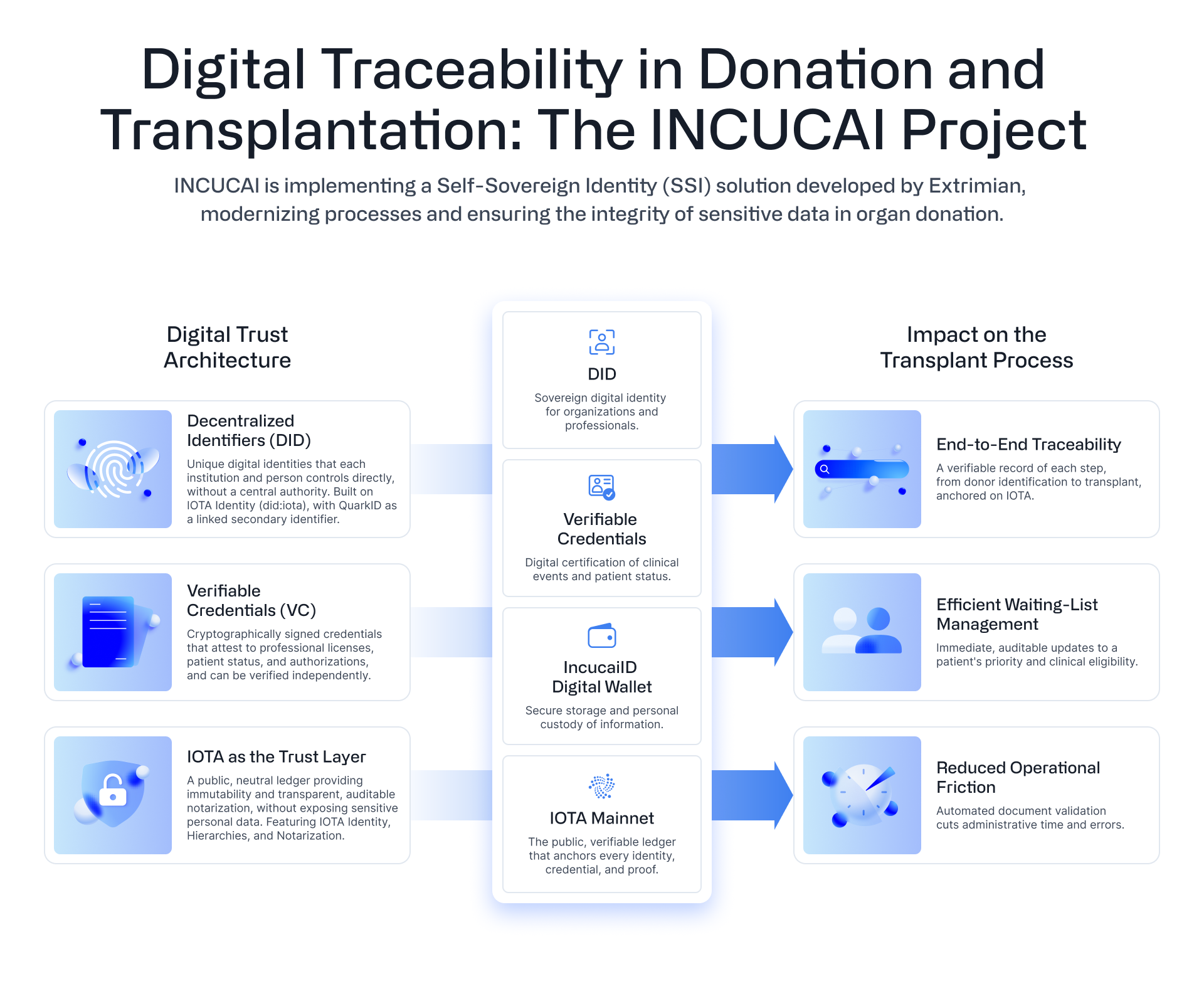
The European Blockchain Hackathon, a significant initiative powered by MasterZ and IOTA, concluded at the end of March, marking a pivotal moment in the development of real-world decentralized applications. This intensive event, which began with the selection of 200 promising developers from across Europe, has successfully catalyzed the creation of 66 tangible products built upon IOTA’s distributed ledger technology. The hackathon’s success is further underscored by the tiered approach to post-event support, with the top five projects set to present live in Berlin, the top ten entering an acceleration program, and a broader group receiving tailored development pathways.

Background and Genesis of the Hackathon

The European Blockchain Hackathon was conceived as a structured pathway to bridge the gap between theoretical blockchain knowledge and practical, market-ready solutions. Organized by MasterZ, a prominent blockchain innovation hub, and IOTA, a leading decentralized ledger technology provider known for its focus on the Internet of Things (IoT) and machine-to-machine economy, the event aimed to foster a new generation of builders capable of leveraging decentralized infrastructure for impactful applications. The hackathon’s design emphasized a transformative journey, guiding participants from initial selection through rigorous training to the ultimate execution of functional products.

The Rigorous Selection and Training Phases

The journey commenced in January 2026 with a meticulous selection process designed to identify developers with both technical acumen and a strong drive to innovate. From a broad pool of applicants, 200 individuals were chosen to participate. These selected developers represented a diverse and international cohort, hailing from a wide spectrum of European nations including Spain, Portugal, Austria, Italy, Germany, the United Kingdom, Cyprus, the Netherlands, Belgium, and France. This geographic diversity promised a rich exchange of ideas and perspectives, vital for a collaborative and innovative environment.

Following the selection phase, February was dedicated to intensive training. Participants engaged in a series of live training sessions meticulously crafted to equip them with the necessary skills and knowledge to build on the IOTA technology stack. While the specific curriculum details were not elaborated in the initial announcement, such sessions typically cover core concepts of the IOTA protocol, including the Tangle’s unique architecture, smart contract capabilities, tokenization mechanisms, and best practices for developing secure and scalable decentralized applications. The emphasis was clearly on providing a robust foundation for practical development work.

The Core Development Phase: March and Beyond

March marked the heart of the hackathon, the period dedicated to the actual building of projects. Working both individually and in teams, the 200 developers were tasked with conceptualizing and developing real-world use cases that harnessed the unique capabilities of IOTA’s technology. This phase demanded not only technical proficiency but also strategic thinking, problem-solving, and efficient collaboration. The objective was to move beyond mere prototypes and create functional products with discernible real-world applications.

The culmination of this intensive building phase was the project submission deadline on March 31st. The results were highly encouraging, with an impressive 66 new products successfully developed and submitted. This output signifies a substantial conversion rate of selected participants into active builders, demonstrating the efficacy of the hackathon’s structure and support. Each project underwent a rigorous evaluation process, assessing key criteria such as the strength of execution, the clarity and viability of the use case, and the potential for real-world impact. While specific evaluation metrics were not detailed, common benchmarks in such events include technical soundness, innovation, user experience, scalability, and market potential.

Highlighting the Top Innovations

Among the 66 submitted projects, five distinguished themselves through exceptional execution, compelling use cases, and demonstrated potential for significant real-world impact. These top-tier projects represent the vanguard of innovation emerging from the hackathon:

  • Textile Tracer: This project addresses the critical challenge of sustainability and transparency within the textile industry. Textile Tracer aims to provide a fully verifiable tracing system, enabling a digital product passport that cryptographically proves every stage of a garment’s lifecycle, from manufacturing in the factory to its eventual recycling. This addresses growing consumer demand for ethically sourced and sustainably produced goods and provides a robust mechanism for brand accountability. The implications for reducing counterfeit goods and improving waste management in the fashion industry are substantial.

  • Nplex: Nplex focuses on unlocking liquidity in traditionally inaccessible markets. The project centers on the tokenization and fractionalization of non-performing loans (NPLs). By transforming illiquid assets into tradable digital tokens, Nplex aims to democratize access to this asset class, which has historically been the domain of large institutional investors. This could have significant implications for financial inclusion and the broader efficiency of capital markets, providing new avenues for investment and debt resolution.

  • IOTA Web Guardian: In an era increasingly shaped by artificial intelligence, IOTA Web Guardian proposes a novel solution for protecting creators and their content. The system introduces a paradigm where AI entities must authenticate their identity and compensate content creators before accessing their work. This directly tackles issues of unauthorized AI training on copyrighted material and offers a decentralized framework for fair compensation in the digital age. The potential to reshape the economics of content creation and AI development is considerable.

  • DocuNotary: This project tackles the pervasive issue of document fraud by making it unscalable. DocuNotary leverages blockchain-based notarization to provide instant verification for business documents. By immutably recording document authenticity on the blockchain, it significantly reduces the risk of fraud, streamlines verification processes, and enhances trust in commercial transactions. The adoption of such a system could have far-reaching benefits for legal, financial, and administrative sectors.

  • Tangle Gate: Tangle Gate is designed to secure access to critical infrastructure. The solution provides tamper-proof audit trails and robust identity-based access control for sensitive systems. In an increasingly interconnected world, securing critical infrastructure against unauthorized access and ensuring accountability is paramount. Tangle Gate offers a decentralized and immutable ledger for access logs, enhancing security and compliance for essential services.

Recognition and Future Trajectories

Beyond the top five, the hackathon also recognized excellence through various special awards, acknowledging projects that demonstrated outstanding performance in specific categories such as innovation, technical complexity, social impact, or user experience. These awards highlight the breadth of talent and the diverse applications explored during the event.

The conclusion of the hackathon marks not an end, but a new beginning for these ambitious projects and their creators. The tiered support structure is designed to nurture their growth and facilitate their transition from development to market.

The Top 5 projects have been invited to an exclusive private event in Berlin. This event will serve as a crucial platform for them to further refine their products, gain direct exposure to the IOTA ecosystem, and potentially connect with strategic partners and investors. This hands-on opportunity in a central hub for blockchain innovation is invaluable for their next steps.

Furthermore, the Top 10 projects will benefit from a dedicated acceleration program. This comprehensive program, a collaboration between MasterZ and AIO Blockchain Lab, is specifically engineered to equip these teams with the resources and mentorship needed to scale their ventures. The program is likely to encompass elements such as business development strategy, market entry planning, technical scaling support, legal and compliance guidance, and investor readiness.

In recognition of the exceptional quality and potential demonstrated across a wider range of submissions, the opportunity has been extended. Projects ranked within the Top 30 and Top 60 will also gain access to tailor-made acceleration paths. These customized programs will focus on specific areas of development, such as go-to-market strategies, technical enhancements, and business model refinement, ensuring that a significant number of promising projects receive targeted support.

Broader Implications for the IOTA Ecosystem and Beyond

The MasterZ x IOTA European Blockchain Hackathon stands as a testament to the synergy between robust decentralized infrastructure and dedicated builders. The transition from 200 selected developers to 66 fully realized products signifies a maturing ecosystem capable of moving beyond theoretical exploration to tangible innovation. This initiative underscores IOTA’s growing prominence as a platform for building real-world applications, particularly in areas like IoT, supply chain management, and the machine economy.

The success of this hackathon has several broader implications:

  • Validation of IOTA’s Technology: The sheer volume and quality of projects built on IOTA validate the platform’s capabilities and its suitability for complex decentralized applications. This can attract further developer interest and investment into the IOTA ecosystem.
  • Economic Opportunities: The creation of 66 new products opens doors for new businesses, employment opportunities, and innovative services. These projects have the potential to disrupt existing industries and create new economic models.
  • Accelerated Adoption: By identifying and supporting promising projects, the hackathon accelerates the adoption of decentralized technologies in various sectors. The focus on real-world use cases suggests a clear path towards mainstream integration.
  • Decentralization’s Practicality: The hackathon demonstrates that decentralized solutions are not just theoretical concepts but can be engineered into practical tools that solve pressing global challenges, from sustainability to financial inclusion.

The clear path forward for these projects is to transition from the hackathon environment to active market engagement. This involves securing further funding, forging strategic partnerships, and successfully onboarding end-users and investors. The MasterZ x IOTA European Blockchain Hackathon has not only fostered innovation but has laid the groundwork for the commercialization and widespread adoption of groundbreaking decentralized solutions. The future of these 66 products will be closely watched as they embark on their journey to impact the real world.

April 19, 2026 0 comment
0 FacebookTwitterPinterestEmail
Crypto Regulations & Policy

The Crucial Role of Developer Protections in the Clarity Act and the Future of Decentralized Finance Regulation

by Nana April 17, 2026
written by Nana

The United States Senate is currently at a legislative crossroads as it deliberates on the market structure for digital assets, a debate that centers on the "Clarity Act" and its specific provisions regarding decentralized finance (DeFi). At the heart of this discussion are "developer protections"—provisions designed to ensure that the individuals and entities building the underlying infrastructure of the blockchain ecosystem are not inadvertently classified as financial brokers or dealers. These protections, which were meticulously negotiated in the House of Representatives with input from non-partisan advocacy groups like Coin Center and technical assistance from the Department of the Treasury, represent a pivotal effort to balance regulatory oversight with the preservation of technological innovation.

The debate arrives at a time when the digital asset industry is seeking regulatory certainty after years of enforcement-led oversight. The House of Representatives recently passed these sections of the legislation with an overwhelming bipartisan majority, signaling a rare moment of consensus in a frequently polarized Capitol Hill. However, as the bill moves through the Senate, proponents of the "Clarity" framework are working to ensure that the nuanced distinctions between financial intermediaries and neutral software developers are maintained. The outcome of these deliberations will likely determine whether the United States remains a global hub for blockchain development or if the industry will migrate to more permissive jurisdictions.

The Architecture of the Clarity Act: Understanding Section 409

The legislative strategy employed in the Clarity Act involves a "broad definition, narrow exclusion" approach. By defining "Digital Commodity Broker" and "Digital Commodity Dealer" in expansive terms, the House sought to prevent regulatory arbitrage—the practice of firms exploiting loopholes to avoid oversight. However, to prevent this broad net from catching entities that do not function as traditional financial intermediaries, Section 409 was introduced. This section, titled "Exclusion for decentralized finance activities," provides a safe harbor for six specific categories of participants.

The first two exclusions cover the foundational layer of blockchain networks. Under Section 409(1) and (2), individuals or entities compiling network transactions, relaying, searching, sequencing, or validating transactions are excluded from registration requirements. This includes "miners" in Proof-of-Work systems and "validators" in Proof-of-Stake systems. Furthermore, providers of computational work, node operators, and oracle services—which feed external data into blockchains—are protected. The rationale is that these entities provide a public utility for the network; they do not hold customer funds nor do they have a direct contractual relationship with end-users in a way that mirrors a brokerage.

The third and fourth exclusions focus on the dissemination of information and the publishing of code. Section 409(3) ensures that providers of user interfaces—websites or applications that allow users to read and access blockchain data—are not treated as financial institutions. Similarly, Section 409(4) protects those who develop, publish, or distribute blockchain systems or decentralized messaging protocols. This is a critical distinction, as it separates the act of writing and publishing open-source code from the act of operating a financial business.

The final two exclusions address the maintenance of decentralized protocols and the provision of self-custody tools. Section 409(5) protects those who administer or maintain liquidity pools or trading protocols for spot transactions, provided they are not acting as centralized intermediaries. Perhaps most importantly, Section 409(6) explicitly excludes developers of wallet software. These tools allow individuals to maintain custody of their own private keys and assets. Treating a software publisher as a custodian when they never actually touch a user’s funds would, according to legal experts, represent a fundamental misunderstanding of the technology.

Chronology of the Legislative Push for Crypto Market Structure

The path to the current Senate debate has been years in the making, shaped by market volatility and evolving regulatory perspectives.

In late 2021 and throughout 2022, the President’s Working Group on Financial Markets released reports emphasizing the need for a comprehensive regulatory framework for digital assets, particularly stablecoins and market intermediaries. These reports highlighted the risks of illicit finance and the lack of consumer protections in the then-nascent DeFi sector.

By early 2023, the House Committee on Financial Services and the House Committee on Agriculture began a series of joint hearings to draft what would become the Financial Innovation and Technology for the 21st Century Act (FIT21), within which the Clarity Act provisions reside. During this period, the Treasury Department provided technical assistance to ensure that the bill would not create "illicit finance loopholes" that could be exploited by bad actors.

In May 2024, the House passed the legislation with a significant bipartisan vote of 279-136. The bill’s passage was viewed as a landmark moment, as it included the carefully calibrated Section 409 exclusions. Following the House victory, the focus shifted to the Senate, where various committees, including the Senate Banking Committee, began scrutinizing the language. Advocacy groups like Coin Center have since been engaged in intensive "educational" rounds with Senators to explain why these developer protections are not "special favors" but essential safeguards against constitutional overreach.

Supporting Data: The Economic and Technical Reality of DeFi

The push for developer protections is supported by the sheer scale of the decentralized finance ecosystem. As of mid-2024, the total value locked (TVL) in DeFi protocols globally fluctuates between $80 billion and $100 billion. According to industry reports, the United States currently hosts approximately 25% to 30% of the world’s open-source blockchain developers.

Legal experts argue that without the Section 409 exclusions, these developers could face registration costs exceeding $500,000 to $1 million annually per project, a burden that would effectively end open-source contribution in the U.S. Furthermore, a study by the Blockchain Association suggested that vague regulatory definitions have already contributed to a "brain drain," with the U.S. share of the global crypto developer workforce dropping by several percentage points over the last five years.

From a technical standpoint, the "neutrality" of infrastructure is backed by data showing that nodes and validators operate autonomously based on consensus rules. In networks like Ethereum, there are over 900,000 active validators globally. Requiring each of these entities to register as a "broker" would be functionally impossible, as validators do not have access to the "Know Your Customer" (KYC) information of the parties whose transactions they are sequencing into blocks.

Official Responses and Stakeholder Reactions

The debate has drawn responses from a wide array of political and regulatory figures. Representative Patrick McHenry (R-NC), Chairman of the House Financial Services Committee, has been a vocal proponent of the Clarity framework, stating that the bill "provides the functional definitions necessary to distinguish between those who are truly intermediaries and those who are simply building the pipes of the internet."

On the other side of the aisle, some Senate Democrats have expressed concerns that exclusions might be too broad. Senator Elizabeth Warren (D-MA) has frequently raised alarms regarding the potential for DeFi protocols to be used for money laundering and sanctions evasion. However, the Treasury Department’s involvement in the House drafting process has served as a counter-argument to these concerns. Proponents point out that Section 409(b) specifically preserves the anti-fraud and anti-manipulation enforcement authorities of the Commodity Futures Trading Commission (CFTC), ensuring that while developers are not required to register as brokers, they are still subject to laws prohibiting criminal activity.

Coin Center, in its advocacy, has emphasized the First Amendment implications. The group argues that code is a form of protected speech. Forcing a developer to get "permission" from the government before publishing a software update would constitute a "prior restraint," a concept that is generally unconstitutional under U.S. law.

Broader Impact and Policy Implications

If the Senate chooses to strip the developer protections from the final legislation, the implications could be far-reaching. The most immediate impact would be the potential criminalization of routine software development. If a developer who writes a smart contract is classified as a "broker," they would be legally required to collect the names and addresses of every person who interacts with that contract—information they often do not have and cannot get.

This would likely lead to a "de-platforming" of U.S.-based developers from global projects. Many decentralized protocols are built by global cohorts; if U.S. law becomes too restrictive, these projects may simply block U.S. contributors to avoid legal liability. This would not only harm the U.S. economy but also weaken the ability of U.S. regulators to influence the development of global financial standards.

Conversely, adopting the Clarity Act’s protections would provide a blueprint for other nations. The European Union’s MiCA (Markets in Crypto-Assets) regulation already provides some level of distinction for decentralized systems, and a clear U.S. stance would solidify a global standard for "permissiveness for builders, oversight for intermediaries."

Conclusion: The Path Forward for the Senate

The Senate now faces the task of deciding whether to honor the House’s bipartisan compromise or to restart the negotiation process. The "Clarity" approach acknowledges a fundamental truth of the digital age: that code and commerce are increasingly intertwined, but they are not the same thing. By protecting the miners, node operators, and software developers who maintain the blockchain, the legislation seeks to ensure that the "pipes" of the new financial system remain open and decentralized.

As the legislative session continues, the focus will remain on whether the Senate can maintain the delicate balance struck in Section 409. If these protections are lost, the broad definitions of brokers and dealers could inadvertently sweep up the very innovators who are building the future of the internet, leading to a protracted legal battle over constitutional rights and the potential exodus of a high-growth industry from American shores. For the proponents of the Clarity Act, the goal is simple: ensure that the law targets the businesses that handle other people’s money, while leaving the scientists and engineers free to build the tools of the future.

April 17, 2026 0 comment
0 FacebookTwitterPinterestEmail
Crypto Trading & Analysis

Goldman Sachs Identifies Resurgent AI Investment Theme Amidst Market Recovery

by Nana April 17, 2026
written by Nana

Goldman Sachs has signaled a significant shift in market sentiment, with senior markets advisor Dominic Wilson highlighting the robust resurgence of artificial intelligence (AI) as a dominant investment theme. In a recent episode of the bank’s "Exchanges" podcast, Wilson elaborated on how the AI narrative, once primarily conversational, is now demonstrably influencing market activity, particularly evident in the strong performance of semiconductor stocks. This revival signals a renewed investor appetite for technology-driven growth sectors, even as broader market conditions remain subject to fluctuations.

The AI Renaissance: From Hype to Hardware

The re-emergence of AI as a frontrunner in investment strategies is not merely a theoretical concept but is being actively reflected in stock market performance. Wilson pointed out that while software stocks have encountered some headwinds even during this recovery period, the semiconductor sector has been a notable exception, achieving new highs. This divergence underscores a crucial aspect of the current AI boom: the foundational hardware enabling these advancements is experiencing unprecedented demand and investor confidence.

The semiconductor industry, often considered the bedrock of technological innovation, plays a critical role in powering AI applications. These chips are integral to the complex calculations and vast data processing required for everything from machine learning algorithms to advanced AI models. The recent surge in their stock prices suggests that investors are recognizing the tangible, immediate benefits and future potential derived from the physical infrastructure of AI. This is a significant development, as it moves beyond abstract potential to concrete demand for the components that make AI a reality.

Historically, the semiconductor industry has been characterized by cyclicality, influenced by global demand, manufacturing capacity, and technological obsolescence. However, the current AI-driven demand appears to be creating a more sustained upward trajectory. Companies involved in designing and manufacturing advanced processors, memory chips, and specialized AI accelerators are at the forefront of this resurgence. The demand for these components is fueled by the rapid expansion of data centers, the proliferation of AI-powered consumer devices, and the ongoing research and development in fields like autonomous vehicles, advanced robotics, and sophisticated scientific simulations.

Navigating Market Volatility: A Strategy for Resilience

Despite the optimistic outlook for AI-related investments, Wilson issued a cautionary note regarding the broader market landscape. He emphasized that investors should anticipate continued volatility in the near term and adopt a flexible, responsive approach to their investment strategies. The current market environment is characterized by a delicate balance between recovery momentum and persistent downside risks.

Wilson’s advice to investors is to maintain a selective approach to long positions, focusing on assets and themes they have high conviction in, while simultaneously employing robust hedging strategies. This dual approach aims to capture potential upside gains from favored investments while mitigating the impact of unforeseen market downturns. The strategy advocates for a dynamic risk management framework, where hedges are adjusted in tandem with market movements.

The concept of hedging is crucial in navigating uncertain market conditions. It involves employing financial instruments or strategies designed to offset potential losses in an investment. In the context of volatile markets, this can include options, futures contracts, or diversification across asset classes that exhibit low correlation. By being “aggressively hedged,” investors can protect their capital during periods of decline, allowing them to re-enter the market at more favorable price points when opportunities arise.

Wilson’s recommendation to add risk at lower prices during market downturns and to increase hedges as the market ascends highlights a strategy often referred to as "buying the dip" in conjunction with risk management. This approach requires discipline and a clear understanding of an investor’s risk tolerance and long-term objectives. The ability to identify undervalued assets during a sell-off, coupled with the foresight to protect gains as the market recovers, is a hallmark of sophisticated investment management.

Supporting Data and Market Trends

The resurgence of AI stocks is not an isolated phenomenon but is supported by several key data points and market trends. Global investment in AI has been steadily climbing, with venture capital funding pouring into AI startups and established tech giants significantly increasing their R&D budgets. According to various market research reports, the global AI market is projected to reach trillions of dollars in the coming years, driven by applications across diverse sectors such as healthcare, finance, manufacturing, and retail.

The demand for AI-specific hardware is a testament to this growth. For instance, the market for AI accelerators, specialized chips designed for AI workloads, has seen exponential growth. These accelerators, often comprising GPUs (Graphics Processing Units) and TPUs (Tensor Processing Units), are crucial for training and deploying AI models. Companies that manufacture these chips have reported record revenues and have seen their stock prices soar, reflecting the robust demand from cloud providers, AI research labs, and enterprise clients.

Furthermore, the increasing adoption of AI in enterprise solutions is a significant driver. Businesses are leveraging AI for tasks such as customer service automation, predictive analytics, fraud detection, and supply chain optimization. This widespread integration creates a continuous demand for the underlying AI technologies, including the hardware that powers them. The ability of AI to enhance efficiency, reduce costs, and unlock new revenue streams makes it an indispensable tool for modern businesses.

The global push towards digital transformation further amplifies the importance of AI. As economies become increasingly digitized, the volume of data generated continues to grow exponentially. AI is essential for extracting meaningful insights from this data, enabling organizations to make informed decisions and gain a competitive edge. This symbiotic relationship between digitalization and AI ensures a sustained demand for AI-related investments.

Broader Impact and Implications

The renewed focus on AI as a leading investment theme has several far-reaching implications for the global economy and technological landscape.

  • Accelerated Innovation: The increased investment in AI is likely to spur further innovation in the field. This could lead to breakthroughs in areas such as natural language processing, computer vision, robotics, and drug discovery, with profound societal benefits.
  • Economic Growth: The AI sector has the potential to be a significant driver of economic growth. By creating new industries, enhancing productivity, and generating high-value jobs, AI can contribute to overall economic prosperity.
  • Geopolitical Competition: The race to develop and deploy advanced AI technologies is also a significant geopolitical factor. Nations are increasingly recognizing the strategic importance of AI for national security, economic competitiveness, and global influence. This could lead to increased competition and collaboration among countries.
  • Ethical and Societal Considerations: As AI becomes more integrated into our lives, it also raises important ethical and societal questions. These include concerns about job displacement, data privacy, algorithmic bias, and the potential misuse of AI technologies. Addressing these challenges will be crucial for ensuring that AI develops in a responsible and beneficial manner for society.
  • Market Dynamics: The dominance of AI as an investment theme can lead to significant shifts in market valuations and sector performance. Companies that are at the forefront of AI innovation are likely to outperform, while those that fail to adapt may lag behind. This can create opportunities for agile investors but also poses risks for those who are not adequately prepared.

Expert Perspectives and Industry Reactions

While Goldman Sachs’ assessment provides a valuable insight into current market sentiment, it is important to consider the broader consensus among industry experts and related parties. Many technology leaders and analysts have echoed the sentiment regarding the transformative potential of AI. CEOs of major technology companies have consistently highlighted AI as a core strategic priority, investing heavily in research, development, and talent acquisition.

The semiconductor industry, in particular, has seen a wave of positive sentiment and analyst upgrades. Companies that are key suppliers of AI-specific chips have reported strong order backlogs and optimistic growth forecasts. This collective optimism from both financial institutions and industry players reinforces the notion that the AI theme is not a fleeting trend but a fundamental shift in the technological and economic landscape.

However, some analysts also caution about the potential for market bubbles and the need for careful due diligence. While the long-term prospects for AI are undeniably strong, short-term market fluctuations and the inherent cyclicality of the technology sector necessitate a balanced perspective. The emphasis on selective investment and robust risk management, as advised by Goldman Sachs, is therefore a prudent approach for investors navigating this dynamic environment.

Conclusion: A Balanced Outlook for AI Investment

Goldman Sachs’ assessment underscores a pivotal moment for the investment landscape, with artificial intelligence reasserting its position as a premier growth theme. The tangible resurgence in semiconductor stocks, coupled with ongoing global investment in AI R&D and adoption, paints a compelling picture of sustained growth. However, the path forward is not without its challenges. The inherent volatility of market conditions necessitates a strategic and adaptive approach, one that balances the pursuit of high-growth opportunities with prudent risk management.

As AI continues to permeate various sectors of the economy, its impact will undoubtedly extend beyond financial markets, shaping technological advancements, economic development, and societal structures. Investors who can navigate the complexities of this evolving landscape with informed insights and a disciplined strategy are best positioned to capitalize on the enduring potential of artificial intelligence. The coming months and years will be critical in observing how this powerful investment theme unfolds and its broader implications for the global economy.

April 17, 2026 0 comment
0 FacebookTwitterPinterestEmail
Crypto Trading & Analysis

The Blockchain as a New Frontier in Tracking the Financing of Drone Warfare

by Neng Nana April 17, 2026
written by Neng Nana

The ubiquitous drone, once a symbol of civilian convenience and hobbyist pursuits, has rapidly transformed into a pivotal instrument of modern warfare, fundamentally altering the dynamics of power projection for both state and non-state actors. In the ongoing conflict in eastern Ukraine, commercially available quadcopters, often purchased off-the-shelf, are being repurposed for frontline reconnaissance and attack missions. Simultaneously, in critical maritime chokepoints like the Red Sea and the Strait of Hormuz, one-way attack unmanned aerial vehicles (UAVs) have proven capable of disrupting global commerce and vital shipping lanes. These advanced systems offer a compelling confluence of attributes: their relatively low cost, operational flexibility, and the inherent plausible deniability they afford, collectively lower the threshold for engaging in asymmetric warfare.

However, the burgeoning ecosystem of drone technology, much like any scalable weapons system, is not solely dependent on the availability of hardware. Its proliferation is intrinsically linked to the financial infrastructure that facilitates procurement. While the vast majority of drone acquisitions still transpire through traditional financial channels, a significant and growing intersection with the blockchain has emerged. This paradigm shift presents both novel challenges and unprecedented opportunities for monitoring illicit activities. The transparent and immutable nature of cryptocurrency transactions, when meticulously analyzed, enables the tracing of procurement flows, thereby enhancing our understanding of how emerging technologies are reshaping the economic underpinnings of modern conflict.

The Dual-Use Conundrum: From Photography to Warfare

At its core, drone technology represents a quintessential example of a dual-use item. A DJI Mavic drone, purchased by a wedding photographer for capturing aerial vistas, is functionally identical to a unit modified to dispense munitions on a forward operating position. The very components that constitute these versatile machines—motors, flight controllers, cameras, and batteries—are readily available on global e-commerce platforms and are, in themselves, not inherently illicit. This accessibility creates a significant challenge for regulatory bodies and intelligence agencies tasked with preventing their misuse.

From the Battlefield to the Blockchain: How Cryptocurrency Is Helping Finance the Drone Revolution

Cryptocurrency enters the drone procurement landscape through two primary avenues. The first is direct: manufacturers openly accept cryptocurrency on their official websites as a payment method. The case of KB Vostok, a Russian drone manufacturer, serves as a prominent public example of this direct integration. The second, more indirect, avenue involves electronics and dual-use component vendors operating through third-party e-commerce platforms, such as Alibaba. These vendors often accept cryptocurrency, facilitating sales to buyers whose identities and ultimate intentions remain opaque. It is here that blockchain analysis becomes an indispensable tool, offering crucial insights into the potential end-use cases of these purchases. By examining liquidity sources and transaction volumes, investigators can identify potential state actors, such as those linked to Iran or Russia, behind the acquisition of drones and their constituent parts, thereby shedding light on how emerging technologies are being financed and deployed in conflict zones.

Crowdfunding the Frontlines: Militias and Cryptocurrency

One of the most visible manifestations of the crypto-drone nexus operates at the militia level, frequently fueled by open crowdfunding campaigns disseminated across social media platforms. Following the full-scale invasion of Ukraine by Russia in early 2022, researchers identified dozens of pro-Russia volunteer and paramilitary organizations soliciting cryptocurrency donations for the acquisition of military equipment. Collectively, these groups have raised over $8.3 million in cryptoassets, with drones consistently listed among the explicitly itemized purchases. Some solicitation posts have detailed campaigns aimed at raising sufficient funds to acquire reconnaissance drones, while others have published delivery manifests that include UAV components valued at approximately 200,000 rubles (around $3,400), alongside other essential military supplies such as radios, medical kits, and weapon maintenance equipment.

The significance of these figures lies not merely in their monetary value, but in the tactical logic they represent. At the militia level, low-cost commercial drones are among the most tactically impactful items that can be acquired through cryptocurrency crowdfunding. With individual units priced between $2,200 and $3,500, a single successful fundraising campaign can directly translate into enhanced battlefield capabilities for groups that lack access to conventional financial systems or are subject to international sanctions.

From the Battlefield to the Blockchain: How Cryptocurrency Is Helping Finance the Drone Revolution

These groups typically procure components and complete drones through general electronics platforms and commercial resellers, utilizing the same global e-commerce infrastructure employed by hobbyists and legitimate commercial operators. While resellers and manufacturers openly list drone parts, the transformation of a legitimate commercial purchase into a national security concern hinges on the identity of the purchaser and their intended use of the equipment.

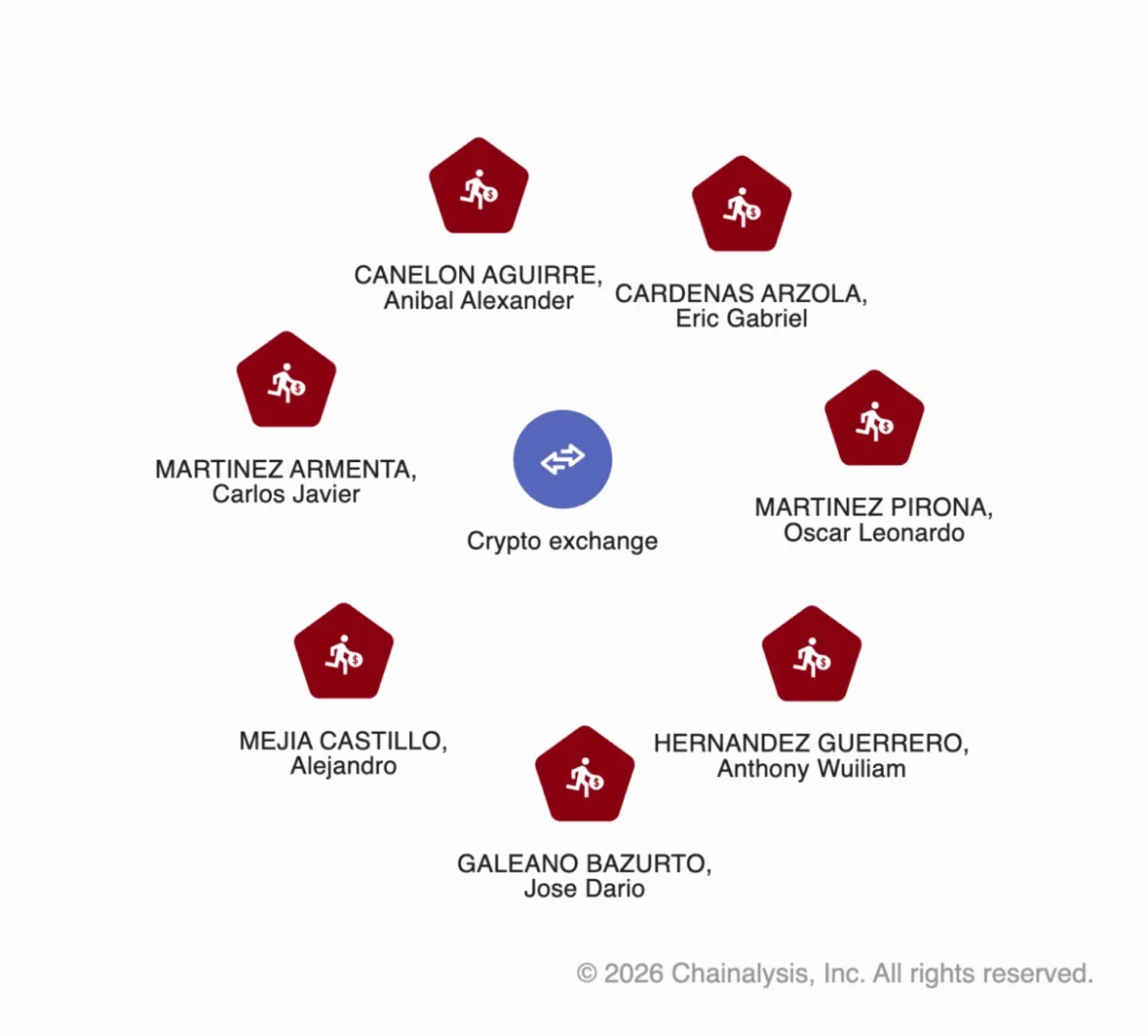
Evidence from social media analysis has revealed Russian militia fundraising groups openly discussing the utility of Chinese-manufactured drones. These same groups have historically been observed crowdfunding supplies for Russian militia units operating in eastern Ukraine. Further on-chain analysis has corroborated these findings, showing these groups making purchases from a Hong Kong-based drone manufacturer. Additional blockchain data indicates that other drone purchasers are acquiring liquidity from Russian-language, no-Know-Your-Customer (KYC) exchanges, sanctioned Russian exchanges like Garantex and Grinex, and an over-the-counter (OTC) service operating out of the Federation Tower in Moscow. This comprehensive analysis of drone purchasers and their liquidity sources strongly suggests that Russia-linked actors may be procuring drones from Chinese manufacturers for deployment in Ukraine.

More broadly, the liquidity source for a drone purchaser provides critical insights into whether their end use is intended for licit or illicit purposes. When purchasers receive liquidity from illicit sources, such as sanctioned entities, Russian-language no-KYC swap services, or entities operating within sanctioned jurisdictions, it raises strong suspicions of end-use cases involving nation-state actors like Iran or Russia and their proxies. Data indicates that inflows to a sample of drone vendors originate, to varying degrees, from these illicit sources, with the proportion of total inflows fluctuating over time, reflecting the dynamic nature of these procurement networks.

From the Battlefield to the Blockchain: How Cryptocurrency Is Helping Finance the Drone Revolution

On-Chain Data Illuminating Drone Manufacturers

A second, and arguably more analytically significant, layer of investigation focuses on drone manufacturers themselves. These entities are not merely resellers of commercial components but are dedicated UAV developers with targeted military markets. In at least one instance, a manufacturer has maintained a publicly visible cryptocurrency payment channel. In 2024, the U.S. Department of the Treasury’s Office of Foreign Assets Control (OFAC) designated two Russian UAV developers: OKO Design Bureau (May 2024) and KB Vostok, also known as Vostok Design Bureau (August 2024). Both entities solicited cryptocurrency through public channels. While OKO Design Bureau raised less than $1,000, KB Vostok’s public footprint offers far deeper insights. Their fundraising efforts allow for a direct comparison between on-chain financial movements and the known costs of their hardware, providing a tangible link between financial transactions and military production.

Pricing Reveals Counterparty Insights

KB Vostok is known for designing the "Scalpel," a one-way attack UAV with a payload capacity of up to five kilograms. This drone is reportedly priced at approximately 200,000 rubles per unit, which translates to roughly $2,200. Russian press reports have highlighted the Scalpel’s simplicity of production and its affordability relative to other UAVs in its class. This specific price point is analytically significant. At $2,200 per unit, individual purchases are plausible in round-number transactions, and patterns of repeat purchasing become observable on-chain.

OFAC’s designation of KB Vostok included a wallet address that the company had published on its website. An analysis of this wallet revealed transaction patterns inconsistent with typical donation campaigns. Instead, the regularity and sizing of the transfers—clustering around $2,200 and its clean multiples—are more indicative of recurring unit purchases. The scale of the counterparties involved suggests institutional participation, likely representing nodes within Russia’s military supply chain, rather than individual buyers.

From the Battlefield to the Blockchain: How Cryptocurrency Is Helping Finance the Drone Revolution

Furthermore, KB Vostok’s utilization of stablecoins, rather than Bitcoin, is also analytically significant. This choice reflects a broader trend in illicit crypto finance towards dollar-denominated cryptocurrencies, which offer the price stability essential for commercial procurement activities. Investigators who focus exclusively on Bitcoin flows risk missing this entire layer of financial activity.

The KB Vostok case serves as a template for how analyzing drone vendors on-chain can uncover broader procurement networks. By examining the source of liquidity flowing into a vendor’s wallet, investigators can formulate hypotheses about the identity of the buyers and their operational locations. Funds sourced from Russian-language no-KYC exchanges, for instance, strongly suggest Russian buyers, while funds originating from Iranian-linked services point towards Iranian actors. When mapped against known product prices, transaction volumes allow investigators to distinguish between a one-time component purchase and a pattern of recurring procurement that may signify a state-adjacent supply chain. Analysis of fund flows from wallets associated with entities like Garantex and other Russia-related Specially Designated Nationals (SDNs), including Colonelcassad, to drone vendors, often through intermediary wallets, illustrates these complex procurement pathways.

Iran: From Proxy Networks to State-Level Commercialization

The dual-use procurement challenge extends significantly beyond Russia. Sanctions-constrained actors, including Iranian defense entities and Iran-aligned proxies, require components subject to export controls. Drone parts precisely fit this profile, and Iran’s own Shahed drone program has demonstrably relied on commercially available components sourced through third-country procurement networks.

From the Battlefield to the Blockchain: How Cryptocurrency Is Helping Finance the Drone Revolution

A January 2026 Financial Times investigation revealed that Iran’s Ministry of Defense Export Center (Mindex) was publicly advertising advanced weapons—including Shahed drones, ballistic missiles, and warships—for sale to foreign governments, with cryptocurrency accepted as a payment method. This development appears to be one of the first known instances of a nation-state openly advertising strategic military hardware for cryptocurrency. Notably, Mindex’s website explicitly addressed buyer concerns regarding sanctions evasion, stating that Iran’s policies ensure contracts "can be executed." This underscores the growing perception among heavily sanctioned actors that cryptocurrency is not merely a niche workaround but a deliberate, institutionalized tool for circumventing sanctions.

On-chain analysis has provided further corroboration. A wallet observed purchasing drone parts from a Hong Kong-based supplier exhibits direct and indirect liquidity flows from the Iranian exchange Nobitex, wallets associated with the Islamic Revolutionary Guard Corps (IRGC), and OFAC SDN Alireza Derakhshan. Derakhshan, an Iranian national, has been designated for facilitating crypto transfers on behalf of the Iranian regime.

During the 12-day conflict between Iran and Israel in June 2025, inflows to a small subset of drone vendors saw a notable spike, returning to pre-war levels once a ceasefire was concluded. While this activity is consistent with a wartime surge in drone-related procurement, it represents only a snapshot of limited vendor activity at a specific moment and should not be interpreted as indicative of Iran’s entire drone payment landscape or broader global patterns. Nevertheless, it highlights the potential for real-time monitoring of transactional activity, even during periods of active conflict.

From the Battlefield to the Blockchain: How Cryptocurrency Is Helping Finance the Drone Revolution

The Blockchain as a Weapons Tracker

The ability to track drone purchases on the blockchain represents a significant evolution in the field of financial intelligence and national security. Each supplier address identified becomes an investigative anchor—a fixed point from which blockchain analysis can map counterparty relationships, trace liquidity sources, and identify previously unknown nodes within opaque procurement networks.

The most crucial insight offered by the blockchain is not necessarily the sheer volume of cryptocurrency flowing into drone procurement, although these volumes are substantial. Rather, it is the unique, near real-time visibility it provides into procurement networks that would otherwise remain entirely opaque. Drones are inexpensive, proliferating rapidly, and increasingly central to how states and non-state actors project power and conduct warfare. The blockchain, with its inherent transparency and immutability, offers one of the few existing mechanisms through which the financing of these critical military assets leaves a permanent, actionable trace, providing invaluable intelligence for counter-proliferation efforts and national security agencies worldwide.

April 17, 2026 0 comment
0 FacebookTwitterPinterestEmail
Bitcoin & Core Networks

Anthropic Unveils Claude Opus 4.7, Extending Commercial AI Capabilities While Keeping Its Most Powerful Model Under Wraps

by Jia Lissa April 17, 2026
written by Jia Lissa

Anthropic, a leading AI research and development company, on Thursday officially released Claude Opus 4.7, its latest and most advanced commercially available AI model. This new iteration significantly bolsters Anthropic’s offerings, particularly in the domain of agentic coding and complex problem-solving, reaffirming its competitive edge against rivals like OpenAI and Google. However, the launch was notably accompanied by a clear, almost insistent, reminder from Anthropic that a vastly more capable system, internally dubbed "Claude Mythos Preview," remains securely locked away from public access, reserved for a select group of vetted enterprise and government partners. This dual-track strategy underscores a profound tension within the AI industry: the relentless pursuit of advanced capabilities versus the critical imperative for safety and controlled deployment.

The introduction of Claude Opus 4.7 represents a strategic move to cater directly to developers and enterprises grappling with increasingly intricate software engineering challenges. Anthropic positions Opus 4.7 as a "notable improvement" over its predecessor, Opus 4.6, particularly in advanced software engineering tasks. Developers utilizing the new model have reported a newfound confidence in delegating their most demanding coding work, tasks that previously necessitated intensive human oversight. The model exhibits enhanced rigor in handling long-running jobs, adheres more literally to complex instructions, and possesses an improved capacity for self-verification, devising methods to confirm its own outputs before final reporting. This leap in autonomous problem-solving for coding tasks suggests a significant step towards more independent AI agents in development workflows.

The pricing structure for Opus 4.7 remains consistent with Opus 4.6, set at US$5 per million input tokens and US$25 per million output tokens, a move designed to facilitate seamless upgrades for existing users and encourage adoption among new ones. Its widespread availability across major cloud platforms further signals Anthropic’s intent to embed its technology deeply within the global digital infrastructure. The model is currently live via Anthropic’s API, Amazon Bedrock, Google Cloud’s Vertex AI, and Microsoft Foundry. Demonstrating its immediate industry impact, Opus 4.7 has already been integrated into GitHub Copilot for Pro+, Business, and Enterprise subscribers, bringing its advanced coding capabilities directly to a vast ecosystem of professional developers.

A Tight Race at the Frontier of AI Capabilities

The release of Opus 4.7 sees Anthropic narrowly reclaim the top spot among publicly available frontier models, outscoring OpenAI’s GPT-5.4 and Google’s Gemini 3.1 Pro on several critical benchmarks. These benchmarks encompass crucial areas such as agentic coding, scaled tool use, agentic computer use, and financial analysis. This competitive lead, however, is a testament to the incredibly rapid pace of innovation and the intense rivalry defining the current AI landscape. As noted by VentureBeat’s Carl Franzen, while Opus 4.7 leads GPT-5.4 on directly comparable benchmarks in seven out of eleven categories, the margin is often slim, serving as a potent reminder of the rapidly diminishing gap between the leading AI laboratories. This closeness suggests that no single player is likely to hold a dominant, unassailable lead for long, fostering an environment of continuous innovation.

Specific benchmark results highlight Opus 4.7’s prowess, particularly in areas critical for software development. The model has taken the lead on SWE-bench Pro and SWE-bench Verified, two headline tests specifically designed to evaluate an AI’s ability to handle complex engineering work. Early-access testers provided compelling evidence of these improvements through their own internal evaluations. Michael Truell, co-founder of Cursor, reported that Opus 4.7 achieved a 70% success rate on CursorBench, a significant jump from Opus 4.6’s 58%. Oege de Moor, CEO of XBOW, noted an astonishing leap from 54.5% to 98.5% on his firm’s visual-acuity benchmark. De Moor framed this improvement as effectively eliminating a long-standing pain point for autonomous penetration testing, highlighting the model’s potential for sophisticated security applications. Similarly, Yusuke Kaji from Rakuten reported that Opus 4.7 resolved three times more production tasks than its predecessor on the Japanese conglomerate’s internal SWE-Bench fork, underscoring its real-world utility in a demanding corporate environment.

Beyond its coding capabilities, vision processing stands out as another headline upgrade for Opus 4.7. The model can now process images up to an impressive 2,576 pixels on the long edge, a resolution more than three times higher than previous Claude models. This enhanced visual fidelity unlocks a new spectrum of use cases that depend on fine visual detail. For instance, computer-use agents can now more effectively parse dense screenshots, enabling more precise interaction with graphical user interfaces. Furthermore, the ability to perform structured data extraction from complex technical diagrams, blueprints, or medical images opens doors to automation in fields requiring meticulous visual analysis, potentially revolutionizing workflows in engineering, healthcare, and research.

Acknowledged Limitations and Developer Considerations

In a move praised for its transparency, Anthropic’s release notes for Opus 4.7 are unusually candid about the model’s areas of weakness and where it still falls short. This level of self-assessment is a rare but welcome practice in the rapidly evolving AI industry, offering developers a clearer picture of the model’s actual capabilities and limitations.

The model does not universally sweep every performance category. For example, OpenAI’s GPT-5.4 maintains its lead in specific domains such as agentic search, multilingual question answering, and certain terminal-based coding tasks. This highlights the varied strengths of different frontier models and the ongoing specialization within the AI development race. Interestingly, Opus 4.7 also scored fractionally lower than Opus 4.6 in cybersecurity vulnerability reproduction, dropping from 73.8% to 73.1%. Anthropic attributes this slight regression to the implementation of its new automated cyber safeguards, indicating a deliberate trade-off where safety measures might, in some instances, slightly constrain raw capability in sensitive areas.

Developers planning to migrate to Opus 4.7 are advised to consider a few critical factors to ensure a smooth transition. The model utilizes an updated tokenizer, which can result in the same input mapping to 1.0 to 1.35 times as many tokens compared to Opus 4.6. This change has direct implications for cost management and prompt engineering. Additionally, Opus 4.7 is designed to "think harder" at higher effort levels, leading to the production of more output tokens on later turns within agentic workflows. A crucial behavioral shift is that Opus 4.7 takes instructions more literally, whereas its predecessors often interpreted them more loosely. This means developers may need to re-tune existing prompts to align with the new model’s stricter adherence to instructions, a minor but important adjustment for optimal performance.

Anthropic Ships Claude Opus 4.7 as Mythos Stays Under Lock and Key - Brave New Coin

Anthropic’s own internal alignment assessment rates Opus 4.7 as "largely well-aligned and trustworthy, though not fully ideal in its behaviour." On measures such as honesty and resistance to prompt-injection attacks, Opus 4.7 shows improvement over Opus 4.6. However, in other areas, such as a tendency to provide overly detailed harm-reduction advice on controlled substances, it is modestly weaker. This ongoing internal scrutiny reflects Anthropic’s commitment to responsible AI development, acknowledging that even with significant progress, perfect alignment remains an evolving challenge.

The Shadow of Mythos: A Dual-Track Strategy for AI Deployment

Perhaps the most revealing aspect of Thursday’s launch is not what Anthropic is shipping, but what it is pointedly not shipping. Throughout the announcement, Anthropic repeatedly positioned Opus 4.7 as "less broadly capable than our most powerful model, Claude Mythos Preview." This frontier system, unveiled earlier this month under the codename Project Glasswing, represents Anthropic’s cutting-edge AI, but its access is severely restricted to a highly controlled coalition of approximately 40 vetted enterprise and government partners.

As previously reported, Claude Mythos is a system that Anthropic believes possesses the unprecedented capability to autonomously discover and exploit zero-day software vulnerabilities at a scale that surpasses both human researchers and all existing automated tools. This extraordinary, and potentially dangerous, capability is precisely why the company is exercising extreme caution, keeping Mythos within a tightly controlled environment. The exclusive coalition partners include tech giants like Apple, Google, Microsoft, and Amazon Web Services, alongside cybersecurity leader CrowdStrike and financial titan JPMorgan Chase. This strategic decision to limit access to such a powerful tool highlights Anthropic’s commitment to safety and responsible deployment, even at the cost of immediate commercialization.

In stark contrast to Mythos, Opus 4.7 has been deliberately trained with reduced cyber capabilities and is equipped with built-in safeguards designed to automatically detect and block requests flagged as prohibited or high-risk cybersecurity use cases. This clear delineation creates a two-tiered approach to AI deployment: a publicly accessible, commercially viable model optimized for productivity and general development, and a highly restricted, super-capable model under strict ethical and security protocols. Gizmodo’s Jake Peterson succinctly observed that the Opus 4.7 announcement effectively doubles as a sophisticated marketing campaign for the system Anthropic refuses to sell to the general public, subtly emphasizing the advanced capabilities it could unleash.

For legitimate security researchers and organizations seeking to explore advanced vulnerability research, penetration testing, and red-teaming work with powerful AI tools, Anthropic has established a new "Cyber Verification Program." This program serves as a controlled on-ramp, allowing vetted entities broader access to specific capabilities under stringent oversight, bridging the gap between publicly available models and the highly restricted Mythos.

The implications of this dual-track strategy extend far beyond the immediate AI industry. The financial sector, particularly the rapidly growing decentralized finance (DeFi) ecosystem, faces significant potential risks. At the time of the Opus 4.7 release, Bitcoin was trading near US$74,500, holding steady within the range it has occupied since the early-April Mythos disclosure. The roughly US$200 billion locked in smart contracts across Ethereum, Solana, and other blockchain networks relies on friction-based defenses such as audits, timelocks, and multisignature governance. Anthropic itself has issued stark warnings that these conventional defenses could become "considerably weaker" when confronted by model-assisted adversaries equipped with capabilities akin to Mythos. This raises critical questions about the future of digital security and the imperative for robust, AI-resistant defense mechanisms in an increasingly automated threat landscape. The strategic withholding of Mythos, therefore, is not merely a commercial decision but a profound ethical and security imperative.

Empowering Developers with New Tools and Controls

Alongside the core Opus 4.7 model, Anthropic rolled out several new features and enhancements aimed at providing developers with finer control and greater efficiency. A notable addition is the new "xhigh" effort level, which slots between the existing "high" and "max" settings. This granular control allows developers to more precisely manage the trade-off between the depth of reasoning an AI applies to a task and the latency of its response, optimizing for specific application requirements.

To address a common concern among developers working with autonomous agents – the potential for runaway token spend on long-running jobs – Anthropic has introduced Task Budgets, now in public beta on the Claude Platform. This feature enables developers to cap the token usage for their AI agents, providing greater cost predictability and preventing unexpected expenditures, a crucial factor for enterprise adoption.

For those leveraging Claude Code, a new /ultrareview slash command has been introduced. This command initiates a dedicated review session, designed to flag bugs and design issues that a careful, experienced senior reviewer would typically catch. This feature aims to significantly enhance code quality and accelerate the development cycle. Furthermore, the company’s "auto mode," which allows Claude to act without constant permission prompts, has been extended to Max plan subscribers, streamlining workflows for users who require more autonomous AI assistance.

For developers contemplating the upgrade to Opus 4.7, Anthropic provides clear recommendations: begin with "high" or "xhigh" effort levels for coding and agentic use cases, carefully measure token usage on real traffic to understand cost implications, and consult the comprehensive migration guide before integrating the model into production environments. The overarching message from Anthropic is that frontier AI capabilities continue to arrive at an impressive two-month cadence, often at unchanged prices, yet the truly transformative, potentially world-altering versions remain firmly behind closed doors. This ongoing dichotomy between commercial accessibility and controlled deployment will likely define the trajectory of advanced AI development for the foreseeable future, shaping not only technological progress but also broader societal safety and economic stability.

April 17, 2026 0 comment
0 FacebookTwitterPinterestEmail
DeFi (Decentralized Finance)

1inch Launches ‘1inch Forward’ Initiative, Urging Universities to Bridge the DeFi Skills Gap Amid Surging Student Demand for Blockchain Careers.

by Pevita Pearce April 17, 2026
written by Pevita Pearce

The decentralized finance (DeFi) sector stands at a pivotal juncture, experiencing rapid growth and an unprecedented demand for specialized talent, yet a significant chasm persists between the needs of this burgeoning industry and the educational offerings of traditional academic institutions. Recognizing this critical gap, 1inch, a prominent aggregator in the DeFi space, has initiated "1inch Forward," a comprehensive U.S. education campaign designed to cultivate the next generation of blockchain and DeFi professionals. This ambitious initiative, launched with an open letter to leading educators, is set to culminate in a nationwide campus tour, aiming to directly engage with students and faculty at top universities, fostering a more practical and industry-aligned curriculum.

The impetus behind 1inch Forward is clear: while student interest in careers within crypto and blockchain has soared, most university programs continue to lean heavily on theoretical frameworks, often failing to equip graduates with the practical skills essential for real-world DeFi applications. This disconnect creates a palpable deficiency in areas ranging from advanced tokenization strategies and smart contract development to the complexities of cross-border decentralized payments and Web3 security protocols. The campaign seeks to bridge this divide, ensuring that the academic pipeline can adequately supply the skilled workforce vital for DeFi’s continued innovation and mainstream adoption.

The Evolving Financial Landscape and the Rise of Decentralized Finance

Decentralized Finance represents a paradigm shift in financial services, leveraging blockchain technology to offer permissionless, transparent, and immutable alternatives to traditional banking and financial instruments. From lending and borrowing platforms to decentralized exchanges and stablecoins, DeFi has rapidly expanded its footprint, growing from a niche concept to a multi-billion-dollar ecosystem. The total value locked (TVL) in DeFi protocols has witnessed exponential growth over recent years, at times surpassing $100 billion, indicating a robust and expanding financial infrastructure built on distributed ledger technology. This growth is not merely speculative; it is underpinned by tangible use cases and a vision for a more inclusive and efficient global financial system.

Crucially, the once-fringe nature of digital assets and blockchain technology is rapidly giving way to mainstream institutional acceptance. As highlighted in 1inch’s open letter, global financial giants such as BlackRock, Franklin Templeton, and JPMorgan are actively exploring and integrating aspects of digital assets and blockchain into their operations. BlackRock’s launch of tokenized funds, JPMorgan’s Onyx blockchain division, and Franklin Templeton’s engagement with digital asset management underscore a fundamental shift in how established players perceive and interact with this technology. This institutional embrace signals not only the maturity of the sector but also a burgeoning requirement for professionals who possess a deep understanding of both traditional finance principles and the intricacies of blockchain and DeFi. The convergence of these two worlds necessitates a new breed of financial expert, one fluent in both fiat and crypto, centralized and decentralized paradigms.

Surging Demand for DeFi Expertise: A Data-Driven Imperative

The market signals unequivocally point to an accelerating demand for specialized talent in the blockchain and DeFi sectors. Internal analysis and industry reports cited by 1inch reveal a dramatic increase in job-seeking activities. In the 2025/26 period, searches for "crypto jobs" more than doubled year-on-year, while searches for "DeFi developer jobs" surged by nearly 300%. More broadly, blockchain-related job searches across the United States experienced an 84% increase, a clear indicator that the next generation of professionals is actively seeking careers in the future of finance.

This data is corroborated by broader industry trends. Recruitment firms specializing in Web3 and blockchain report sustained year-over-year increases in job postings, often citing challenges in finding candidates with the requisite blend of technical and financial expertise. Salary benchmarks for roles like blockchain developers, smart contract auditors, DeFi strategists, and Web3 product managers frequently exceed those in comparable traditional tech or finance positions, further highlighting the competitive landscape for talent. Companies, from nascent startups to established enterprises, are competing fiercely for individuals who can navigate the complexities of decentralized autonomous organizations (DAOs), understand cryptographic security, implement secure smart contracts, and grasp the evolving regulatory landscape surrounding digital assets.

Sergej Kunz, co-founder of 1inch, articulated the gravity of the situation, stating, "The 84% surge in blockchain job searches across the US shows that the next generation is already looking toward careers in the future of finance. The responsibility now sits with industry and educators to ensure talent has the skills and access needed to participate. By upskilling the workforce of tomorrow, we can unlock DeFi’s full potential and help shape a more open financial system." His statement underscores a shared responsibility, emphasizing that the industry’s growth is inextricably linked to the availability of a highly skilled workforce.

Gil Rosen, President of the Stanford Blockchain Accelerator and Founder of Blockchain Builders Fund, echoed this sentiment, highlighting the foundational role of academia: "As blockchain technology adoption accelerates across the finance industry, it is precisely the innovation and research born in universities like Stanford, Berkeley, Cornell, and others on scalability, cryptographic security, verifiability, consensus, privacy, and more that have brought the sector the resilience and maturity to be enterprise ready for the $40 trillion finance sector." Rosen’s perspective emphasizes that while practical application is crucial, the theoretical and research-driven foundations laid by universities are indispensable for the long-term stability and security of the decentralized ecosystem. The challenge, therefore, lies in harmonizing this academic rigor with applied, industry-specific knowledge.

The "1inch Forward" Campaign: A Multi-pronged Approach to Education

The 1inch Forward campaign is structured around two primary pillars: a direct appeal to academic institutions through an open letter and an immersive, in-person campus tour designed to engage directly with students and faculty.

The Open Letter: A Call to Action for Academia

Published concurrently with the campaign’s launch, an open letter spearheaded by 1inch and supported by a coalition of over 20 decentralized finance organizations and policy groups has been sent to the deans and faculty of top business and law schools across the United States. This letter serves as a potent call to action, urging these institutions to integrate digital assets, blockchain technology, and decentralized finance into their core curricula.

The central argument articulated in the letter is stark: unless finance and law curricula evolve to keep pace with the rapid developments in the digital asset space, graduates risk entering a workforce ill-equipped for the demands of modern finance, potentially rendering their skills obsolete in an increasingly tokenized world. The coalition asserts that DeFi is no longer a peripheral technology but a foundational component of the evolving global financial landscape.

To facilitate this crucial integration, the coalition proposes a collaborative framework. They express a strong willingness to partner with universities by providing:

  • Guest Lectures: Industry experts from 1inch and partner organizations can offer direct insights into real-world applications, challenges, and innovations within DeFi.
  • Research Opportunities: Collaboration on academic research projects focused on blockchain scalability, regulatory frameworks for DeFi, economic models of decentralized protocols, and user adoption patterns.
  • Case Studies: Development of practical case studies derived from actual DeFi projects and market events, offering students hands-on analytical experience.
  • Internship Programs: Creation of direct pathways for students to gain invaluable practical experience within leading DeFi organizations, bridging the gap between classroom learning and professional practice.

The letter also outlines key areas of digital asset literacy that the coalition believes are essential for graduates, including foundational blockchain knowledge, an understanding of complex DeFi systems, familiarity with emerging regulatory frameworks, and practical engagement with live on-chain systems. This holistic approach aims to produce graduates who are not only theoretically sound but also practically adept and ready to contribute immediately to the industry.

The Campus Tour: Direct Engagement with Future Leaders

Complementing the academic outreach, 1inch is embarking on an extensive U.S. campus tour, recognizing that the most effective way to demystify DeFi and inspire young talent is through direct, in-person interaction. The tour is meticulously planned to visit some of the nation’s most prestigious universities, known for their strong programs in finance, computer science, and innovation.

The initial leg of the tour in 2026 includes:

  • University of Pennsylvania: Kicking off on March 27.
  • Yale University: Scheduled for April 10.
  • Cornell Tech: Taking place on April 24.

These initial events are designed to be highly interactive and comprehensive, featuring:

  • Curated Panels: Discussions with industry leaders, academics, and policymakers on the future of DeFi, regulatory challenges, and technological advancements.
  • Pitch Sessions: Opportunities for student entrepreneurs and innovators to present their blockchain-related projects, receiving feedback and potential mentorship.
  • Mentorship Opportunities: Direct interaction between students and experienced professionals from 1inch and its partners, offering career guidance and industry insights.
  • Direct Recruitment Opportunities: A direct pipeline for students to explore internship and full-time career prospects within the 1inch ecosystem and broader DeFi space.

The tour will continue throughout 2026, with additional confirmed stops demonstrating the breadth of 1inch’s commitment:

  • University of Michigan: Planned for October.
  • Harvard University: Specific dates to be announced, likely in the fall semester.
  • Indiana University: Scheduled for April.
  • Stanford University: Engagement through its renowned Stanford Blockchain Accelerator for Sustainable Solutions (BASS) in June, highlighting a focus on impactful and responsible innovation.

Each campus visit is tailored to provide a rich, immersive experience, moving beyond abstract concepts to tangible applications and career pathways. The aim is not merely to inform but to inspire and equip students with the tools and connections necessary to thrive in the decentralized economy.

A Clear Career Path to DeFi: Bridging Information Asymmetry

One of the significant challenges facing students interested in DeFi is the lack of a clearly mapped career trajectory compared to traditional finance roles. While paths in investment banking, asset management, or corporate finance are well-established, the diverse and rapidly evolving roles within DeFi – from smart contract auditing and protocol engineering to community management and tokenomics design – can seem opaque.

1inch Forward directly addresses this information asymmetry by creating a direct line to careers in DeFi. Beyond the campus visits, the campaign offers ongoing engagement opportunities:

  • Q&A Sessions: Students can submit questions in advance or participate in live sessions to gain clarity on industry trends and career options.
  • CV Feedback: A unique opportunity for students to receive personalized feedback on their resumes from industry recruiters, tailoring their profiles for DeFi roles.
  • Early Industry Insights: Access to webinars, articles, and exclusive content providing cutting-edge information about the industry ahead of events.
  • One-on-One Conversations: On-campus, students will have unparalleled chances for direct, personal interactions with members of the 1inch team, fostering mentorship and networking.

The overarching goal is elegantly simple: to demystify careers in DeFi and make them clear, accessible, and attractive for the next generation of talent. This includes highlighting the vast array of roles beyond purely technical ones, encompassing legal, compliance, marketing, product management, financial analysis, and even governance and community development within decentralized autonomous organizations. By illuminating these diverse avenues, 1inch aims to attract a broader spectrum of talent, enriching the industry with multidisciplinary expertise.

Broader Impact and Implications for the Future of Finance

The "1inch Forward" campaign carries significant implications across several dimensions, promising to reshape the educational landscape, accelerate industry growth, and empower future professionals.

For Education: The initiative serves as a powerful catalyst, placing renewed pressure on universities to innovate and accelerate the update of their curricula. This will likely lead to:

  • Interdisciplinary Program Development: The emergence of new degree programs or concentrations that blend computer science, finance, law, economics, and even social sciences to address the multifaceted nature of blockchain and DeFi.
  • Shift to Experiential Learning: A greater emphasis on practical, hands-on projects, hackathons, and real-world case studies, moving beyond theoretical lectures.
  • Strengthened Industry-Academia Partnerships: Universities will increasingly seek collaborations with leading DeFi companies to co-develop courses, provide guest lecturers, and facilitate internships, ensuring that academic content remains relevant and cutting-edge.
  • Competitive Advantage: Institutions that embrace these changes early will likely attract top talent and enhance their reputation as forward-thinking leaders in financial education.

For the DeFi Industry: The campaign is crucial for ensuring a sustainable and skilled talent pipeline, which is fundamental for continued innovation and widespread adoption.

  • Accelerated Innovation: A robust supply of well-trained professionals will drive further technological advancements, improve protocol design, and enhance user experience.
  • Enhanced Security and Compliance: Graduates with a strong understanding of blockchain security and regulatory frameworks will contribute to building a more resilient and compliant DeFi ecosystem, addressing key challenges that hinder mainstream adoption.
  • Mainstream Acceptance: A more professional and well-understood workforce can help demystify DeFi for institutional investors and the general public, fostering greater trust and integration into the broader financial system.

For Students: The direct beneficiaries of this initiative are the students themselves, who stand to gain access to unparalleled career opportunities.

  • Future-Proof Skills: Students will acquire highly specialized and sought-after skills that are critical for navigating the rapidly evolving financial landscape of the 21st century.
  • Empowerment and Opportunity: They will be empowered to participate in shaping the future of finance, contributing to technologies that promise greater transparency, efficiency, and financial inclusion.
  • High-Growth Careers: Access to a dynamic sector known for its innovation, competitive compensation, and potential for significant professional growth.

For the Global Financial System: Ultimately, 1inch Forward contributes to the broader vision of a more open, transparent, and efficient global financial system. By fostering a well-educated workforce, the campaign indirectly supports the development of robust and secure decentralized infrastructure that can potentially reduce transaction costs, increase accessibility to financial services, and mitigate systemic risks inherent in traditional centralized systems. The United States, by cultivating such talent, can reinforce its position as a global leader in financial innovation, attracting investment and fostering a vibrant ecosystem for blockchain and DeFi development.

In conclusion, the 1inch Forward campaign represents a critical intervention at a pivotal moment for both education and the decentralized finance industry. By directly confronting the skills gap through proactive academic engagement and direct student outreach, 1inch is not merely addressing an immediate need but is actively investing in the long-term health and growth of the DeFi ecosystem. This collaborative approach between industry and academia is essential for equipping the next generation with the knowledge and practical skills required to unlock DeFi’s full potential, ensuring that the future of finance is built on a foundation of informed expertise and innovative leadership.

April 17, 2026 0 comment
0 FacebookTwitterPinterestEmail
NFTs & Digital Collectibles

Bounty Temple’s K-Runes Box Live on Rarible.com

by Muslim April 16, 2026
written by Muslim

The burgeoning landscape of GameFi, once heralded as a revolutionary fusion of gaming and decentralized finance, has navigated a tumultuous initial phase characterized by significant growing pains. Early iterations often faltered under the weight of complex tokenomics, opaque gameplay mechanics, and a prevailing short-term speculative ethos, leading to player disillusionment and fragmented communities. However, a discernible evolution is underway, with a new paradigm emerging: Play-to-Earn Evolution (P2EE). At the vanguard of this transformative shift stands Bounty Temple, a project poised to redefine player engagement and sustainable economic models within the digital realm.

The K-Runes Box, a blind mint collection by Bounty Temple, is now available for acquisition on Rarible.com. Each K-Rune within these boxes is designed to possess unique attributes, granting players distinct advantages and functionalities within the Bounty Temple game ecosystem. Rarible, a prominent platform for NFT marketplaces, has expressed its commitment to spotlighting projects that demonstrate a long-term vision rather than merely capitalizing on transient trends. Bounty Temple’s strategic approach to game design and economic sustainability aligns with this philosophy, positioning it as a noteworthy contender in the evolving GameFi sector.

Bounty Temple's K-Runes Box Live on Rarible.com

The Imperatives for a New Path in GameFi

The initial wave of GameFi projects, despite their innovative underpinnings, grappled with several critical challenges. Foremost among these were unstable in-game economies, a pervasive culture driven by speculation rather than genuine engagement, significant barriers to entry for new players, and progression systems that often lacked depth and long-term appeal. These systemic issues contributed to a cyclical pattern of rapid growth followed by player fatigue and substantial attrition, a phenomenon that prevented many projects from achieving sustained interest or scalability. The inherent volatility and often unsustainable reward structures of early GameFi models inadvertently fostered an environment where the "play-to-earn" aspect overshadowed the "play," leading to an exodus of players once the economic incentives waned.

Bounty Temple’s P2EE model directly addresses these shortcomings by fundamentally reorienting the focus towards sustained player interaction and robust, sustainable game mechanics. The project prioritizes a holistic approach that emphasizes fairness, accessibility for a broad player base, and meaningful progression, moving away from the hyper-speculative incentives that plagued earlier GameFi ventures. This strategic pivot is crucial for building lasting player communities and fostering genuine investment in the game’s universe.

Prioritizing Gameplay and Player Experience

Bounty Temple distinguishes itself by offering a gameplay experience that is both accessible and strategically engaging, designed to integrate seamlessly into players’ daily routines rather than demanding their constant attention. Each game session is meticulously crafted to be completed within approximately 15 minutes, allowing players to efficiently explore dungeons, achieve meaningful in-game milestones, and engage in rapid, decision-driven gameplay. This concise session structure is a deliberate choice to combat player burnout and cater to a wider audience with varying time commitments.

Bounty Temple's K-Runes Box Live on Rarible.com

For newcomers, the game incorporates built-in protective mechanisms designed to facilitate an easier onboarding process. These features aim to prevent new players from feeling immediately outmatched or disadvantaged, thereby fostering a more inclusive environment. The gameplay is engineered for continuous evolution, with periodic content updates that include the introduction of new minigames, in-game challenges, and community-driven events. This dynamic approach ensures that the player experience remains fresh and engaging without introducing overwhelming complexity. Fundamentally, Bounty Temple aims to cultivate a player community that actively values skill, creativity, and meaningful connections, moving beyond the transactional nature of early GameFi.

A representative statement from Bounty Temple’s official social media channel, dated June 28, 2025, underscores this player-centric philosophy: "Bounty Temple (@BountyTemple) June 28, 2025" followed by an as-yet-unspecified quote, likely highlighting their commitment to community and long-term engagement. This suggests a proactive communication strategy aimed at keeping players informed and involved in the game’s development and direction.

Systems Engineered for Long-Term Viability

The P2EE framework underpinning Bounty Temple is meticulously constructed with a focus on thoughtful and sustained progression. Core gameplay loops involve activities such as crafting, forging, and participation in seasonal events, all designed to maintain player engagement without resorting to artificial scarcity or repetitive, grind-heavy mechanics. The pacing of the game is intentionally measured, with new features and limited-time content being introduced gradually. This deliberate approach aims to encourage long-term play and investment in the game’s ecosystem without fostering pressure or a fear of missing out (FOMO), which can often lead to burnout. The emphasis on a "peaceful" and sustainable progression model is a stark contrast to the high-pressure, rapid-reward cycles of some earlier GameFi titles.

Bounty Temple's K-Runes Box Live on Rarible.com

Central to Bounty Temple’s sustainable design are two innovative mechanics: the Weather System and the Barrier Effect. The Weather System dynamically adjusts in-game production and resource availability, acting as a crucial mechanism for maintaining economic equilibrium and preventing runaway inflation or deflation. By introducing an element of environmental variability, the system encourages strategic adaptation and resource management, adding a layer of depth to the player experience.

The Barrier Effect is a particularly significant feature designed to enhance player inclusivity. It grants new players a grace period of 75 days, during which they can fully explore the game’s mechanics and content without being significantly outpaced by more established players. This feature is instrumental in creating a fair and welcoming launch experience for all participants, regardless of when they decide to join the Bounty Temple universe. Such mechanisms are vital for fostering a healthy and growing player base, mitigating the common issue of new players feeling overwhelmed and discouraged from the outset.

The K-Rune Mint: Gateway to Bounty Temple’s World

The K-Rune collection serves as the primary entry point into the Bounty Temple universe, comprising a set of unique digital collectibles. Each K-Rune functions not merely as an asset but as a key that unlocks distinctive character features and expands gameplay options. The randomized nature of acquiring these K-Runes through the blind mint process introduces an element of surprise and excitement, offering players a diverse and personalized entry point into the game’s rich experience. This approach to character customization and progression allows for a high degree of player agency and replayability.

Bounty Temple's K-Runes Box Live on Rarible.com

The visual representation of these K-Runes, as showcased through various animated and static assets, suggests a high level of artistic design and thematic coherence. The emphasis on visually appealing and unique NFTs aligns with the broader trend in the digital collectibles space, where aesthetic quality plays a significant role in player appeal and perceived value.

Bounty Temple is demonstrably building a novel ecosystem within the GameFi space, one that prioritizes the long-term well-being of its player community and the sustainability of its in-game economy over short-term market fluctuations. The P2EE model represents a significant evolution, offering a fresh perspective on interactive digital entertainment where strategic depth, immersive exploration, and robust community engagement converge.

The K-Runes Box mint is currently active on the Polygon network via Rarible.com. Interested parties are encouraged to participate in this ongoing mint to secure their entry into the evolving world of Bounty Temple. The project’s commitment to a player-first, sustainable model suggests a promising future for those seeking genuine engagement and long-term value in the GameFi sector. The success of such initiatives could serve as a blueprint for future GameFi projects aiming to transcend the initial challenges and establish enduring digital entertainment experiences.

April 16, 2026 0 comment
0 FacebookTwitterPinterestEmail
NFTs & Digital Collectibles

Target Unveils Limited-Edition Pokémon Merchandise Event, Igniting Fan Excitement and Retail Strategy

by Dwi Wanna April 16, 2026
written by Dwi Wanna

The highly anticipated collaboration between retail giant Target and the iconic Pokémon franchise has officially launched, offering fans a curated selection of exclusive merchandise designed to capture the essence of the beloved creature-collecting universe. This limited-time event, strategically rolled out across multiple phases, aims to leverage the enduring popularity of Pokémon and capitalize on the growing market for collectible and branded consumer goods. The collection features a diverse range of items, from practical accessories to playful statement pieces, catering to a wide demographic of enthusiasts.

A Strategic Partnership for Pokémon and Target

This collaboration is more than just a merchandising push; it represents a carefully orchestrated retail event designed to drive foot traffic and online engagement for Target while providing a fresh avenue for Pokémon’s extensive brand ecosystem. The Pokémon franchise, a global entertainment juggernaut with a history spanning over two decades, consistently demonstrates its ability to resonate with new generations of fans while retaining its loyal existing fanbase. Its merchandise is a significant component of its overall revenue, encompassing everything from video games and trading cards to apparel, toys, and household goods.

Target, a leading American retailer known for its strategic partnerships and ability to attract specific consumer demographics, positions itself as an ideal platform for such a high-profile collaboration. By dedicating specific launch windows and exclusive designs, Target aims to create a sense of urgency and exclusivity, encouraging immediate purchasing decisions and fostering a competitive shopping environment. This approach is particularly effective for brands like Pokémon, where collectibility and scarcity often fuel demand.

Chronology of the Pokémon x Target Event

The Pokémon x Target merchandise event has been structured with distinct phases to build anticipation and manage inventory. The initial wave of products became available for in-store purchase starting May 2, with online availability commencing on May 3. This staggered release allows for both immediate gratification for those who can visit physical stores and broader access for online shoppers.

A second wave of merchandise is slated for release on June 6, indicating a sustained effort to keep the event fresh and offer new items to consumers. This phased approach not only helps to manage the logistical complexities of launching a large-scale merchandise event but also provides multiple opportunities for consumers to engage with the collection, potentially leading to repeat purchases or encouraging those who missed the initial launch to participate in subsequent drops.

Unpacking the Merchandise Collection

The appeal of the Pokémon x Target collection lies in its diverse offerings, designed to appeal to a broad spectrum of fans. While specific product details are subject to the limited nature of the event, initial reports and imagery suggest a range of items that blend functional utility with nostalgic Pokémon themes.

Key Product Categories Potentially Included:

The Target x Pokémon collection could sell out fast – here’s what to know and beat the rush
  • Apparel and Accessories: This is a cornerstone of most Pokémon merchandise lines. Expect to see t-shirts, hoodies, hats, and bags featuring popular Pokémon characters and iconic imagery. The mention of a "branded bag for my niece" suggests that items appealing to younger fans are a significant part of the collection.
  • Home Goods and Decor: The possibility of a "way-too-colourful keyboard" hints at the inclusion of lifestyle and tech accessories. This could extend to items like desk organizers, stationery, decorative items for bedrooms, or even small appliances adorned with Pokémon motifs.
  • Collectibles and Toys: While not explicitly detailed in the initial announcement, it is highly probable that the collection will include some form of collectible items or toys, aligning with the core appeal of the Pokémon franchise. This could range from plush toys to trading card accessories or even exclusive figurines.
  • Stationery and School Supplies: Items like notebooks, pens, and other school-related accessories are common in such collaborations, offering practical utility for students and fans alike.

The emphasis on "designs only available at Target" underscores the exclusivity of this collection. This strategy is crucial in driving traffic to Target stores and its e-commerce platform, differentiating it from other retailers that may carry standard Pokémon merchandise.

Pricing Strategy and Consumer Appeal

A significant factor contributing to the perceived success of this event is its pricing strategy. The article notes that "nothing’s too costly," suggesting that the merchandise is positioned to be accessible to a wide range of consumers, rather than being exclusively high-end collectibles. This approach aligns with Target’s broader retail strategy of offering a balance of affordability and trend-driven products.

The limited nature of the drop, described as being "only here for a few days," transforms casual browsing into a "now-or-never moment." This psychological trigger, rooted in the fear of missing out (FOMO), is a powerful motivator in retail. When consumers perceive an item as scarce or time-limited, they are more likely to make an impulse purchase. This strategy is particularly effective for fandom-based merchandise, where enthusiasts are often eager to acquire unique items associated with their beloved franchises.

The combination of accessible pricing and perceived scarcity creates a compelling proposition for consumers. It allows fans to engage with the Pokémon brand through tangible products without necessarily making a significant financial investment, while simultaneously encouraging prompt action due to the limited availability.

Broader Implications for Retail and Fandom

The Pokémon x Target collaboration is indicative of several prevailing trends in the modern retail landscape:

  • The Power of IP Collaborations: Brands are increasingly leveraging established intellectual property (IP) to create buzz and drive sales. Collaborations with popular franchises like Pokémon allow retailers to tap into pre-existing fan bases and generate significant consumer interest.
  • The Rise of Limited-Edition Drops: The "drop" model, popularized by streetwear and sneaker culture, has become a mainstream retail tactic. Creating scarcity and limited availability generates excitement and encourages immediate purchasing.
  • Omnichannel Retail Strategies: The staggered launch across in-store and online channels highlights the importance of an integrated omnichannel approach. Retailers must provide seamless experiences across all touchpoints to meet consumer expectations.
  • Nostalgia Marketing: Pokémon’s enduring appeal is deeply rooted in nostalgia for many consumers who grew up with the franchise. Retailers are adept at capitalizing on these nostalgic sentiments by offering products that evoke fond memories.
  • Target’s Strategic Positioning: For Target, these high-profile collaborations reinforce its image as a destination for trendy and accessible merchandise, appealing to a diverse range of consumers, from families to young adults.

The success of this event could pave the way for further collaborations between Target and other major entertainment franchises, solidifying its position as a key player in the limited-edition merchandise market. For the Pokémon brand, it represents another successful expansion of its merchandising strategy, demonstrating its continued relevance and adaptability across various retail channels.

The strategic rollout, the diverse product offerings, and the carefully considered pricing all contribute to making the Pokémon x Target event a significant retail moment. It serves as a case study in how to effectively merge a globally recognized IP with a major retailer to create a highly engaging and potentially lucrative consumer experience. As the event progresses, consumer reactions and sales data will undoubtedly provide further insights into the dynamics of fandom-driven retail and the ongoing appeal of the Pokémon universe.

April 16, 2026 0 comment
0 FacebookTwitterPinterestEmail
Ethereum & Smart Contracts

Ethereum Staking Market Cap Soars to $85.2 Billion Amid Renewed Bullish Sentiment, Signaling Robust Network Security and Investor Confidence

by Iffa Jayyana April 16, 2026
written by Iffa Jayyana

The Ethereum ecosystem is currently experiencing a significant surge, marked by an explosive growth in its staking market capitalization, which has now reached an unprecedented $85.2 billion. This remarkable milestone coincides with a broader market recovery and a renewed bullish momentum for Ethereum’s native cryptocurrency, ETH, signaling a profound shift in the network’s economic model and investor confidence. The substantial increase in staked ETH, driven by both retail and institutional participants, is transforming the network into an unassailable fortress of security, according to leading industry experts.

The Evolution of Ethereum’s Staking Landscape

Ethereum’s journey to a proof-of-stake (PoS) consensus mechanism has been a multi-year endeavor, culminating in "The Merge" in September 2022. This pivotal upgrade transitioned the network from its energy-intensive proof-of-work (PoW) model, which relied on miners, to a more sustainable PoS system where network security is maintained by validators staking ETH. Validators commit a minimum of 32 ETH to secure the network, process transactions, and propose new blocks, in return for staking rewards. This fundamental change was designed to enhance scalability, security, and energy efficiency.

Initially, following The Merge, staked ETH remained locked, which deterred some potential stakers due to liquidity concerns. However, the subsequent "Shapella" upgrade (Shanghai + Capella) in April 2023 was a game-changer. Shapella enabled validators to withdraw their staked ETH and accumulated rewards, significantly de-risking the staking process and boosting investor confidence. This upgrade proved instrumental in accelerating the adoption of ETH staking, as it provided participants with greater control and flexibility over their assets. The ability to withdraw funds removed a major barrier, signaling the full maturity and reliability of Ethereum’s PoS architecture.

Explosive Growth in Staking Market Capitalization

The latest data, highlighted by Everstake, one of the largest global non-custodial staking infrastructure providers, confirms that the ETH staking market cap has soared to an impressive $85.2 billion. This figure represents not just a numerical increase but a fundamental strengthening of the network’s security budget and a testament to the collective trust placed in Ethereum. Everstake emphasized the sheer scale of this growth, describing it as "absolutely mind-blowing," indicating a paradigm shift in how market participants view and interact with the Ethereum network.

This sharp rise is a direct reflection of intensified involvement from a diverse range of investors. Individual holders, seeking to earn passive income through staking rewards, have been steadily increasing their participation. Simultaneously, institutional players, including investment funds, wealth managers, and corporate treasuries, are increasingly allocating capital to ETH staking. Their entry signifies a growing recognition of Ethereum as a legitimate, yield-generating asset within the broader financial landscape. For institutions, the predictable returns, combined with Ethereum’s foundational role in the decentralized economy, make staking an attractive proposition.

Ethereum’s Staking Ecosystem Evolves As Market Cap Expands Rapidly | Bitcoinist.com

The increasing lock-up of ETH in staking contracts has profound implications for Ethereum’s economic model. It is transitioning into a more yield-driven and capital-efficient economy, where the native asset, ETH, serves not only as gas for transactions but also as a productive asset that generates returns for its holders. This mechanism reduces the circulating supply of ETH, potentially contributing to deflationary pressures, especially when combined with EIP-1559’s fee-burning mechanism. The shift positions Ethereum as a more mature and appealing investment vehicle, capable of competing with traditional financial instruments in terms of yield generation and capital appreciation.

Ethereum’s Dominance in the Staking Arena

A comparative analysis of staking market caps across major blockchain networks underscores Ethereum’s unparalleled dominance. The chart provided by Everstake reveals that Ethereum currently commands more locked capital in staking than the rest of the leading networks combined. With its $85.2 billion market cap, ETH significantly outpaces its closest competitors. Solana, for instance, ranks second with approximately $35.5 billion in staked value, followed by BNB Chain with $15.2 billion. This disparity highlights Ethereum’s leading position not just in terms of technological innovation or developer activity, but crucially, in securing substantial economic value through its consensus mechanism.

This leadership position translates into what Everstake terms the "largest decentralized security budget in history." The immense value locked in staking makes a 51% attack—where a malicious actor controls a majority of the network’s validators to manipulate transactions—economically unfeasible and astronomically expensive. Such an attack would require acquiring and staking more than half of the total staked ETH, which at current valuations, would cost tens of billions of dollars, making it virtually impossible to execute profitably. This robust security posture reinforces Ethereum’s status as a bulletproof settlement layer, essential for the global on-chain economy.

Furthermore, this massive staking market cap signifies an "unmatched trust or conviction in the ETH network" from a global user base. It demonstrates a deep-seated belief in Ethereum’s long-term viability, its technological superiority, and its critical role as the backbone for decentralized finance (DeFi), non-fungible tokens (NFTs), and various decentralized applications (dApps). This unwavering confidence from both large institutions and individual users solidifies Ethereum’s foundation, making it more resilient to market fluctuations and external pressures.

Chronology of Key Staking Milestones and Market Dynamics

The trajectory of Ethereum staking can be traced through several key periods:

  • December 2020: Beacon Chain Launch: The genesis of the PoS chain, allowing users to stake ETH, although withdrawals were not yet enabled. This marked the initial phase of staking adoption.
  • September 2022: The Merge: The momentous event where Ethereum fully transitioned to PoS. Staking became the sole mechanism for securing the network, but ETH remained locked.
  • April 2023: Shapella Upgrade: Enabling withdrawals of staked ETH and rewards. This was a critical turning point, significantly increasing confidence and catalyzing a new wave of staking activity. Following Shapella, the total amount of staked ETH saw a steady increase, as liquidity concerns were addressed.
  • Late 2023 – Early 2024: Gradual Market Recovery: As the broader cryptocurrency market began to show signs of recovery, particularly driven by renewed interest in Bitcoin and the approval of spot Bitcoin ETFs, capital started flowing back into the altcoin market. Ethereum, as the second-largest cryptocurrency, naturally benefited from this upturn.
  • Recent Weeks: Explosive Growth: The most recent period has seen an acceleration of staking activity, pushing the market cap to its current record levels. This coincides with ETH reclaiming key price levels and analysts pointing to strong underlying network fundamentals.

The growth in staking has also been facilitated by the emergence and proliferation of liquid staking derivatives (LSDs) such as Lido’s stETH, Rocket Pool’s rETH, and others. These protocols allow users to stake their ETH while receiving a liquid token representing their staked assets. This liquid token can then be used in other DeFi protocols, effectively enabling stakers to earn double yield (staking rewards + DeFi yields) and maintain liquidity. LSDs have significantly lowered the barrier to entry for staking, making it accessible to those with less than 32 ETH and providing greater flexibility. This innovation has played a crucial role in the rapid expansion of the staking ecosystem.

Ethereum’s Staking Ecosystem Evolves As Market Cap Expands Rapidly | Bitcoinist.com

Implications for Network Health and Future Development

The unprecedented growth in ETH staking has several profound implications for the Ethereum network and its future trajectory:

  • Enhanced Security: The primary benefit is the significantly enhanced security of the network. A larger pool of staked ETH makes the network more resilient to attacks, ensuring the integrity and immutability of transactions. This "fortress of security" is vital for its role as a global settlement layer.
  • Increased Decentralization (with caveats): While the number of individual stakers has grown, concerns about the concentration of staked ETH within a few large liquid staking pools persist. However, the overall increase in participation from diverse entities, including solo stakers, decentralized pools, and institutional players, contributes to a more distributed network, provided that the underlying validator base remains diverse.
  • Economic Stability and Attractiveness: The yield-generating nature of ETH through staking enhances its attractiveness as an investment. This, combined with the deflationary pressures from EIP-1559, creates a robust economic model that could appeal to a broader range of investors, further stabilizing its market value.
  • Foundation for DApp Ecosystem: A highly secure and stable base layer is critical for the continued growth and innovation within Ethereum’s decentralized application ecosystem. DeFi protocols, NFT marketplaces, and Web3 applications all rely on the underlying security and reliability of the Ethereum blockchain. The strengthened staking mechanism provides a more solid foundation for these applications to thrive.
  • Institutional Adoption: The ability to generate yield on a major cryptocurrency like ETH makes it a more compelling asset for institutional portfolios. As regulatory clarity improves and infrastructure for institutional staking matures, this trend is expected to accelerate, bringing more traditional capital into the crypto space via Ethereum.

Analyzing Ethereum’s Price Action

Amidst the robust growth in staking, Ethereum’s price has also shown signs of a newfound uptrend, aligning with a broader market rebound. According to Glassnode, a leading on-chain analytics platform, ETH’s price has successfully reclaimed the 1-3 month holder cost basis, situated around the $2,300 level. This is a significant technical indicator, as reclaiming cost bases often signals that short-to-medium term holders are, on average, no longer at a loss, which can reduce selling pressure and foster positive sentiment.

However, Glassnode’s report also offers a cautious perspective, noting that "this structure so far is consistent with a bear market relief rally, similar to the bounces seen in Q3–Q4 2022, rather than a structural trend reversal." A relief rally typically occurs during a prolonged bear market, offering temporary price increases that do not fundamentally alter the overall downward trend. A structural trend reversal, conversely, would involve more sustained price appreciation, higher lows, and higher highs, indicating a fundamental shift in market sentiment and demand. This distinction is crucial for investors, suggesting that while current momentum is positive, a definitive break into a full-fledged bull market might require more sustained catalysts and price action.

At the time of writing, ETH’s price was hovering around $2,319, reflecting a modest decrease of approximately 3% over the past 24 hours. This slight pullback after recent gains is not uncommon in volatile markets. Furthermore, its trading volume has shown a bearish turn, falling by over 13% during the same period. Decreased trading volume during a price dip can sometimes indicate a lack of strong selling pressure, but it can also signal a temporary waning of buying interest. Investors will be closely watching for a rebound in volume to confirm any sustained bullish momentum.

Looking ahead, several factors could influence ETH’s price trajectory. The approval of a spot Ethereum ETF in the United States, similar to the Bitcoin ETFs, could unleash a wave of institutional capital, providing a significant upward catalyst. Ongoing network upgrades, such as the Dencun upgrade which aimed to reduce transaction costs on Layer 2 networks, continue to improve Ethereum’s scalability and user experience, enhancing its utility and value proposition. Macroeconomic factors, including interest rate policies and global liquidity, will also play a crucial role in shaping the broader cryptocurrency market sentiment, which inevitably impacts ETH’s performance.

Statements and Expert Commentary

Ethereum’s Staking Ecosystem Evolves As Market Cap Expands Rapidly | Bitcoinist.com

Industry analysts widely interpret the surge in ETH staking as a strong indicator of Ethereum’s growing maturity and institutional acceptance. "The dramatic increase in staked ETH underscores the network’s foundational strength and its evolution into a truly productive asset," remarked a blockchain research analyst, preferring anonymity for corporate policy reasons. "It’s not just about speculation anymore; investors are looking for sustainable yield, and Ethereum’s PoS model delivers that."

Representatives from staking providers often highlight the increasing demand from institutional clients. "We’ve seen a significant uptick in inquiries from funds and corporations looking to participate in ETH staking," stated a spokesperson from a major staking service. "They recognize the security benefits and the potential for consistent returns, positioning Ethereum as a cornerstone of their digital asset strategies."

Market observers also suggest that the resilience demonstrated by Ethereum through various market cycles, coupled with continuous development and upgrades, has built a deep reservoir of trust. "The foundation has never been stronger," as Everstake succinctly put it, encapsulating the sentiment that Ethereum is solidifying its position as a critical piece of the global digital infrastructure.

Broader Market Context

Ethereum’s recent performance cannot be entirely separated from the broader cryptocurrency market dynamics. The approval of spot Bitcoin ETFs in early 2024 injected significant optimism and institutional capital into the crypto space, often leading to a "capital rotation" phenomenon where gains in Bitcoin eventually flow into large-cap altcoins like Ethereum. This rotation is a common pattern in bull markets, with investors seeking higher-risk, higher-reward opportunities once Bitcoin establishes a strong base.

Furthermore, the overall macroeconomic environment, including inflation rates, central bank policies, and geopolitical stability, continues to influence investor appetite for risk assets like cryptocurrencies. While Ethereum’s fundamentals appear robust, external economic pressures can still exert considerable influence on its price movements.

In conclusion, the exponential growth of Ethereum’s staking market cap to $85.2 billion marks a pivotal moment in its development. It signifies not only enhanced network security and economic robustness but also a profound increase in investor confidence, particularly from institutional players. While its price action shows cautious bullishness, potentially reflecting a bear market relief rally, the underlying strength of the staking ecosystem positions Ethereum as a resilient and increasingly vital component of the global decentralized economy. The network’s "bulletproof settlement layer" and yield-driven economic model are likely to continue attracting capital, solidifying its role as a leading blockchain platform for innovation and value transfer.

April 16, 2026 0 comment
0 FacebookTwitterPinterestEmail
DeFi (Decentralized Finance)

The Next Chapter of Synthetix Begins Now

by Basiran April 16, 2026
written by Basiran

Synthetix, a pioneering decentralized synthetic asset protocol, is poised to make a landmark return to the Ethereum Mainnet on December 17, marking a pivotal strategic shift after its 2022 migration to Optimism. This move signifies a re-anchoring of its canonical perpetual decentralized exchange (DEX) on what the project refers to as "the one true blockchain," driven by a nuanced understanding of layer-two scaling solutions’ trade-offs for high-performance applications. The re-launch on Mainnet is not merely a geographical relocation within the blockchain ecosystem but a culmination of extensive development, community engagement, and a re-evaluation of the core tenets required for a robust DeFi trading experience.

The Evolution of Synthetix: A Strategic Odyssey

Synthetix’s journey through the blockchain landscape reflects the broader evolution and challenges faced by decentralized applications (dApps) in pursuit of scalability and efficiency. Launched in 2018, Synthetix quickly established itself as an innovator, enabling users to mint and trade synthetic assets (Synths) that mirror the price of various real-world and crypto assets. This capability, powered by its native SNX token as collateral, offered unique exposure and liquidity within the burgeoning DeFi sector.

In 2022, like many protocols grappling with Ethereum Mainnet’s high gas fees and network congestion, Synthetix made a strategic decision to embrace layer-two (L2) scaling solutions. Optimism, a prominent optimistic rollup, emerged as a compelling choice, promising significantly lower transaction costs and abundant blockspace. The move was lauded at the time as a forward-thinking step to enhance user experience and foster greater accessibility. Synthetix played a crucial role in bootstrapping liquidity and activity on Optimism, becoming a cornerstone of its early DeFi ecosystem.

However, the practical realities of L2 deployments, as the Synthetix team candidly acknowledges, presented "harsh trade-offs." While L2s undeniably improve transaction throughput and reduce fees, they often introduce complexities such as liquidity fragmentation, which can dilute market depth across different chains. Composability, a cornerstone of DeFi where various protocols seamlessly interact, can also become more challenging across distinct L2s and the Mainnet. Furthermore, the inherent security model of optimistic rollups, which includes challenge periods, can sometimes introduce delays in asset withdrawals back to Mainnet, impacting capital efficiency for traders. For sophisticated financial applications like a perpetual DEX, the paramount importance of deep liquidity, instantaneous finality, and uncompromised security often outweighs the benefits of marginal fee reductions found on some L2s. The decision to return to Ethereum Mainnet underscores a strategic prioritization of these core requirements.

Synthetix Perps on Ethereum Mainnet Are Imminent

A Return to Roots: Ethereum Mainnet’s Enduring Appeal

Ethereum Mainnet, despite its scaling challenges, remains the gold standard for decentralized security, liquidity, and composability. Its battle-tested infrastructure, vast developer community, and unparalleled network effects offer an environment of trust and stability that is critical for high-stakes financial applications. The return of Synthetix’s canonical perp DEX to Mainnet is a testament to Ethereum’s enduring appeal as the ultimate settlement layer for the most vital components of the decentralized financial system. This move is anticipated to not only strengthen Synthetix’s operational foundation but also reinforce Ethereum’s position as the premier blockchain for deep DeFi liquidity and innovation.

The path back to Mainnet has been anything but slow, characterized by an "electrifying" period of intense development and community engagement. Over the past few months, Synthetix has orchestrated two highly successful trading competitions. Season 1 distributed over $1,000,000 in prizes to 100 top traders, including influential voices from the social media platform X, as well as long-standing power users of Synthetix and Kwenta. Season 2, currently underway, continues to attract hundreds of traders vying for a share in another $1,000,000+ prize pool. These competitions have served as invaluable stress tests for the new exchange infrastructure, gathering critical feedback and fostering a vibrant trading community ahead of the Mainnet launch.

Launch Day Details: A Phased and Secure Rollout

The official launch on December 17 will introduce Synthetix’s brand new, "lightning-fast, gasless" perpetual DEX. To ensure a stable and secure rollout, access will initially be limited to a maximum of 500 users. This curated group will comprise historical Synthetix and Kwenta power users, sUSD and 420 pool stakers, participants from the recent trading competitions, and a select number of depositors in the Synthetix Teams program. This phased approach allows the team to meticulously monitor the exchange’s performance and on-chain interactions in a controlled environment.

At launch, the DEX will support three highly liquid markets: Bitcoin (BTC), Ethereum (ETH), and Solana (SOL), offering leverage of up to 100x. Initial deposits will be capped at $100,000 per user. The Synthetix team has articulated a clear roadmap for rapid expansion, with the number of allowed users, supported markets, and deposit/Open Interest (OI) limits all slated to increase swiftly as the exchange matures and demonstrates stability.

Synthetix Perps on Ethereum Mainnet Are Imminent

A crucial precautionary measure for the initial launch phase is the temporary disablement of withdrawals. Funds deposited will not be immediately withdrawable on day one, a protocol designed to allow the team to thoroughly monitor the on-chain deposit contract. The team anticipates enabling withdrawals within approximately one week following the launch, prioritizing the security and integrity of user funds above immediate flexibility.

Accompanying the DEX launch is the debut of Synthetix Liquidity Provider (SLP), the protocol’s community-owned market-making engine. Initially, access to SLP will be whitelisted, with plans for public access to the community market-making vault to be rolled out as soon as possible, allowing broader participation in earning real yield from trading activity.

Enhanced User Experience: Features Designed for the Modern Trader

The new Synthetix DEX boasts several innovative features designed to elevate the trading experience:

  • Portfolio Management: The "Synthetix Portfolio" offers a centralized hub for traders to manage all their positions, view balances, active orders, and access comprehensive order and trade history, as well as funding payments. Its intuitive and "clean" user interface has already garnered praise from competition participants, who reportedly found even liquidations "hurt less than usual" due to the streamlined experience.
  • Markets Dashboard: This comprehensive dashboard provides traders with essential top-line price action data, enabling quick identification of trending markets. Users can easily monitor total open interest, 24-hour trading volume, and view assets by volume, best performance, and worst performance. A distinctive blue fire icon will highlight high-volume or most-traded assets, offering insights into market sentiment. The dashboard also allows for the customization of favorite assets, ensuring quick access to preferred trading pairs.
  • Chase Orders: Addressing a common frustration for limit order traders, the "Chase Orders" feature allows users to dynamically position their limit orders at the top of the order book (best bid or ask). This mechanism prevents orders from being outrun by rapid market movements, improving execution efficiency and reducing the need for constant manual adjustments.

Synthetix Teams: Incentivizing Community and Performance

To further foster community engagement and competitive trading, Synthetix has introduced the "Synthetix Teams" program. This initiative allows users to deposit USDT under their favorite trader’s team code, providing early access to the Mainnet DEX and a chance to share in a substantial 500,000 SNX prize pool. Deposits are prorated by size and duration, meaning a larger deposit held for a longer period yields a greater share. If a team leader wins, the prize pool is distributed among the winning team’s members. To claim a share, members must trade 10 times their final deposit amount and execute over 10 trades within the first three months of launch, encouraging active participation. Furthermore, the first 100 depositors with over $5,000 will receive whitelist access to Synthetix on day one, offering an exclusive early-bird advantage.

Synthetix Perps on Ethereum Mainnet Are Imminent

Forward Momentum: A Glimpse into 2026

The Mainnet launch is positioned as merely the beginning of an ambitious roadmap for Synthetix. The protocol plans to introduce "New Market Mondays," adding new trading pairs weekly based on broad trader appetite, volatility, and popularity. This commitment ensures the exchange remains responsive to market trends and trader demand.

Looking ahead to 2026, Synthetix has an "incredible pipeline" of new products and features. These include multicollateral margin trading, which will diversify the types of assets users can leverage for positions, and the integration of Real-World Assets (RWAs), a significant and growing trend in DeFi that bridges traditional finance with blockchain technology. Deep composability with other leading DeFi protocols on Ethereum is a key focus, aiming to maximize synergy within the ecosystem. The roadmap also includes partnerships with prominent Ethereum protocols and the development of optimistic and trust-minimized orderbooks, further enhancing the efficiency and decentralization of the trading experience. Hints of future incentives tied to Infinex integration also suggest a dynamic evolution of the platform’s economic model.

Revitalizing SNX and sUSD: Pillars of the Ecosystem

The Mainnet return is intrinsically linked to a revitalization of the SNX token and sUSD stablecoin, repositioning them at the core of the Synthetix ecosystem. Over the last year, SNX has regained prominence as a source of yield, liquidity, and governance alignment. The staking mechanism has been significantly simplified: users stake SNX to earn protocol fees, removing the need for complex hedging, active debt management, or intricate onboarding processes that characterized earlier iterations. This streamlined approach has resonated with the community, leading to over 50% of SNX now being staked, a strong indicator of holder confidence and participation. Treasury-funded buybacks further underscore the commitment to SNX’s value proposition.

sUSD, Synthetix’s native stablecoin and one of the longest-living in DeFi, also sees its critical function restored. While Synthetix v3 experimented with external collateral, the Mainnet launch returns sUSD to its central role. Stakers no longer mint sUSD directly; this responsibility now falls to the Treasury Market, which dynamically mints, burns, and deploys sUSD to maintain its peg and inject crucial trading liquidity into the orderbook. sUSD will serve as the primary deposit asset for Automated Market Makers (AMMs) to market-make on the exchange, generating yield from trading activity, fee sharing, and liquidations. This re-architecture positions sUSD as a foundational element for liquidity and stability on the new DEX.

Synthetix Perps on Ethereum Mainnet Are Imminent

Broader Implications for DeFi and Ethereum

Synthetix’s return to Ethereum Mainnet carries significant implications for the broader DeFi landscape. For Ethereum, it reaffirms its status as the most secure and liquid blockchain for core financial primitives, attracting high-value applications that prioritize decentralization and robustness. This could potentially lead to increased transaction volume and fee generation on the Mainnet, further solidifying its economic model.

For Optimism and other Layer 2 solutions, Synthetix’s move is a nuanced signal. It highlights that while L2s offer undeniable scaling benefits, the unique requirements of certain dApps, particularly those demanding deep liquidity and uncompromised composability for high-frequency trading, may still find Ethereum Mainnet to be the optimal environment. This could prompt L2s to further specialize and differentiate their offerings, catering to specific application types where their advantages are most pronounced.

Within DeFi, Synthetix’s decision might inspire other protocols to reassess their multi-chain strategies, potentially leading to a renewed focus on Mainnet for foundational services. The integration of RWAs, multicollateral margin, and trust-minimized orderbooks also positions Synthetix as a forward-thinking protocol, pushing the boundaries of what decentralized finance can achieve. Its emphasis on a "gasless" and "lightning-fast" experience, combined with the security of Ethereum, could carve out a strong competitive edge against both centralized and other decentralized perpetual exchanges.

As Synthetix embarks on this next chapter, it continues to embody its pioneering spirit in DeFi. The Mainnet launch is not just a technological upgrade but a strategic declaration, underscoring a commitment to security, liquidity, and a superior decentralized trading experience. The eyes of the DeFi world will be on Synthetix as it ushers in this new era of perps on Ethereum Mainnet.

To join the conversation and stay updated on all upcoming developments and releases, the community is encouraged to connect via discord.gg/synthetix, subscribe to Telegram at t.me/+v80TVt0BJN80Y2Yx, and follow on X at x.com/synthetix.

April 16, 2026 0 comment
0 FacebookTwitterPinterestEmail
Newer Posts
Older Posts

Recent Posts

  • Ripple Treasury Network Expansion Triggers Speculative 625 Dollar XRP Valuation Analysis Amidst 13000 Bank Integration
  • Analyst Says Bitcoin Is Set To Close This Month In The Red, Here’s Why
  • XRP, Solana, Cardano, BNB, DOGE Primed For Huge Expansion If Ethereum Attains This Milestone
  • Justin Sun Files Federal Lawsuit Against World Liberty Financial Over Token Freeze and Governance Disputes
  • Ripple Collaborates with Crypto ISAC to Combat North Korean Cyber Threats Using AI-Powered Intelligence Sharing

Recent Comments

No comments to show.
  • Facebook
  • Twitter

@2021 - All Right Reserved. Designed and Developed by PenciDesign


Back To Top
Crypto Gohan
  • Home

We are using cookies to give you the best experience on our website.

You can find out more about which cookies we are using or switch them off in .

Crypto Gohan
Powered by  GDPR Cookie Compliance
Privacy Overview

This website uses cookies so that we can provide you with the best user experience possible. Cookie information is stored in your browser and performs functions such as recognising you when you return to our website and helping our team to understand which sections of the website you find most interesting and useful.

Strictly Necessary Cookies

Strictly Necessary Cookie should be enabled at all times so that we can save your preferences for cookie settings.