Pavel Hristov is a freelance concept artist with a distinguished career spanning several years within the dynamic game development sector. His artistic philosophy centers on leveraging characters as potent vehicles for world-building and narrative exploration, moving beyond a sole reliance on their visual appeal. This approach positions his work as a crucial element in immersive storytelling, where each character not only inhabits a world but actively contributes to its depth and richness. Hristov’s contributions are part of a broader trend in the industry where character design is increasingly recognized for its role in establishing a game’s identity and player engagement.
In an in-depth conversation, Creative Bloq had the opportunity to delve into Hristov’s creative process, his foundational inspirations, and the strategic evolution of his professional journey. This interview is part of a continuing series that highlights prominent figures in the digital art community, offering readers insights into the minds behind compelling visual narratives. His work often demonstrates a keen understanding of anatomy, a foundational skill for any character artist, as evidenced by his diverse portfolio that ranges from realistic portrayals to fantastical beings.
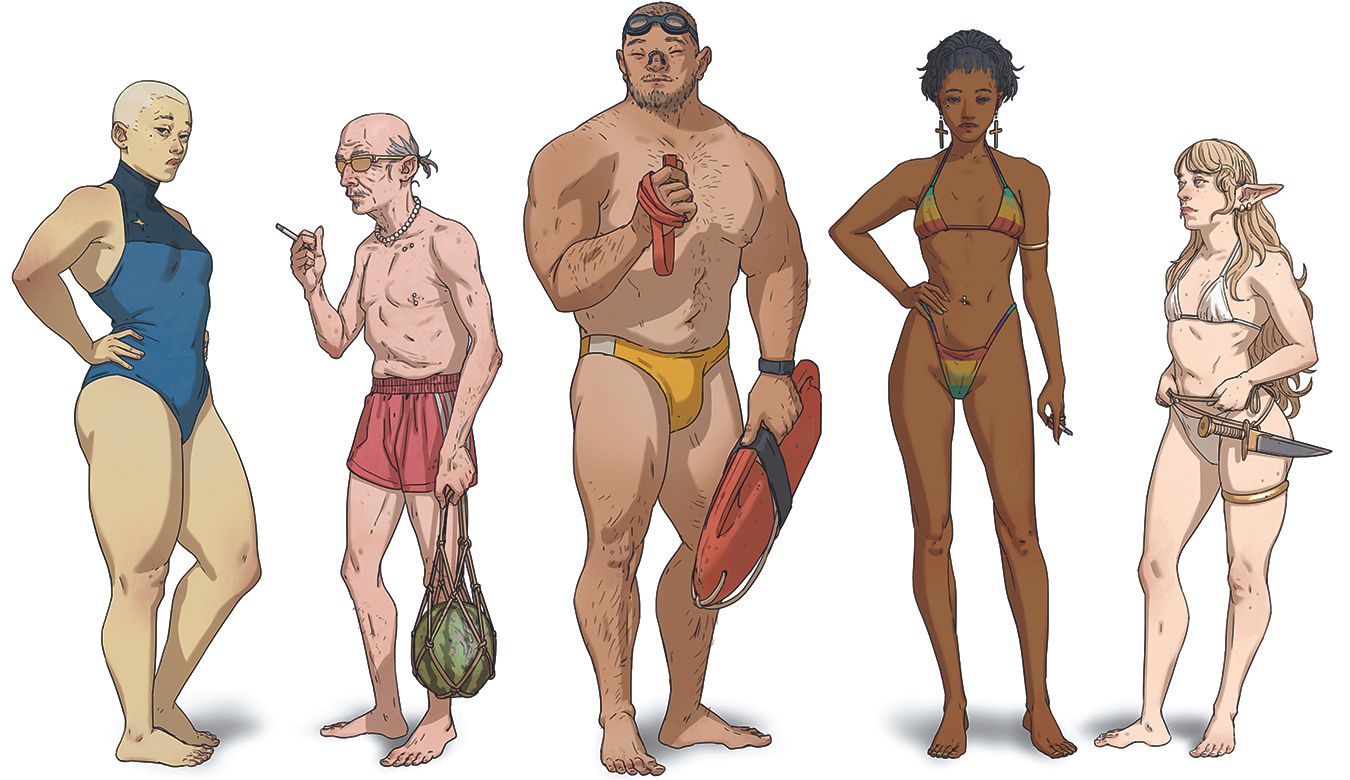
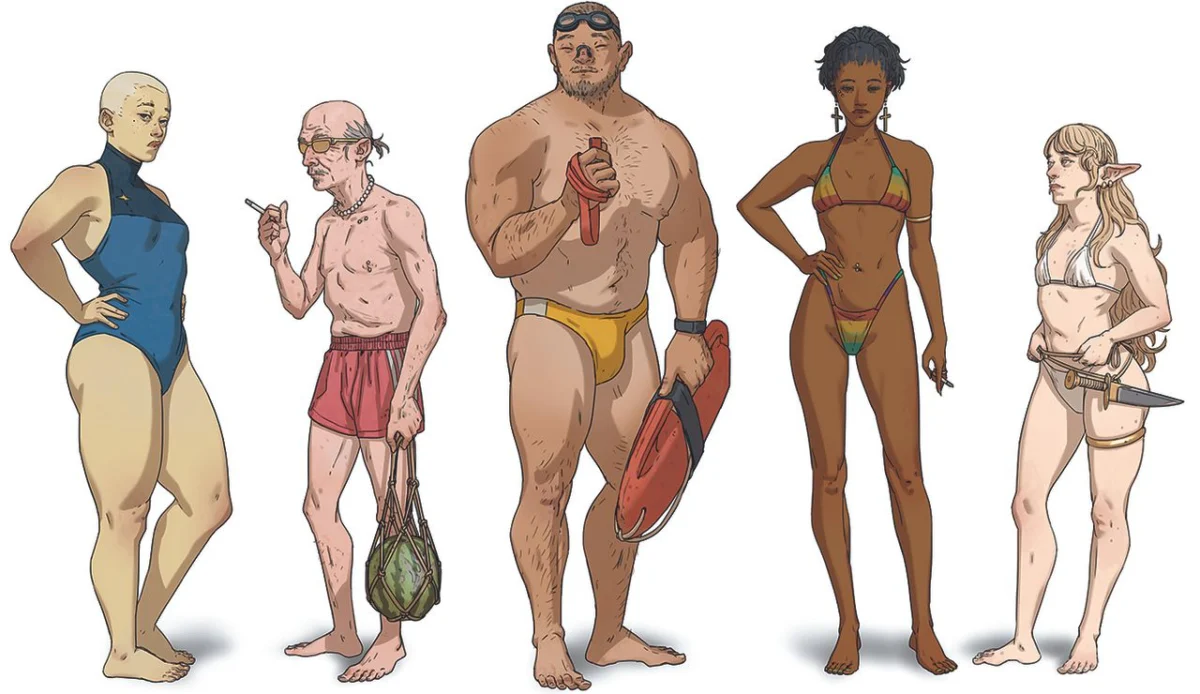
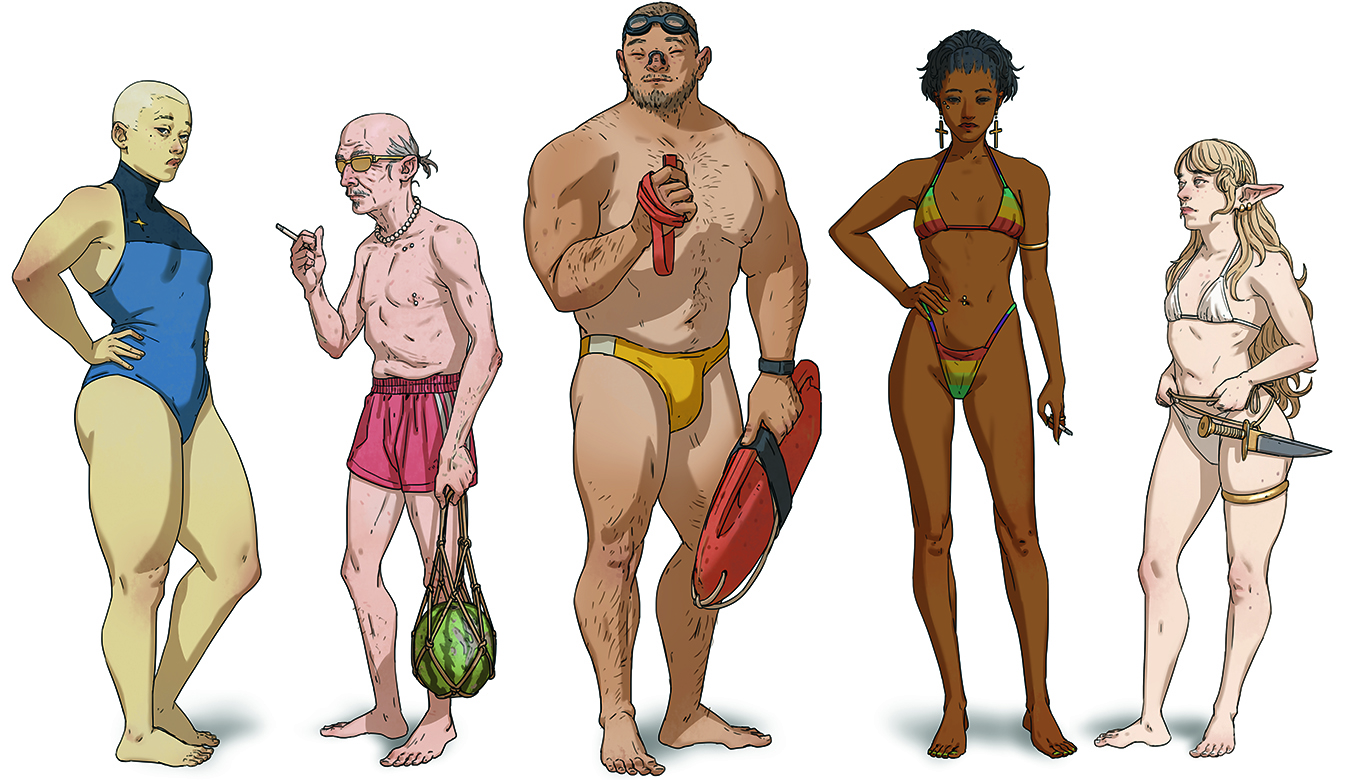
Beyond the immediate visual impact, Hristov’s characters are imbued with a sense of lived experience. This is particularly evident in pieces like his "folk at the beach" illustration, which began as an anatomical study but evolved into a collection of distinct personalities enjoying a leisure setting. The whimsical inclusion of an elf among the beachgoers hints at Hristov’s playful approach to character creation, where even unexpected elements can find a place within a cohesive scene, suggesting a world where diverse beings coexist.
Hristov’s artistic journey is not confined to digital mediums alone. His exploration into character design is often informed by a diverse range of influences, extending beyond the typical realms of art and design. He shared that street fashion photography, particularly from Japanese magazines of a bygone era, significantly impacted his early artistic development. This fascination stemmed from the unvarnished authenticity captured in these images. "I always enjoyed seeing photos of random people just being themselves, especially before the age of social media," Hristov remarked. "There was no real artificiality to it, so to speak." This emphasis on genuine representation is a core tenet of his character design philosophy. He strives to imbue his creations with a similar sense of candid realism, aiming to capture the essence of an individual as if glimpsed in a fleeting moment, rather than presenting a meticulously curated or exaggerated persona. This approach allows his characters to resonate more deeply with audiences, fostering a sense of relatability and connection, even within fantastical settings.
This dedication to authentic character portrayal is a valuable asset in the game development industry, where players often form strong emotional bonds with the characters they interact with. Games that feature well-developed, believable characters tend to see higher player retention and positive critical reception. Hristov’s ability to capture this essence contributes to the overall immersive quality of the games he works on.
The Genesis of a Career and Unexpected Paths
Hristov’s foray into the professional art world was not a meticulously planned trajectory. He revealed that his initial academic pursuits were in an entirely different field. The transition into concept art was, in his words, "a bit of a surprise." This organic entry into the industry underscores a certain serendipity in his career path. He elaborated, "Honestly, I never really planned on making a living out of it. I was studying something completely different before I stumbled on my first job, so I didn’t have any real idea or expectation of what it’s supposed to be."
This unexpected turn has yielded significant rewards. "In some ways, it’s better than I could’ve imagined," Hristov admitted. "You get to work with some of your favourite artists and get paid to design silly goblins or whatever. That’s crazy." The allure of collaborating with admired peers and the creative freedom to explore imaginative concepts are clearly powerful motivators. However, he also offered a grounded perspective on the realities of freelancing. "But it’s still a job. There’s lots of tedious administrative work, and being a freelancer is more challenging than I could’ve ever imagined." This dual perspective highlights the inherent complexities of a creative profession, balancing artistic passion with the practical demands of business management.
The freelance landscape for digital artists has evolved considerably. While offering unprecedented flexibility and the potential for diverse projects, it also presents challenges such as income volatility, the constant need for self-promotion, and the management of client relationships. Industry data consistently shows that while the demand for skilled digital artists remains high, the competition is equally intense, making robust business acumen as crucial as artistic talent.
The Evolution of Digital Art and Emerging Challenges
Reflecting on the broader landscape of digital art, Hristov observed significant shifts during his career. "As a medium, it’s more accessible than it’s ever been, and there are endless resources to learn from nowadays, which is fantastic," he stated, acknowledging the democratizing effect of technology and online educational platforms. The proliferation of digital art tools and tutorials has lowered the barrier to entry, enabling a wider range of individuals to pursue digital art. This accessibility has undoubtedly fueled the growth of the digital art community and fostered innovation.
However, Hristov also pointed to emerging challenges that are reshaping the industry. "But the emergence of things like generative AI, the algorithmic changes to social media, and just the way some companies treat artists really makes it hard to have digital art as a pursuit," he expressed with concern. The rapid advancement of generative AI technologies, capable of producing artwork from textual prompts, has sparked widespread debate and concern within the art community regarding copyright, originality, and the future of human artistry. Similarly, the ever-changing algorithms of social media platforms can significantly impact an artist’s visibility and reach, making consistent engagement and adaptation a necessity. Furthermore, Hristov’s mention of how "some companies treat artists" alludes to ongoing discussions about fair compensation, intellectual property rights, and the ethical considerations of artist collaboration in commercial projects.
Despite these headwinds, Hristov remains optimistic about the evolving opportunities for digital artists. "However, there are also more ways than ever for digital artists to make a living out of it, especially by making their own independent stuff — whether that’s educational content or personal projects," he noted. This indicates a growing trend towards artists building their own brands and revenue streams, leveraging platforms to directly connect with audiences and offer unique content. This can include online courses, exclusive digital art packs, merchandise, or even independent game development projects. This entrepreneurial spirit is becoming increasingly vital for sustained success in the contemporary digital art ecosystem.
Invaluable Lessons and Forward-Looking Aspirations
When asked about advice he would impart to his younger self, Hristov offered a pragmatic, albeit self-aware, response. "Study the fundamentals! But, knowing myself, I wouldn’t have listened," he confessed with a chuckle. This candid admission highlights the common artistic struggle between theoretical learning and practical application. His advice extends to a crucial warning against complacency: "Also, don’t get lazy when things are going good, because it sets you up for failure later on." He elaborated on the ease with which artists can become comfortable during successful projects or periods of employment, potentially neglecting continuous skill development. "It’s very easy to get comfortable on a project/job and neglect your studies, thinking you ‘made it’."
This sentiment resonates deeply within any profession, particularly in rapidly evolving fields like digital art. The digital art market is characterized by constant innovation, with new software, techniques, and artistic trends emerging regularly. Staying relevant and competitive necessitates a commitment to lifelong learning. Hristov emphasized this point, stating, "You always need to push yourself forward. Especially as a freelancer, where the market is so competitive and oversaturated with amazing people, who can sometimes have decades of experience more than you." This underscores the importance of continuous improvement and skill diversification to stand out in a crowded marketplace.
Looking ahead, Hristov expressed a desire to broaden his artistic horizons. "Who knows… I would love to maybe expand my skill set a bit beyond just character concepts. Animation seems quite interesting at the moment, but also so daunting," he mused. The exploration of animation represents a natural progression for a character artist, allowing for the bringing of his creations to life in a dynamic, moving form. While acknowledging the perceived difficulty, his interest signals a willingness to embrace new challenges and expand his creative toolkit.
His immediate focus, however, remains firmly rooted in his core passion. "Honestly, I just want to continue designing characters and get better at it, that’s the immediate goal. There’s always so much to learn." This dedication to honing his craft and the pursuit of continuous learning are hallmarks of a true artist. The vastness of artistic knowledge means that mastery is a perpetual journey, and Hristov’s commitment to this ongoing process is a testament to his dedication and passion for character design.
A Glimpse into Hristov’s Creative Process and Inspirations
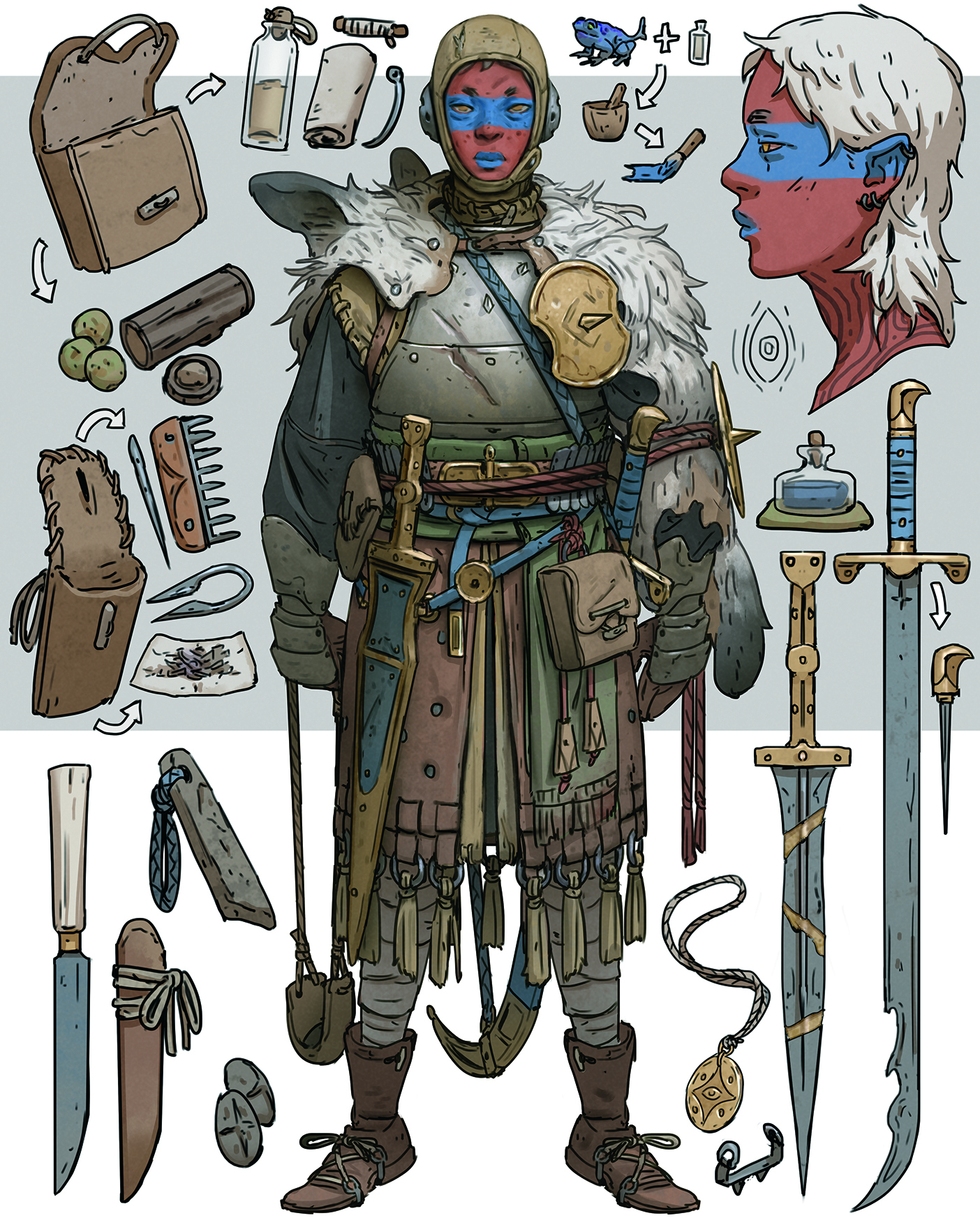
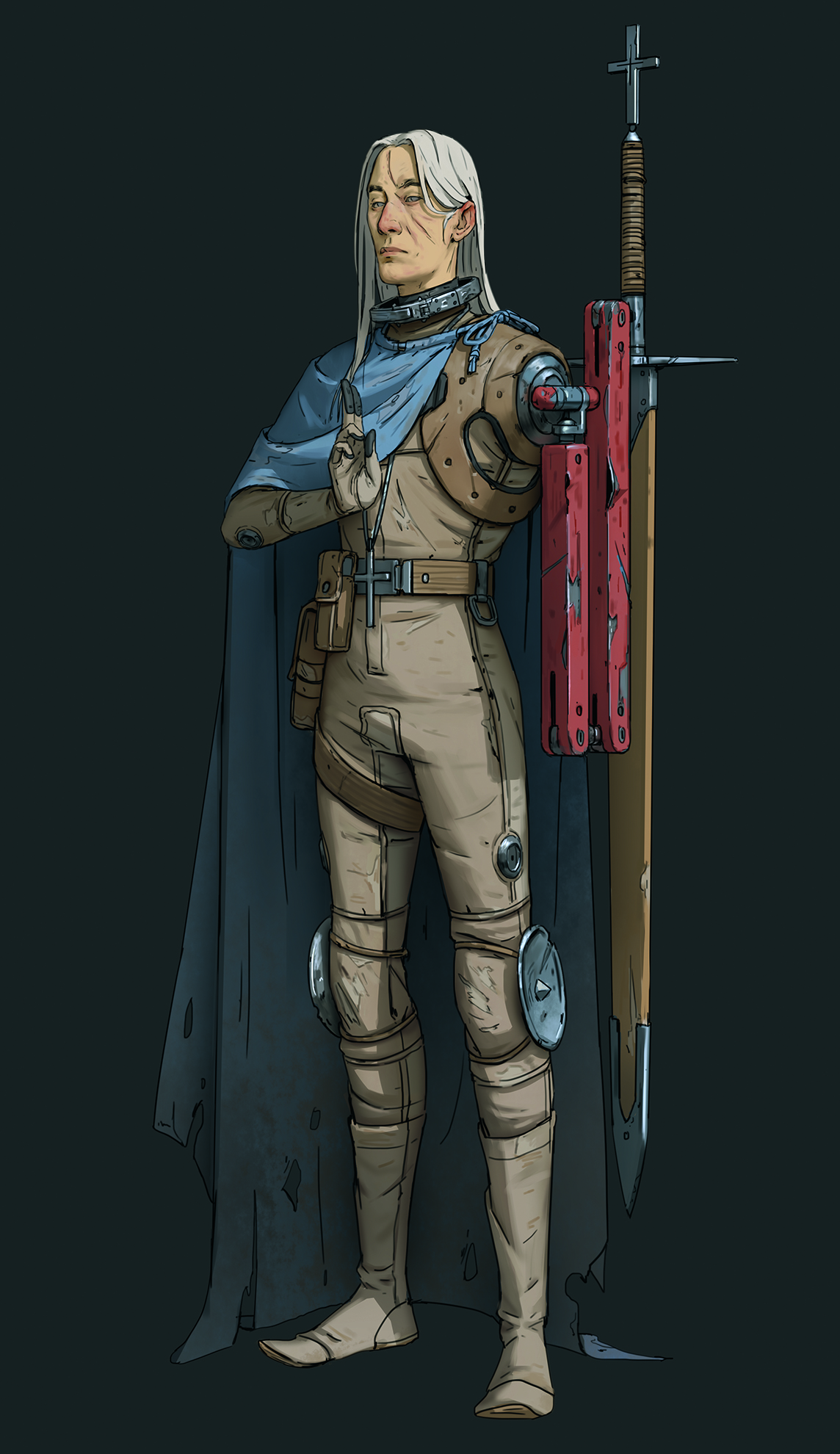
Hristov’s portfolio showcases a remarkable versatility, with each piece offering a narrative hook. His concept for a "nomadic hunter" exemplifies his ability to present a character on a single sheet while providing context about their role and environment. This approach is invaluable for game development, where concept art must convey not only the character’s appearance but also their function within the game world. The "apostle of the so-called One Religion" from his "Beyond the Void" project demonstrates his capacity for intricate world-building, hinting at complex lore and thematic depth. This project, focusing on space exploration, suggests a narrative universe where diverse belief systems and futuristic elements intertwine.
The artwork depicting dragons and their role in harvesting mana is another compelling example of Hristov’s imaginative world-building. The concept of dragons as creatures whose eggs are infertile due to this process, with a rare exception imprinting on a person, adds a layer of scarcity and profound connection to the narrative. This type of imaginative detail is what elevates character design from mere illustration to integral storytelling. Similarly, his design inspired by demons pupating like insects and leaving empty husks behind offers a unique and slightly unsettling take on creature design, showcasing his ability to explore unconventional biological and mythological concepts.
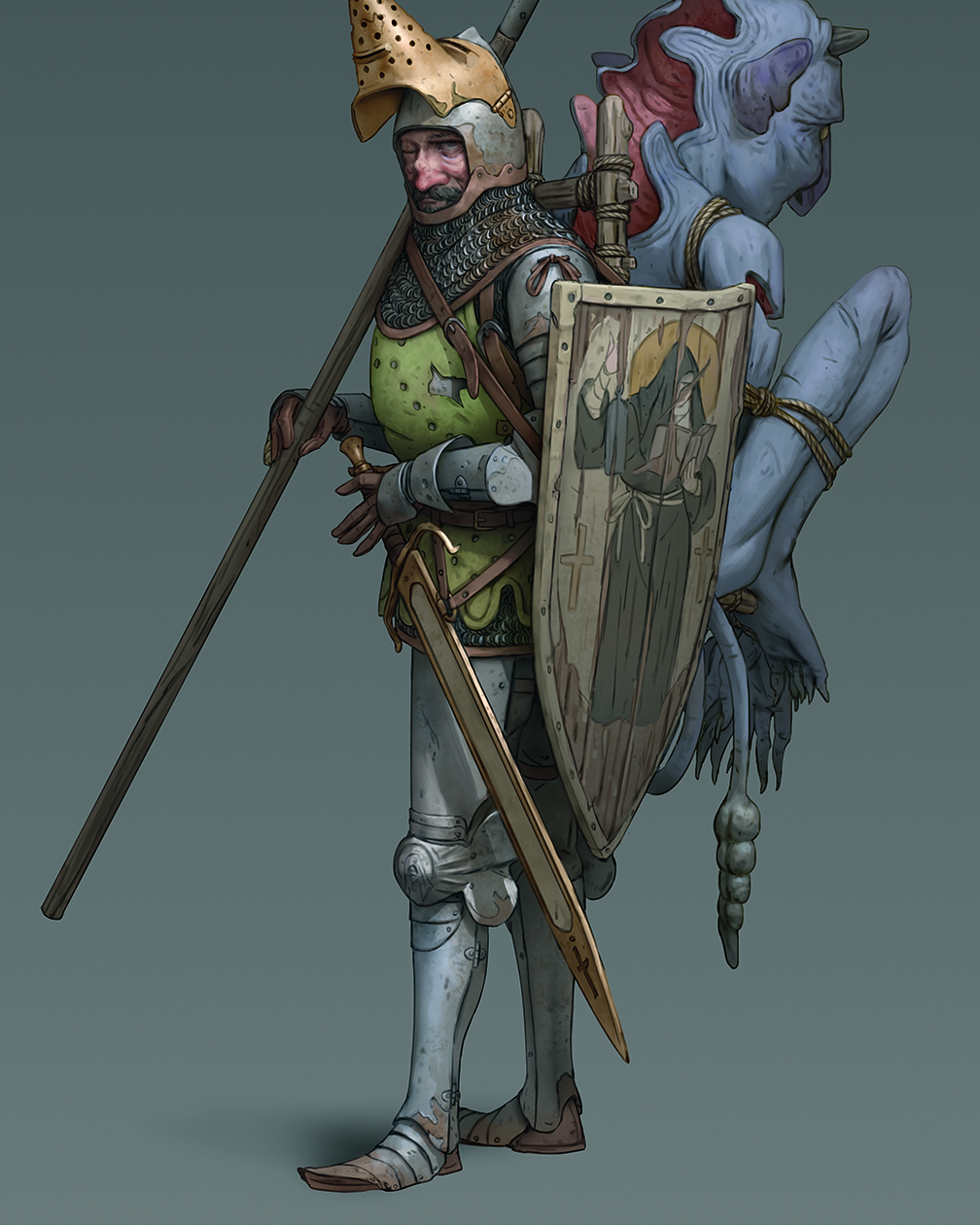
These diverse explorations highlight Hristov’s talent for creating characters that are not only visually striking but also deeply embedded within their respective universes, each carrying a story waiting to be discovered. His work serves as a powerful reminder of the multifaceted role of character design in modern entertainment and narrative arts.
Pavel Hristov’s work can be further explored on his ArtStation profile, offering a comprehensive look at his artistic journey and creative output. His contributions to the field of concept art continue to inspire and captivate, demonstrating the enduring power of well-crafted characters to shape and enrich virtual worlds.